Home Blog

Congress Alleges Plan to Expand Lok Sabha by 50%, Warns of ‘Disadvantage’ to Southern States

jairam ramesh, ramesh, congress, caa, congress party, bjp
Congress Alleges Plan to Expand Lok Sabha by 50%, Warns of 'Disadvantage' to Southern States 2

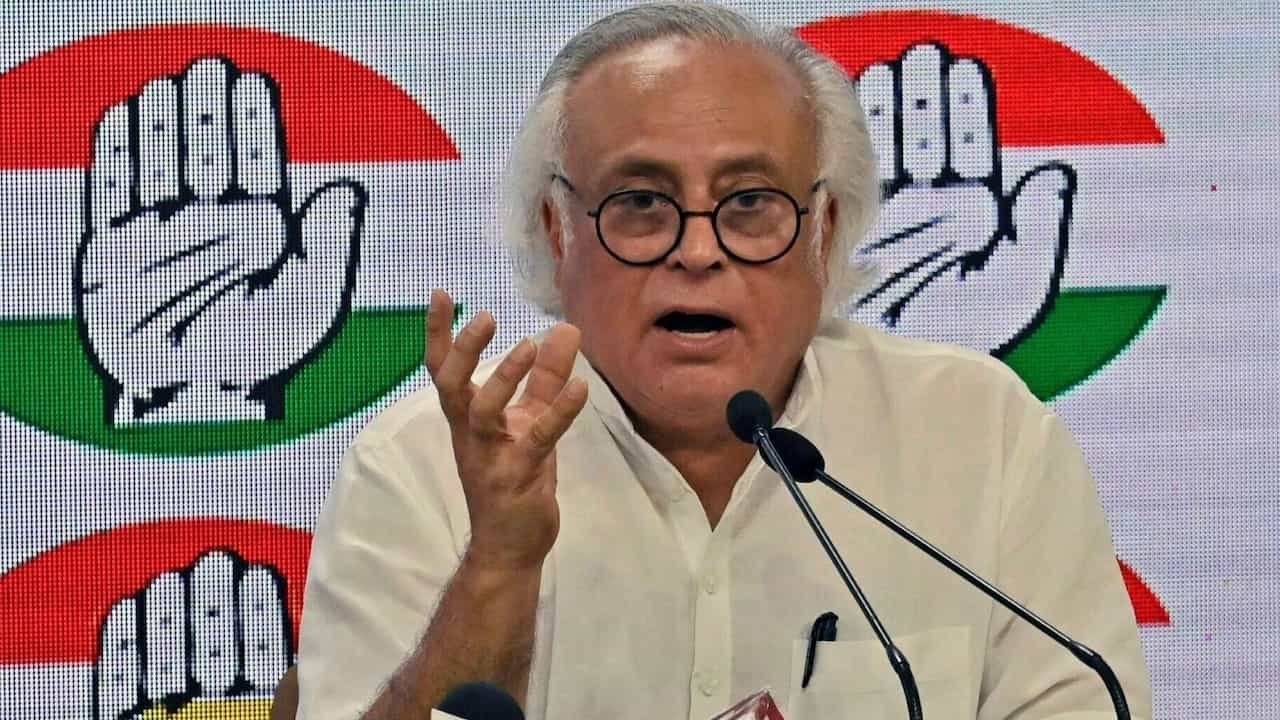
The Congress on Wednesday alleged that the Narendra Modi government is planning to introduce a bill to increase the size of the Lok Sabha by 50 per cent, warning that such a move could disadvantage states in the South, Northeast, and parts of Western India.

There has been no official confirmation from the Centre regarding the proposed legislation.

Congress general secretary (communications) Jairam Ramesh claimed that the number of seats allocated to each state would also be increased by 50 per cent. While this may appear equitable on the surface, he argued that the move could deepen existing disparities in representation.

Ramesh said that any expansion would disproportionately benefit states with larger populations, thereby widening the gap between northern and southern states in parliamentary representation. He cited examples, noting that Uttar Pradesh’s current 80 seats could rise to 120, while Tamil Nadu’s strength may increase from 39 to around 59. Similarly, Kerala’s seats could grow from 20 to 30, while Bihar’s could increase from 40 to 60.

According to the Congress leader, such changes could result in northern states gaining significantly more seats compared to southern states, potentially altering the balance of political influence in Parliament.

He also claimed that Telangana Chief Minister A. Revanth Reddy has already raised concerns over the issue and that more leaders may voice opposition if the proposal is formally brought forward.

Ramesh further alleged that the government is preparing to push the bill without adequate consultation, describing it as a unilateral move that requires wider discussion and consensus.

The Congress has also linked the issue to broader concerns about electoral reforms, including the implementation of the women’s reservation law passed in 2023. The party has argued that key steps such as delimitation and the census must precede any major structural changes in representation.

The government, however, has not responded to these claims, and no formal proposal has been made public so far. The issue is expected to spark wider political debate if brought before Parliament.
Transgender Rights Amendment Bill Gets President’s Nod, Sparks Fresh Debate

Amendment Bill, Transgender Rights Amendment Bill, Transgender
Image: PTI

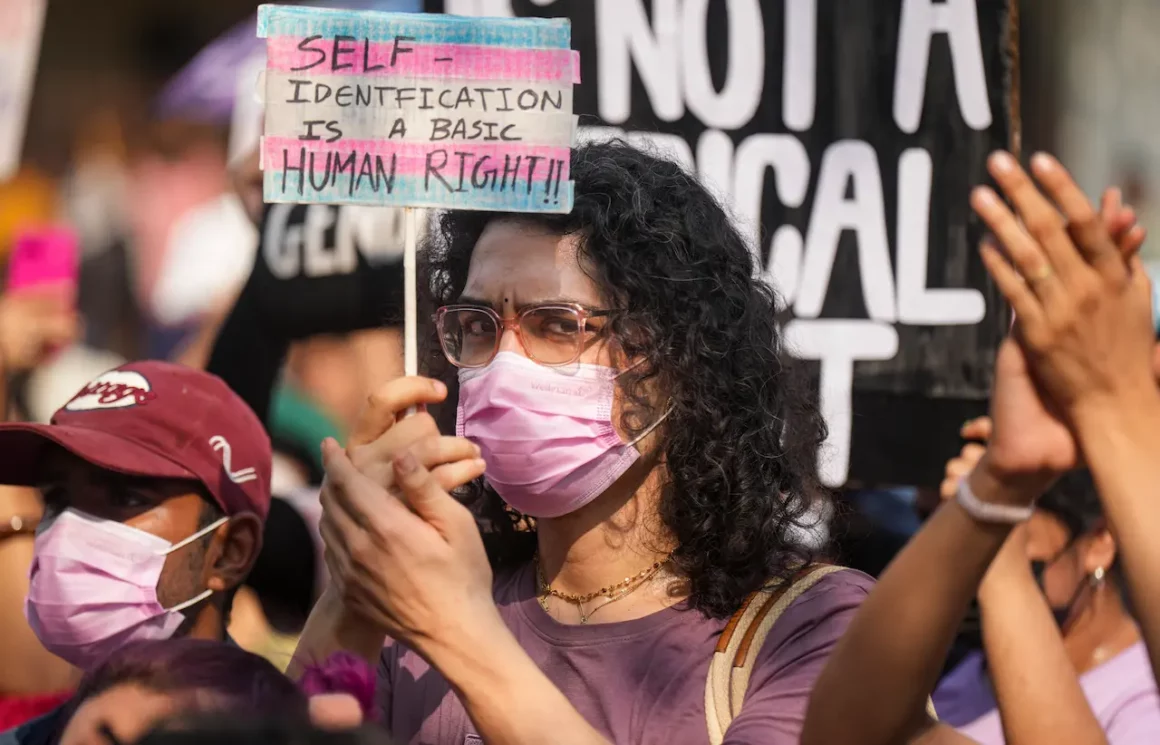
The Transgender Persons (Protection of Rights) Amendment Bill, 2026, which introduces graded punishment for offences causing bodily harm to transgender persons, has received the assent of President Droupadi Murmu.

According to a notification issued by the Law Ministry on March 30, the amended law will come into force on a date to be notified by the Central Government in the official gazette.

The legislation aims to strengthen protections for transgender individuals by clearly defining offences and prescribing varying degrees of punishment based on the severity of harm. It also seeks to provide a more precise definition of the term “transgender”.

However, the bill has triggered sharp criticism from opposition parties, which have objected to the exclusion of individuals with different sexual orientations, including gays and lesbians, from its ambit. The revised definition explicitly states that transgender persons do not include those with different sexual orientations or self-perceived sexual identities.

Another contentious provision is the establishment of an authority to determine whether a person qualifies as transgender under the law. Critics have argued that this undermines the right to self-identification and autonomy.

During debates in Parliament, the government maintained that the legislation is intended to protect a specific class of individuals who face severe social and cultural discrimination. It emphasised that the law is focused on safeguarding transgender persons and is not designed to cover all gender identities or sexual orientations.

Opposition leaders, however, demanded that the bill be referred to a parliamentary standing committee for wider consultation, arguing that the current provisions risk excluding vulnerable communities and limiting rights.

Despite the criticism, the bill has now become law, setting the stage for its implementation once the government notifies the effective date.

From Tax Relief to UPI Security: Key Rule Changes Kick In from April 1, 2026

tax relief, upi, april 1, upi security, tax revision, tax
From Tax Relief to UPI Security: Key Rule Changes Kick In from April 1, 2026 5

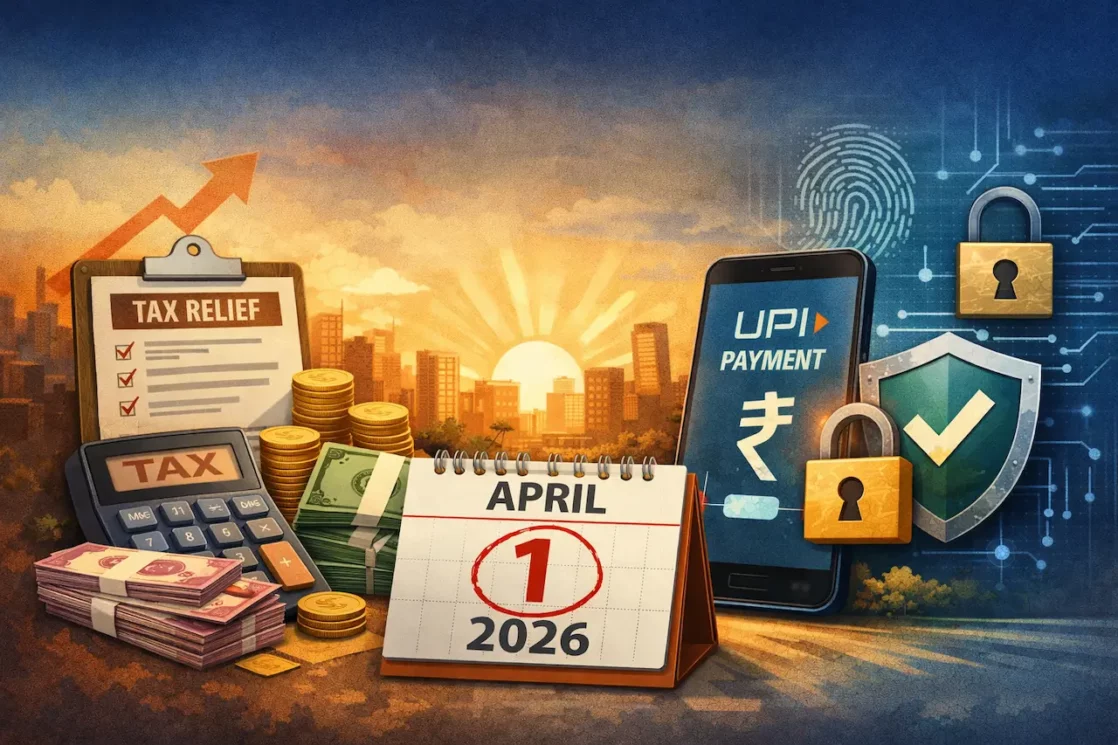
As India enters the new financial year on April 1, 2026, a wide range of regulatory changes have come into effect, impacting everything from taxation and digital payments to travel, fuel, and savings.

One of the biggest changes is the implementation of a revised income tax framework, under which individuals earning up to ₹12 lakh annually will not have to pay tax. With a rebate of up to ₹60,000 under Section 87A and a standard deduction of ₹75,000 for salaried individuals, effective tax-free income can go up to ₹12.75 lakh under the new regime.

The income tax filing calendar has also been adjusted. While salaried taxpayers must continue to file returns by July 31, the deadline for non-audit cases, including professionals and self-employed individuals, has been extended to August 31.

Digital payments are becoming more secure, with the Reserve Bank of India mandating two-factor authentication for UPI transactions. This means users may now need biometric verification, such as fingerprint or facial recognition, in addition to their PIN.

Banking costs are also seeing a slight increase. After exhausting the monthly limit of five free ATM withdrawals, customers may be charged ₹23 per transaction, along with applicable taxes, by several banks.

On the environmental front, oil companies are now required to supply E20 petrol—a blend containing 20 per cent ethanol—across the country. At the same time, new BS-VII emission norms are being introduced, bringing stricter monitoring of vehicle emissions, including brake dust and tyre microplastics.

Travel expenses and policies have also been revised. FASTag annual passes for non-commercial vehicles have increased by ₹75 to ₹3,075. Indian Railways has tightened its refund rules, offering no refund for tickets cancelled within eight hours of departure, compared to the earlier four-hour window.

Workplace regulations are undergoing significant changes under new labour codes. Employers must now ensure that at least 50 per cent of an employee’s salary is basic pay, which will likely reduce take-home pay but increase provident fund contributions for long-term savings. The minimum working days required to qualify for leave have been reduced from 240 to 180, and the tax-free limit for meal allowances has been raised to ₹200 per meal.

In a major boost to financial accessibility, the Employees’ Provident Fund Organisation (EPFO) has enabled PF withdrawals through ATMs and UPI, simplifying access to savings. Withdrawals have been categorised into essential needs, housing, and special circumstances.

However, certain administrative processes have become stricter. Applying for a PAN card will now require additional documentation beyond Aadhaar, such as a birth certificate, driving licence, or passport.

These changes mark a significant shift towards a more transparent, secure, and environmentally conscious system. While some adjustments—such as slightly lower take-home salaries or higher travel costs—may be felt in the short term, the reforms aim to deliver long-term benefits through improved financial security, cleaner energy usage, and easier access to savings.

Malayalam Director Ranjith Arrested in Sexual Assault Case Filed by Actress

malayalam, ranjith, malayalam director, sexual assault
Malayalam Director Ranjith Arrested in Sexual Assault Case Filed by Actress 7

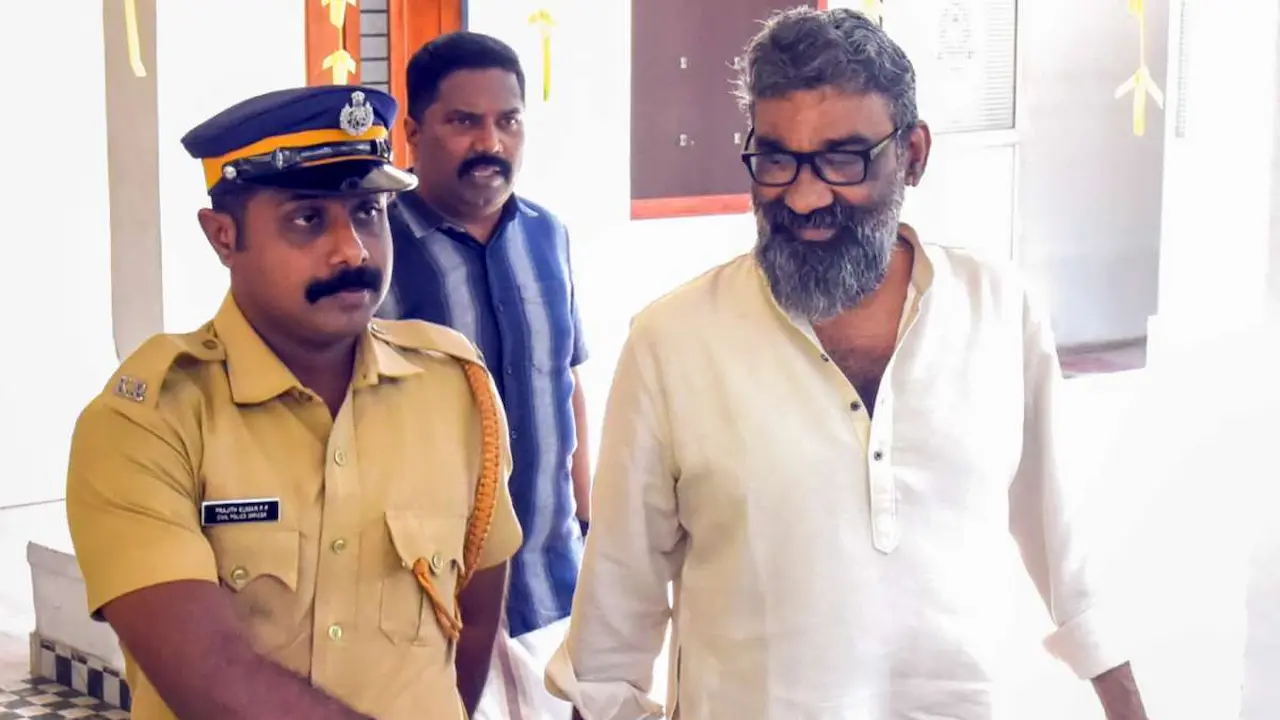
Malayalam filmmaker Ranjith was arrested by Kerala Police on Tuesday in connection with a sexual assault complaint filed by an actress.

Ranjith was taken into custody in Thodupuzha while reportedly travelling to Idukki as part of campaigning activities for the upcoming Assembly elections. He was later brought to Ernakulam, where the case has been registered at the Ernakulam Central Police Station.

According to the complaint, the actress alleged that Ranjith attempted to sexually assault her inside a caravan during the shooting of a film he was directing. The incident reportedly took place at a shooting location, and the complaint was initially submitted to the Director General of Police and a Special Investigation Team.

The investigation is currently being led by Ernakulam City Deputy Commissioner of Police Aswathy Gigi. Police recorded the actress’s statement two days prior to the arrest, officials said.

This is not the first time the filmmaker has faced such allegations. In 2024, a Bengali actress had accused Ranjith of sexual harassment linked to an incident during the audition process of the film Palerimanikyam in 2009. Following those allegations, he had stepped down as chairman of the Kerala State Chalachithra Academy.

Ranjith had denied the earlier accusations, stating that the actress had auditioned for the film but was not selected as she did not fit the role.

Police said further investigation is underway in the latest case.

Sunil Tatkare Confirms Awareness of NCP Merger Talks, Says Party Will Stay with NDA

sunil tatkare, tatkare, sunil, ncp, leader
Sunil Tatkare Confirms Awareness of NCP Merger Talks, Says Party Will Stay with NDA 9

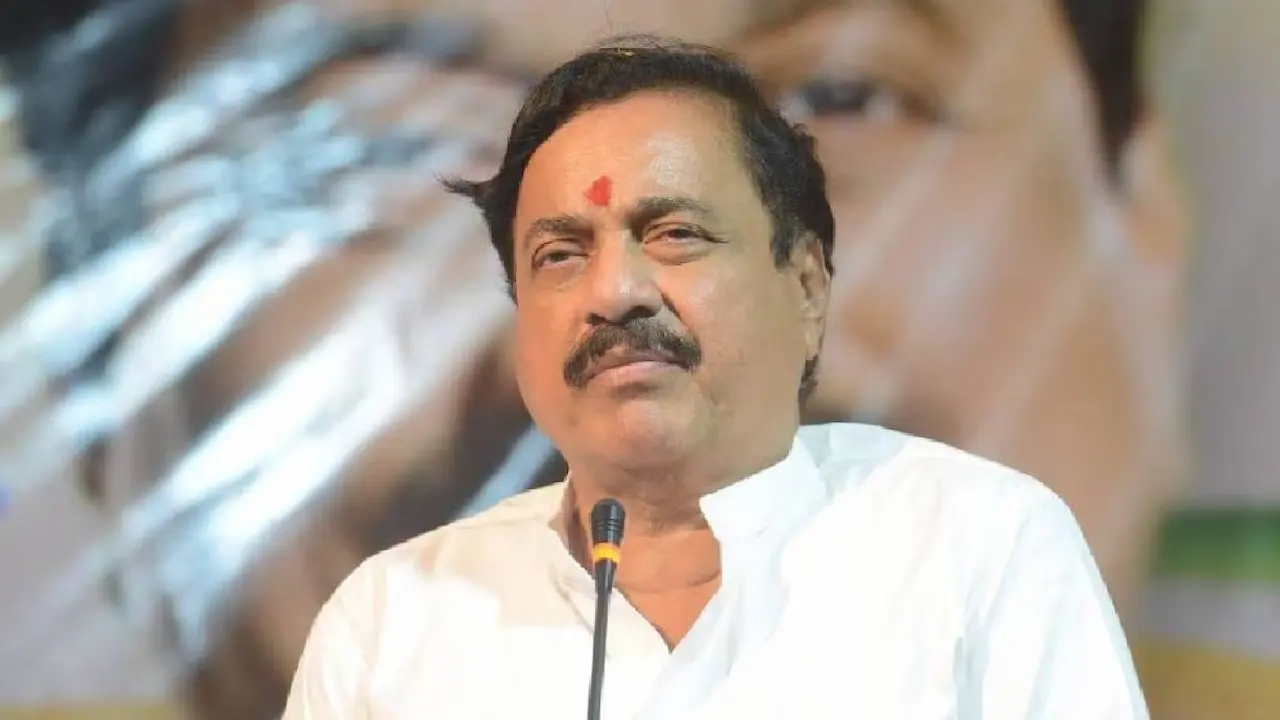
Maharashtra Nationalist Congress Party (NCP) president Sunil Tatkare has said he was aware of discussions regarding a possible merger between his faction and the Sharad Pawar-led NCP (SP), but clarified that he was not opposed to the idea.

Speaking to a Marathi news channel, Tatkare expressed disappointment that the merger talks were made public at a time when the party was mourning the sudden demise of its leader and then Deputy Chief Minister Ajit Pawar on January 28.

Tatkare questioned the narrative around the proposed merger, stating that the key issue remains “who will merge with whom”. He also made it clear that his party will continue its alliance with the BJP-led National Democratic Alliance (NDA).

Following Ajit Pawar’s death, leaders from the Sharad Pawar-led NCP (SP) had claimed that discussions on a merger were underway before his passing. However, leaders from Tatkare’s faction had earlier denied that any such decision had been finalised.

In recent developments, NCP MLA Sunil Shelke, known to be a close associate of Ajit Pawar, and Assembly Deputy Speaker Anna Bansode have voiced support for a possible merger under the leadership of Deputy Chief Minister Sunetra Pawar.

Reiterating his stance, Tatkare said he was informed about the talks but emphasised that the party’s current political alignment with the NDA remains unchanged.

SIT Detains ‘Godman’ Ashok Kharat’s Son in Rape Case Probe; Wife Missing, Search Intensifies

ashok karat, harshvardhan karat, ashok karat case, sit, nashik police, pune police, harshvardhan karat
SIT Detains 'Godman' Ashok Kharat's Son in Rape Case Probe; Wife Missing, Search Intensifies 11

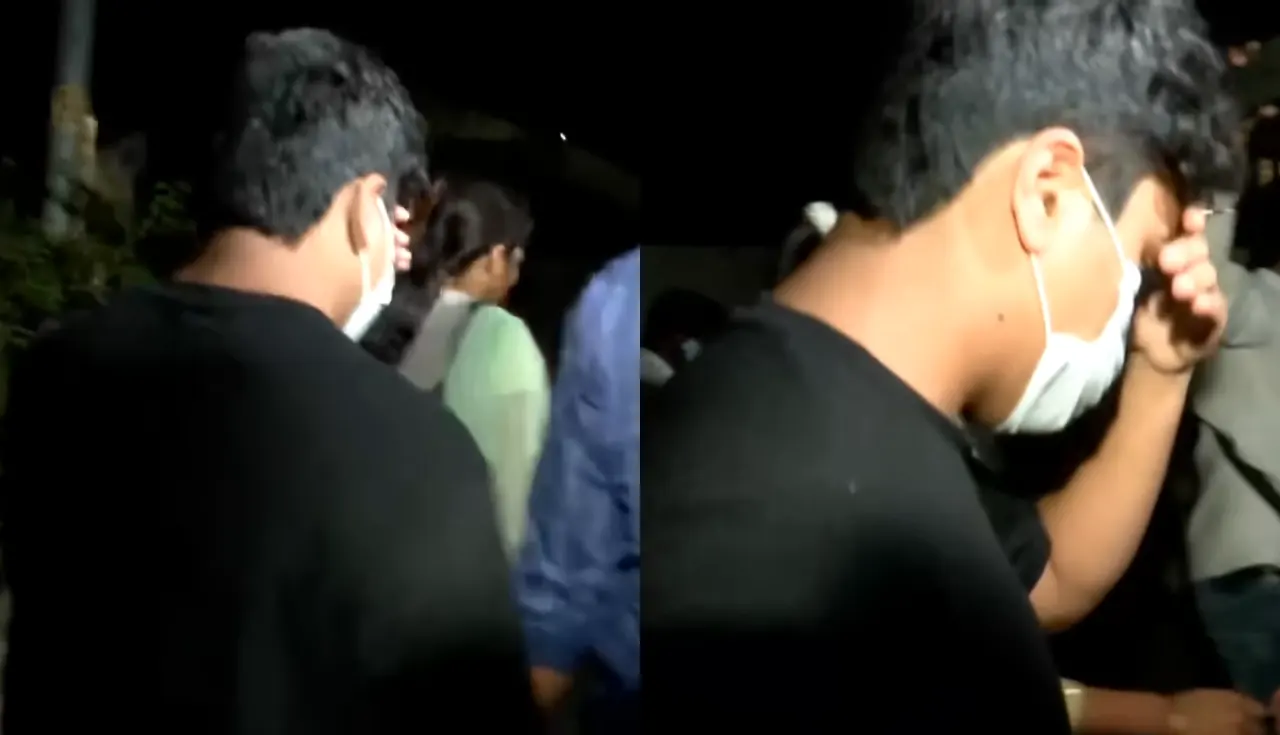
The Special Investigation Team (SIT) probing rape and cheating allegations against self-styled godman Ashok Kharat has detained his son Harshvardhan in Nashik for questioning, while a search is underway to trace his wife, police said.

Kharat is facing at least 10 FIRs at the Sarkarwada police station, including eight cases of alleged sexual assault or exploitation and two related to cheating. Investigators have also received over 100 complaints via phone against him, indicating the scale of the allegations.

On Tuesday, an SIT team reached Kharat’s residence in Karmayogi Nagar and detained his son after failing to locate his wife, Kalpana Kharat. Harshvardhan was subsequently taken to the Maharashtra Police Academy for further questioning, officials said.

Meanwhile, Kharat remains in police custody, which is set to end on Wednesday, after which he will be produced before a local court.

In a parallel development, police in neighbouring Ahilyanagar district have registered a fresh cheating case against five individuals, including Kharat’s wife, in connection with an alleged land fraud exceeding ₹4 crore.

Authorities in Shirdi have arrested two accused—identified as Arvind Bawake and Kiran Sonawane—in connection with the case. Kharat’s wife remains absconding, and efforts are ongoing to trace her.

According to officials, a landowner from Shirdi had taken an unsecured loan of ₹5.52 crore from Kharat’s wife against four acres of land. Despite repaying around ₹1.5 crore, the accused allegedly attempted to usurp the property, prompting the victim to file a complaint.

Based on the complaint, a case has been registered under charges of fraud and provisions of the Maharashtra Money Lending (Regulation) Act. Kharat, his wife, and a middleman have been named among the accused.

The investigation into both the sexual assault allegations and financial irregularities is ongoing as authorities continue to widen the probe.

BJP Unveils Assam Poll Manifesto: Rs 5 Lakh Cr Investment, Land Rights Push and Jobs Promise

fm, finance minister, nirmala sitharaman, union budget, assam polls, assam
BJP Unveils Assam Poll Manifesto: Rs 5 Lakh Cr Investment, Land Rights Push and Jobs Promise 13

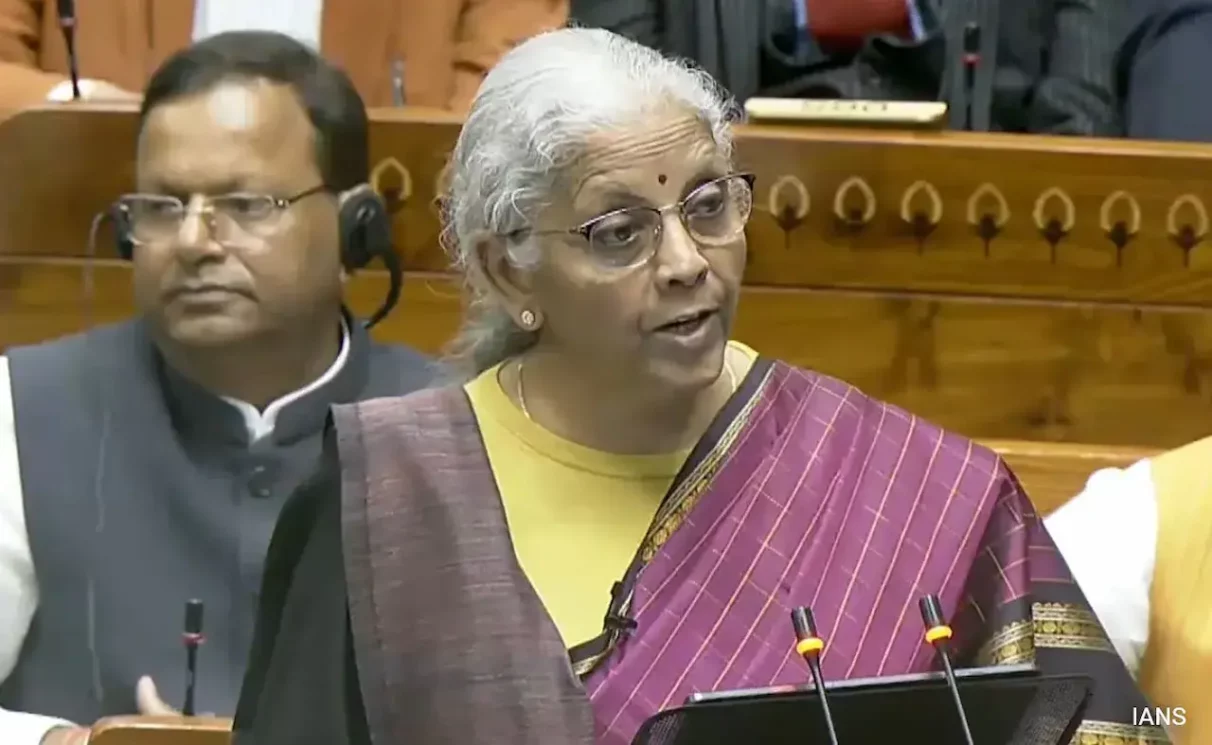
Union Finance Minister Nirmala Sitharaman on Tuesday unveiled the BJP’s manifesto for the upcoming Assam Assembly elections, promising protection of land, heritage and dignity of indigenous communities, along with a massive ₹5 lakh crore infrastructure investment.

The party’s ‘Sankalp Patra’ outlines 31 key promises, including measures to reclaim encroached land, implement a Uniform Civil Code, and boost employment opportunities for the youth while accelerating the state’s overall development.

Sitharaman said the manifesto builds on what she described as a “decade of transformation” under BJP rule, contrasting it with the Congress’ tenure. She alleged that previous governments lacked a long-term vision for the development of the Northeast.

Highlighting the BJP’s governance record, she claimed that the state has witnessed significant growth and stability, which has encouraged many young Assamese professionals to return from abroad in search of new opportunities.

The Union minister also said that peace and stability in Assam have improved under BJP leadership, adding that development is possible only in a secure environment. Referring to the Armed Forces (Special Powers) Act (AFSPA), she stated that the law, which was in force for decades, has now been removed from most areas due to improved conditions.

The manifesto launch event was attended by Chief Minister Himanta Biswa Sarma, Union ministers Sarbananda Sonowal and Pabitra Margherita, state BJP president Dilip Saikia, and other senior party leaders.

Elections to the 126-member Assam Assembly are scheduled for April 9, with counting of votes set for May 4.

Rahul Gandhi Alleges BJP-Left ‘Understanding’ in Kerala, Says PM Modi Wants LDF Victory

rahul gandhi, lok sabha, pm modi, ldf, kerala, kerala pols,
Rahul Gandhi Alleges BJP-Left 'Understanding' in Kerala, Says PM Modi Wants LDF Victory 15

Congress leader Rahul Gandhi on Tuesday alleged that Prime Minister Narendra Modi wants the ruling Left Democratic Front (LDF) to return to power in the upcoming Kerala Assembly elections.

Addressing an election rally, Gandhi claimed that the Congress-led United Democratic Front (UDF) is effectively fighting a combined challenge from both the LDF and the BJP. He described the contest as a battle of ideologies, asserting that an unusual alignment appears to be emerging between the Left and the Right.

“This election is a fight between two ideologies — that of the Left Front led by CPI(M) and that of the UDF. But for the first time, we are seeing a partnership between the BJP and the Left Front,” Gandhi said.

He questioned how parties with opposing ideological positions could appear to converge politically, calling it a “puzzle”. Referring to the presence of former CPI(M) leaders V. Kunhikrishnan and T.K. Govindan on the UDF stage, Gandhi said their shift indicates that the Left is no longer representing its traditional ideological base.

According to Gandhi, individuals with “Left-minded thinking” are now aligning with the Congress, while the CPI(M) has drifted towards what he described as “corporate politics”.

The Congress leader also targeted the BJP’s approach in Kerala, alleging selective silence on key issues. He questioned why Prime Minister Modi does not raise the Sabarimala gold loss issue in the state, while frequently invoking religion and temple-related matters elsewhere.

Gandhi further alleged that CPI(M) leaders were linked to the Sabarimala controversy and accused the BJP of not addressing the matter, suggesting that this indicates a tacit understanding between the two parties.

He reiterated that the UDF remains the only alternative for voters seeking a government committed to people-centric policies, while asserting that recent political developments reflect a shift in Kerala’s traditional ideological landscape.

UP Cracks Down on Fuel Black Marketing: 17,000+ Raids, 17 Arrested Across State

lpg, uttar pradesh, up, lpg up, black marketing
UP Cracks Down on Fuel Black Marketing: 17,000+ Raids, 17 Arrested Across State 17

The Uttar Pradesh government has carried out an extensive crackdown on black marketing of LPG and petroleum products, conducting over 17,000 raids and inspections across the state since March 12.

According to an official statement issued late Monday night, a total of 17,581 raids were conducted during this period, resulting in the arrest of 17 individuals. Authorities also registered 33 FIRs against LPG distributors and 189 FIRs in other related cases, while initiating prosecution proceedings against 224 people.

The action follows directives from the Chief Secretary, with district administrations actively monitoring the supply situation. District supply officers and local officials have been tasked with ensuring the timely availability of cooking gas cylinders and fuel to consumers through regular inspections.

The government said petrol and diesel supplies remain stable, with approximately 91,000 kilolitres of petrol and 1.15 lakh kilolitres of diesel currently in stock. Across the state, 12,888 petrol pumps are operational, and fuel sales have continued steadily in recent days.

Authorities have urged citizens not to panic or engage in hoarding, emphasising that the supply chain remains uninterrupted.

The LPG supply situation has also been described as satisfactory, with 4,107 distributors ensuring delivery of cylinders as per bookings. Adequate stock is available to meet consumer demand, the statement said.

Efforts are also underway to expand the city gas distribution (CGD) network, with instructions issued to fast-track approvals and increase the number of piped natural gas (PNG) connections.

In addition, the central government has allowed a 20 per cent increase in the allocation of commercial LPG cylinders from March 23 to support demand.

To maintain constant oversight, a 24-hour control room has been set up at the office of the Food and Civil Supplies Commissioner, along with similar monitoring centres in all districts to track supply and prevent irregularities.

India Now ‘Naxal-Free’, Amit Shah Declares in Parliament; Targets Congress Over Past Failures

amit shah, naxal, naxal free, parliament, shah, crpf
India Now 'Naxal-Free', Amit Shah Declares in Parliament; Targets Congress Over Past Failures 19

Union Home Minister Amit Shah on Monday declared in Parliament that India has effectively become free from Naxalism, stating that the Maoist leadership and central structure have been nearly dismantled.

Replying to a debate in the Lok Sabha on efforts to eliminate Left-Wing Extremism (LWE), Shah said the government’s target of making the country Naxal-free by March 31, 2026, has largely been achieved. He added that a formal announcement would follow once the process is fully completed.

“Their Politburo and central structure have been almost completely dismantled. I can say that we have become Naxal-free,” Shah told the House, highlighting major successes of security forces across affected states.

Detailing the progress, Shah said members of Maoist state committees in Madhya Pradesh, Maharashtra, and Chhattisgarh have surrendered, while most remaining cadres in Odisha and Telangana have either been neutralised or have laid down arms.

He credited the achievement to coordinated efforts by Central Armed Police Forces, state police units, specialised forces like CoBRA and DRG, and support from tribal communities in affected regions.

Targeting the Congress, Shah alleged that previous governments failed to tackle the decades-long insurgency and allowed the “Red Corridor” to expand across multiple states. He questioned why the issue remained unresolved for years despite Congress being in power for a significant period after independence.

The Home Minister also accused Congress leader Rahul Gandhi of showing sympathy towards Naxal-linked elements, citing past public appearances and social media activity.

Shah reiterated the government’s dual approach—rehabilitation for those who surrender and strict action against those who continue violence. “Talks are only with those who lay down arms; a bullet will be answered with a bullet,” he asserted.

Highlighting the human and economic cost of the insurgency, Shah said Naxal violence had claimed around 20,000 lives, including 5,000 security personnel, and kept nearly 12 crore people deprived of development across affected regions.

He added that areas like Bastar, once heavily affected by Maoist influence, are now witnessing development as the “shadow of red terror” recedes. Shah credited the Modi government’s welfare initiatives and infrastructure push for improving conditions in these regions.

Reaffirming the government’s stance, Shah said India will not tolerate any form of armed insurgency and emphasised that justice must be pursued through constitutional means, not violence.