MP High Court Orders Contempt Case Against BJP MLA Sanjay Pathak Over Judge Contact 2
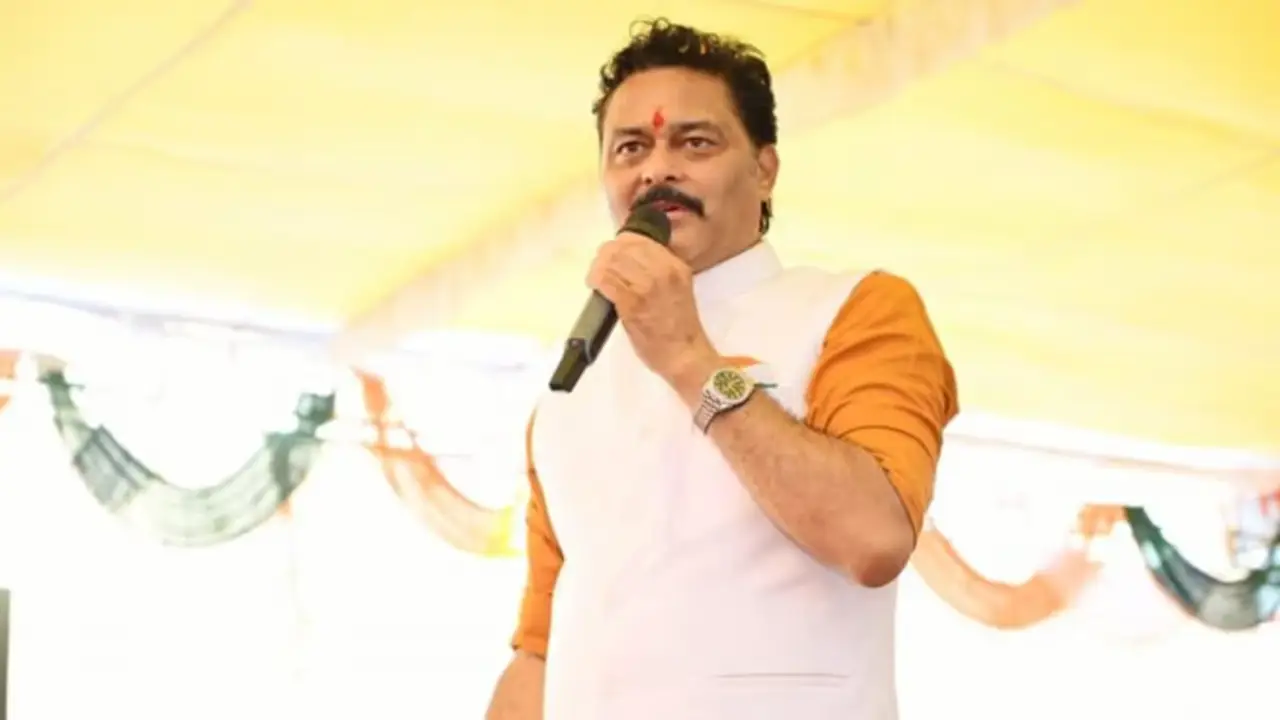
The Madhya Pradesh High Court on Thursday ordered the registration of a criminal contempt case against BJP MLA and mining businessman Sanjay Pathak for allegedly attempting to contact a sitting judge in connection with an illegal mining case.
A division bench comprising Chief Justice Sanjeev Sachdeva and Justice Vinay Saraf issued the direction while disposing of a related petition and rejecting Pathak’s objections.
The court took suo motu cognisance of the matter after it emerged that Pathak had allegedly tried to reach out to Justice Vishal Mishra over the phone regarding the case.
The issue came to light in September last year when Justice Mishra recused himself from hearing a petition related to alleged illegal mining. At the time, the judge had disclosed that Pathak had attempted to contact him to discuss the matter, prompting him to step aside from the proceedings.
The original petition was filed by Katni resident Ashutosh Dixit, who alleged that three companies linked to Pathak were involved in illegal and excessive mining activities in the Sihora area of Jabalpur district, including operations on forest land.
Dixit’s counsel argued that the attempt to contact the judge amounted to interference with judicial proceedings. Following the disclosure, Justice Mishra had directed that the matter be placed before the Chief Justice at the administrative level.
The petitioner had earlier approached authorities with complaints but alleged that no concrete action was taken, leading him to seek judicial intervention.
With the High Court now directing contempt proceedings, the case is expected to move forward under criminal contempt provisions.
Parth Pawar Dismisses Allegations Against Praful Patel and Sunil Tatkare as 'Baseless' 4
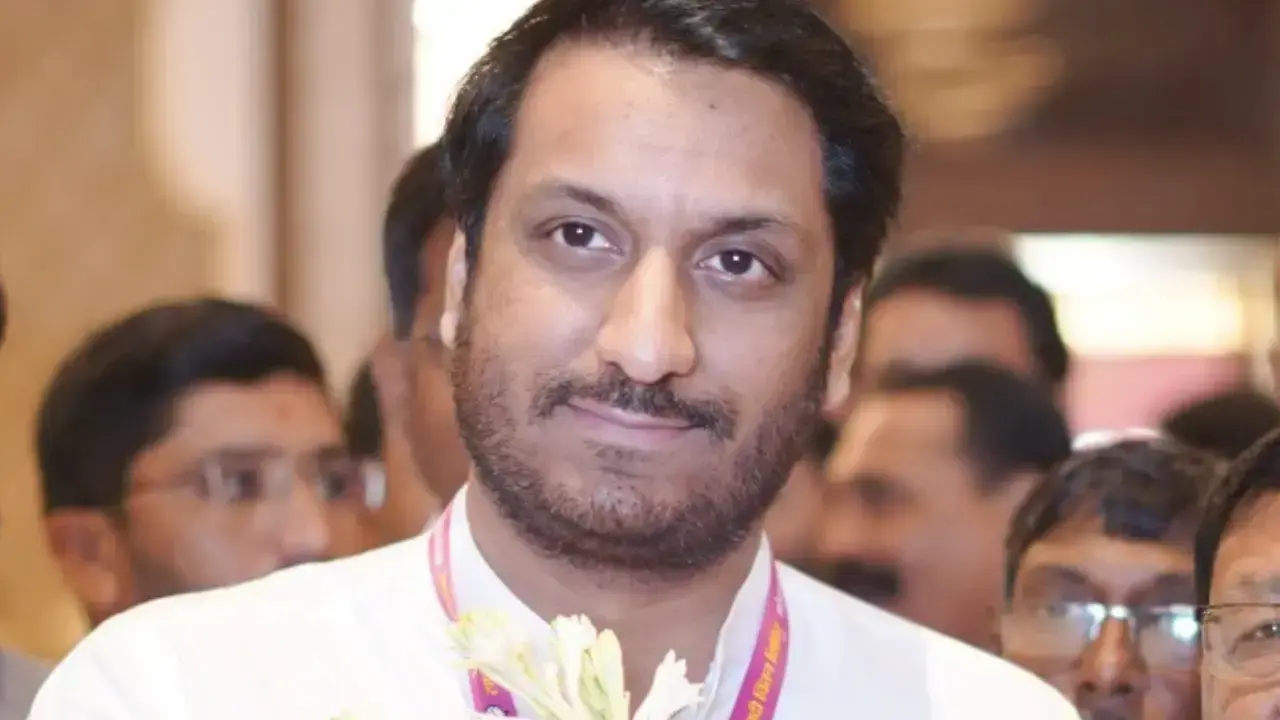
Amid mounting political speculation, NCP leader Parth Pawar on Thursday dismissed allegations against senior party figures Praful Patel and Sunil Tatkare, calling them “baseless and speculative”.
In a statement, Parth Pawar said the reports suggesting that Patel and Tatkare attempted to take control of the party following the death of former Maharashtra Deputy Chief Minister Ajit Pawar were “nothing but fiction”. He alleged that efforts were being made to drag the two leaders into “manufactured controversies”.
Highlighting their long-standing contributions, Parth Pawar said both Patel and Tatkare have demonstrated decades of commitment and leadership within the party, adding that such unfounded allegations were deeply unfortunate.
The clarification comes amid reports of internal tensions within the party, including speculation that Deputy Chief Minister Sunetra Pawar was unhappy with the two leaders.
Earlier, NCP (SP) leader Rohit Pawar had claimed that Sunetra Pawar wrote to the Election Commission of India on March 10, informing it of her appointment as party president and requesting that any previous communications sent after Ajit Pawar’s death on January 28 be disregarded.
According to Rohit Pawar, Patel and Tatkare had written to the poll body on February 16, stating that amendments had been made to the party constitution, granting powers to Praful Patel as working president. He alleged that this move was aimed at taking control of the party.
Adding to the speculation, a letter purportedly written by Sunetra Pawar has surfaced on social media, in which Patel and Tatkare are mentioned without official designations, raising questions about their roles within the organisation.
NCP spokespersons have not issued an official response regarding the developments.
Meanwhile, Sunetra Pawar visited Delhi on Thursday to attend the final day of the Budget session of Parliament. Notably, neither Patel nor Tatkare accompanied her, further fuelling political speculation.
AAP Seeks Removal of Raghav Chadha as Rajya Sabha Deputy Leader, Proposes Ashok Mittal 6
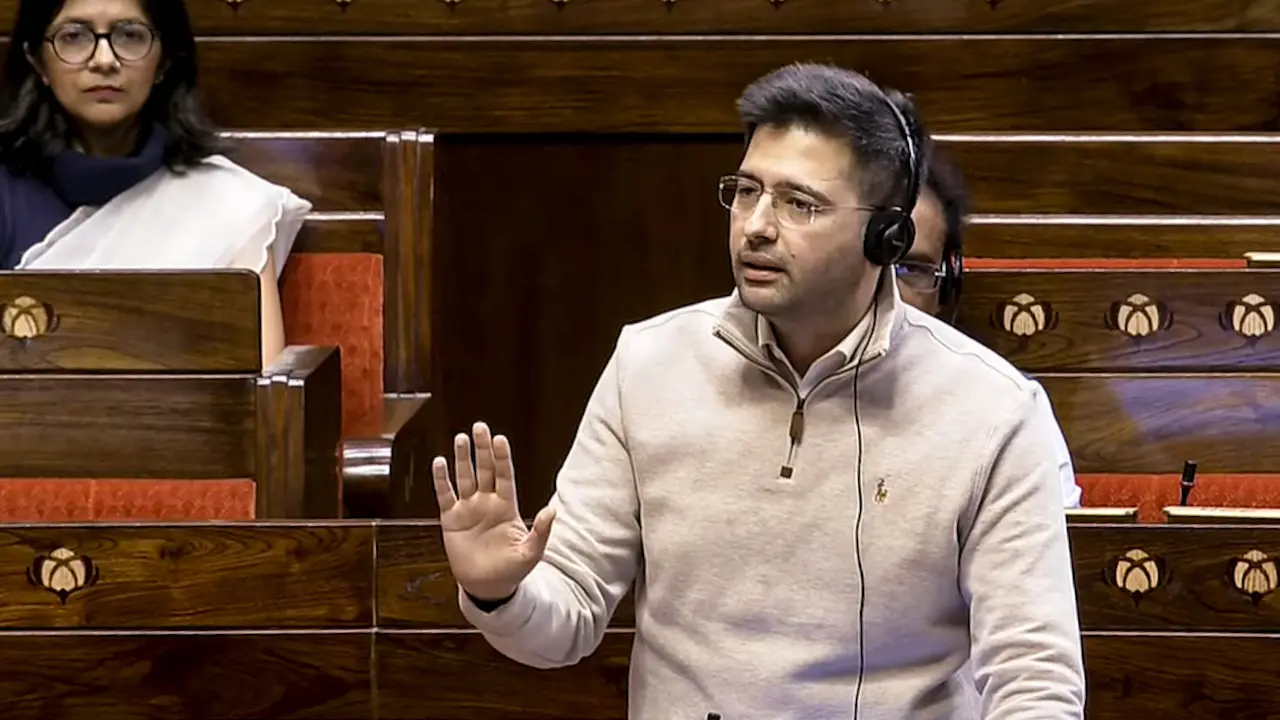
The Aam Aadmi Party (AAP) has moved to replace Rajya Sabha MP Raghav Chadha as its deputy leader in the Upper House, proposing Punjab MP Ashok Mittal for the role, sources said on Thursday.
According to sources, the party has written to the Rajya Sabha secretariat requesting Chadha’s removal from the post and indicating that he should no longer be allotted speaking time under AAP’s quota in the House.
The development comes amid Chadha’s prolonged absence from several party activities and his silence on key political developments involving the AAP. Once considered a close aide of party chief Arvind Kejriwal and a prominent face of the party, Chadha had played a significant role in AAP’s organisational and political strategy, particularly in Punjab and Delhi.
However, in recent months, his visibility within the party has reportedly declined. Chadha was abroad for medical treatment during the arrest of Kejriwal in the Delhi excise policy case in March 2024 and remained away during his incarceration, meeting him only after his release in September that year.
He also remained silent following a Delhi court’s decision last month granting relief to Kejriwal, former deputy chief minister Manish Sisodia, and others in the same case. Chadha did not attend the subsequent press conference or rally held at Jantar Mantar.
Party insiders suggest that Chadha has been gradually sidelined from organisational matters and political campaigns, though he continues to raise public issues such as high airfares and concerns of gig workers both inside and outside Parliament.
Responding to the development, Ashok Mittal said he had been entrusted with the responsibility by the party’s national leadership and would work diligently to represent both the party’s position and national interests in the Rajya Sabha.
Mittal downplayed the move, calling it a routine organisational change. He noted that leadership roles within the party have evolved over time, with N.D. Gupta previously holding the position before Chadha.
The AAP currently has 10 members in the Rajya Sabha, including seven from Punjab and three from Delhi.
Jharkhand Horror: 13-Year-Old Killed in Ritual Sacrifice, Mother Among 3 Arrested 8
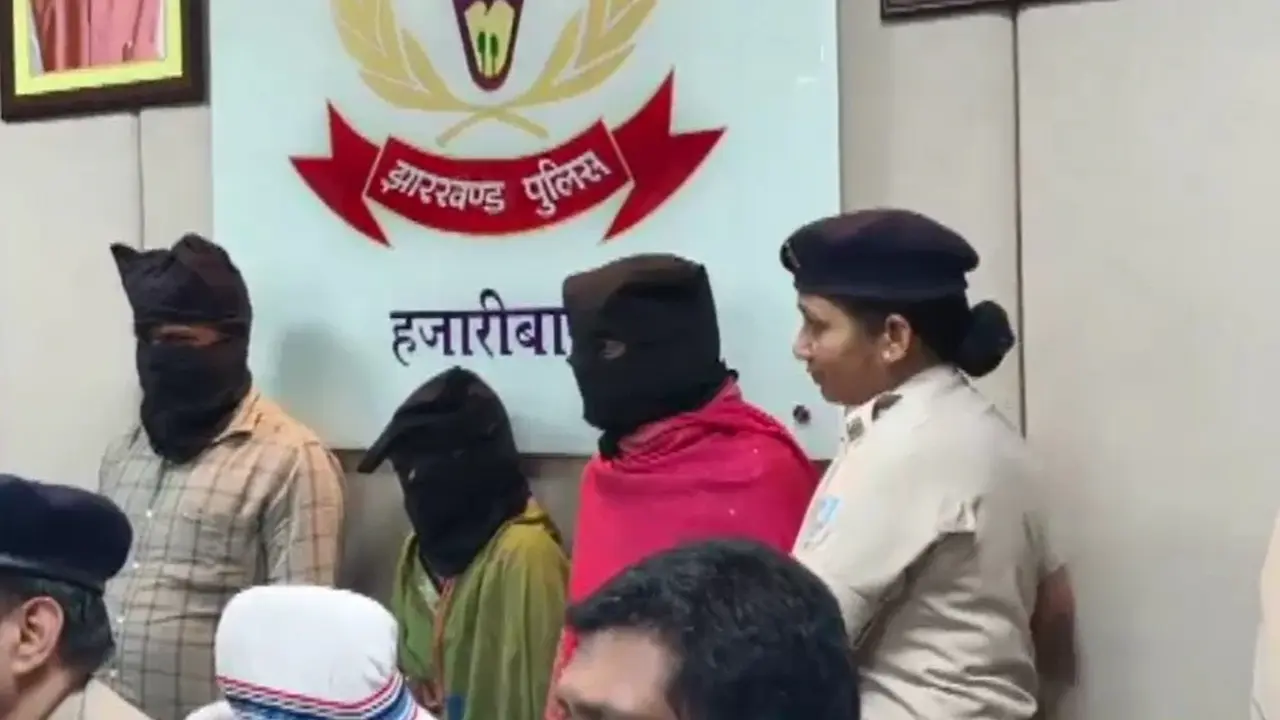
A chilling case of alleged human sacrifice has emerged from Jharkhand’s Hazaribagh district, where a 13-year-old girl was killed in a ritualistic act, with her mother among three people arrested, police said.
The accused include the girl’s 35-year-old mother Reshmi Devi, 55-year-old occult practitioner Shanti Devi, and 40-year-old Bhim Ram, all residents of Kusumbha village. The arrests were announced by Hazaribagh Superintendent of Police Anjani Anjan and DIG Anjani Jha during a late-night press briefing on Wednesday.
According to police, the victim’s mother had been consulting a local tantrik for treatment of her younger son, who reportedly suffers from mental and physical ailments. Investigators said the occult practitioner allegedly advised that sacrificing a virgin girl would cure the boy.
The crime took place on March 24, coinciding with Ashtami celebrations, when the village was engaged in festivities and a Ram Navami procession. Police said the girl was strangled at the house of the occult practitioner, allegedly by her mother and Bhim Ram.
Officials further alleged that the accused carried out brutal acts as part of the ritual and later buried the body in a garden. The accused initially attempted to mislead investigators by claiming the girl had been raped, but post-mortem and forensic reports ruled out sexual assault.
Police also stated that Bhim Ram has been previously accused in other murder cases, including the killing of his sister-in-law.
The incident has sparked outrage, with the Jharkhand High Court taking suo motu cognisance of the case earlier this week and issuing notices to the state administration and the Director General of Police. The bench acted based on media reports of the crime.
Initially, the victim’s mother had claimed that her daughter was abducted, and her body was discovered in a field on March 25. The case triggered protests, with the opposition BJP calling for a 12-hour bandh in Hazaribagh.
The investigation is ongoing as authorities probe the full extent of the crime and the involvement of the accused.
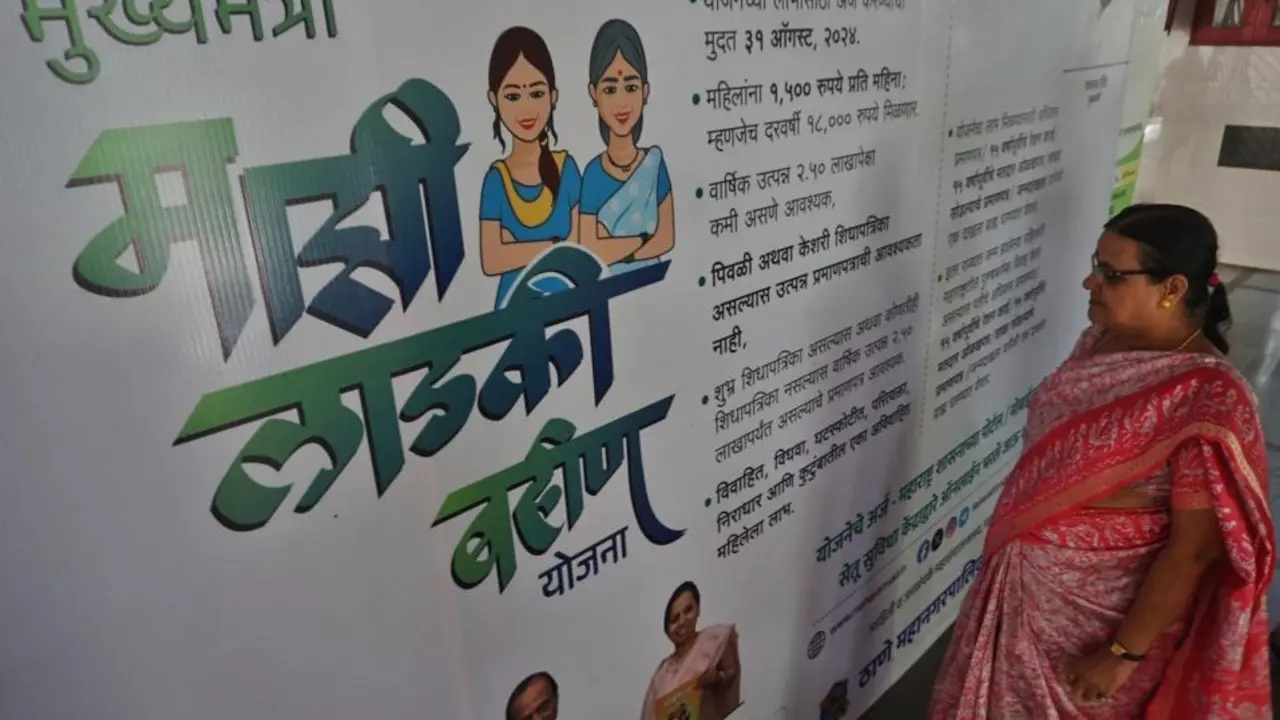
68 Lakh Ladki Bahin Accounts Closed Over e-KYC Lapse; Deadline Extended to April 30 10
Nearly 68 lakh accounts under the Maharashtra government’s Ladki Bahin Yojana have been closed after beneficiaries failed to complete the mandatory e-KYC process within the stipulated deadline, officials said on Wednesday.
Out of a total 2.43 crore registered beneficiaries, the number of active accounts has now reduced to around 1.75 crore following the closure. However, the state government has extended the e-KYC deadline from March 31 to April 30, indicating that some accounts may be restored if compliance is completed within the new timeframe.
The verification drive was initiated after complaints surfaced that ineligible individuals, including male members and government employees, had availed benefits under the scheme. The Ladki Bahin Yojana provides a monthly financial assistance of ₹1,500 to eligible women from economically weaker sections.
Officials said the e-KYC process has been extended multiple times since November 2025 to ensure maximum compliance.
With fewer active beneficiaries, the government’s monthly expenditure—currently around ₹3,700 crore—is expected to undergo changes. The scheme has been allocated ₹26,000 crore in the 2026–27 state budget, compared to ₹36,000 crore in the previous financial year.
During the verification process, over 24 lakh beneficiaries were initially flagged as government employees due to confusion caused by a Marathi-language question in the form. After scrutiny, around 20 lakh of these accounts were found to be eligible, while verification of the remaining cases is still underway.
The Ladki Bahin Yojana, launched by the Mahayuti government ahead of the 2024 Assembly elections, remains a key welfare initiative. The state government has clarified that funds will not be recovered from those later found ineligible, and Chief Minister Devendra Fadnavis along with Deputy Chief Minister Eknath Shinde have assured that the scheme will continue.
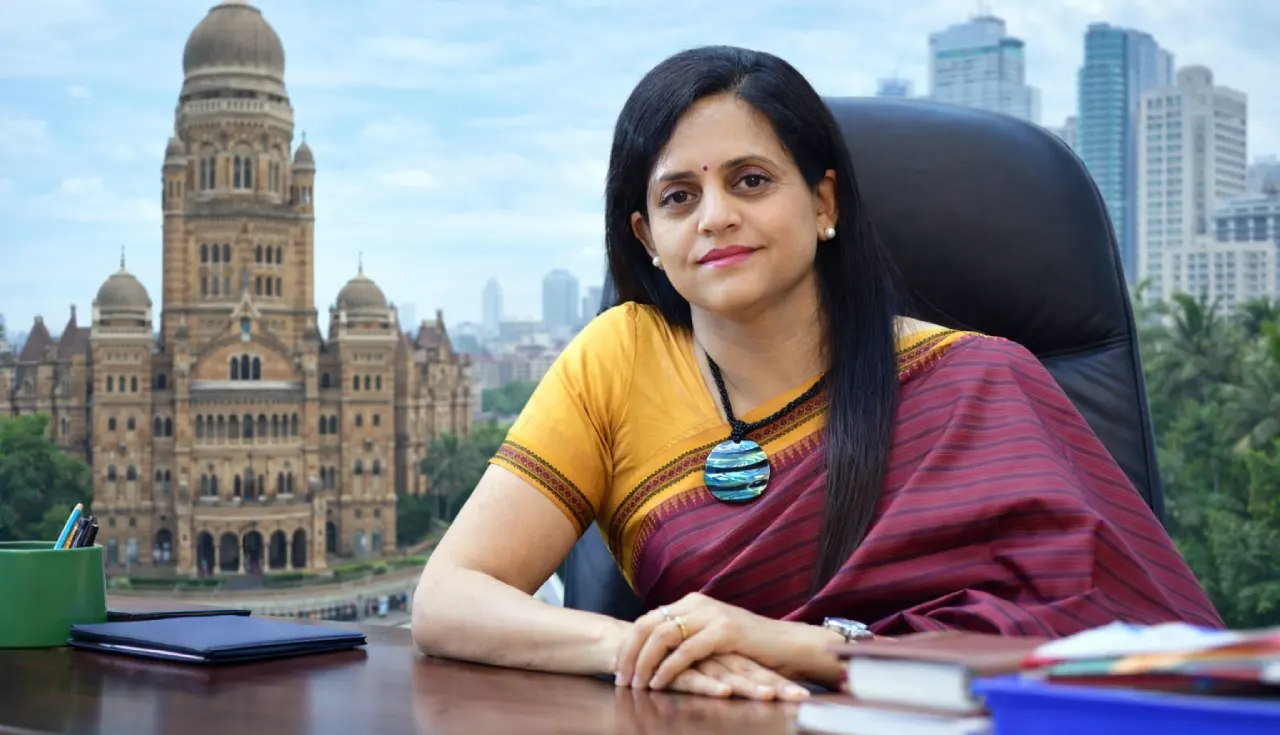
Ashwini Bhide and the New Face of Mumbai Governance 12
There are moments in public life when an appointment is not merely administrative—it becomes symbolic. The elevation of Ashwini Bhide as the Municipal Commissioner of the Brihanmumbai Municipal Corporation is one such moment. It is not just about filling a position; it is about redefining expectations.
For over 160 years, one of India’s most powerful civic bodies functioned without a woman at its helm. That chapter has now closed. And it hasn’t closed quietly—it has been rewritten with authority.
When Ashwini Bhide addressed the media, there was no grandstanding, no political theatrics, no ornamental rhetoric. Just clarity. Just purpose. She reminded everyone of a simple truth—governance begins with service. The core responsibility of the BMC is not spectacle; it is delivery. Water must flow, roads must hold, drains must work, and citizens must feel secure. In a city that never pauses, administration cannot afford to blink.
That clarity is rare. And rarer still is the discipline to stay anchored to it.
Mumbai is often celebrated as a city where women step out, work late, travel far, and participate in the economy with visible confidence. But such confidence is never accidental—it is built over years of systems that function, even if imperfectly. Bhide acknowledged this delicate balance. She did not claim perfection. Instead, she committed to strengthening it. That distinction matters.
Because real leadership does not pretend problems don’t exist—it takes responsibility for solving them.
Ashwini Bhide’s journey is not one of overnight success. It is a story carved through years of rigorous public service. From district-level administration to spearheading some of Mumbai’s most complex infrastructure projects, she has built a reputation that is both respected and, at times, feared—in the best possible way. A taskmaster, they say. But cities like Mumbai are not built by comfort—they are built by discipline.
Her role in the underground metro project was not just about engineering—it was about endurance. Managing timelines, navigating political pressures, addressing public concerns—these are tests that break the unprepared. Bhide did not bend.
And now, she steps into a role where the stakes are even higher.
With a budget exceeding ₹80,000 crore, the BMC is not just a municipal body—it is an economic force. It carries the weight of expectations from millions. Flood management, infrastructure deadlines, waste systems, health services—these are not abstract challenges. They are daily realities.
And looming over all of this is Mumbai’s annual test—the monsoon.
Every year, the city waits. Will it flood? Will systems hold? Will promises translate into preparedness? Bhide’s response was measured, not dramatic. She spoke of review, accountability, and execution. No hollow assurances. Just a quiet signal that work, not words, will define outcomes.
That tone reflects something deeper—professional integrity.
In an era where noise often substitutes for performance, Ashwini Bhide represents a different school of governance. One that believes in results over rhetoric, systems over slogans, and duty over display.
It is also impossible to ignore the broader picture unfolding in Maharashtra. Under the leadership of Devendra Fadnavis, the state has witnessed a visible shift in the positioning of women in leadership roles. From administrative appointments to political offices, doors that were once cautiously opened are now being firmly held open.
The presence of women at multiple levels within the BMC—be it the Mayor, the Opposition Leader, or the Commissioner—is not just representation. It is a statement.
A statement that capability is not gendered.
A statement that authority can be exercised with both firmness and fairness.
A statement that the future of governance in India will not look like its past.
Yet, this moment must not be romanticized blindly. Symbolism alone does not build cities. It is execution that will ultimately define Ashwini Bhide’s tenure. Mumbai does not reward intent—it demands results.
And if her track record is any indication, she understands this better than most.
There is a certain quiet strength in leaders who do not seek validation. Who do not chase applause. Who simply show up, do the work, and move on. Bhide belongs to that category. No nonsense. No distractions. Just commitment.
In a world increasingly driven by optics, such individuals stand out—not because they try to, but because they refuse to.
Mumbai now stands at an interesting intersection. A historic administrative shift has taken place. Expectations are high, scrutiny will be relentless, and patience will be limited.
But perhaps that is exactly the environment where Ashwini Bhide thrives.
Because some leaders are not shaped by comfort—they are defined by pressure.
And Mumbai, if nothing else, knows how to test its leaders.
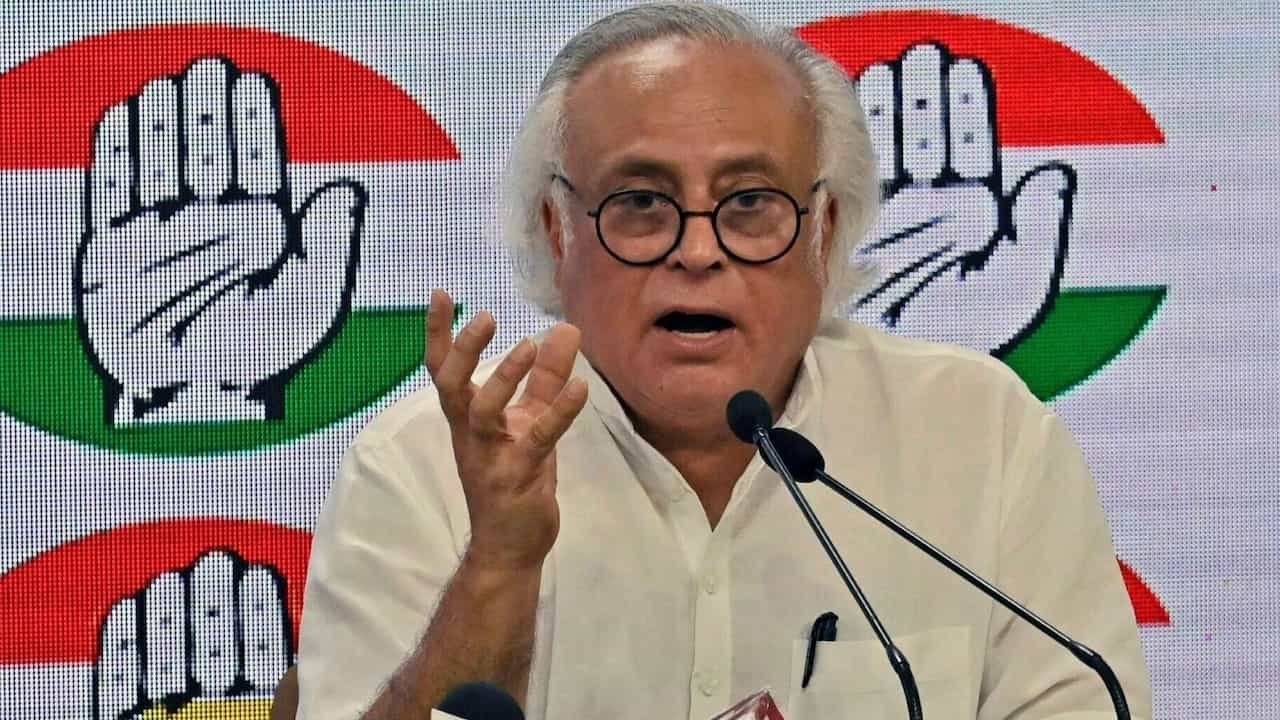
Congress Alleges Plan to Expand Lok Sabha by 50%, Warns of 'Disadvantage' to Southern States 14
The Congress on Wednesday alleged that the Narendra Modi government is planning to introduce a bill to increase the size of the Lok Sabha by 50 per cent, warning that such a move could disadvantage states in the South, Northeast, and parts of Western India.
There has been no official confirmation from the Centre regarding the proposed legislation.
Congress general secretary (communications) Jairam Ramesh claimed that the number of seats allocated to each state would also be increased by 50 per cent. While this may appear equitable on the surface, he argued that the move could deepen existing disparities in representation.
Ramesh said that any expansion would disproportionately benefit states with larger populations, thereby widening the gap between northern and southern states in parliamentary representation. He cited examples, noting that Uttar Pradesh’s current 80 seats could rise to 120, while Tamil Nadu’s strength may increase from 39 to around 59. Similarly, Kerala’s seats could grow from 20 to 30, while Bihar’s could increase from 40 to 60.
According to the Congress leader, such changes could result in northern states gaining significantly more seats compared to southern states, potentially altering the balance of political influence in Parliament.
He also claimed that Telangana Chief Minister A. Revanth Reddy has already raised concerns over the issue and that more leaders may voice opposition if the proposal is formally brought forward.
Ramesh further alleged that the government is preparing to push the bill without adequate consultation, describing it as a unilateral move that requires wider discussion and consensus.
The Congress has also linked the issue to broader concerns about electoral reforms, including the implementation of the women’s reservation law passed in 2023. The party has argued that key steps such as delimitation and the census must precede any major structural changes in representation.
The government, however, has not responded to these claims, and no formal proposal has been made public so far. The issue is expected to spark wider political debate if brought before Parliament.
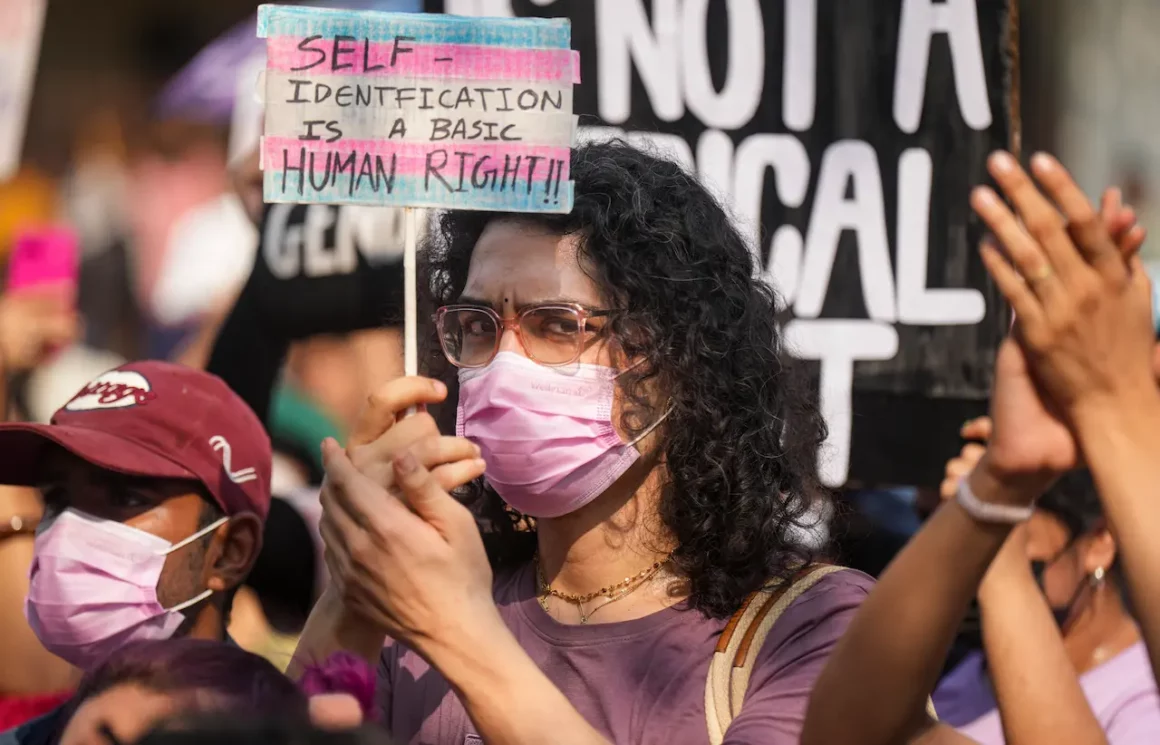
The Transgender Persons (Protection of Rights) Amendment Bill, 2026, which introduces graded punishment for offences causing bodily harm to transgender persons, has received the assent of President Droupadi Murmu.
According to a notification issued by the Law Ministry on March 30, the amended law will come into force on a date to be notified by the Central Government in the official gazette.
The legislation aims to strengthen protections for transgender individuals by clearly defining offences and prescribing varying degrees of punishment based on the severity of harm. It also seeks to provide a more precise definition of the term “transgender”.
However, the bill has triggered sharp criticism from opposition parties, which have objected to the exclusion of individuals with different sexual orientations, including gays and lesbians, from its ambit. The revised definition explicitly states that transgender persons do not include those with different sexual orientations or self-perceived sexual identities.
Another contentious provision is the establishment of an authority to determine whether a person qualifies as transgender under the law. Critics have argued that this undermines the right to self-identification and autonomy.
During debates in Parliament, the government maintained that the legislation is intended to protect a specific class of individuals who face severe social and cultural discrimination. It emphasised that the law is focused on safeguarding transgender persons and is not designed to cover all gender identities or sexual orientations.
Opposition leaders, however, demanded that the bill be referred to a parliamentary standing committee for wider consultation, arguing that the current provisions risk excluding vulnerable communities and limiting rights.
Despite the criticism, the bill has now become law, setting the stage for its implementation once the government notifies the effective date.
From Tax Relief to UPI Security: Key Rule Changes Kick In from April 1, 2026 17
As India enters the new financial year on April 1, 2026, a wide range of regulatory changes have come into effect, impacting everything from taxation and digital payments to travel, fuel, and savings.
One of the biggest changes is the implementation of a revised income tax framework, under which individuals earning up to ₹12 lakh annually will not have to pay tax. With a rebate of up to ₹60,000 under Section 87A and a standard deduction of ₹75,000 for salaried individuals, effective tax-free income can go up to ₹12.75 lakh under the new regime.
The income tax filing calendar has also been adjusted. While salaried taxpayers must continue to file returns by July 31, the deadline for non-audit cases, including professionals and self-employed individuals, has been extended to August 31.
Digital payments are becoming more secure, with the Reserve Bank of India mandating two-factor authentication for UPI transactions. This means users may now need biometric verification, such as fingerprint or facial recognition, in addition to their PIN.
Banking costs are also seeing a slight increase. After exhausting the monthly limit of five free ATM withdrawals, customers may be charged ₹23 per transaction, along with applicable taxes, by several banks.
On the environmental front, oil companies are now required to supply E20 petrol—a blend containing 20 per cent ethanol—across the country. At the same time, new BS-VII emission norms are being introduced, bringing stricter monitoring of vehicle emissions, including brake dust and tyre microplastics.
Travel expenses and policies have also been revised. FASTag annual passes for non-commercial vehicles have increased by ₹75 to ₹3,075. Indian Railways has tightened its refund rules, offering no refund for tickets cancelled within eight hours of departure, compared to the earlier four-hour window.
Workplace regulations are undergoing significant changes under new labour codes. Employers must now ensure that at least 50 per cent of an employee’s salary is basic pay, which will likely reduce take-home pay but increase provident fund contributions for long-term savings. The minimum working days required to qualify for leave have been reduced from 240 to 180, and the tax-free limit for meal allowances has been raised to ₹200 per meal.
In a major boost to financial accessibility, the Employees’ Provident Fund Organisation (EPFO) has enabled PF withdrawals through ATMs and UPI, simplifying access to savings. Withdrawals have been categorised into essential needs, housing, and special circumstances.
However, certain administrative processes have become stricter. Applying for a PAN card will now require additional documentation beyond Aadhaar, such as a birth certificate, driving licence, or passport.
These changes mark a significant shift towards a more transparent, secure, and environmentally conscious system. While some adjustments—such as slightly lower take-home salaries or higher travel costs—may be felt in the short term, the reforms aim to deliver long-term benefits through improved financial security, cleaner energy usage, and easier access to savings.
Malayalam Director Ranjith Arrested in Sexual Assault Case Filed by Actress 19
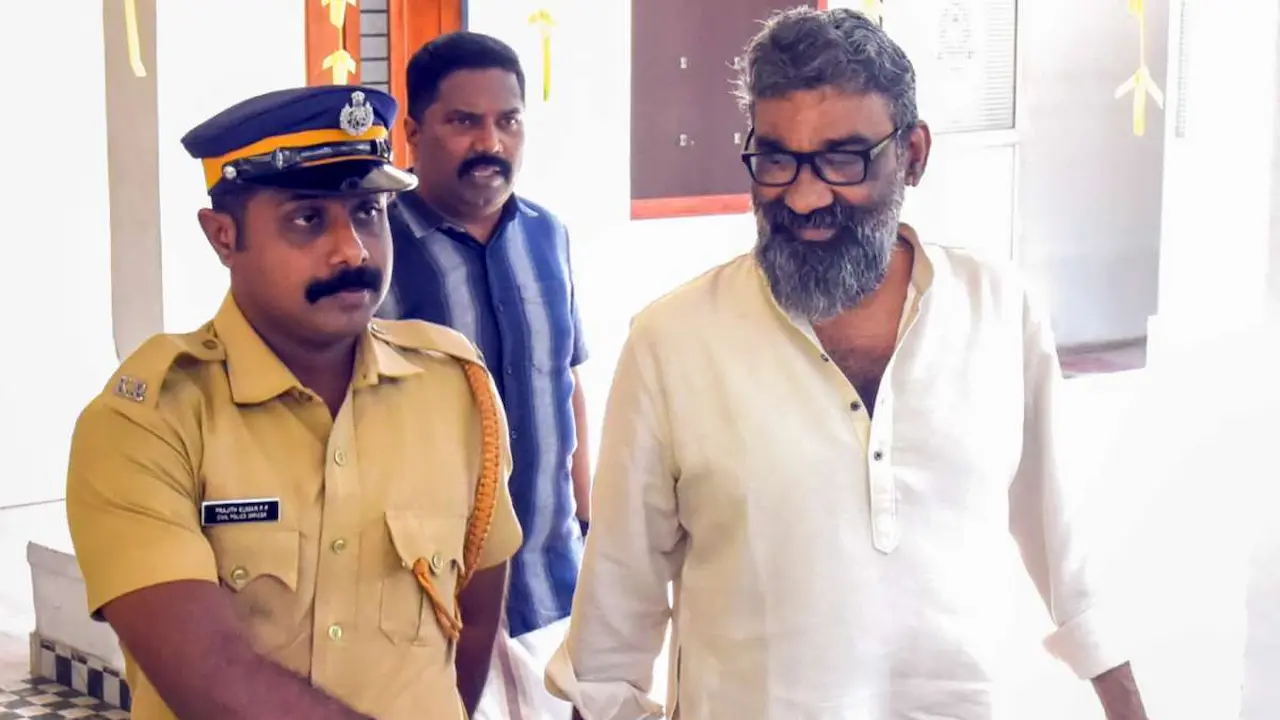
Malayalam filmmaker Ranjith was arrested by Kerala Police on Tuesday in connection with a sexual assault complaint filed by an actress.
Ranjith was taken into custody in Thodupuzha while reportedly travelling to Idukki as part of campaigning activities for the upcoming Assembly elections. He was later brought to Ernakulam, where the case has been registered at the Ernakulam Central Police Station.
According to the complaint, the actress alleged that Ranjith attempted to sexually assault her inside a caravan during the shooting of a film he was directing. The incident reportedly took place at a shooting location, and the complaint was initially submitted to the Director General of Police and a Special Investigation Team.
The investigation is currently being led by Ernakulam City Deputy Commissioner of Police Aswathy Gigi. Police recorded the actress’s statement two days prior to the arrest, officials said.
This is not the first time the filmmaker has faced such allegations. In 2024, a Bengali actress had accused Ranjith of sexual harassment linked to an incident during the audition process of the film Palerimanikyam in 2009. Following those allegations, he had stepped down as chairman of the Kerala State Chalachithra Academy.
Ranjith had denied the earlier accusations, stating that the actress had auditioned for the film but was not selected as she did not fit the role.
Police said further investigation is underway in the latest case.