


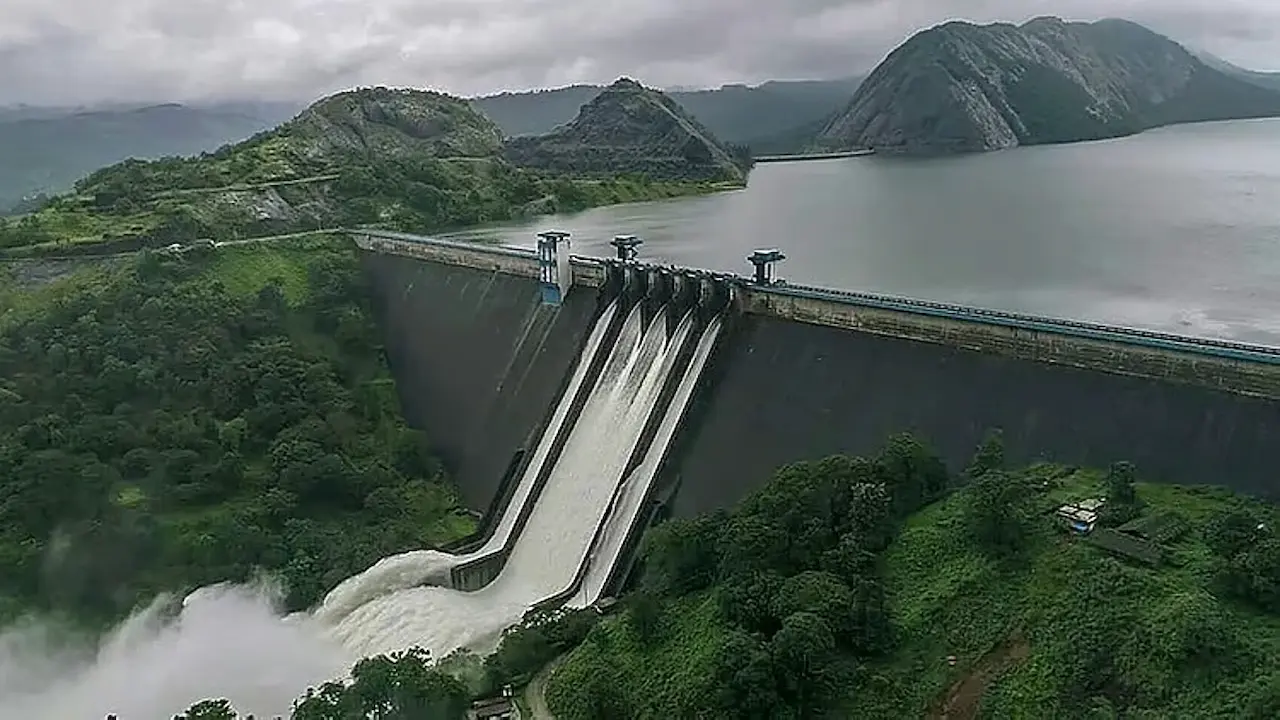
Mumbai’s water supply situation has become increasingly critical, with the combined stock in the city’s seven key reservoirs falling to just 7.3 per cent of total capacity despite the onset of the southwest monsoon in Maharashtra.
The seven lakes that supply drinking water to Mumbai — Upper Vaitarna, Middle Vaitarna, Bhatsa, Tansa, Tulsi, Modak Sagar and Vihar — remain heavily dependent on monsoon recharge. However, rainfall in the reservoirs’ catchment areas has so far been insufficient to significantly improve usable water reserves.
The latest storage figure marks a further decline from earlier estimates that placed the combined stock between 8 and 10 per cent, underscoring the growing pressure on the city’s water resources during the crucial early phase of the monsoon season.
In response to the dwindling reserves, the Brihanmumbai Municipal Corporation (BMC) had already implemented a 10 per cent water cut across the city and imposed stricter restrictions on non-essential water usage.
Water supply to construction sites and swimming pools has been suspended, while industrial and commercial establishments have been directed to reduce consumption by 20 per cent. Sports clubs and other high-consumption users have also been brought under the ambit of conservation measures.
The declining reservoir levels have heightened concerns for millions of residents, housing societies, businesses and civic authorities, particularly as Mumbai relies predominantly on water sourced from reservoirs located outside the city limits.
Officials point out that rainfall within Mumbai city itself offers limited relief to the water crisis. What is crucial is sustained and substantial rainfall in the catchment regions feeding the reservoirs, which directly determine the city’s drinking water availability.
The current storage level has intensified concerns because reservoir reserves continue to shrink even after the monsoon’s arrival, a period when lake levels typically begin showing signs of recovery.
Civic authorities are closely monitoring the situation and have indicated that restrictions are likely to remain in force until a meaningful increase in reservoir storage is recorded.
Experts warn that if catchment areas do not receive adequate rainfall in the coming weeks, the city may be forced to consider additional conservation measures to safeguard water supplies for the months ahead.
For now, Mumbai’s immediate relief depends not on rainfall within the city, but on consistent monsoon activity across the reservoir catchments that sustain the financial capital’s daily water needs.
