


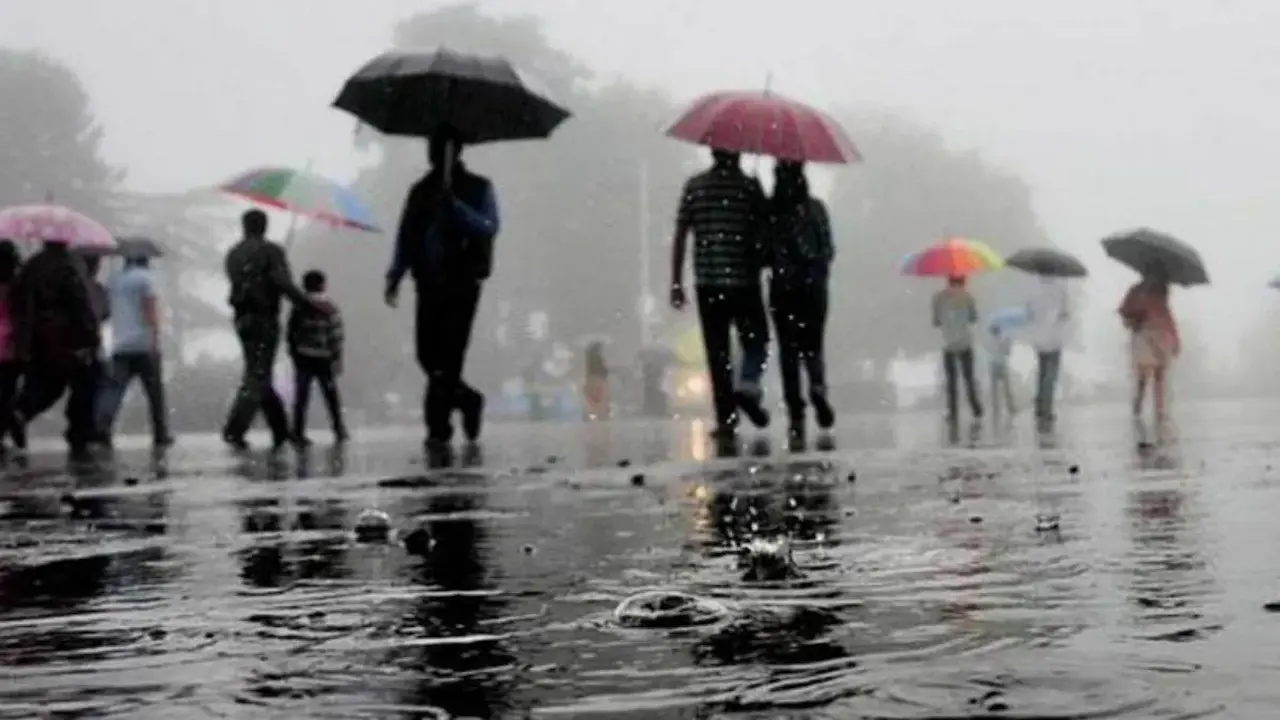
Heavy rain lashed Delhi-NCR on Thursday morning, causing widespread waterlogging, traffic congestion and flight disruptions, prompting the India Meteorological Department (IMD) to place the region under an orange alert as more showers are expected through the day.
Delhi, Noida, Gurugram and several other parts of the National Capital Region witnessed intense spells of rain following Wednesday’s showers, bringing relief from humid conditions but severely affecting road traffic during peak commuting hours.
According to the IMD, heavy rainfall is likely to continue over the next 24 hours, with some areas expected to receive between 180 mm and 250 mm of rain.
The weather department has also forecast continued monsoon activity across Delhi-NCR until July 13, raising the possibility of persistent waterlogging, traffic disruptions and localised flooding in low-lying and congestion-prone areas.
Gurugram remained among the worst-affected cities, recording around 115 mm of rainfall over a 33-hour period. The downpour inundated several roads and led to massive traffic snarls across the city.
Police deployed additional personnel along the Delhi-Gurugram Expressway (NH-48) and other key stretches to manage traffic as heavy rain coincided with office hours.
Officials also said a yellow alert will remain in force for Gurugram until July 10. The rainfall significantly reduced daytime temperatures, with the city’s maximum temperature dropping nearly nine degrees below normal.
The adverse weather also impacted flight operations. Air India and IndiGo issued travel advisories urging passengers to check their flight status before leaving for the airport due to possible delays caused by the weather.
The rainfall, however, brought a marked improvement in Delhi’s air quality. Moderate showers on Wednesday helped the national capital record its best Air Quality Index (AQI) in the past 10 months by washing away pollutants and easing the combined effects of heat, humidity and poor air quality.
Despite the improvement in air quality, civic infrastructure came under pressure as several roads and low-lying areas across Delhi-NCR remained waterlogged, slowing vehicular movement on major arterial routes.
In Gurugram, the prolonged rainfall once again exposed the city’s drainage challenges during intense monsoon spells.
The IMD has advised residents to remain cautious, as further spells of rain and thunderstorms are expected during the day. Areas vulnerable to flooding, including underpasses, service roads and construction zones, are likely to face continued disruption if heavy rainfall persists.
Traffic movement is expected to remain particularly affected on major stretches such as NH-48, Cyber City, Udyog Vihar, Sohna Road, Golf Course Extension Road and several low-lying sectors in Gurugram.
In Noida and Ghaziabad, authorities have warned that underpasses, internal roads and busy office corridors may also experience waterlogging and traffic delays during intense spells of rain.
While the active monsoon has brought respite from the recent humid weather, residents are likely to experience intermittent disruptions over the next few days as rain continues across the region.
