Home Blog Page 113

Markets Bid Goodbye to 2024 With Impressive Gains; Investors’ Wealth Soars by Rs 77.66 Lakh Crore

market, big bull, sensex, bse, nifty
Markets Bid Goodbye to 2024 With Impressive Gains; Investors' Wealth Soars by Rs 77.66 Lakh Crore 2

Stock market investors became richer by a whopping Rs 77.66 lakh crore in 2024, helped by an overall optimistic trend in equities, where the BSE Sensex surged over 8 per cent.

Analysts said the year witnessed a tug of war between the bulls and bears marked by volatility but, despite the uncertainties around the world, the Indian markets sustained the pressure and delivered impressive returns.

“The year 2024 has been a challenging yet rewarding one for the markets. The Nifty steadily climbed from January to September, reaching a historic high of 26,277.35, before giving up some gains to still close the year with an impressive rise. This marked Nifty’s ninth consecutive year of positive returns, despite FIIs selling shares,” Prashanth Tapse, Senior VP (Research), Mehta Equities Ltd, said.

The 30-share BSE Sensex jumped 5,898.75 points or 8.16 per cent this year. The BSE benchmark index hit its all-time high of 85,978.25 on September 27.

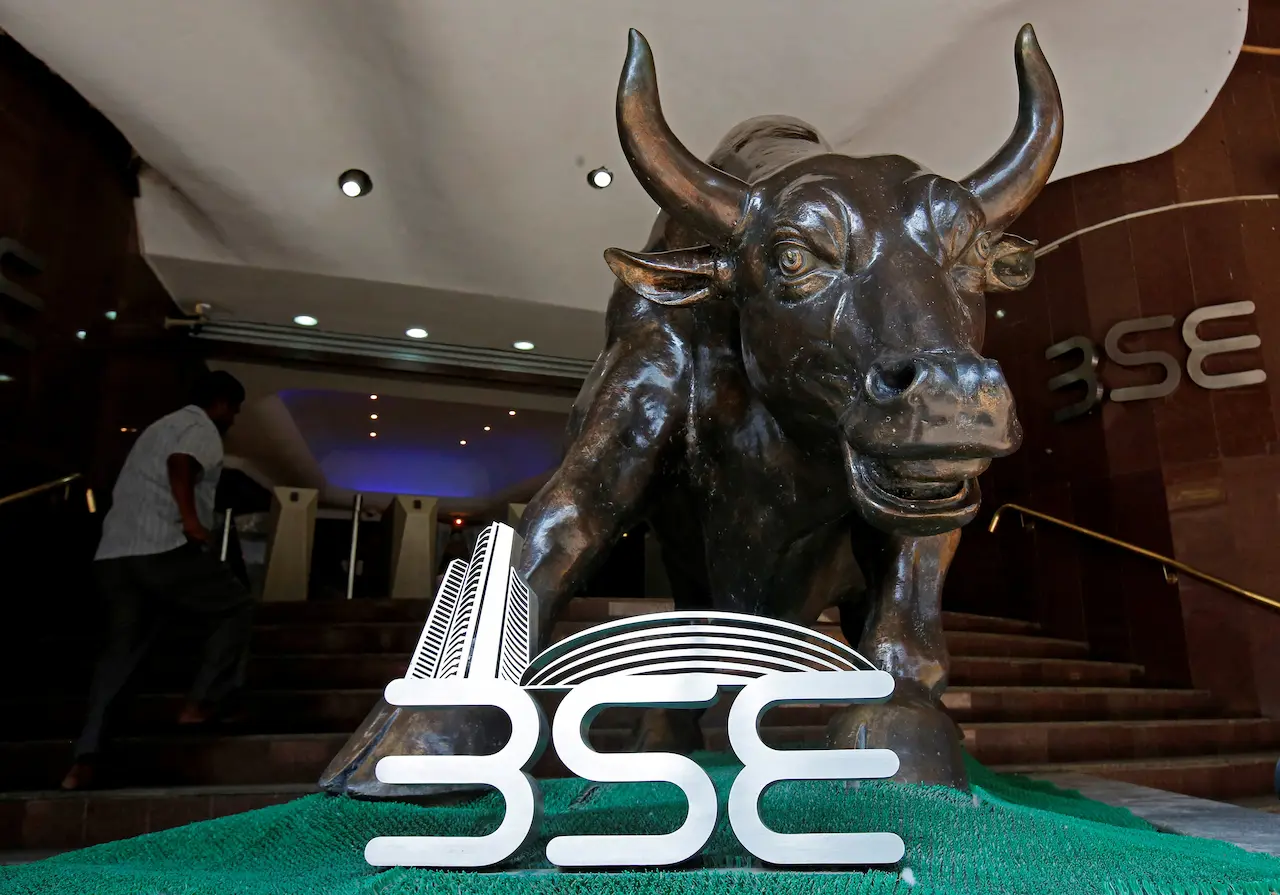
Thanks to the overall optimistic trend in equities, the market capitalisation (mcap) of BSE-listed firms surged Rs 77,66,260.19 crore to Rs 4,41,95,106.44 crore (USD 5.16 trillion) in 2024.

The market capitalisation of BSE-listed companies hit the coveted Rs 400-lakh crore mark for the first time on April 8 this year. The market cap of these firms had hit the Rs 300-lakh crore mark in July last year.

“Early in the year, a combination of anticipated inflation moderation, expected interest rate cuts, and optimism surrounding the BJP’s re-election fuelled a strong rally, pushing indices to record highs. However, the election results, while favouring the BJP, fell short of a complete landslide, leading to a brief market correction.

“Subsequently, the unwinding of the Yen carry trade in August, a global phenomenon where investors borrowed in low-yielding currencies like Yen to invest in higher-yielding assets, triggered another round of volatility. Despite these setbacks, the market staged a recovery, reaching new peaks in September,” Amnish Aggarwal, Director – Research, Institutional Equities, PL Capital – Prabhudas Lilladher, said.

The euphoria was short-lived, Aggarwal said, adding that a confluence of factors, including significant FII outflows in October, heightened global uncertainties following the US presidential election, and rising inflationary pressures, led to a sharp correction in the Nifty.

“While the Federal Reserve has begun cutting interest rates, recent commentary on slower and lesser cuts in 2025 has led to some disappointment,” he said.

Markets came under bear attack from October onwards amid worries over foreign investors fleeing the domestic market and stretched valuations of the equities.

In October alone, the BSE benchmark slumped 4,910.72 points or 5.82 per cent.

October saw an unprecedented foreign fund outflow of Rs 94,017 crore — the largest monthly withdrawal on record — amid increased allocations to China, muted corporate earnings, and high valuation of Indian stocks.

“While Foreign Institutional Investors (FIIs) engaged in profit-booking due to high valuations, Domestic Institutional Investors (DIIs) consistently supported the market,” Palka Arora Chopra, Director, Master Capital Services Ltd, said.

The Sensex made monthly gains in eight months this year. On a monthly basis, the Sensex gave negative returns in January, May, October and December.

Heavy retail investors’ participation played a significant role in the market’s positive trend this year.

Also, a number of mainboard Initial Public Offerings (IPOs) and listing of shares imparted optimism in the equity markets.

Reliance Industries is the country’s most valued firm with a market valuation of Rs 16,44,792.26 crore, followed by Tata Consultancy Services (Rs 14,82,402.82 crore), HDFC Bank (Rs 13,55,520.10 crore), ICICI Bank (Rs 9,04,975.61 crore) and Bharti Airtel (Rs 9,04,583.72 crore) in the top-five order.

In 2023, the market capitalisation of BSE-listed companies climbed sharply by Rs 81.90 lakh crore. Investors became richer by more than Rs 16.38 lakh crore in 2022.

China and Russia Ties Advancing to Higher Levels, Says President Xi in His New Year Message to Putin

vladimir putin, putin, xi, xi jinping, new year
China and Russia Ties Advancing to Higher Levels, Says President Xi in His New Year Message to Putin 4

China and Russia are moving forward hand in hand along the “right path” of non-alliance, non-confrontation and their relations have been advancing towards “higher levels,” Chinese President Xi Jinping said on Tuesday in his New Year message to his Russian counterpart Vladimir Putin.

Xi and Putin exchanged New Year greetings highlighting their burgeoning strategic ties in recent years.

“In the face of the accelerated transformation unseen in a century and a volatile international landscape, China and Russia always move forward hand in hand along the right path of non-alliance, non-confrontation, and not targeting any third party,” Xi said in the message.

Putin in his message said both countries have advanced the Russia-China comprehensive strategic partnership of coordination for a new era to new heights.

The mutually beneficial cooperation between China’s and Russia’s economy, trade, energy, transportation, science, and technology is progressing in an orderly manner, the Russian president according to China’s state-run Xinhua news agency.

Both leaders exchanged greetings ahead of the January 20 swearing-in of President-elect Donald Trump who threatened to impose punitive tariffs on Chinese exports to the US besides hardening American policy towards China and hinted at a strategic shift of warming up to Putin to end the Ukraine war.

Since taking power in 2012, Xi has elevated China’s ties with Russia to a higher level as part of Beijing’s efforts to build strategic alliances to ward off increasing adversity towards China in the US and EU countries.

China followed a guarded policy as it refused to condemn Moscow over Russia’s war in Ukraine even while maintaining ties with Kyiv.

In his message to Putin, Xi recalled their meetings in the last three years in Beijing, Astana, and Kazan apart from their periodic communication through phone calls, exchanges of letters, and other means to reach broad consensus on bilateral relations and major international and regional issues of common concern.

“The political mutual trust and strategic coordination between the two sides have been advancing toward higher levels under the strategic guidance of the two leaders,” Xi said.

Putin in his message said looking ahead to 2025, he stands ready to maintain close communication with Xi to jointly promote the development of bilateral relations and cooperation in various fields, and further strengthen coordination and cooperation on multilateral platforms such as the United Nations, BRICS, the SCO and the G20.

Manipur CM Apologises for Ethnic Conflict, Urges All Communities to Forget, Forgive Past Mistakes

n biren singh, manipur, manipur cm, manipur conflict, apologise, conflict
Manipur CM Apologises for Ethnic Conflict, Urges All Communities to Forget, Forgive Past Mistakes 6

Manipur Chief Minister N Biren Singh on Saturday apologised for the ethnic conflict in the state, which claimed over 250 lives and rendered thousands homeless, and appealed to all communities to forget and forgive past mistakes and live together in a peaceful and prosperous state.’

Addressing reporters, Singh said that there has been relative peace in the state in the last three-four months, which gives him hope that normalcy will be restored in the new year.

“I want to say sorry for what happened in the state. Many people lost their loved ones and many had to leave their homes. I regret and want to apologise. But after seeing relative peace in the last three-four months, I hope that normalcy will be restored in the coming year.

“Whatever happened has happened… I want to appeal to all communities to forgive and forget our past mistakes and start life afresh by living together in a peaceful and prosperous Manipur,” he said.

Singh said firing incidents have declined in the state over the last 20 months since the ethnic conflict began in May 2023.

“From May to October 2023, 408 firing incidents were reported. From November 2023 to April 2024, there were 345 firing incidents, whereas from May this year till now, 112 firing incidents were reported,” he said.

He said that of all the looted weapons, 3,112 have been recovered and 2,511 explosives have been seized during the period.

The chief minister further said that 625 people have been arrested and 12,047 FIRs registered so far.

More than 250 people have been killed and thousands rendered homeless in ethnic violence between Imphal Valley-based Meiteis and adjoining hills-based Kuki-Zo groups since May last year.

‘Mamata’s Is No Ordinary Story’, Says Derek O’Brien as ADR Report Ranks Her ‘Poorest’ CM

mamata banerjee, banerjee, apology, Egra, fire, fireworks fire, firecracker, india bloc, india alliance, tmc
'Mamata's Is No Ordinary Story', Says Derek O'Brien as ADR Report Ranks Her 'Poorest' CM 8

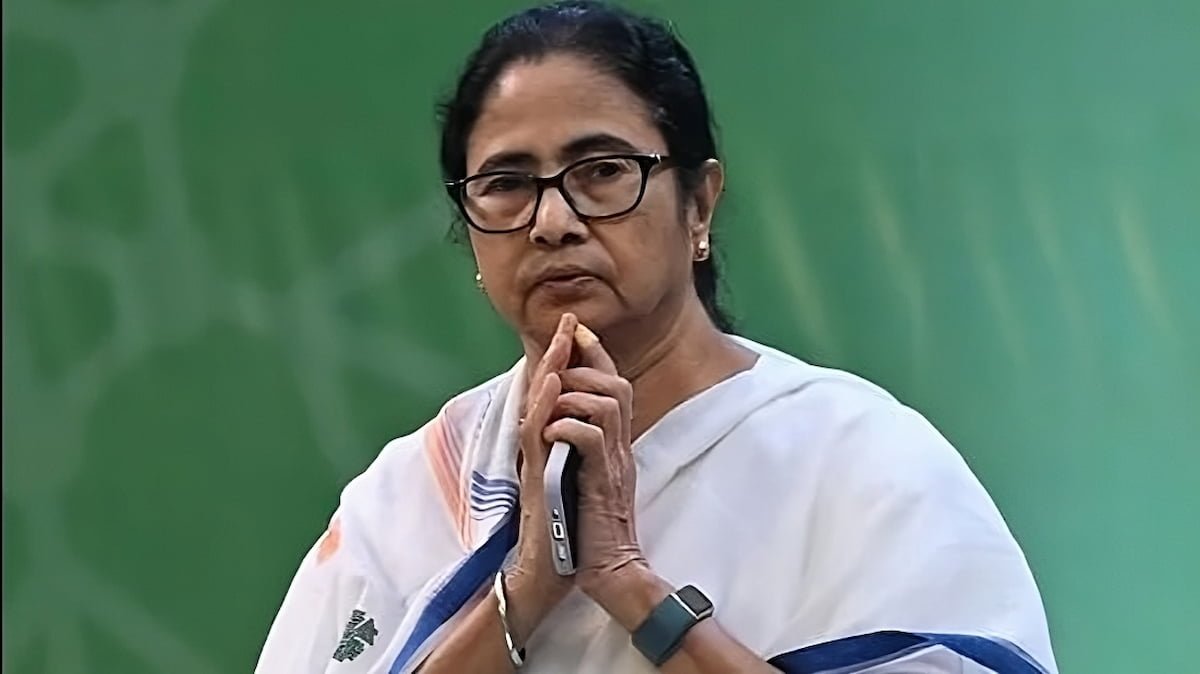
The story of Mamata Banerjee is “no ordinary story,” Trinamool Congress leader Derek O’Brien said on Tuesday, after a report ranked her as the poorest chief minister in India.

“The life and times of Mamata Banerjee are not just exemplary by Indian or Asian benchmarks. Her record of selfless public service, nurtured with compassion from her simple home in a bylane in Kolkata, is what no public servant on the planet can match. Hers is no ordinary story—once in 100 years,” Trinamool Congress Rajya Sabha leader O’Brien said in a statement.

The remarks came after a report by the Association for Democratic Reforms (ADR) ranked Banerjee as the chief minister with the lowest assets at just a little over Rs 15 lakh.

As per the report, Andhra Pradesh’s N Chandrababu Naidu is the richest chief minister with assets worth over Rs 931 crore, followed by Arunachal Pradesh’s Pema Khandu at over Rs 332 crore, while Karnataka Chief Minister Siddaramaiah is ranked third with assets worth more than Rs 51 crore.

With Rs 55 lakh worth of assets, Jammu and Kashmir Chief Minister Omar Abdullah is the second poorest in the list, while Kerala’s Pinarayi Vijayan is the third with Rs 1.18 crore.

The report said the average asset per chief minister from state assemblies and Union Territories stood at Rs 52.59 crore.

While India’s per capita net national income, or NNI, was approximately Rs 1,85,854 for 2023-2024, the average self-income of a chief minister is Rs 13,64,310, around 7.3 times the average per capita income of India.

Won’t Tolerate ‘Gunda Raj’, Nobody Will Be Spared: CM Fadnavis on Beed Sarpanch Murder Case

devendra fadnavis, fadnavis, beed, santosh deshmukh, walmik karad
Won't Tolerate 'Gunda Raj', Nobody Will Be Spared: CM Fadnavis on Beed Sarpanch Murder Case 10

Maharashtra Chief Minister Devendra Fadnavis on Tuesday warned that ‘gunda raj’ will not be tolerated and nobody will be spared in the sarpanch Santosh Deshmukh murder case in Beed.

Talking to reporters, Fadnavis said he had a telephonic conversation with Deshmukh’s brother and assured him that justice will prevail in the case.

Massajog village sarpanch Santosh Deshmukh was abducted and brutally killed on December 9, allegedly for opposing an extortion bid by some persons who had demanded money from a windmill company in Beed district.

“I spoke with the brother of late Santosh Deshmukh and told him that he should not be worried. Until the guilty are hanged to death, the police will continue to do their duty,” the chief minister said.

“All individuals involved in the Beed case will face prosecution. We will not tolerate ‘gunda raj’ (rule of criminals). Those trying to take law into their own hands or extort residents will be met with strict consequences. The police are currently pursuing the suspects who are at large. Nobody will be spared. We will find them,” he said.

Earlier in the day, Maharashtra minister Dhananjay Munde’s close aide, Walmik Karad, wanted in an extortion case linked to the murder of a sarpanch in Beed district, surrendered before the police in Pune. Four persons were earlier arrested in the murder case, while Karad was named as a wanted accused in the extortion case.

The CM said that rigorous action will be taken against all the culprits involved in the case.

“Come what may, all the culprits will be found out,” he said.

When asked about what charges have been invoked against Karad, Fadnavis said, “The police will provide updates on the charges and evidence against the suspects. The Crime Investigation Department (CID) is handling the case without any external pressure.”

When questioned about the Karad’s accusations regarding politically motivated actions against him, Fadnavis said, “If there is any evidence, nobody will be spared. However, I am not indulging in politics. The murderers of Santosh Deshmukh should be punished…That is most important to me.”

AAP’s ‘Mahila Samman’ Scheme Faces Probe Over ‘Illegal Data Collection’ Charge

delhi, aap, arvind kejriwal, mahila samman, mahila samman yojana, delhi lg
AAP's 'Mahila Samman' Scheme Faces Probe Over 'Illegal Data Collection' Charge 12

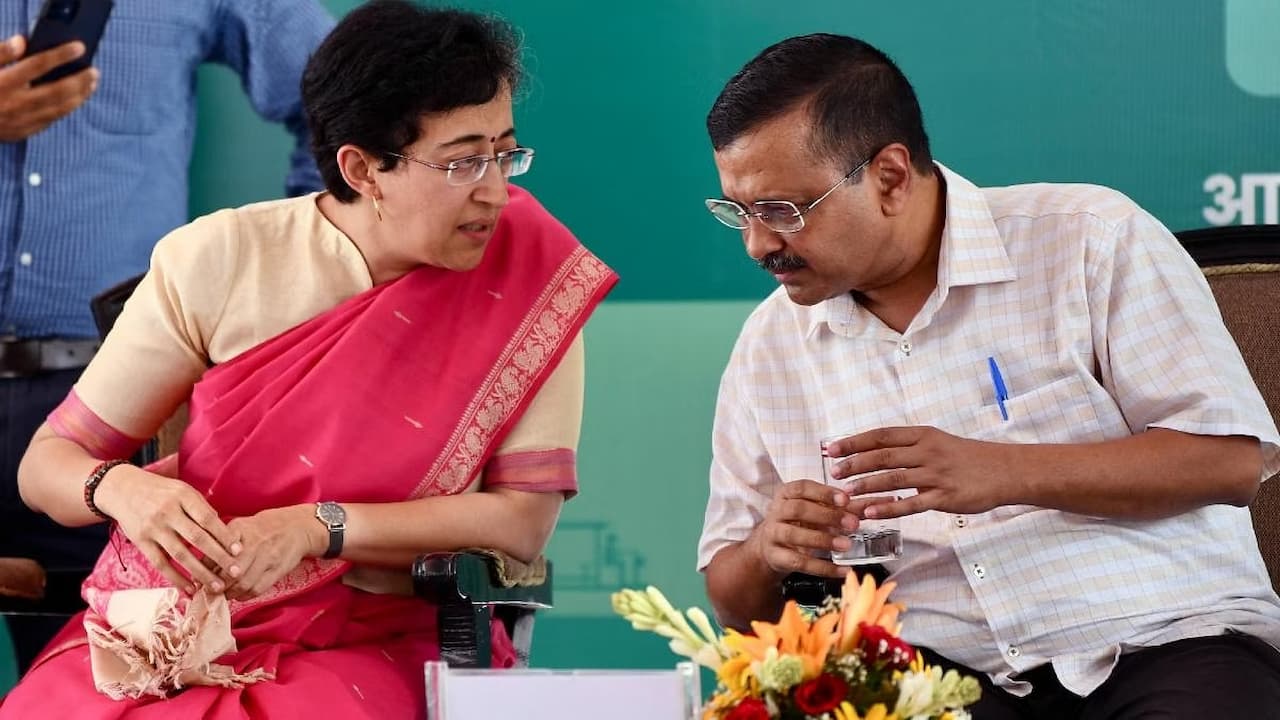
Delhi Lt Governor V K Saxena has ordered an inquiry against private persons allegedly gathering personal details of women in the name of Mahila Samman Yojna, his office said on Saturday.

The AAP alleged that the BJP wanted to stop its scheme and is afraid of a defeat in the Assembly polls scheduled in February.

The LG also said that the chief secretary of the Delhi government may bring the matter to the knowledge of the Election Commission of India through the chief electoral office given that such canvassing is happening ahead of the election.

The inquiry was ordered based on a complaint by Congress leader and party’s New Delhi Assembly seat candidate Sandeep Dikshit, who recently met Saxena at Raj Niwas.

In a letter addressed to the chief secretary and police commissioner, LG’s principal secretary said, “Hon’ble Lieutenant Governor has desired the Chief Secretary to get an inquiry conducted through Divisional Commissioner in the matter of collection of personal details and forms by non-government people.”

It said the police commissioner may direct the field officers to take action as per law against any person found breaching the privacy of citizens by collecting their personal details in the name of enrolling them for “benefits.”

On Wednesday, Dikshit met Saxena and expressed his apprehensions about the Mahila Samman Yojna, under which the Delhi government has promised to give every woman in the city, aged above 18, Rs 1,000 per month.

The AAP said if it gets elected again, the government will raise the amount to Rs 2,100 per month.

Dikshit, according to the letter, alleged that the AAP workers were going door-to-door meeting women, and making them sign some forms.

“Dikshit has requested that because of the clarification submitted by the Women and Child Development Department, GNCTD, it is clear that this is a fraud being perpetrated by the AAP and has requested to institute a high-level inquiry into the matter,” the letter read.

The WCD Department earlier this week published a public notice in newspapers saying it would launch a digital portal for the collection of forms as and when the scheme is notified.

The department advised people not to fill out forms handed to them by unauthorised persons.

The AAP, in response, has alleged that the inquiry came not from the Delhi LG but from the “office” of BJP leader Amit Shah.

The ruling party in Delhi charged that the BJP did not respect the women and claimed that the Mahila Samman Yojna was getting the full support of the women of the city.

The party claimed that more than 22 lakh women were already registered for the scheme.

Maharashtra’s Landmark Policy: Right to Die with Dignity for Terminally Ill Patients

maharashtra, maharashtra policy, right to die, euthanasia, terminally ill patients
Maharashtra's Landmark Policy: Right to Die with Dignity for Terminally Ill Patients 14

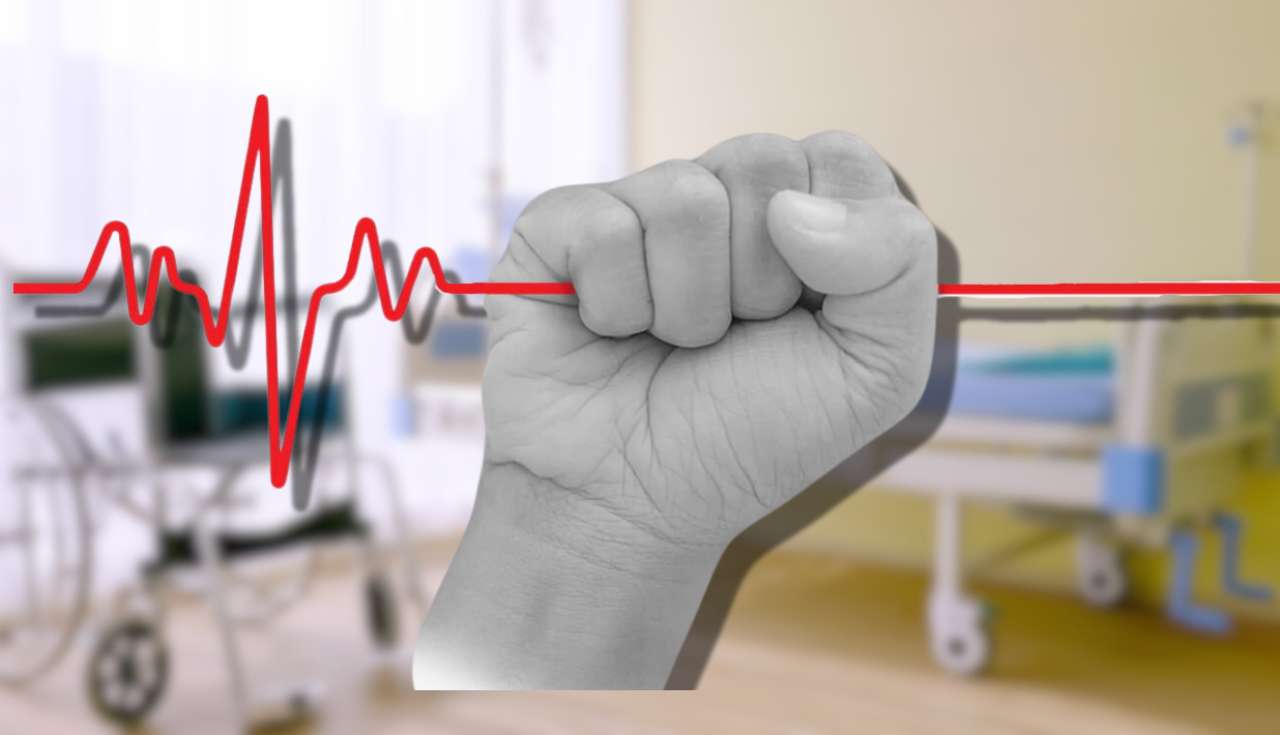
The Maharashtra government has made a groundbreaking decision to grant terminally ill patients the right to die with dignity, marking a historic and compassionate step forward in healthcare policy. This initiative allows patients suffering from incurable and painful conditions to make end-of-life decisions within 48 hours, empowering them with the autonomy to choose a peaceful and dignified departure. The decision aligns with the Supreme Court’s guidelines on passive euthanasia and the concept of a living will, emphasising that the right to life inherently includes the right to die with dignity. Passive euthanasia, which involves the withdrawal of medical treatment with the deliberate intention to hasten the death of a terminally ill patient, has been a subject of legal and ethical debate for years.

The Supreme Court’s 2018 judgement formally recognised living wills as a valid mechanism for individuals to document their medical preferences in advance for situations where they may be unable to express informed consent. This ruling, delivered in response to a petition by the NGO ‘Common Cause,’ underscored the importance of personal autonomy, stating that no individual should be forced to endure prolonged suffering against their wishes. The court acknowledged that keeping a patient alive through artificial means without their consent amounts to an assault on their body and dignity. This judgement, which followed earlier recognition of passive euthanasia in the 2011 Aruna Shanbaug case, laid down strict guidelines to ensure that the process is conducted ethically and transparently.

Despite the progressive stance, the policy is not without its complexities. Concerns have been raised about uninformed consent and the potential implications of rapid advancements in medical technology. The government has implemented stringent safeguards, requiring comprehensive training for medical professionals to guide patients and families through this deeply personal decision-making process. In addition, the Centre’s earlier opposition to living wills, citing ethical dilemmas and global practices, further underscores the need for careful deliberation in implementing these policies.

This decision represents a significant step toward addressing the broader issues surrounding end-of-life care in India. By allowing patients to exercise their right to refuse life support, Maharashtra has set a powerful example for other states, promoting dignity, respect, and compassion in the face of terminal illness. This initiative opens the door to further discussions on patient-centred care, balancing medical ethics with human rights, and ensuring that the most vulnerable individuals receive the support and respect they deserve in their final moments.

The right to die with dignity is rooted in the belief that individuals should have the autonomy to end their suffering through voluntary euthanasia or assisted suicide, particularly in cases of terminal illness or unbearable pain. This concept, however, raises significant ethical and legal debates about who holds the authority to make such profound decisions. Cultural and religious perspectives further complicate this discourse, ranging from the acceptance of non-violent suicide practices like Prayopavesa in Hinduism and Santhara in Jainism, to the outright condemnation of suicide in faiths such as Catholicism, Islam, and Judaism.

India’s legal framework on euthanasia distinguishes between active and passive euthanasia. Active euthanasia, involving the administration of lethal substances to end a life, remains illegal. In contrast, passive euthanasia—defined as the withholding or withdrawal of life-sustaining treatment—has been legal in specific circumstances since pivotal Supreme Court rulings, including the Aruna Shanbaug case (2011), the Common Cause judgement (2018), and subsequent modifications in 2023. Patients seeking passive euthanasia must provide consent through a living will and be either terminally ill or in a vegetative state. In January 2023, the Supreme Court further simplified the procedural requirements for creating advanced medical directives, making the process more accessible and efficient.

The legal journey toward recognising passive euthanasia began with the tragic case of Aruna Shanbaug, a nurse who suffered a brutal attack in 1973 that left her in a vegetative state for 42 years. Activist Pinki Virani filed a petition on Shanbaug’s behalf in 2009, arguing that her continued existence violated her right to live with dignity. However, the Supreme Court rejected the plea to withdraw life support, citing the opposition of the hospital staff who cared for her. Despite this, the court legalised passive euthanasia as a concept, allowing the withdrawal of medical treatment or sustenance in certain circumstances. Shanbaug passed away in 2015 due to pneumonia, but her case became a cornerstone in India’s euthanasia discourse.

In 2014, the Supreme Court revisited the issue during a Public Interest Litigation (PIL) filed by the NGO Common Cause. Observing inconsistencies in the Aruna Shanbaug judgement, the court referred the matter to a Constitution Bench to address the social, legal, medical, and constitutional dimensions of euthanasia. In 2018, this five-judge bench delivered a landmark judgement, recognising the validity of living wills or advance medical directives. This allowed consenting individuals to specify in advance their wish to be passively euthanised if they were to suffer from a terminal illness or enter a vegetative state. The court reiterated its rejection of active euthanasia and clarified that its ruling would serve as the law of the land until Parliament enacted specific legislation.

Before the institutionalisation of passive euthanasia, patients and their families often resorted to measures such as Leaving Against Medical Advice (LAMA) to discontinue life-sustaining treatment, shifting responsibility from physicians to patients. The 2018 ruling provided a legal and ethical framework, ensuring that such decisions were made with informed consent and safeguards. By modifying the Common Cause guidelines in 2023, the Supreme Court addressed procedural complexities, streamlining the process for drafting valid advance medical directives.

India’s evolving stance on euthanasia reflects a delicate balance between upholding individual autonomy and addressing ethical, legal, and societal concerns. While active euthanasia remains prohibited, the recognition of passive euthanasia and living wills has marked a significant step toward respecting the dignity of terminally ill patients. However, the absence of comprehensive legislation continues to highlight the need for Parliament to enact a robust legal framework that aligns with these judicial advancements.

Uddhav Thackeray to Visit Families of Santosh Deshmukh and Somnath Suryavanshi

Maharashtra Mumbai BMC Uddhav Thackeray Eknath Shinde
Image: PTI

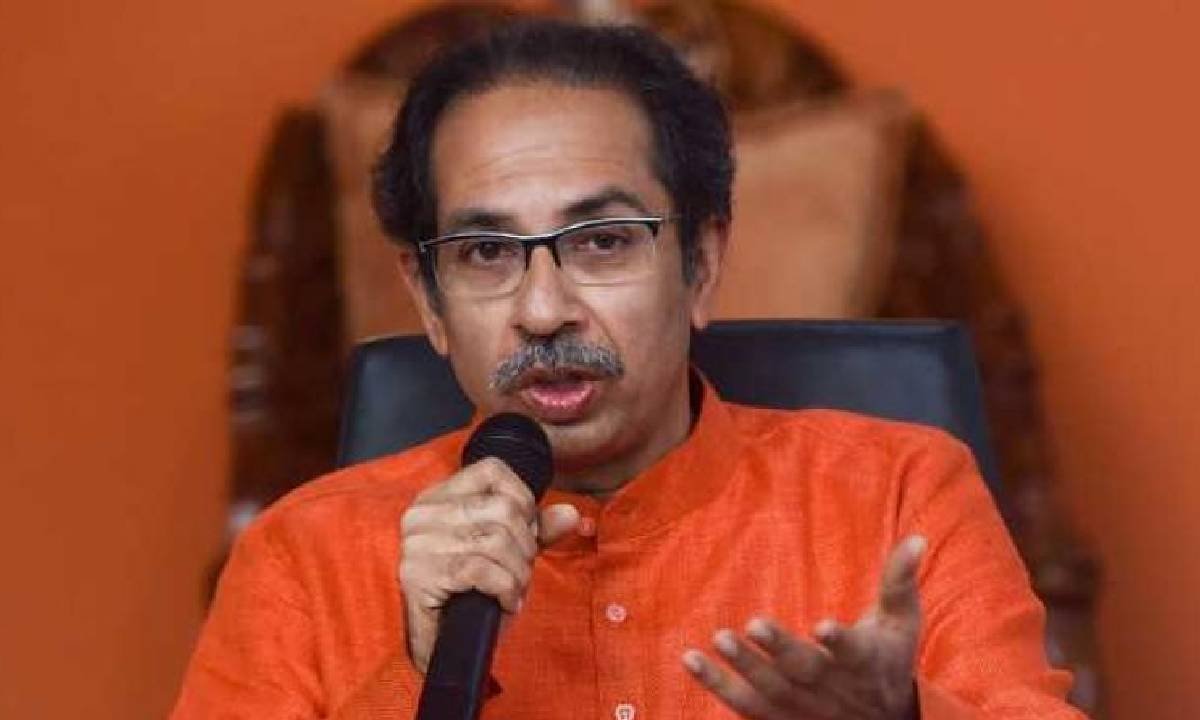
Shiv Sena (UBT) chief Uddhav Thackeray will meet the family of Beed Sarpanch Santosh Deshmukh, whose murder has sparked a huge political row, in the first week of January.

Thackeray will also meet the kin of Dalit man Somnath Suryavanshi, who allegedly died in judicial custody after his arrest in connection with violence over the desecration of a replica of the Constitution in Parbhani.

“The Sena (UBT) president will visit Parbhani and Beed to meet the families of Somanth Suryavanshi and Santosh Deshmukh, respectively,” Shiv Sena (UBT) leader Sanjay Raut said on Saturday.

NCP (SP) president Sharad Pawar met the families of Suryavanshi and Deshmukh last week. The leader of the Opposition in Lok Sabha, Rahul Gandhi, also met Suryavanshi’s family in Parbhani.

Police have so far arrested four persons, including former tehsil chief of Ajit Pawar-headed NCP Vishnu Chate, in connection with the sarpanch Deshmukh’s murder.

Police are on the lookout for three others who have been named as wanted accused for kidnapping Deshmukh and brutally killing him on December 9.

A preliminary investigation by police shows that Deshmukh’s murder was a fallout of his bid to oppose extortion from a windmill company in Beed.

Following Deshmukh’s murder, there were protests across Beed, especially after photographs of his body with injury marks were shared widely on social media.

Parbhani city in central Maharashtra witnessed violence after a glass-enclosed replica of the Constitution near Dr B R Ambedkar’s statue outside the railway station was vandalised on the evening of December 10.

Suryavanshi (35), who was lodged in the Parbhani district central jail after his arrest, died on December 15 at a state-run hospital after complaining of chest pain and uneasiness.

Rahul Gandhi alleged that Suryavanshi was killed because he was a Dalit who was trying to protect the Constitution.

“Democracy Changed to ‘Lathi-Tantra’ for Last 1–2 Yrs”: Prashant Kishor on Bihar’s Police Action on BPSC Aspirants

bpsc exam, bpsc, protest, bihar, bihar exam, prashant kishor, lathi charge
"Democracy Changed to 'Lathi-Tantra' for Last 1–2 Yrs": Prashant Kishor on Bihar’s Police Action on BPSC Aspirants 17

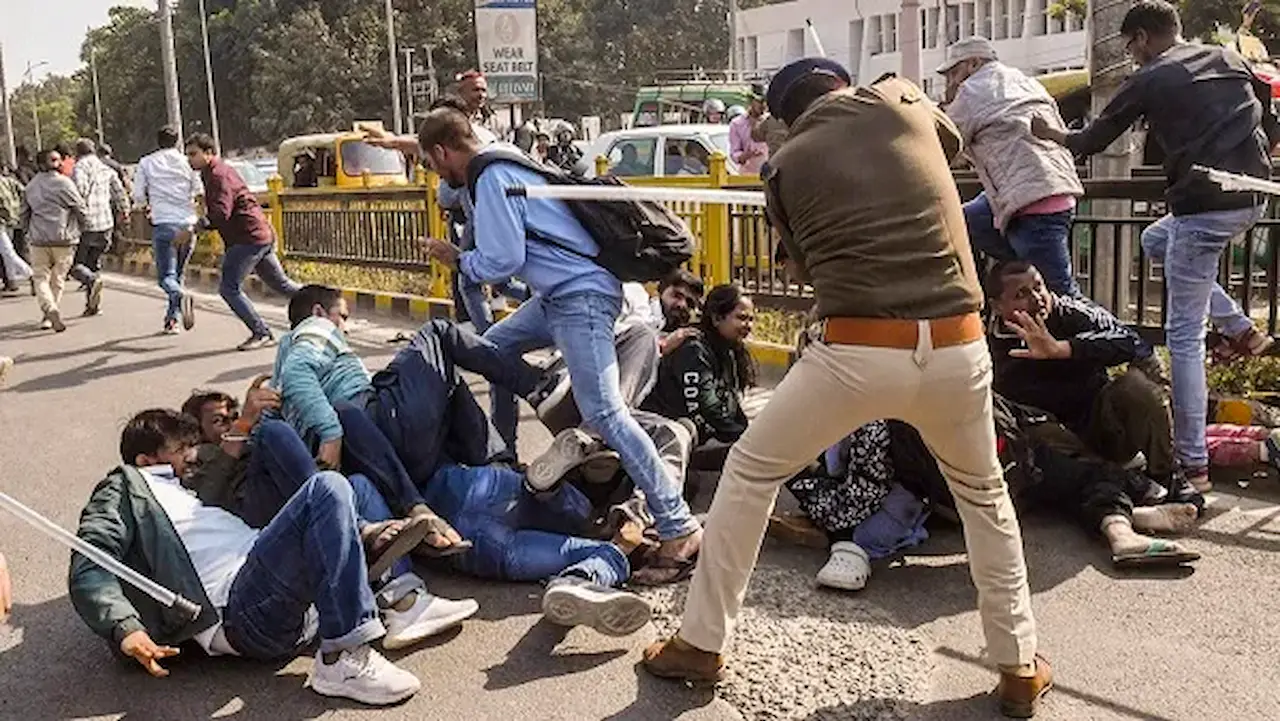
Jan Suraj chief Prashant Kishor on Friday criticised the Bihar government’s handling of the Bihar Public Service Commission (BPSC) aspirants’ protest, alleging that democracy in the state has been replaced by “lathi-tantra” (rule of the stick).

Expressing solidarity with the protesting aspirants in Patna, Kishor stated that no authority has the right to use force against individuals expressing their views democratically.

“In Bihar, democracy has transformed into ‘lathi-tantra’ over the last 1-2 years. If any section of society approaches the government to express their views, the response is often lathi charges. This is detrimental to democracy”.

”The government must listen to the students. If people are expressing their views peacefully and democratically, there is absolutely no justification for lathi charges. I stand with the students. Action should be taken against those responsible for this. We oppose the use of force against students,” Kishor asserted.

Educator and YouTuber Faizal Khan, popularly known as Khan Sir, joined the protestors on Friday and urged them to protest peacefully. He also chanted slogans alongside the aspirants against the BPSC.

“We are only demanding a re-examination by the commission. They can make it as challenging as they wish; we are not shying away. However, the exam should not feature questions that insult our intelligence. The questions in our class tests are harder than this. Why did the commission conceal evidence and CCTV footage? There are many concerning issues that require investigation”.

”We will approach the Supreme Court and even appeal to the President to highlight what is happening in Bihar. First, the country’s GDP declined, then a bridge in Bihar collapsed, and now the BPSC has collapsed,” he remarked.

The BPSC aspirants gathered outside the commission’s office in Patna to demand the cancellation of the exam. The protests, which began on December 13, were sparked by allegations of irregularities during the examination.

Candidates have alleged that the question paper was leaked and there were delays in distributing the papers. Some reported receiving the question paper nearly an hour late, while others claimed that answer sheets were torn, raising suspicions of malpractice.The protests have drawn sharp political reactions, with Rashtriya Janata Dal (RJD) chief Lalu Yadav criticising the police’s actions. He stated that resorting to lathi charges against students was unjust.

“They shouldn’t have done this. It’s wrong,” Lalu Yadav remarked.

However, police authorities defended their actions, stating that only “mild force” was used and denied any injuries to the protesting aspirants.

Whistleblower in MUDA Scam Krishna Writes to PM, HM for Central Security Over State’s Denial

Snehamayi Krishna, MUDA case, whistleblower, karnataka, central security
Whistleblower in MUDA Scam Krishna Writes to PM, HM for Central Security Over State’s Denial 19

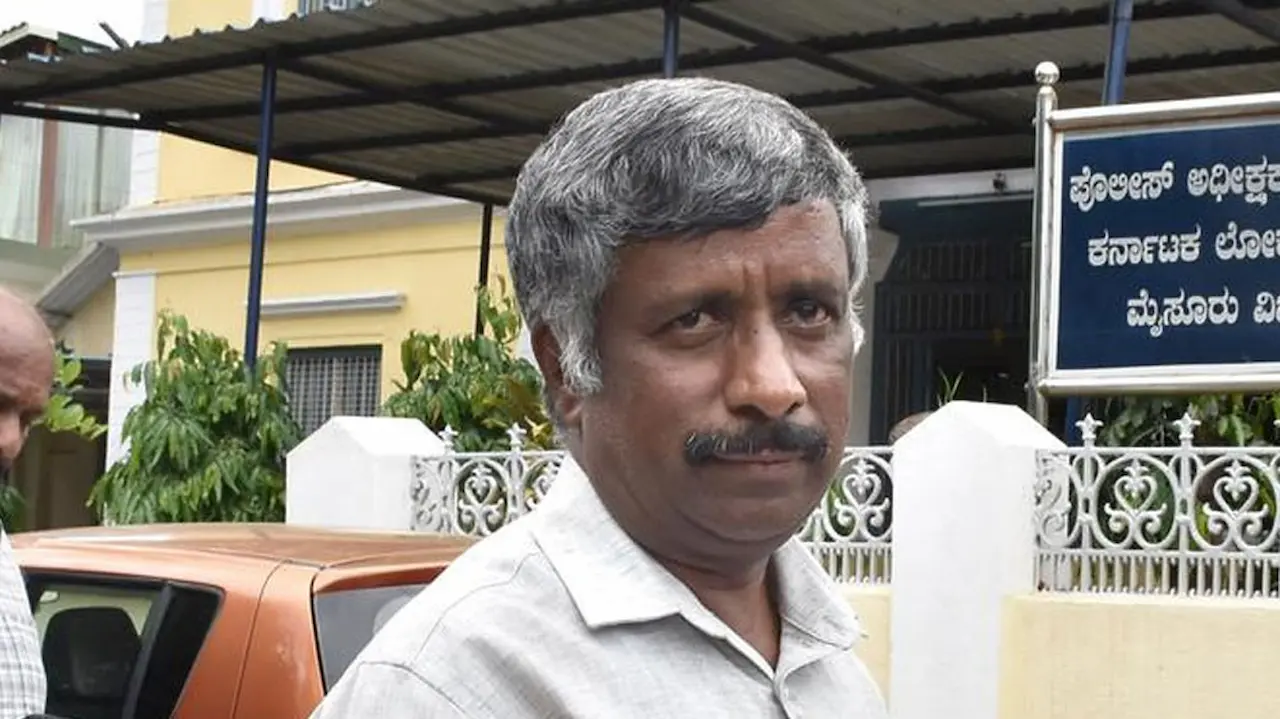
Snehamayi Krishna, an RTI activist central to the MUDA scam investigation, has reached out to Prime Minister Narendra Modi and Home Minister Amit Shah, seeking their aid for personal security. This plea comes after the Karnataka government reportedly refused to protect him and his family in light of his whistleblowing activities.

Krishna’s complaint, which triggered the case, involves the alleged unlawful allocation of sites under the Mysore Urban Development Authority in the name of Parvathi, wife of Karnataka Chief Minister Siddaramaiah, among others. Despite attempts to secure action through state channels, only a court intervention led to a Lokayukta investigation and a subsequent FIR naming Siddaramaiah as Accused No. 1.

Facing a flurry of retaliatory FIRs and coercion tactics, including financial offers to abandon the case, Krishna remains undeterred. Having been denied police protection repeatedly, he now appeals to the central government to guarantee his and his family’s safety against what he describes as intimidation orchestrated by state officials loyal to the Chief Minister.