Maharashtra BJP Chief Bawankule Chairs Meeting to Increase Membership 2
After the landslide victory of the Mahayuti in the 2024 Maharashtra Assembly elections state Bharatiya Janata Party (BJP) president Chandrashekhar Bawankule chaired a meeting for the party’s membership campaign committee. The Maharashtra BJP president resolved to give a push to include new members in the party with maximum numbers in the coming days.
Shiv Sena Eknath Shinde’s faction is also set to its legislative party meeting on Sunday evening at the Taj Lands End Hotel to formally elect their leader.
Addressing a press conference alongside Deputy Chief Ministers Devendra Fadnavis and Ajit Pawar, Shinde said, “This is the record-breaking victory of Mahayuti. We are thankful to the whole of Maharashtra…We removed all the obstacles created by the MVA during their governance..”
BJP-Led Mahayuti Secures Massive Victory in Maharashtra, Opposition INDIA Bloc Set to Retain Jharkhand 4
The BJP-led Mahayuti alliance is on course for a decisive victory in Maharashtra, securing an overwhelming lead over the Maha Vikas Aghadi (MVA), while the opposition INDIA bloc appears set to claim a win in Jharkhand. According to trends from the Election Commission, the BJP-Shiv Sena-NCP coalition in Maharashtra is leading in 218 of the 288 assembly seats, signalling a significant mandate in favour of the ruling alliance. In contrast, the MVA—comprising the Congress, NCP (Sharad Pawar faction), and Shiv Sena (UBT)—is ahead in just 50 seats.
Meanwhile, in Jharkhand’s 81-member assembly, the Hemant Soren-led opposition alliance is leading, with the JMM ahead in 30 seats, the Congress in 13, the RJD in five, and the CPI-ML in one. The BJP trails significantly with 26 leads. Hemant Soren looks set to return as chief minister, with Congress leader Rajesh Thakur expressing confidence in forming the government with a two-thirds majority.
Union Minister Giriraj Singh claimed that the BJP’s success reflects the public’s rejection of communal politics allegedly promoted by the INDIA bloc. The results mark a boost for the BJP, following its recent electoral victories, including a historic third consecutive win in Haryana. These victories come despite setbacks in the general elections, where the BJP won 240 Lok Sabha seats.
In Maharashtra, the BJP leads in 125 seats, nearing the halfway mark of 144 on its own, while the Shiv Sena and NCP hold leads in 56 and 35 seats, respectively. Key leaders, including Chief Minister Eknath Shinde, his deputies Devendra Fadnavis and Ajit Pawar, and Shiv Sena (UBT) leader Aaditya Thackeray, are leading in their constituencies. However, Congress’s performance has been disappointing, with its leaders Nana Patole, Balasaheb Thorat, and former CM Prithviraj Chavan facing challenges in their constituencies.
In Jharkhand, Chief Minister Hemant Soren is leading in Barhait, while his wife Kalpana Soren and prominent leaders like Speaker Rabindra Nath Mahato and Deepika Pandey Singh are also in contention. BJP state president Babulal Marandi and AJSU Party chief Sudesh Mahto face stiff competition, indicating a tough battle in this eastern state.
The contrasting results in Maharashtra and Jharkhand underscore regional variations in voter preferences, with the BJP consolidating its hold in western India while the opposition strengthens its position in the east.
Wayanad By-polls: Priyanka Gandhi Vadra Leads with 5,672 Votes; CPI, BJP Candidates Trail in 2nd, 3rd Spots 6
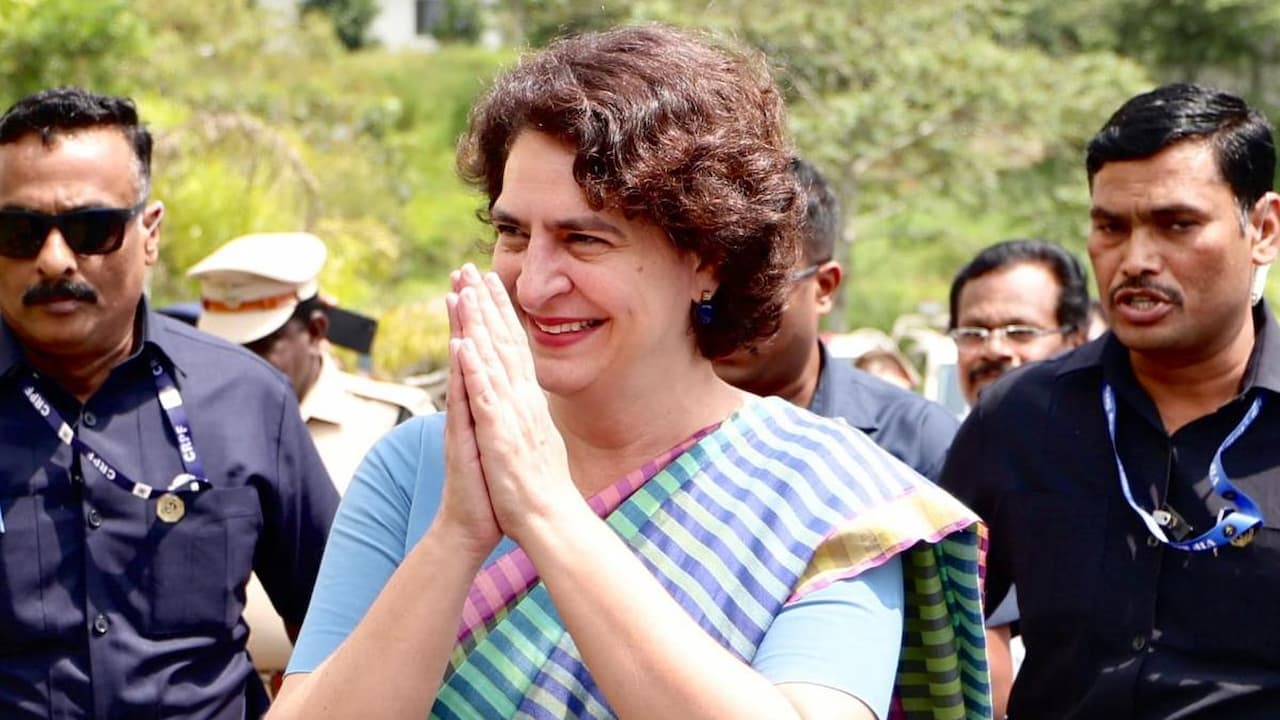
Congress candidate Priyanka Gandhi Vadra is leading from the Wayanad Lok Sabha seat, where counting began on Saturday morning, according to early trends from the Election Commission of India (ECI).
Wayanad, a Congress bastion, is witnessing a triangular contest between Priyanka Gandhi, BJP’s Navya Haridas, and the Left candidate Sathyan Mokeri.
As per the ECI at 9 a.m. today, Priyanka is leading with 5,672 votes, with Communist Party of India candidate Sathyan Mokeri trailing with 1,298 votes.
BJP candidate Navya Haridas is in the third spot with 1,133 votes, according to the ECI.
Priyanka Gandhi is contesting from the Wayanad constituency as a United Democratic Front (UDF) candidate, from the seat her brother Rahul Gandhi vacated.
Wayanad’s seat was vacated by Congress leader Rahul Gandhi after he was also elected to the Lok Sabha from Rae Bareli in Uttar Pradesh during the general elections held earlier this year.
If Priyanka Gandhi wins from Wayanad, she will become the third member of the Gandhi family to enter Parliament.
BJP candidate Navya Haridas today expressed confidence in her party’s victory, stating that if the people want development in Wayanad, they will choose the NDA.
Speaking to ANI, Haridas said, “Last time, Rahul Gandhi had won from Wayanad, but he rejected this Mandal and retained Rae Bareli. This time, the voting percentage came down as they were not in the mood to face the election after the landslide incident. If people need development in Wayanad, then they would select NDA.”
Earlier, Priyanka Gandhi Vadra criticised the central government, which has reportedly refused to declare Wayanad landslides a national disaster as requested by the Kerala government. In a post on X, Priyanka called it a “shocking injustice” to the victims and criticised the central government for “denying essential relief to those in dire need.”
MVA Plans to Shield MLAs Post-Election Amid Fears of Poaching 8
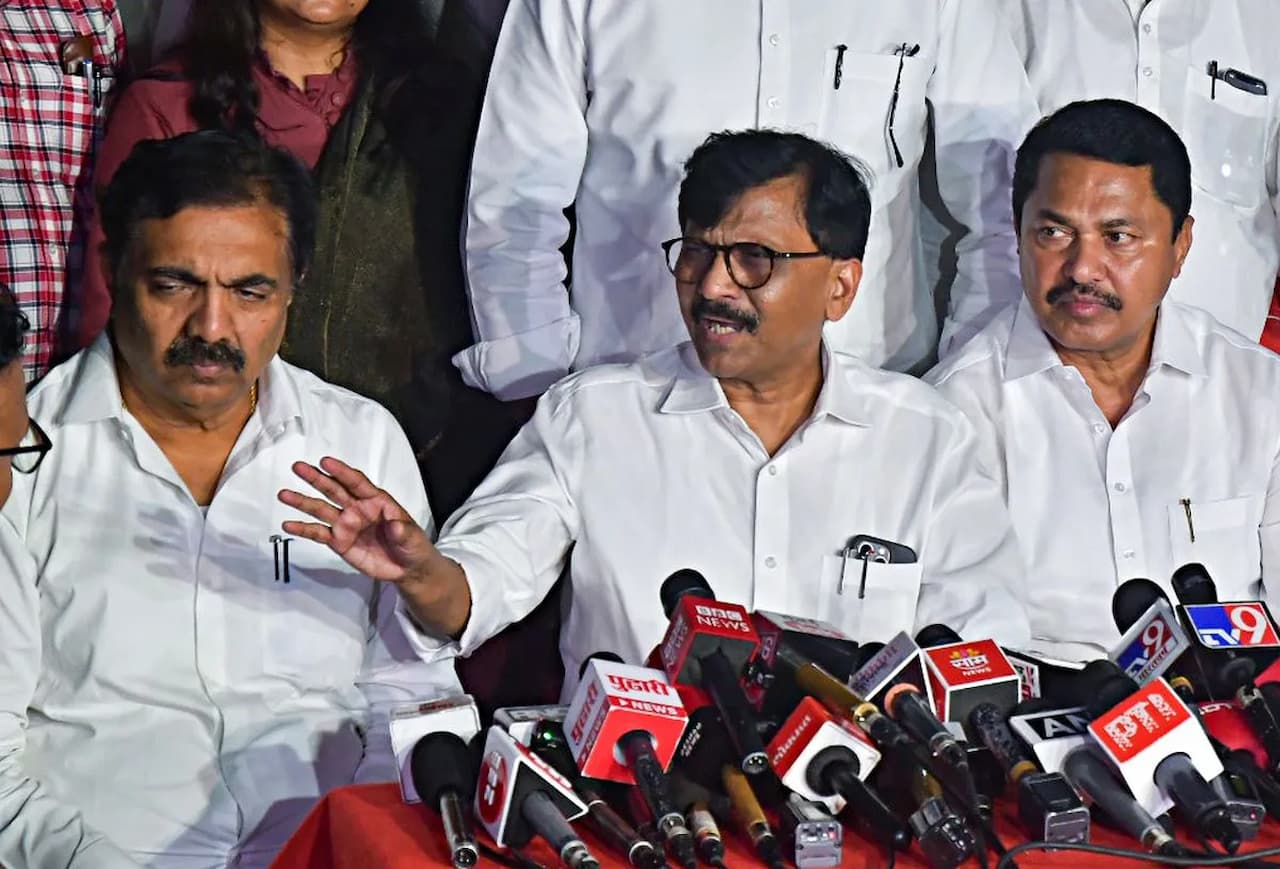
The Maha Vikas Aghadi (MVA) alliance is preparing to house all its newly-elected MLAs together in Mumbai after the Maharashtra assembly election results to prevent possible poaching by rival parties. Shiv Sena (UBT) leader Sanjay Raut announced this on Friday, explaining that the arrangement aims to safeguard the alliance’s integrity as it gears up to form the next government.
Raut revealed that MVA leaders, including himself, Anil Desai (Shiv Sena – UBT), Jayant Patil (NCP – Sharad Pawar faction), and Congress leaders Satej Patil and Balasaheb Thorat, met to review the election outcomes and finalize post-election strategies. The alliance plans to provide collective lodging for the MLAs since many of them lack residential arrangements in Mumbai.
Expressing confidence, Raut stated that the MVA expects to win 160 seats, with several independents also showing interest in supporting the bloc. He reiterated that the chief minister’s post would be decided jointly by all alliance partners after the results. This comes amid Congress state president Nana Patole’s claim that the CM will be from his party, which Raut countered by insisting the decision will be finalized in Mumbai with the participation of all MVA leaders, including Sharad Pawar and Uddhav Thackeray.
Raut raised concerns about potential interference from the BJP and the governor’s office, alleging that attempts could be made to obstruct the MVA’s government formation even if it secures a majority. He warned that any delay in finalizing the leadership could lead to the imposition of President’s rule in the state, as the assembly’s term ends on November 26.
The MVA is not alone in its internal wrangling over the chief minister’s post. Similar disputes have emerged within the ruling Mahayuti alliance, comprising Eknath Shinde’s Shiv Sena faction, the BJP, and Ajit Pawar’s NCP faction. Both alliances are navigating a political tug-of-war as Maharashtra awaits the results of its pivotal elections.
Tension in Sambhal: Tight Security for Friday Prayers Amid Mosque-Temple Dispute 10
Security has been heightened in Sambhal, Uttar Pradesh, ahead of Friday prayers at the Jama Masjid following a court-ordered survey based on a petition claiming that the Mughal-era mosque was built on the site of an ancient Harihar temple, significant to Hindu faith.
Key Developments
Court-Ordered Survey: A local court directed a survey of the mosque after a petition by Supreme Court lawyer Vishnu Shankar Jain alleged that Mughal emperor Babar partially demolished the Harihar temple in 1529 to construct the Jama Masjid. Jain emphasized the site’s importance as an ASI-protected area, asserting the presence of Hindu temple symbols.
Heightened Security Measures:
Prohibitory orders under Section 144 have been imposed, preventing gatherings of more than five people.
Police conducted a flag march and warned of strict action against any attempt to incite unrest.
Social media platforms are under close surveillance to curb the spread of inflammatory content.
Local Administration’s Appeal: Clerics have been urged to ensure that people offer prayers only in their designated mosques. Authorities are working to maintain peace and prevent communal tensions.
Political and Religious Reactions
Petitioner’s Claim: Vishnu Shankar Jain, who has represented Hindu causes in several high-profile religious disputes like the Gyanvapi-Kashi Vishwanath case, insists the mosque encroaches on an ASI-protected temple site.
Opposition’s Objection: Samajwadi Party MP Zia Ur Rehman Barq criticized the petition, citing the Supreme Court’s 1991 ruling that maintains the status quo of all places of worship as they were in 1947. Barq called the mosque a historical monument and questioned the basis of such claims.
Current Situation
The dispute has drawn sharp reactions, rekindling debates over historical and religious sites in India. As tensions simmer, authorities are leaving no stone unturned to ensure communal harmony in Sambhal.
Adani's US Indictment: A Ripple Through Politics, Business, and Sovereignty 12
The indictment of Indian businessman Gautam Adani in the United States has unleashed a storm of debates and speculation across various domains—political, economic, and diplomatic. This development raises critical questions about global accountability, national politics, and international relations. While the legal battle is fundamentally Adani’s to fight, the ripples of this case are poised to affect India’s domestic political landscape and its relations with the United States.
Adani’s Legal Battle in the US: A Test of Power
Gautam Adani’s indictment by the US Justice Department marks a significant moment in global corporate scrutiny. Known for his unparalleled rise in India and growing global influence, Adani is now facing allegations that could challenge his vast business empire. However, as a seasoned player on the global stage, he is expected to assemble a formidable legal team to defend his interests in the US.
The current global order often sees powerful tycoons evade the full brunt of legal consequences. Adani, with his significant clout, is unlikely to be an exception. Yet, this case transcends the legal realm and veers into the political and diplomatic spheres, particularly given Adani’s close ties to India’s political elite.
Political Ramifications in India: Modi-Adani Nexus Under Fire
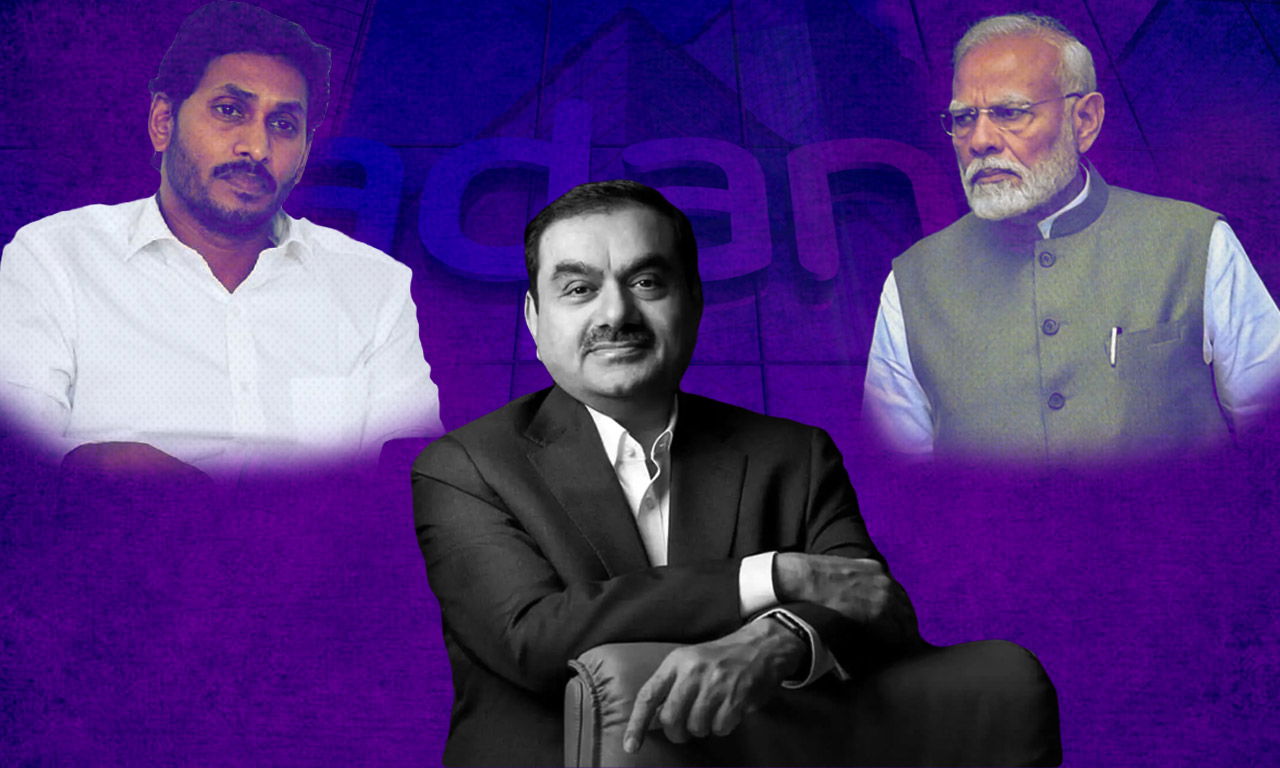
Adani is not just any Indian businessman; he is perceived as an integral part of the ecosystem surrounding India’s ruling Bharatiya Janata Party (BJP) and Prime Minister Narendra Modi. This connection has been the subject of intense scrutiny and criticism. Political leaders and observers alike have often pointed to what they see as a mutually beneficial relationship between Adani’s business empire and the BJP’s political agenda.
Ajit Pawar, a prominent Maharashtra politician, recently claimed that Adani played a role in the BJP’s operation to destabilize the Uddhav Thackeray-led government in Maharashtra. This accusation adds fuel to the ongoing political firestorm surrounding Adani. The possibility of an arrest warrant or further legal actions in the US against Adani could provide opposition parties, particularly the Congress, with ammunition to target Modi and his government. The aim would be to portray Adani as a liability for the Prime Minister, potentially likening the situation to the infamous Bofors scandal that destabilized the Rajiv Gandhi government in the 1980s.
The BJP’s Counteroffensive: Shielding Modi
The BJP is unlikely to remain passive in the face of these developments. Known for its combative political strategies, the party will aim to distance Modi from the controversy while defending Adani. This task, however, will demand considerable political capital. Whether the BJP can insulate Modi from the fallout of this case while retaining its credibility remains to be seen.
The moral high ground often claimed by the BJP in its political narrative may face erosion. The opposition is expected to exploit this to project the ruling government as compromised and overly influenced by corporate interests. Whether this narrative gains traction among voters could significantly impact the political dynamics leading up to future elections.
Sovereign Implications: India’s Position in US Relations
Beyond the domestic ramifications, the Adani indictment could have consequences for India’s diplomatic dealings with the United States. The legal process initiated by the Biden administration is likely to persist irrespective of the outcome of the next US presidential election. The timing of the indictment—just after the American electorate has voted for a new president—ensures that this case remains a live issue even under a potential Trump administration.
India must tread carefully to avoid any sovereign vulnerabilities. The perception that a close associate of the Indian Prime Minister is entangled in a US legal battle could impact India’s global image. Moreover, any perceived interference or favouritism in handling the case could strain relations between New Delhi and Washington.
YSRCP and the Bribery Allegations: Andhra Pradesh in the Spotlight
Adding another layer of complexity to the Adani controversy are allegations linked to the Andhra Pradesh government during the tenure of the YSR Congress Party (YSRCP). According to US court filings, bribes amounting to approximately Rs 1,750 crore were allegedly paid to a high-ranking Andhra Pradesh official to facilitate power purchase agreements involving Adani and the Solar Energy Corporation of India (SECI). The YSRCP, led by former Chief Minister Y. S. Jagan Mohan Reddy, has strongly denied these allegations.
In a statement, the YSRCP clarified that the state government had entered into agreements with SECI and not directly with Adani’s companies. The party emphasized that these agreements were made to procure power at competitive rates to alleviate the financial burden on Andhra Pradesh’s power distribution companies (DISCOMs).
The Power Procurement Debate
The power procurement policies of Andhra Pradesh during this period are at the heart of the allegations. The state government’s decision to enter into an arrangement with SECI to procure 7,000 MW of solar power at Rs. 2.49 per kWh was presented as a cost-effective and beneficial initiative. According to the YSRCP, this agreement was approved by regulatory bodies, including the Andhra Pradesh Electricity Regulatory Commission (APERC) and the Central Electricity Regulatory Commission (CERC).
The government’s justification highlighted substantial savings of Rs. 3,700 crore annually, with long-term benefits of over Rs. 92,000 crore over a 25-year period. By refuting claims of direct agreements with Adani entities and asserting the legality and transparency of its actions, the YSRCP aimed to distance itself from the indictment’s shadow.
Repercussions for Indian Governance and Business
The unfolding events raise broader questions about the interplay between business and politics in India. The allegations against Adani and the Andhra Pradesh government spotlight potential gaps in accountability and transparency in large-scale projects. This case could catalyze discussions about corporate governance, regulatory oversight, and the need for stricter checks on political-business nexuses.
Moreover, the indictment underscores the vulnerability of Indian businesses operating globally. As Indian companies expand their footprint, they must navigate complex legal and ethical landscapes, particularly in jurisdictions with robust anti-corruption laws. The Adani case serves as a reminder of the challenges of maintaining compliance and credibility in the global market.
Conclusion: A Pivotal Moment
Gautam Adani’s indictment in the United States represents a watershed moment with far-reaching implications. Domestically, it could alter the political narrative, offering opposition parties an opportunity to challenge the BJP’s dominance. Internationally, it tests India’s diplomatic acumen and the resilience of its global image. For Adani, the legal battle is not just a fight for his business empire but also a test of his influence and credibility.
As the legal and political drama unfolds, it is clear that this case goes beyond Adani. It is a reflection of the complex entanglements between politics, business, and global governance—a reminder that power, no matter how significant, is not immune to accountability. Whether this accountability translates into meaningful consequences remains to be seen. For now, the spotlight remains firmly fixed on Adani, India, and the intricate web of interests that bind them to the unfolding saga.
Will Follow Shinde, Even if He Allies with Sharad Pawar: Shiv Sena MLA Shirsat Sparks Debate 14
Shiv Sena MLA Sanjay Shirsat has pledged unwavering support to Maharashtra Chief Minister Eknath Shinde, stating that his party will stand by Shinde’s decisions after the assembly poll results. His comments, made during a television interview, have stirred speculation about possible political manoeuvres in the state.
Shirsat, the MLA from Chhatrapati Sambhajinagar (West), emphasised his party’s trust in Shinde’s leadership. “We are committed to following whatever Eknath Shinde decides. We will stand solidly with him. Our trust in him remains unshaken,” he said.
When asked if Shinde might align with Nationalist Congress Party (NCP) chief Sharad Pawar to retain the Chief Minister’s post, Shirsat reiterated, “Shinde only takes decisions in the right direction. Whatever he chooses, we will accept.”
Shirsat was among the Shiv Sena MLAs who joined Shinde’s faction during the 2022 revolt against the Uddhav Thackeray-led leadership, a move that reshaped Maharashtra’s political landscape.
BJP’s Reaction: A Clear Denial
Reacting to Shirsat’s remarks, BJP leader Pravin Darekar dismissed them as personal opinions, not reflective of the alliance’s stance. “Eknath Shinde’s Shiv Sena contested against the Uddhav Thackeray-led Shiv Sena (UBT) and Sharad Pawar’s NCP. An alliance with the MVA is unimaginable,” Darekar clarified.
Currently, the BJP, Shinde-led Shiv Sena, and Ajit Pawar’s NCP form the ruling Mahayuti coalition, while the opposition Maha Vikas Aghadi (MVA) comprises Congress, Shiv Sena (UBT), and Sharad Pawar’s NCP faction.
Shirsat’s Stand on Shinde’s Future as CM
Shirsat also deflected questions about Shinde’s position as Chief Minister if the Mahayuti alliance retains power. “The decision lies solely with Eknath Shinde. We will abide by whatever he decides,” Shirsat stated firmly.
Election Results Awaited
Voting for Maharashtra’s 288-member assembly concluded on November 20, with results set to be announced on November 23. As speculation swirls, Shirsat’s statements have added another layer of intrigue to Maharashtra’s already volatile political narrative.
ICC Issues Arrest Warrants for Netanyahu, Gallant, and Hamas Leader Deif Over Alleged War Crimes 16
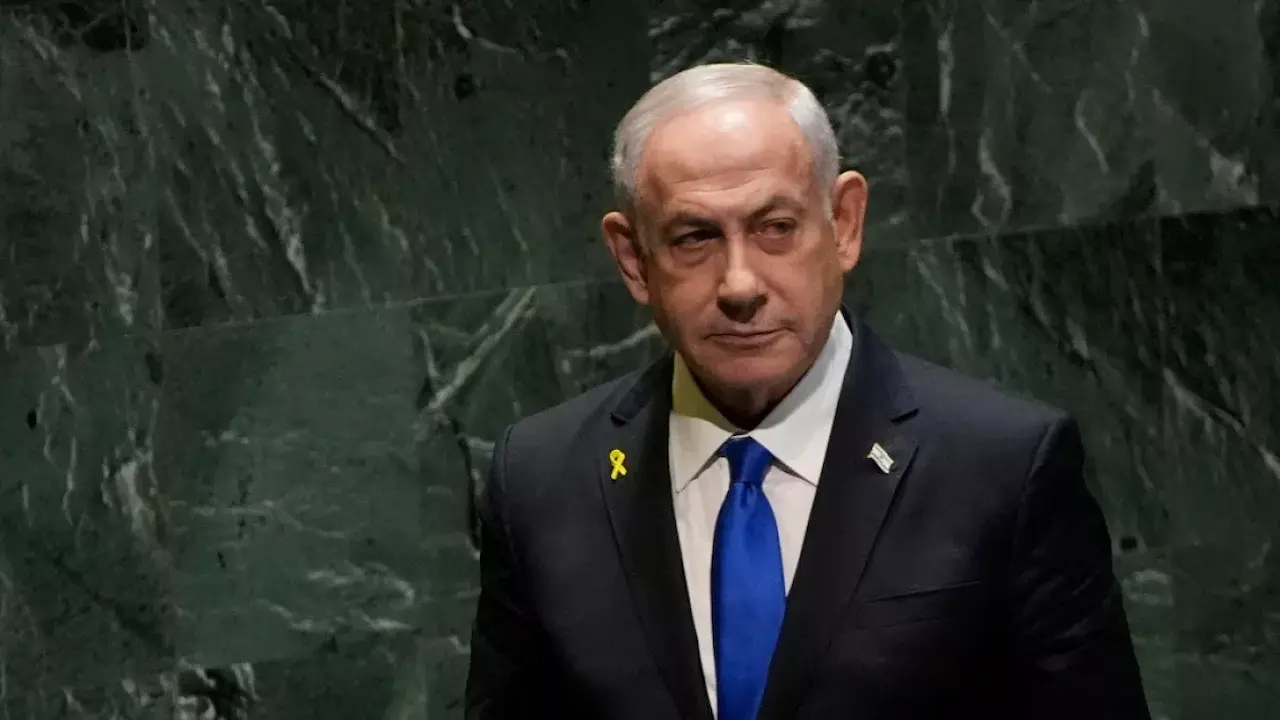
The International Criminal Court (ICC) has issued arrest warrants for Israeli Prime Minister Benjamin Netanyahu, former Defence Minister Yoav Gallant, and Hamas leader Mohammed Deif (also known as Mohammed Diab Ibrahim Al-Masri) for alleged war crimes and crimes against humanity linked to the ongoing Gaza conflict.
The warrants stem from accusations that Netanyahu and Gallant intentionally deprived Gaza’s population of essentials such as food, water, medicine, and electricity during military actions, which the ICC deems as constituting war crimes. Hamas leader Deif is accused of orchestrating the October 7 attack on Israel, involving crimes such as murder, torture, and hostage-taking.
Although Israel is not a member of the ICC and rejects its jurisdiction, the court stated that Israel’s acceptance of its authority is not required. Israel claims it has killed Deif in airstrikes, though Hamas has not confirmed this. The warrants carry international implications, especially for travel and diplomatic engagements of the accused.
Opposition Members Demand Extension for Waqf Panel Report Submission 18
Opposition members on Thursday called for an extension of the Joint Committee on the Waqf Amendment Bill’s tenure, arguing that more time is required to thoroughly review the proposed amendments.
At the committee meeting, chaired by BJP MP Jagdambika Pal, it was announced that this would be the panel’s final sitting, with a draft report to be circulated soon. The announcement prompted protests from opposition members, who accused Pal of rushing the process. Some members reportedly contacted Lok Sabha Speaker Om Birla, seeking his intervention.
The committee has been tasked with submitting its report by the end of the first week of the Winter Session of Parliament, which begins Monday. The Waqf (Amendment) Bill is scheduled for consideration and passage during the session, contingent upon the committee’s report.
Opposition members have previously criticized Pal for allegedly sidelining them and “bulldozing proceedings” by scheduling intensive, day-long meetings and not consulting them on key decisions, including selecting witnesses to appear before the panel.
Despite earlier complaints to Speaker Birla, the opposition remains dissatisfied, citing inadequate preparation time to address the complexities of the proposed legislation.
Kuki MLAs Demand Statewide AFSPA in Manipur for Recovery of Looted Arms 20
Ten Kuki legislators in the Manipur Assembly, including seven from the ruling BJP-led alliance, have called for the extension of the Armed Forces Special Powers Act (AFSPA) across the state to recover over 6,000 looted weapons.
The demand follows the Centre’s decision on November 14 to reimpose AFSPA in six police station areas, including violence-hit Jiribam, citing the “continuous volatile situation” due to ethnic clashes.
In a joint statement, the Kuki MLAs urged the extension of AFSPA to the remaining 13 police jurisdictions, asserting that the measure is essential to contain the unrest and recover the looted arms.
The violence, which erupted on May 3, 2023, during a ‘Tribal Solidarity March’ opposing the Meitei community’s demand for Scheduled Tribe (ST) status, has led to over 220 deaths. The MLAs also stressed the need for political dialogue to bring lasting peace to the state.
The legislators criticized a recent resolution by Manipur’s BJP-led NDA MLAs for a “mass operation” against Kuki militants following the killing of six civilians in Jiribam. They termed the resolution “divisive and communal” and called for impartial investigations into all killings since May 3, 2023, to be handed over to the National Investigation Agency (NIA).
This appeal highlights deep divisions within Manipur’s political landscape, with Kuki MLAs seeking broader measures to restore law and order while addressing allegations of bias in government actions.