Heated Clash in Maharashtra Elections: Shiv Sena Leader Allegedly Threatens NCP Candidate 2
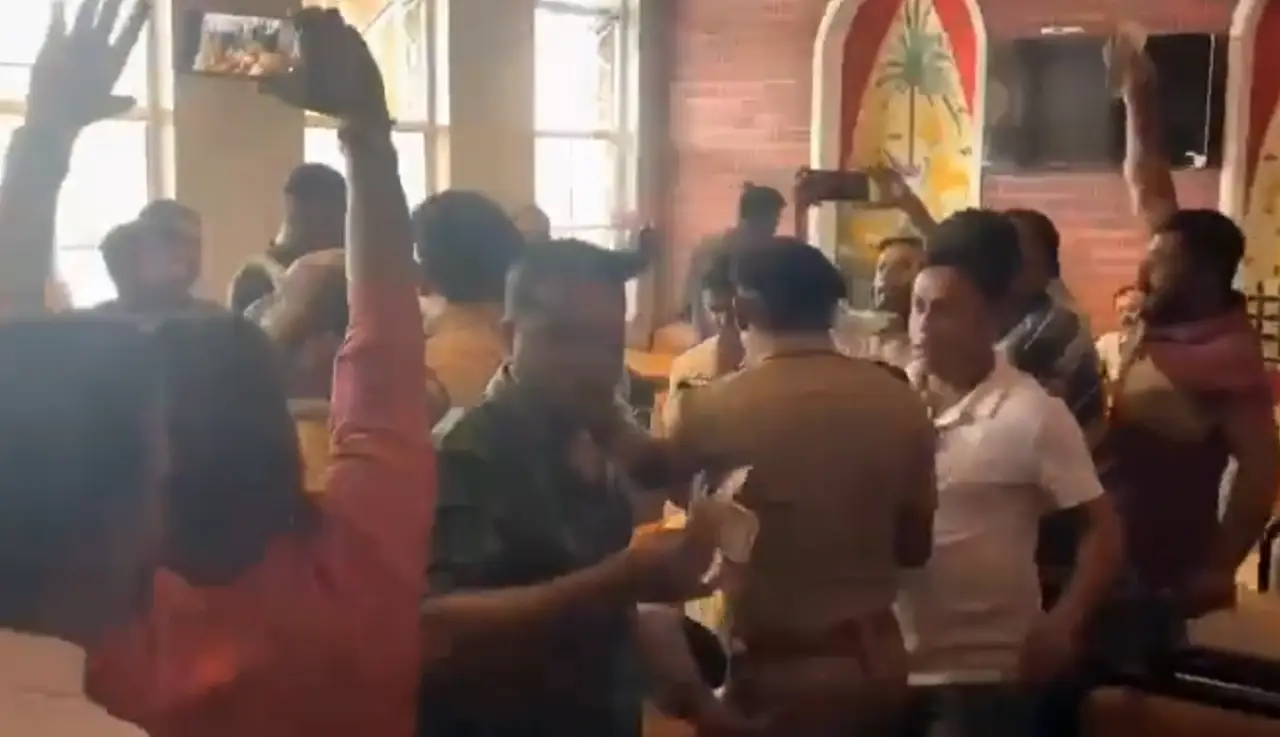
A tense confrontation unfolded on Wednesday afternoon at Gurukul College campus in Nandgaon, Maharashtra, when Sameer Bhujbal, an NCP leader and independent candidate, arrived with police to investigate alleged bogus voting. The incident quickly escalated into a heated exchange between Bhujbal’s camp and supporters of Shiv Sena (Eknath Shinde faction) MLA Suhas Kande.
In the midst of the altercation, Kande allegedly issued a death threat to Bhujbal, declaring in Marathi, “Tujha murder fix aahe aaj” (your murder is fixed today). The threat, captured on video, has caused an uproar. Bhujbal has since filed a legal complaint against Kande, and the police are processing the case.
The confrontation underscores the growing tensions within Maharashtra’s ruling alliance. Kande, a prominent Shiv Sena leader, defeated Pankaj Bhujbal, Sameer’s cousin, in the 2019 elections. Sameer Bhujbal, despite holding the position of Mumbai president for the NCP (Ajit Pawar faction), is contesting the election as an independent candidate, adding to the volatile political dynamics.
Responding to the allegations, Kande claimed the situation was misrepresented. He alleged that Bhujbal’s supporters had tried to prevent sugarcane cutters from voting, which led to the scuffle. “I did not name Sameer Bhujbal. I only warned those fighting to stop, as it would result in someone’s death,” he stated.
The incident, captured on video and currently under investigation, reflects the intensifying rivalries ahead of Maharashtra’s high-stakes elections.
AR Rahman and Saira Banu Announce Separation After 29 Years of Marriage 4
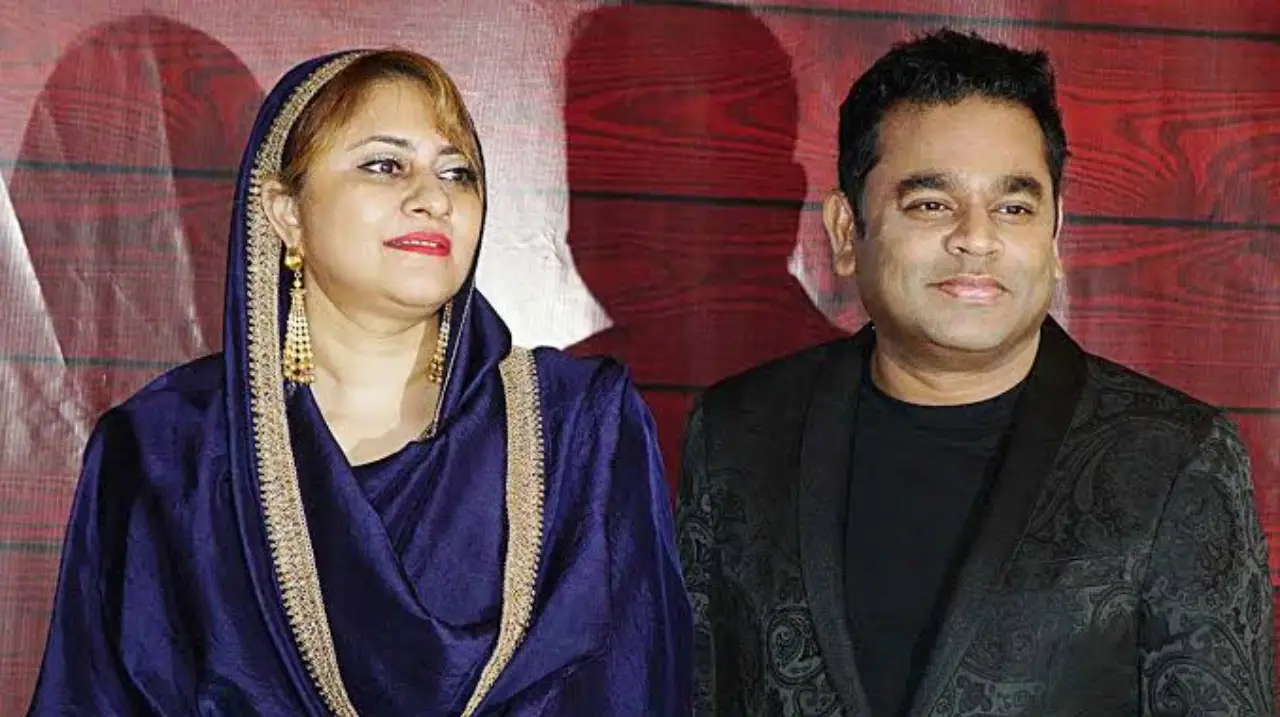
Oscar-winning composer AR Rahman and his wife, Saira Banu, have announced their decision to part ways after 29 years of marriage. In a joint statement released late Tuesday through Saira’s lawyer, Vandana Shah, the couple cited emotional strain as the reason for their separation, despite their deep mutual love. They acknowledged that the tensions in their relationship had created an irreparable gap.
Rahman, who married Saira in 1995, shares three children with her — Khatija, Raheema, and Ameen — all of whom are following in his musical footsteps. The announcement has drawn widespread attention, with the family expressing sadness over the development.
Early Wednesday, Rahman took to social media to reflect on this challenging moment in his life. “We had hoped to reach the grand thirty, but all things, it seems, carry an unseen end. Even the throne of God might tremble at the weight of broken hearts. Yet, in this shattering, we seek meaning, though the pieces may not find their place again. To our friends, thank you for your kindness and for respecting our privacy as we walk through this fragile chapter,” he wrote.
The couple’s decision marks the end of nearly three decades of partnership, leaving fans and well-wishers offering their support and respecting their request for privacy.
Allegations of Bitcoin Misappropriation Spark Controversy Ahead of Maharashtra Assembly Elections 6
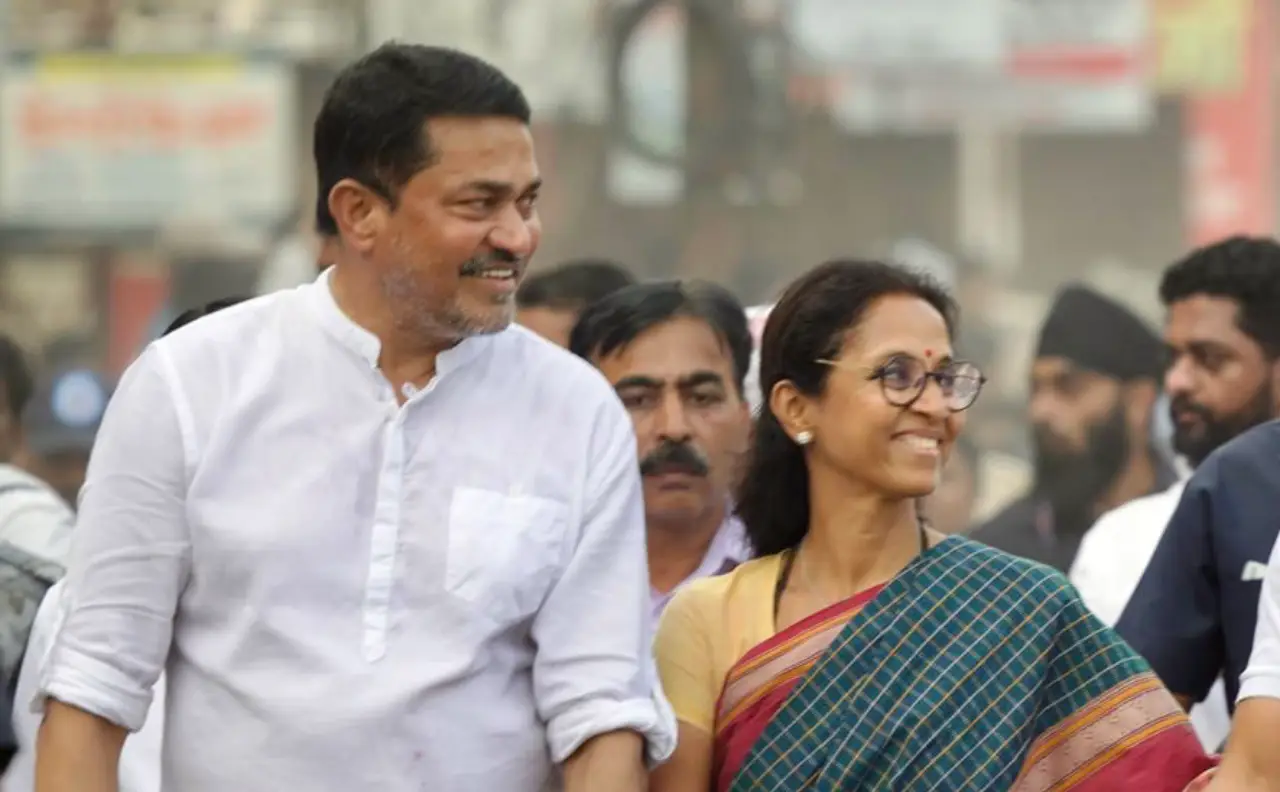
Nationalist Congress Party (Sharad Pawar faction) leader Supriya Sule and Maharashtra Congress chief Nana Patole have filed complaints with the cyber police and the Election Commission of India (ECI) against former IPS officer Ravindranath Patil and the BJP. The complaints come in response to allegations of Bitcoin misappropriation tied to a 2018 cryptocurrency fraud case, reportedly used to fund the ongoing Maharashtra Assembly elections.
Patil accused Sule, a Baramati MP, and Patole of misusing Bitcoins to influence the electoral process. The BJP amplified these claims by releasing voice notes allegedly implicating the two leaders. BJP spokesperson Sudhanshu Trivedi further publicized the allegations in a press conference.
Dismissing the claims, Sule called them baseless and politically motivated. She stated on X, “False information is being spread to manipulate voters a night before polling. We have filed complaints with the ECI and Cybercrime Department against these fabricated allegations.” Sule also challenged the BJP to a public debate to address the accusations. Patole echoed her sentiments, denying the allegations outright.
Deputy Chief Minister Ajit Pawar acknowledged the audio clips, stating that the voices resembled those of Sule and Patole. However, he assured that a thorough inquiry would reveal the truth. On the other hand, Yugendra Pawar, NCP (SP) candidate and Ajit Pawar’s nephew, defended Sule, expressing disbelief in her involvement.
As the controversy unfolds, it has added tension to the high-stakes Maharashtra Assembly elections, with implications for the credibility of both the accusers and the accused.
High-Stakes Showdown in Maharashtra: Allegations, Defections, and Election Drama 8
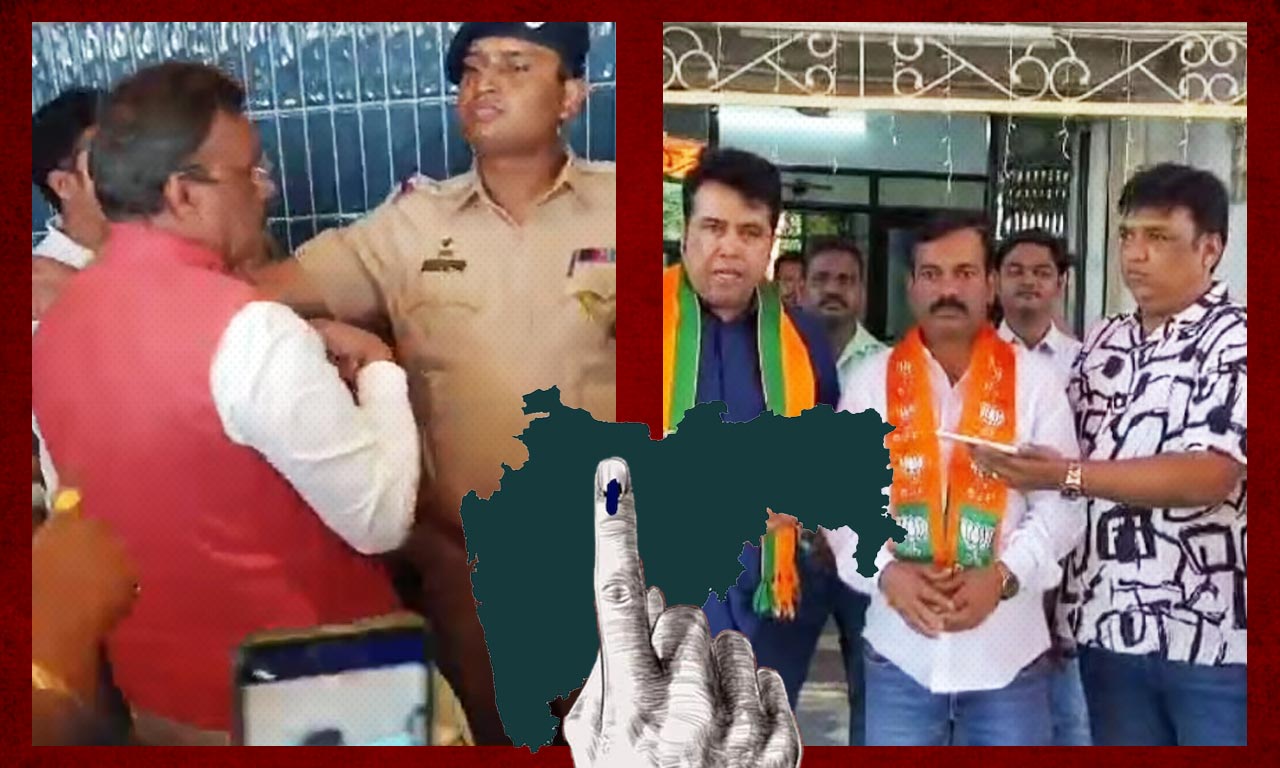
As Maharashtra hurtles toward a critical election, a political firestorm has engulfed the state, with BJP veteran Vinod Tawde and Bahujan Vikas Aghadi (BVA) leader Hitendra Thakur locked in a battle of accusations and counter-claims. Tawde, long embroiled in controversies and estranged from BJP heavyweight Devendra Fadnavis, has found himself at the epicentre of fresh allegations of voter bribery. In Virar, BVA workers alleged that Tawde was caught red-handed with Rs 9.93 lakh in cash, sparking chaos. Thakur, claiming Tawde also possessed Rs 5 crore in cash and incriminating diaries listing names for monetary distribution, led the charge, insisting the BJP was attempting to buy its way to victory.
The situation spiralled as Election Commission officials intervened, confirming the cash seizure, while BVA workers accused Tawde of orchestrating clandestine meetings at a hotel where CCTV cameras had mysteriously been disabled. Kshitij Thakur, MLA from Nalasopara and son of Hitendra Thakur, seized a diary allegedly listing a Rs 15 crore distribution plan and demanded answers about Tawde’s presence in Virar after campaigning had officially ended. Adding fuel to the fire, the BVA alleged the hotel gates were locked during Tawde’s meeting, heightening suspicions of covert activities.
Amid the uproar, Suresh Padvi, the BVA candidate for the Dahanu Assembly seat, defected to the BJP, pledging support to their candidate Vinod Mendha. The defection, announced in the presence of Palghar BJP president Bharat Rajput, delivered a major blow to the BVA’s campaign, raising questions about whether it was linked to the Virar cash scandal. The drama peaked when a joint press conference involving Tawde, Thakur, Kshitij, and BJP candidate Rajan Naik was abruptly halted by Election Commission officials, citing electoral code violations.
The BVA has since demanded stringent action, raising concerns about election fairness, particularly in webcasting across critical polling booths. In the Nalasopara constituency, where Thakur faces BJP candidate Sneha Dube, the BVA alleged discrepancies in the management of polling booths and requested comprehensive inspections. Meanwhile, Tawde reportedly telephoned Thakur to apologize for his presence in Virar, but tensions remain high.
This political storm comes against the backdrop of a fiercely contested election. The BJP, accused by opponents of flooding the campaign with money and offering pre-election handouts like the Ladli Behan Yojana, is determined to maintain its dominance, while the Maha Vikas Aghadi (MVA) alliance, comprising Congress, the NCP, and Uddhav Thackeray’s Shiv Sena faction, is fighting for a strong comeback. The campaign has seen the involvement of heavyweights, including Prime Minister Narendra Modi, Amit Shah, Rahul Gandhi, and Priyanka Gandhi Vadra, in a bid to sway voters across the state.
As polling takes place on November 20 for all 288 assembly seats and the results are counted on November 23, the stakes could not be higher. The BJP’s aggressive campaigning, allegations of electoral misconduct, and defections have raised the political temperature, leaving Maharashtra bracing for an election outcome that could reshape its political landscape. Whether the BJP’s cash-laden campaign or the MVA’s bid for resurgence will prevail remains to be seen, but this election has already set a new benchmark for high-stakes political drama.
Tawde Cash for Votes Scandal: Rs 9.93 Lakh Recovered from Palghar Hotel, BJP Denies Allegations 10
In a high-stakes development ahead of the Maharashtra Assembly elections, Palghar district authorities reported the recovery of Rs 9.93 lakh cash and incriminating documents from a Virar hotel. Allegations have surfaced that the money was being distributed to influence voters.
Bahujan Vikas Aghadi (BVA) chief Hitendra Thakur accused BJP general secretary Vinod Tawde of orchestrating the disbursement of Rs 5 crore in the region to sway voters. Thakur claimed Tawde was present at the hotel during the incident. A video circulating on social media showed BVA workers confronting Tawde outside the premises.
Denying the allegations, Tawde asserted he was in Nallasopara to provide guidance on election procedures. He challenged opposition parties to verify his activities, labeling the claims as baseless.
Palghar District Collector and Election Officer Govind Bodke stated that the election department had received complaints from BVA activists regarding cash distribution at the hotel. Acting on the complaints, a search operation was conducted by the returning officer, senior police officials, and the joint police commissioner, leading to the seizure of the cash and documents.
In a recorded statement, Bodke confirmed the registration of cases for violations of the model code of conduct, possession of cash, and holding unauthorized press conferences. The identities of those implicated remain undisclosed as investigations continue.
This incident has intensified the political rivalry in the region, with both sides exchanging accusations as the election approaches.
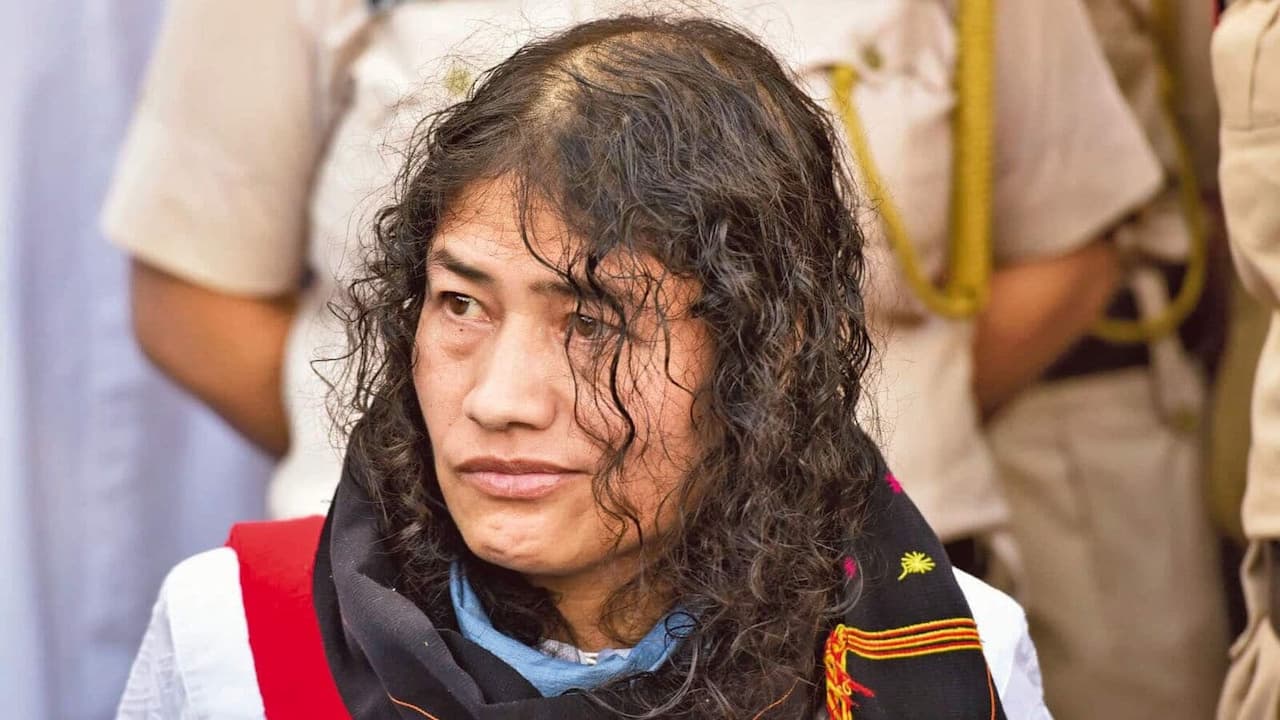
Rights activist Irom Sharmila has criticized Prime Minister Narendra Modi for his lack of direct involvement in resolving the ongoing crisis in Manipur. She emphasized that Modi’s intervention is essential to restore peace in the violence-hit state, warning that the reimposition of the “draconian” Armed Forces (Special Powers) Act (AFSPA) in six police station areas could escalate unrest further.
Sharmila urged Manipur Chief Minister N. Biren Singh to take moral responsibility for the turmoil and resign. “The chief minister has failed to restore peace since the violence began in May 2023. The BJP must demand his resignation for the sake of the people,” she said.
The activist also called on the Centre to hold a referendum to understand the aspirations of Manipur’s communities. “The government must first listen to what the people of Manipur want before taking corrective steps,” she added.
Sharmila, known as the ‘Iron Lady of Manipur,’ expressed her disappointment over Modi’s prolonged silence. “Eighteen months into the crisis, the Prime Minister has yet to visit the state. His direct intervention is crucial to resolving this issue,” she remarked.
Criticizing the reimposition of AFSPA, Sharmila described it as a colonial-era law that has failed to curb violence in the northeast. “AFSPA has brought nothing but suffering to the people of Manipur. Its reimposition will only aggravate the situation further,” she said, reiterating her long-standing opposition to the Act.
She accused the government of double standards in its approach to law and order, questioning whether similar measures like AFSPA or prolonged internet shutdowns would ever be implemented in states like Maharashtra or Uttar Pradesh during crises. “India is a democracy, and draconian measures from the colonial era have no place in modern governance,” she asserted.
Reflecting on the escalating violence, which has claimed over 200 lives and displaced thousands since last year, Sharmila urged both the state and central governments to address the fears and aspirations of Manipur’s diverse ethnic groups with compassion. She called for inclusive governance that respects the region’s unique culture and identity, stressing that unity can only be achieved through understanding and empathy.
Sharmila, who led a 16-year hunger strike against AFSPA, remains an enduring symbol of resistance in Manipur. Although settled in South India with her family, she continues to champion the state’s cause, calling for immediate and decisive action to end the ongoing violence.
Maharashtra Assembly Elections 2024: Democracy in Action 14
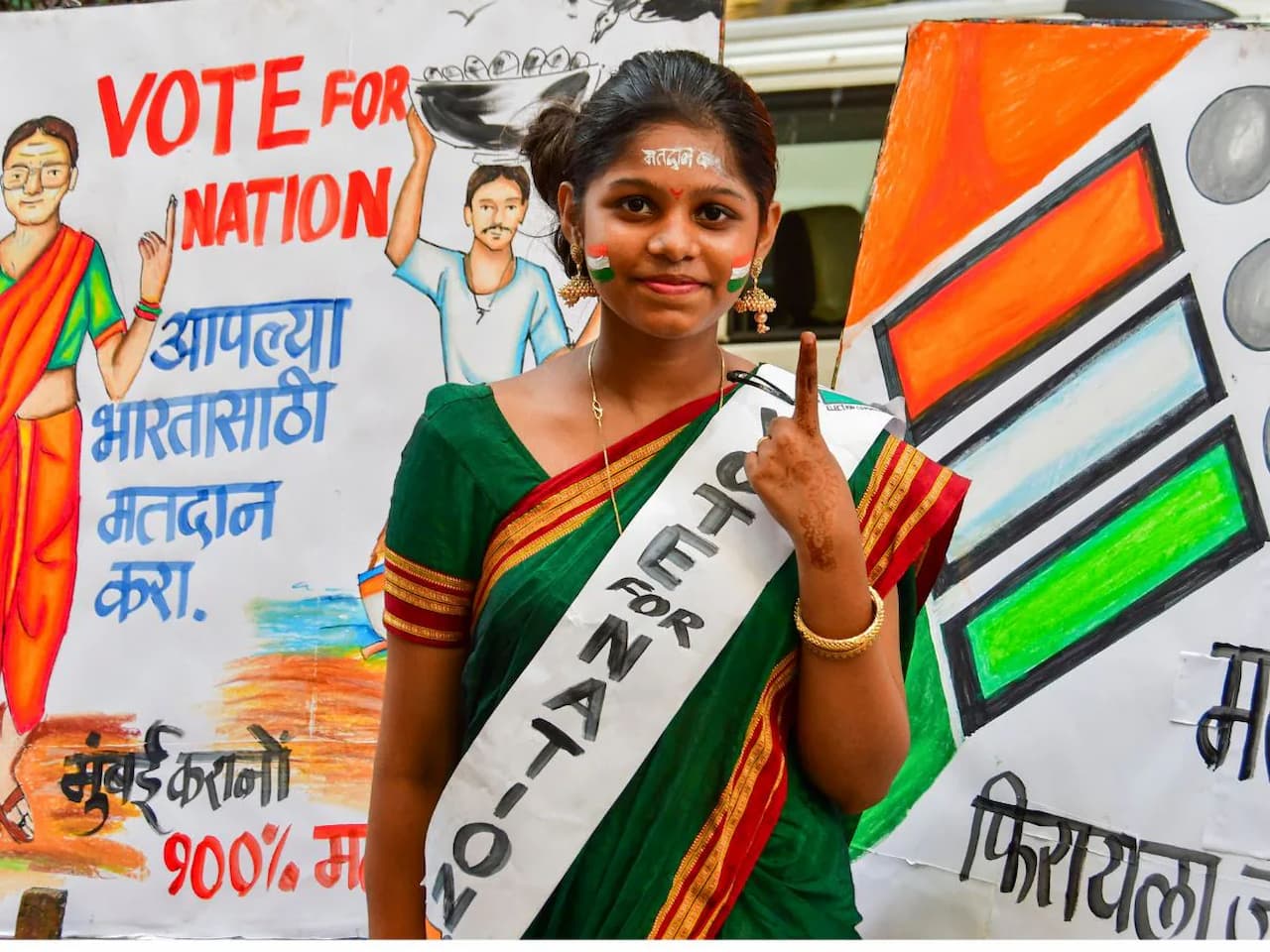
The Maharashtra Assembly Elections are set to take place on November 20, 2024, starting at 7:00 AM and continuing until 6:00 PM. Voters in the queue at polling stations by 6:00 PM will be allowed to cast their ballots. Preparations for the elections are complete, with 2,21,060 ballot units ready to ensure a smooth voting process. Maharashtra is ready to witness a grand celebration of democracy. Let’s make this election a landmark event by participating in large numbers and strengthening our democratic fabric.
Key Highlights
Record Voter Turnout Expected
This year, a record 9.7 crore voters across 288 constituencies are eligible to cast their votes. Among them are 5.22 crore male voters, 4.69 crore female voters, and 6,101 third-gender voters. Pune district has the highest voter count in the state.
Empowering Women Voters
Maharashtra has 4,69,96,279 registered female voters, with five districts—Ratnagiri, Nandurbar, Gondia, Bhandara, and Sindhudurg—reporting a higher number of female voters than male voters.
Inclusivity in Voting
To ensure every voice is heard, the state has registered 6,41,425 PwD voters and 1,16,170 service voters, ensuring that all eligible citizens can exercise their democratic rights.
Candidates Contesting the Elections
A total of 4,136 candidates are competing for seats in the assembly. These include 3,771 men, 363 women, and 2 third-gender candidates.
Election Infrastructure
Preparedness of Voting Machines
The state has ensured the availability of 2,21,600 ballot units, 1,21,886 control units, and 1,32,094 VVPAT machines. These resources have been distributed across the polling stations, with some reserved for training and awareness programs.
Polling Stations
A total of 1,00,186 polling stations have been established across Maharashtra, including 42,604 urban polling stations and 57,582 rural polling stations. Pune has the highest number of polling stations, with 8,462, followed by Mumbai Suburbs, Thane, Nashik, and Nagpur.
Special Arrangements
Encouraging Urban Voter Turnout
To boost participation in urban areas, 1,181 polling stations have been set up in high-rise buildings and cooperative housing societies. Additionally, 210 polling booths have been established in slum areas to ensure accessibility for all voters.
Focus on Tribal and Remote Areas
Special facilities have been arranged for voters in tribal and remote regions, particularly in Gadchiroli, Gondia, Nandurbar, Dhule, and Amravati. The number of polling booths in these areas has been significantly increased to ensure no voter is left behind.
Election Essentials
To mark voters’ participation, 2,20,520 bottles of indelible ink have been made available. This ensures the integrity of the voting process and prevents duplicate voting.
SC Stays Order Directing President's Office to Review Mercy Plea in Beant Singh Assassination Case 16
The Supreme Court on Monday temporarily stayed its earlier directive requiring the secretary to President Droupadi Murmu to place before her the mercy plea of Balwant Singh Rajoana, a death row convict in the 1995 assassination of then Punjab Chief Minister Beant Singh. The court’s decision came after Solicitor General Tushar Mehta raised concerns about the “sensitivities” of the matter and informed the bench that the file was with the Ministry of Home Affairs, not the President. The bench agreed to hear the case on Friday.
Earlier in the day, a bench comprising Justices B R Gavai, P K Mishra, and K V Viswanathan had requested the President to decide on the plea within two weeks, citing the urgency due to Rajoana’s status as a death row inmate. The bench expressed displeasure over the absence of representation from the Union of India despite prior directions for updates regarding the plea’s status.
Balwant Singh Rajoana was sentenced to death in July 2007 for his role in the blast at the civil secretariat in Chandigarh on August 31, 1995, which killed Beant Singh and 16 others. In 2012, the Shiromani Gurdwara Parbandhak Committee (SGPC) filed a mercy petition on Rajoana’s behalf under Article 72 of the Constitution. However, the plea remains undecided.
In May last year, the Supreme Court declined to commute Rajoana’s death sentence, stating that the competent authority must address the mercy plea. The court has now sought responses from the Centre, the Punjab government, and Chandigarh’s administration regarding the petition.
Borivali's Political Landscape: Strengths, Concerns, and Challenges 18
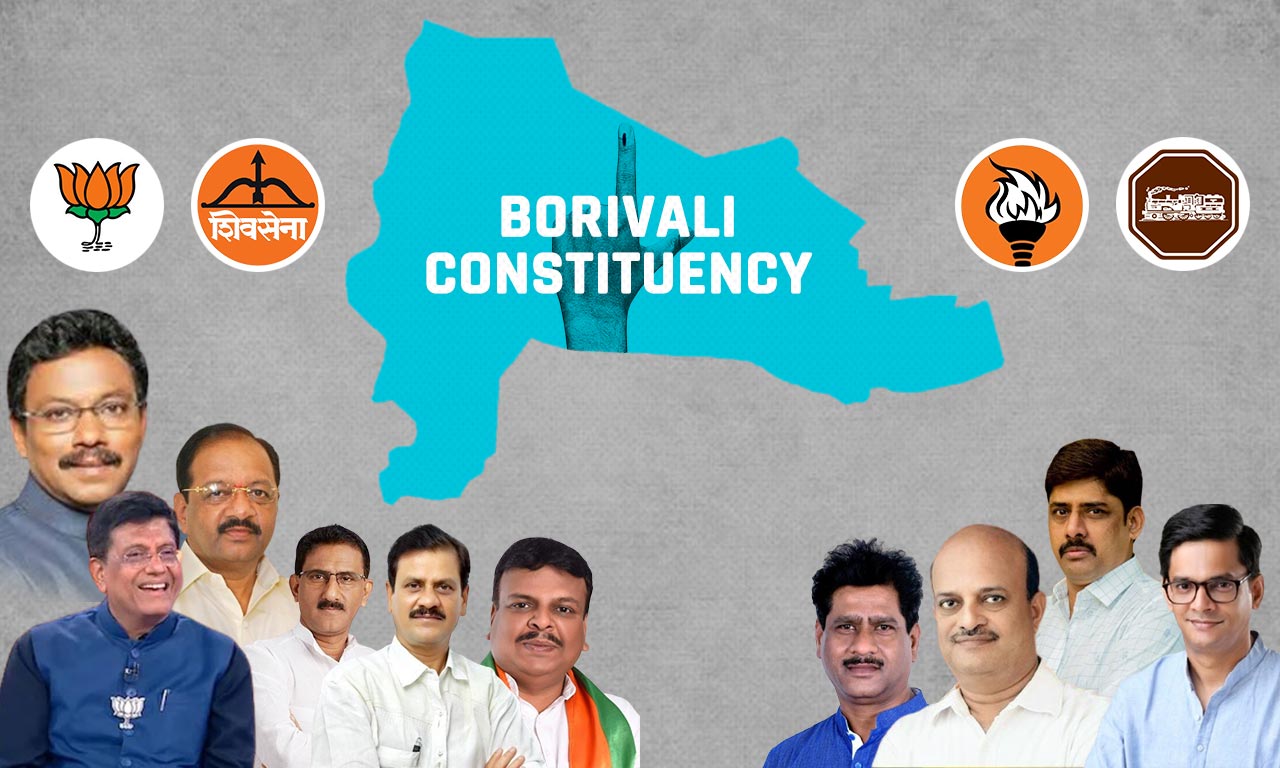
Borivali, one of Mumbai’s key assembly constituencies and part of the Mumbai North Lok Sabha constituency, has long been a political stronghold of the Bharatiya Janata Party (BJP). Over the last four decades, the BJP has consolidated its dominance in the region, often relying on its established voter base among communities such as Gujaratis, Marwaris, and Jains. However, despite its historic hold, cracks are beginning to show in the form of local grievances and dissatisfaction with the choice of candidates, which has left many residents feeling disconnected from their elected representatives.
Disconnect Between Representatives and Constituents
One of the primary concerns among Borivali residents is the perceived lack of connection with their elected representatives. Many feel that Members of the Legislative Assembly (MLAs) and Members of Parliament (MPs) are chosen from outside the constituency and fail to represent local interests adequately. Local leaders like Prakash Surve and Pravin Darekar are often criticized for their inaccessibility, leaving residents with a sense of alienation. This sentiment extends to figures like Union Minister Piyush Goyal, who, despite receiving overwhelming support during elections, is rarely seen in the constituency, further fueling frustration among locals.
The BJP’s assumption of voter loyalty without addressing local concerns has raised questions about its understanding of Borivali’s unique challenges. Traffic congestion, water shortages, and delayed development projects are pressing issues that remain unaddressed. Additionally, the lack of key infrastructure, such as colleges, major hospitals, and IT parks, reflects a broader neglect of the constituency’s evolving needs.
Leadership Changes and Internal Discontent
The BJP’s decision to experiment with new candidates in Borivali has stirred controversy. Sanjay Upadhyay, a loyal party worker and the BJP’s current candidate, has sparked mixed reactions. Although Upadhyay has a long association with the party and the Rashtriya Swayamsevak Sangh (RSS), his lack of a strong local connect and limited political accomplishments have raised concerns among residents.
This shift in leadership has also created internal turmoil. Gopal Shetty, a former MP and a beloved local leader, initially filed his nomination as an independent candidate after being overlooked by the BJP. While Shetty eventually withdrew his candidacy, his disappointment has not gone unnoticed. Known for his accessibility and inclusivity, Shetty was regarded as a man of the masses. His initiatives, which ranged from funding schools to supporting Madrasas, exemplified his commitment to all communities. Many residents view his absence as a loss for Borivali’s political fabric.
Similarly, Sunil Rane, another prominent BJP leader, is widely recognized for his dedication to addressing local issues. Rane’s open-door policy and active engagement with residents earned him significant respect. Despite winning the last assembly election with a margin of 95,021 votes, he was denied a ticket this time, leaving his supporters disheartened. According to the Praja Foundation, which assesses the performance of elected representatives, Rane ranked high in attendance and question-raising in the assembly, further underscoring his effectiveness as a public servant.
Vinod Tawde, a former MLA and minister, also contributed significantly to Borivali’s development during his tenure. From resolving issues like overdue police insurance premiums to beautifying the constituency, Tawde has left an indelible mark. His ability to maneuver challenges and strengthen the BJP’s position highlights the party’s missed opportunity in not leveraging his leadership further.
Developmental Concerns and Unfulfilled Promises
Borivali’s residents continue to grapple with numerous challenges that require immediate attention. Traffic congestion remains a significant issue, exacerbated by incomplete development plan (DP) roads, such as those near G.H. School and Carter Road No. 4, as well as pending projects like the Rajendra Nagar flyover. These delays add pressure to the already burdened Western Express Highway. Additionally, parking infrastructure near Borivali station and the completion of the BEST terminal are long overdue.
Environmental concerns, including the rejuvenation of the Dahisar River and illegal tree cutting, remain unresolved. Despite demands for GPS tagging of trees to monitor deforestation, implementation has yet to take place. Water shortages, particularly in areas like Charkop and Gorai, further add to the constituency’s woes. Encroachment issues and pending Slum Rehabilitation Authority (SRA) projects, such as the 32-year-old Rajendra Nagar redevelopment, highlight systemic inefficiencies.
The absence of major educational institutions and healthcare facilities is another glaring gap. While Borivali boasts natural assets like the Sanjay Gandhi National Park and heritage temples, its potential as a tourism hub remains untapped. The lack of an IT park also limits employment opportunities for residents, particularly the middle and upper-middle-class demographics that dominate the constituency.
Opposition and the Rise of Alternatives
In this election cycle, opposition parties are attempting to capitalize on the BJP’s perceived shortcomings. The Maha Vikas Aghadi’s Shiv Sena (UBT) candidate, Sanjay Bhosale, has positioned himself as a challenger, promising to address long-standing issues such as traffic, water supply, and infrastructure. However, despite these promises, the BJP’s established voter base often overshadows opposition efforts.
The Maharashtra Navnirman Sena (MNS) has also fielded a candidate, Kunal Mainkar, who is focusing on local development. Unlike the BJP’s Sanjay Upadhyay, Mainkar is a local resident, which could give him an edge among voters seeking a grassroots leader. However, given Borivali’s history as a BJP stronghold, breaking the party’s dominance remains an uphill battle.
Historical Context and Political Legacy
Borivali’s political journey has been shaped by decades of BJP rule. From Ram Naik’s victory in 1978, which marked the constituency’s shift from Congress to the BJP, to its current status as a party fortress, the BJP’s influence is deeply entrenched. Leaders like Naik laid the foundation for this dominance, which has been maintained through consistent electoral victories.
However, the BJP’s reliance on party loyalty rather than candidate merit is being increasingly questioned. Sanjay Upadhyay’s candidacy reflects this trend. While his background as an RSS Swayamsevak and his role as BJP Mumbai’s Secretary highlight his organizational experience, his lack of visibility in the constituency raises doubts about his ability to address Borivali’s unique challenges.
Looking Ahead: The Voter’s Dilemma
As Borivali heads into another assembly election, voters are at a crossroads. While the BJP remains a formidable force, its recent decisions regarding candidate selection and the neglect of local concerns have left many residents dissatisfied. The party’s historical achievements, such as infrastructure development and community welfare initiatives, are being overshadowed by unresolved issues and a disconnect between representatives and constituents.
The election also offers an opportunity for opposition parties to make inroads, provided they can present a credible alternative. Whether voters choose to experiment with new faces or reaffirm their loyalty to the BJP will depend on how effectively candidates address the constituency’s pressing needs.
For Borivali, the future hinges on the ability of its leaders to bridge the gap between political promises and ground realities. Only time will tell if the BJP can retain its stronghold or if a new political narrative will emerge in this dynamic constituency.
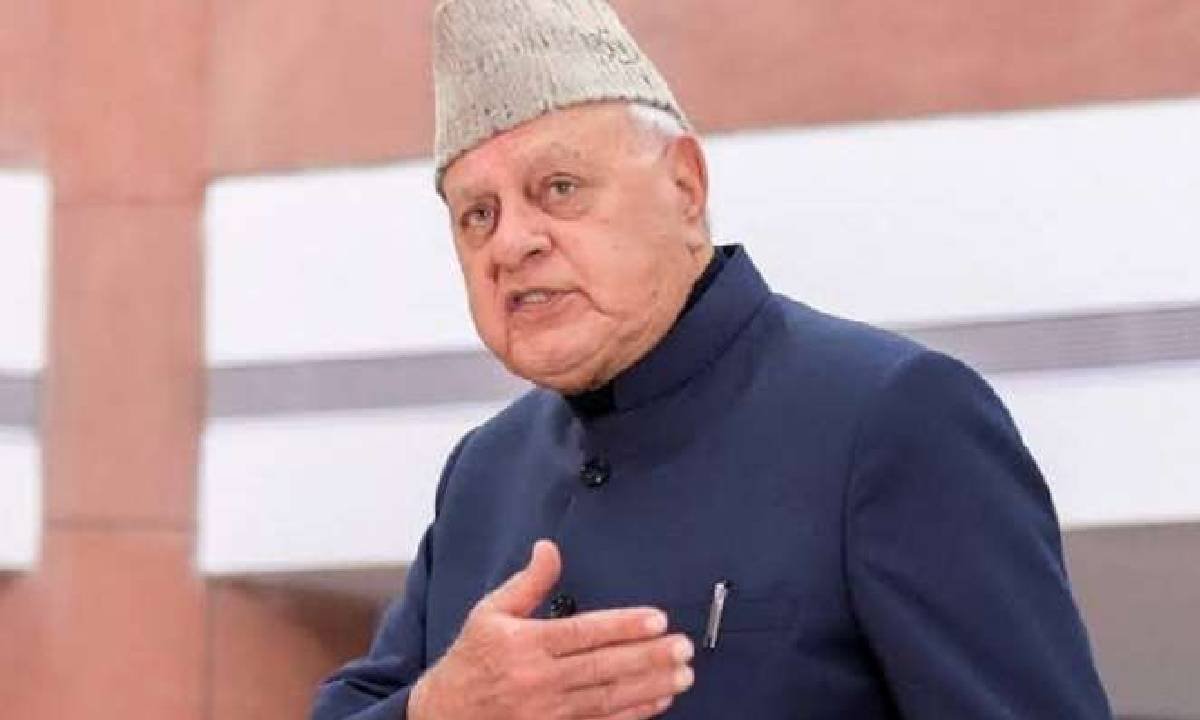
National Conference President Farooq Abdullah on Friday reiterated his call for the immediate restoration of statehood to Jammu and Kashmir, calling it a crucial step to resolve the myriad of issues facing the region.
After paying obeisance at the Gurudwara Sahib in Chand Nagar on the occasion of Guru Nanak Dev’s 555th birth anniversary, Abdullah hoped for greater political representation of the Sikh community, asserting that one day, Sikhs will not only have roles in the government, but also in the Assembly to effectively raise and address their issues.
The veteran NC leader was accompanied by Deputy Chief Minister Surinder Kumar Choudhary and Cabinet minister Javaid Rana, “The Central government should restore statehood to J-K at the earliest as it will help resolve most of our problems,” Abdullah said.
Urging the Sikh community to draw inspiration from Guru Nanak Dev, he said, “On this sacred day, demand with strength that our conditions improve and we become free from bureaucratic dominance.” Criticising bureaucratic governance, Abdullah said, “In the past, officials did not listen to the people. Today, however, people look towards the ministers with hope, expecting them to address their concerns and take the right decisions.”
Reflecting on his previous tenure (as J-K chief minister), Abdullah said, “When I returned as the chief minister in 1996, my first priority was to ensure your representation because you deserved to have your voices heard.
“I entrusted a respected Sardar with the mandate to highlight your struggles and alleviate your difficulties. I contributed to the establishment of the Mahant Bachittar Singh College, personally fighting for it to ensure that your children receive quality education.” The veteran politician also claimed that while he envisioned the establishment of a medical college, it has sadly not materialised yet.
“However, I have worked to create institutions where your children can thrive academically to progress in life,” he said.
Emphasising the importance of technological advancements, Abdullah said, “Artificial Intelligence is rapidly spreading across the globe. Institutions must be built to provide education and training in this critical field so that we don’t lag behind.”
Highlighting cultural preservation, Abdullah said, “During my tenure, I introduced Punjabi language in Jammu and Kashmir, advocating for its richness and sweetness to be taught. Similarly, I insisted that Dogri must be taught where the language is spoken. Today, Dogri is fading away with outsiders coming here, taking our lands and controlling our industries.”
Taking a dig at the UT administration, Abdullah claimed that local contracts are being handed over to outsiders, as if the people of the region are unskilled or incapable.
“This state belongs to you. You are its rightful owners. So stand up and reclaim your rights. Only then will your issues be resolved,” the NC chief said.
Underscoring the importance of linguistic preservation, Abdullah said, “Where Dogri is spoken, Dogri must be taught. Where Kashmiri is spoken, Kashmiri must be promoted. Where Punjabi is prevalent, it must flourish. Why should we let our languages disappear?”
Sharing an anecdote on the “poor” state of development in Jammu city, Abdullah said, “On Diwali, I went to someone’s house for dinner. When I left for that place, there was light everywhere but by 11 pm, the area was shrouded in darkness.
“Despite this, our mothers and sisters walk freely, without any fear. This is your honour and dignity, which you have preserved through the years. It reflects Guru Nanak Ji’s teachings — ‘First, become human’. The day we achieve humanity, we will find god.”
Praising the Sikh community for its self-reliance, the NC chief said, “I have seen Hindus and Muslims begging, but I have never never a Sikh beggar. The Sikh community’s greatness lies in its self-sufficiency. They buy land for a gurdwara and then build it themselves, seeking help not from the government, but from their own people to complete their mission with dignity.”