Five Indian Army soldiers, including one Junior Commissioned Officer and four jawans, lost their lives when an Army tank met with an accident in the Daulat Beg Oldie area of Ladakh on Friday evening. All five bodies have been recovered, defence officials said on Saturday.
The T-72 tank on which Army personnel were operating met with an accident during a river crossing exercise. The mishap took place yesterday due to a sudden increase in water levels, according defence officials. “There were five soldiers in the tank at the time of the incident, including one Junior Commissioner Officer and four Jawans. One person has been located while the search for others is still going on,” defence officials said in an initial confirmation.
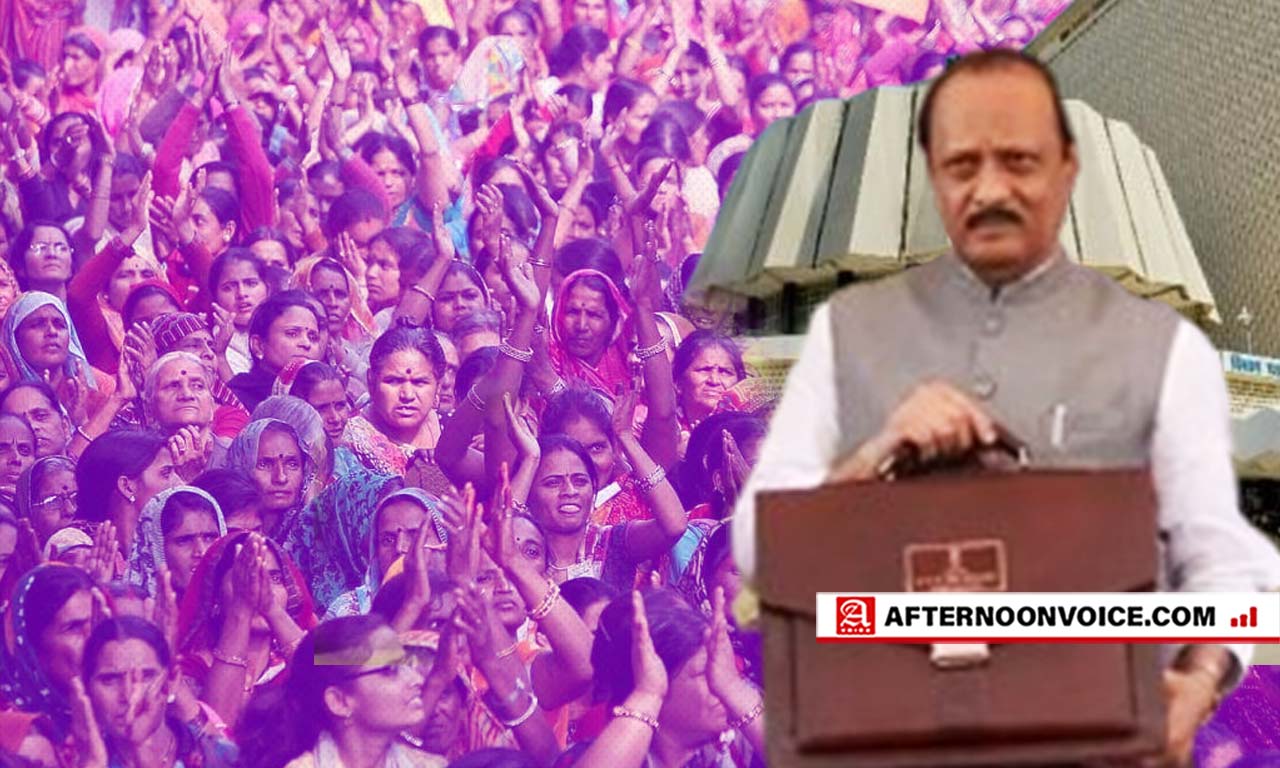
Maharashtra Government Comes With Lucrative Budget Schemes for Women and Families 3
The parliamentary elections were disappointing for the BJP. Five political parties came together to win maximum seats for NDA but somehow this time people were not happy with the workings of the government and they got fewer seats than expected. Now they cannot afford to take a chance, as Assembly elections are ahead.
The ruling alliance in Maharashtra announced various provisions aimed at harvesting votes from women, unemployed youth, farmers, army personnel, and the poor. The announcements come three weeks after the Lok Sabha election results saw the ruling alliance see a significant reduction in its numbers in the state. The Bharatiya Janata Party (BJP) saw the number of its Lok Sabha MPs from the state come down from 23 in 2019 to 9 in 2024, and the ruling alliance’s numbers declined from 42 in 2019 to 17 this year.
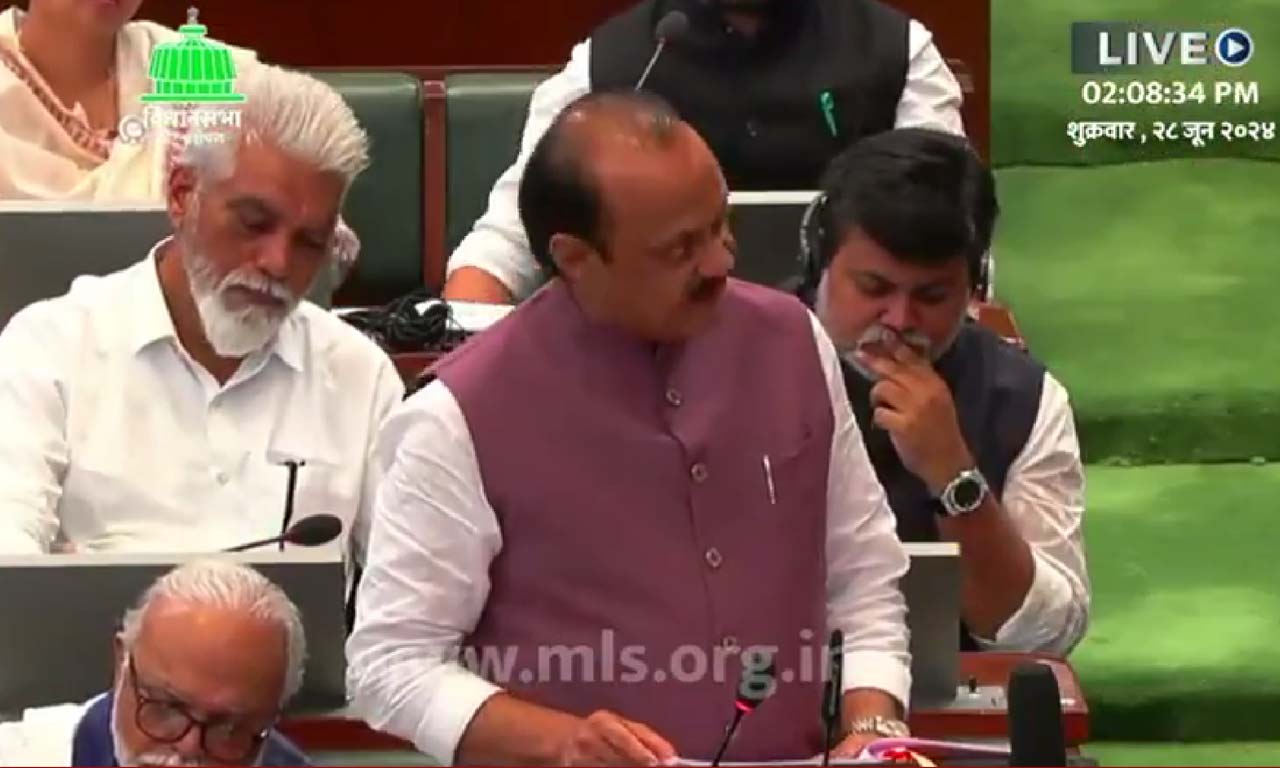
Deputy CM and Finance Minister Ajit Pawar presented the budget, and the government announced it will transfer Rs 1,500 into the bank accounts of eligible women in the age group of 21 and 60 every month beginning July 1 under the Mukhyamantri Majhi Ladki Bahin Scheme. It also proposed to offer three LPG cylinders free of cost to a family in a year under the Mukhyamantri Annapurna Yojana, which the Mahayuti government said will benefit over 52 lakh families across the state.
Targeting the unemployed youth in Maharashtra, the government has announced a scheme to provide a monthly stipend of Rs 10,000 to Rs 10 lakh to interns under the CM Yuva Karya Prashikshan Scheme. It has also announced to waive agri-pump electricity bills for more than 46 lakh farmers in the state. The government also announced a reduction in fuel prices in Mumbai, Thane, and Navi Mumbai by cutting petrol prices by 65 paise per litre and that of diesel by Rs 2.07 per litre.
To further impress women voters, the government has decided to sustain an expenditure of Rs 46,000 crore on the Mukhyamantri Majhi Ladki Bahin Scheme; it allocated Rs 10,000 crore for the CM Yuva Karya Prashikshan Scheme. The government has allocated Rs 14,761 crore for the electricity bill waiver scheme and it said that the Annapurna scheme will benefit over 52 lakh families across the state. The Maharashtra government has announced that 10,000 women in 17 cities will be financed to buy pink e-rickshaws, leading to an expenditure of Rs 80 crore for the government. The applicant for this scheme should be between 18-35 years old.
The Varkari community was upset with Modi and the BJP when they announced the Pandharpur corridor. To do the damage control, the government also announced a grant of Rs 20,000 to each Dindi, a procession of devotees of Lord Vitthal, participating in the Pandharpur Ashadhi Ekadashi Vari that culminates in the temple town of Pandharpur. Pawar also says that the government will give approval to the Wadhavan port, which is proposed in Palghar.
Further, the Maharashtra government has decided to give exemption from the payment of profession tax to the armed soldiers of the Assam Rifles, Central Industrial Security Force, Indo-Tibetan Border Police, National Security Guard, and Sashastra Seema Bal. This will benefit approximately 12,000 soldiers.
The Maharashtra government has announced 100% tuition fee reimbursement to OBC and economically weaker section girls with incomes up to Rs 8 lakh. This is a move to increase the proportion of girls in vocational education. It is estimated that about 2 lakh girls will benefit from this, leading to an expenditure of about Rs. 2000 crores for the government.
The Maharashtra government announced that 25 lakhs will be given as financial assistance to the people who died in wild animal attacks. This amount has been increased from the 20 lakhs provided earlier. The Maharashtra government also announced that petrol prices in Mumbai, Navi Mumbai, and Thane will be reduced by 65 paise. Tax on diesel is being decreased which will lead to 2.07 rupees per litre less prices of diesel. In the Mumbai region, the tax on petrol is being decreased, which will effectively decrease petrol rates by 65 paise per litre.
While the opposition Maha Vikas Aghadi (MVA) is likely to corner the government over several issues during the monsoon session, the ruling alliance has planned to counter it with a populist, ‘please all election budget’” ahead of the Assembly polls slated for later this year.
Maharashtra Government Slashes VAT on Fuel in Mumbai Region 5
The Maharashtra government has announced a significant reduction in value-added tax (VAT) on fuel, providing relief to residents of the Mumbai metropolitan region. The decision, unveiled by Deputy Chief Minister and Finance Minister Ajit Pawar during the annual state budget presentation, will make petrol cheaper by 65 paise per litre and diesel by Rs 2.60 per litre.
This tax cut, however, is exclusive to the Mumbai metropolitan area, as emphasized by Pawar. He further disclosed that the relief measure will impact the state exchequer by Rs 200 crore.
Chief Minister Eknath Shinde later clarified the procedural timeline, stating, ‘The VAT cut has been proposed in the budget. Once the budget is passed by the state legislative assembly and council, the decision will come into effect from July 1.’
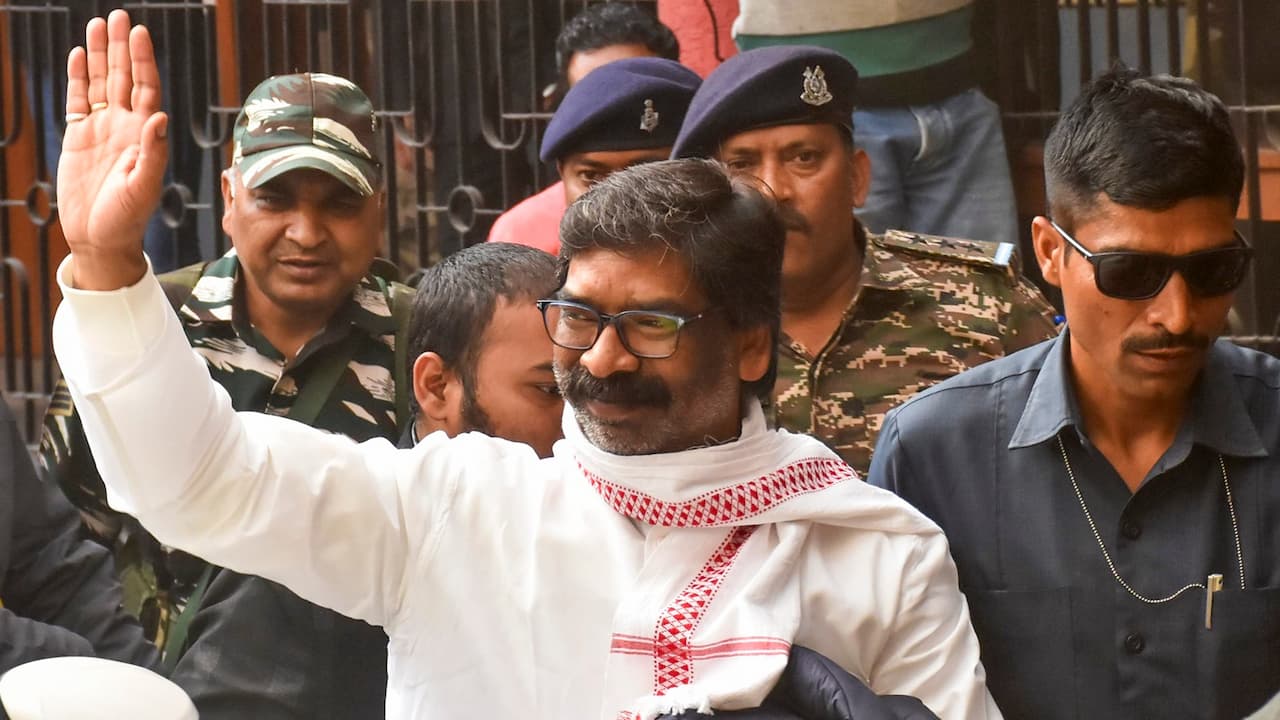
Former Jharkhand CM Hemant Soren Granted Bail in Land Scam Case 7
In a significant development, the Jharkhand High Court on Friday granted bail to former Chief Minister Hemant Soren, who is embroiled in a money laundering case linked to a high-profile land scam. The order, which had been reserved since June 13, marks a crucial turning point in the ongoing legal battle.
Soren’s senior counsel, Arunabh Chowdhury, confirmed the court’s decision, stating, “Bail has been granted to Soren. The court has held that prima facie he is not guilty of the offence and there is no likelihood of the petitioner committing an offence when on bail.”
The former chief minister, who is also the executive president of the Jharkhand Mukti Morcha (JMM), had been in custody since January 31 following his arrest by the Enforcement Directorate. The ruling has garnered significant political reactions, with West Bengal Chief Minister Mamata Banerjee welcoming the decision.
Opposition Slams President Murmu's Address as Government Script 9
Opposition leaders on Thursday dismissed President Droupadi Murmu’s address to the joint session of Parliament, labeling it as a ‘script given by the government’ and ‘full of lies.’ The leaders, including Samajwadi Party president Akhilesh Yadav, thrust sharp criticisms, particularly questioning the government’s narrative about India’s economic prowess and employment statistics.
Akhilesh Yadav pointedly questioned the practicality of the government’s claims, stating, ‘If we are the fifth-largest economy, then why are so many youths unemployed? Why can’t price rise be controlled?’ He also highlighted the supposed disparity in growth benefiting only select individuals rather than the broader populace such as farmers and the poor.
Echoing similar sentiments, Trinamool Congress MP Mahua Moitra exclaimed that the President’s speech was tailored to a ‘majority’ the BJP no longer holds. CPI (Marxist-Leninist) Liberation MP Sudama Prasad accused the government of overseeing an ‘undeclared emergency,’ contrasting it with the historically imposed Emergency of 1975. The criticisms were underscored by Tariq Anwar, who dismissed the President’s address as a recycled version of previous speeches.
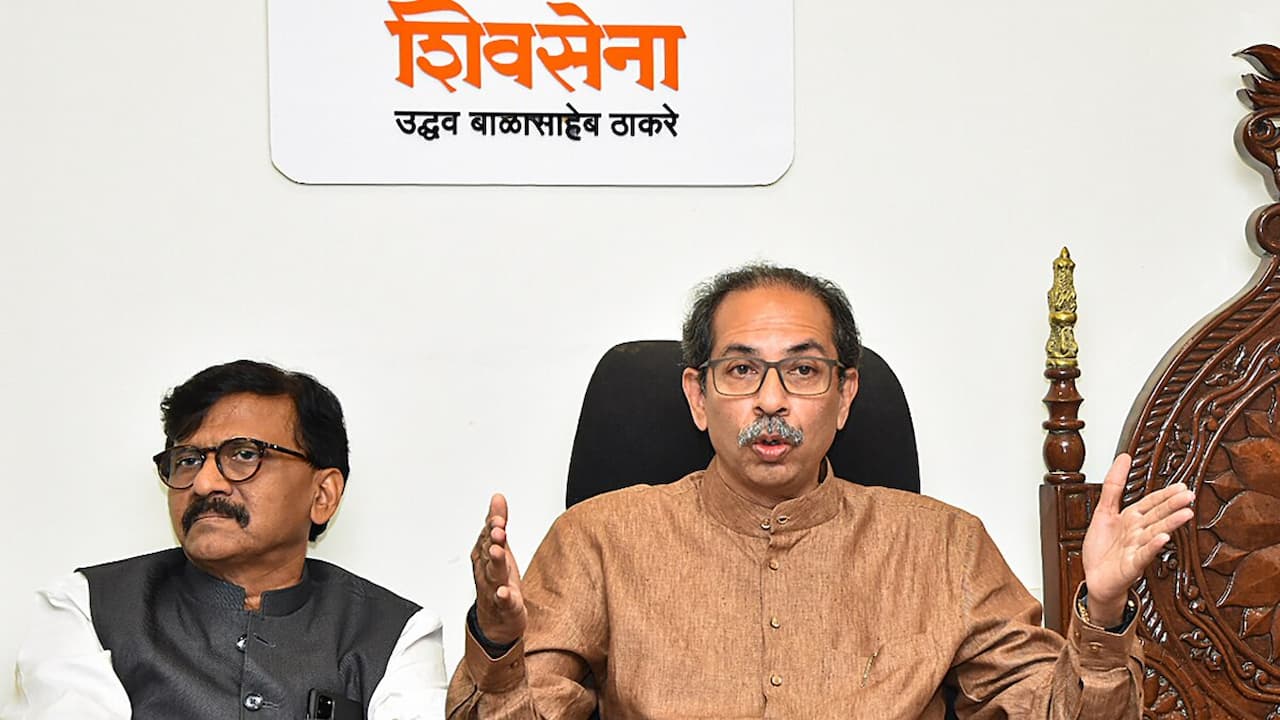
Shiv Sena UBT Gears Up for Maharashtra Legislative Council Elections 11
The Shiv Sena (UBT) is poised to contest in the imminent Maharashtra legislative council elections, with chief Uddhav Thackeray asserting the opposition’s confidence in their electoral strategy. The biennial polls, scheduled for July 12, will be the first since the significant splits within Shiv Sena and the Nationalist Congress Party (NCP) in recent years.
The elections serve as a precursor to the pivotal assembly polls slated for October. ‘We will field a candidate because there are 11 seats available, and every opposition party, including NCP (SP), Shiv Sena (UBT), and Congress, can secure one seat each. Our votes are secured,’ said Thackeray, hinting at possible cross-voting scenarios.
Despite the complexities, Thackeray remains confident in the opposition’s calculations. Notably, former instances such as the 2022 council polls, where cross-voting led to unexpected results, underscore the unpredictability of such elections. The political climate remains tense, with the ruling alliance under pressure to maintain its MLA base post-Lok Sabha elections.
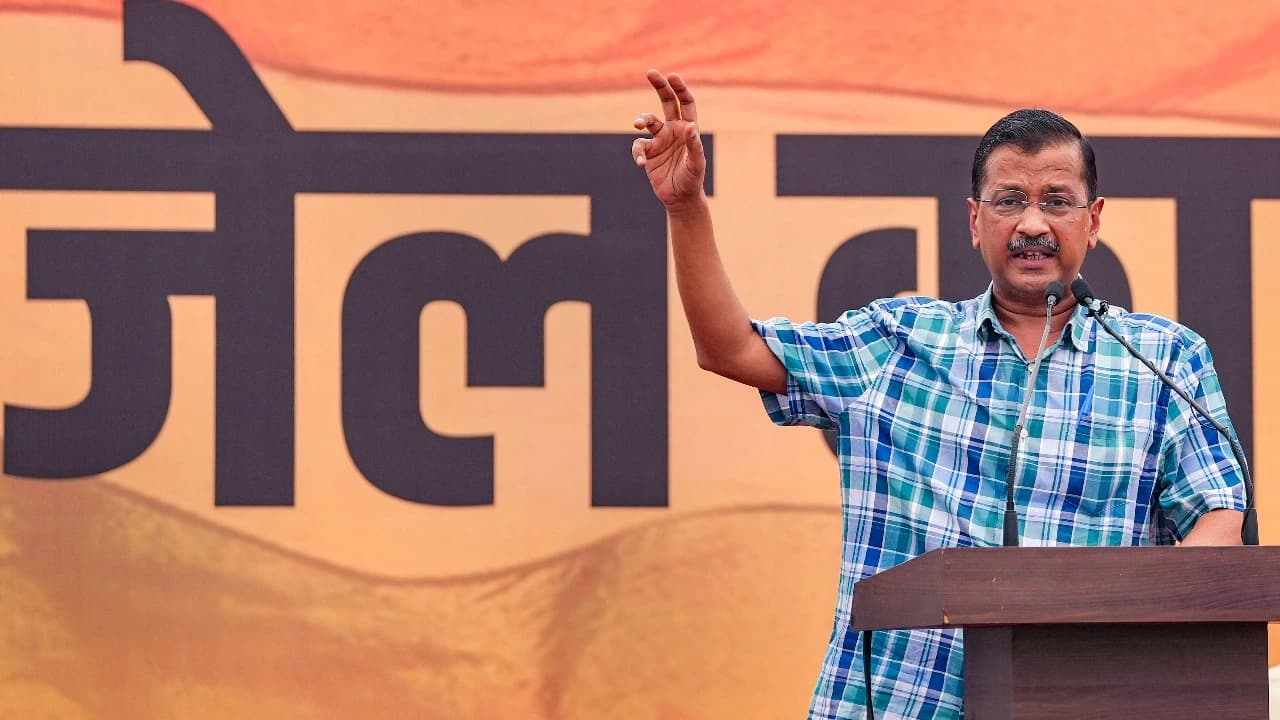
Why Is the Enforcement Directorate Acting With Bias Against Kejriwal? 13
The case filed against Arvind Kejriwal was based on the FIR filed by the CBI on the complaint of the Lieutenant Governor of Delhi, alleging multiple irregularities in the Delhi excise policy of 2021–22, which was later withdrawn by the state. Following the CBI case, the ED filed a case under the PMLA, alleging that the money earned through the excise policy was secured through “hawala” channels and was intended for the AAP’s campaign in Goa ahead of the 2022 Assembly elections.
Over the past two years, the CBI and ED have arrested several individuals, including former Deputy Chief Minister of Delhi Manish Sisodia, AAP’s Rajya Sabha MP Sanjay Singh, and Bharat Rashtra Samithi (BRS) leader K. Kavitha. While Kavitha and Sisodia remain in jail, Sunil Singh was granted bail earlier this year. The ED alleged that Arvind Kejriwal was the mastermind behind the excise policy scam. The court noted that it had become impossible for the accused to obtain bail in such cases, as the investigating agency provided its own reasons, putting the accused on par with a convict without any hope of release.
On May 10, the Supreme Court granted interim bail to Kejriwal until June 1 to campaign in the Lok Sabha polls. The court asked him to surrender on June 2, as the last phase of polls took place on June 1. Kejriwal had filed two bail applications in the Rouse Avenue Court. One was for seven days of medical treatment, which was denied on June 5. The second application was for regular bail, which was granted on June 20. Kejriwal submitted a bail plea requesting an interim bail extension by a week on medical grounds. However, his request was rejected, and he eventually surrendered before the authorities on June 2.
On June 20, the Supreme Court granted regular bail to Arvind Kejriwal. The next day, the ED approached the high court, challenging the trial court’s bail order. The high court suspended the bail order until a decision on the issue of stay was made and issued a notice on the agency’s plea. The court’s order was then put on hold by the Delhi High Court on June 21. The court noted that the allegations against the Delhi Chief Minister surfaced only in the subsequent statements of certain co-accused. It noted that Kejriwal had not been summoned by the court to date but was lying in judicial custody on the insistence of the ED on the pretext that the investigation was still ongoing.
The ED has not shown any evidence that Vijay Nair was acting on the directions of the applicant. It has also failed to establish how Vinod Chauhan’s close relations with Charanpreet are relevant in proving the applicant’s guilt, even if the applicant knows both of these co-accused,” the court noted.
The court stated that Nair was allegedly an AAP worker, while Chauhan and Charanpreet Singh were named as accused in the excise policy case. It further said that the ED had also failed to clarify how it determined that the Rs 1 crore attached to Chauhan was part of the proceeds of the crime. The ED has also not clarified how the alleged amount of Rs 40 crore traced during the investigation is part of the proceeds of the crime. It seems that the ED believes the evidence on record is insufficient to proceed against the applicant and is taking time to procure the necessary evidence to convince the court. Commenting on the delayed bail in cases under the Prevention of Money Laundering Act (PMLA), the court noted that it had become impossible for the accused to obtain bail in such cases, as the investigating agency provided its own reasons, putting the accused on par with a convict without any hope of release.
Yesterday, the CBI examined the Delhi CM in Tihar Jail and recorded his statement. On the same day, the Delhi High Court stayed the bail granted to Arvind Kejriwal by the trial court. The argument that no money trail was found in the case of the liquor policy scam in Delhi defies common sense, because an IIT graduate like Kejriwal would not be foolish enough to leave such a trail. No money trail has been found in the case of Lalu Prasad, who has been convicted and is serving a jail term, though he is out on bail. No one will be swayed by his rhetoric. Arvind Kejriwal is going to the Supreme Court with the same defenses based on the approvers’ statements, which cannot be relied upon. Additionally, Kejriwal does not seem to realize that the ED is relying entirely on the approvers’ statements to prove his guilt. The defenses have been dismissed in the High Court. The Supreme Court will likely view these defenses similarly, as there is no different standard for evaluating them. Hence, they may not withstand legal scrutiny. Kejriwal’s getting any relief seems unlikely.
Once a person is arrested under PMLA, the onus of proving innocence lies with the accused. Kejriwal must prove that he has been wrongly arrested and that his involvement in the liquor scam is nonexistent. At present, he does not have any material to prove this. The purchase of electoral bonds by Sharat Chandra Reddy or contesting an election under the BJP by Mugunta Reddy does not hold any ground in court. Who buys which electoral bonds is not relevant to the courts. What Kejriwal requires is a new set of substantial arguments that can challenge the ED’s case.
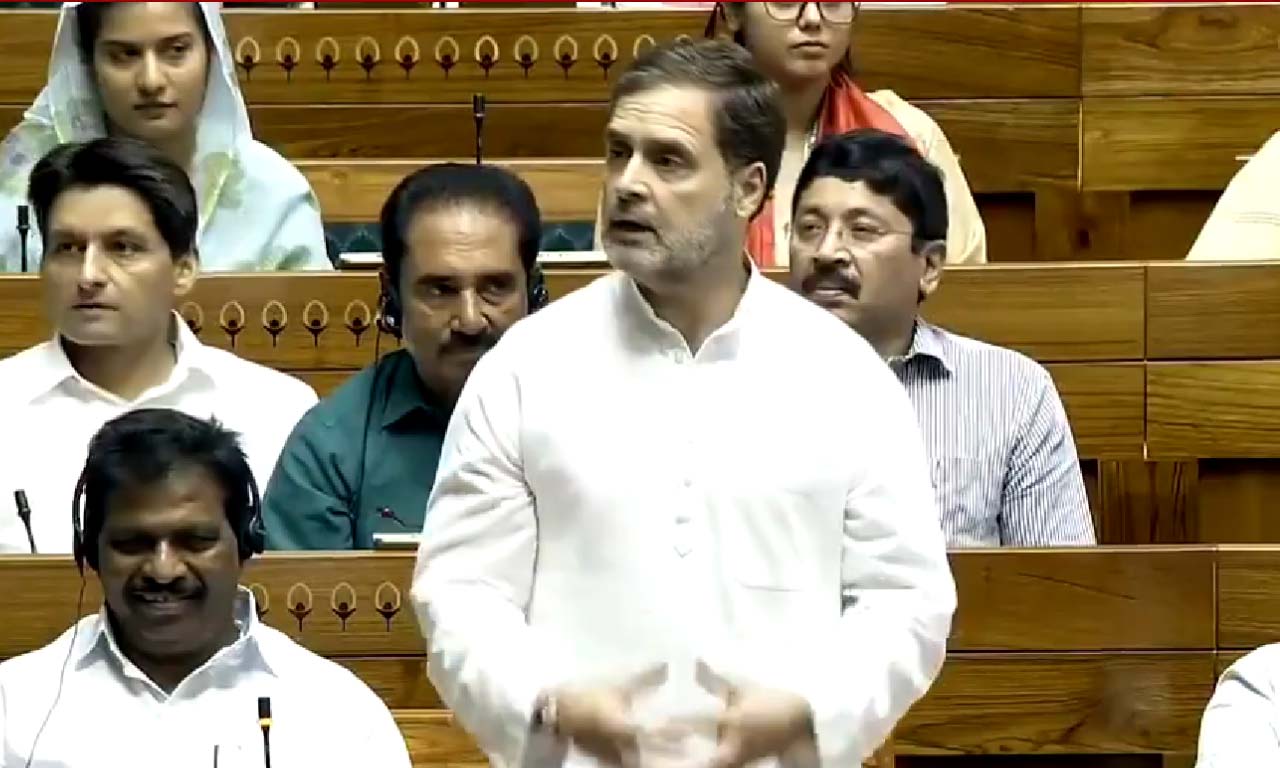
LoP Rahul Gandhi Urges Fair Treatment in Lok Sabha, Congratulates Birla on Re-election 15
In a significant development in the Lok Sabha, Leader of Opposition Rahul Gandhi, alongside other opposition MPs, extended their congratulations to Om Birla for his re-election as Speaker. Gandhi highlighted the necessity of the opposition being allowed to voice their concerns, casting doubts on the government’s touted high productivity.
Gandhi stated, “The question is not just how efficiently the House is run but how much of India’s voice is being allowed to be heard.” He emphasized that silencing the opposition contradicts the democratic ethos of the country and called for cooperation based on trust.
He was joined by a chorus of opposition leaders, including members from the Samajwadi Party, Trinamool Congress, and DMK, who echoed similar sentiments about ensuring fairness and reducing the suspension of MPs. These leaders appealed for a more inclusive approach, urging that the voice of no representative be suppressed in the proceedings of the House.
18th Lok Sabha Opens Up With A Lot Of Opposition Voices 17
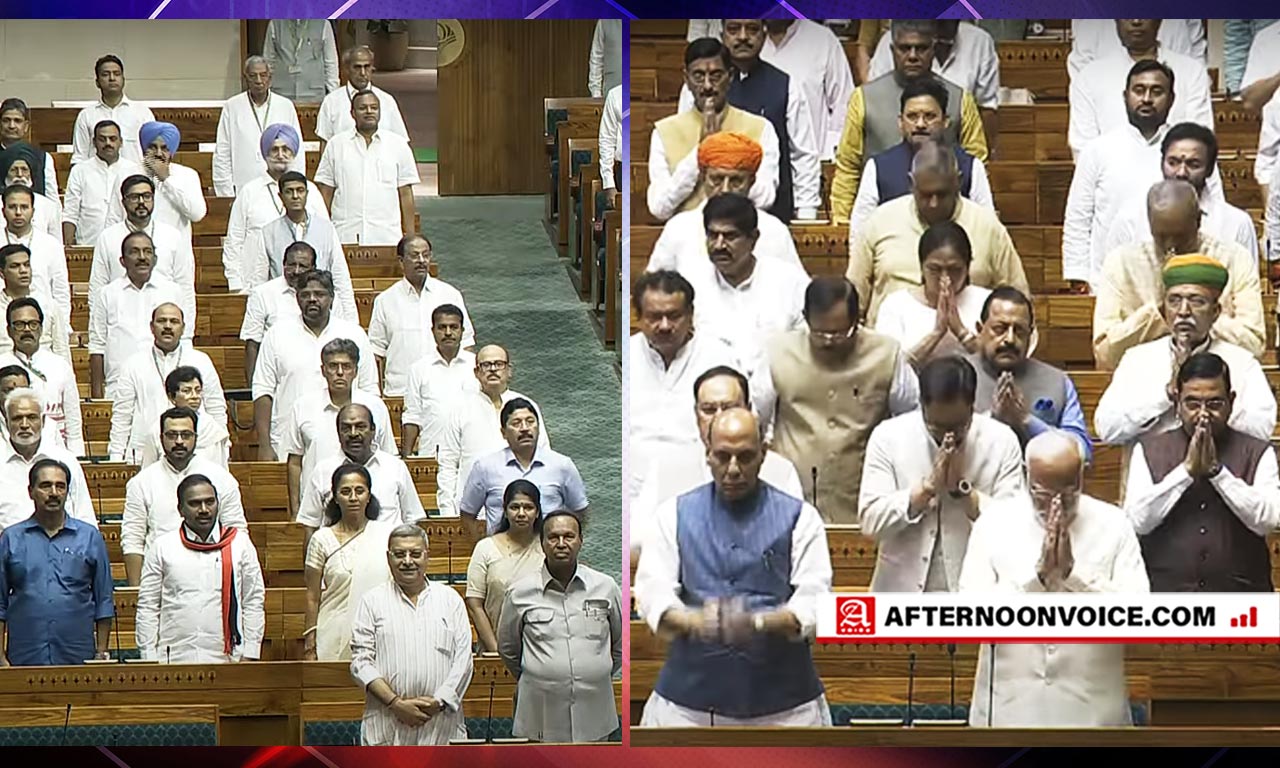
This Lok Sabha is going to be interesting because there are a huge number of opposition party candidates in the house. So far, the BJP has strength because the opposition count is meager. The first session of the 18th Lok Sabha began on Monday with Prime Minister Narendra Modi taking oath as a member of the newly constituted lower house. On the first day, as many as 262 members took their oaths. As the leader of the House, Modi was the first to take the oath in Hindi, amid chants of “Jai Shri Ram” from the Treasury benches.
Whereas opposition members greeted Education Minister Dharmendra Pradhan with slogans of “NEET,” referring to the recent paper leak and irregularities with the NEET exam. The first day of the Parliament session began on a stormy note amid a war of words between PM Modi and Congress chief Mallikarjun Kharge over the imposition of an emergency in 1975. The opposition staged a protest march inside the Parliament complex, with MPs of the INDIA bloc raising slogans on “saving democracy” and displaying copies of the Constitution.
The proceedings were chaired by pro-tem Speaker Bhartruhari Mahtab, who invited the panel of chairpersons to take the oath. Opposition leaders K. Suresh (Congress), T.R. Baalu (DMK) and Sudip Bandyopadhyay (Trinamool Congress), did not turn up when their names were called out. They joined the house later. Mahtab was administered his oath as a member of the new Lok Sabha and pro-tem Speaker at the Rashtrapati Bhavan by President Droupadi Murmu.
The Congress and the INDIA bloc had objected to Mahtab’s appointment, contending that the claim of eight-term member Suresh, a Dalit leader, has been overlooked. Suresh took his oath later, when members from Kerala took their oaths. The opening session of the 18th Lok Sabha saw a total of 262 newly-elected MPs, including Prime Minister Narendra Modi, take oath as members of the newly constituted lower House. The remaining 281 MPs took oaths on Tuesday.
With the deadline for the nomination to the post of Lok Sabha Speaker approaching, senior Cabinet Minister Rajnath Singh has been reaching out to opposition leaders on behalf of the government in a bid to build consensus for the post of Speaker and deputy Speaker of the Lower House of Parliament. The opposition INDIA bloc is unlikely to contest the Lok Sabha Speaker’s post and the NDA nominee is likely to be elected unopposed, sources said on June 25 ahead of the filing of nominations for the key post. However, the opposition has demanded that they be given the choice to pick the deputy speaker.
With the deadline for the nomination to the post of Lok Sabha Speaker approaching, senior Cabinet Minister Rajnath Singh has been reaching out to opposition leaders on behalf of the government in a bid to build consensus for the post of Speaker and deputy Speaker of the Lower House of Parliament.
On the second day, the BJP launched a sharp attack on the Congress on the 49th anniversary of the emergency, with Union Home Minister Amit Shah saying it was the biggest example of the opposition party’s long history of killing democracy and harming it repeatedly.
The BJP is tight-lipped about its choice for the key post, but there is a buzz that Om Birla, who served as Speaker in the 17th Lok Sabha, may be repeated. Birla also met Prime Minister Narendra Modi this morning. Another post under the spotlight is that of the Deputy Speaker. This position is traditionally given to the opposition. However, the BJP appointed its ally AIADMK’s M. Thambi Durai as Deputy Speaker in 2014. Since 2019, the post has been vacant.
In both the 16th and the 17th Lok Sabha, there was no Leader of the Opposition, as the Congress did not have enough numbers. But this time, the opposition has posted a good show in the general election, with the Congress winning 99 seats. So, the party, backed by its allies in the INDIA Opposition bloc, will be pushing for the Deputy Speaker’s post. Kharge has already made it clear to Singh that the Deputy Speaker should be from the opposition benches.
In 2019, Birla was unanimously elected as the Speaker of the 17th Lok Sabha, becoming the first MP from Rajasthan to hold the position. His selection was seen as a surprise by many, but he has been praised for his ability to take everyone along. Om Birla has been associated with the BJP since his early days as a student leader. He currently serves as an MP from the Kota-Bundi constituency in Rajasthan and was reelected for a second consecutive term in the recently held Lok Sabha elections. Previously, he served three terms as a legislator in the Rajasthan Assembly.
Julian Assange Enters Plea Deal: US Espionage Charges Dropped 19
After prolonged legal battles and appeals, WikiLeaks founder Julian Assange has reached a pivotal plea deal with the US government, court documents reveal.
Assange faced charges including computer misuse and multiple counts of espionage, linked to his work with WikiLeaks publishing sensitive US government documents provided by Chelsea Manning. The US government has frequently asserted that Assange’s actions jeopardized national security.
US Federal Court documents from Saipan in the Northern Mariana Islands indicate Assange will plead guilty to a single count under the US Espionage Act. Consequently, the remaining charges will be dismissed, and the extradition request to the US will be withdrawn. The US has yet to confirm the deal publicly.
A hearing and sentencing in Saipan are scheduled for Wednesday morning, with Assange expected to appear in person. He’s been released from London’s Belmarsh prison, as WikiLeaks shared images of him traveling to London’s Stansted Airport.
The UK High Court has granted Assange bail. Upon his guilty plea, Assange will be sentenced to 62 months in prison, covering time already served in Belmarsh. This resolution concludes ongoing legal actions, including the UK High Court proceedings and the UK Home Secretary’s extradition order.
Speculation about this plea deal had been circulating earlier this year. Many anticipated a guilty plea to a misdemeanour related to document mishandling rather than an Espionage Act charge. Initial rumours also suggested a remote completion, but Assange will now be present in court.
This case holds significance as a national security offence for which Assange served over five years. This conviction will likely restrict his travel opportunities, especially to the US, which may not grant him a visa.
The case sets a practical precedent, even if not a legal one, indicating that a publisher can be convicted under the Espionage Act. Journalists have long feared this outcome, worrying it could recur.
There are multiple reasons why the US opted for a plea deal instead of continuing litigation. The Australian government, advocating for the case’s resolution, has exerted significant pressure. The case has garnered bipartisan support in Australia.
Though a plea deal hasn’t been officially confirmed, a government spokesperson reaffirmed Prime Minister Anthony Albanese’s stance against Assange’s continued incarceration.
This consistent advocacy has altered the political landscape. Growing US consensus, even among Republicans, now sees continued prosecution as against public interest.
The upcoming UK general election, likely changing the government, might have affected the extradition order. These factors influenced the US to end the Assange saga.
What lies ahead? Post the Saipan hearing, Assange can return to Australia. The Saipan court was chosen due to Assange’s reluctance to travel to the US mainland and its closer proximity to Australia.
Assange will find future travel challenging because of his serious criminal record, potentially affecting his UK travel, where he was convicted for absconding bail, receiving a year’s imprisonment.
Looking forward, a presidential pardon in the US remains a possibility, contingent on the outcome of the November US elections. The US exhibits greater leniency in granting pardons than most nations.
For now, Assange’s immediate focus is the Saipan court appearance and subsequent return to Australia, albeit with a substantial criminal record.