ECI advises Rahul Gandhi to be cautious in public utterances, avoid remarks like 'pickpocket', 'panauti' 2
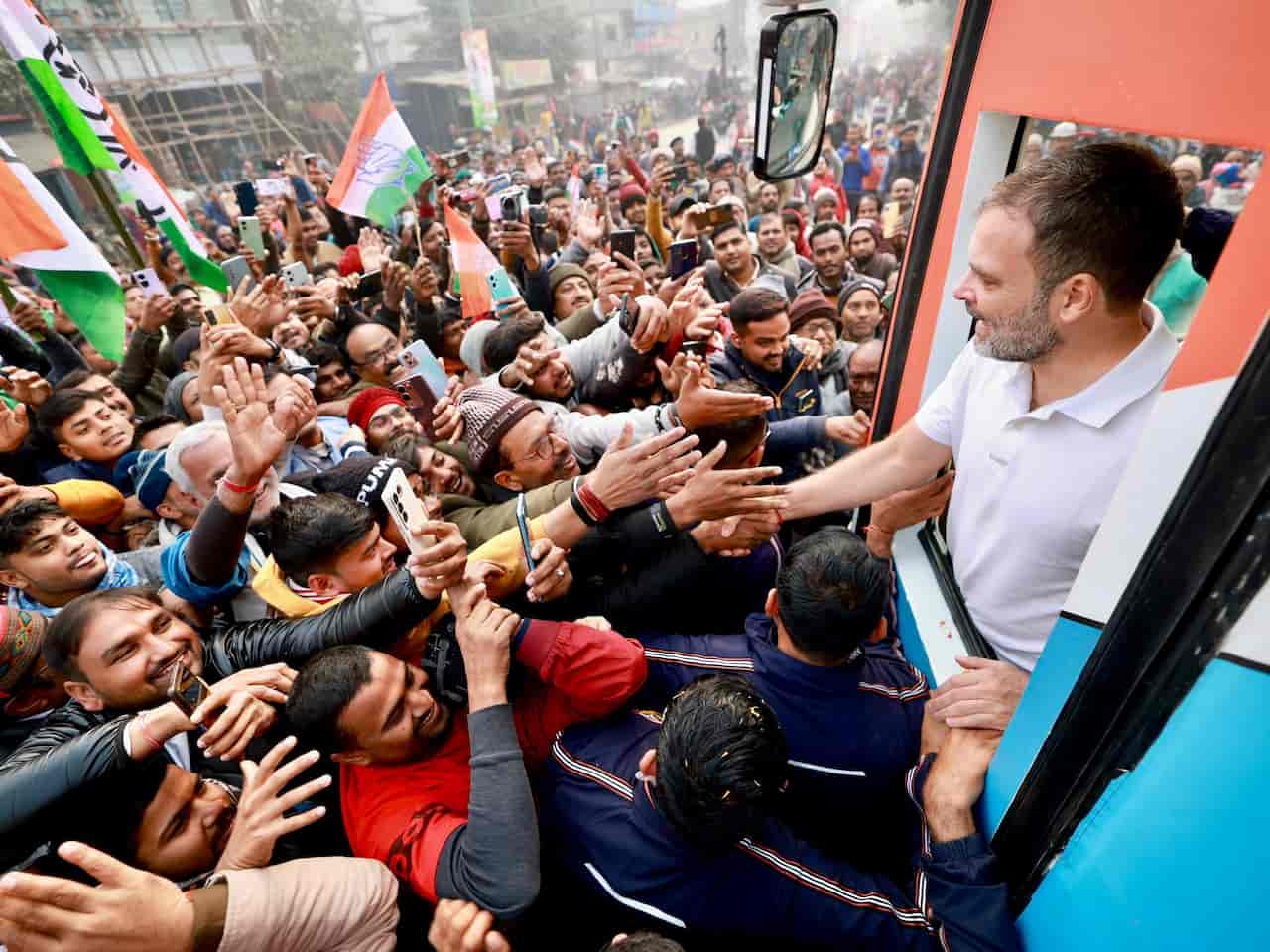
Amid preparations by various political parties for the Lok Sabha election, the Election Commission of India (ECI) has issued an advisory to Congress leader Rahul Gandhi to be cautious in his public utterances, sources said.
They said ECI has advised the Congress leader to be “more careful and cautious” in his public utterances in future. The Delhi High Court had earlier asked the ECI to take appropriate action against the Congress MP for his speech in November last year in which he used the expression ‘pickpocket’ while attacking BJP leaders including Prime Minister Narendra Modi. The Election Commission had also issued notice to Rahul Gandhi over his ‘panauti and pickpocket’ jibes at PM Modi.
The sources said that ECI reiterated its advisory of March 1 this year and said it should be followed in right earnest during campaigning. Rahul Gandhi is a star campaigner of the Congress. “After considering all facts in the matter related to certain remarks against Prime Minister as ‘jaibkatra’ (pickpocket) and ‘pannauti’ including High Court of Delhi order dated December 21, 2023, and Rahul Gandhi’s reply, the Election Commission of India has advised the Congress leader be more careful and cautious in future,” a source said.
The Commission has asked Rahul Gandhi to take note of the advisory of the Commission to all parties, star campaigners and candidates while making public utterances. Taking note of the various trends and cases of plummeting levels of political campaign discourse in recently-held elections, the Election Commission last week issued an advisory to all political parties to maintain decorum and utmost restraint in public campaigning and raise the level of election campaigning to “issue-based” debate.
The Election Commission will assess any indirect MCC violations as per advisory as a fair basis to rework the notices to be given in terms of time and content in the forthcoming elections, the sources said. For the general election to the Lok Sabha and four state Legislative assemblies, all phases and geographical areas of the elections shall be the basis for determining “repeat” offences.
Chief Election Commissioner Rajiv Kumar recently emphasised that political parties should foster ethical and respectful political discourse that inspires rather than divides and promotes ideas instead of personal attacks. The poll body has also put ‘star campaigners’ and candidates on ‘notice’ in case of violations that followed the previously known methodologies during elections to avoid breach of the Model Code of Conduct.
Indian boxer Nishant makes winning start at Olympic Qualifier; Shiva, Ankushita lose 4
World Championships bronze medallist Nishant Dev gave India its first win at the 1st World Olympic Boxing Qualifier, defeating Britain’s Lewis Richardson by a 3-1 split decision in the men’s 71kg category.
Nishant was aggressive right from the word go against the 2022 Commonwealth Games bronze medallist, and won the first round of his bout 4-1 on Tuesday.
The 23-year-old Indian became even more dominant in the second round using his long reach and delivered some effective right hooks to comfortably win 5-0.
He put forward a controlled performance in the third round as well and avoided multiple attacks from his opponent while trying to protect his lead and ultimately won the round of 64 bout by a split decision.
Six-time Asian Championships medallist Shiva Thapa (63.5kg), suffered a first-round loss via RSC to reigning World Champion Ruslan Abdullaev of Uzbekistan.
Living up to his reputation with his pinpointed punches, Abdullaev penetrated Thapa’s defense multiple times which forced the Indian pugilist to go into defensive mode right from the start.
However, the defensive approach didn’t last long as Abdullaev continued his onslaught, landing powerful punches. Thapa received two standing counts within the span of 20 seconds before the referee stopped the contest.
Youth would champion Ankushita Boro was out-punched 2-3 by Sonvico Emilie of France in the women’ 66kg as India’s dismal run at the Olympic qualifiers continued.
Six of the nine Indian boxers have made first-round exits from the tournament so far.
National champion Sanjeet (92kg) will square off against Aibek Oralbay of Kazakhstan later on Wednesday.
The first World Olympic Qualifier is hosting over 590 boxers and will offer a total of 49 quotas, including 28 for men and 21 for women, for the 2024 Paris Olympics.
Boxers who fail to earn quotas here will get a final chance to seal their passage to Paris during the second World Olympic Boxing Qualifier, scheduled to be held in Bangkok from May 23 to June 3. Between 45 and 51 boxers will qualify from the Bangkok meet. Four Indians — Nikhat Zareen (50kg), Preeti Pawar (54kg), Parveen Hooda (57kg) and Lovlina Borgohain (75kg) — have so far secured Paris quotas at the Asian Games last year.
India had nine boxers competing in the Tokyo Olympics.
BJP slams Bengal govt for opposing HC's decision on Shajahan Sheikh 6
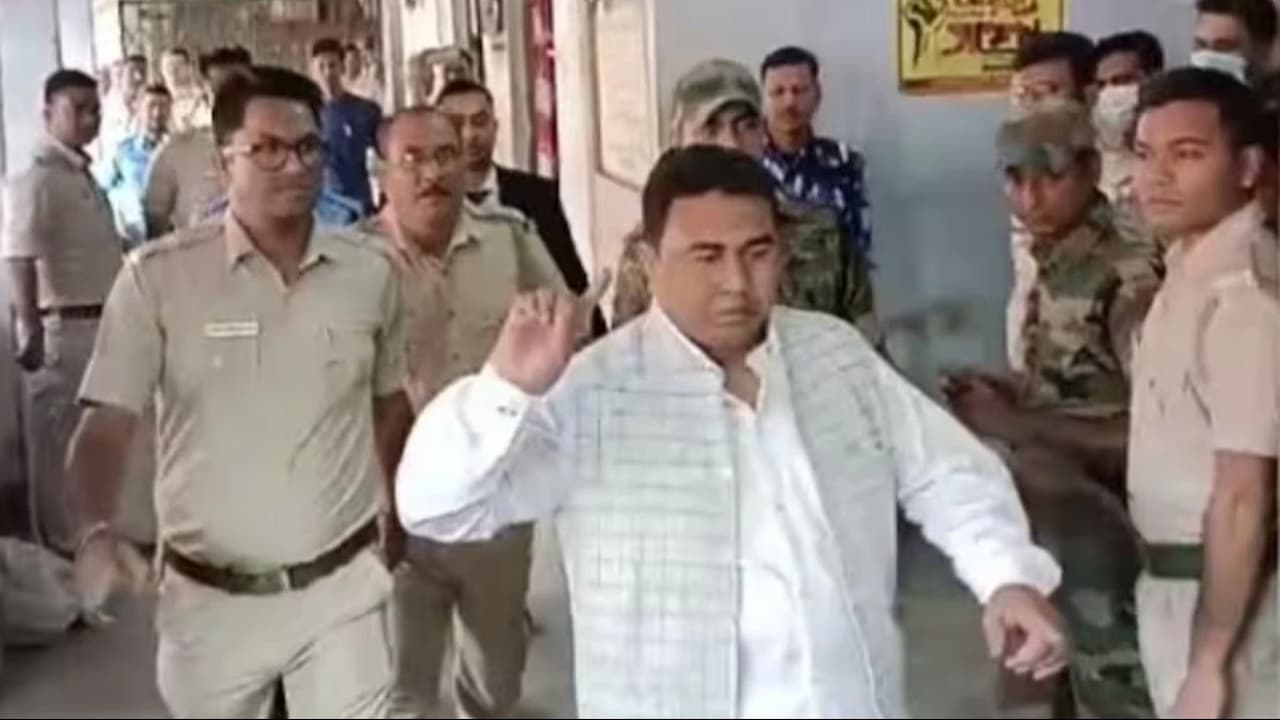
The BJP on Tuesday slammed the Trinamool Congress government in West Bengal for opposing the Calcutta High Court’s order to hand over custody of suspended TMC leader Shajahan Sheikh to the CBI and called it a matter of ”great shame”.
Addressing a press conference, Union minister Hardeep Singh Puri said the state government’s decision to move the Supreme Court against the high court’s order ”highlights its value system”.
Puri said the TMC are not denying the offence but also giving Sheikh political cover. It is not the accused but the state which has gone in appeal to the Supreme Court, he said.
First the state government allows such incidents to happen and then does this, the minister said, adding that ”it was a matter of great shame”.
The high court had on Tuesday directed the investigation into a mob attack on ED officials — when they went to search the premises of Sheikh in Sandeshkhali in North 24 Parganas district on January 5 in connection with a ration scam probe — to be transferred to the CBI.
It also asked the state police to give the accused’s custody to the CBI.
The police have however refused it, claiming that the state has filed an appeal in the Supreme Court against its order.
BJP spokesperson Shazia Ilmi said it is shameful that such a development is happening in a state ruled by a woman chief minister, a reference to TMC president Mamata Banerjee.
ED files charge-sheet against Chinese-origin directors, others in crypto mining 'app' case 8
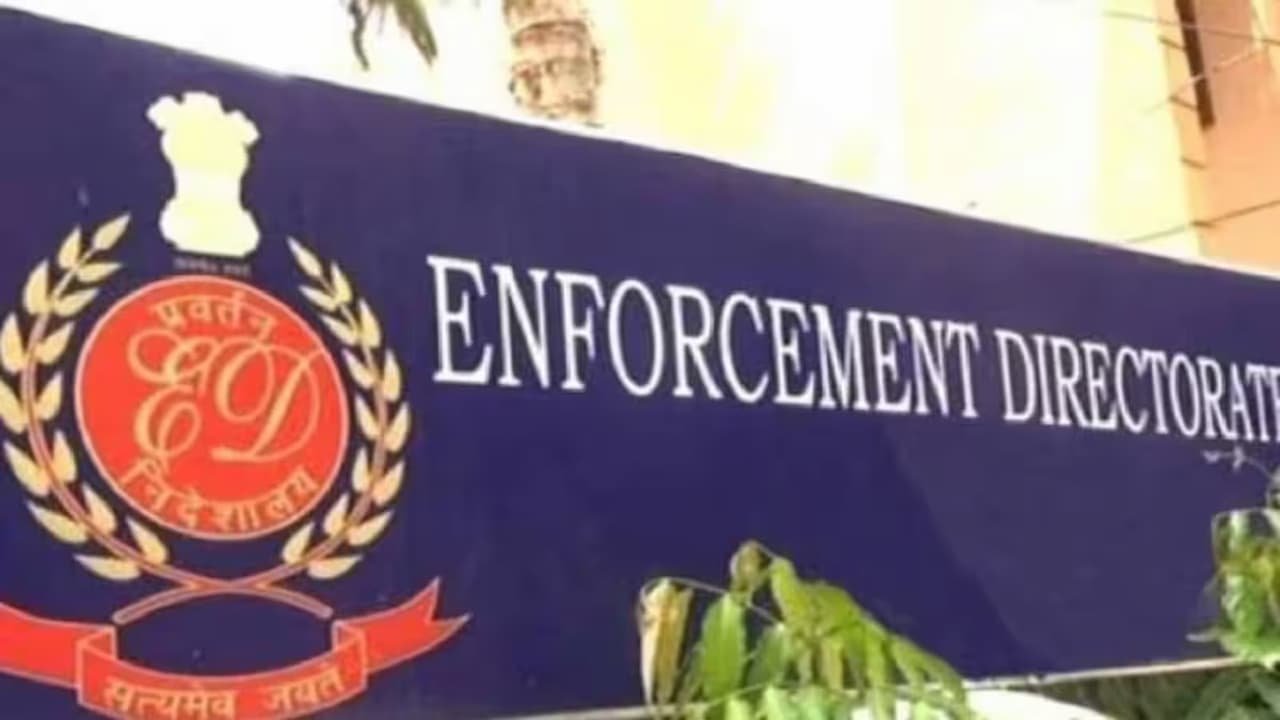
A charge-sheet has been filed under the anti-money laundering law against 299 entities, including 10 persons of Chinese origin, in an investigation linked to alleged duping of investors in the name of mining cryptocurrencies such as Bitcoins, the Enforcement Directorate said on Wednesday.
A special court in Dimapur in Nagaland on Tuesday took cognisance of the prosecution complaint filed under the Prevention of Money Laundering Act (PMLA), the federal agency said in a statement.
A total of 299 entities, including 76 Chinese-controlled entities in which 10 directors are of Chinese origin and two controlled by other foreign nationals, have been named as accused, it said.
The Enforcement Directorate’s (ED) case of money laundering stems from an FIR of the Cyber Crimes Unit of the Kohima Police.
The Kohima Police had booked various people under the Indian Penal Code and the Information Technology Act for allegedly duping gullible investors by promising astronomical returns by mining Bitcoins and other cryptocurrencies. Police had said an app (mobile-phone application) by the name of ”HPZ Token” was used by the accused to ”cheat” the investors.
The ED said bank accounts and merchant IDs were opened by various ”shell entities” having ”dummy” directors for the purpose of ”layering” of the proceeds of crime. These funds were ”fraudulently” received for illegal online gaming, betting and investment for Bitcoin mining, it claimed.
For an investment of Rs 57,000, returns of Rs 4,000 a day for three months were promised but money was paid only once, and thereafter, fresh funds were sought by the accused from the investors, the ED said.
Countrywide searches were undertaken by the ED in this case leading to the seizure of immovable assets and deposits worth Rs 455 crore, it said.
I may be trapped, arrested as I am a thorn in BJP's path to power: Maratha activist Jarange 10
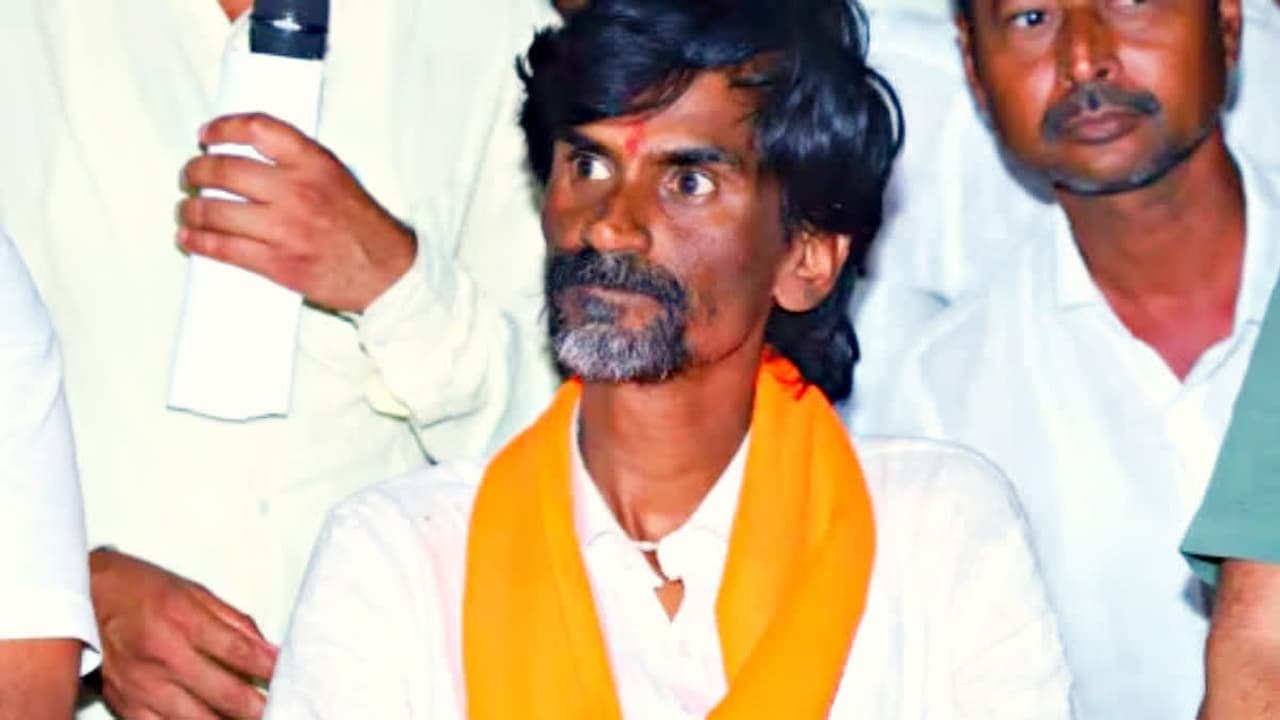
Maratha quota activist Manoj Jarange on Tuesday claimed that the report of the SIT probe against him is ready and expressed fear of arrest as he is a ”thorn in the BJP’s path to power”.
Maharashtra assembly speaker Rahul Narwekar had last week directed the government to set up a special investigation team (SIT) and conduct a comprehensive inquiry into the controversial remarks made by Jarange against Deputy Chief Minister Devendra Fadnavis.
Speaking to reporters in Beed district, Jarange said, ”I came to know from a reliable source that the SIT’s report is ready. I have also found out that I am going to be arrested. The person told me I was a thorn in the BJP’s path to power. Hence, they want me to agree to the 10 per cent quota, or else they will trap me.” Last month, the Maharashtra legislature passed a bill providing 10 per cent reservation for the Maratha community in education and government jobs. Jarange, however, has been demanding a quota for the community under the Other Backward Classes category.
He claimed that a meeting of 36 MLAs was held, and legislators from the Maratha community were told to speak against him. The activist further said that nobody from the SIT had approached him after he was discharged from the hospital. He alleged that cases were registered against him in Beed to make him agree to the 10 per cent reservation announced by the government. ”We know this quota won’t sustain (legally), which is why we have not accepted it. So, the offences are registered against me,” When asked if the Marathas have decided to field candidates from villages for the upcoming Lok Sabha polls, Jarange said it is the community’s decision.
”If the government doesn’t allow people to agitate and registers cases against them, people will take appropriate steps,” he said.
Cringe Content's Role in Shaping Internet Subcultures 12
Over the past few years, there has been a noticeable rise in so-called “cringe content” across social media platforms and online spaces. It refers to intensely awkward, embarrassing, or uncomfortable content to view or engage with. Cringe content elicits a visceral reaction of discomfort and secondhand embarrassment in those who view it. Cringe content plays a significant role in the formation and evolution of online subcultures.
The internet allows specific provocative, awkward, or embarrassing content to be rapidly disseminated and discussed within niche communities. Sharing in the discomfort of cringe content can act as social glue for online subcultures, providing a common reference point and in-group cohesion. Reacting to cringe-worthy content also signals in-group status and shared implicit norms. For example, cringe social media dances help define the social media subculture, just as cringe anime mediated Japanese otaku culture. A shared understanding of what is considered cringe reflects a subculture’s boundaries, social hierarchies, and values. Calling out cringeworthy content also reinforces implicit rules and norms in online subcultures.
Creating intentionally cringeworthy content can be an act of subversive humour or rebellion in these digital subcultures. While cringe content may seem trivial, it reveals deeper sociological functions: defining community boundaries, signalling status, and maintaining implicit norms. The specific cringe content that flourishes in an online subculture offers insights into that community’s social dynamics, values, and underlying motivations.
But why has this type of content become so pervasive lately? And what might be the societal impacts of its proliferation?
Defining Cringe Content
Cringe content encompasses many forms of media, from cringey social media dances to awkward YouTube videos. But some common categories include:
Overly intimate public displays of affection
Tone-deaf gestures or statements oblivious to social norms
Forced, unfunny attempts at comedy
Public meltdowns or outbursts of anger
Displays of stunning ignorance
Cloyingly earnest self-expression
Often, cringe content involves oversharing personal details, violating social boundaries, or disconnecting from broader social awareness. The cringe reaction stems from distress at public social norms being flouted or someone utterly lacking self-awareness.
Why is cringe-worthy content spreading?
Several cultural factors are driving the spread of cringe-worthy content online lately. Social media platforms with public commenting have created stages for maximum public embarrassment. The desire for clicks, views, and virality incentivizes provocative cringe-bait. Some analysts point to cringe content as a reaction against an increasingly polarised culture, with cringe exemplifying a desperation to be heard.
But the most significant drivers are social media and changing norms around publicly sharing intimate details online. Oversharing personal problems, once limited to close friends, are now blasted around the world. Attention-seeking behaviour that might have been isolated locally goes viral globally. The hunger for social media validation normalises exhibitionism and loss of privacy.
Spreading cringe content also allows for performative morality and judgement; the cringe reaction stems from a feeling of superiority and secondhand embarrassment directed downward. Calling out cringe can be its own form of virtue signalling in outrage culture. The proliferation of cringeworthy content reflects how social media incentivizes extremes for attention.
Potential Impacts on Society and Culture
What might be some cultural and societal impacts of the rising tide of cringe-worthy content online? Some potential effects include:
Normalisation of loss of privacy and intimacy. As oversharing increases, social boundaries weaken, and concepts of public/private blur.
Validation of attention-seeking. Rewarding cringe-worthy content with views and virality reinforces exhibitionist motivations.
Rise in hostile public judgement. Calling out others’ cringe can justify online shaming and foster hostility.
Emphasis on performativity over authenticity. Social media cringe prioritises getting clicks over self-awareness.
Decreased empathy and boundaries. With fewer social limits on public embarrassment, cringe content may deteriorate empathy.
Social regression and immaturity. Widespread cringe content glorifies social unawareness over maturity.
Manipulation and exploitation. Cringe content creators leverage discomfort for profit and exposure.
Augmented reality. As online social milieus grow dominant, cringe-worthy content warps real-life interactions and norms.
Mental health impacts. Being the target of viral cringebacklash can seriously impact mental health and relationships.
While humour and vulnerability have value, the avalanche of cringe-worthy content carries many potential societal pitfalls. As cringe culture spreads, we may need to look at its real psychosocial impacts on privacy, empathy, and social awareness. More consciousness around boundaries and authenticity could help temper unhealthy cringe tendencies.
The Heart of Cringe Culture
More serious roots lie behind the comical discomfort of cringe content—the fundamental human desires for attention, validation, outrage, and superiority. In small doses, a bit of cringe humour can build social bonds through shared discomfort and empathy. But in excess, cringe culture appears more like a dysfunctional mirror reflecting our strained societal state back to us.
Perhaps the issue is less the cringe content itself than what its spread signifies about our fracturing social fabric and boundaries. As connectivity increases isolation, identity-seeking grows performative, and public spheres turn into gladiatorial arenas, cringe culture, unfortunately, seems poised to further overwhelm our already strained societal cohesion.
Moving forward, we need to be more thoughtful consumers, users, and creators—rewarding authenticity over exhibitionism, boundary-setting over judgement, and empathy over exploitation. No one is immune from awkwardness, but we can grow together through cringe rather than at each other’s expense.
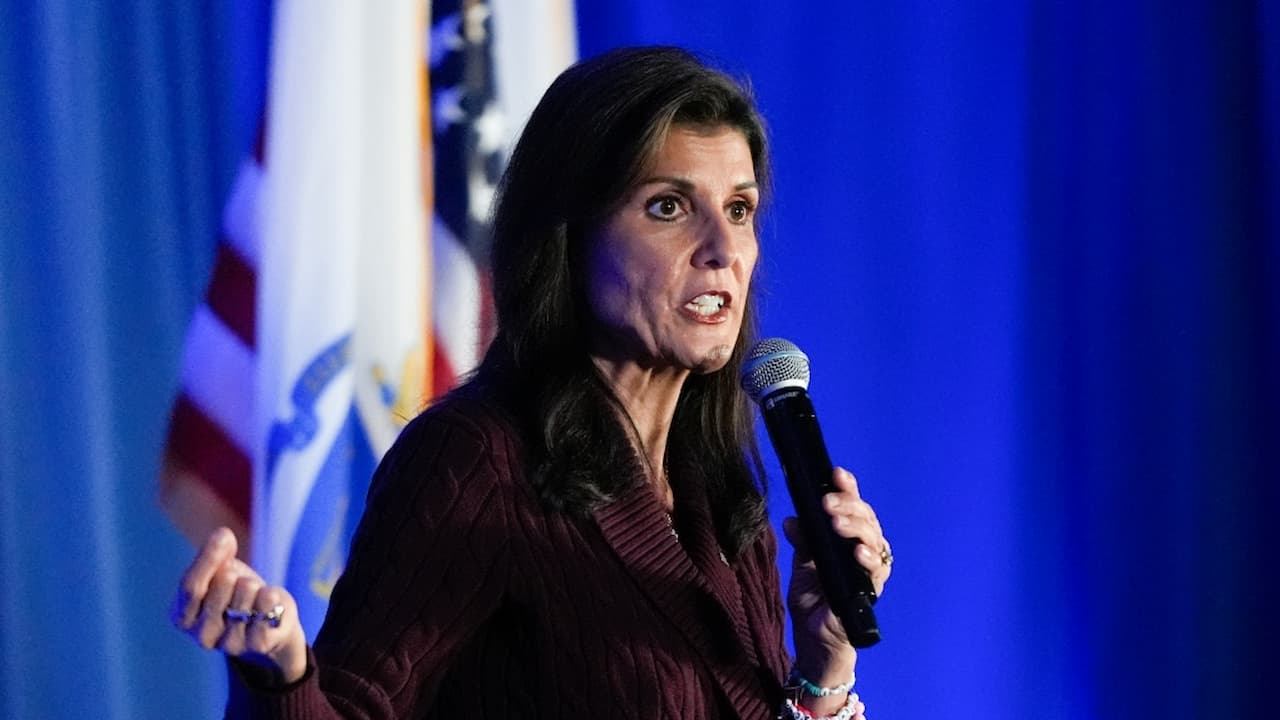
Nikki Haley trailing behind Donald Trump in Republican presidential battle on Super Tuesday 14
Indian-American Republican presidential candidate Nikki Haley is trailing far behind her rival Donald Trump, who is most likely to emerge as the presumptive nominee after the Republican Party’s crucial Super Tuesday contest.
Trump and Haley were campaigning vigorously in various Super Tuesday states, making a last-minute pitch to the Republican voters.
Super Tuesday is an important new phase of presidential primaries when the early contests are over, and voters from multiple states cast ballots in primaries timed to occur on the same date.
RealClearPolitics, which keeps track of all national polls, reported that 77-year-old former president Trump was leading by more than 60 percentage points on average in various national polls.
No political pundit is giving Haley, 51, any chance against Trump, the most popular politician in the Republican party in recent times. Despite facing scores of legal battles and embarrassing indictments, Trump is attracting thousands of Republicans to his rallies, while the numbers at Haley’s events are far less.
On Super Tuesday, Republican presidential primaries are being held in California, Texas, North Carolina, Tennessee, Alabama, Virginia, Oklahoma, Arkansas, Massachusetts, Utah, Minnesota, Colorado, Arkansas, Maine, and Vermont.
More than a third of all the Republican delegates are at stake on Super Tuesday, the biggest haul of any date on the primary calendar.
To win the presidential nomination of the Republican party, either of the two candidates needs 1,215 delegates, who are elected during the primaries.
So far, Trump has 244 delegates in his kitty, while Haley’s strength stands at 43.
Florida Governor Ron DeSantis, who dropped from the presidential race earlier, has nine delegates, and Indian American entrepreneur Vivek Ramaswamy has three. Both of them have quit the race and endorsed Trump.
Even though Haley, the former US envoy to the UN, is trailing far behind her ex-boss, she has already broken several glass ceilings in the party.
On Monday, the former South Carolina governor won her first Republican nominating contest by trumping rival Trump in Washington, DC.
With her win, Haley scripted history by becoming the first woman to win a Republican presidential primary.
She is the first Indian-American politician to have won a presidential primary in any State in either the Democratic or the Republican party.
Her popularity has gained ground in the last two months, and in January and February alone, her campaign raised USD 28 million.
On Monday, a large number of people came out in support of her in Texas.
“We have been in 10 states just in the past week. I just finished a rally here in Houston, Texas. We had well over a thousand people show up,” Haley told Fox News in an interview.
”This isn’t an anti-Trump movement; this is a pro-America movement. This is something where they’re saying they’re tired of the chaos. They don’t want two candidates in their 80s; they want to make sure that we go back to normal. They want to see a DC that works for the people instead of people working for the government,” she said.
“And so we’ve got people who are passionate, they’re excited, they want to go and get America back where they can be proud again. And so we’re going to do as much as we can,” she said.
”I want to be as competitive as we can. We certainly have numbers we’re hoping for, but we’ll see what happens tomorrow. But until then, I continue to remind everyone in those 16 states and territories that in a general election, we’re given a choice. In a primary, we make our choice. And so I hope everybody will go out and make their choice tomorrow,” she added.
On CNN, Haley claimed that 70 per cent of Americans want neither Trump nor 81-year-old incumbent US President Joe Biden, a Democrat, as president.
“That’s not a small number, Jake. If you look at the early states, Trump didn’t get 40 per cent of the vote. In Michigan, after campaigning for eight years, he didn’t perform as well as I did campaigning for just two days and securing 30 per cent of the vote,” she said.
”This comes down to people worrying about the fiscal cliff we’re heading toward. They’re concerned about the younger generation, which is facing a USD 34 trillion debt and knows they’ll have to bear that responsibility,” she said.
“They’re anxious about the fact that the younger generation endured COVID-19, facing challenges and uncertainties. They’re worried about securing employment, making ends meet, and doubting their ability to afford a home. With wars occurring worldwide, they want assurance that someone will dedicate eight years day and night to focusing on solutions, not on negativity or personal baggage,” Haley said.
“When you look at Joe Biden and Donald Trump, they’re entirely immersed in their own worlds, preoccupied with how these issues affect them. It’s not about either man; it’s about the American people who have been ignored for far too long. They want things done right,” she said.
”I’m in Texas, and people here are vocal about the border situation, considering it unacceptable. This is the United States of America, and this should not be happening,” said the Indian American leader.
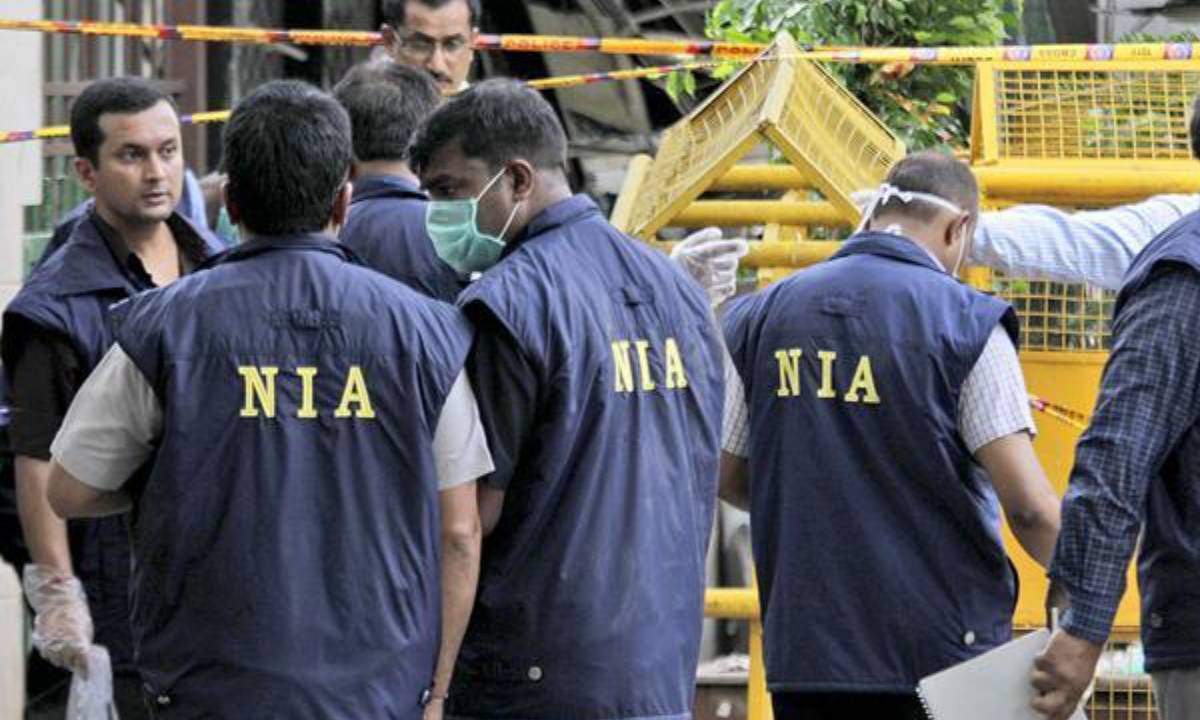
NIA raids multiple locations across 7 states in Bengaluru's prison radicalisation case 16
The National Investigation Agency (NIA) on Tuesday carried out search operations at 17 places across seven states in connection with its ongoing probe into the Bengaluru prison radicalization case. The raids are underway in Bengaluru and Tamil Nadu, among other states, since this morning, and the places are linked to the suspects, involved in the terror conspiracy connected to the case.
On January 12 this year, National Investigation Agency charge-sheeted eight persons, including a life convict and two absconders, in the Bengaluru Lashkar-e-Taiba (LeT) Prison radicalization and ‘fidayeen’ (suicide) attack conspiracy case.
Among the chargesheeted accused is T Naseer of Kerala’s Kannur district, who has been serving a life sentence in Central Prison in Bengaluru since 2013, while Junaid Ahmed, alias JD and Salman Khan are suspected to have fled abroad. The others have been identified as Syed Suhail Khan alias Suhail, Mohammed Umar alias Umar, Zahid Tabrez alias Zahid, Syed Mudassir Pasha and Mohammed Faisal Rabbani alias Sadath.
All eight accused persons have been charge-sheeted under various sections of the Indian Penal Code, the Unlawful Activities (Prevention) Act, the Explosives Substances Act and the Arms Act. The case was originally registered by the Bengaluru City Police on July 18, 2023, following the seizure of arms, ammunition, hand grenades and walkie-talkies from the possession of seven of the accused persons. The recovery was made while the seven men were gathered in the house of one of the accused. Investigations into the case, which was taken over by the NIA in October 2023, revealed that T. Naseer, who was involved in several blast cases, had come in contact with the other accused while they were all lodged in Bengaluru Prison in 2017. While Salam was in prison in a POCSO case, the others were involved in a murder case.
Naseer had managed to get them all shifted to his barracks after a careful assessment of their potential with a view to radicalising and recruiting them into the LeT. He first managed to radicalise and recruit Junaid and Salman to further the activities of the LeT; thereafter, he conspired with Junaid to radicalise and recruit the other accused.
Junaid, following his release from Prison, was believed to have fled abroad after committing some more offences.
As per NIA investigations, Junaid began sending funds to his co-accused from abroad to promote LeT activities within and outside the prison. He also conspired with Salman to deliver arms, ammunition, hand grenades and walkie-talkies to the others, as part of a plot to carry out a ‘fidayeen’ attack and help Naseer escape from police custody en route to court. Junaid also instructed his co-accused to steal used police caps for the attack and to commit arson on government buses as a practice run. The plot was foiled with the seizure of the arms, etc., in July last year.
Further, investigations in the case are continuing in accordance with the provisions of Section 173(8) of the Code of Criminal Procedures (CrPC). The fresh raids in the case were conducted two days after the Ministry of Home Affairs handed over Bengaluru’s The Rameshwaram Cafe blast probe to the NIA and the anti-terror agency started a probe into it by re-registering the case. The blast took place at the cafe on March 1 in Bengaluru’s Whitefield area, where several people were injured following an explosion that occurred during the busy lunch hour.
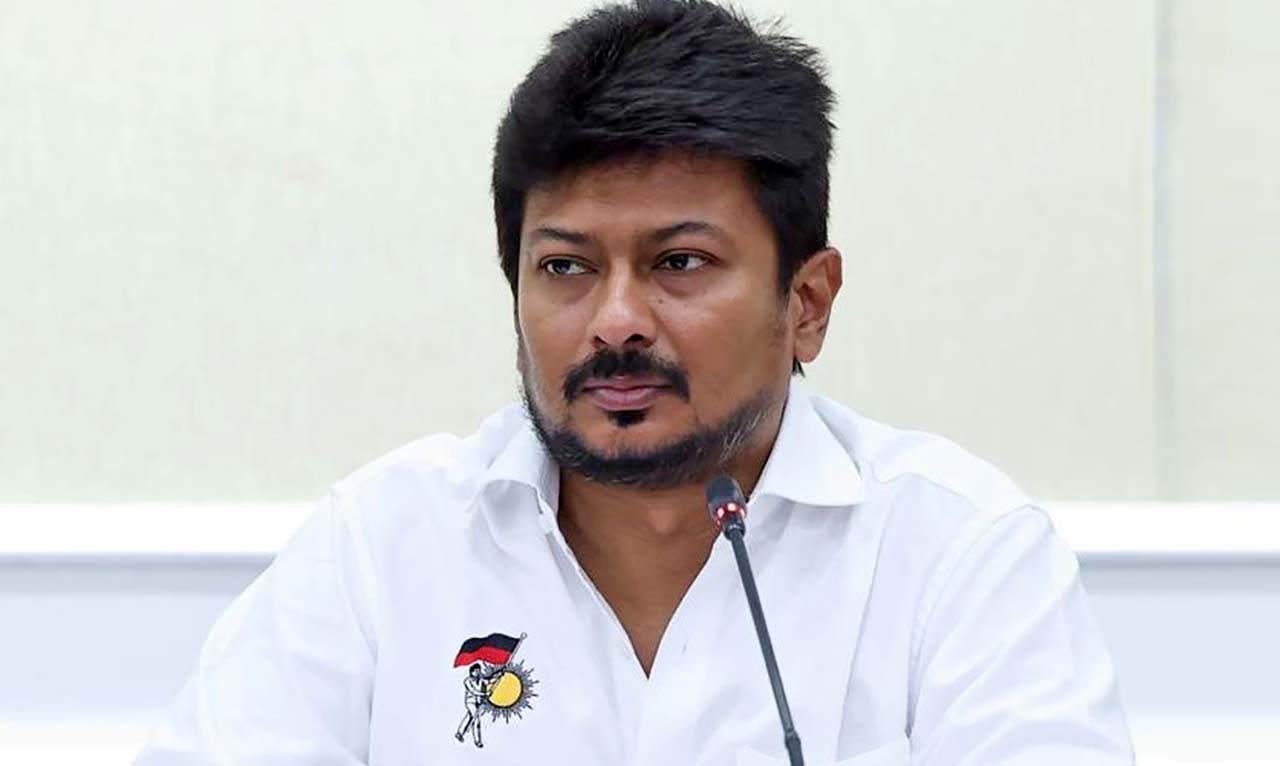
SC rebukes Tamil Nadu Minister Udhayanidhi Stalin over his "eradicate Sanatan dharma" remark 18
The Supreme Court on Monday rebuked Tamil Nadu Minister Udhayanidhi Stalin over his ”eradicate Sanatan dharma” remark and asked why he has moved the court with his plea for clubbing together the FIRs filed against him after abusing his right to freedom of speech and expression.
A bench of justices Sanjiv Khanna and Dipankar Datta told Stalin that being a minister he should have been careful with his statements and mindful of the possible consequences they could have.
”You abuse your right under Article 19(1)(a) (right to freedom of speech and expression of the Constitution). You abuse your right under Article 25 (freedom of conscience, the freedom to profess, practice, and propagate religion). ”Now you are exercising your right under Article 32 (to file plea in the Supreme Court directly)? Do you not know the consequences of what you said? You are not a layman. You are a minister. You should know the consequences,” the bench said and adjourned the matter till March 15.
Udhayanidhi Stalin, the minister of youth welfare and sports of Tamil Nadu, is a well known film actor and son of Tamil Nadu Chief Minister and ruling DMK chief M K Stalin.
Speaking at a conference in September 2023, Udhayanidhi Stalin had said Sanatana dharma is against social justice and equality and should be ”eradicated’. Likening Sanatana dharma to coronavirus, malaria and dengue, he said it should be destroyed.
Senior advocate Abhishek Singhvi, appearing for Stalin, submitted he was not justifying his client’s comments but only seeking consolidation of FIRs lodged against him over it in six states.
The top court then asked him to approach the high courts concerned.
Referring to apex court orders in cases involving journalist Arnab Goswami, BJP leader Nupur Sharma and some others, Singhvi said in all these the top court had agreed to club the FIRs.
”I’m not saying one word on merits (of the case), I’m not justifying or criticising. Let the merits of the case not affect the plea for clubbing of the FIRs,” Singhvi said.
The apex court said it will take it up on March 15 after going through the judgments and progress of trial in some of the FIRs.
On September 22 last year, the apex court had agreed to hear a plea by Chennai-based lawyer B Jagannath seeking registration of an FIR against Stalin and others who backed him, llikening his comments to hate speech.
In his plea, Jagannath has sought direction to the Tamil Nadu police chief to immediately register a First Information Report (FIR) against the organisers of the conclave and those who allegedly made ”hate speeches” there including ministers Udhayanidhi Stalin, PK Sekar Babu and others.
The petitioner has also urged the court to declare as unconstitutional the participation of state ministers in the event titled ‘Sanatana Dharma Eradication’ conference in Chennai on September 2, 2023.
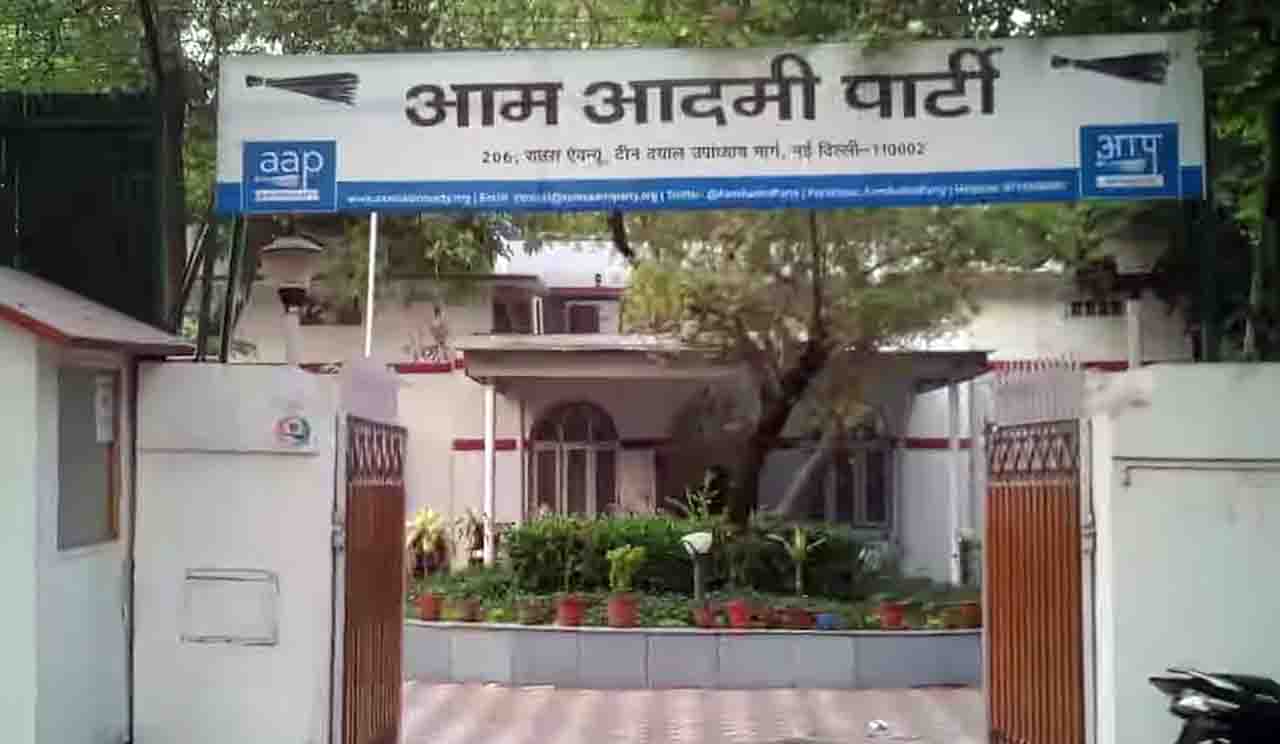
SC grants AAP time till June 15, 2024 to vacate its offices at Rouse Avenue 20
The Supreme Court on Monday granted the Aam Aadmi Party time till June 15, 2024 to vacate its offices at Rouse Avenue here after noting that the land was allotted to the Delhi High Court for expanding judicial infrastructure.
A bench of Chief Justice D Y Chandrachud and Justices J B Pardiwala and Manoj Misra asked AAP to approach Land And Development Office for allotment of land for its offices.
”We would request the L&DO to process the application and communicate its decision within a period of four weeks,” the bench said, adding AAP has no lawful right to continue on the land.
Senior advocate Abhishek Singhvi, appearing for the city’s ruling party, submitted that AAP is one of the six national parties in the country.
”They are telling us as a national party we get nothing. I’m given Badarpur, while everyone else is in better places,” Singhvi said. ”In view of the impending general elections, we gant time until June 15, 2024 to vacate the premises so that land allotted to expand the district judiciary’s footprint can be utilised on expeditious basis,” the court said.
The top court had earlier directed the Delhi government and the Registrar General of the Delhi High Court to hold a meeting for removal of encroachment by AAP on the land allotted to the HC at Rouse Avenue.