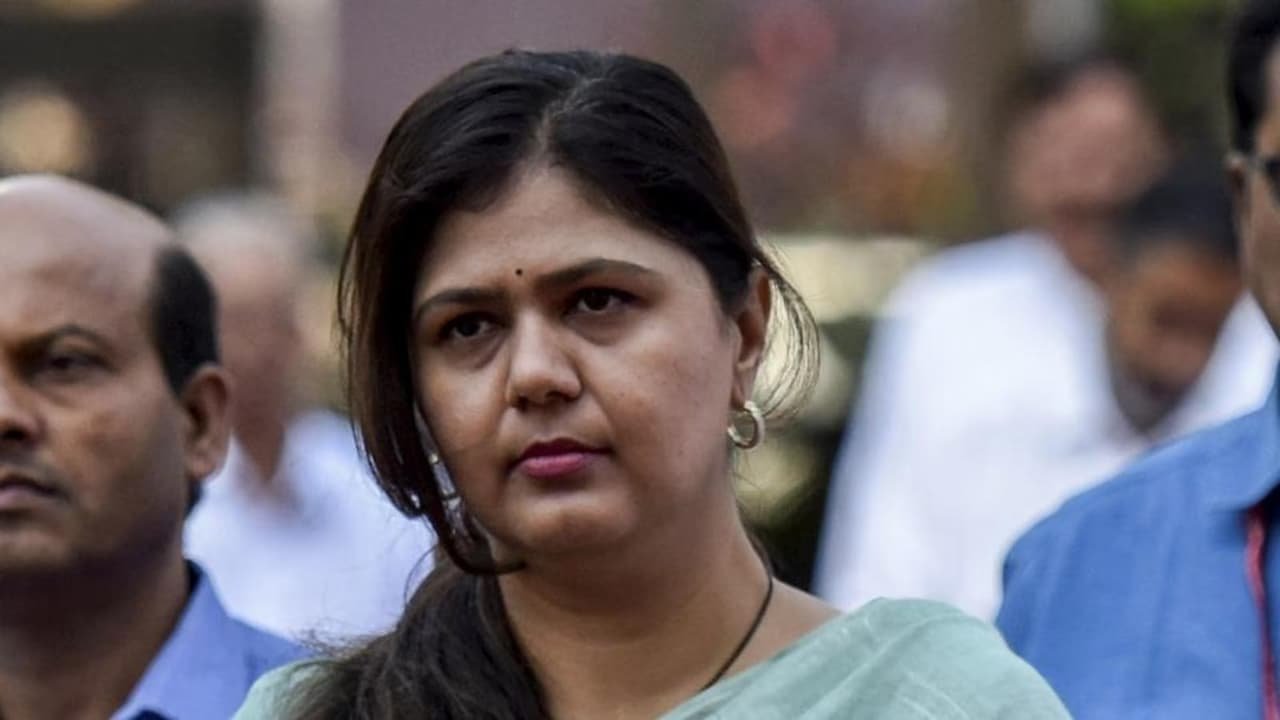
Bank to e-auction sugar mill controlled by BJP leader Pankaja Munde to recover dues 2
The state-owned Union Bank of India has put out a notice for the e-auction of a cooperative sugar mill controlled by the family of BJP national secretary Pankaja Munde to recover dues worth Rs 203.69 crore.
As per a notice published by the bank in local newspapers on Tuesday, the e-auction of the Vaidyanath Cooperative Sugar Factory would be held on January 25. The auction notice mentions the names of Munde and several other persons as ”debtors, guarantors, and mortgagees”.
As per the notice, the Ahmednagar regional office of the bank has taken up the process to recover the dues worth Rs 203.69 crore.
In September last year, Munde, who has been sidelined in state politics, confirmed that the mill controlled by her family had received a notice from the Goods & Services Tax (GST) department and claimed that barring this sugar mill, many other factories got financial aid from the Union government.
She said the sugar mill was started by her father, late BJP leader Gopinath Munde, in a difficult situation and she ran it despite hardships.
”During the COVID-19 pandemic, the situation became difficult and now the factory is in the bank’s possession,” she had said.
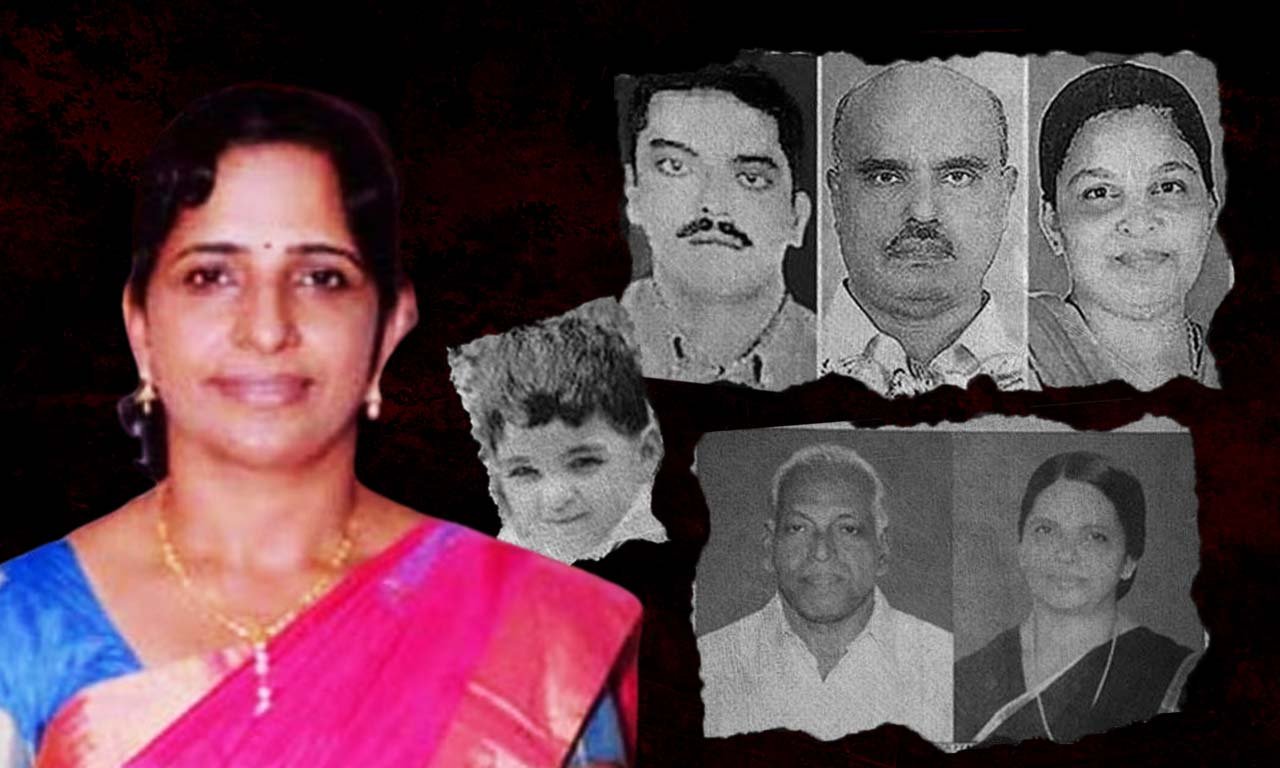
The murder mystery of Kerala is as heinous as the Amroha murder case, which refers to an April 2008 familicide in Uttar Pradesh by Shabnam Ali and her lover Saleem, who murdered seven members of Shabnam Ali’s family by sedating six of them and then hacking them to death; the seventh victim, a ten-month-old was murdered unsedated. There are many crime stories where a woman is the murderer of her own family for her own reasons. One of the murder cases is Jolly Joseph, a resident of Koodathai in the Kozhikode district of Kerala.
Jolly hails from Kattappana in Kerala’s Idukki district and is reportedly a first-year college dropout. Jolly was a very social and joyful person. She was the first in her family to go to college, and she was a go-getting woman who was said to have ambitions beyond the farm. Her ambitions were taken over by her greed and her greed made her mindless and cruel.
It all began after Jolly Joseph married Roy Thomas, the eldest son of Koodathai’s Ponnamattam family, whom she met during a family event at a relative’s house in 1997. Roy had a younger brother, Rojo Thomas, and a sister, Renji. They were a sophisticated family. Annamma was a working woman all her life who told Jolly to get a job herself. Annamma Thomas was a school teacher. Thomas’ family believed in her lies, as Jolly was very good at showing off. At the time of marriage, Jolly had lied about having an M.Com. degree. Her outgoing persona impressed the family and they never thought of investigating the claims made by Jolly.
After her first marriage, Jolly moved to Koodathayi. Annamma’s persistence increased after she retired as a school teacher. This bothered Jolly for a long time, and she was worried that Annamma might find out about her lies. Jolly’s only aim was to possess Roy’s properties and finances but Annamma was a hindrance to her dishonest ambitions. After retirement, Annamma started remaining at home full time. The butcheries began in 2002 with the death of Jolly’s mother-in-law, Annamma. Jolly wanted control over the family and finances. She wanted all that authority to rule the family. As per reports, Jolly’s mom-in-law was believed to have died of a cardiac arrest considering her age until the truth was exposed a decade after Jolly’s arrest in 2019. Jolly confessed her crime of killing Annamma by lacing her mutton soup with poison. Annamma was a very dominating woman. After killing Annamma, Jolly took over the family matters; her dreams of being the sole possessor of the family weren’t fulfilled as Roy was not the only heir. The couple had two grown up sons.
She killed six in all, including her first husband, Roy. In 2019, when Jolly Joseph was arrested, she shocked the entire state of Kerala as well as India. She remained in the headlines for months. Each time, Jolly managed to escape, until her brother-in-law and sister-in-law got suspicious and decided to have the deaths in the family investigated. Her only motive was said to have been an easy, lavish life. Jolly used cyanide to kill her family members with the intent of taking control over their assets. Jolly’s victims included her first husband Roy, her father-in-law Tom Thomas, her mother-in-law Annamma Thomas, Annamma’s brother Mathew Manchadiyil, her second husband Shaju’s first wife Cili, and their daughter Alphine.
After every killing, she convinced everyone around her that the deaths were natural and made-up stories to ensure there was no room for doubt. Second on Jolly’s list of victims was her father-in-law, Tom Thomas. The time difference between the two murders was six years, leaving little room for suspicion. Tom worked as a senior clerk in the education department. Jolly reportedly had her eyes set on Tom’s property as her husband Roy didn’t have a stable job to fulfil her demands. Tom owned a decent amount of land. Jolly feared he would give his property to his younger, US-settled son Rojo, and she would be left with nothing. In 2008, Tom was in Colombo, Sri Lanka, where his daughter Renji lived with her family after marriage. From there, he had planned to fly to the US. But Jolly called him back, telling him that she was pregnant and that her husband was drinking too much. Tom returned to Kerala, and soon Jolly killed him by giving him cyanide through a capsule that he used to take. At that time, it seemed to the world that Jolly was the first one to find the dead body, after which she called for help, convincing everyone that it was a cardiac arrest. Jolly had managed to get possession of her father-in-law’s title deeds and pretend to have a forged will according to which all of his properties would go to her husband, Roy, after Tom’s death.
The cyanide was supplied to Jolly by MS Mathew, with whom she had an extramarital affair. Mathew used to work for a veterinary firm. Jolly convinced Mathew to help her after telling him that her father-in-law had found out about their relationship. It was Roy’s turn now; his death gave the first ever hints of a murder. He apparently knew about her relationship with Matthew and even questioned her about it. In 2011, Roy was found lying unconscious on the floor of his bathroom, vomiting and frothing from his mouth. He was declared dead on arrival at the hospital.
Roy’s siblings and their 68-year-old uncle Mathew (not the one who is Jolly’s lover) suspected foul play and managed to get an autopsy done, which revealed the presence of cyanide in his body. Jolly, however, managed to convince the police that Roy was a depressed alcoholic and had ended his own life after falling into a huge debt. The local police did not investigate the matter further at that time.
For making a police complaint, her next target was Uncle Manchadiyil Mathew. Mathew also discovered Jolly’s relationship with MS Mathew. This made Jolly very angry. In 2014, Jolly claimed the old man’s life by mixing cyanide in his drink. He collapsed and was rushed to the hospital by Jolly herself and his neighbours, but he was dead by then. Jolly had the desire to marry Shaju Zacharias, her husband’s first cousin, given that he had a good job and was well-settled. Alphine, Shaju’s year-old daughter, became her fifth victim. Alphine was given cyanide at her sibling’s Holy Communion. The sixth victim was Shaju’s first wife, Cili. Jolly planned to kill Cili so she could marry Shaju. In 2016, she killed Cili by lacing her drink with cyanide. This happened when Cili accompanied her for a dental appointment. Since the death occurred in a public place, no one raised suspicion, and Jolly managed to escape doubt once again. A year after Cili’s death, Shaju tied the knot with Jolly.
The reality of the deaths unfolded in 2019, and it was established that all the deaths in Koodathai were murders. According to India Today reports, the case came to light when Rojo Thomas, son of Tom Thomas, filed a complaint in 2019 expressing suspicions about the deaths. After Rojo’s complaint, the police, under Kozhikode Rural SP KG Simon IPS, initiated an investigation. Following discrepancies in the initial findings, the police were prompted to open the family grave, leading to the discovery that all six deaths were, in fact, murders. Jolly was arrested on October 5, 2019, and she confessed to all her crimes. Matthew, who supplied the cyanide, was also arrested. Both remain in custody and are currently facing trial. This murder saga has become a Netflix documentary, largely based on the investigations done by India Today and other media publications.
Delhi commercial vehicle owners no longer need to submit speed governor certificates 6
The Delhi government has done away with the provision that required commercial vehicle owners to submit certificates showing that their vehicles are fitted with speed governors, according to an official order.
The speed limiting devices act like a cruise control system in motor vehicles.
In 2018, the Delhi government had notified fitting of speed governors in commercial transport vehicles, including light passenger vehicles, registered prior to October 1, 2015, limiting the maximum speed to 80 kmph.
”Whereas…. Central Motor Vehicle Rules, 1989 clearly stipulates that the vehicle manufactured on or after 1st October 2015 shall be equipped or fitted by the vehicle manufacturer either in the manufacturing stage or at the dealership stage, with a speed governor having pre-set maximum speed for different class of transport vehicle… ”Whereas, since the notification pertaining installation of speed governor stipulates the mandatory requirement for manufacturer to ensure the fitment of speed governor with pre-set specified speed for vehicle registered after 1st October, 2015, therefore, there is no requirement left for seeking certificate of confirming installation of speed governor in the specified vehicle at the time of grant or renewal of fitness for all the vehicles rather to be verified only at the time of registration of vehicle by the registering authority,” it read.
The effectiveness of speed governor for heavy vehicle inspected at Vehicle Inspection Unit Jhuljhuli will be continued through automated testing station at the time of fitness.
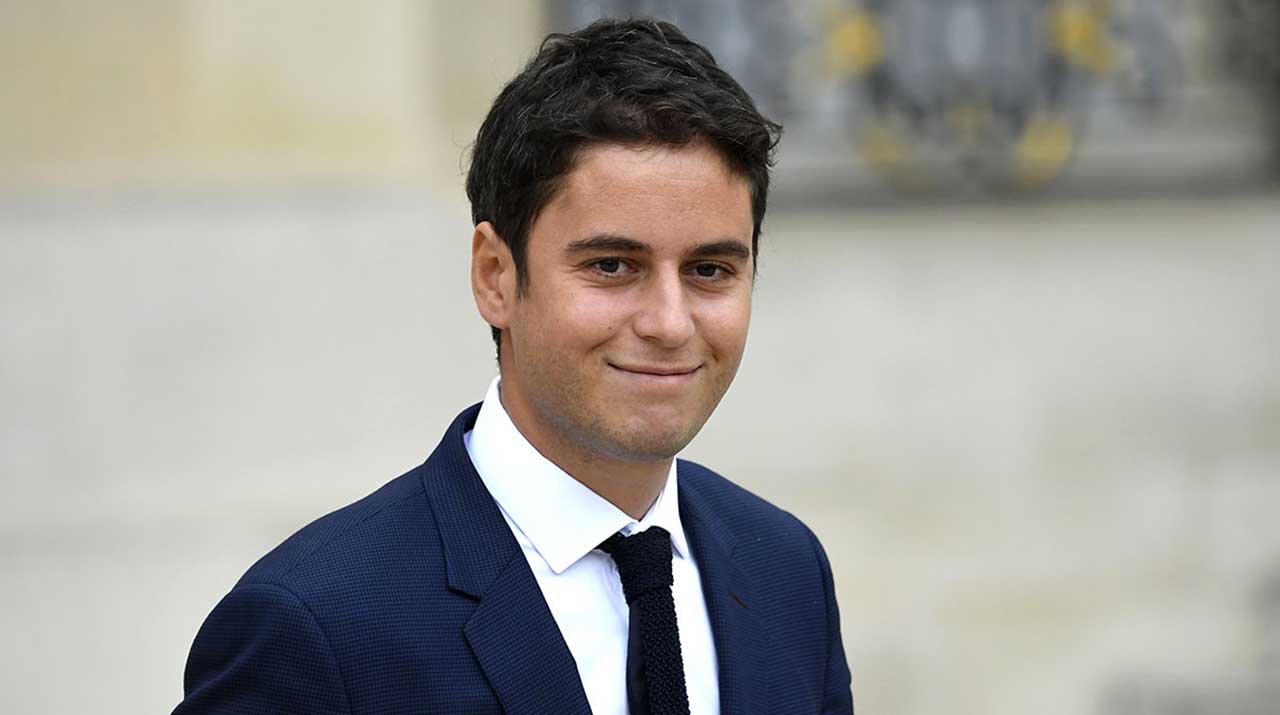
France gets its youngest-ever prime minister, Gabriel Attal, as Macron shakes up government 8
Gabriel Attal was named on Tuesday as France’s youngest-ever prime minister, as President Emmanuel Macron seeks a fresh start for the rest of his term amid growing political pressure from the far right.
Macron’s office announced the appointment in a statement. Attal, 34, rose to prominence as the government spokesman and education minister. He is France’s first openly gay prime minister.
His predecessor Elisabeth Borne resigned Monday following recent political turmoil over an immigration law that strengthens the government’s ability to deport foreigners.
Macron – who was France’s youngest-ever president when he came to power in 2017 — is to work with Attal to name a new government in the coming days, though some key ministers are expected to continue in their posts.
The 46-year-old president has shifted rightward on security and migration issues since rising to power on a pro-business centrist platform in 2017, notably as far-right rival Marine Le Pen and her anti-immigration, anti-Islam National Rally have gained political influence.
Attal, a former member of the Socialist Party, joined Macron’s newly created political movement in 2016 and was government spokesperson from 2020 to 2022, a job that made him well-known to the French public. He was then named budget minister before being appointed in July as education minister, one of the most prestigious positions in the French government.
Attal quickly announced a ban on long robes in classrooms which took effect with the new school year in September, saying the garments worn mainly by Muslims were testing secularism in the schools.
He also launched a plan to experiment with uniforms in some public schools, as part of efforts to move the focus away from clothes and reduce school bullying.
Attal recently detailed on national television TF1 how he suffered bullying at middle school, including homophobic harassment.
French opinion polls show he was the most popular minister in Borne’s government.
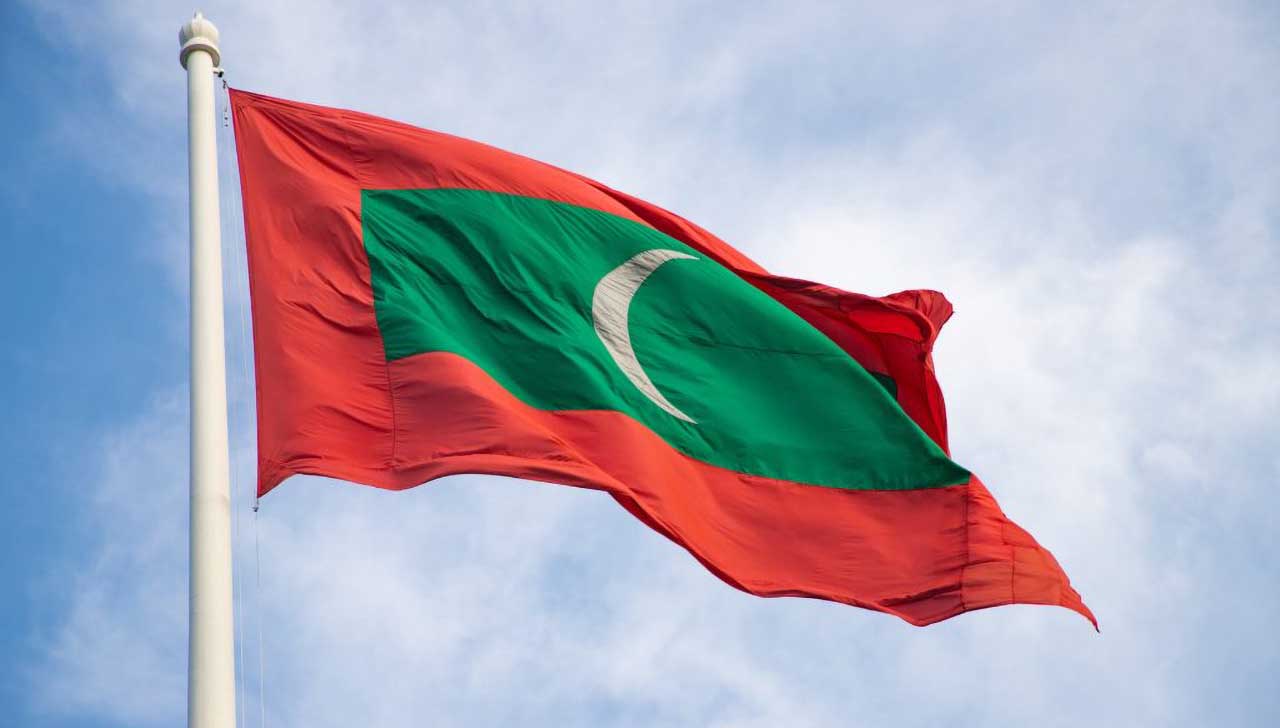
Maldives tourism body condemns derogatory comments against PM Modi, calls India 'closest neighbour' 10
Amid the ongoing spat between the Maldives and India, the Maldives Association of Tourism Industry (MATI) has strongly condemned derogatory remarks made by officials in the tourism-dependent country against Prime Minister Narendra Modi and the people of India. Terming India as one of the closest neighbours and allies of the Maldives, MATI noted that India has always been a first responder to various crises throughout the history of the island country.
“India is one of our closest neighbours and allies. India has always been a first responder to various crises throughout our history and we are immensely grateful to the close relationship that the government as well as the people of India have maintained with us,” MAITI said in a statement. It stressed that India has been a “consistent and significant contributor to the tourism industry of the Maldives.” It stated that India has “greatly assisted” Maldives recovery efforts during the COVID-19 pandemic after the borders were reopened.
In a press release, MATI stated, “Since then, India has continued to remain as one of the top markets for the Maldives.” “It is our sincere wish that the close relationship between our two nations endures for generations to come and as such, we refrain from actions or speech that may have any negative impact on our good relationship,” it added.
A massive row was triggered after the Maldives deputy minister, along with other cabinet members and government officials, made disparaging and unsavoury references to PM Modi’s Lakshadweep visit. On January 2, PM Modi visited the Union Territory of Lakshadweep and shared several pictures, including an ‘exhilarating experience’ of him trying his hand at snorkelling.
In a series of posts on X, PM Modi shared pictures of the white beaches, the pristine blue skies and the ocean and tagged them with a message that read, “For those who wish to embrace the adventurer in them, Lakshadweep has to be on your list.” In a post that has now been deleted, the Maldivian Deputy Minister of Youth Empowerment, Mariyam Shiuna, made a mocking and disrespectful reference to PM Modi.
Indians, including cricketers and film celebrities, have since come out in open support in promoting local beach destinations and other tourist spots. They also voiced support for PM Modi’s call for promoting beach tourism in Lakshadweep. The Maldives government has, however, distanced itself from the remarks made by its ministers. Maldivian Minister of Foreign Affairs Moosa Zameer said that these remarks against foreign leaders are “unacceptable” and do not reflect the official position of the Maldives government.
In a post shared on X, Moosa Zameer stated, “The recent remarks against foreign leaders and our close neighbours are unacceptable and do not reflect the official position of the Government of #Maldives. We remain committed to fostering a positive and constructive dialogue with all our partners, especially our neighbours, based on mutual respect and understanding.” On Monday, the Indian High Commissioner to Maldives, Munu Mahawar on Monday held a “pre-arranged meeting” with Ali Naseer Mohamed, Ambassador at Large, at the Maldivian Ministry of Foreign Affairs in Male.
The recent remarks against foreign leaders and our close neighbours are unacceptable and do not reflect the official position of the Government of #Maldives.
We remain committed to fostering a positive and constructive dialogue with all our partners, especially our neighbours,…
The Indian High Commission in Maldives posted on X, “High Commissioner Munu Mahawar had a pre-arranged meeting with H.E. Dr Ali Naseer Mohamed, Ambassador at Large, at MoFA, Maldives, today to discuss bilateral issues.” Earlier on Sunday, former Maldivian President Ibrahim Mohamed Solih stated that New Delhi has always been a good friend to the island nation.
Taking to his official handle on X, Solih posted, “I condemn the use of hateful language against #India by Maldivian government officials on social media. India has always been a good friend to Maldives and we must not allow such callous remarks to negatively impact the age old friendship between our two countries.”
Why "Modi Sarkar" if the scheme is by the Government of India? asks Maharashtra youth 12
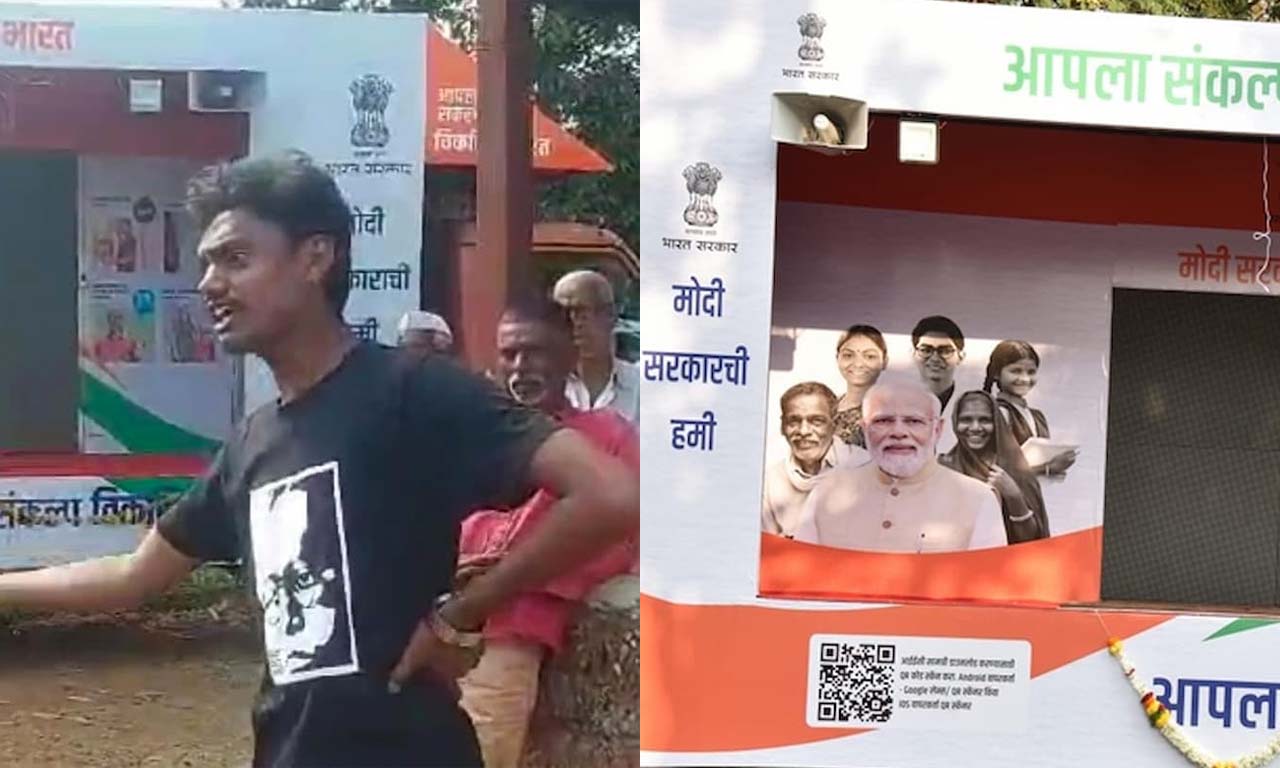
Last month, on December 13, the Central Government’s Vikasit Bharat Sankalp Yatra at Sonyachi Shiroli village in Kolhapur district’s Radhanagari tehsil hit the headlines. A young man was seen questioning Maharashtra government employees accompanying a chariot, claiming that it should either be “Bharat Sarkar” or “Government of India” but not Modi Sarkar. It is all being done without the banner of a political party and by reiterating that asking a question is a constitutional right of a citizen.
The viral video has turned out to be the motivation for villagers from different parts of the state who were stopping the chariot from entering the village or blasting at government officials with interrogations, compelling them to end the event by violating notes.” or “Government of India,” but not Modi Sarkar. It is all being done without the banner of a political party and by reiterating that asking a question is a constitutional right of a citizen. The viral video has turned out to be the motivation for villagers from different parts of the state who were stopping the chariot from entering the village or blasting at government officials with interrogations, compelling them to end the event by violating notes.
Villagers wanted to know if he campaigned for Modi. Fearing protests, over eight Panchayat Samiti employees of Parbhani district on December 28 wrote to the district collector, stating that they have been getting phone calls from villagers asking them the reason behind writing “Modi Sarkar” on the chariot and questioning if they are “campaigning for Modi.” The employees had requested police protection from the collector during the yatra. Poor government staff were forced to be part of the yatra to communicate with people on various issues but they failed to impress people with the banners they were holding. The village youth did not approve of such publicity for Modi and some of them even stopped the rally by creating awkward situations for government officers.
A 30-year-old Ambedkarite activist, Rajvaibhav Shobha Ramchandra, from Sonyachi Shiroli village, works with numerous social organisations to spread constitutional awareness. He educates people about their rights and social justice. He raised his objection in the utmost calm and constitutional manner. He stood alone in front of the Grampanchayat and asked the motive behind the chariot and the yatra, but ironically, no authority could give him a convincing reply; rather, they just wound their show and left the place in haste. This is actually the power of people when governments fail to perform and when authorities take people for granted. This was a perfect example of an alert citizen.
This yatra was meant to spread awareness about the central government’s schemes. If the schemes are from the government of India, then why is it that the chariot has ‘Modi government’s guarantee’ written on it? Raj Vaibhav pointed out that the Constitution says, ‘India, that is Bharat’. It could either be ‘Bharat Sarkar’ or ‘Government of India’. If a person is replacing a country’s name, then it is a violation of the constitutional principle of sovereignty. As the discussion progressed, he was joined by villagers who, too, stood in his support. He later realised that the person who was debating with him was not a government employee but a functionary of the Bharatiya Janata Party (BJP). Look at the sorry condition of BJP functionaries; they give big talks on social media and boast about Modi and his way of functioning. When faced by the public, in reality, they had nothing to argue about. They are only the good trolls.
That young guy was not against government schemes, but if a political party like the BJP is going to use the state’s money by using a chariot coloured like the party’s flag ahead of general elections, then they have to oppose it. Hamara Sankalp Viksit Bharat is a nationwide campaign to raise awareness through outreach activities to achieve saturation of schemes of the government of India across the country, covering all Gram Panchayats, Nagar Panchayats, and urban local bodies.
Rajvaibhav’s speech and his discussion with officials went viral on social media, triggering strong reactions and soon videos of similar actions started pouring in. In Buldhana district’s Palshi Jhashi village of Sangrampur tehsil, former sarpanch Abhaysinh Marode was served a notice under Section 149 of the Indian Penal Code (IPC) by local police, warning him not to interfere at a time when a chariot under the Vikasit Bharat Sankalp Yatra is travelling in the tehsil. He was hassled by government authorities and cops just for posing questions. Later on, the route of the chariot was changed after Marode continued with his questioning, joined by villagers and friends.
On December 30, he was slapped with a notice under Section 149. Similar peaceful questioning and protest videos were also seen in Ahmednagar, Nasik, Satara, Jalna, Parbhani, Akola, Hingoli, Nanded, Ratnagiri, and Buldhana districts, where villagers are asking employees accompanying the chariot various questions on the implementation of the schemes as well as the use of the phrase Modi Sarkar. Raj Vaibhav, along with others, are planning to approach the court against the use of the phrase ‘Modi Sarkar’, asking the question through that petition as to what the real name of the government is.
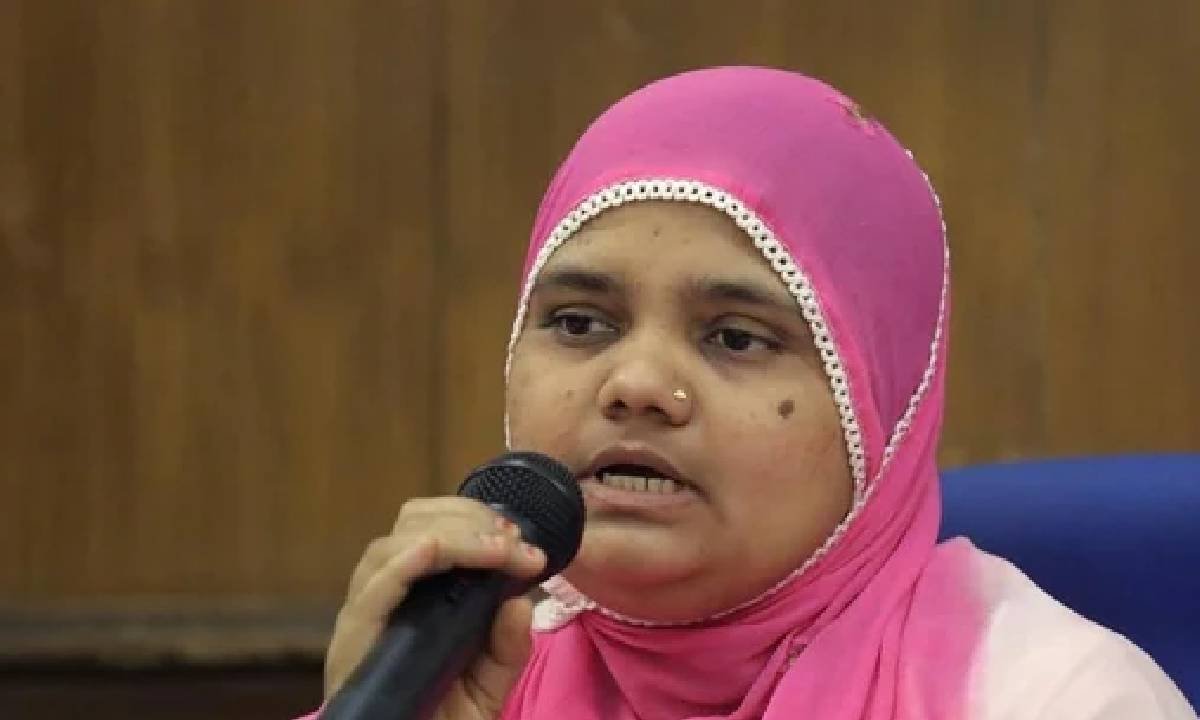
The Supreme Court on Monday quashed the Gujarat government’s decision to grant remission to 11 convicts involved in the case of the gang-rape of Bilkis Bano and murder of seven of her family members during the 2002 Gujarat riots. The apex court held that the judgement of May 13, 2022 (which directed the Gujarat government to consider remission of convict) was obtained by “playing fraud” on the court and by suppressing material facts.
The convicts had not approached the court with clean hands, the apex court observed. Noting that the state, where an offender is tried and sentenced, is competent to decide the remission plea of convicts, the apex court held that Gujarat was not competent to pass the remission orders but the Maharashtra government.
In March 2002, during the post-Godhra riots, Bano was allegedly gang-raped and left to die with 14 members of her family, including her three-year-old daughter. She was five months pregnant when rioters attacked her family in Vadodara. The Gujarat government had released the 11 convicts, who were sentenced to life imprisonment, on August 15, 2022. All the 11 life-term convicts in the case were released as per the remission policy prevalent in Gujarat at the time of their conviction in 2008.
Bilkis Bano and others had approached the top court, challenging the premature release of 11 convicts. Some PILs were filed, seeking directions to revoke the remission granted to 11 convicts.The pleas were filed by the National Federation of Indian Women, whose General Secretary is Annie Raja, Member of the Communist Party of India (Marxist) Subhashini Ali, journalist Revati Laul, social activist and professor Roop Rekha Verma and TMC MP Mahua Moitra.
The Gujarat government, in its affidavit, defended the remission granted to convicts, saying they completed 14 years of sentence in prison and their “behaviour was found to be good”. The State government had said it has considered the cases of all 11 convicts as per the policy of 1992 and remission was granted on August 10, 2022, and central government also approved the release of convicts.
Bangladesh goes to the polls amid boycott by main Opposition BNP 15
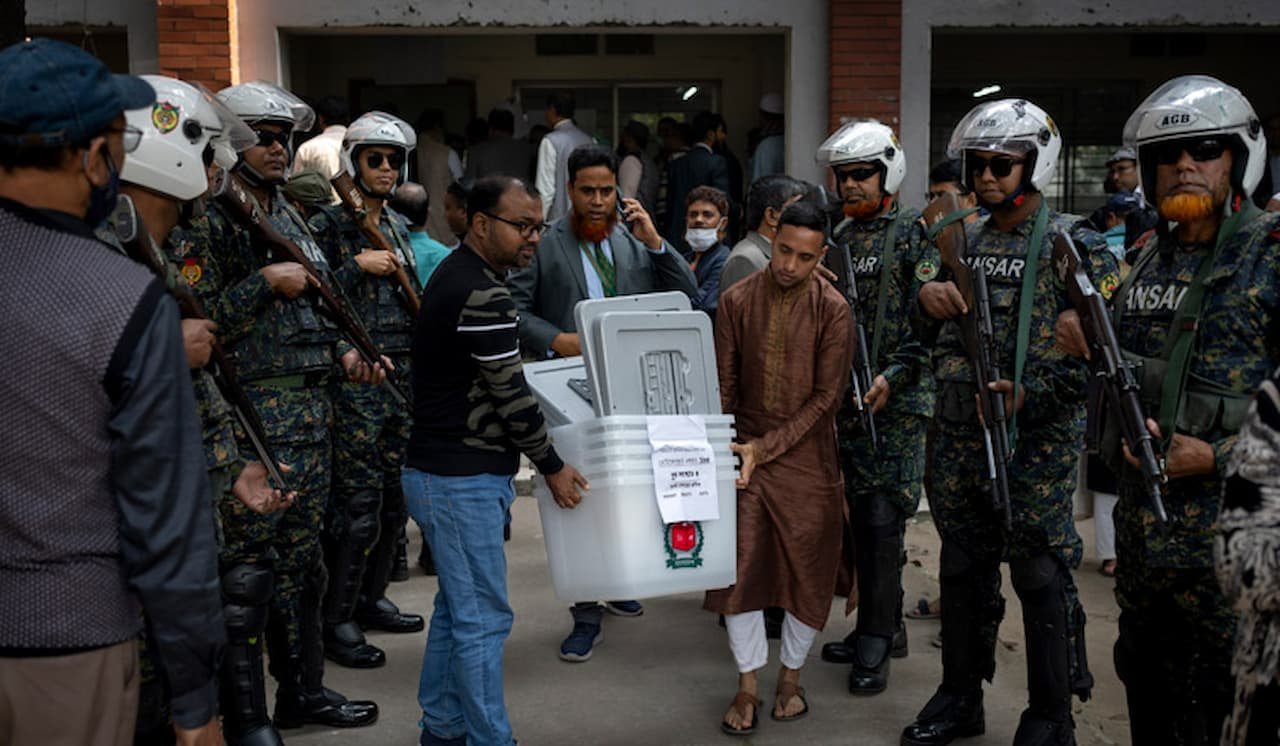
Bangladeshis on Sunday turned up in low numbers to cast their votes for the general elections likely to be won by Prime Minister Sheikh Hasina for a fourth straight term, amid pre-poll violence and a boycott by the main opposition party BNP and its allies.
The first four hours of voting in the 12th parliamentary election saw a voter turnout of 18.50 per cent, Election Commission Secretary Jahangir Alam said.
The polls opened at 8:00 am (local time). The voting will continue till 4 pm.
Voters cast their votes without any disruption in the absence of long queues, leaving presiding officers with idle time.
Voting has also been cancelled at three centres — one in Narsingdi and two in Narayanganj. The Election Commission ordered the arrest of Industries Minister Nurul Majid Mahmud Humayun’s son on charges of electoral fraud in Narsingdi, according to reports.
A total of 119.6 million registered voters are eligible to vote at Sunday’s polls in more than 42,000 polling stations, according to the country’s Election Commission.
The voting is being held in 299 out of the 300 constituencies. The election to one seat will be held later due to the death of a candidate.
More than 1,500 candidates from 27 political parties are contesting in the election, besides 436 independent candidates.
Over 100 foreign observers, including three from India, will monitor the 12th general election, which is being held under tight security.
More than 7.5 lakh members of law enforcement agencies and security forces have been deployed to ensure law and order during the polls.
The election commission said that it expected the results to start flowing from early on January 8.
Prime Minister Hasina cast her vote at Dhaka City College polling centre soon after the voting started. Her daughter Saima Wazed accompanied her.
Hasina, 76, has been in power since 2009 and her Awami League won the last election in December 2018.
She is set to secure a fourth consecutive term as prime minister and a fifth overall term in the one-sided election.
”Polling in the country is going on very well. I hope all the people will come to vote and establish their rights. Maintain the democratic flow in the country and work for the socio-economic development of people,” Hasina told reporters after casting her vote.
She alleged that the opposition Bangladesh Nationalist Party (BNP)-Jamaat-e-Islami alliance does not believe in democracy. ”People will vote as they wish. And we were able to create that voting environment. Although the BNP-Jamaat alliance has caused many incidents, including arson attacks,” she said.
In response to a question, Hasina told reporters that India is a “trusted friend” of Bangladesh.
”We are very lucky…India is our trusted friend. During our Liberation War, they supported us not only that after 1975, when we lost our whole family – father, mother, brothers, everyone (in a military coup) – and only we two (Hasina and her younger sister Rehana) survived… they gave us shelter. So, we have our best wishes to the people of India,” she told reporters.
In August 1975, Sheikh Mujibur Rahman, his wife and their three sons were assassinated in their home by military officers. His daughters Hasina and Rehana survived the purge as they were abroad.
In response to a question on how acceptable the election will be while the BNP is boycotting it, Hasina said that her responsibility is towards the people.
”Whether people accept this election or not it is important to me. So, I don’t care about their (foreign media) acceptance. No matter what did the terrorist party say or not?” she said.
Hasina’s ruling Awami League (AL) is expected to win the election as the BNP of former premier Khaleda Zia, 78, who is under house arrest as a convict of graft charges, boycotted the polls.
The BNP boycotted the 2014 election but joined the one in 2018.
The 27 political parties that are contesting the elections include the opposition Jatiya Party (JAPA). The rest are members of the ruling Awami League-led coalition, which experts dub as ”satellite parties.” The BNP is observing a 48-hour nationwide general strike which began at 6 am on Saturday and will end at 6 am on Monday. It has called upon voters to shun the election to mark the beginning of an end of what it calls a ”fascist government.” Ahead of the elections, Hasina’s government arrested tens of thousands of rival politicians and supporters, a move which rights groups have condemned as an attempt to paralyse the Opposition.
As part of its boycott campaign, the BNP has been calling countrywide general strikes. It has enforced intermittent transport blockades and strikes for the past three months.
The party has been claiming no election under the incumbent government would be fair and credible and pressing for a non-party neutral government and the release of all party leaders and activists from prison.
”If elections were held in a free and fair manner, then (PM Sheikh Hasina-led) Awami League would win just 20 to 30 seats,” BNP leader Nitai Roy Chowdhury said.
Fifteen other political parties are also boycotting the election that is being watched globally.
The boycott as well as fear of violence can keep a large number of voters away from voting.
”What’s the point of going to the polling centres when the election is nothing but a battle between two groups of the same party? We all know Awami League will win the race at the end of the day,” The Daily Star newspaper quoted Md Monir Hassan, a resident of Dhanmondi, as saying.
Monir also fears violence.
On Saturday, at least 14 polling stations in Bangladesh were set on fire, including one on the outskirts of the capital, Dhaka.
On Friday night, at least four people were killed and many others injured as arsonists set a running train on fire in Dhaka. Overall, nine people have lost their lives in eight incidents of arson on trains since November 16.
Additionally, at least five people have been killed in clashes and attacks on rival rallies since the official start of the election campaigns on December 18.
The ruling party has done everything it could to make the election look participatory and competitive. It allowed party leaders to join the polls in droves as ”independent” candidates. As a result, in every seat, two or more AL candidates are pitted against each other.
The AL also formed dedicated teams across the country to bring as many voters as possible to the polling centres to ensure high turnout in efforts to garner international support.
Former Election Commissioner Brig Gen (retd) Sakhawat Hussain termed Sunday’s polls a unique one compared to the previous two elections.
”This time the election is taking place between candidates from the same party in the name of independents and dummies. As a result, voters are less interested in the polls,” said Sakhawat.
He also said some parties that joined the race are not well-known, while some are facing existential crisis.
”So, it is a unique model election … Results of the election are certain, everybody knows who is going to win. The only uncertain thing is who will be in the opposition bench,” he added.
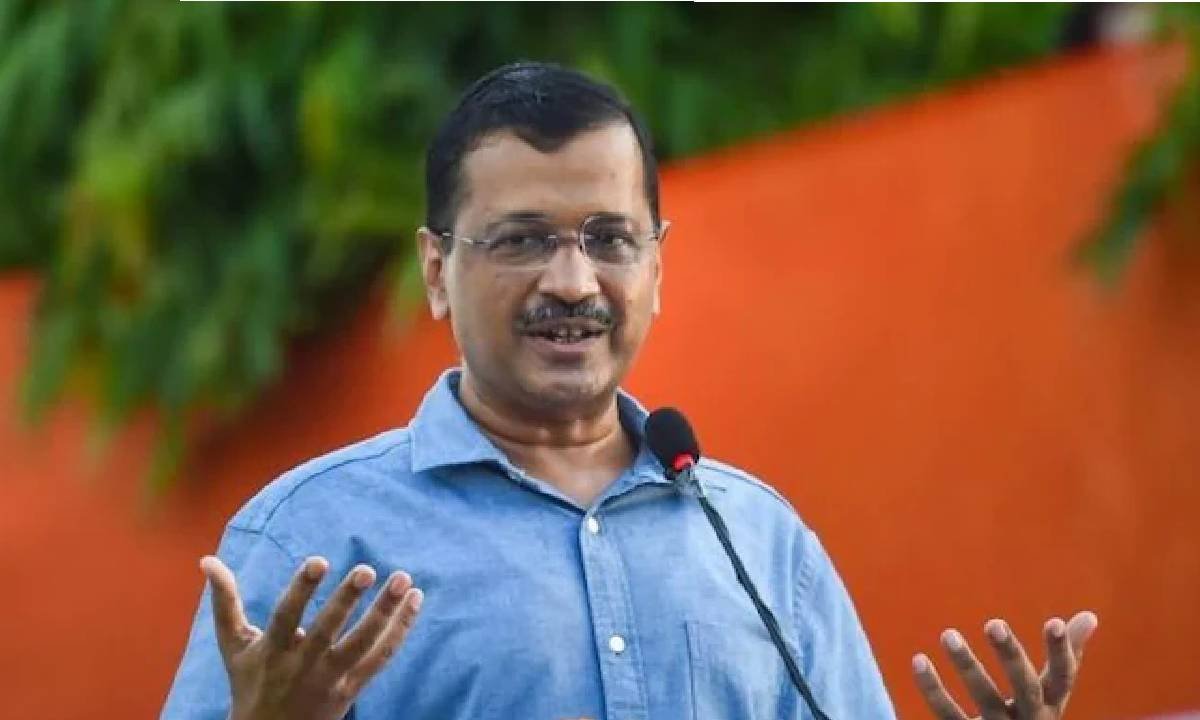
Chief Minister Arvind Kejriwal attributed the rise in per capita income in Delhi to innovation and forward-looking steps that have been taken under his leadership over the past nine years. A ‘Statistical Handbook-2023’ released on Saturday by the Economic and Statistics Department of the Kejriwal government said Delhi’s per capita income increased from Rs 389,529 to Rs 444,768, a 14 per cent yearly rise, and is 158 per cent higher than the national average per capita income.
“This is a huge increase in per capita income in any state in any single year. It has been achieved by the hard work of 2 cr Delhiites and Del govt working together day and night. Many innovative and forward-looking steps have been taken in last nine years,” Kejriwal wrote on X, attaching a newspaper report on the per capita income. “But much more needs to be done.” Using a much-quoted line from Robert Frost’s poem ‘Stopping by Woods on a Snowy Evening’, he wrote on X “Miles to go before I sleep…”
Coming back to the statistical handbook released by the Delhi government, it noted that the number of electricity consumers increased by nearly 2.8 lakhs and more than 1 lakh water connections were added in 2022-23. More than 3.41 crores of electricity no bill generated in 2022-23, it asserted.
Delhi’s planning yesterday said the Kejriwal government ensured uninterrupted power supply to the residents of Delhi, despite the continuous increase in electricity consumers and growing demand. Planning Minister Atishi further noted that despite facing various challenges in the year 2023, the commitment of the Kejriwal government remained focused on the welfare of the people of Delhi and the progress of Delhi. As a result, she said “new benchmarks” have been established in the field of public services.
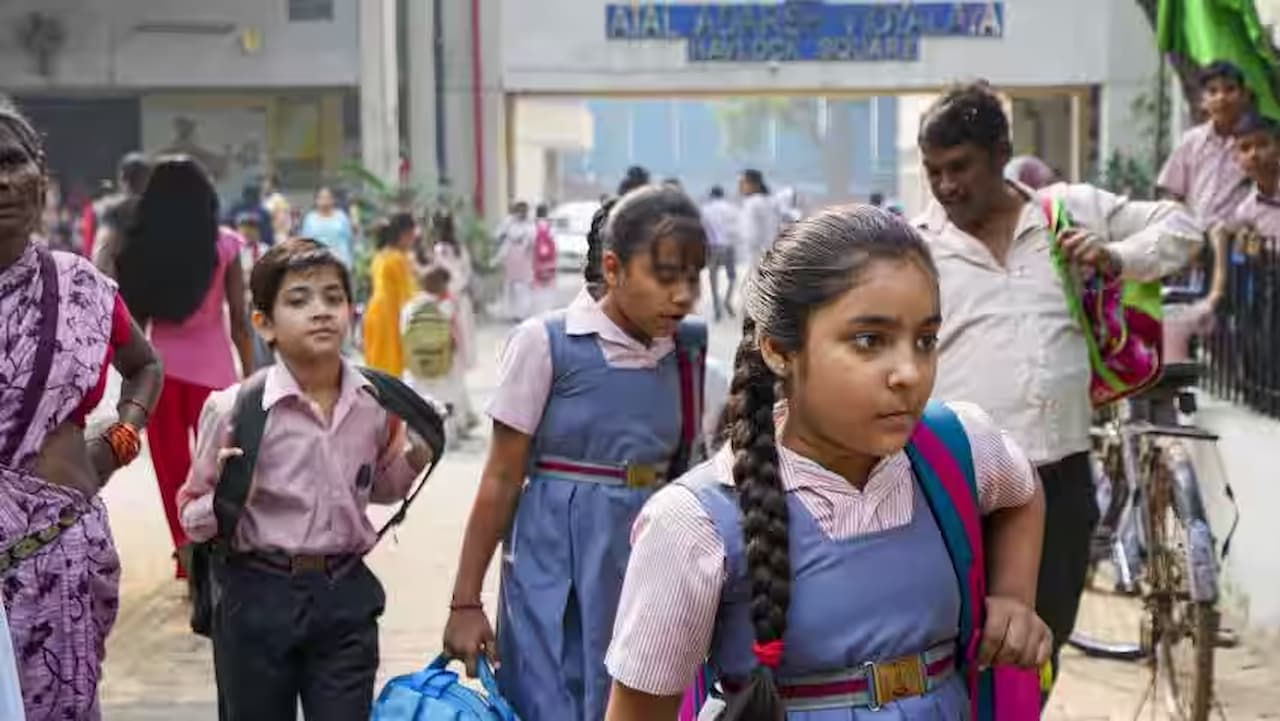
Delhi govt withdraws order extending winter vacations in schools 18
Hours after the issuance, the Delhi government retracted an order pertaining to the extension of winter vacation in schools within the national capital. The Department of Education clarified that the earlier order, which extended the winter break, was mistakenly issued. It has been immediately withdrawn, and a decision regarding the matter will be made tomorrow morning.
Delhi’s Directorate of Education said that further orders regarding winter break may be issued in due course. “Order No.DE.23(3)/Sch.Br./2024/18 dated: January 6, 2024, regarding extension of Winter Vacation stands withdrawn with immediate effect. Further orders in this regard may be issued in due course,” the updated order read.
The Delhi government, in the previous order, extended the winter break till January 10 in all the government-aided and unaided recognised private schools of the national capital territory (NCT) in light of ‘extreme cold waves and IMD’s yellow alert’. Meanwhile, due to persistent unavailability of sunlight, a cold day to severe cold day was witnessed in some parts of Delhi, East Rajasthan, northwest Rajasthan, Haryana and in isolated pockets over Punjab with maximum temperatures over North India’s plains ranging from 12-18 degrees Celsius.
The maximum temperatures recorded at various stations displayed a significant departure from the normal range for this time of year.