Special Session: Sonia Gandhi writes to PM Modi, raises 9 issues for discussion in Parliament 2
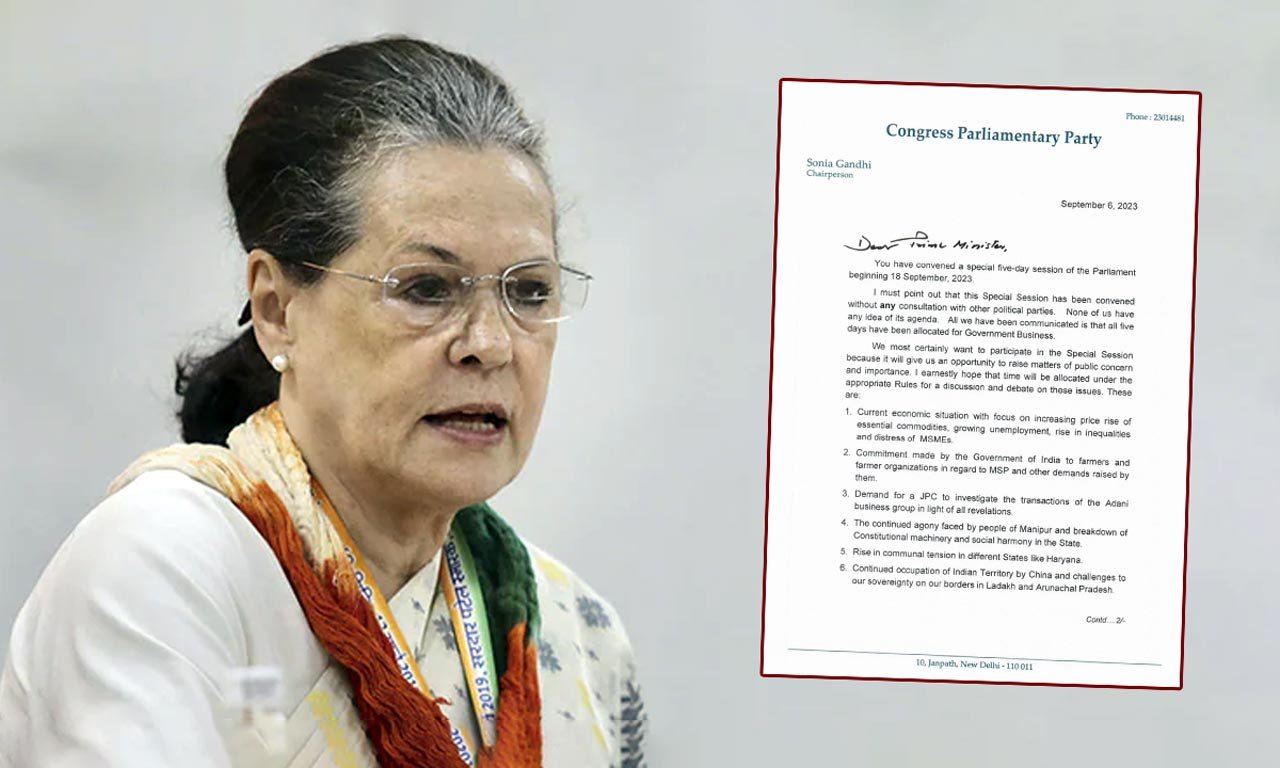
Congress leader Sonia Gandhi on Wednesday wrote to Prime Minister Narendra Modi, pointing out that no agenda has been listed for the special Parliament session and raising nine issues, including violence in Manipur, for discussion.
The issues listed by Gandhi included Centre-state relations, the rise in cases of communal tension, and border transgressions by China.
“I must point out that this special session has been convened without any consultation with other political parties. None of us have any idea of its agenda. All we have been communicated is that all five days have been allocated for government business,” Gandhi said in her letter.
“I earnestly hope that, in a spirit of constructive cooperation, these issues will be taken up in the forthcoming special session,” she said.
Here is the letter from CPP Chairperson Smt. Sonia Gandhi ji to PM Modi, addressing the issues that the party wishes to discuss in the upcoming special parliamentary session. pic.twitter.com/gFZnO9eISb
Addressing the media at the AICC headquarters, Congress general secretary Jairam Ramesh said this is the first time that no agenda has been discussed or listed in the business of the House.
“We want that the upcoming session is constructive, and this was decided at the meeting of the strategy group and during the meeting of INDIA parties,” Ramesh said.
“If there is no ‘shehnai’ of democracy in the mother of democracy, then what kind of democracy is this,” Ramesh asked.
He said the rules under which the discussion can take place can be discussed mutually. Ramesh also alleged that the prime minister is in “panic” and “tired”.
The special session of Parliament will be held from September 18 to 22.
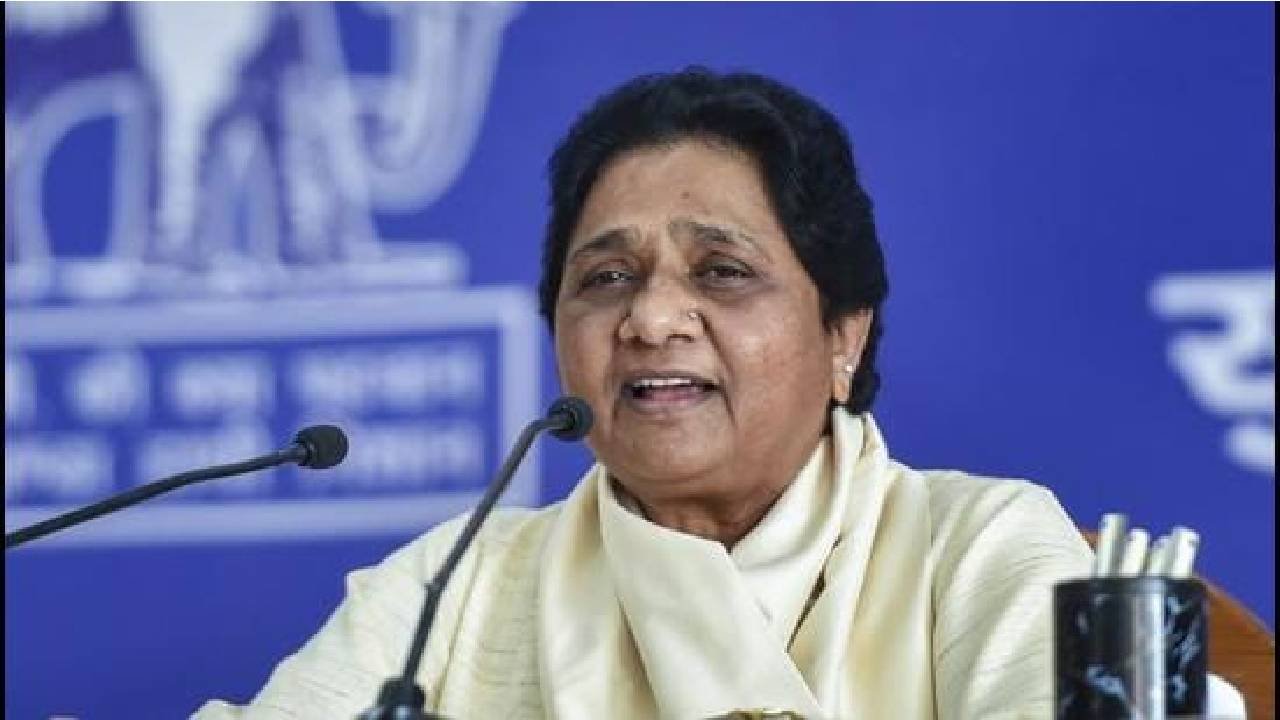
Bahujan Samaj Party supremo Mayawati on Wednesday urged the Supreme Court to take suo motu cognizance of the “shallow politics” being done on ‘Bharat’ and ‘INDIA’ and ban all political bodies carrying the country’s name.
Addressing a press conference here, Mayawati said, “Supreme Court should take suo motu cognizance of the shallow politics being done on ‘Bharat’ and ‘INDIA’ and ban all organisations, parties, and alliances formed in the name of the country.” The leader made the remark without clarifying whether she wanted a ban on bodies formed with ‘India’ or ‘Bharat’ in their names.
She also called the controversy a well-planned strategy and conspiracy of the BJP and the opposition to tamper with the constitution in the name of the country.
A G20 invitation bearing the phrase ‘President of Bharat’ widely shared on social media led to a storm of reactions on Tuesday, with the opposition claiming that the move betrayed the BJP’s fear of the INDIA bloc.
The ruling party countered the claim, asserting there was nothing wrong in using Bharat as it is part of the Constitution.
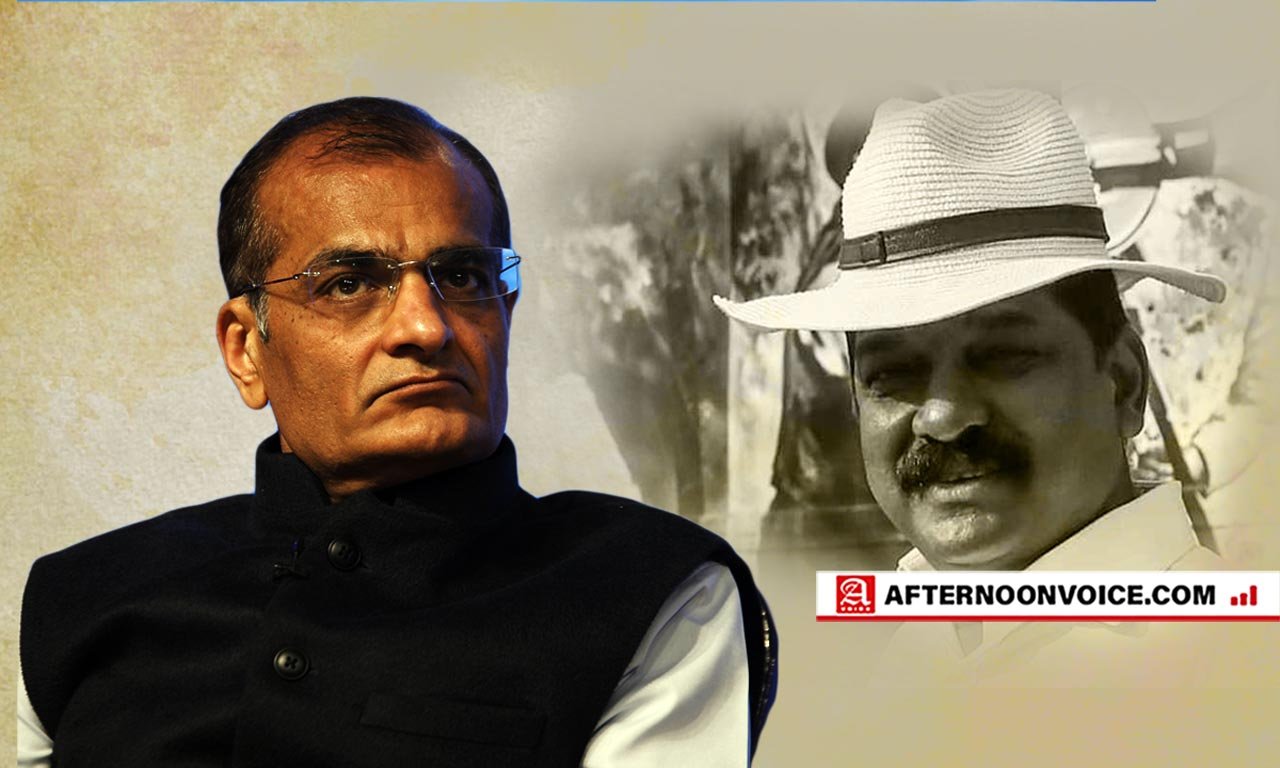
Why is Rashesh Shah the target in Nitin Desai's suicide case? 5
In 2020, Republic TV Editor-in-Chief Arnab Goswami was arrested by the Maharashtra Police after it reopened a 2018 case in which he was alleged to have abetted the suicide of 53-year-old architect Anvay Naik and his mother Kumud. The case came back into the spotlight in May 2020 when the Maharashtra Congress posted a video of Anvay Naik’s widow, Akshata, reiterating the allegation that Goswami abetted the suicides. This case was already closed by the court of law, but then the ruling party reopened the case to harass Arnab because he waged war against the Maha Vikas Aghadi government in those days. Arnab was humiliated, dragged, and threatened, but nothing was proven against him. He was purely a political victim.
Similarly, in the Sushant Singh Rajput suicide case, Arnab’s Republic Bharat harassed Bollywood actress Rhea Chakraborty in the name of aiding Sushant’s suicide. The agencies were also merciless toward her. Then came Disha Salian’s suicide; one minister of Maharashtra was accused of having links with this suicide case, and there were nonstop media debates and political statements that created unrest in Bollywood. In all the above cases, the innocent people had to face a lot of viciousness, jail arrest, and mental harassment, but nothing could be established against them. People forgot all those headlines that rocked the prime-time debates on all the mainstream news channels, and here comes another similar case of Edelweiss ARC and Edelweiss Group CEO Rashesh Shah.
Film director Nitin Desai had defaulted on a loan of Rs 180 crore, and a bankruptcy court had admitted an insolvency petition against his company. Desai’s company, ND Art World Pvt. Ltd., borrowed Rs 180 crore through two loans from ECL Finance in 2016 and 2018. Troubles with repayment began in January 2020, and since then, Desai has been facing financial anguish. The company from which Desai took the loan had taken the legal route to confiscate Desai’s property.
Notably, the NCLT (National Company Law Tribunal), Mumbai bench, in its July 25 judgment ordered “initiation of the Corporate Insolvency Resolution Process (CIRP)” against Nitin Desai’s company, ND’s Art World Private Limited. In the said order, the bench also appointed Jitender Kothari as the interim resolution professional to carry out the steps mentioned under the Insolvency and Bankruptcy Code, 2016. According to the NCLT order, the petition was originally filed by financial creditor CFM Asset Reconstruction Private Limited against corporate debtor ND’s Art World Private Limited for unresolved debt totaling Rs 252.48 crore. However, the debt was later assigned to M/s Edelweiss Asset Reconstruction Company Limited in 2020.
The order says that ND’s Art World approached ECL Finance Limited (ECLFL) for a loan to the maximum extent of Rs 150 crore, and the ECLFL granted a loan of Rs 150 crore in November 2016. It also states that along with the first loan agreement, various security documents securing the loan were also executed by the debtors, Nitin Desai, his wife Naina Desai, and KND Investments and Finance Private Limited.
Later in 2018, the company again approached the ECLFL for a loan of Rs 35 crore, and while the loan was sanctioned, the corporate debtor availed Rs 31 crore. The total loan, therefore, aggregated to Rs 181 crore. ND’s Art World was classified as SMA-2 in the books of the ECLFL on March 30, 2020, because of irregular and delayed payments of principal instalments. On March 31, 2021, the account was declared a NPA (non-performing asset) as the company defaulted on the entire outstanding amount. On March 31, 2022, the company defaulted on the payment of the second loan, amounting to Rs 33.24 crore.
On May 9, 2022, the company defaulted on the entire payment of the principal of the first loan, amounting to Rs 147.37 crore. The amount outstanding as of May 15, 2022 (in the case of both loans) aggregated to Rs 247.77 crore and was due and payable immediately. However, no payment was received from ND’s Art World despite this loan recall notice, and as of June 30, 2022, the total default amount stood at Rs 252.48 crore.
Special Mention Accounts (SMAs) are categorized by duration. While an account is categorized as SMA-1 when the overdue period is between 31 and 60 days, it is classified as SMA-2 when the overdue period is between 61 and 90 days. Several reports have stated that it was the gargantuan amount of debt that caused him to take the drastic step. Nitin Desai was given enough time to settle the loan, but he was trying for political intervention. Edelweiss ARC and Edelweiss Group CEO Rashesh Shah never spoke to Desai in person or texted anything. His associates were dealing with the matter, and the inside source said they never sent any text, voice message, or any sort of threat or pressure to Desai. They simply took legal action to recover the loan, following the guidelines of the reserve bank.
Soon after the suicide news went viral, Deputy Chief Minister Devendra Fadnavis assured the Assembly that Edelweiss ARC and Edelweiss Group, from which Desai had taken a loan, would be probed to know whether he was charged high interest and if he was under mental stress. The inquiry is underway. The announcement by Fadnavis came after Bandra West MLA Ashish Shelar demanded an inquiry into Desai’s death. From here, the owners and associates of Edelweiss ARC and Edelweiss Group started getting threatening phone calls, and there was tremendous pressure mounted on them to come to terms. Whereas the firm owners are already cooperating with the investigations. An FIR has been lodged against Rashesh Shah, and the matter is in court. I am sure the home department, under the able leadership of Devendra Fadnavis, will carry out a fair inquiry without making this case a scoop like Arnab, Riya, or the alleged accused in the Disha Salian suicide case during Maha Vikas Aghadi rule.
60 years old Rashesh Shah is an Indian businessman and the chairman and CEO of the Edelweiss Group, one of India’s leading diversified financial services conglomerates. He is also the co-founder of Edelweiss Financial Services Limited (EFSL). He also delivers many speeches, interviews, and lectures on topics related to financial markets, development, macroeconomic policies, and related matters. He is also deeply involved in EdelGive Foundation, Edelweiss’s philanthropy arm, which was set up in 2008 by his wife Vidya with the aim of providing expertise in the financial sector to the not-for-profit sector.
Manoj Jarange Patil: The man who called for Maratha protests 7
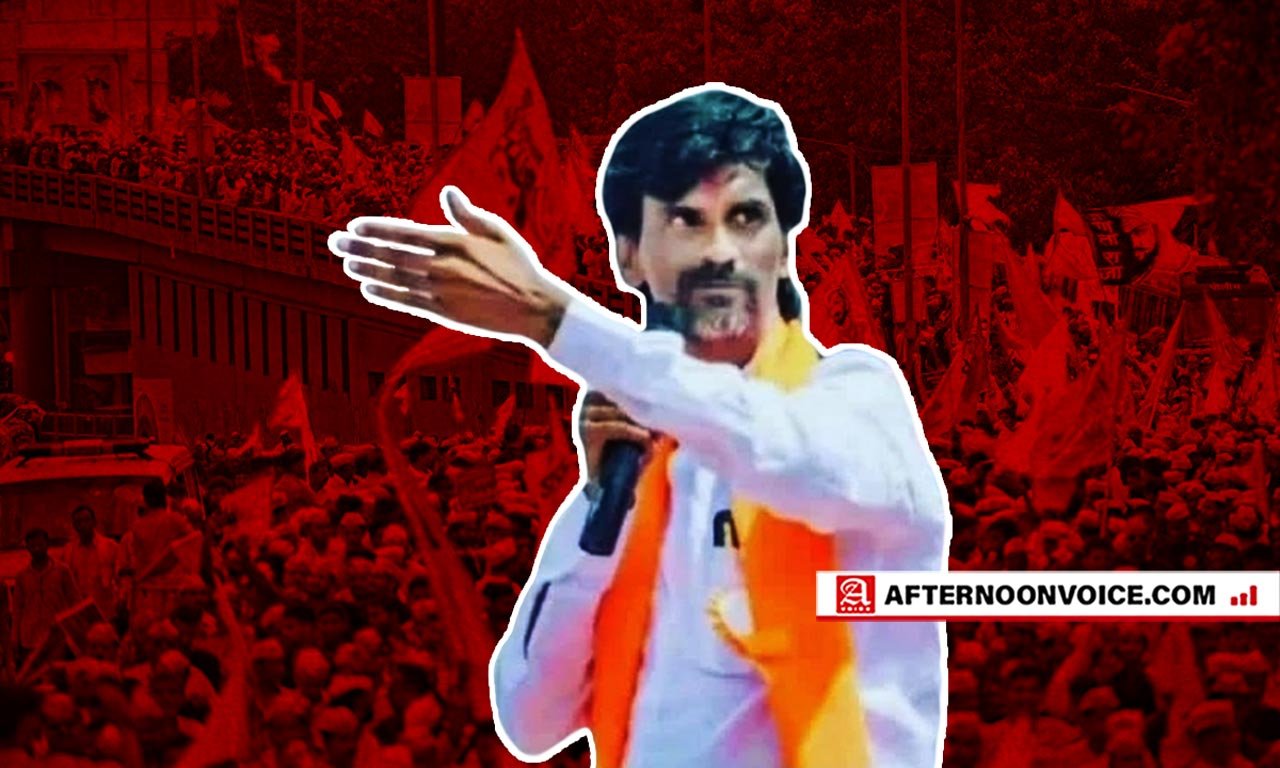
In the recent past, this man, Manoj Jarange Patil, who works in a small hotel, has hit the headlines for calling a Maratha protest. Patil started off as an activist for the Congress but subsequently broke off from the party to set up his own organization called Shivba Sanghatna that was meant for the empowerment of the Maratha community.
Since 2014, Patil has gone on countless agitations seeking reservations for the Maratha community, but those were not hyped or picked up by the media. Patil’s fresh hunger strike has, however, set off chaos in the state, sparking violence in parts of Maharashtra and anger within the Maratha community after Patil’s supporters and the Jalna Police clashed with each other. Patil hails from Beed, but now he has been shifted to Ambad in Jalna to make a living. Patil has since 2014 undertaken various hunger strikes and marches to push for reservation for the Maratha community. Most of his protests, however, did not find resonance beyond Jalna district.
Opposition party leaders accused Maharashtra Deputy Chief Minister Devendra Fadnavis of using “force” to lathi charge protestors, whereas Devendra unconditionally rendered an apology on behalf of his government and condemned the action that was not taken on his instructions. There have been numerous agitations from the Maratha community demanding reservation, but the police have never had to use force. The NCP and Congress are hell-bent on attacking Devendra in particular because their anger at Fadnavis for pulling them out of power has yet to subside.
The Marathas have been demanding reservation in government jobs and educational institutions for a long time. 32 years ago, the first protest was held by Mathadi Labour Union leader Annasaheb Patil in Mumbai. Since 1981, the Maratha reservation has become an integral part of politics in the state and a cause for mass dissent. In the past six decades, Maharashtra, which has always been politically dominated by Marathas, has failed to find a concrete solution to this burning problem.
Finally, in November 2018, the Maratha community was given reservation under the Maharashtra State Socially and Educationally Backward Act. The legislation proposed by the then-BJP-Sena government got unanimous support from the Congress and NCP. However, the reservation was challenged in the Bombay High Court. The court, while upholding the reservation, said that instead of 16 per cent, it should be reduced to 12 per cent in education and 13 per cent in jobs. Accordingly, the Act was implemented, with Maratha students availing themselves of the quota in educational institutions and jobs.
On September 9, 2020, the Maratha reservation was taken back as the Supreme Court stayed its implementation and referred the case to the Chief Justice of India for a larger bench. As a result, Marathas could not avail themselves of quota benefits, either in education or jobs, until the final verdict came out. But those who had been given the quota advantage till date remained the same, they are still enjoying those benefits. On May 5, 2021, the Supreme Court quashed the reservation. The Supreme Court struck down the provisions of a Maharashtra law providing reservation to the Maratha community, which took the total quota in the state above the 50 per cent ceiling set by the court in its 1992 Indra Sawhney (Mandal) judgment.
The judgment had come on a batch of pleas challenging the Bombay High Court verdict, which had upheld the grant of reservation to Marathas in admissions and government jobs in the state as per the provisions of the Maharashtra Socially and Educationally Backward Classes Act, 2018. Reservation implies a separate quota that is reserved for a special category of people. In India, reservation was introduced with the aim of progression and suitable illustration for Scheduled Castes, Scheduled Tribes, or any other socially and educationally backward classes of citizens or economically weaker sections.
The Indian Constitution contains provisions for the right to Equality in Articles 14 to 18. The Preamble of the Indian Constitution also provides for the right to equal status and opportunity for the citizens of India. The Right ensures equality before the law and equal protection of the law irrespective of race, religion, caste, place of birth, or gender of the citizens. Article 14 forms the foundation of Articles 16, 17, and 18 of the Indian Constitution.
In 1979, the Government set up the Mandal Commission to identify the socially and academically backward classes of India and advocate a reservation policy for them. Reservations under the Mandal Commission were challenged in court in Indra Sawhney v. Union of India, 1992 Supp (3) SCC 217, wherein a 9-judge bench of the Supreme Court upheld the 50% ceiling, denied reservations in promotions, and laid down indicators to ascertain backwardness. Further, the Court overruled Akhil Bharatiya Soshit Karamchari Sangh (Railway) v. Union of India, (1981) 1 SCC 246, wherein it was held that reservations in appointments or posts under Article 16(4) included promotions. However, the Parliament, through the Constitution (Seventy-Seventh Amendment) Act, 1995, and the Constitution (Eighty-First Amendment) Act, 2000, inserted Articles 16 (4-A) (Reservation in matters of promotion with consequential seniority) and 16 (4-B) (Carry Forward Rule), respectively.
In 2019, Parliament passed the Constitution (One Hundred and Third Amendment) Act, which does not mandate but enables 10% of reservations for economically weaker sections, in addition to the existing reservations. Reservation to SCs, STs, and OBCs in cases of direct recruitment on an all-India basis by open competition is given at the rates of 15%, 7.5%, and 27%, respectively. Otherwise, open competition reservations for SCs, STs, and OBC are 16.66%, 7.5%, and 25.84%, respectively. Reservation in promotion by non-selection method is available to SCs and STs in all groups of services.
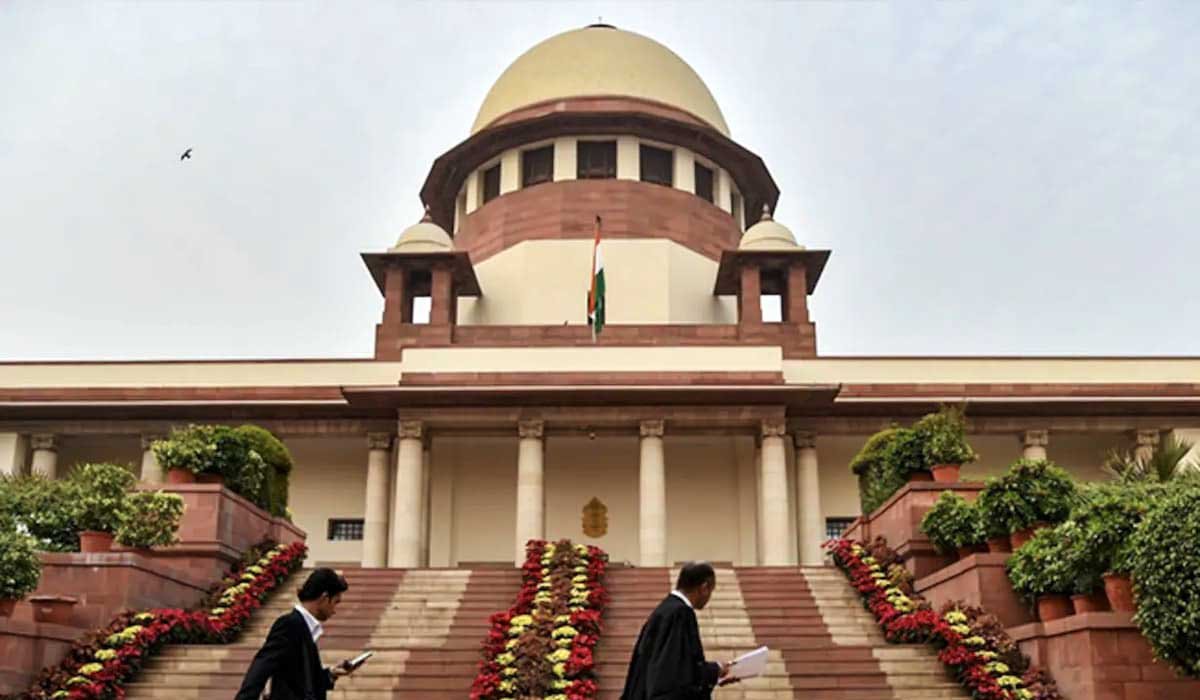
Aggravating & mitigating circumstances of case are to be considered while imposing sentence: Supreme Court 9
India does not have a statutory sentencing policy in place, and it is a well-established principle that aggravating and mitigating circumstances of a case are to be taken into consideration while imposing a sentence, the Supreme Court has said.
While dealing with an appeal filed by a convict challenging the April 2019 verdict of the Allahabad High Court, which had upheld the five-year sentence awarded to him in the 1984 attempt to murder case, the apex court reduced his sentence to three years.
A bench of Justices A S Oka and Sanjay Karol noted that no criminal antecedents of appellant Pramod Kumar Mishra have been brought on record, and it cannot be said that he acted in any premeditated manner whatsoever.
”India, till date, does not have a statutory sentencing policy in place. This court, however, has proceeded to examine the objective behind sentencing and the factors to be kept in mind while imposing such punishments,” the bench said in its verdict delivered on Monday.
”It is a well-established principle that while imposing a sentence, the aggravating and mitigating circumstances of a case are to be taken into consideration,” it said.
Referring to the case, the bench said 39 years have passed since the date of the offense, and two co-accused were acquitted by the trial court.
”Therefore, in the interest of justice and in consideration of the abovementioned mitigating factors, this court reduces the sentence imposed on the appellant-accused from five years of rigorous imprisonment to three years of rigorous imprisonment,” the top court said.
While partly allowing the appeal, it said the appellant shall pay a fine of Rs 50,000 within six weeks, which will be paid to the complainant by way of compensation.
The bench noted the appeal arises from the high court verdict, which confirmed the March 1987 judgment of the trial court convicting Mishra for the offense of attempt to murder under the Indian Penal Code and sentencing him to five years of rigorous imprisonment. According to the prosecution, an FIR was lodged in August 1984 on the allegation that three people, including Mishra, had attacked a man who resisted their attempt to destroy his crop. The apex court noted in its verdict that a charge sheet was filed against three accused.
During the trial, Mishra denied having committed the offense and claimed the case was registered against him because of old enmity.
”Having regard to the submissions made by the counsel appearing for the parties and the findings of the courts below, it can be seen that 39 years have passed since the date of the offense and both the other accused persons have come to be acquitted,” the bench said. It directed the appellant to serve the remaining period of his sentence.
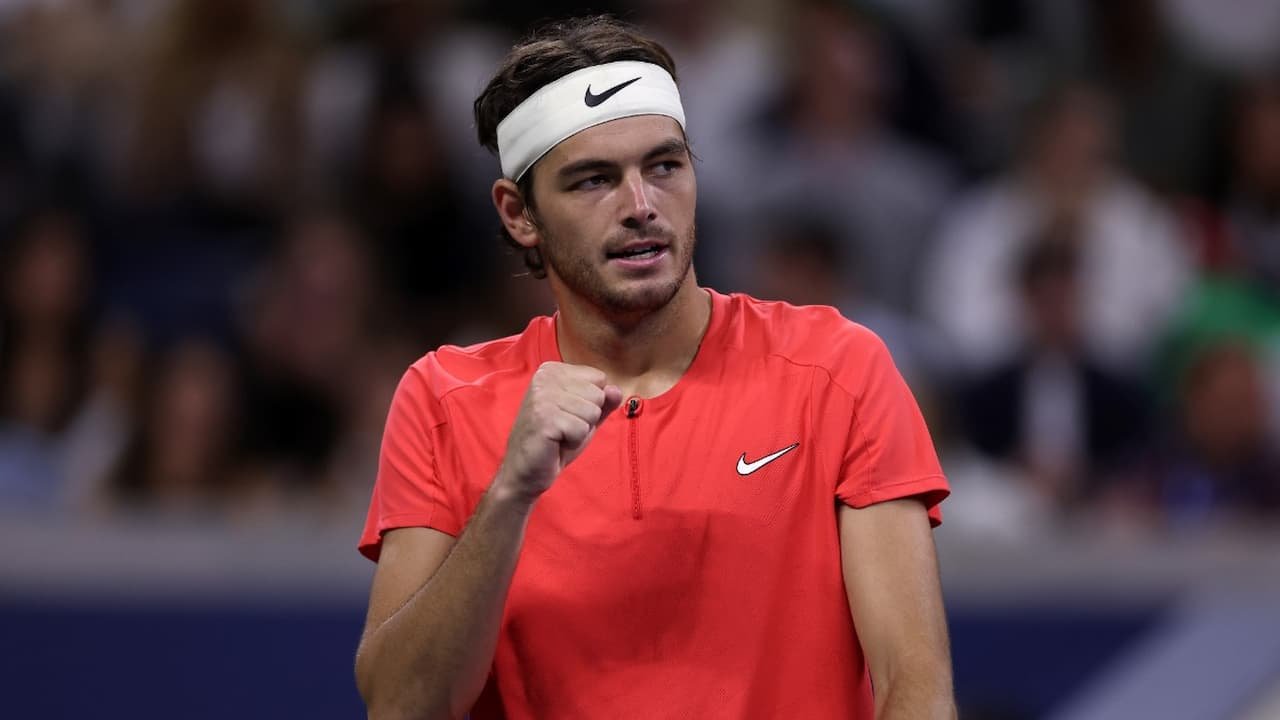
Taylor Fritz, Frances Tiafoe and Ben Shelton are putting the 'US' in the US Open 11
Novak Djokovic gets why male tennis players from the United States are expected to win Grand Slam titles today, the way they did when Pete Sampras, Andre Agassi, John McEnroe, and Jimmy Connors were around. And he gets—that’s not to say he agrees with—why anything less is not really acceptable to the country’s fans.
“Of course, when you are used to champions and No. 1s in the world, Grand Slam winners, anything except that is not a success, right?” Djokovic said. “It’s a very high standard and criteria for these guys to meet, that you had players that were in the Top 10, like John Isner, after Andy Roddick. If Isner didn’t win a Slam, people would think it’s kind of a failed career, which I don’t agree with. But again, I understand, because America is such a big country in tennis.”
Djokovic, a 36-year-old from Serbia with 23 Grand Slam titles, is going to need to beat two men from the host country at the U.S. Open if he is to play in what would be his 10th final at Flushing Meadows next Sunday. That’s because he’ll face No. 9 seed Taylor Fritz in the quarterfinals on Tuesday, while No. 10 Frances Tiafoe meets unseeded Ben Shelton in the other matchup on the bottom half of the bracket.
Fritz, Tiafoe, and Shelton give the United States three American men in the final eight at the U.S. Open since 2005, when Andy Roddick, James Blake, and Robby Ginepri did it.
Roddick’s title at the 2003 U.S. Open was the last major singles championship for an American man.
While Fritz was in the locker room Sunday, waiting to take the court for his fourth-round match, he kept tabs on TV while Tiafoe—a semifinalist in New York a year ago—and Shelton were picking up their victories.
“It motivated me more,” Fritz said, “because I didn’t want to be the one to not make it.” Fritz is a 25-year-old from California, Tiafoe is a 25-year-old from Maryland; and Shelton is a 20-year-old who won the 2022 NCAA title for the University of Florida.
“It’s a really cool opportunity for American tennis. This is what you guys always talk to us about: Who’s going to be the next Grand Slam champion? Who’s going to do it?’” Shelton said this at a news conference after eliminating yet another American, Tommy Paul.
“I always have the same reply: American tennis is going in a great direction, and I don’t know who’s going to be the next to get a Slam, be the next Andy Roddick,’ but I know we’re all on our own path and we’re all doing things our own way and improving year to year,” Shelton said. “I can see it in these guys. Hopefully see the same kind of trend with myself.”
The country’s women have enjoyed far more success over the past two decades, thanks largely to the Williams sisters, but there have also been recent major trophies earned by Sloane Stephens and Sofia Kenin. Two U.S. women reached the quarterfinals this time: Coco Gauff, a finalist at the 2022 French Open, and Madison Keys, who made it that far at the 2017 U.S. Open.
That was the last year there were a total of five players from the U.S. in the quarterfinals in New York, and back then, four of those five were women (who all reached the semifinals).
“It’s just really exciting tennis for America,” said Gauff, who plays Jelena Ostapenko on Tuesday for a semifinal berth. “I hope that the fans are excited.”
Shah: Congress focuses on minority appeasement, Modi govt on welfare of tribals, Dalits and poor 13
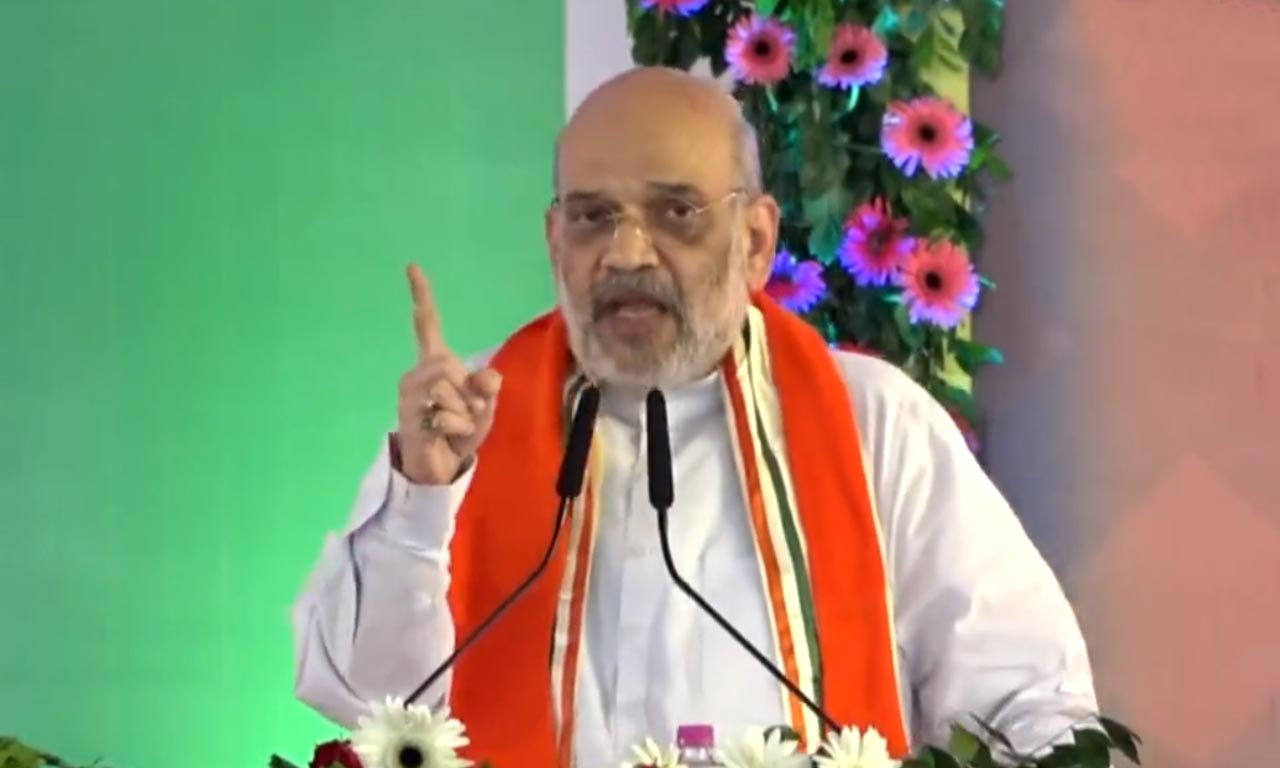
Union Home Minister Amit Shah on Tuesday accused the Congress of resorting to “minority appeasement” and said the BJP government led by Prime Minister Narendra Modi in contrast focuses on the welfare of tribals, Dalits, the poor and backward classes.
Shah also expressed confidence that his party will win more than 150 seats in the Madhya Pradesh assembly elections, which are due in November this year.
He was addressing a public rally during a function organised to flag off the BJP’s ‘Jan Ashirwad Yatra’, a mass-contact programme, in Mandla of Mahakaushal region.
Quoting former PM Manmohan Singh’s statement that minorities must have the first claim on resources, Shah said the Congress was too much into “appeasement of minorities” but the situation changed when Modi became the PM in 2014.
After becoming PM, Modi said that his government would work for the welfare of tribals, Dalits, the poor and backward classes who have the right to resources, Shah said.
“Now, you have to choose between these two ideologies,” said the Union minister.
Shah said that during 9 years of the BJP rule, the Modi government at the Centre has worked for these sections.
The budget for tribal welfare has been increased to Rs 1.19 lakh crore by the Modi government from Rs 24,000 crore during the Manmohan Singh government, he said.
The BJP is taking out ‘Jan Ashirwad Yatras’ from five different places in MP. These programmes will culminate on September 25 in Bhopal with a ‘Karyakarta Mahakumbh’. PM Modi is expected to address BJP workers in the state capital that day, party functionaries said earlier.
Following his Mandla engagement on Tuesday, Shah will head for Sheopur in the Gwalior-Chambal region where too he will address a public rally after inaugurating another ‘Jan Ashirwad Yatra’, according to a party spokesperson.
BRS leader K Kavitha writes to 47 parties urging passage of women quota bill in upcoming Parliament session 15
BRS leader K Kavitha on Tuesday made an appeal to 47 political parties, including the BJP and Congress, urging them to unite and pass the long-awaited Women Quota Bill in the upcoming special session of Parliament.
In a letter addressed to the leaders separately, she called upon them to set aside political differences and prioritize the passage of the bill, saying increased women’s representation is not a matter of exclusivity but a means to build a more equitable and balanced political landscape.
Kavitha, who is an MLC in Telangana and daughter of Chief Minister K Chandrasekhar Rao, underscored the pivotal role women play in Indian political discourse and the pressing need for their representation in legislative bodies.
In her letter, she highlighted the proof of concept provided by the 14 lakh women already active in public life, demonstrating their ability to lead and govern effectively.
Kavitha has been a prominent voice in raising the demand for the Women’s Reservation Bill.
She sat on a hunger strike earlier in March, demanding the tabling and passing of the bill, and has been engaging with political parties and civil society organizations across India to escalate the demand for legislation on it.
The special Parliament session will be convened from September 18 to 22.
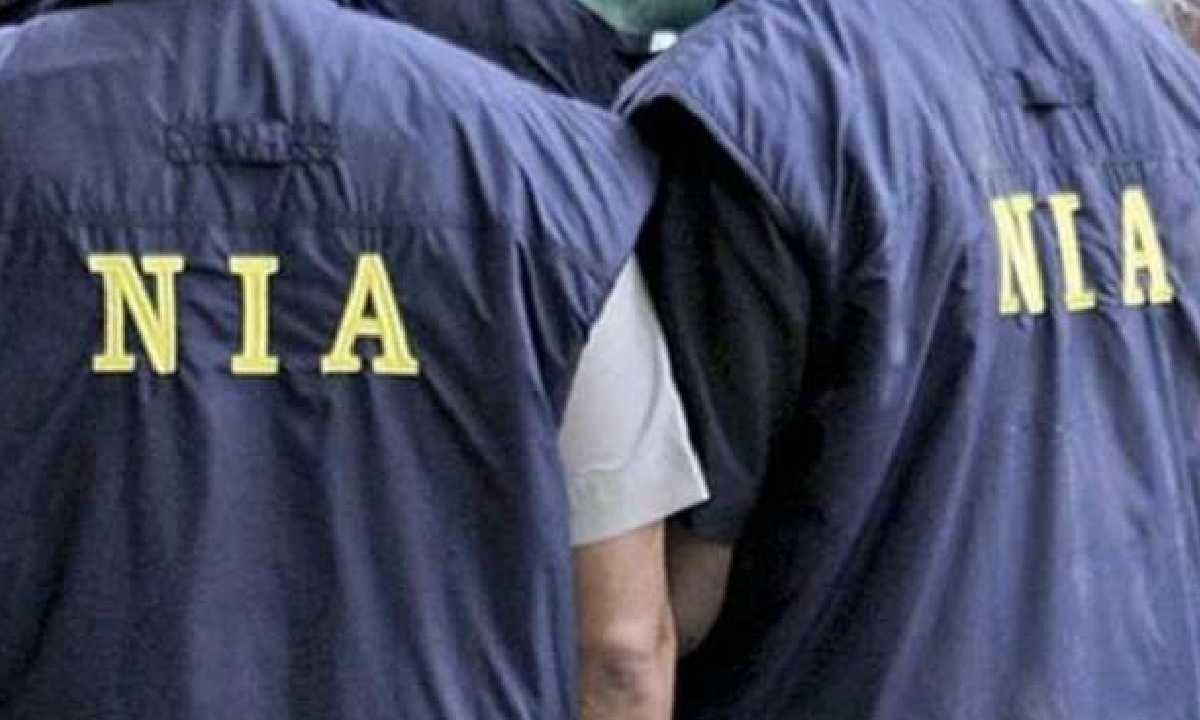
National Investigation Agency | Image : Representative/ PTI
The National Investigation Agency (NIA) conducted searches on Tuesday at eight locations in five districts of Uttar Pradesh in connection with its ongoing probe into a Naxal case. The raids are going on in Prayagraj, Varanasi, Chandauli, Azamgarh, and Deoria districts of Uttar Pradesh.
As per official sources in the anti-terror agency, the raids were conducted early on Tuesday “in connection with NIA Case No. RC-01/2023/NIA/LKW revival of NRB of CPI (Maoist) case”. Multiple NIA teams carried out searches simultaneously at all eight locations, which are the residential and office premises of the suspects.
Coinciding with the coordinated operations launched against the Maoists in all the Left Wing Extremist affected States in the country, this NIA’s operation in close coordination with the Uttar Pradesh Police is yet another blow to the rebels.
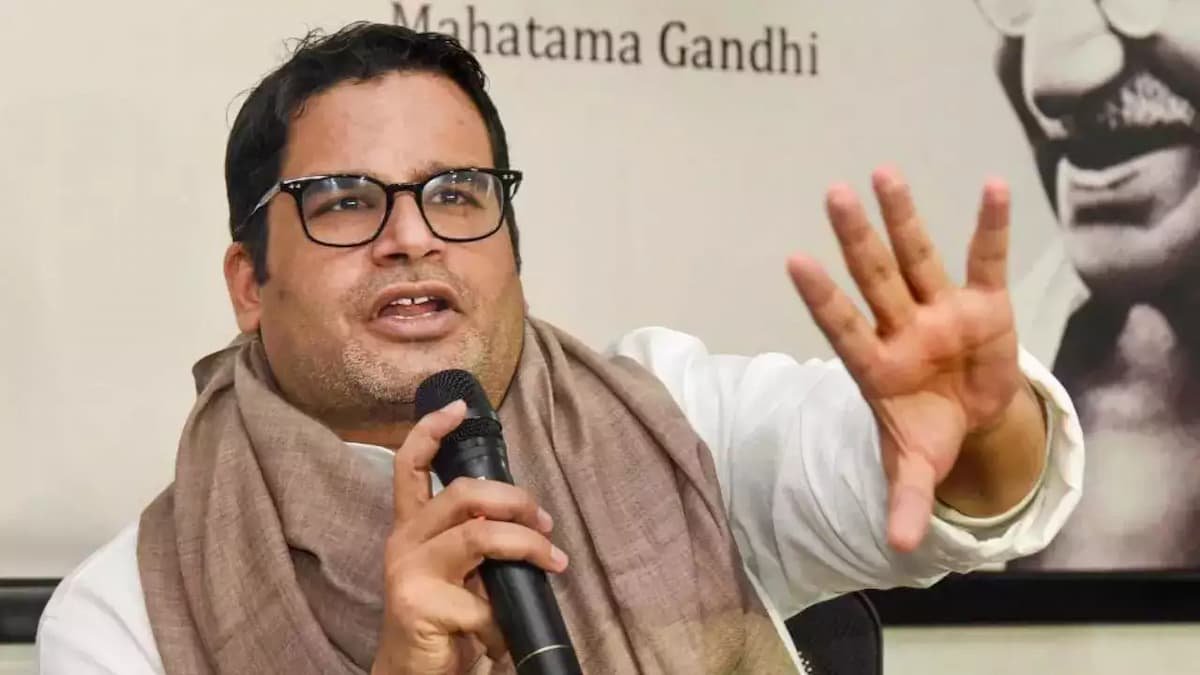
Prashant Kishor says, "One Nation, One Election if done with correct intentions then it's in interest of country" 18
As the country is heading towards General elections next year, political analyst Prashant Kishor said on Monday that if ‘One Nation, One Election’ is done with the correct intentions, then it is in the interest of the country.
“If this is done with the correct intentions and there is a transition phase of 4-5 years, then it is in the interest of the country. This was once in effect in the country for 17-18 years. This was once in effect in the country for 17-18 years,” Kishor said.
“Secondly, in a country as large as India, around 25 per cent of the country votes every year. So, the people running the government remain busy in this circle of election. If this is limited to 1-2 times, it will be better. This will cut down expenses and people will have to make a decision only once,” he added.
He further said that if the government tries to attempt an overnight transition then there will be issues.
“If you attempt an overnight transition, there will be issues. The government is perhaps bringing a Bill. Let it come. If the government has good intentions, then it should happen and it will be good for the country…But it depends on the intentions with which the government is bringing it,” he added.
The centre on September 1, constituted a committee headed by former President Ram Nath Kovind to explore the possibility of ‘One Nation, One Election’ which envisages the holding of general election and state Assembly elections simultaneously.