Home Blog Page 247

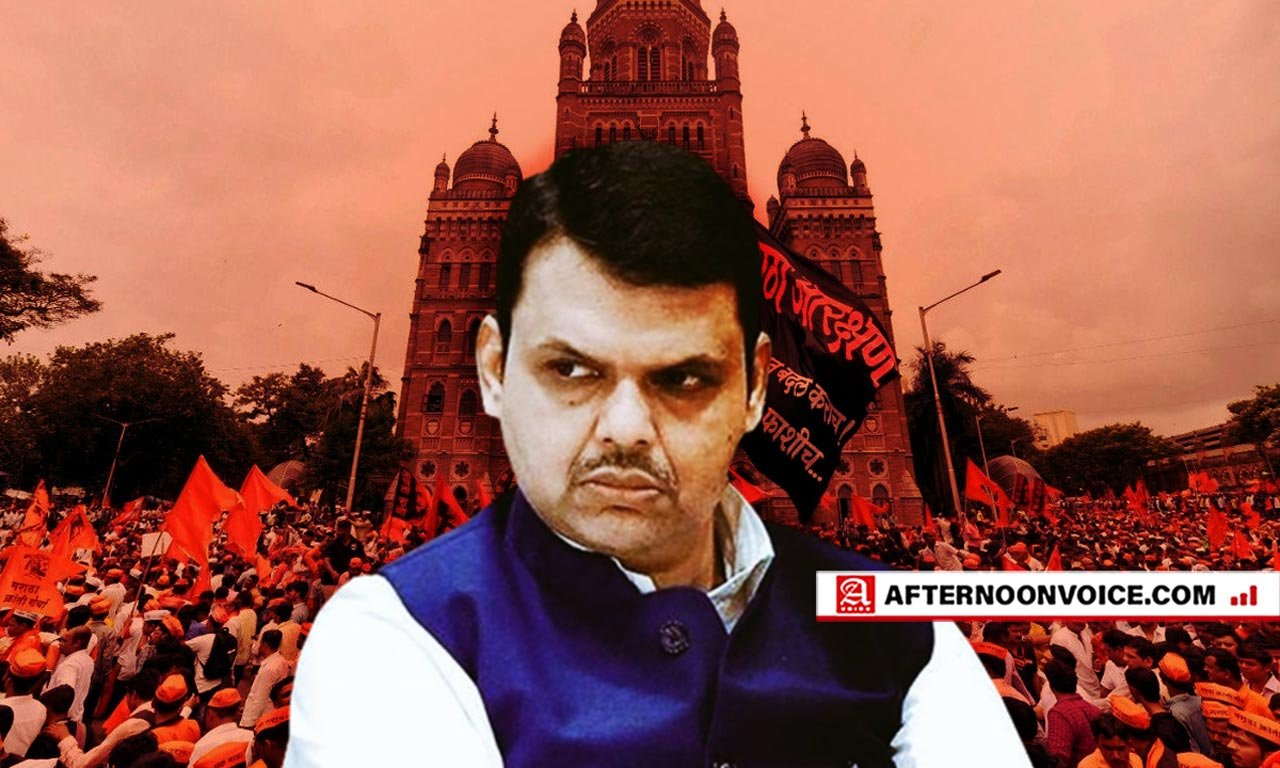
Maratha reservation: Why Devendra Fadnavis to be blamed?

maratha kranti morcha, kranti, maratha, reservation, devendra fadnavis, fadnavis, bjp, eknath shinde, farmers, protest, jalna, jalna vioilence
Maratha reservation: Why Devendra Fadnavis to be blamed? 2

In 2018, the Devendra Fadnavis-led government in Maharashtra had given reservation to the Maratha community in jobs and higher education; however, the Maharashtra government’s decision on quota was quashed by the Supreme Court in May 2021. A 5-judge bench of the Supreme Court in May 2021 said that the Maratha community was not socially and educationally backward. It also refused a review petition in April 2023, declaring that the law that granted quotas was unconstitutional. Now, Devendra Fadnavis is Deputy CM and is successfully running the coalition government. The opposition is lashing out at Fadnavis for the lathicharge and teargas firing on protestors. Whereas the officers of higher rank take such decisions to control the mob violence.

Violence broke out on Friday after protesters clashed with the police and allegedly pelted stones at them, leading to lathicharge and the use of tear gas. Around 20 protesters and 37 police officers were injured during the clash. Over the last few days, hundreds of protesters, led by Manoj Jarange, a local Maratha leader, have been on a hunger strike, demanding a reservation. At least seven FIRs have so far been registered by the police against the protesters on charges such as assault on policemen, rioting, and damage to public and private property. Soon after the clashes, opposition leaders reached Jalna and started attacking Devendra by calling him a brahman leader. The venomous WhatsApp messages were made to create anger against this leader in the name of his cast. Without getting bothered by the attacks, Devendra took control of the present situation.

In the meantime, Maharashtra Chief Minister Shinde told the protesters that they are committed to providing reservation to the Maratha community in education and government jobs. Shinde also said that there was no misunderstanding between him and the two deputy chief ministers in the state and that all of them were working as a good team. Until the Maratha community gets reservation, the government schemes that are already in place will continue, and deserving people from the Maratha community will benefit from them.

In 1997, Maratha Sangh and Maratha Seva Sangh organized the first major Maratha agitation for reservation in government jobs and educational institutions. The protestors said that the Marathas were not upper caste but essentially Kunbis (members of the agrarian community). After a prolonged struggle, the Maharashtra legislature passed a bill proposing a 16% reservation in education and government jobs for the Maratha community. The bill declared Marathas a socially and educationally backward class by the government.

The real Marathas or Marathas constituted 5 percent in Marathwada, 7 percent in Western Maharashtra, North Maharashtra, and Konkan, and 0.13 percent in Vidarbha of the state’s Marathi speakers as per the 1901 census. There was a movement in the 1920s when some agrarian groups who tilled the land sub-let to them by the Maratha Landowners were mobilized into the Maratha identity by the Maratha politicians for Vote Bank. Which makes the Marathas of today a cluster of castes (of somewhat unrelated castes of different social and economic standings). Most of this neo-Maratha agrarian population got the land they tilled registered on their names as per the land ceiling act (famously called the Kula Kayada in Marathi), thus achieving their total Maratha-status.

This was unfortunate because the agrarian groups that deserved reservation long ago were ignored as they had taken up the new Maratha identity. But now, with the division of land (which they had gotten due to Kula Kayada), these groups seek reservation, for which they are even ready to revert back to their original caste identity. The Maratha Proper caste, on the other hand, is relatively well off and hasn’t shown much interest in the reservation movement. Asking for reservations can be a constitutional right, but using Shivaji Maharaj’s name and Maratha identity for that is utterly unacceptable. The Maratha reservation is a hard sell, both legally and politically. Article 15 (4) reads: Nothing in this article or in clause (2) of Article 29 shall prevent the State from making any special provision for the advancement of any socially and educationally backward classes of citizens or for the Scheduled Castes and the Scheduled Tribes.

article 15 (5) reads: Nothing in this article or in sub-clause (g) of clause (1) of article 19 shall prevent the State from making any special provision, by law, for the advancement of any socially and educationally backward classes of citizens or for the Scheduled Castes or the Scheduled Tribes in so far as such special provisions relate to their admission to educational institutions, including private educational institutions, whether aided or unaided by the State, other than the minority educational institutions referred to in clause (1) of article 30.] Article 16 (4) reads: Nothing in this article shall prevent the State from making any provision for the reservation of appointments or posts in favor of any backward class of citizens that, in the opinion of the State, is not adequately represented in the services under the State.

From the above reading, it should be clear that currently, the constitutional provision of reservation is only for (i) any socially and educationally backward classes of citizens (Art. 15 for access to educational institutions and advancement in other areas). (ii) any backward class of citizens that, in the opinion of the State, is not adequately represented in the services under the State. The problem is that it’s difficult to establish that Marathas are socially and educationally backward. In 2003–2004, the National Commission for Backward Classes rejected the demand for including the Maratha community in the Other Backward Class (OBC) category. The Maharashtra State Backward Class Commission held in 2008 that “Marathas are both economically and politically a forward caste. They never faced social stigma to invite backward-class status.”

So, weighing these reports, no reservation can be given to marathas in educational institutions (art. 15), and similarly, marathas are adequately represented in the services under the state; therefore, no reservation can follow in matters of public employment (art. 16). The only solution is amendments to articles or new data to check the real deprived ratio.
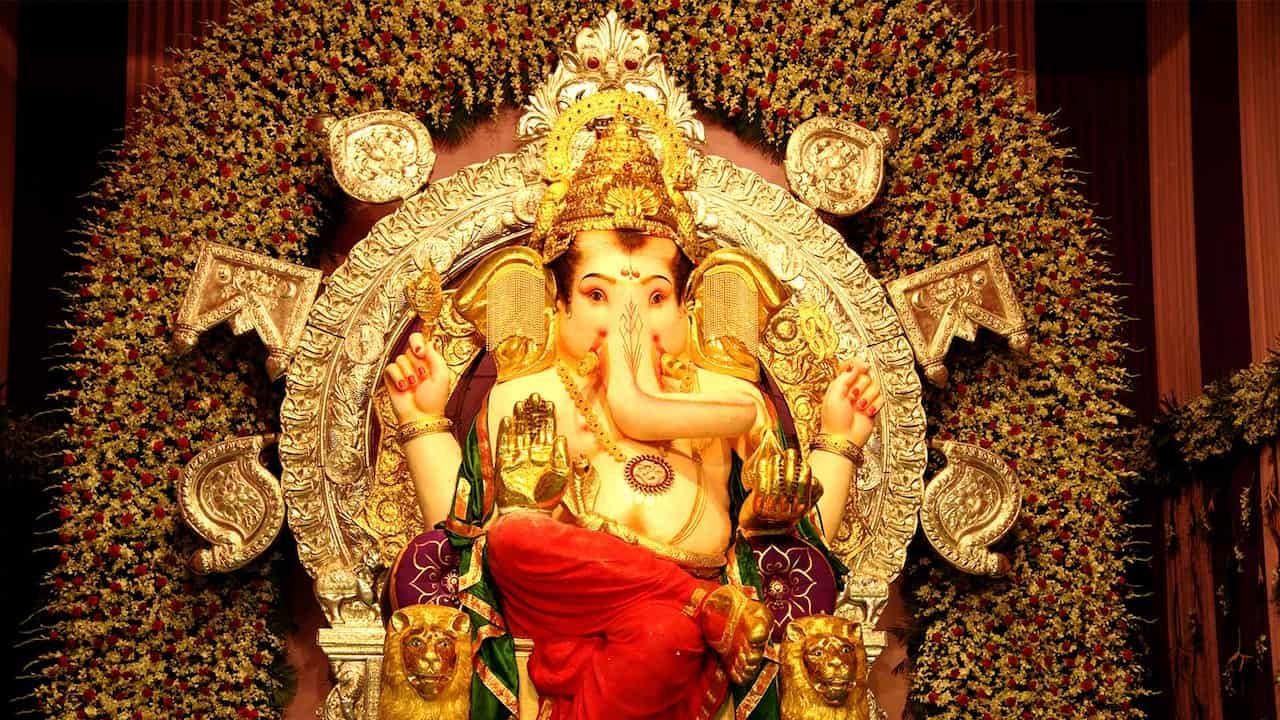
GSB Seva Mandal’s MahaGanapati has taken insurance cover of whopping Rs 360.40 crore

gsb, ganpati, seva mandal, gsb ganpati, ganpati, insurance, ganeshotsav
GSB Seva Mandal's MahaGanapati has taken insurance cover of whopping Rs 360.40 crore 4

We all need insurance on our financial assets today. It doesn’t matter if we have colossal wealth or not. In other words, no one can predict what the future holds for us, but the least we can do is secure ourselves to prevent financial losses. That’s where insurance coverage comes in. This is festival season, and most seek protection and ask Ganapati to keep us secured. We ask him to protect our wealth and let every good thing happen to us.

This year, Bappa also got an insurance policy to secure his assets, jewelry, and funds. GSB Seva Mandal’s MahaGanapati is known as India’s Richest Lord Ganesha Idol at King’s Circle, Mumbai. Also popularly known as Navsala Pavnara Vishwacha Raja (wish-fulfilling Ganesh) by his devotees due to his countless miracles and infinite divine blessings on his devotees all over the world, his pandal committee people relied more on insurance companies than Ganesha himself.

Amit D. Pai, Spokesperson and Trustee of GSB Seva Mandal, told Afternoon Voice, “As the day is nearing for the Ganeshotsav celebrations, many other preparations are racing. Insurance coverage is a critical component of preparation. Previous year, in 2022, we had taken an insurance cover of a record Rs 316.40 crore. This year it’s Rs 360.40 crores.”

India’s Richest MahaGanapati is decorated with 66+ kg of Gold Ornaments, 295+ kg of Silver and other precious items which are usually donated by the Devotees or Sevedars

This year we at GSB Seva Mandal are celebrating the 69th Year of Lord MahaGanapati’s arrival on Virat Darshan Day (The first look unveiling event) on September 17, 2023, while Ganeshotsav begins on September 19, 2023, and ends on September 23, 2023. On average, around 60,000 poojas or sevas are offered to Lord MahaGanapati by the Devotees or Sevedars at their pendol. More than 20,000 people take advantage of Annadaan Seva, basically the Prasad Bhojan served on Banana Leaf.

They also take utmost care of the environmental balance, so their MahaGanapati’s idol is made up of a specific Clay (Shaadu Maati), grass, and Naturally Extracted Water colors, which means MahaGanapati’s idol is Eco-friendly.

Total coverage is for Rs 360.40 crores and is done by The New India Insurance Co. Ltd. Rs 38.47 crores: The all-insured policy covers a variety of risks that include gold, silver, and jewelry. Rs 2 crore, standard fire and special Peril policies with Earthquake Risk cover items like Furniture, fixtures, and Fittings, as well as installations such as computers, CCTV cameras, QR scanners, utensils, groceries, fruits, and vegetables.

Rs 30 crore is for the public liability, which covers pandals, stadiums, devotees, etc. Rs 289.50 crore is for personal accident Insurance cover for volunteers, archaks, cooks, gadis, chappal stall workers, valet parking persons, security guards, etc. Rs 43 lakh: The Standard Fire and Special Peril Policy for the venue premises.

Maratha quota violence: Maharashtra govt regrets use of force by police, says Dy CM Fadnavis

devendra fadnavis, fadnavis, jalna, jalna lathicharge, maratha, maratha kranti
Maratha quota violence: Maharashtra govt regrets use of force by police, says Dy CM Fadnavis 6

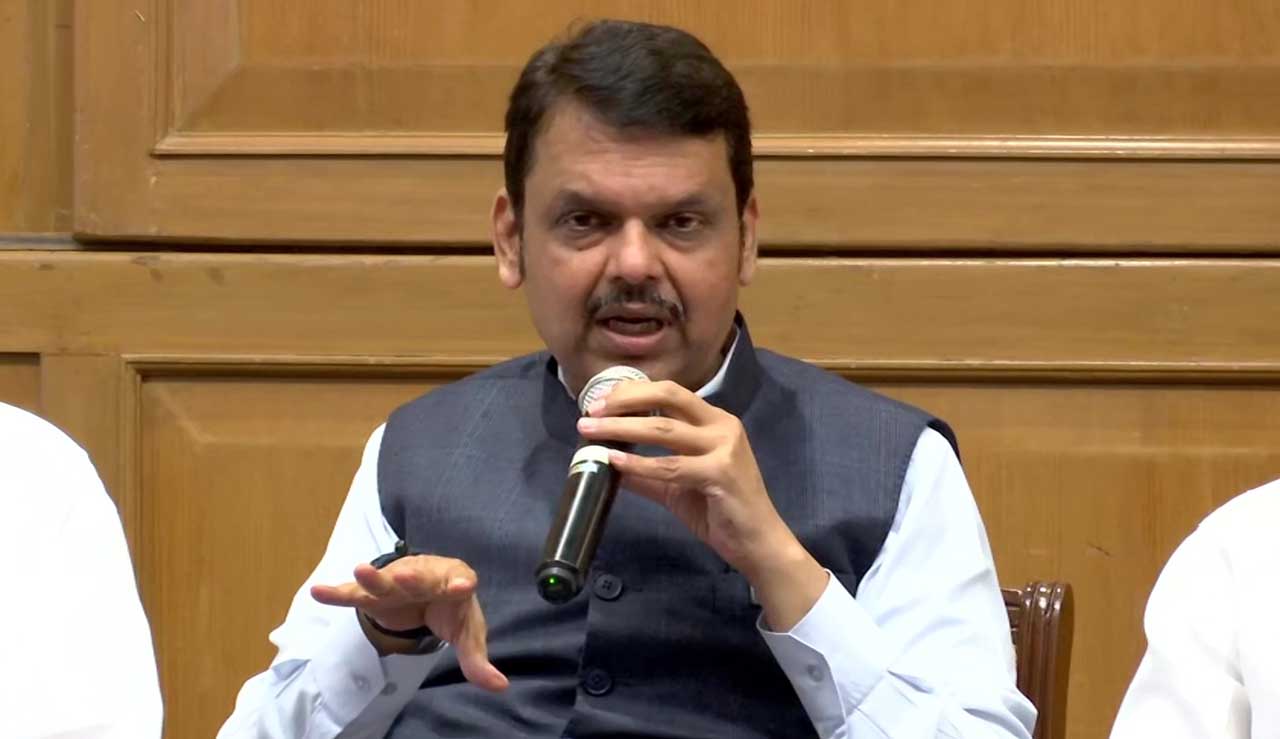
Under fire for lathi-charge on Maratha quota protesters in Jalna district, Maharashtra Deputy Chief Minister Devendra Fadnavis on Monday said the government regrets the use of force by police.

He also said the lathi-charge order was not given by any top official to the Jana Police last week. ”Such decisions (use of police force etc.) are taken at the local level,” Fadnavis, who handles the Home Department, told reporters.

“Maharashtra government expresses regret for the use of force by police in Jalna district a few days back,” he said.

Earlier in the day, Shiv Sena (UBT) leader Sanjay Raut had claimed that the lathi-charge order was given on a phone call made from the office of the chief minister and state home minister.

Senior NCP leader Anil Deshmukh has also claimed that police lathi-charged protesters in Jalna district after a phone call was made from the Maharashtra home ministry.

The former state home minister also demanded an enquiry by a retired judge to find out who called up the Jalna district superintendent of police and ordered him to lathi-charge the protesters. Police baton charged and lobbed tear gas shells to disperse a violent mob in Antarwali Sarathi village in Jalna district on Friday after protesters allegedly refused to let authorities shift a man on hunger strike for Maratha quota to hospital.

Several persons. including 40 police personnel, were injured and more than 15 state transport buses were set ablaze in violence.

Maratha reservation violence: Phone call ordering lathi-charge came from state Home ministry, claims NCP’s Deshmukh

anil deshmukh, deshmukh, ncp, nationalist congress party, maratha, maratha kranti morcha, jalna
Maratha reservation violence: Phone call ordering lathi-charge came from state Home ministry, claims NCP's Deshmukh 8

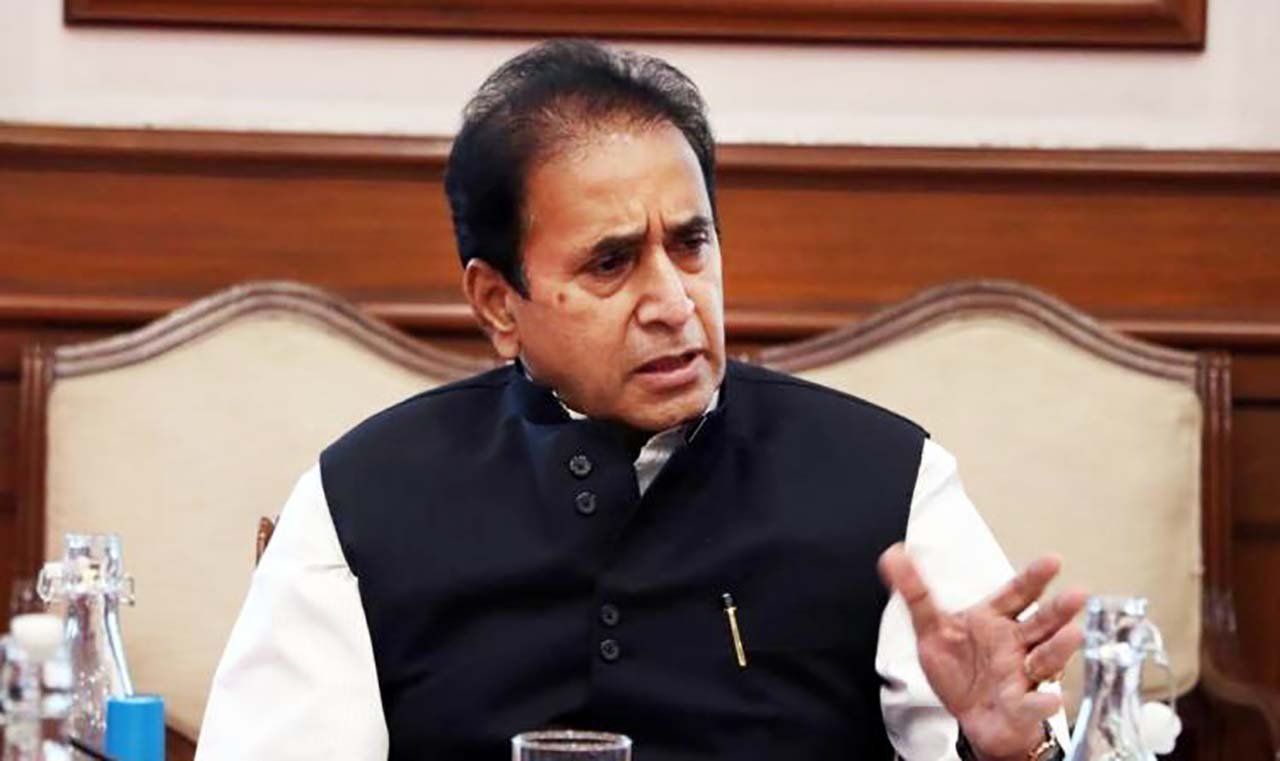
Senior NCP leader Anil Deshmukh on Monday claimed police lathi-charged protesters seeking quota for Marathas in Jalna district after a phone call was made from the Maharashtra home ministry.

The former state home minister also demanded an enquiry by a retired judge to find out who called up the Jalna district superintendent of police and ordered him to lathi-charge the protesters.

Police baton charged and lobbed tear gas shells to disperse a violent mob in Antarwali Sarathi village in Jalna district on Friday after protesters allegedly refused to let authorities shift a man on hunger strike for Maratha quota to hospital.

Several people, including 40 police personnel, were injured and more than 15 state transport buses were set ablaze in violence.

Deshmukh, a loyalist of NCP founder Sharad Pawar, said the ”inhuman” police action on protesters last week was ”very unfortunate”.

”I had served as home minister of Maharashtra. As per my information, Maratha protestors (in Jalna district) were lathi-charged after a phone call was made from the home ministry. Police officials cannot take such action without the orders of senior officers,” Deshmukh claimed while speaking to reporters in Nagpur.

He said an enquiry by a retired judge into who had made the phone call would fix the responsibility.

The home ministry is handled by Deputy Chief Minister Devendra Fadnavis of the Bharatiya Janata Party.

As the police action created a huge row, the senior police officer in Jalna was made a scapegoat and sent on forced leave, Deshmukh said.

A day before, Maharashtra Chief Minister Eknath Shinde announced that Jalna district superintendent of police, Tushar Doshi, was sent on compulsory leave and ADGP (law and order) Sanjay Saxena would probe the lathi-charge incident.

He had also said a judicial probe would be conducted if required.

Addressing a state function in Buldhana, Shinde said two DYSP-rank officers were transferred out of Jalna district.

PM Modi cautions against “irresponsible” financial policies

pm modi, narendra modi, opposition, no-confidence motion, tmc
PM Modi cautions against "irresponsible" financial policies 10

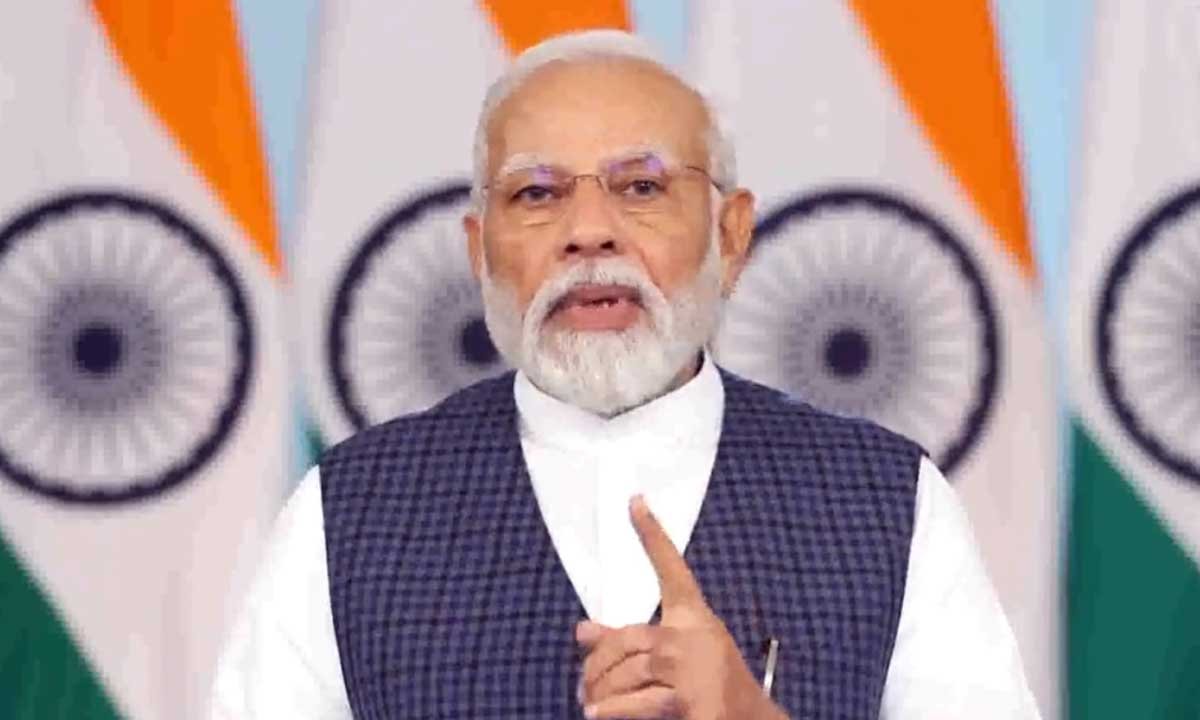
Stressing the need for financial discipline, Prime Minister Narendra Modi has reiterated that ”irresponsible” financial policies and populist measures may give political results in the short term but will extract a ”great social and economic price” in the long term.

Modi made these remarks in an interview to PTI late last week while answering a question about the global debt crisis — which, he noted, is “a matter of great concern for the world, especially (for) developing countries”.

In remarks that came ahead of the G20 summit, the prime minister said countries that are going through debt crisis or have gone through it, have begun to give greater importance to financial discipline.

Modi said he has urged state governments to be conscious about financial discipline.

”Whether it is in the National Conference of Chief Secretaries or any such platform, I have said that irresponsible financial policies and populism may give political results in the short term but will extract a great social and economic price in the long term,” Modi said, as he cautioned against politics based on populist measures.

”Those who suffer the consequences the most are often the poorest and the most vulnerable.” Modi also spoke about how the political stability seen in India in the last nine years has led to several reforms in economy, education, banking and financial sectors, saying growth was its ”natural by-product”, as he outlined his vision for the country for the next two decades.

With his government approaching the end of its second term, the prime minister said before 2014, the country saw many governments that were unstable and therefore, unable to get much done.

”But in the last few years, the people have given a decisive mandate, which has led to a stable government, predictable policies and clarity in the overall direction,” Modi said.

”By 2047, I am sure that our country will be among the developed countries. Our economy will be even more inclusive and innovative. Our poor people will comprehensively win the battle against poverty. Health, education and social sector outcomes will be among the best in the world. Corruption, casteism and communalism will have no place in our national life.” Modi also noted that the rapid and sustained progress made by India has evoked interest across the world.

Many countries have been watching our growth story very closely and are convinced that this progress is not an accident but is happening as a result of a clear, action-oriented roadmap of ‘Reform, Perform, Transform’, he said.

For a long time in world history, India was one of the top economies of the world but later, due to the impact of colonisation of various kinds, our global footprint was reduced, he added.

”But now, India is again on the rise. The speed with which we jumped five spots, from the 10th largest economy to the fifth largest in less than a decade has conveyed the fact that India means business!” he added.

Emphasising that the period till 2047 is a ”huge opportunity”, he said Indians living in this era have a great chance to lay a foundation for growth that will be remembered for the next 1,000 years! Modi also asserted that the quality of life of Indians would be on par with the best countries of the world and ”most importantly, we will achieve all of this while caring for both nature and culture”.

Congress to organise Bharat Jodo Yatra in all districts across country on Sep 7

rahul gandhi, gandhi, bharat jodo yatra, yatra, inc, indian national congress, rahul in jk, congress yatra
Image: Twitter/Rahul Gandhi

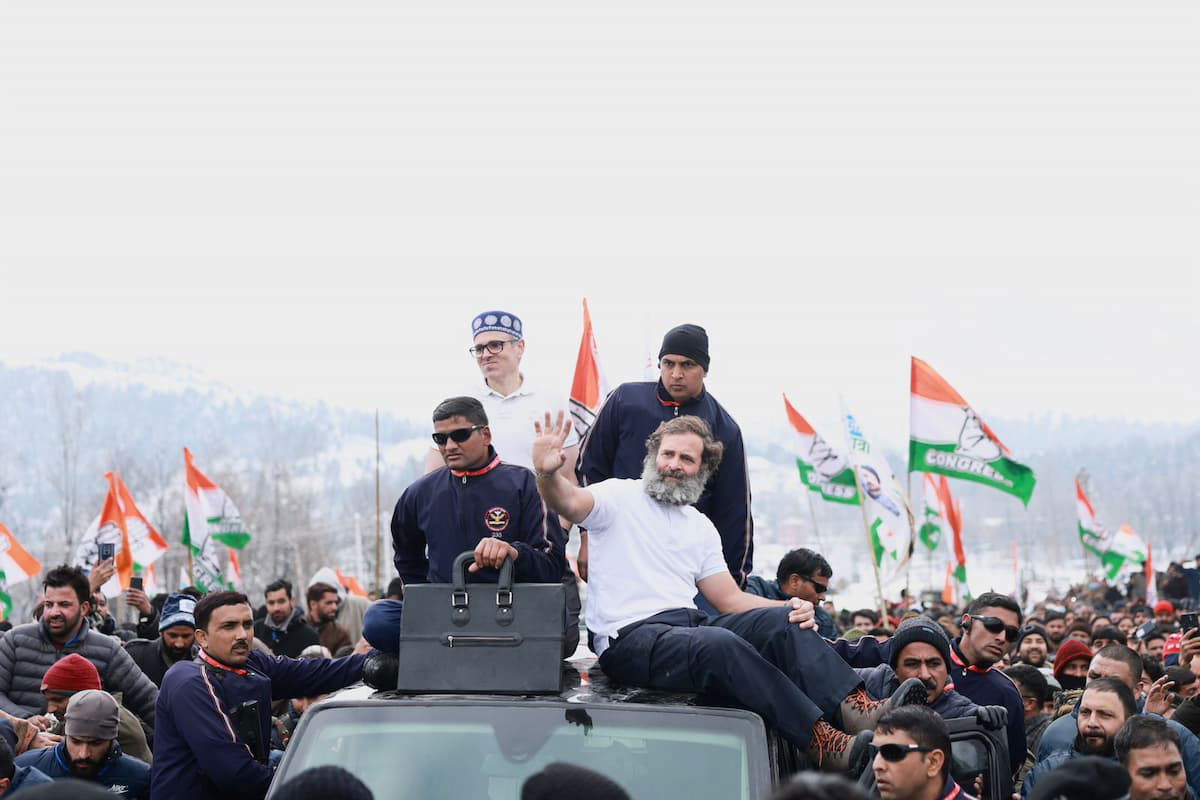
The Indian National Congress will organise ‘Bharat Jodo Yatra’ in all the districts across the country to commemorate the first anniversary of its yatra on September 7. However, more details of the programme are yet to be announced by the party.

The Bharat Jodo Yatra, which started in Kanyakumari on September 7 last year and was led by Congress leader Rahul Gandhi, concluded on January 30 in Srinagar after covering 3,970 km, 12 states, and two Union territories and had lasted more than 130 days. In the first leg of the yatra, Gandhi had walked almost 4,000 km from Kanyakumari to Kashmir.

Earlier in the last month, Maharashtra Congress chief Nana Patole said that Rahul Gandhi will embark on a fresh padayatra (foot march) from Gujarat to Meghalaya, and during that period, leaders and workers of the party’s Maharashtra unit will criss-cross the state. The impact of Rahul Gandhi’s yatra was seen during the polls in Karnataka and Himachal Pradesh as they recorded a sharp increase in strike rate and vote share.

The Yatra travelled 511km in Karnataka over 22 days between Gundlupet constituency and Raichur Rural constituency.

“What will common man get…”? Delhi CM Kejriwal slams centre over ‘One Nation, One Election’

arvind kejriwal, cm, delhi cm, kejriwal
"What will common man get..."? Delhi CM Kejriwal slams centre over 'One Nation, One Election' 13

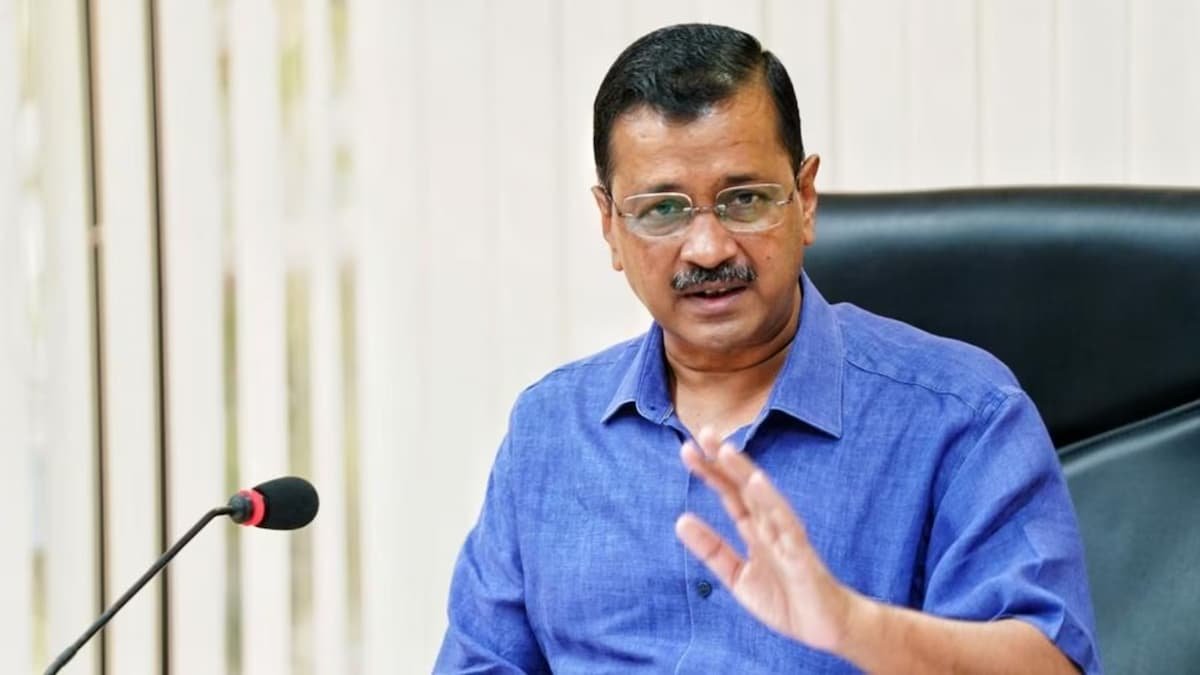
Delhi Chief Minister Arvind Kejriwal on Sunday slammed the central government over the ‘One Nation One Election’ and questioned the rationale behind the move. CM Kejriwal asked what a common man would get from ‘One Nation One Election’.

Taking to ‘X’, (formerly known as Twitter), the Delhi CM said, “What is important for the country? Whether ‘One Nation One Election’ or ‘One Nation One Education’ (equal education for rich and poor)”. “Or One Nation One Ilaaj’ (treatment)? What will a common man get from ‘One Nation One Election’?” CM Kejriwal added.

The Centre on Saturday constituted an eight-member committee to examine and make recommendations for holding simultaneous elections in the country. The members of the committee, apart from former President Kovind, include Union Home Minister Amit Shah; Leader of the Opposition in the Lok Sabha, Adhir Ranjan Chowdhury; former Leader of Opposition in the Rajya Sabha, Ghulam Nabi Azad; former Finance Commission chairman NK Singh, former Lok Sabha secretary general Subhash C Kashyap, senior advocate Harish Salve and former chief vigilance commissioner Sanjay Kothari.

The notification of the high-powered panel by the Centre came just days after it announced a special session of the Parliament from September 18 to 22, on the same day the two-day Mumbai conclave of the INDIA bloc was in progress. However, the government remained tight-lipped on the issues to be taken up during the special session.

Opposition leaders slammed the BJP-led Centre for announcing a special session without holding prior consultations with them or informing the Business Advisory Committee. According to the Centre, the high-level committee shall start functioning immediately and make recommendations at the earliest.

Adhir Ranjan Chowdhury, however, declined to serve on the panel, saying its “terms of reference have been prepared in a manner to guarantee its conclusions”. Simultaneous elections for the state assemblies and the Lok Sabha were held till 1967. However, in 1968 and 1969 some legislative assemblies were dissolved prematurely followed by the dissolution of the Lok Sabha in 1970. This forced a change in electoral schedules for the states and the country.

Typhoon Saola makes landfall in Guangdong after slamming Hong Kong, Macau

Typhoon Saola, Hong Kong, Saola, Typhoon
Typhoon Saola makes landfall in Guangdong after slamming Hong Kong, Macau 15

Typhoon Saola made landfall in the southern Chinese province of Guangdong early on Saturday as violent winds lashed nearby Shenzhen, Hong Kong, and Macau, leaving at least one dead and a trail of destruction and flooding in many areas.

The Asian financial hub of Hong Kong and China’s neighboring populous province of Guangdong cancelled hundreds of flights on Friday and shut businesses, schools, and financial markets as Saola edged closer. Packing winds of more than 200 kph (125 mph) as a super typhoon, Saola was among the strongest to menace the southern province since 1949. It was a severe typhoon, Chinese authorities said, as it made landfall in Zhuhai city with winds slowing to around 160 kph.

Railway operations in Guangdong were allowed to gradually resume from 8:30 a.m. (0030 GMT), the railway operator said. Despite weakening, Saola continues to affect the region, Chinese authorities said.

More than 300 people were stranded at Hong Kong’s airport after some 460 flights were cancelled, the city’s Airport Authority said. Flagship carrier Cathay Pacific said flights would resume from noon (0400 GMT) on Saturday after being suspended since Friday afternoon.

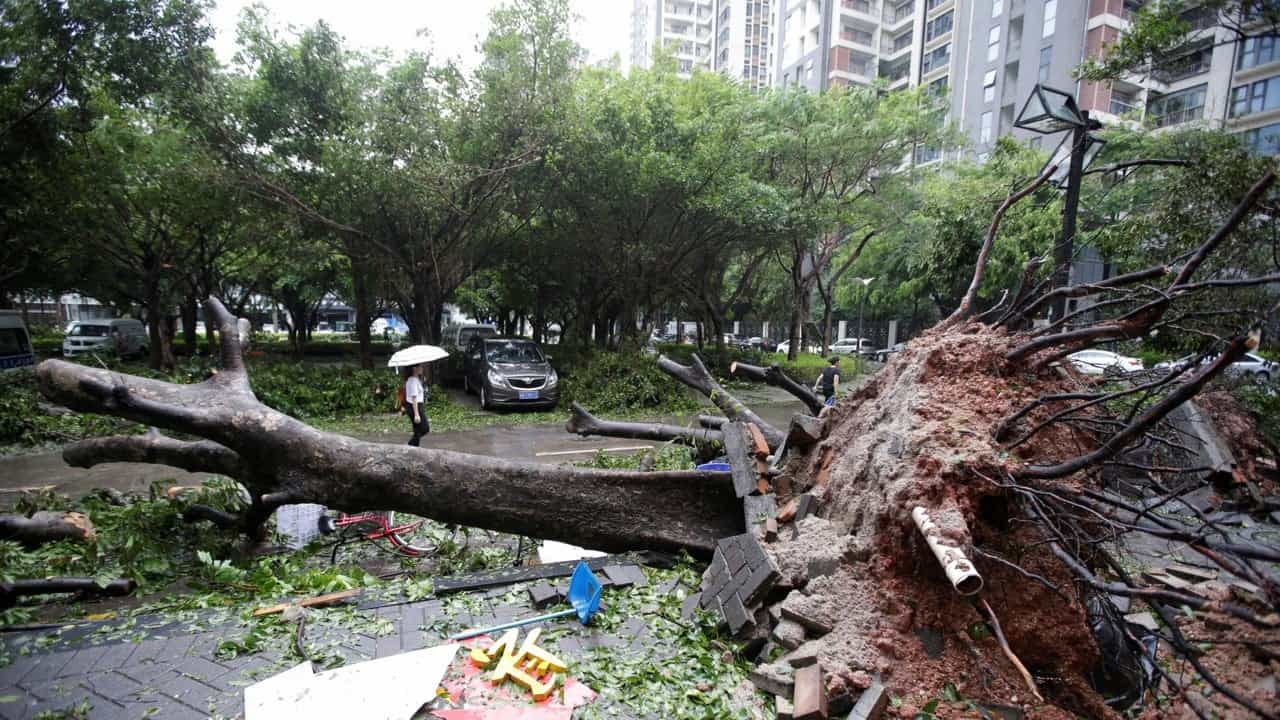
Hong Kong imposed its highest hurricane storm signal of 10 on Friday night, lowering it to 8 by Saturday morning. The city’s observatory said it would remain in force until 4 p.m. (0800 GMT) as heavy rain and flooding were still affecting the territory. Fallen trees were strewn over many roads, particularly on the more exposed outlying islands. In the bustling Causeway Bay district, many building signs had flown off.

A large window was blown out of an office building in the Tseung Kwan O district, as footage from broadcaster TVB showed. Photos posted on Facebook showed water levels at Repulse Bay beach surging several metres higher than normal, partially submerging its landmark Tin Hau temple. More than 500 people sought refuge in government shelters, while more than 50 were admitted to hospitals due to the typhoon, the government said.

In Macau, the world’s biggest gambling centre, casinos were allowed to reopen from 8 am on Saturday, the government said, after shutting down Friday night. One person was killed in Shenzhen after a tree fell and hit their vehicle, local media reported.

Haikui, a typhoon not as strong as Saola, was forecast to make landfall on Taiwan’s far southeastern coast late on Sunday afternoon and bring heavy rain across the island into next week. Taiwan’s two main domestic airlines cancelled all flights for Sunday, and the government warned people to stay away from beaches and mountain areas.

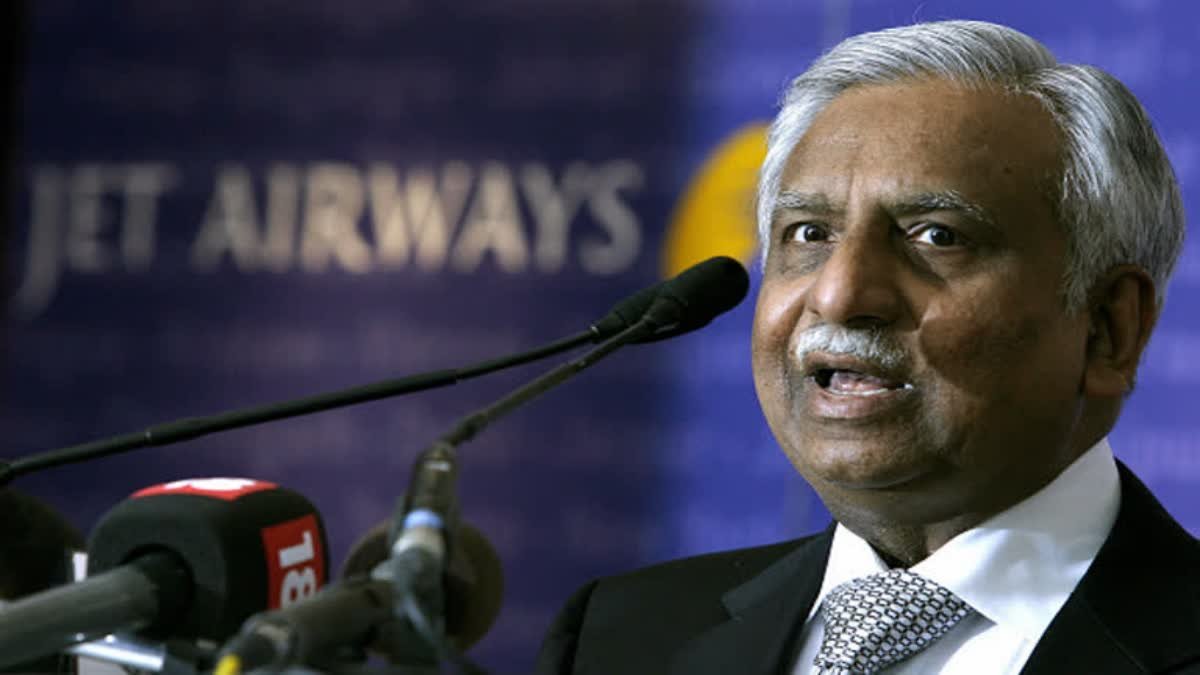
ED arrests Jet Airways founder Naresh Goyal in Rs 538 crore bank fraud case, produced before court

naresh goyal, ed, enforcement directorate, jet airways, jet, goyal
ED arrests Jet Airways founder Naresh Goyal in Rs 538 crore bank fraud case, produced before court 17

In a major development, the Enforcement Directorate (ED) arrested Jet Airways founder Naresh Goyal on Friday in connection with a money laundering case.

According to sources, Goyal was arrested about 10 pm on Friday following a continuous interrogation in connection with a Rs 538 crore loss to Canara Bank. He was produced before the PMLA court in Mumbai.

The ED case is based on an FIR registered by the Central Bureau of Investigation (CBI) in May this year. On May 5, CBI officers conducted searches at seven locations in Mumbai, including Goyal’s residence and offices.

The CBI FIR said that a written complaint filed on November 11 last year alleged cheating, criminal conspiracy, criminal breach of trust, and criminal misconduct by the Jet Airways founder.

The complaint, signed by P. Santosh, Chief General Manager, Canara Bank, also mentioned Anita Naresh Goyal, Gaurang Ananda Shetty, unknown public servants, and others, causing a wrongful loss of Rs 538.62 crore to the bank.

In April 2019, Jet Airways suspended its operations due to a severe cash crunch and mounting debt. The airline once used to be India’s largest private carrier.

The sources clarified that the CBI searches were not conducted at the premises linked to the new owners of Jet Airways.

Aditya-L1 spacecraft separates from launch vehicle, proceeds towards the Sun: ISRO

aditya l1, aditya, isro, spacecraft, space, sun
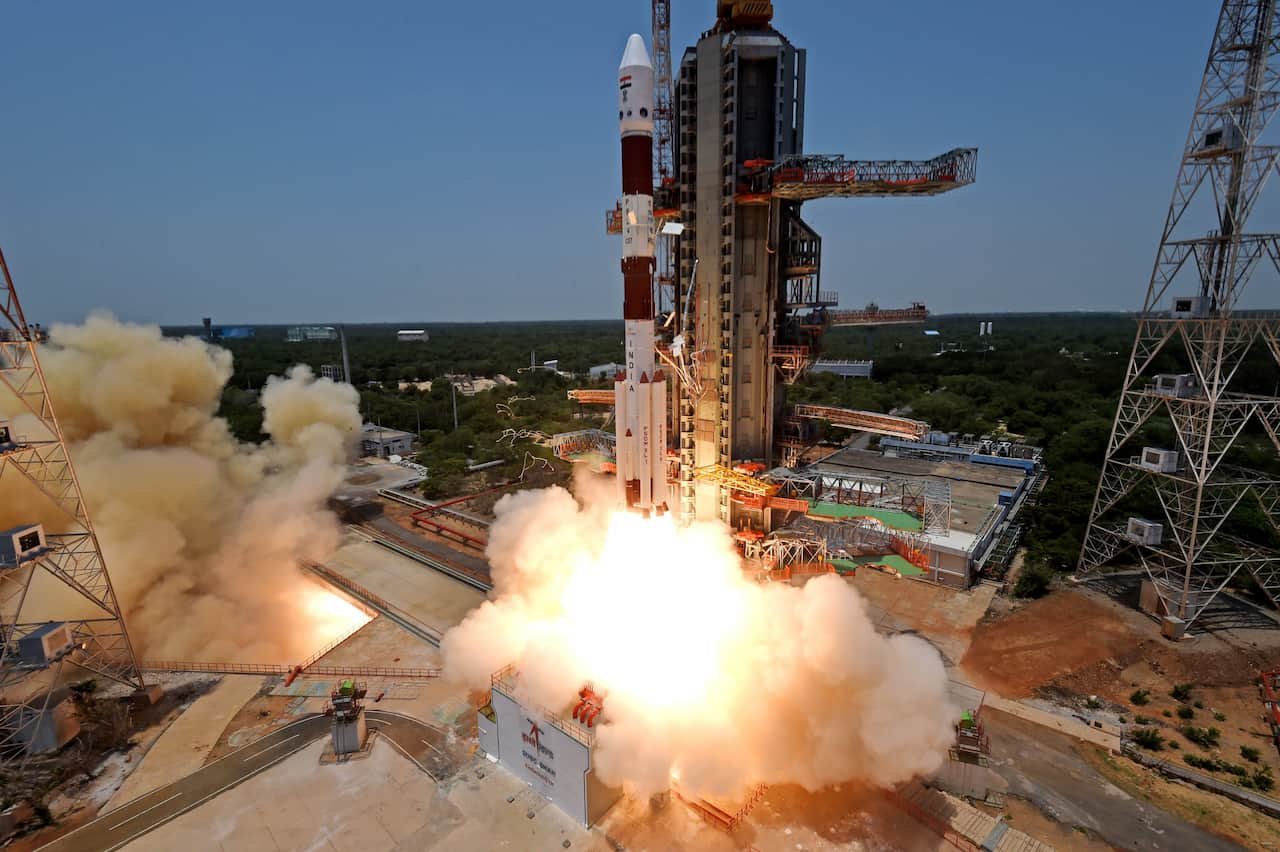
Aditya-L1 spacecraft separates from launch vehicle, proceeds towards the Sun: ISRO 19

The Aditya-L1 spacecraft onboard a PSLV rocket on Saturday successfully got separated and would be proceeding on its journey towards the Sun on a 125-day voyage, ISRO said on Saturday.

ISRO chief S Somanath said the spacecraft was injected in the ”precise orbit”.

”Aditya L1 spacecraft has been injected in an elliptical orbit of 235 by 19,500 km which is intended, very precisely by the PSLV,” he said.

”From now on Aditya L1 will go on a long journey for 125 days,” towards the Sun, he said from the Mission Control Center here, flanked by Union Minister Jitendra Singh, Project Director Nigar Shaji and Mission Director Biju.

Shaji said the spacecraft was injected into the orbit flawlessly by the PSLV ”as always,” and that the solar panels are deployed. ”Aditya L1 has started 125 days of long journey to the Sun,” she said.

Union Minister Singh, described today’s achievement as a ”sunshine moment,” and thanked Prime Minister Narendra Modi for the support to the space sector.

The Sun is a giant sphere of gas and Aditya-L1 would study its outer atmosphere. Aditya-L1 will neither land on the Sun nor approach it any closer, ISRO said. It is expected to travel for about 125 days to reach the Halo orbit around the Lagrangian Point L1, which is considered closest to the sun.

Aditya-L1, weighing about 1,480.7 kg, is the first space-based observatory class to study the Sun. The objectives of the Aditya-L1 mission includes study of the coronal heating, solar wind acceleration, Coronal Mass Ejections (CME), dynamics of solar atmosphere and temperature anisotropy.

Following Saturday’s launch the Aditya-L1 stays in Earth-bound orbits for 16 days, during which it undergoes five maneuvers to gain the necessary velocity for its journey towards the Sun.

Subsequently, the spacecraft undergoes a Trans-Lagrangian 1 insertion manoeuvre, marking the beginning of its 110-day trajectory to the destination around its destination.

Upon arrival at the L1, another manoeuvre binds Aditya-L1 to an orbit around the point, which is a balanced gravitational location between the Earth and the Sun.

The spacecraft spends its whole mission life of five years orbiting around L1 in an irregularly shaped orbit in a plane roughly perpendicular to the line joining the Earth and the Sun, ISRO said.

The strategic placement at the L1 Lagrange point ensures the spacecraft can maintain a constant, uninterrupted view of the Sun. This location also allows the satellite to access solar radiation and magnetic storms before they are influenced by Earth’s magnetic field and atmosphere, the space agency informed.

Additionally, the L1 point’s gravitational stability minimises the need for frequent orbital maintenance efforts, optimising the spacecraft’s operational efficiency.

Aditya-L1 will stay approximately 1.5 million km away from the Earth, directed towards the Sun, which is about 1 per cent of the Earth-Sun distance.

The PSLV C57 is the 59th flight of the launch vehicle, a trusted workhorses of ISRO and is the 25th mission using PSLV-XL configuration, ISRO said.

The atmosphere of the Earth as well as its magnetic field act as protective shield and block harmful wavelength radiations. In order to detect such radiation, solar studies are carried out from space.

Aditya-L1 mission carries seven scientific payloads to carry out the study.

The Visible Emission Line Coronagraph, which studies the solar corona and dynamics of Coronal Mass Ejections (CME), will be sending 1,440 images per day to the ground station for analysis on reaching the intended orbit.

The Solar Ultraviolet Imaging Telescope payload images the Solar photosphere and Chromosphere in near Ultraviolet and also measures the solar irradiance variations.

The Aditya Solar Wind Particle Experiment (ASPEX) and Plasma Analyser Package for Aditya (PAPA) payloads study the solar wind and energetic ions as well as the energy distribution.

The Solar Low Energy X-ray Spectrometer and the High Energy L1 Orbiting X-ray Spectrometer (HEL1OS) study the X-ray flares from the Sun over a wide X-ray energy range.

The Magnetometer payload is capable of measuring interplanetary magnetic fields at the L1 point.

The Science payloads of Aditya-L1 are indigenously developed with the close collaboration of various centers of ISRO.