Home Blog Page 251

First animals travelled in space to make way for human

space, spacecraft, nasa, isro, animals in space, animals, dog, cat
First animals travelled in space to make way for human 2

We were all very proud and excited to see the successful landing of the Lander Module of ISRO’s third lunar mission, Chandrayaan-3. India became the first country to land near the Moon’s south pole. This is a very proud moment for the country and the space researchers. ISRO scientists have told the world that ‘Chanda Mama’ is no longer far away from us. India has added one golden chapter to the history of space exploration. This mission is successful because many animal species have contributed to space exploration in the past. Before humans actually went into space, one of the prevailing theories about the perils of space flight was that humans might not be able to survive long periods of weightlessness.

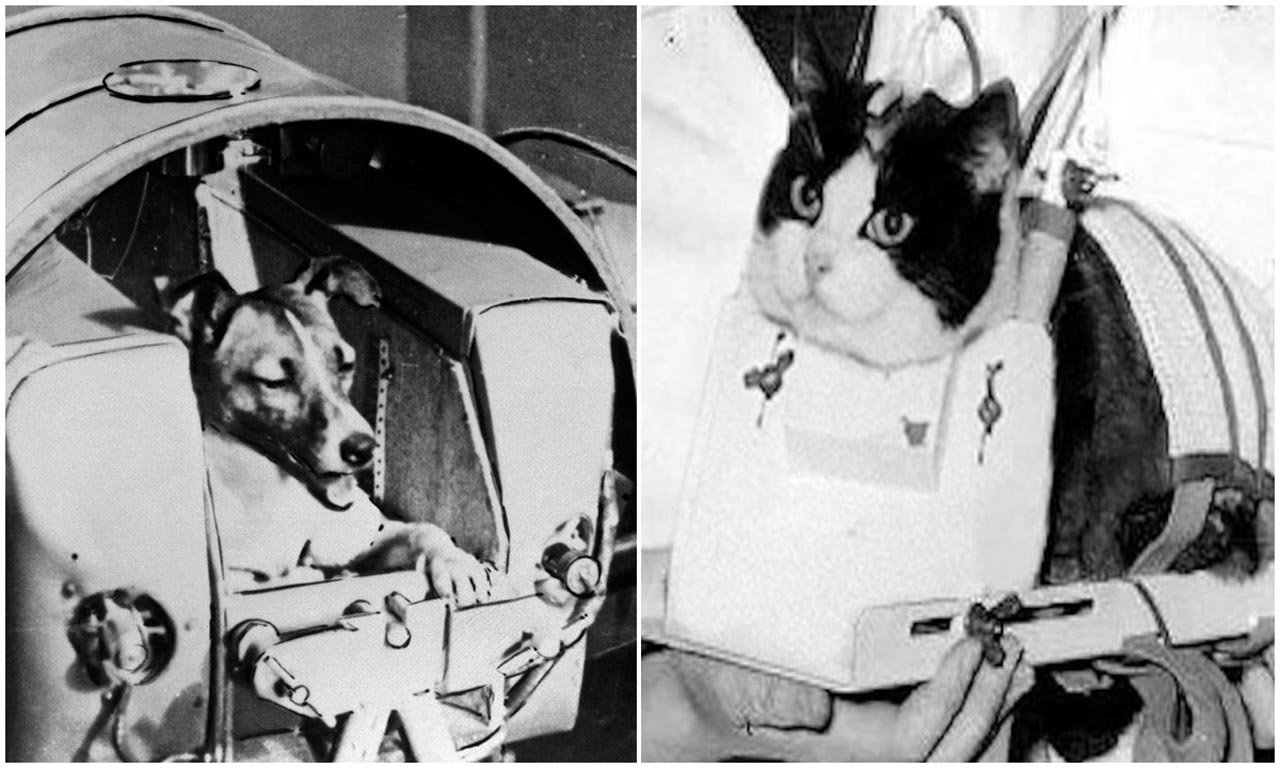
For several years, there has been a serious debate among scientists about the effects of prolonged weightlessness. American and Russian scientists utilized animals—mainly monkeys, chimps, and dogs—in order to test each country’s ability to launch a living organism into space and bring it back alive and unharmed. Scientists were curious to know how the body reacts to microgravity. Many experiments were conducted on humans, but due to certain uncertainties, animals were chosen to go on space exploration. Chimpanzees were one of the first mammals to travel into space. In those days, nobody knew if people could survive a trip away from Earth, so using animals was one of the alternatives to doing research and exploration. In 1948, a rhesus macaque monkey named Albert flew inside a V2 rocket. In 1957, the Russians sent a dog named Laika into orbit. Both of these flights showed that humans could survive weightlessness and the effects of high gravitational forces. Gradually, the number of animals sent into space was reduced. Most experiments could be conducted in space without involving animals.

In 1973, however, a Skylab space project studied circadian rhythm. This experiment used several mice. From there, the Space Shuttle program evolved, which included a more suitable environment for animals. Due to housing needs and the feasibility of space travel, the lowest form of life was sent to space. The species chosen were snails and fish because these species can be applied to human conditions: inner ear exams can be done in a snail rather than a highly evolved mammal, and genetic studies can be conducted in fish.

On September 20, 1951, a monkey named Yorick and 11 mice were recovered after an Aerobee missile flight of 236,000 feet at Holloman Air Force Base, New Mexico. Yorick got a fair amount of press as the first monkey to live through a space flight. On May 22, 1952, two Philippine monkeys, Patricia and Mike, were enclosed in an Aerobee nose section at Holloman Air Force Base. Patricia was placed in a seated position and Mike in a prone position to determine differences in the effects of rapid acceleration. Fired 36 miles up at a speed of 2000 mph, these two monkeys were the first primates to reach such a high altitude. Also on this flight were two white mice, Mildred and Albert. They were inside a slowly rotating drum where they could “float” during the period of weightlessness. The section containing the animals was recovered safely from the upper atmosphere by parachute. Patricia died of natural causes about two years later, and Mike died in 1967, both at the National Zoological Park in Washington, DC.

The Soviets kept close tabs on what the U.S. was doing with their V-2 and Aerobee missile projects during the early 1950’s. Basing their experiments on American biomedical research, Soviet rocket pioneer Sergei Korolev, his biomedical expert Vladimir Yazdovsky, and a small team used mice, rats, and rabbits as one-way passengers for their initial tests. They needed to gather data to design a cabin to carry a human being into space. Eventually, they chose small dogs for this phase of testing. Dogs were chosen over monkeys because it was felt that they would be less fidgety in flight. A test with two dogs would allow for more accurate results. They chose females because of the relative ease of controlling waste. Between 1951 and 1952, the Soviet R-1 series rockets carried nine dogs altogether, with three dogs flying twice. Each flight carried a pair of dogs in hermetically sealed containers that were recovered by parachute. Of these early space-bound hounds, a few have been remembered by name.

On August 15, 1951, Dezik and Tsygan (“Gypsy”) were launched. These two were the first canine suborbital astronauts. They were successfully retrieved. In early September 1951, Dezik and Lisa were launched. This second early Russian dog flight was unsuccessful. The dogs died, but a data recorder survived. Korolev was devastated by the loss of these dogs. Shortly afterwards, Smelaya (“Bold”) and Malyshka (“Little One”) were launched. Smelaya ran off the day before the launch. The crew was worried that wolves that lived nearby would eat her. She returned a day later, and the test flight resumed successfully. The fourth test launch was a failure, with two dog fatalities. However, in the same month, the fifth test launch of two dogs was successful. On September 15, 1951, the sixth of the two-dog launches occurred. One of the two dogs, Bobik, escaped, and a replacement was found near the local canteen. She was a mutt, given the name ZIB, the Russian acronym for substitute for Missing Dog Bobik. The two dogs reached 100 kilometers and returned successfully. Other dogs associated with this series of flights included Albina (“Whitey”), Dymka (“Smoky”), Modnista (“Fashionable”), and Kozyavka (“Gnat”).

Gordo, a squirrel monkey, was catapulted 600 miles high in a Jupiter rocket, also on December 13, 1958, one year after the Soviets launched Laika. Gordo’s capsule was never found in the Atlantic Ocean. He died on splashdown when a flotation mechanism failed, but Navy doctors said signals on his respiration and heartbeat proved humans could withstand a similar trip. Able, an American-born rhesus monkey, and Baker, a South American squirrel monkey, followed on May 28, 1959, aboard an Army Jupiter missile.

Four black mice were launched on June 3, 1959, on Discoverer 3, part of the Corona program of U.S. spy satellites, which was launched from Vandenberg Air Force Base on a Thor Agena A rocket. This was the only Discoverer flight with an animal payload. Miss Sam, another rhesus monkey and Sam’s mate, was launched on January 21, 1960, for another test of the LES.  Goliath, a one-and-a-half-pound squirrel monkey, was launched in an Air Force Atlas E rocket on November 10, 1961. Enos became the first chimpanzee to orbit the earth on November 29, 1961, aboard a Mercury Atlas rocket. His mission concluded the testing for a human orbital flight, achieved by John Glenn on February 20, 1962. Enos died at Holloman Air Force Base of a non-space related case of dysentery 11 months after his flight. On October 18, 1963, French scientists launched the first cat into space on Veronique AGI sounding rocket No. 47. The cat, named Félicette, was successfully retrieved after a parachute descent, but a second feline flight on October 24 ran into difficulties that prevented recovery.

Back in the Soviet Union, the dogs Veterok (“Breeze”) and Ugoyok (“Little Piece Of Coal”) were launched aboard Kosmos 110 by the Soviet Union on February 22, 1966. The flight was an evaluation of the prolonged effects of radiation from the Van Allen Belts during space travel on animals. Twenty-one days in space still stand as a canine record and were only surpassed by humans in June 1974 with the flight of Skylab 2.

From 1973 to 1996, Russia, or its predecessor, the Soviet Union, launched a series of life sciences satellites called Bion. Research partners have included Austria, Bulgaria, Canada, China, the Commonwealth of Independent States, Czechoslovakia, East Germany, the European Space Agency, France, Germany, Hungary, Lithuania, Poland, Romania, Ukraine, and the United States.

 Bion missions are typically put under the Kosmos umbrella name, which is used for a variety of different satellites, including spy satellites. The first Bion launch was Kosmos 605, launched on October 31, 1973. The satellite carried tortoises, rats, insects, and fungi on a 22-day mission. Other missions have also carried plants, mold, quail eggs, fish, newts, frogs, cells, and seeds.

Starting with Bion 6 (Kosmos 1514), these missions have carried pairs of monkeys. Bion 6/Kosmos 1514 was launched on December 14, 1983, and carried the monkeys Abrek and Bion on a five-day flight. Bion 7/Kosmos 1667 was launched on July 10, 1985, and carried the monkeys Verny (“Faithful”) and Gordy (“Proud”) on a seven-day flight. Bion 8/Kosmos 1887 was launched on September 29, 1987, and carried the monkeys Yerosha (“Drowsy”) and Dryoma (“Shaggy”) on a 13-day flight. Bion 10/Kosmos 2229 was launched on December 29, 1992, and carried the monkeys Krosh (“Tiny”) and Ivasha on a 12-day flight. A biological payload record was set on April 17, 1998, when over two thousand creatures joined the seven-member crew of the shuttle Columbia (STS-90) for a sixteen-day mission of intensive neurological testing (NEUROLAB). And that’s how humans made their entry into space exploration.


(Any suggestions, comments or dispute with regards to this article send us on feedback@afternoonvoice.com)
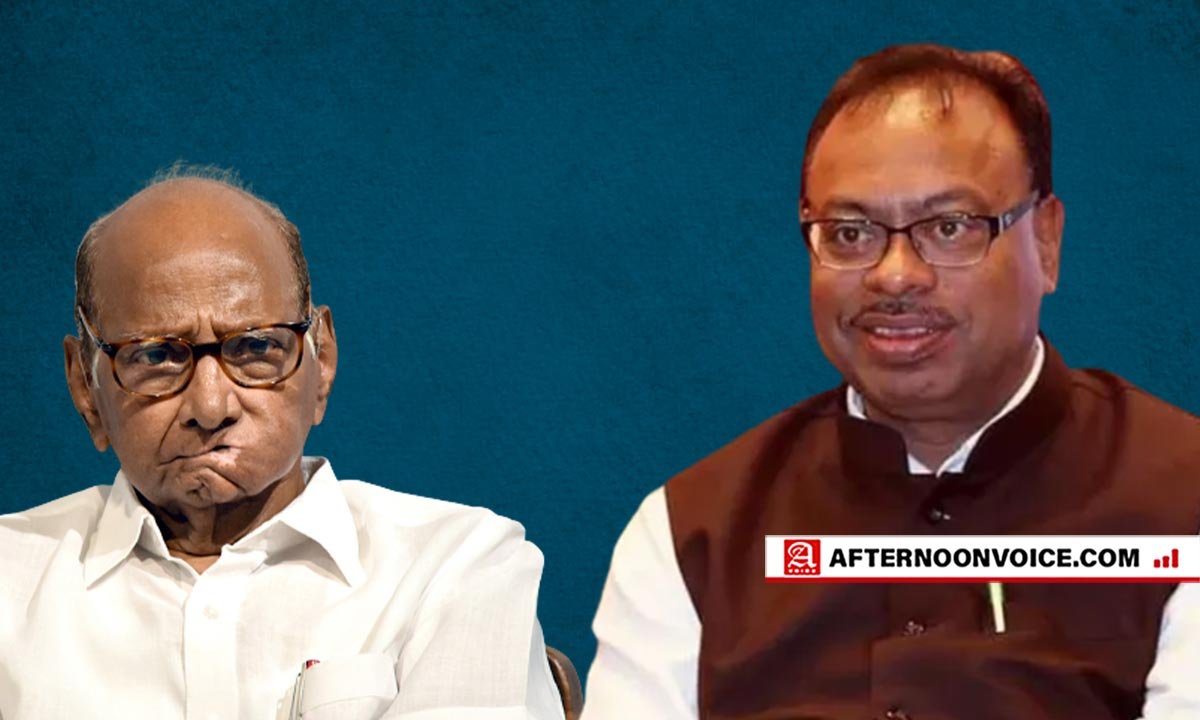

BJP president Chandrashekhar Bawankule has all praises for Sharad Pawar

chandrashekar bawankule, bawankule, pawar, sharad pawar, ncp, bjp
BJP president Chandrashekhar Bawankule has all praises for Sharad Pawar 4

With Lok Sabha elections likely in April-May next year, the BJP has started reviewing and planning a roadmap for all 48 Lok Sabha seats. In the first phase, the party will cover 28 constituencies in the next two months. During a constituency review meeting in Nagpur, Maharashtra BJP president Chandrashekhar Bawankule called Nationalist Congress Party (NCP) president and founder Sharad Pawar a seasoned and experienced leader who can play an important role in making 21st century India.

Sharad Pawar’s NCP is part of the Opposition, in which Uddhav Thackeray’s Shiv Sena (UBT) and Congress are allies. According to Bawankule, the differences within the NCP are short-lived, as state NCP chief Jayant Patil recently said that both he and Ajit Pawar are both Sharad Pawar’s karyakarta. Deputy CM Ajit Pawar, along with over 40 MLAs, has joined the BJP-led coalition in Maharashtra on the plot planned by Sharad Pawar. Meanwhile, Sharad Pawar held rallies in the constituencies of NCP leaders who had defected to the opposing NCP faction led by his nephew, Deputy Chief Minister Ajit Pawar.

Bawankule remarked and made his point, stating that the BJP is a pan-Indian party with a public mandate. “Everyone in the BJP works around the clock for the public good. Our party, led by Prime Minister Narendra Modi, Union Home Minister Amit Shah, and deputy CM Devendra Fadnavis, works 24×7. To be accepted as a leader, one has to lead by example. It requires 18 out of 24 hours of hard work. You don’t fight sitting at home,” he emphasized.

Taking a dig at Uddhav Thackeray, who has vowed to fight and finish the BJP, Bawankule said that Thackeray will be left with just four to five leaders to share the dais by 2024. “Even as the chief minister of Maharashtra, he could not prevent a split in his organization. The majority of his MLAs and MPs walked out of the parent party right under his nose. He failed to stop them. Even those remaining under him will slowly leave.”

During his visit, Bawankule reviewed the pre-poll preparations in Nagpur, Bhandara, and Gondia Lok Sabha constituencies.

Nashik’s Onion market remains closed, farmers continue protest on purchase price

onion, market, protest, nashik, onion protest, farmers
Nashik's Onion market remains closed, farmers continue protest on purchase price 6

Unhappy with the Centre’s decision to impose an export duty of 40 per cent on onions until December 31, farmers at the Agriculture Produce Market Committee (APMC) of Lasalgaon in Nashik continued to protest on the third day, and onion auctions remained halted.

A notification issued by the Finance Ministry on August 19 stated that they have imposed a 40 per cent export duty on onions until December 31, 2023. “The government imposes a 40 per cent duty on onion exports until December 31,” the Ministry stated.

Protesting farmers said the central government’s decision to impose a 40 per cent duty on the export of onions until December 31 will adversely affect the onion growers and their exports. It will spoil their chances of getting a good price for the onion, they said. Farmers also alleged they were not getting the rate of Rs 2,410 per quintal when procurement resumed today, as promised by the centre on Wednesday.

Chairman of the Agriculture Produce Market Committee, Kisan Dhange, said that they were demanding the purchase of onions at a rate of 2,410 rupees per quintal. “Until the government does not purchase the produce at this rate (Rupees 2410 per Quintal) the Onion market will not be opened,” said Dhange.

A farmer speaking to ANI claimed, “Earlier in a meeting, we were assured that onions would be purchased at the rate of 2,410 rupees per quintal, but today, when the market opened, a rate of 1,500 to 1,700 rupees per quintal was being offered.”

“So, we are protesting against it and have halted traffic on the Delhi-Bengaluru highway. The Government should meet our demands,” added the farmer. Earlier on August 11, the central government started releasing the staple vegetable from its buffer stock. The central government had earlier decided it would maintain 3 lakh tonnes of onions in the 2023–24 season as buffer stock.

In 2022–23, the government maintained 2.51 lakh tonne onion as buffer stock. Buffer stock is maintained to meet any exigencies and for price stabilization if rates go up significantly during the lean supply season.

How to be a good listener – and how to know when you’re doing it right

people, good listeners, conversation, conversing, talking to each other
How to be a good listener - and how to know when you’re doing it right 8

Being a good listener means having empathy. But empathy is one of the most misunderstood listening skills.

Empathy is what we feel when we are trying to understand the world from the perspective of another person.

One of the common misconceptions about empathy is that you need to have lived through what the other person has experienced to understand them.

Simply having the same experiences as another person is not enough to understand them. Two people can face the same challenges or difficulties, but respond in completely different ways. Your experiences are unique to you, and no one else can know how you feel, even if they have been wearing your shoes. The only way to understand how someone feels is to listen to them, without assuming that they feel the same as you did in that situation. So, let’s think about empathy in a different way.

Your unique perception of the world Imagine that every baby is born holding a wooden frame that contains a pane of glass. Whenever they look at anything in the world, they do so through this glass.

The glass was not completely clear when they received it. It is slightly warped and discoloured, and these are the marks of their genetics and biology. This means that everyone has a different piece of glass through which to see the world. And this glass becomes more marked as each of us moves through our lives. Every experience, good and bad, changes the glass. It warps, scratches, and smudges. Parts of it may be stained in different colours like church windows. And so our view of the world changes as the glass changes over time.

We do not see the world as it truly exists. Rather, we see the world through a filter created by our biology and life experiences. Frame of reference Counselors often talk about looking through the client’s frame of reference. The pane of glass in the wooden frame is your frame of reference.

To be a good listener, you need to stand at the side of the speaker and try to look out at the world through their glass.

Don’t say, “I’m sorry that your glass is scratched.” That would be sympathy—not a bad thing in itself, but not helpful for listening. Sympathy means that you feel sorry for the other person and want to reduce their suffering. This is kind, but it does not mean that you understand their needs, feelings, and experiences. You can feel sorry for someone without actually listening to them at all.

Don’t try to clean the glass or fix the scratches. That might help them see more clearly, but it would be like trying to make some of their life experiences disappear or change who they are as a person. They earned every single mark on their glass through the life that they lived, and no one has the right to take those away.

But don’t ignore the marks on the glass. Ask questions about this scratch, that smudge, and those colorful stains, then listen to the answers without taking the opportunity to tell them about your own scratches and smudges. This can be difficult because we love to talk about ourselves. So be aware of this temptation and remember to focus on the other person whenever you feel the urge to share.

Imagine you are talking to someone who is terrified of giving presentations. It might not be helpful to have sympathy (“I feel for you”) or share your own experiences (“I used to be nervous too”) or rush in with solutions (“imagine your audience is naked”). Instead, try asking questions about their experience of public speaking and listen to the answers. You might ask what thoughts go through their head during presentations, and where those thoughts and feelings first began. This can help you find the scratch that is changing their view of the world. For example, their glass might have been scratched when they were bullied in school and looking at the world through this scratched bit of glass means that they see it filled with people who will laugh at them if they make a mistake.

Using empathy by trying to genuinely understand the other person means that your listening skills also help them to better understand themselves. And understanding is the first step towards taking charge of your own problems and finding your own solutions.

Learning to listen As you practice trying to see the world through the frame of reference of the person who is speaking, you will find that you are less likely to misunderstand, less likely to rush in with advice, and more likely to connect on a deeper level.

This is how counselors build a therapeutic relationship.

You will know when you are building rapport through listening because you will start to genuinely want to hear and understand that person. You will stop wanting to interrupt with your own thoughts. You will stop trying to push the conversation in a certain direction to talk about your own interests or serve your own agenda. You will stop getting distracted by things around you or your internal voice.

Instead, you will become immersed in the world the speaker is sharing. And this is how to be a good listener.

“Petition filed by Tamil Nadu is not maintainable, we will argue”: Karnataka CM Siddaramaiah on Cauvery dispute

Siddaramaiah, Cauvery dispute, tamil nadu, tm, supreme court, sc, karnataka cm, cm karnataka
"Petition filed by Tamil Nadu is not maintainable, we will argue": Karnataka CM Siddaramaiah on Cauvery dispute 10

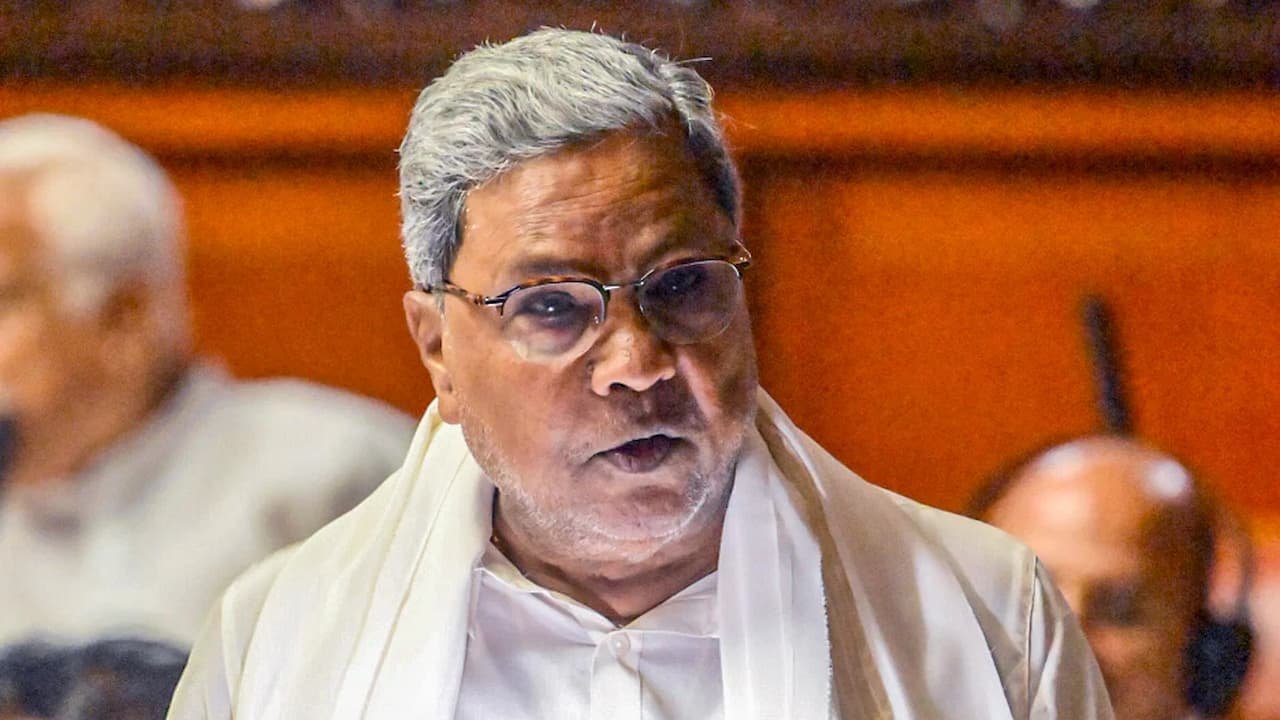
Amid the Cauvery dispute between Tamil Nadu and Karnataka, Karnataka Chief Minister Siddaramaiah has said that Karnataka will argue the matter in the Supreme Court because the petition filed by Tamil Nadu is not maintainable.

Karnataka CM told ANI, “Karnataka will argue the matter because Tamil Nadu filed a petition asking the release of water but the petition by Tamil Nadu is not maintainable as the Supreme Court has already given a verdict on the Cauvery dispute between Tamil Nadu and Karnataka on 5th February 2018.”

The matter has been a controversial issue between Karnataka and Tamil Nadu for decades and they have been locked in a battle over the sharing of water from the Cauvery River, which is a major source of irrigation and drinking water for millions of people in the region. “In normal years we have to release 177.25 TMC of water, but in distress situations, it is not defined yet what ‘distress’ means?” Karnataka CM added.

Earlier, an all-party meeting chaired by Karnataka Chief Minister Siddaramaiah to discuss the Cauvery River water dispute was held at Vidhana Soudha in Bengaluru on Wednesday. Karnataka Deputy CM DK Shivakumar, former Chief Minister and Bharatiya Janata Party (BJP) leader BS Yediyurappa, Janata Dal-Secular (JD-S) leader HD Kumaraswamy, BJP MP Tejasvi Surya, Lok Sabha MP Sumalatha Ambareesh and several other leaders were present in the meeting.

Tamil Nadu in its fresh application sought direction to the State of Karnataka to immediately release 24,000 cubic feet per second (cusecs) from its reservoirs and ensure the availability of the specified quantity of water at Biligundlu on the inter-state border for the remainder of the month for meeting the pressing demands of the standing crops. It also urged the top court to direct Karnataka to ensure the release of 36.76 TMC (thousand million cubic feet) stipulated for September 2023 as per the Cauvery Water Disputes Tribunal (CWDT)’s final award of February 2007 that was modified by the Supreme Court in 2018. The application said that a direction was given to Karnataka on August 10 to release from its reservoirs 15,000 cusecs at Billigundulu on August 11 for 15 days.

Karnataka failed to fully implement the directions for the release of the stipulated quantum of 10,000 cusecs (0.864 TMC per day) as directed by CWRC, it said. Karnataka is duty-bound to release the Cauvery water to Tamil Nadu as per the final order passed by the Tribunal as modified by this Court, the application stated.

Veteran actor Seema Deo known for Anand and Kora Kagaz, passes away at 81

seema deo, anand, kora kagaz, anand deo, ramesh deo, deo, passes away
Veteran actor Seema Deo known for Anand and Kora Kagaz, passes away at 81 12

Veteran actor Seema Deo, remembered for her roles in “Anand” and “Kora Kagaz”, died on Thursday morning due to age-related ailments, her filmmaker son Abhinay Deo said. She was 81. The actor, who acted in over 80 Hindi and Marathi films, passed away at her Bandra home. She had been suffering from Alzheimer’s disease for over three years.

“She passed away at 8.30–9 am at her residence in Bandra due to old age. She had been withdrawn completely, and eventually it was just old age. Alzheimer’s is such a thing that you stop figuring out how to function. She had dementia leading up to Alzheimer’s, and she suffered from it for over three years.

“There’s no specific reason (for her death). Due to Alzheimer’s and dementia, the person forgets how to walk. The muscle memory starts coming down, and one by one, the organs start shutting down,” Abhinay Deo told PTI.

The last rites will be performed at 5 pm at Shivaji Park.

Her husband, Ramesh Deo, also a veteran of Hindi and Marathi cinema, died in 2022 at the age of 93.

She is survived by two sons, actor Ajinkya Deo and Abhinay Deo. While Ajinkya Deo has featured in films such as “Sansaar”, “Indrajeet” and “Aan: Men at Work”, Abhinay Deo is a director known for “Delhi Belly” and “Force”.

Telangana HC suspends judge who ordered FIR against CEC Kumar over minister’s poll affidavit

rajiv kumar, cec, chief election commissioner, telangana high court, telangana hc
Telangana HC suspends judge who ordered FIR against CEC Kumar over minister's poll affidavit 14

The Telangana High Court has placed under suspension a special sessions judge in connection with a ”direction” given by him to police for registering an FIR against Chief Election Commissioner Rajiv Kumar and several others, saying the judge acted in ”undue haste”.

Official sources in Hyderabad and people aware of the development in Delhi said the suspension was initiated on the administrative side against K Jaya Kumar, the judge of the special sessions court for the trial of MPs/MLAs, after a complaint was lodged with the high court by a senior official of the Election Commission.

Based on a private complaint filed under Section 200 of the CrPC by Raghavendra Raju, the judicial officer ”acted in undue haste” without conducting any preliminary inquiry and without recording the statement of the complainant, the high court said. Thus, there was a serious lapse in the procedure followed by the officer while discharging his duties, the sources said, citing the order issued by the high court on the administrative side.

The FIR was registered on August 11 against Telangana Excise Minister V Srinivas Goud, CEC Kumar, and a host of other officials after being referred by the sessions court for allegedly “tampering” Goud’s 2018 state assembly election affidavit.

The matter was referred to the police by the sessions court on a private complaint that alleged that Goud, MLA from Mahabubnagar, had ”tampered” with the election affidavit by suppressing facts.

While Goud was named as the first accused, CEC Kumar and several other officials were made co-accused, whom the complainant alleged had colluded with the minister and closed the election affidavit without taking any further action. The judicial officer was placed under suspension by the high court in exercise of the Telangana Civil Services Rules, 1991 ”in larger public interest”, the sources said, citing the order.

Antilia bomb scare: SC grants bail to former policeman Pradeep Sharma

pradeep sharma, antalia, mukesh ambani, police, mumbai police, sharma
Antilia bomb scare: SC grants bail to former policeman Pradeep Sharma 16

The Supreme Court on Wednesday granted bail to former police officer Pradeep Sharma, arrested in connection with the Antilia bomb scare case and the killing of businessman Mansukh Hiran. A bench of Justices AS Bopanna and PS Narasimha allowed Sharma’s appeal against a Bombay High Court order denying bail.

“We allow the appeal and grant bail to the appellant,” the bench said. Earlier, the top court granted interim bail to Sharma to meet his ailing wife.

Sharma was arrested in the case in June 2021 and was in judicial custody. Sharma had approached the High Court last year, challenging a February 2022 order of a special NIA court that had declined his bail plea.

On February 25, 2021, an explosives-laden SUV was found near Reliance Industries Chairman Mukesh Ambani’s residence, ‘Antilia’ in south Mumbai. Businessman Hiran, who was in possession of the SUV, was found dead in a creek in neighboring Thane on March 5, last year.

Sharma, who, along with police officers Daya Nayak, Vijay Salaskar and Ravindranath Angre was a member of the Mumbai police’s encounter squad that killed over 300 criminals in numerous encounters, has been accused of helping his former colleague Waze eliminate Mansukh Hiran.

Chandrayaan-3 mission: The journey to the Moon so far

chandrayaan-3, chandrayaan, timeline, isro, Indian Space Research Organisation
Chandrayaan-3 mission: The journey to the Moon so far 18

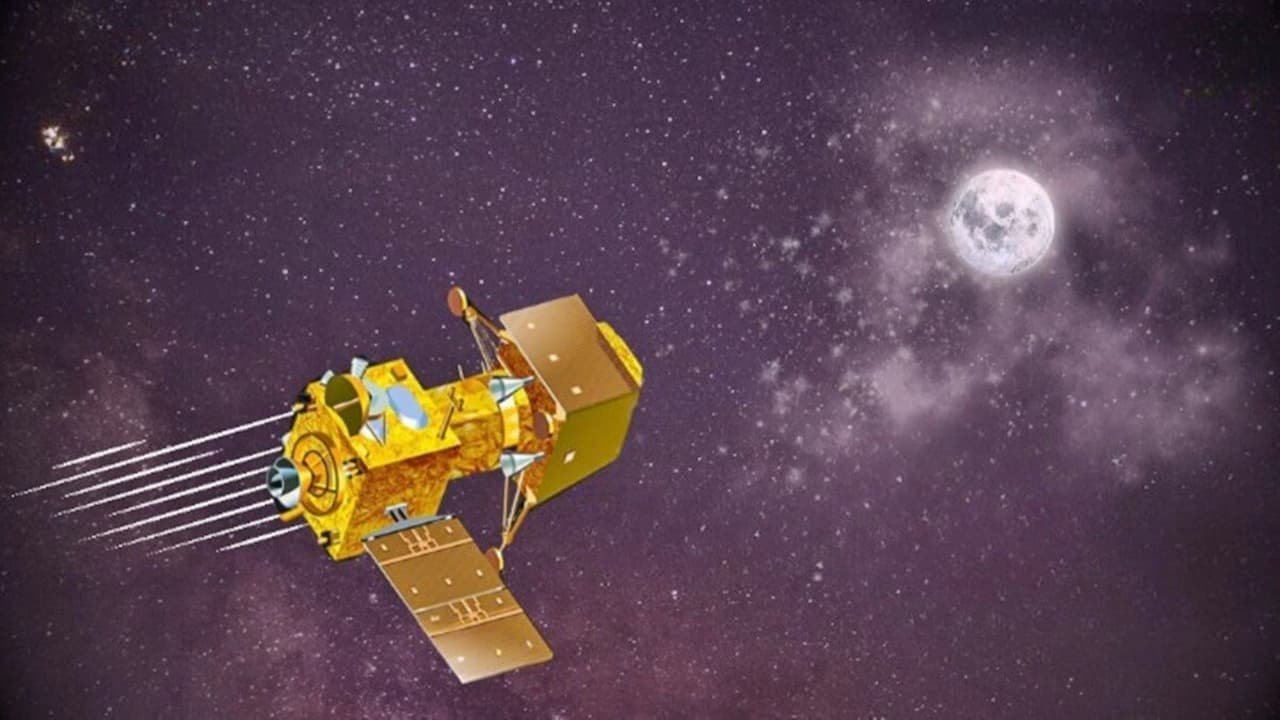
ISRO’s ambitious Chandrayaan-3 mission has been on a journey to the Moon since its launch on July 14. According to the space agency, Chandrayaan 3’s lander, with a rover accommodated inside it, is expected to touch down on the surface of the Moon around 6.04 pm on August 23.

Here is a glimpse of the journey India’s third lunar exploration venture has taken so far:

July 14: The LVM3 M4 vehicle successfully launches Chandrayaan-3 into orbit from Sriharikota in Andhra Pradesh. Chandrayaan-3 starts its journey into a precise orbit.

July 15: The first orbit-raising manoeuvre (Earthbound firing-1) was successfully performed from ISTRAC/ISRO, Bengaluru. The spacecraft is in 41762 km x 173 km orbit.

July 17: A second orbit-raising manoeuvre performed. The spacecraft is in a 41603 km x 226 km orbit.

July 22: Another orbit-raising manoeuvre completed using earth-bound perigee firing.

July 25: ISRO performs one more orbit-raising manoeuvre. The spacecraft is in a 71351 km x 233 km orbit.

August 1: ISRO performs Translunar Injection successfully and inserts the spacecraft into translunar orbit. The orbit achieved is 288 km x 369328 km.

August 5: The lunar orbit insertion of Chandrayaan-3 was performed successfully. The orbit achieved is 164 km x 18074 km, as intended.

August 6: ISRO performs the second Lunar Bound Phase (LBN). With this, the spacecraft is in a 170 km x 4313 km orbit around the Moon. The space agency releases video of the Moon as viewed by Chandrayaan-3 during lunar orbit insertion.

August 9: Chandrayaan-3’s orbit is reduced to 174 km x 1437 km after a manoeuvre is performed.

August 14: The mission is in the orbital circularization phase after another manoeuvre. The spacecraft is in a 151 km x 179 km orbit.

August 16: The spacecraft is brought down to an orbit of 153 km x 163 km after firing is completed.

August 17: The landing module is successfully separated from the propulsion module.

August 19: ISRO performs a de-boosting of the lander module to reduce its orbit. The lander module is in a 113 km x 157 km orbit around the Moon.

August 20: One more de-boosting or orbit reduction manoeuvre on the lander module is performed. The lander module is in a 25 km x 134 km orbit.

August 21: Chandrayaan-2 orbiter formally welcomes Chandrayaan-3 lander module, saying ‘Welcome, buddy!’. Two-way communication between the two has been established. The Mission Operations Complex (MOX) now has more ways to communicate with the lander module.

August 22: ISRO releases images of the Moon captured by the Lander Position Detection Camera (LPDC) of the Chandrayaan-3 mission from an altitude of about 70 km. Systems are undergoing regular checks. Smooth sailing is continuing.

August 23: A safe and soft landing of Chandrayaan-3’s lander module on the southern pole of lunar surface is expected at 6.04 pm.

Wadar community to hold talks with Maha govt with their demands; also threaten to hold statewide protest if demands not met

wadar community, wadar, me wadar maharashtracha, protest, agitation
Wadar community to hold talks with Maha govt with their demands; also threaten to hold statewide protest if demands not met 20

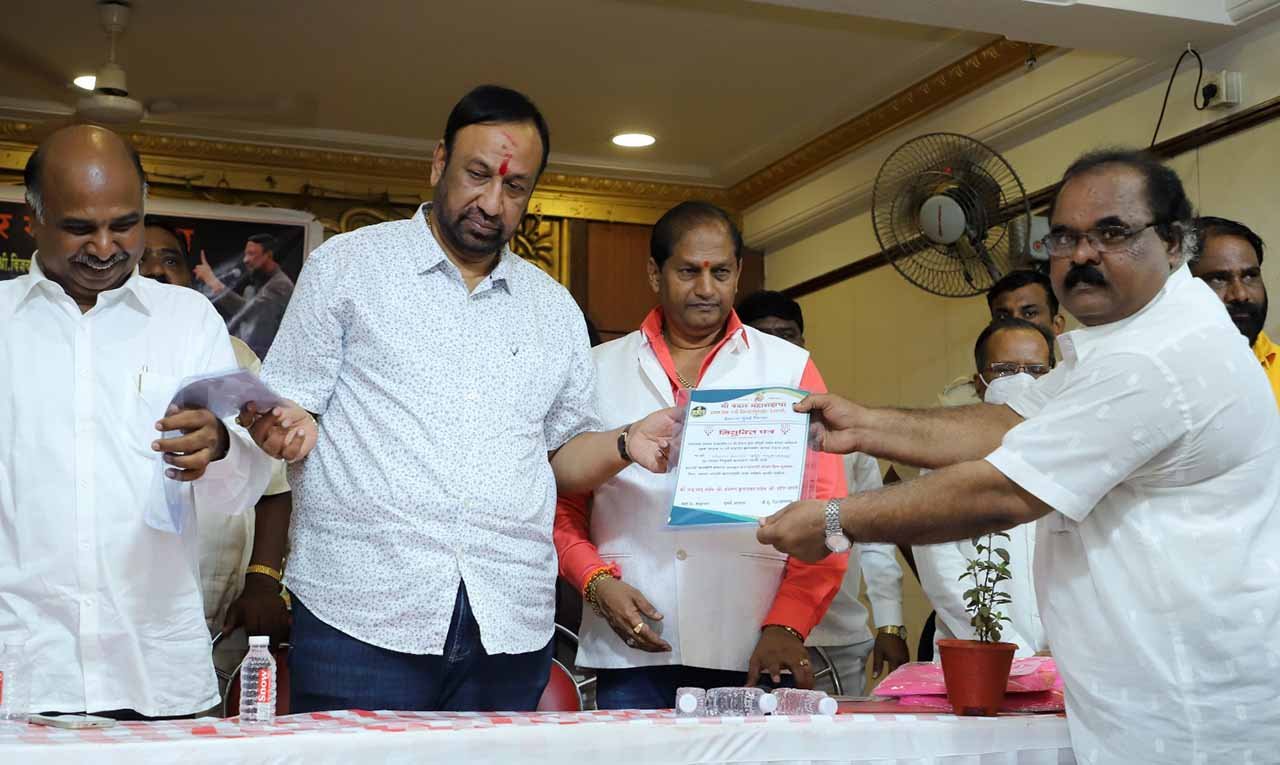
More than 500 members of the Wadar community gathered in Mulund on Sunday to demonstrate in support of their demands for the youth to be given equal access to education and employment.

The community has planned a statewide agitation and awareness drive called “Me Wadar Maharashtracha,” in which the community will be told about their rights and demands.

Babanna Kushalkar, Mumbai president of Me Wadar Maharashtracha, said, “The majority of our community has been into stonemasons, stone cutters, splitters, and carvers since tradition. This government has taken away our jobs from us, and our traditional work is taken over by migrant workers, who are given priority by this government.”

“Whether it is the promenade, road construction, or building construction—even the Raigard fort was built by our community,” he continued, “our community has made significant contributions to the development of this city and Maharashtra for many years, but this government has ignored all of our contributions. All new tenders are mostly given to Gujaratis and Marwadi businesses.”

“The Wadar community has been facing injustice since 1961,” Somanth Dhanawde, organizer and president of the Bhandup region, told Afternoon Voice. “Our caste, which comes under the Vimukta Jati and Nomadic Tribes (VJNT), is deprived of the reservation; our youth are unemployed due to a lack of opportunities given to us.”

Another complaint the community has is that their children are not being admitted to school because “our community is mostly a nomadic tribe, and some people have no proper documentation or ancestral history.” The school and college authorities harass us for basic education needs.”

The organizers have threatened the government with a statewide protest if their demands are not fulfilled.