Delhi government ought to have control over administrative services, says Supreme Court 2
In a unanimous verdict, the Supreme Court on Thursday ruled that the Delhi government has legislative and executive powers over services.
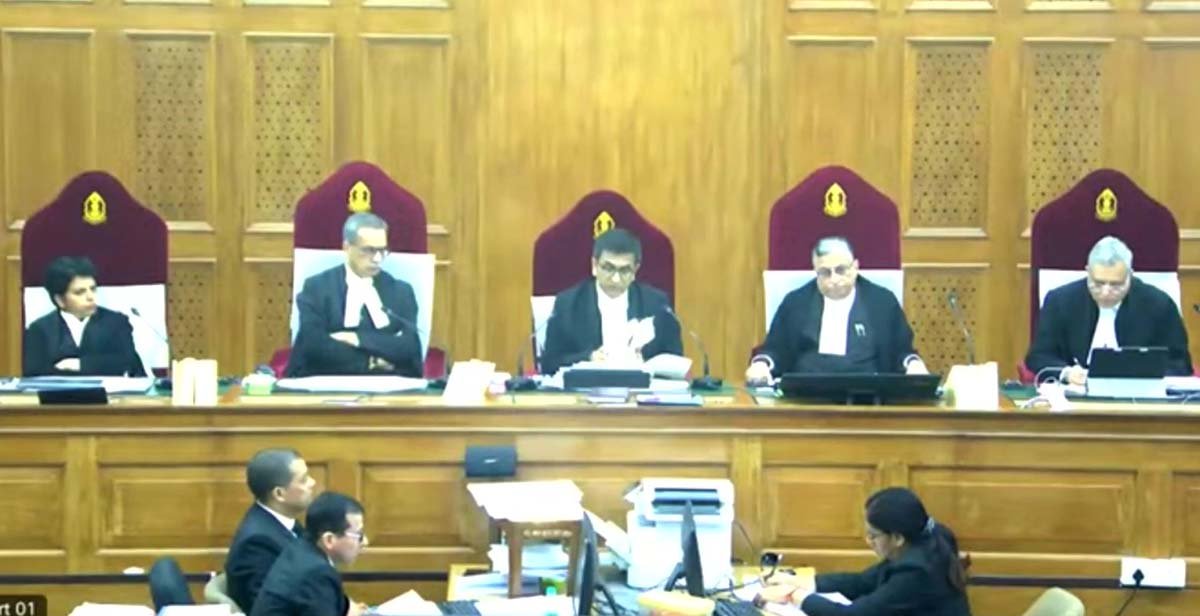
Hearing the Centre versus the Delhi government over the issue of demarcation of power, a constitution bench headed by Chief Justice DY Chandrachud said an elected government needs to have control over the administration.
It refused to agree with the 2019 judgement of Justice Ashok Bhushan that the city government has no power over the issue of services.
The bench, which also comprised Justices M R Shah, Krishna Murari, Hima Kohli and P S Narasimha, said democracy and federal structure are part of the basic structure of the Constitution.
The constitution bench was set up to hear the legal issue concerning the scope of legislative and executive powers of the Centre and the National Capital Territory government over control of services in Delhi.
SC verdicts today in Delhi government vs Centre row, Maharashtra political crisis 4
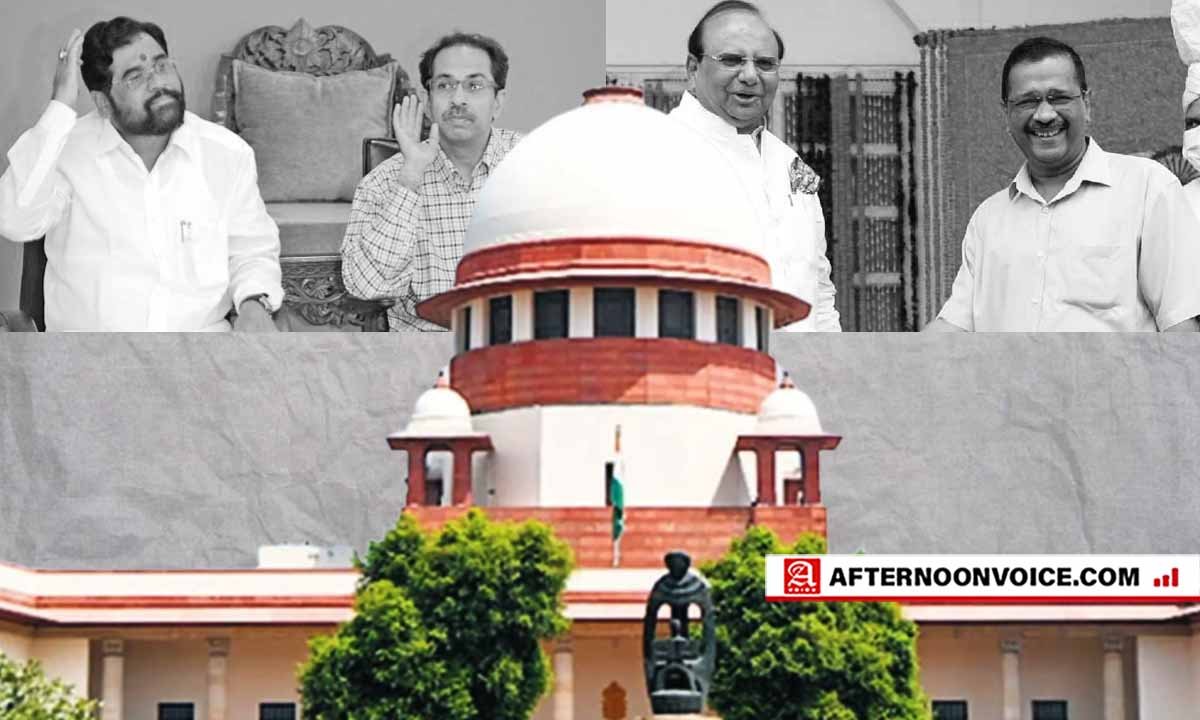
The Supreme Court will on Thursday pronounce its most awaited verdicts in two crucial matters- the political turmoil triggered in Maharashtra last year and the dispute between the Centre and the Delhi and government on who should control administrative services in the national capital.
The list of business for the day in the Supreme Court shows that both judgments are unanimous and will be delivered by a five-judge Constitution bench headed by Chief Justice of India DY Chandrachud.
The five-judge Constitution bench will include Chief Justice DY Chandrachud and Justices MR Shah, Krishna Murari, Hima Kohli and PS Narasimha will first pronounce judgement on the Delhi government’s plea relating to the control of services in the national capital.
The same bench will then pass its judgement on a batch of petitions filed by rival Shiv Sena groups after the June 2022 Maharashtra political crisis.
In August last year, the top court’s three-judge bench had referred to a five-judge Constitution bench the issues involved in the petition filed by rival groups of Shiv Sena, the Eknath Shinde group and the Uddhav Thackeray group in relation to the political crisis in the State that led to the fall of the tripartite Maha Vikas Aghadi (MVA) government.
It had said that some of the issues involved in the Maharashtra political crisis may require a larger Constitution bench for consideration.
There are various petitions pending before the apex court filed by both factions of Shiv Sena.
On June 29, 2022, the top court gave a go-ahead to the floor test in the Maharashtra Assembly on June 30.
It had refused to stay the Maharashtra Governor’s direction to the then Chief Minister Uddhav Thackeray to prove his majority support on the floor of the House on June 30.
After the apex court’s order, Uddhav Thackeray announced his resignation as the Chief Minister and Eknath Shinde was later sworn in as the Chief Minister.
Meanwhile in the Delhi government versus Lieutenant Governor, the top court has to decide the legal issue concerning the scope of legislative and executive powers of the Centre and Delhi government over control of services in the national capital.
The case was posted before a Constitution bench after a three-judge bench had in May 2021 decided to send it to a larger bench on a request by the Central government.
On February 14, 2019, a two-judge bench of the top court delivered a split verdict on the question of powers of the Government of National Capital Territory of Delhi (GNTCD) and Union government over services and referred the matter to a three-judge Bench.
While Justice Ashok Bhushan had ruled the Delhi government has no power at all over administrative services, Justice AK Sikri, however, had said the transfer or posting of officers in top echelons of the bureaucracy (joint director and above) can only be done by the Central government and the view of the Lieutenant Governor would prevail in case of a difference of opinion for matters relating to other bureaucrats.
The two-judge bench which was hearing pleas on six matters pertaining to a long-running conflict between the Centre and the Delhi government, had given a unanimous order on the remaining five issues except the control over services.
Governance of the national capital has witnessed a power struggle between the Centre and the Delhi government since the Aam Aadmi Party (AAP) came to power in 2014.
Prior to February 2019 judgement, a five-judge constitution bench of the Supreme Court had on July 4, 2018, laid down the broad parameters for governance of the national capital. In the landmark verdict, it had unanimously held that Delhi cannot be accorded the status of a State but clipped the powers of the LG saying he has no “independent decision-making power” and has to act on the aid and advice of the elected government.
It had restricted the jurisdiction of the LG to matters pertaining to land, police and public order and on all other matters, it held that the LG would have to act on the aid and advice of the council of ministers.
Shiv Sena-BJP can prove majority in Maha Assembly if needed: state BJP chief ahead of SC verdict 6
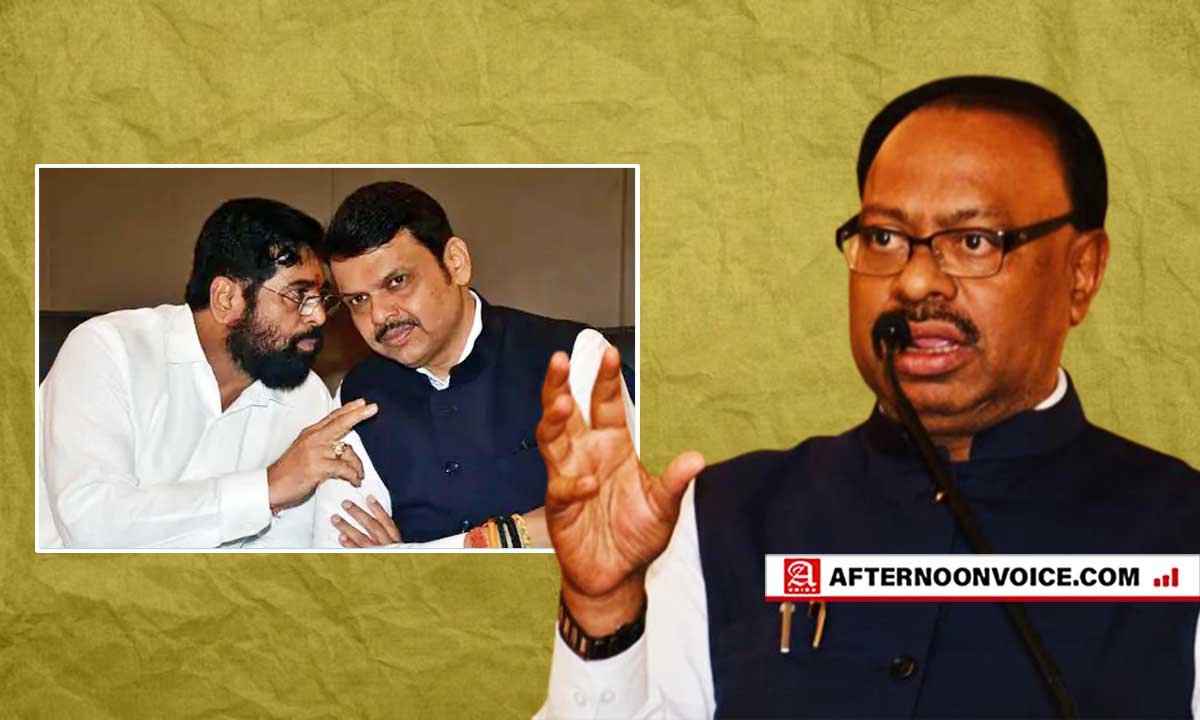
Maharashtra State BJP chief Chandrashekhar Bawankule asserted on Wednesday that the ruling Shiv Sena-BJP alliance can demonstrate majority support, if necessary, by garnering 184 or more votes in the 288-member Assembly, ahead of the Supreme Court’s decision on the Shiv Sena-centric political crisis in Maharashtra.
Speaking to reporters, Bawankule also cautioned that commenting on the SC ruling before it is pronounced is akin to contempt of court.
In March this year, the apex court reserved its verdict on a batch of cross-petitions by Uddhav Thackeray and CM Eknath Shinde factions pertaining to last year’s political crisis in the state, including one seeking disqualification of 16 Shiv Sena MLAs (of Shinde’s party) who revolted against Thackeray’s leadership.
Even the opposition leader (Ajit Pawar) and Sharad Pawar know that there is no threat to the incumbent Eknath Shinde-BJP government. “But if the need arises, we will prove majority by winning more than 184 votes in the state Assembly,” Bawankule said while replying to a query on the possible SC verdict. He said some people are speculating about the verdict, and if the top court takes cognizance, it can initiate strict action.
Bawankule was responding to comments attributed to some opposition leaders, wherein they reportedly said that CM Shinde would resign before the apex court’s ruling.
He said the upcoming elections would be contested under the guidance of CM Shinde and Deputy CM Devendra Fadnavis. “The next government will also be formed by the Shiv Sena-BJP alliance.” “We will together win 48 Lok Sabha seats and also win the Assembly elections (due in the second half of 2024),” he claimed. Bawankule informed that the state BJP has launched “Ghar Chalo Abhiyan” to reach 1 crore houses.
“Under this campaign, we plan to reach 60,000 houses in each Assembly segment in Maharashtra and strengthen the booths.” “We will take welfare schemes launched by the Centre and state governments to the common man,” he added. Bawankule also spoke about organisational changes in the state BJP on May 15. District presidents and tehsil office-bearers will be appointed from May 20 to June 10, he added.
Injured Aditi hopes to return to action before Olympic qualifiers 8
India women’s football team goalkeeper Aditi Chauhan, who is recovering from her second Anterior cruciate ligament (ACL) surgery, is hoping to make a comeback either late this year or early next year ahead of the Olympic qualifiers.
The ace goalkeeper suffered the injury while playing a friendly match against Nepal in Chennai.
”It’s a long and challenging journey ahead, but I am positive and determined to do everything I can to keep going,” Aditi, who is recuperating at her home and was undergoing intensive physiotherapy, said.
”It’s a very frustrating time as an athlete but I want to channel this time and energy into something positive and constructive so I’ll continue working towards my passion and work on ways I can contribute towards making things better for women footballers.”
Her foundation, Aditi Chauhan Foundation also recently entered into a new strategic partnership with UK Elite Sports Group which will help in the development of the game at the grassroot level in India in collaboration with She Kicks Football Academy. She Kicks Football Academy also recently launched the second edition of The She Kicks Football League in association with TGIF Leagues in Mumbai.
IPL 2023: MI achieve fastest 200-plus run-chase in IPL history following win over RCB 10
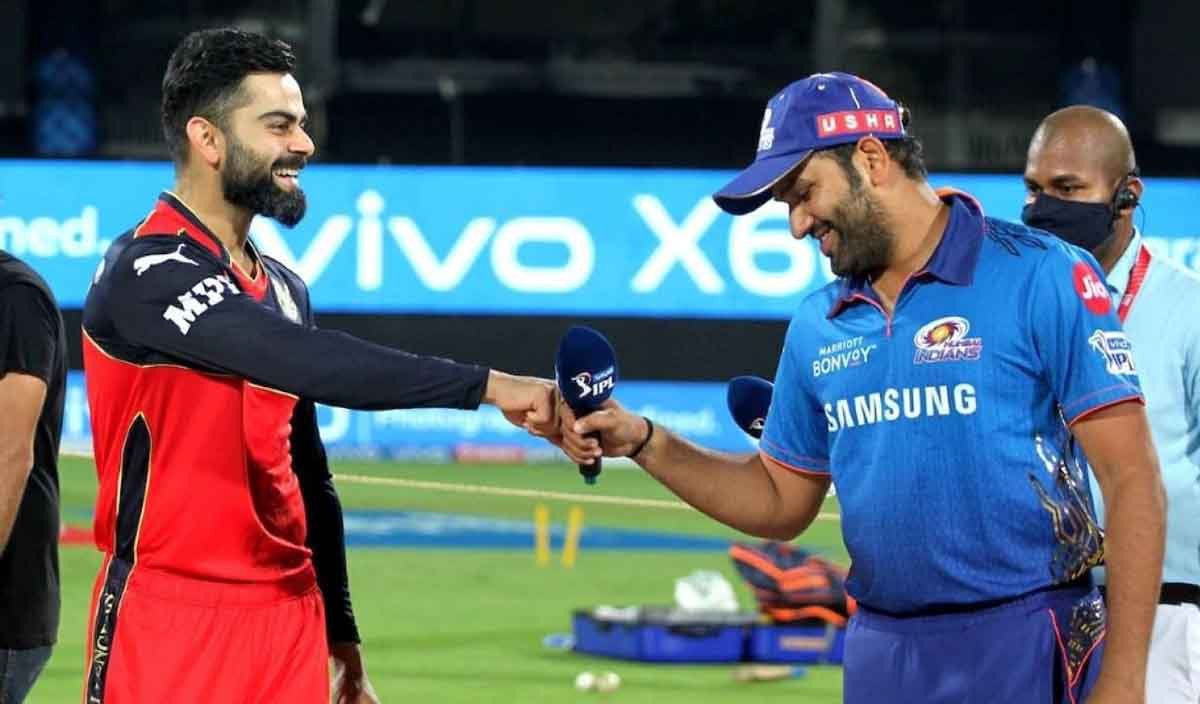
Mumbai Indians (MI) registered a unique record to their name following their win in the Indian Premier League (IPL) match against Royal Challengers Bangalore on Tuesday. MI defeated RCB by chasing the 200 in 16.3 overs sparing 21 balls which is the fastest victory by any team chasing a 200-plus score in IPL history.
Previously in 2017, Delhi Daredevils had the record of the fastest 200-plus run chase, winning the match against Gujarat Lions. DC had chased the target of 208, with 15 balls to spare. Kings XI Punjab (Punjab Kings) also pulled off a 200-plus chase, winning the match against Kolkata Knight Riders sparing 10 balls in the year 2010. Put to bat first by MI, RCB put on 199/6 in their 20 overs. After MI took early wickets of Virat Kohli (1) and Anuj Rawat (6), RCB bounced back into the game with a 120-run stand for the third wicket between skipper Faf du Plessis (65 in 41 balls, with five fours and three sixes) and Glenn Maxwell (68 in 33 balls, with eight fours and four sixes).
Late cameos from Dinesh Karthik (30 in 18 balls, four boundaries and a six) and Kedar Jadhav (12* in 10 balls) took RCB to a competitive total. Jason Behrendorff (3/36) was the pick of the bowlers for MI. Cameron Green, Chris Jordan and Kumar Kartikeya took a wicket each.
In chase of 200, Ishan Kishan’s power-hitting put MI to a good start but the hosts were reduced to 52/2 in five overs after Kishan (42 in 21 balls, four fours and four sixes) and skipper Rohit Sharma (7) were dismissed by Wanindu Hasanranga. However, once Suryakumar Yadav and Nehal Wadhera settled, there was no looking back for MI. The duo put on 140 runs for the third wicket. Suryakumar scored 83 off just 35 balls, consisting of seven fours and six sixes. Wadhera scored 52* in 34 balls with four boundaries and three sixes, hitting the winning runs for MI.
MI chased down the total with 21 balls and six wickets in hand. Suryakumar Yadav took home the ‘Man of the Match’ award for his explosive knock.
With this win, MI has reached the third spot, with six wins and five losses. They have a total of 12 points. RCB has slipped to seventh position, having won five matches and lost six. They have a total of ten points.
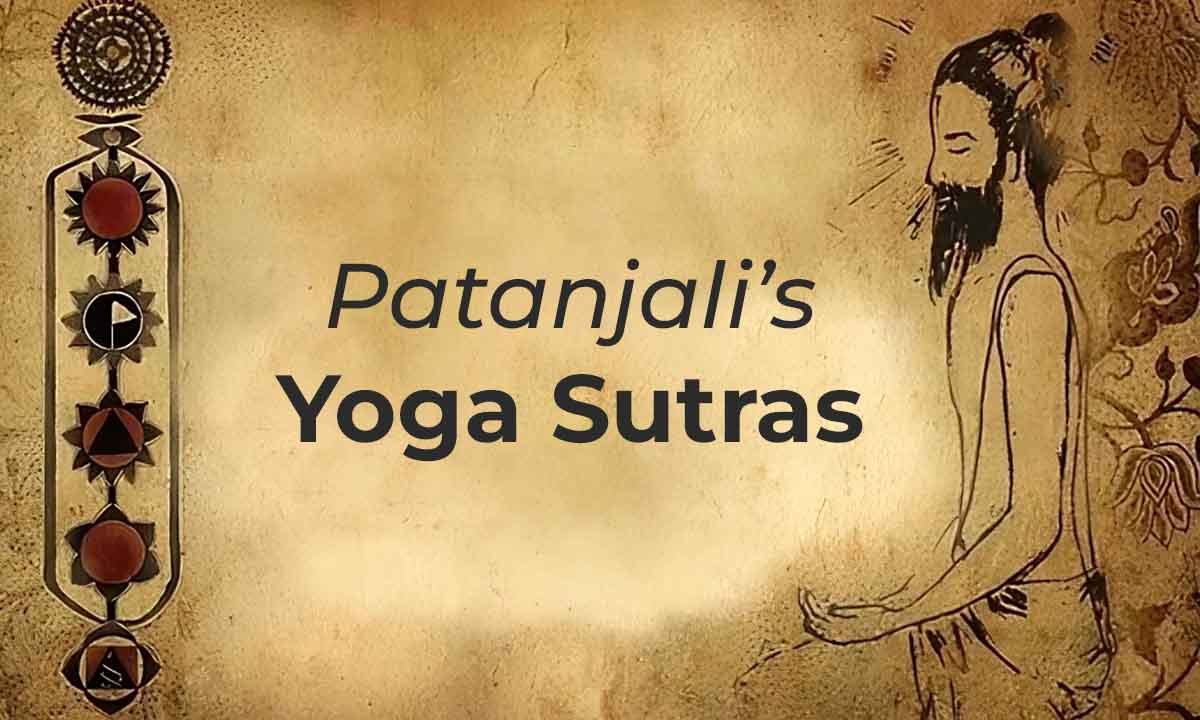
Yoga Sutras is the practice of settling the mind into ultimate divinity 12
The Patanjali Yoga Sutras have been interpreted and stated by many people over time. In ancient times, Patanjali wrote the sutras on palm leaves, but most of his teaching was done orally, and students learned by way of sutras. The word “sutra” comes from the same root as the medical term “suture,” meaning to join or embrace together. When a teacher illustrated a piece of knowledge, the student would be given a short axiom that would later remind them of the greater body of material. This was somewhat the same as modern-day cue cards.
Patanjali Yoga Sutras places emphasis on four stages, Samadhi Pada, which expresses the goal of concentration as a means of achieving vairagya (detachment) through abhyasa (practice); Sadhana Pada, which describes Kriya yoga (yoga of action) and the steps to eliminate worldly suffering and reach a yogic state. Vibhooti Pada is the fixing of the chitta (the chitta primarily represents one’s mindset, or state of mind) in a particular place or area, either physical or psychological. That is, the “desha” (status) may be a particular place in the body, such as a chakra, or it may be a visualized image, such as a yantra, or a thought, such as a mantra. This mental activity itself produces a vritti. And the last one is Kaivalya Pada, Kaivalya means “solitude” or “detachment” in Sanskrit. In this case, it refers to the isolation of purusha from prakṛti (nature), and therefore the liberation from rebirth and freedom from suffering. As such, the chapter Kaivalya Pada is about the final liberation. So, Samadhi Pada defines what yoga is, Sadhana Pada describes the eightfold path of yoga, and Vibhuti Pada explains the benefits of yoga.
Mythologically, Vishnu, the maintainer of the universe, sleeps between conceptions, resting on the multi-headed serpent Anantha, floating on the ocean of attentiveness. When Shiva, the Nataraj, woke Vishnu with his dance of creation, Anantha asked for a wish to be born as a great teacher. Shiva granted his wish, and he was born as Patanjali in the palm of the great Yogini, Gonika. In the early 11th century, the Persian scholar Al Biruni visited India, lived among Hindus for 16 years, and, with their help, interpreted several significant Sanskrit works into Arabic and Persian. One was Patanjali’s Yoga Sutras.
There are also many arguments on the yoga sutra, such as that Al Biruni’s text has striking variances from yoga sutra manuscripts discovered in India during the 19th century. Al Biruni’s record has helped modern scholars establish that Patanjali’s Yoga Sutras manuscript existed in India in many versions, each with multiple explanations by Hindu scholars. Some of these versions and commentaries have either vanished or been undiscovered. Let us not get into these discussions, but the fact is that we Hindus believe that yoga was preserved by the sadhus (ascetics, sannyasis) of India. Some of the Hindu yoga elements were adopted by the Sufi sect of Muslims in India. If we look at Buddhism, the yoga scholar Stephen Cope identifies many similarities between Raja yoga and Buddhism. He notes that the two philosophies are not the same but are strikingly similar, having shared a long period of interchange up to about 500 CE.
Some medieval Indian texts on yoga refer to Rajayoga as one of many types of yoga. For example, the 17th-century Sarvanga yoga pradipikå, a Braj-bhashya commentary by Sundardas, teaches three tetrads of yoga. The first group is Bhakti yoga, Mantra yoga, Laya yoga, and Carcha yoga; the second is Hatha yoga, Raja yoga, Laksha yoga, and Ashtanga yoga; and the third is Samkhya yoga, Jñana yoga, Brahma yoga, and Advaita yoga. Of the twelve, Sundardas states that Rajayoga is the best yoga.
One meaning of Raja yoga is as a modern retronym introduced by Swami Vivekananda, when he equated Raja yoga with the Yoga Sutras of Patanjali. After its circulation in the first half of the 1st millennium CE, many Indian scholars reviewed it, then published their notes and commentary on it. Together, they form a norm called the Pātañjalayogaśāstra .
Patanjali’s Yoga Sutras may be a synthesis of three traditions. From the Samkhya school of Hinduism, the Yoga Sutras adopt the “reflective discernment” (adhyavasaya) of prakriti and purusha (dualism), its intangible rationalism, and its three epistemic methods for gaining reliable knowledge. The yoga sutras are adages. They are 196 in number. The interesting thing about them is that they are mostly two liners. These short Sanskrit aphorisms have deep meanings. If you have a guru or teacher to guide you through the yoga sutras, then ultimate attainment is possible. One needs to consider each sutra for a long time to understand its underlying meaning. Sutra contemplation helps to purify the mind. You’ll be amazed to learn what yoga really is from these sutras.
The word “yoga” comes from the Sanskrit word “Yuj,” which means ‘union’ or ‘to join’. Sutras are concise aphorisms; compressed knowledge that is easy to remember. Purify yourself through steady restraints, such as non-violence, and observances, such as moderation. This is how to live in a way conducive to Self-Realization. It’s not a pre-meditation thing but rather a lifestyle you activate to think better, among other reasons. After pranayama, ultimately, a breathing technique comes to focus on the breath, the mind, the body, chakras, or any number of internal objects. When single-pointed focus is achieved, this is called Dharana. Once this focus is achieved, it is called Dhyana. After a certain amount of “time” spent in this absorption, cosmic consciousness dawns. This is samadhi. It’s higher- energy. This is the union of matter and spirit, the union between personal and divine consciousness. This state of mind and body is bliss, ecstasy, tingling, sudden insight, siddhis, and other God-consciousness-type effects. Repeated exposure to this state results in liberation, freedom from suffering, spiritual enlightenment, and self-realization.
The studies suggest that a normal human being will have 6000+ thoughts per day, which is about six and a half-thought fluctuation per minute. All these thoughts that keep coming into our minds can be positive, negative, or neutral. And these various thoughts in our mind drive the mood and emotions, and that is what will show in our acts or expressions. If each one of us practices the sutras, one can attain peace and stability in life. Ishwara (God, or the supreme power that controls every cosmic action and nature cycle) is the ultimate! It is nature! It is life! It is the spirit! something that is very difficult to describe but is possible to feel.
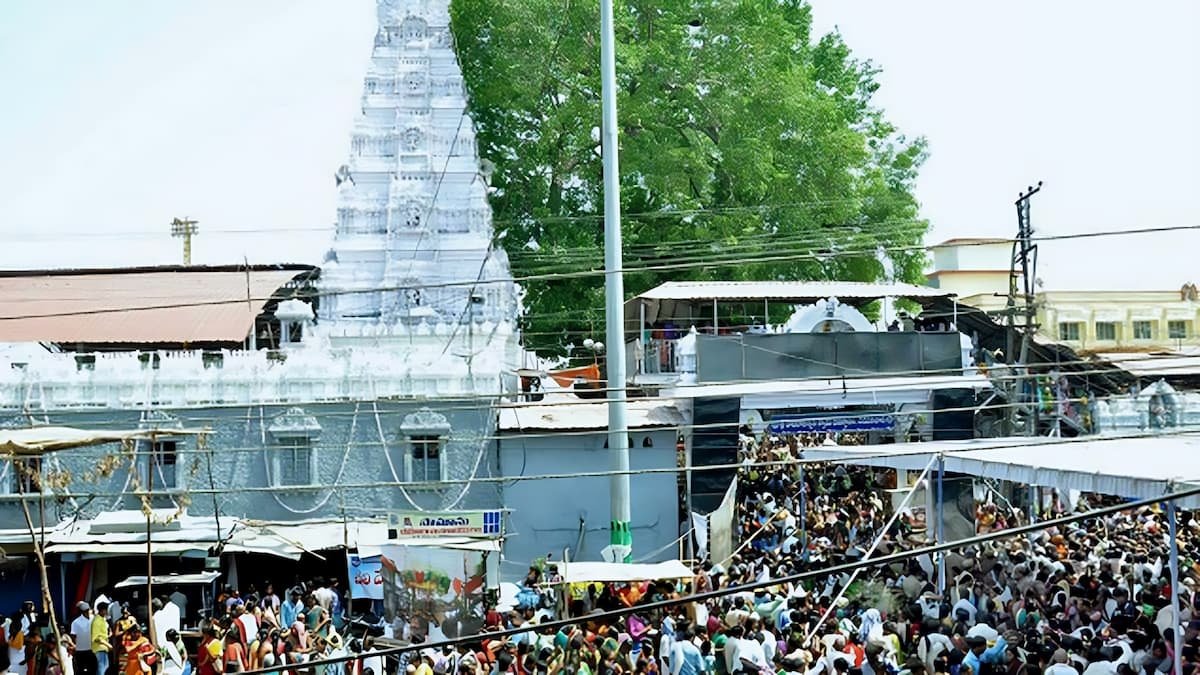
Sri Raja Rajeshwara Temple, Vemulawada | Image: Agency
I was brought up in Mumbai, but my maternal and paternal families live in Telangana. Sri Raja Rajeswara Temple is our family deity. This time, when I went to meet family members, they insisted on visiting Vemulawada. The temple is always overcrowded, and sometimes it is difficult to get through. But its management is excellent and very considerate. The temple surroundings are also very mesmerizing, with the required arrangements.
That night I had to catch a flight back to Mumbai, and there was a senior citizen with me. Somehow, I reached the PRO office and approached Mr. Upadyaula Chandra Shekhar, a kind person with a human approach. I found him very approachable and calm, so I told him about my difficulties. He generously guided us, and that’s how we took darshan in the available time.
Sri Raja Rajeshwara Temple is one of the most famous Hindu temples in Telangana, dedicated to Lord Shiva. It is located in the town of Vemulawada, Telangana, India. Historically, the region was the capital of the Vemulawada Chalukyas, who ruled from 750 to 973 CE. The Chalukyas of Vemulawada were an Indian dynasty that ruled in and around present-day Telangana between the 7th and 10th centuries. Their capital was located at Vemulawada, and they were vassals of the Rashtrakutas. The dynasty’s original capital was at Podana (modern Bodhan), but it was later moved to Vemulawada, probably during the reign of Vinayaditya’s successor Arikesari.
According to the dynasty’s imprinting, Arikesari conquered Vengi and Trikalinga; this probably refers to his conquest of the Vengi Chalukya king Vishnuvardhana IV on the orders of his Rashtrakuta overlord Dhruva Dharavarsha.
This temple of Shiva in the form of Sri Raja Rajeswara Swamy is very famous in this part of the Telangana region. The presiding deity of the temple is Sri Raja Rajeswara Swamy, who is locally popular as Rajanna, who is adorned on both sides by the idol of Sri Raja Rajeswari Devi on the right side, and to the left is the idol of Sri Laxmi Sahitha Siddi Vinayaka. Vemulawada Raja Rajeswara temple is situated 38 km from Karimnagar. This famous temple dedicated to Lord Rajarajeswara Swamy draws pilgrims in large numbers.
You can have a divine bath in a holy tank called Dharma Gundam before proceeding for darshan, and these holy waters are believed to have medicinal properties. Every year at the time of Maha Sivarathri, devotees flock in large numbers to Vemulawada to offer prayers to Lord Shiva. This temple also has a unique offering made by devotees known as “Kode Mokku.” Kode Mokku is a ritual where the devotee makes the pradakshinam of the temple with a kode (bull), which is the vahanam (Nandi) of Lord Shiva.
Inside is a massive Siva Linga, and on several occasions, it has been open for people to offer abhishekam and poojan. You can also perform Shiva Kalyanam. Shiva Parvati Kalyanam is the marriage ceremony of a divine couple, Lord Shiva and his consort Goddess Parvati. Shiva Kalyanam is celebrated during Shivaratri. Usually, Shiva Kalyanam is performed on the day after Shivaratri.
Devotees crowd the Sri Raja Rajeswara Temple all year. The holy place has huge significance in various cultures, and it is a custom to donate one’s hair at the temple as a form of worship. It is believed that devotees donate their hair here once their wish is fulfilled or to get rid of sins and egos.
The reason behind hair donation is that it is believed that God gives you 10 times more value in the form of money than what the devotees donate in hair at the Rajarajeshwara temple. The goddess is said to bless those who donate their hair. Here, not only men but also women donate their hair after the vow is fulfilled. Even the first hair of a child is given here in the form of Mundan.
Devotees are served food, a shed to rest, and very tasty laddu prasadam to carry. The temple has every facility; you can also perform Tula Bharam here. Tulpurua, or Tula-dana, is an ancient Hindu practice in which a person is weighed against a commodity (such as gold, grain, fruits, or other objects), but here it’s against jaggery, and the equivalent weight of that is offered as a donation.
Whenever you visit a temple, carry lots of coins with you, as the temple entrance starts with beggars, and there are many to follow you in each corner. Sri Raja Rajeshwara Temple has water, food, and resting facilities. A must-see for a spiritual boost.
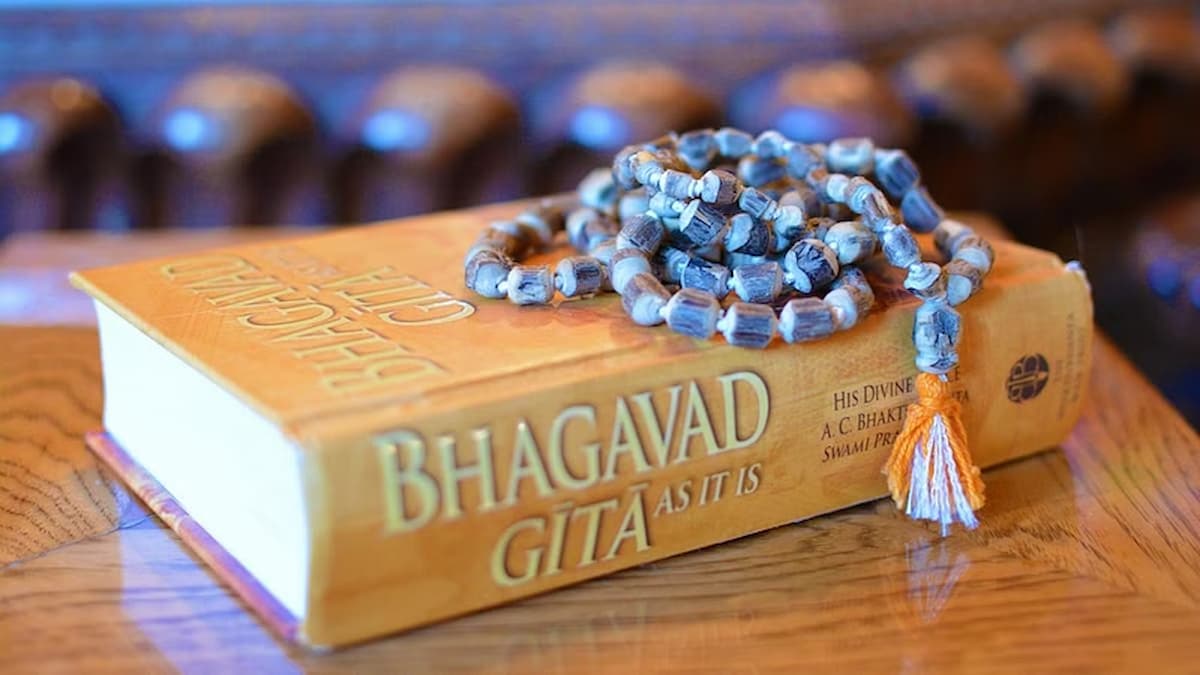
Bhagavad Gita 2.13 says that as the embodied soul continuously passes in this body, from boyhood to youth to old age, the soul similarly passes into another body at death. A sober person is not perplexed by such a shift. As a person puts on new garments, giving up old ones, the soul similarly accepts new material bodies, giving up the old and useless ones. (Bg 2.22).
According to Brahmarshi Patriji, using the five fingers of our hand, we can understand which dimension of being we live in. Each finger represents an aspect of being. Our little finger represents our body, our ring finger represents the mind, our middle finger represents intelligence, our index finger represents our soul, and our thumb represents the spirit, or all that is. As much as light comes from fire, the soul comes from the Supreme Lord; they are inseparable and exist simultaneously, but one is dependent on the other. Because the soul is spiritual, it is always alive and has the qualities of the Supreme Lord, but to a minute degree.
According to Sri Krishna in the Bhagavad Gita, the soul is the person. When the person leaves, all that is left is a material body that the person used for their activities for a short while. It’s like a set of clothes that have worn out and are discarded. Our clothes are never alive, but they move with us and follow our shape. The material body is a highly sophisticated set of clothes. It repairs itself, it grows, and it allows us to perform activities, but when we leave it, it’s just a pile of material elements lying motionless where we leave it. Everyone knows the person is gone. No one wants to keep the body; we can see the body, but what was interesting was the person in the body. The soul leaves, and that is when the person is gone because the person is the soul.
People do not have souls; people are souls. No soul, no person At death, the soul or person leaves a collection of chemicals that have been brilliantly arranged into a body, and all that is left are the chemicals that break down into their simpler forms now that the life that sustained them is gone. The person goes to another location and eventually starts to grow a new body, which then takes birth, and they start a new life as a person based on the new body they have built for themselves in their mother’s womb. The previous identity is erased, but the subtle impressions from the previous birth remain in the subconscious mind that travels with the person from body to body. As the new body develops, the subtle impressions and desires from the previous life emerge and influence our choices, likes, dislikes, etc.
It lives in the region of the heart of a material body and, from there, permeates the body as consciousness. It is carried from one location to another by material nature and is encased in a variety of bodies depending on its desires and activities. It may go up to higher planetary realms, or it may go down to lower ones, or it may leave the material world altogether and go to the spiritual realm.
In life, you are offered several choices leading to new stages of development. Initially, most progress along the same path, but, at certain points, you have choices—whether to stay immersed in the status quo world or to explore the splendors of your spiritual journey. These choices can appear at any time during your life; the key is to stay alert and listen to the wisdom of your heart. There are multiple dimensions, and this dimension we are in is one of them.
You are born into a material world where your lower three chakras rule your life. You enter the world in a state of innocence, and as long as you are healthy and have a loving family, you live in a world of joy and bliss. You still have a strong connection to the divine and the field of the absolute, from which your consciousness just emerged. The spiritual being is still very much awake. However, for most, this memory begins to fade as you are taught how to “fit in” and become distracted by the world around you. A rare few manage to maintain their divine connection and enjoy spiritual greatness.
As you grow, the ego emerges, and soon you realize that you are completely at the mercy of all around you. Fear and its corresponding emotions begin to overshadow the pure love you have experienced up to this point. You find that to get what you want, you have to please those in charge. You develop your personality and begin creating all the stories that will shape and define your life.
The opportunity of your second choice is when you begin to give from a place of love and compassion without any concern for recognition or reward. Your giving becomes selfless, and your true spiritual journey begins. Now you can begin your regular spiritual practices. The longing for enlightenment grows within you. Your decisions now come mostly from the fourth chakra, the heart center. You begin to look for the deeper meaning of things. You try to understand why you are here and how you can make your life more meaningful. You may study with teachers and gurus. You read books and practice techniques. You have glimpses of the goal that encourage you to remain on the path.
The Earth is a wonderful school where many souls come for their learning, evolution, and growth. They undergo structured development—a structured way of learning. The souls go through the five stages of being an infant soul, a child soul, a young soul, a mature soul, and an old soul until they realize their Buddhahood, Krishnahood, or Christ consciousness.
All five soul cycles need to be passed through; there is no skipping or jumping through any cycle of the soul. Each cycle can take, on average, up to 400 lifetimes, depending on the soul’s evolution. Each soul moves according to its own rhythm. However, growth can be accelerated. This is not a hierarchy; it is a stage of development.
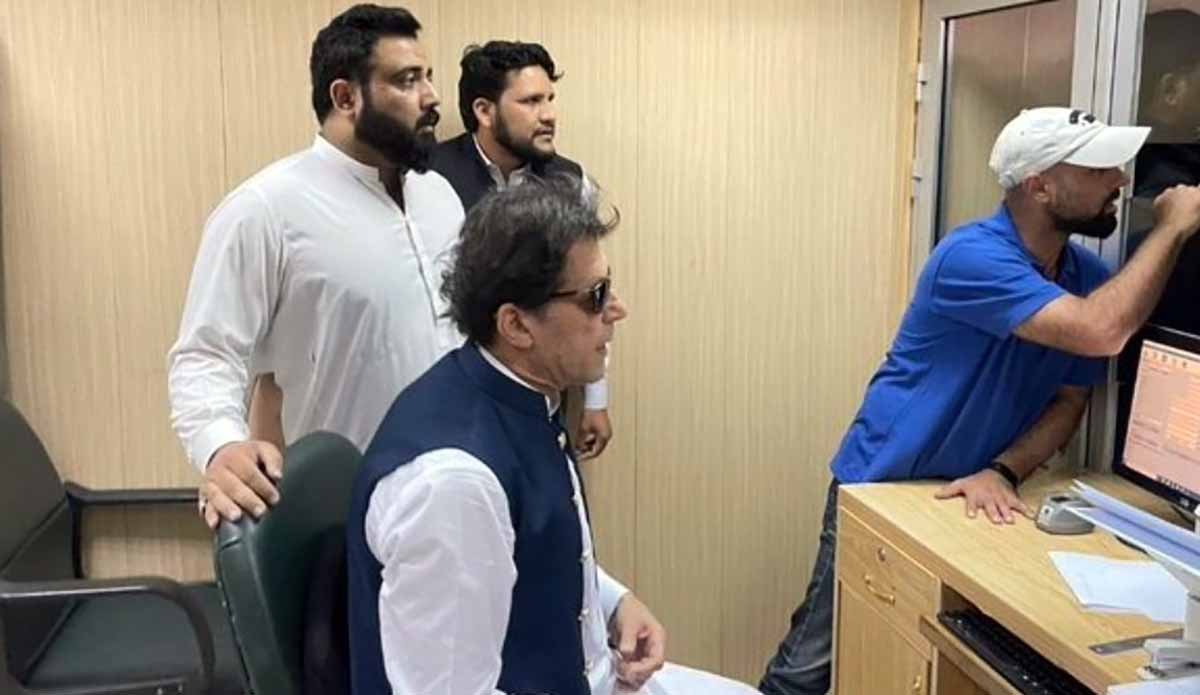
Former Pakistan PM Imran Khan arrested in graft case 16
Pakistan’s former prime minister Imran Khan was arrested by paramilitary Rangers on Tuesday while he was present at the Islamabad High Court for the hearing of a corruption case, a day after he took on the country’s powerful army for allegedly hatching a plot to kill him.
His party confirmed the arrest of the 70-year-old former cricketer-turned-politician.
The arrest comes a day after the powerful army had accused Khan of levelling baseless allegations against a senior officer of the spy agency ISI.
The chairman of the Pakistan Tehreek-e-Insaf (PTI), who travelled from Lahore to the federal capital Islamabad, was undergoing a biometric process at the court when the Rangers broke open the glass window and arrested him after beating lawyers and Khan’s security staff, according to senior party leader Shireen Mazari.
TV footage showed the Rangers grabbing Khan from the collar and bundling him into a prison van.
”Mr Khan has been arrested in a land transfer case to property tycoon Malik Riaz and is being handed over to National Accountability Bureau (NAB)”, a NAB official confirmed to PTI.
He said that Khan has been arrested in the Al-Qadir Trust case. ”His arrest warrants were issued today morning and subsequently he is arrested,” he said.
”What laws? Courts attacked by Rangers as if invading an occupied land – lawyers & IHC staff also beaten. This is Pakistan today – a fascist State where the High Court has been attacked by paramilitary forces,” Mazari said.
”State terrorism – breaking into IHC premises to abduct Imran Khan from court premises. Law of the jungle in operation. Rangers beat the lawyers, used violence on Imran Khan and abducted him,” tweeted Mazari.
The party alleged that Khan was being tortured but it was not confirmed independently.
The Dawn newspaper reported that IHC Chief Justice Aamer Farooq directed the Islamabad police chief, the interior ministry secretary and the additional attorney general to appear before the court within 15 minutes.
Chief Justice Farooq said that he was showing ”restraint” and warned that he would “summon” the prime minister if the Islamabad police chief did not appear before the court.
”Come to court and tell us why Imran has been arrested and in which case,” Justice Farooq was quoted as saying by the paper.
Islamabad police released a brief statement quoting Inspector General (IG) Akbar Nasir Khan as saying that Khan had been arrested in relation to the case which concerns allegations that Bahria Town allotted land worth Rs 530 million to Al-Qadir Trust, owned by the PTI chairman and his wife Bushra Bibi.
The police chief also said that the situation in Islamabad was ”normal”. He added that Section 144 had been imposed in the federal capital and action would be taken against violators.
Quoting Barrister Gohar Khan, who was at the court during Khan’s arrest, Dawn said the former prime minister was ”tortured”.
”They hit Imran’s head and leg…his wheelchair was also tossed aside during the arrest,” Gohar was quoted as saying by the paper. Former information minister and PTI Vice President Fawad Chaudhry said Khan has been abducted from Court premises and scores of lawyers and general people have been tortured. ”Imran Khan has been whisked away by unknown people to an unknown location, CJ Islamabad HIgh Court has ordered Secy interior and IG police to appear within 15 min in the court,” he tweeted.
Another senior leader Hammad Azhar said that Khan’s arrest was ”not acceptable” and asserted that the party chief ”is our red line”. He called on the nation to take to the streets against Khan’s arrest.
Another PTI leader Azhar Mashwani alleged that Khan had been “abducted” from inside the court by the Rangers. He said that the party had given an immediate call for staging protests in the country.
”They are torturing Imran Khan right now […] they are beating Khan sahib. They have done something with Khan sahib,” another leader Musarrat Cheema said in a video message posted on the party’s Twitter handle.
Khan has been facing a slew of cases since his ouster through a no trust vote in April last year. He has rejected all these cases as political victimisation by the ruling alliance.
Currently, Khan is facing over 140 cases related to terrorism, blasphemy, murder, violence, inciting to violence.
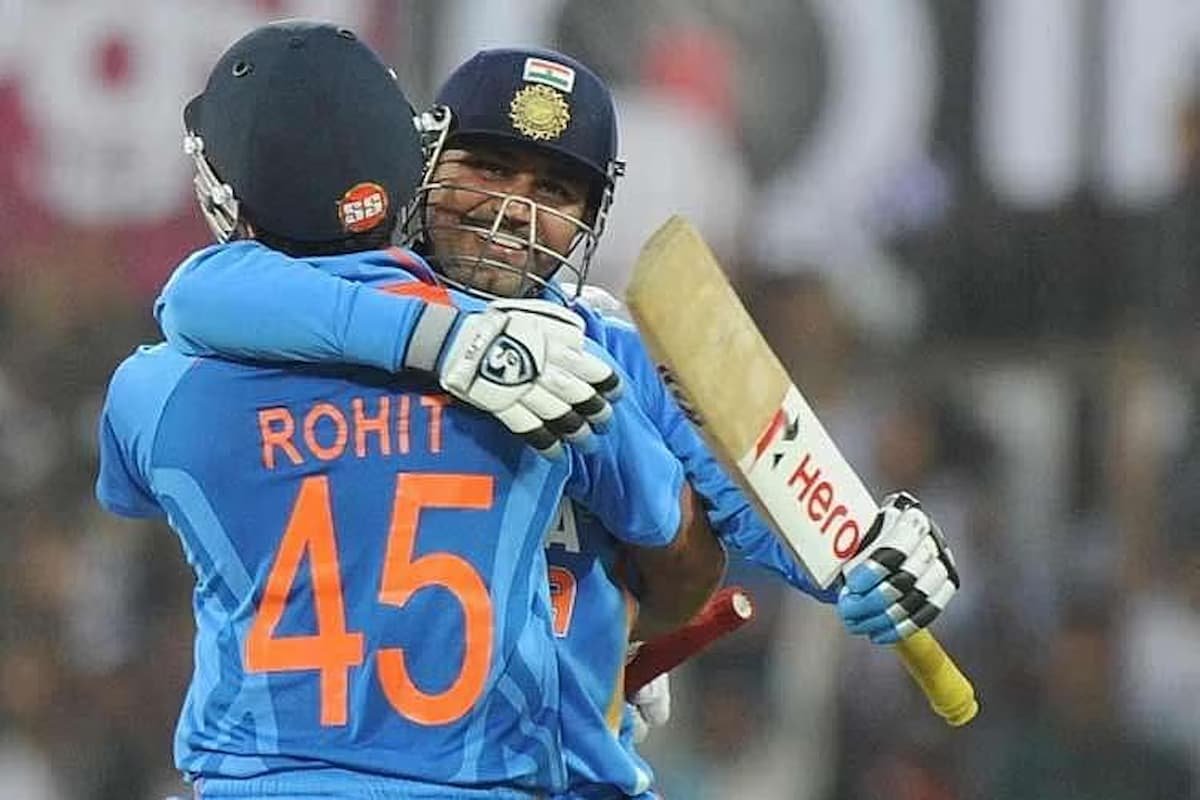
Rohit Sharma's struggles with bat is mental, not technical: Virender Sehwag 18
Mumbai Indians skipper Rohit Sharma is suffering from a “mental block” and there is no technical problem with his batting, said former India opener Virender Sehwag.
Rohit has been struggling for runs this IPL season, having scored just 184 runs at 18.39 and a strike rate of 126.89. In the last two games, he couldn’t open his account.
In fact, Rohit got his 16th duck, the most in IPL history, during the last match against Chennai Super Kings.
“Rohit Sharma is not battling with the bowlers but with himself. There is a mental block,” Sehwag said on on Star Sports’ Cricket Live. “There’s no problem with his batting technique. Some confusion is going on in his mind. But the day he gets going, we will make up for all the previous matches.” Five-time champions MI are languishing at the seventh spot with 10 points following five losses and as many wins. They suffered a six-wicket loss to CSK in their last match after a poor start saw them managing just 139 for eight, a target overhauled by their opponents in 17.4 overs.
Opening the innings, Cameron Green and Ishan Kishan scored just 6 and 7 respectively and former Australia batter Aaron Finch said the Mumbai openers look confused and they should learn from the way CSK’s Ruturaj Gaikwad goes about his business.
“MI’s opening combination looks confused they are taking a lot of risk. They were looking to hit all the balls. They should learn from Ruturaj Gaikwad, he remains so calm in the middle and hits the loose balls,” Finch said.
As Rohit struggles, Virat Kohli is having a stellar run with the bat, having amassed 419 runs so far in the IPL, though his strike rate has been questioned at times.
Hailing his consistent run over the years, former South African spinner Imran Tahir said, “Virat Kohli has always had the urge to score runs.”
“You can score maximum runs in one season, two or three seasons, but if you are successful in doing this for 15 consecutive seasons, then it can be attributed to the result of your hard work and dedication. ”What Virat has done in the last 15 years is really commendable.”