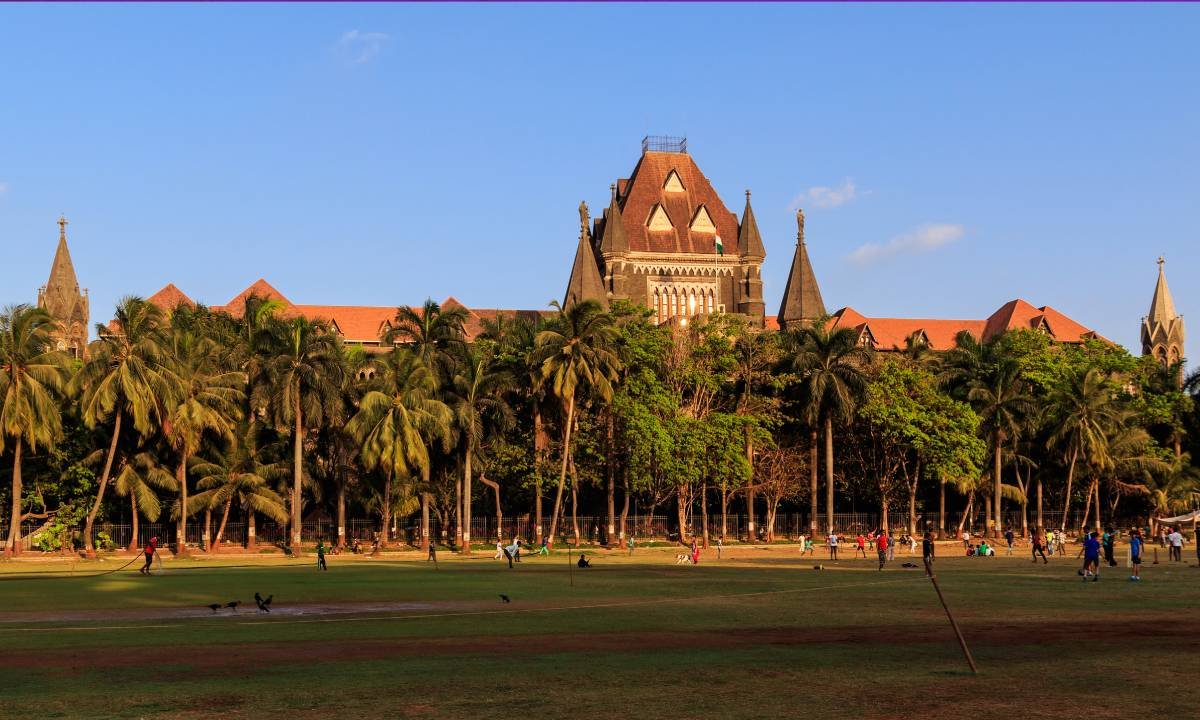
The Maharashtra government should implement seriously its policy to promote Marathi language, the Bombay High Court has said while directing it to henceforth hold the public prosecutor recruitment exam in the state in Marathi also.
A division bench of Justices S V Gangapurwala and R N Laddha passed the order on September 7 on a petition filed by one Pratap Jadhav, seeking that the exam for the posts of public prosecutors be conducted in Marathi also instead of only English.
The order was made available on Saturday. Jadhav had said he studied in Marathi since school, and that proceedings before the courts of Judicial Magistrate First Class and Civil Judge Junior Division are normally conducted in Marathi language.
Marathi is a local language, he said. The high court in its order said the Maharashtra government ought to have been serious on the issue.
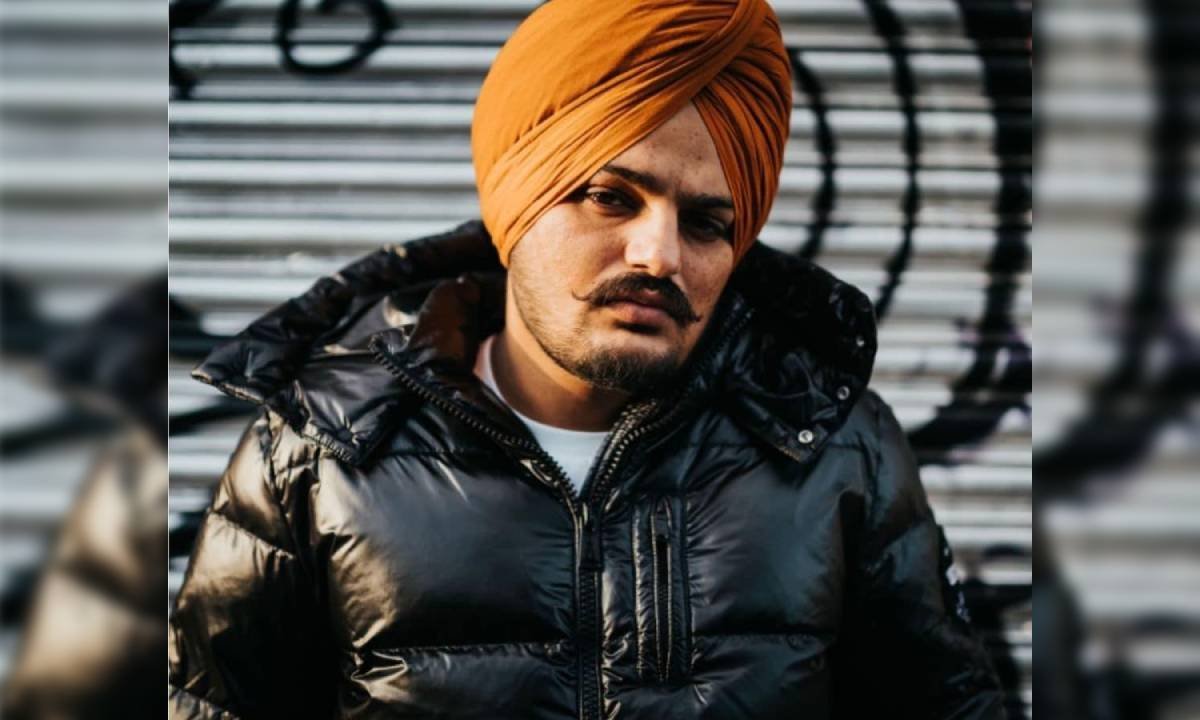
Sidhu Moose Wala murder case Accused conducted recce in Mumbai to target Salman Khan 3
Accused in Sidhu Moose Wala death case had conducted a recce in Mumbai to target Bollywood actor Salman Khan on the instructions of Lawrence Bishnoi, said Gaurav Yadav, Punjab Director General of Police (DGP) on Sunday.
Earlier in June, a threat letter was sent to him and his father Salim Khan
The letter in Hindi said that both Salim Khan and his son would soon meet the same fate as slain singer Siddhu Moosewala (Tera Moosawala bana denge), said the police sources on condition of anonymity.
A truck coming to Mumbai from Ahmedabad was gutted in a fire on Sunday evening in the Palghar district neighbouring Mumbai, an incident which affected the traffic on the national highway for at least two hours, police said.
No casualties were reported in the incident which occurred near Haloli village under the limits of the Manor police station, about 92 km away from Mumbai.
A police official said the truck was operated on CNG and fully loaded when the incident occurred.
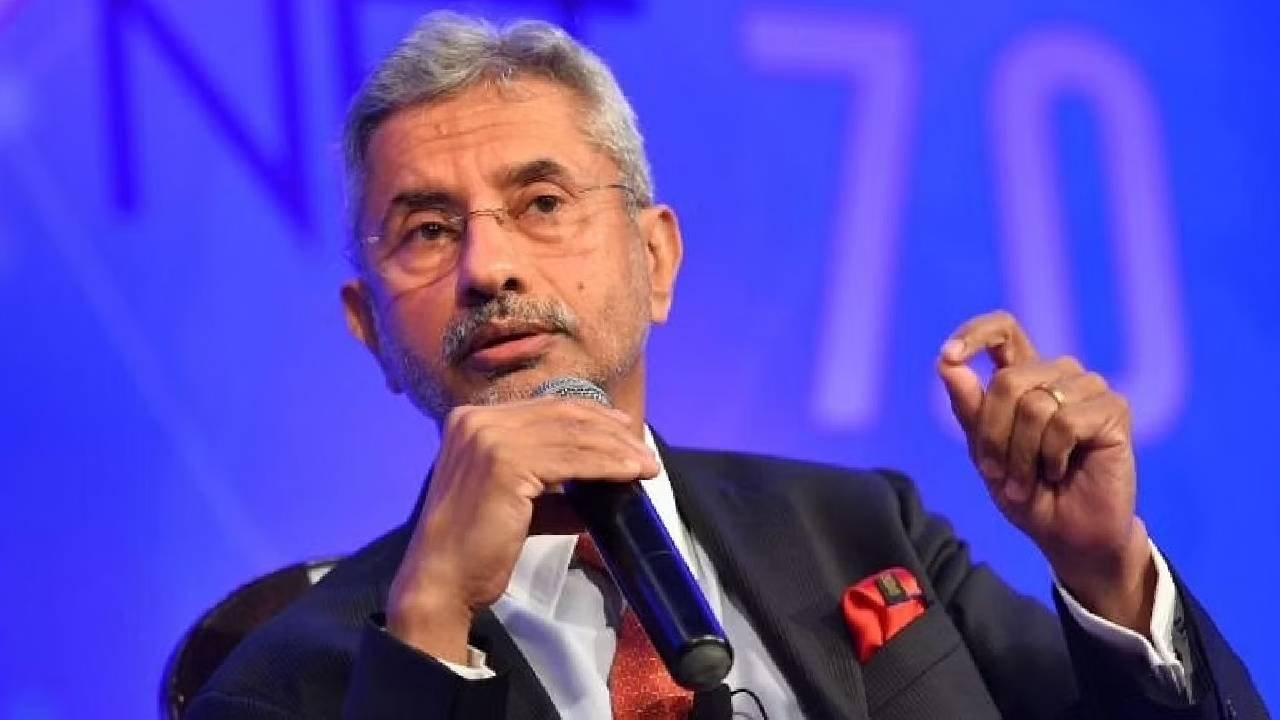
India has a powerful case to be a permanent member of the UN Security Council and the principal UN organ must adapt to the evolving global conditions, not only to fulfill its objectives of maintaining international security but also to remain relevant, said External Affairs Minister S Jaishankar, who is in Saudi Arabia on his first visit to the Gulf Kingdom.
India has been at the forefront of the years-long efforts to reform the Security Council saying it rightly deserves a place as a permanent member of the Council, which in its current form does not represent the geo-political realities of the 21st Century.
Jaishankar said there is a broad global consensus over the need to reform the Council, particularly as it does not reflect the realities of the world, asserting that an expanded Council is not only in India’s favour, but also in favour of other unrepresented areas.
“India as the largest democracy, fifth largest economy, nuclear power, technological hub, and tradition of global engagement has a powerful case to be a permanent member of the Security Council. The Council must adapt to the evolving global conditions, not only to fulfill its objectives of maintaining international security, but also to remain relevant,” he told the Saudi Gazette newspaper in an interview.
Jaishankar arrived in Saudi Arabia on Saturday on a three-day visit to discuss ways to further strengthen relations between the two countries. It is his first visit to Saudi Arabia as External Affairs Minister.
He called on Saudi Crown Prince Mohammed bin Salman and handed over a written message from Prime Minister Narendra Modi and apprised him of the progress in bilateral ties on Sunday.
Jaishankar covered a wide ambit of the bilateral relations between Saudi Arabia and India in his interview with the Jeddah-based English daily.
Terming Saudi Arabia an “important player” in today’s global economy not only due to its impressive growth numbers, but also due to its central position in the energy markets, he said the Gulf country is an important economic partner for India, with nearly USD 42.86 billion worth of trade during FY22 (April 2021 – March 2022).
“Energy is indeed one of the keystone areas in our bilateral cooperation. Apart from our traditional trade in the field of energy, both nations are now collaborating in the domains of new and renewable energy. The Joint Working Group on Energy has identified 19 project opportunities for collaboration, which include investments in LNG infrastructure and multiple renewable energy projects, human capacity building and joint research,” Jaishankar said.
He said there are several areas where India and Saudi Arabia can collaborate to help achieve the Kingdom’s Vision 2030.
“The Strategic Partnership Council (SPC) is central to furthering this cooperation as it provides an institutional mechanism to ensure regular and continuous progress of the bilateral relationship. Under Vision 2030, the Kingdom has set ambitious targets that require extensive economic cooperation. The Kingdom can certainly benefit from India’s rising economy, not only through two-way investments, but also due to India’s skilled manpower,” he said.
Jaishankar said India has come out of COVID-19 stronger in terms of capacity building and financial, digital and communication transformation.
He said the leadership of both the countries remained in constant coordination throughout the pandemic and dealt with ensuing challenges in a unified manner.
“India and Saudi Arabia followed through on their commercial commitments and maintained the supply chains. India supplied 4.5 million doses of COVID vaccines to Saudi Arabia to support its vaccination drive. Similarly, Saudi Arabia also sent oxygen cylinders and liquid medical oxygen (LMO) tanks during the critical time of the second wave of COVID in India.,” he said.
Jaishankar said as part of India’s extended neighborhood, the Gulf region in general, and the Kingdom in particular, are crucial to India’s foreign policy priorities in the region.
“Such cooperation is visible by increased engagements with all six GCC countries over the past few years. With Saudi Arabia in particular, defence and security cooperation has increased significantly in recent times, with the first-ever bilateral naval exercise “AL MOHED AL HINDI” being held in August 2021. The two countries can certainly look to increase such cooperation to fulfill several of India’s regional initiatives, such as the SAGAR (Security and Growth for All in the Region),” he said.
Responding to a question on climate action and climate justice, Jaishankar said India has been at the forefront of the battle against climate change.
“India is currently the only G20 country that is moving fast towards achieving its climate goals. Similarly, Saudi Arabia too has indicated its willingness to play a leading role towards a greener world, which is indicated through the Saudi Green Initiative and the Middle East Green Initiative. The two countries can certainly synergise their efforts by increasing cooperation in the fields of renewable energy and clean energy technologies,” he said.
Jaishankar said increased India-Saudi Arabia cooperation will benefit not only the region, but also the global community.
“Bilateral cooperation across all sectors, including political, security, defence, economic, and cultural domains has repercussions for the region. India and Saudi Arabia are collaborating to ensure security through respect for international law, national sovereignty, and territorial integrity. Such cooperation should certainly increase regional stability,” he said.
“India-Saudi Arabia economic cooperation is also another factor that should increase regional stability as the two major economies accelerate regional growth,” he added.
The changing global order will have an impact on any country’s foreign policy. With the region, as well as the world, experiencing volatility due to COVID, conflicts, climate events and economic uncertainty, the Indo-Saudi partnership offers a significant factor of stability, he said.
“In this context, our relations with Saudi Arabia have strengthened considerably over the past decade, which eventually culminated in the formation of the Strategic Partnership Council in October 2019,” Jaishankar said.
He said the bilateral relations have strengthened due to increasing synergies and shared interests, and this carries additional salience in today’s dynamic international environment.
The two countries are currently collaborating across nearly all sectors, which has expanded the depth of the relationship and made it comprehensive, he said.
“A major reason for this expansion has been the evolving regional situation, for instance, our defense cooperation, particularly in the naval domain has gradually strengthened in the past few years, leading to the first-ever bilateral naval exercise in August 2021. In the economic domain as well, our bilateral trade last year stood at USD 42.86 billion, reflecting the growing interconnections between our two economies,” he said.
“This year is a milestone year for us. We have now entered the “Amrit-Kal” (Golden period), which will continue for the next 25 years to reach the centenary of our Independence and diplomatic relations with Saudi Arabia. During this period, I am hopeful of exponential growth in our bilateral relations,” he added.
The Enforcement Directorate has issued fresh summons to Maneka Gambhir, the sister-in-law of TMC MP Abhishek Banerjee, for questioning in a money laundering case after it was found that the agency “erroneously” issued her a notice for appearance at 12:30 AM instead of 12:30 PM on Monday, official sources said.
Gambhir was handed over the summons to appear at the ED office here on Monday “at 12:30 AM” by agency officials at the Kolkata airport on September 10 after they denied her from travelling abroad as she was required to join investigation in an alleged coal scam case.
She reached the ED office in Salt Lake area around the stipulated time given on the summons but as it was an erroneous date issued inadvertently, she found the office closed and returned after clicking some pictures, the sources said.
The sources said the midnight time printed on the earlier summons was a “typographical error” and it should have been “12:30 PM” on September 12.
Now, Gambhir has been sent fresh summons to appear before the agency here around 2 PM, they said.
Gambhir has not been questioned by the ED in this case till now. The CBI had earlier questioned her in the said case.
The Calcutta High Court in August directed the ED to question Gambhir at its regional office in Kolkata and not in Delhi and also not to take coercive steps against her till the next date of hearing.
Gambhir had challenged an ED summon that asked her to appear before it in Delhi on September 5 in connection with the alleged coal scam case and had sought direction from the court to the agency to allow her to appear before it in Kolkata, where she claimed she resides.
The ED has questioned Abhishek Banerjee, the nephew of West Bengal Chief Minister Mamata Banerjee and the national general general secretary of the Trinamool Congress (TMC), and his wife Rujira in this case earlier. This case is being investigated by the ED under the Prevention of Money Laundering Act (PMLA) with Anup Majee being alleged to be the kingpin of a coal mining pilferage-linked money laundering case related to Eastern Coalfield Limited’s mines in Kunustoria and Kajora in and around Asansol in West Bengal.
NIA raids multiple places against 'terror gangs' having links to Sidhu Moose Wala killing 8
The National Investigation Agency (NIA) on Monday carried out searches at multiple locations in Delhi, National Capital Region (NCR), Haryana and Punjab against suspected ‘terror gangs’ linked to the killing of Punjabi singer Sidhu Moose Wala, sources said.
NIA teams conducted these searches simultaneously in coordination with local police forces in the case registered recently by the counter-terror agency to launch a probe against some terror gangs.
“Raids are going on at multiple locations in Delhi, NCR, Punjab and Haryana in a case recently registered against some terror gangs,” a top government source told ANI, requesting anonymity.
The official said that these gang members have links to the killing of Sidhu Moose Wala, who was shot dead on May 29 by unidentified assailants in Punjab’s Mansa district, a day after the state government curtailed his security cover.
The roles of gang leader Lawrence Bishnoi, who came into fore as the mastermind behind the killing of the singer; Canada-based gangster Goldy Brar, a close aide of Bishnoi, are on NIA’s radar along with other gangsters in the case.
Bishnoi is presently lodged in the Tihar Jail. Moose Wala had fought on the Congress ticket from the Mansa assembly seat in the recent assembly election and was defeated by AAP’s Vijay Singla.
The 28-year-old Punjabi singer was shot at point-blank range at Jawaharke village of Mansa district and was declared brought dead on arrival at the Mansa civil hospital
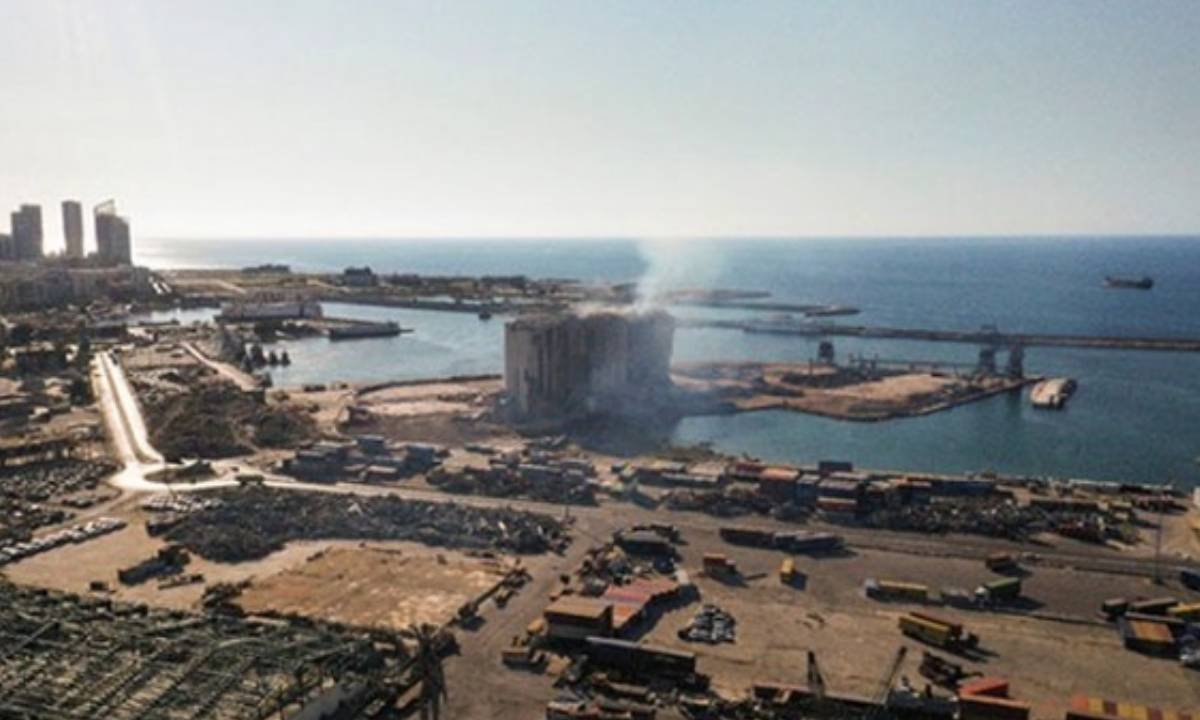
Lebanon on verge of becoming failed state amid economic, political 10
Lebanon is facing a full economic meltdown and is virtually on a precipice economically, politically and socially. Although it cannot yet be described as a failed state, it is on the verge of becoming one.
A failed state can be described as a state that cannot protect its borders, cannot govern all the people on its territory, cannot provide basic utilities and services and does not have a monopoly on the use of force or police itself.
Lebanon is very close to fulfilling all these characteristics, as there are strong and well-armed groups – such as the Iranian-backed Hezbollah- which act as a state with a state in parts of the country, arresting and imprisoning citizens, while the government is unable to police all the territory of the country or provide essential services such as water and electricity which is supplied only three to four hours a day.
The value of Lebanon’s currency – the Lebanese pound- has lost more than 95 per cent of its value, compared to pre-crisis levels and now 35.300 Lebanese pounds are equivalent to one dollar, while in the not-too-distant past people were using dollars and Lebanese pounds interchangeably.
A combination of events brought Lebanon to the cliff’s edge. The Syrian Civil War dealt a heavy blow on Lebanese exports to Arab countries, while more than 1 million Syrian refugees sought shelter in Lebanon.
Then the coronavirus decimated its tourist industry, while the Central Bank catastrophically implemented unrealistic exchange rates and spend hundreds of millions of dollars to support the Lebanese pound. Public services, such as electricity, education, and healthcare, have been severely curtailed.
In contrast, the State has stopped subsidizing essential medicines, resulting in the untimely deaths of scores of people who no longer afford to buy them.
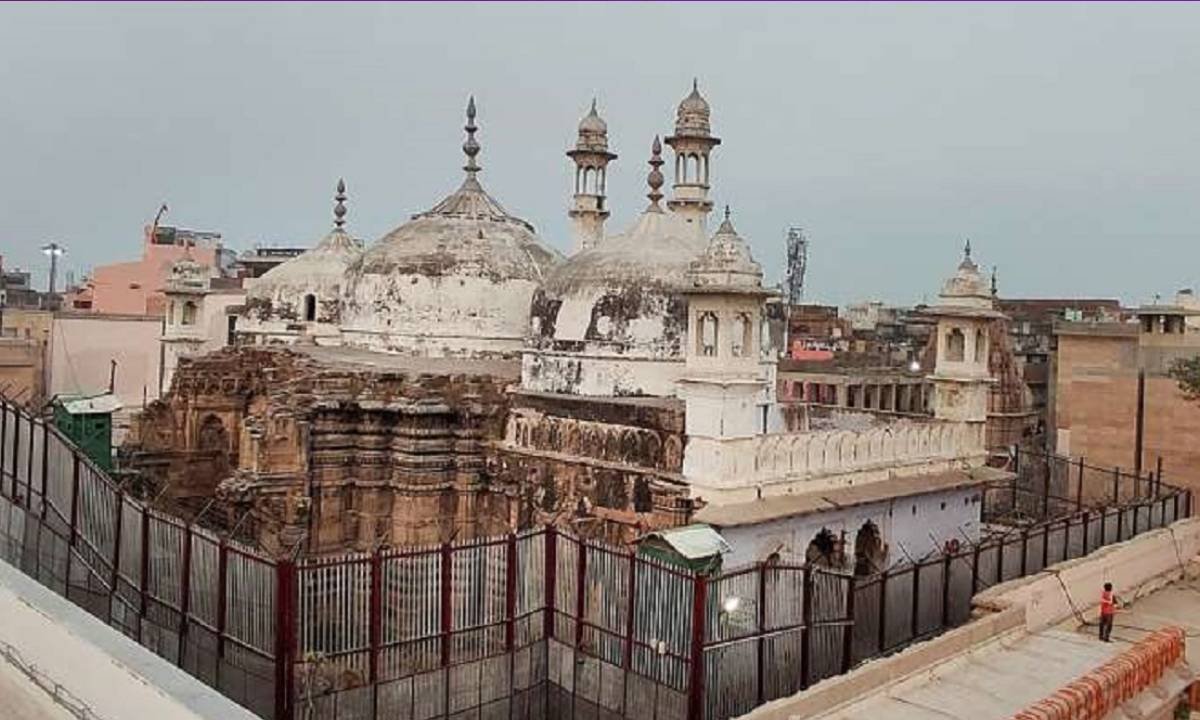
Varanasi district court will pronounce the verdict in the Shringar Gauri-Gyanvapi case on Monday. District Judge AK Vishvesh had last month reserved the order till September 12 in the matter.
The decision relates to the maintainability of Hindu women’s plea seeking permission to worship Hindu deities in the Gyanvapi Mosque complex. Security has been tightened and prohibitory orders (Section 144) have been imposed in Uttar Pradesh’s Varanasi on Sunday a day ahead of the district court order.
The police have deployed forces in areas where a mixed population resides in the city and patrolling is ongoing to ensure no law and order situation arises on the maintainability of a plea by five Hindu women seeking permission to worship the Shringar Gauri Sthal within the Kashi Vishwanath-Gyanvapi Masjid complex.
“A Varanasi court may pronounce judgment on a crucial matter. Section 144 was implemented in the city. Police force posted in areas where the mixed population resides. Patrolling is on.
We are trying our best that no law and order situation arises,” said Police Commissioner, A Satish Ganesh. The petition was filed by five Hindu women seeking permission to worship the Shringar Gauri Sthal within the Kashi Vishwanath-Gyanvapi Masjid complex.
Following this, a local Varanasi court ordered a videography survey of the complex in May. The survey work was completed on May 16 and the report was presented in the court on May 19. After the videography survey claims were made by the Hindu side that a structure, resembling a Shivling was found in the mosque complex.
The Masjid committee contested that it was a fountain and not a Shivling. The Supreme Court on May 20 transferred the case from a civil judge (senior division) to a district judge, saying considering the “complexities and sensitivity” of the issue, it is better if a senior judicial officer having an experience of over 25-30 years handles this case.
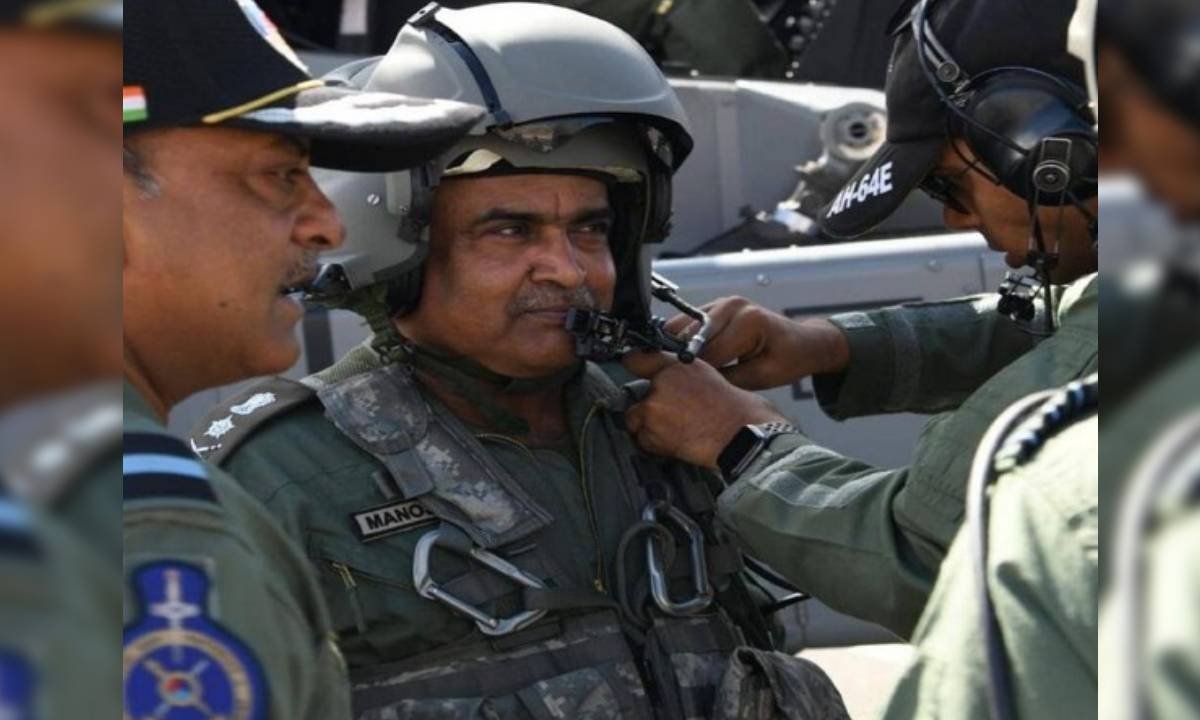
Indian Army chief General Manoj Pande, who is on a two-day visit to the Ladakh sector, on Sunday flew in an Indian Air Force Apache attack helicopter.
The request for a sortie from the Ladakh air base was received yesterday and today the Army chief flew in the chopper over the area, IAF officials said.
Gen Pande was familiarised with the flying characteristics of the platform and briefed about its capabilities and roles, they said.
The Apache has been deployed in the Ladakh sector since the beginning of the military standoff with China along the Line of Actual Control in eastern Ladakh.
The Indian Air Force has 22 of these American-origin attack helicopters while the Indian Army is soon going to get six of its own.
Indian Army teams were also in the US for training purposes led by the Director General of Army Aviation himself.
However, the mainstay of the Army in the future would be the indigenous Light Combat Helicopter being developed by the HAL.
The Army chief was in the Ladakh sector from Saturday where he visited forward areas during the ongoing disengagement in the Gogra Heights Hot Springs area near Patrolling Point 15.
Earlier on Saturday, during his visit, Gen Pande witnessed the wargames codenamed Exercise Parvat Prahar and was briefed on operational preparedness by commanders on the ground, the Indian Army said.
He interacted with the troops and complimented them for their steadfastness and professional standards, the officials said.
Moving towards resolving the issues created on the LAC post-May 2020, India and China have agreed to dismantle and verify the temporary structures and other allied infrastructure created in the Gogra-Hot Springs (PP-15) area of the LAC in eastern Ladakh, the Ministry of External Affairs (MEA) had said on Friday.
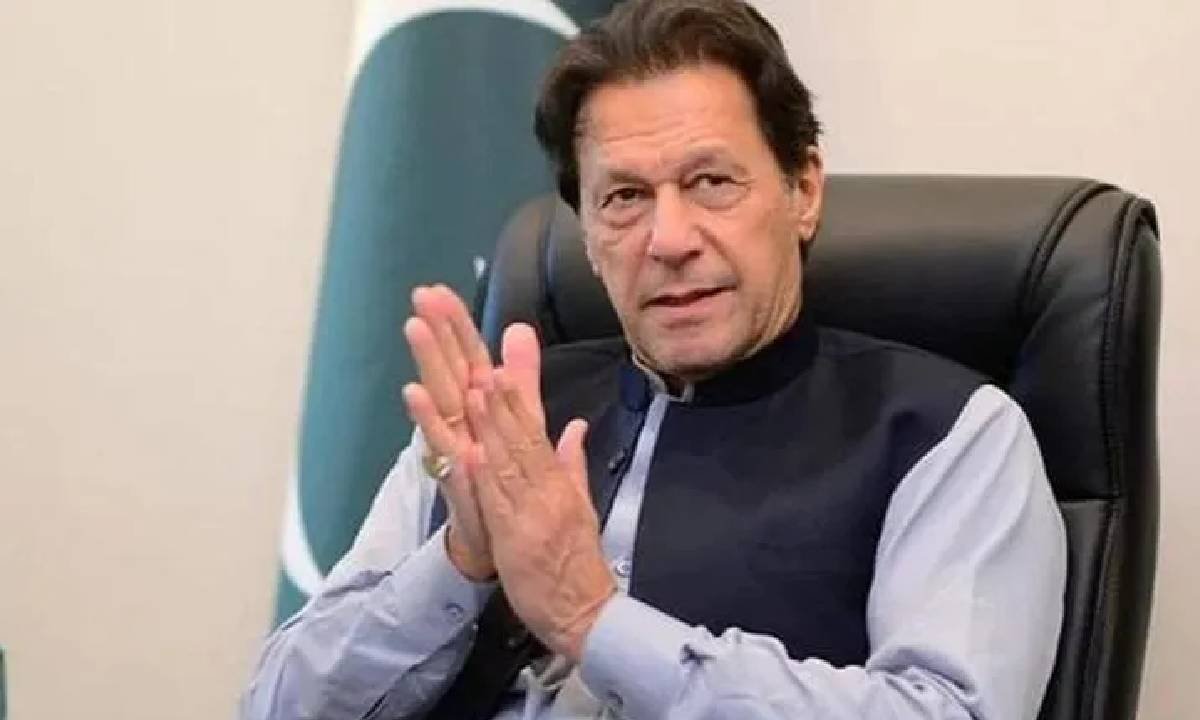
While demanding a free and fair election, former Pakistani Prime Minister Imran Khan said that he is not afraid of going to jail and will hold the elections by force if the government fails to compel to free and fair elections, media reports said.
During an address to his party’s Insaf Student Federation and Youth Saturday reiterated his demand for free and fair elections while taking potshots at the ruling dispensation led by Prime Minister Shehbaz Sharif, reported Pakistan’s local media outlet The News International.
At the Jinnah Stadium, Imran Khan said, “If they do not hold free and fair elections, then the people are ready to take to the streets to hold peaceful protests or we will hold elections by force,” he said.
“We can see they are running away from the elections because they know they will fare much worse than in the past.”
“The thing I am preparing this nation for… I would need the youth of this nation a lot for Haqeeqi Azadi (actual freedom),” he said.
“I am ready to sacrifice my life for real independence in the country. Jail is a small thing if the country gets real independence.”
He said that the Pakistani government is trying to suppress him from contesting elections by using the “minus-one formula.”
PTI Chairman said that the imported government cannot compete with him in the elections, so they wanted to disqualify him technically.
“Dozens of cases, even terrorism and blasphemy cases, have been registered against me.” He further said that disqualifying him was not the solution but free and transparent elections were the only solution to problems.
Another major theme of the address was thrashing the government for letting the country plunge into an economic mess as the PTI leader said that if no step is to be taken the people will hold the establishment responsible for it.
“I am addressing the people who have the power. I want to ask the establishment… the way this government is taking this country and economy down… I know that you call yourself neutral but this nation will hold you responsible for the way the country is going down. They will hold you responsible because you could have prevented the country from getting mired in this swamp but you did not do anything.”
A few weeks ago the political battle between PTI and the government heated up as Imran Khan slammed govt for “torturing” his close aid Shahbaz Gill and arresting him.
Imran Khan explained that he had merely spoken of “taking legal action” when informed of Gill’s torture through his lawyers and that his reaction was against the torture of a person who is not a terrorist but is actually an assistant professor at a US university.
“I wouldn’t comment on it [contempt of court case in IHC] because it’s sub judice but what was I supposed to say? He was my chief of staff. Was I not supposed to react?”