A court in Moscow on Monday upheld a motion from Russian authorities to revoke the license of a top independent newspaper that for years has been critical of the Kremlin, the latest move in a months-long crackdown on independent media, opposition activists and human rights groups.
The ruling against Novaya Gazeta, Russia’s most renowned independent newspaper, comes amid Russia’s grinding military campaign in Ukraine and the Kremlin’s effort to silence critics of what it calls a “special military operation”.
Dmitry Muratov, Nobel Peace Prize-winning editor-in-chief of the newspaper, called the ruling on Monday “political” and “not having the slightest legal basis,” and he promised to contest it.
Roskomnadzor, Russia’s media and internet regulator, petitioned the court to revoke Novaya Gazeta’s licence, accusing it of failing to submit the newsroom charter to authorities on time.
Novaya Gazeta announced March 28 that it was suspending operations for the duration of what it referred to in quotation marks as “the special operation” in Ukraine, the term that Russian authorities insist media must use for the military action in Ukraine.
Its team, however, launched a new project, Novaya Gazeta Europe, from abroad, criticising the operation in Russia’s ex-Soviet neighbour.
Days after Russian President Vladimir Putin sent troops into Ukraine on Feb 24, Russia’s Kremlin-controlled parliament approved legislation that outlawed alleged disparaging of the Russian military or the spread of “false information” about the country’s military operation in Ukraine.
Delhi Police Special Cell arrested the fourth accused in connection with the recent Paharganj robbery case from Rajasthan.
A half kilogram of gold was also recovered by the police from the accused. Earlier police arrested three people in connection with the case.
“The fourth accused has been arrested by the special cell in connection with a case of robbery worth Rs 6 crores in the Paharganj area. Half kg of gold has also been recovered from him,” said Delhi Police on Monday.
The incident took place early on Wednesday morning when a courier service owner and his associate were returning to their vehicle parked in the area.
The complainant alleged that he was intercepted and robbed by four persons in Paharganj.
A case under IPC sections 392 (robbery), 34 (common intention) and 506 (criminal intimidation) had been registered in this regard.
Earlier on September 2, DCP Central, Shweta Chauhan had told to agencies that the police zeroed in on a group from Rajasthan and arrested three people in connection with the case.
“Three accused have been arrested for looting people after a robbery was reported in Paharganj recently. We zeroed in on a group that hails from Najafgarh. They were traced to Rajasthan and were arrested. Jewellery worth Rs 6 crores have also been recovered after raids in three states”, said Shweta Chauhan.
“The police started an investigation by registering an FIR in this matter. During the investigation, the police had examined the footage of around 200 CCTV cameras around the looted place. When the police started investigating the footage from 1 week ago, it was found that the accused had been doing recce of this area for a week,” the police had earlier said.
The police arrested them on the basis of details of their online transaction. The accused did not have money in cash to pay at a teashop and they took 40 rupees’ cash from the cab driver by doing Paytm.
The police traced the accused through this online transaction and then arrested them from Rajasthan. The police said that all the money have been recovered from the possession of the accused.
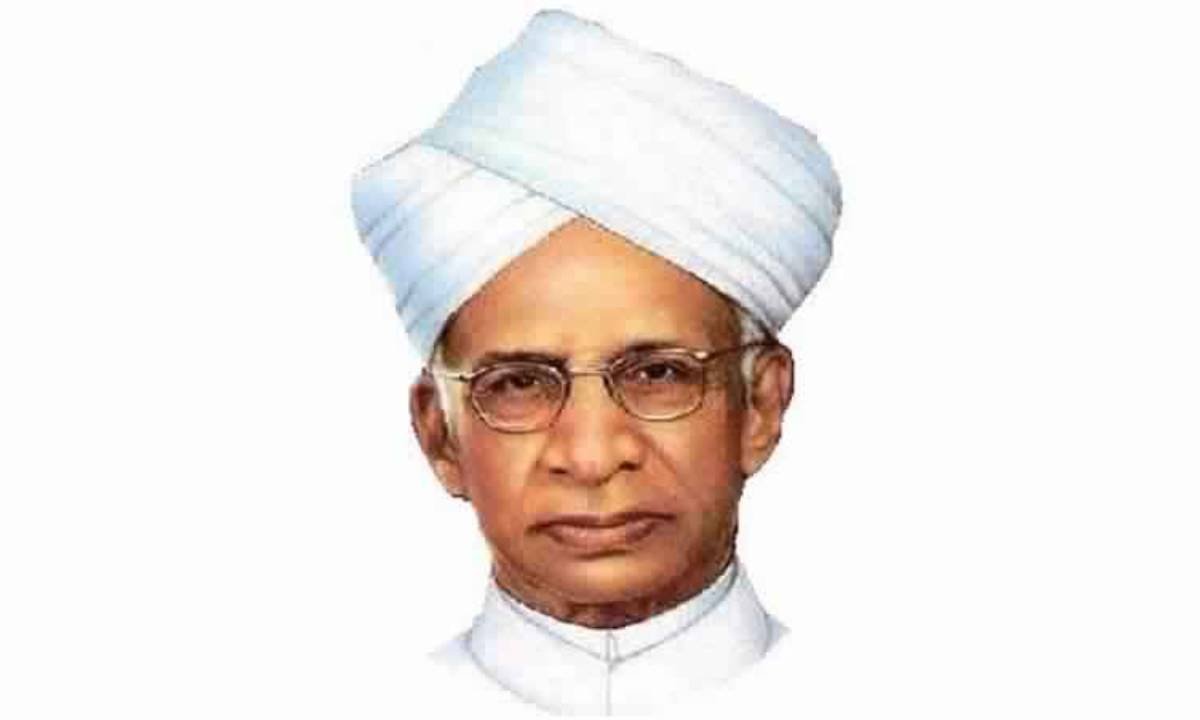
One teacher, hundreds of duties, lakhs of vacant posts, how will the world of children change? 4
One child, one teacher, one book, and one pen can change the world. The current teacher in India is unable to cover his goals. Because of one teacher and hundreds of duties, and lakhs of vacant posts, how will the world of children change? India is dealing with significant teacher vacancies, which are around 60-70 percent in some states. There are over one lakh single-teacher schools across the country. The workload on teachers has increased, (mid-day meal, election duty, etc.) and the standard teacher-student ratio (1:30) is not followed. There is a lack of a proper monitoring system for the evaluation of the performance of teachers and a system providing proper feedback. Only 3-4 percent of those who qualify for the TET result qualify for the test, yet statistics show that they too do not get a teacher’s job on time.
Dr. Satyavan ‘Saurabh’
Quality education plays an important role in one’s life which helps him/her to be socially acceptable, increase job opportunities, be financially sound, etc. Hence the role of teachers is very important in providing quality education. The learning crisis is evident from the fact that nearly half of Grade 5 children in rural India cannot solve simple two-digit simple subtraction problems, compared to 67 percent of Class 8 children in public schools with 50 percent of math-based assessment ability. score less than
Current teacher training in India is unable to cover the difficult targets. India is dealing with significant teacher vacancies, which are around 60-70 percent in some states. There are over one lakh single-teacher schools across the country. The workload on teachers has increased, (mid-day meal, election duty, etc.) and the standard teacher-student ratio (1:30) is not followed. There is a lack of a proper monitoring system for the evaluation of the performance of teachers and a system providing proper feedback. Only 3-4 percent of those who qualify for the TET result qualify for the test, yet statistics show that even they do not get teacher jobs on time.
About 20 percent of regular teachers and 40 percent of contact teachers do not have the professional qualifications for elementary education. The increase in the culture of private coaching classes and the participation of teachers there has made the teacher a businessman. Due to the paucity of an adequate number of qualified and properly trained teachers, widespread corruption at various levels in the appointment of ad-hoc teachers in teaching (management level, internal politics, etc.) has licked the education system like termites, National Council of Educational Research and The training study found that there is no systematic incorporation of teacher feedback into training design. Decreasing level of class results Nearly half of teachers believe that not all children achieve excellent academic results because of their socioeconomic background.
Only 25% of teachers incorporate activity-based learning and 33% use storytelling or role-playing in their pedagogical approach, either not prioritizing or lacking the time. The National Accreditation and Assessment Council, responsible for quality standards in higher education, has covered only 30 percent of all institutions since its inception in 1994. As of today, there is no accurate real-time database of the number and details of teacher education institutions, enrolled students, and programs offered in the country.
There are today 17,000 teacher education institutions across the country that are responsible for producing teachers through programs like Bachelor of Education and Diploma in Elementary Education. Considering their approved recruitment, on full operation, these TETs can generate more than 19 lakh newly trained teachers every year against an estimated annual requirement of 3 lakh teachers. At present, there are about 94 lakh teachers in all schools in India. . But every year no satisfactory part of the total number of teachers gets recruited into the teacher education system. This is a matter of serious concern.
The Ministry of Human Resource Development recently launched the National Initiative for the Holistic Advancement of School Heads and Teachers, which aims to train over 42 lakh teachers across the country. The Ministry of Human Resource Development and the National Council for Teacher Education launched the National Teachers Forum or DIKSHA in 2017 in collaboration with non-governmental stakeholders. DIKSHA is envisioned as a one-stop solution to address teacher competency gaps through courses that address their skill gaps and empower them to learn “what they want, where they want”. make.
“Teacher skills and motivation both matter” and personally targeted, continuous training is key to achieving improvements in learning through teachers. After the training, there should be no difference in the salary of public or private teachers. It will attract the best young minds to this profession and help them to regain their lost ground. Teachers need to re-learn and re-learn the subjects and the way they should be taught. There is no point in cramming and teaching just to pass the exam.
Teacher training programs should be supplemented by focus-group discussions with local NGOs and community-based organizations. The teacher training model should have the potential to provide continuous professional development through a blended model, complementing the existing physical training. A technology-enabled platform that allows training to become an ongoing activity rather than an annual event is essential.
Another key determinant of quality is the curriculum which should be regularly revised and revised to ensure that our teacher education system is at par with global standards. Ideally, given that teacher education requires a good mix of curricular inputs and good quality pedagogy, the move towards integrated four-year subject-specific programs conducted in specialist multidisciplinary colleges and universities Advocating for a change.
A common accreditation framework should be designed through a consultation process involving all relevant stakeholders to facilitate its wider acceptance. A transparent and reliable system of accreditation can form the basis for removing substandard TEIs and improving quality in the rest. Given the wider scenario of the teacher education sector alone and the current capacity constraints, multiple accreditation agencies must be empaneled. In addition to creating good content, it is also important to consider the technology consumption patterns of teachers, the potential for facilitation to increase engagement, and the role of principals in fostering teachers’ professional development.
Reforms should be driven by administrative will and executed through a well-established governance mechanism. A child taught by a good teacher gets 1.5 grade-level equivalents, while a child taught by a bad teacher gets only half an academic year. Focusing on providing the best quality education is the prime need of the hour to build the future of this country.
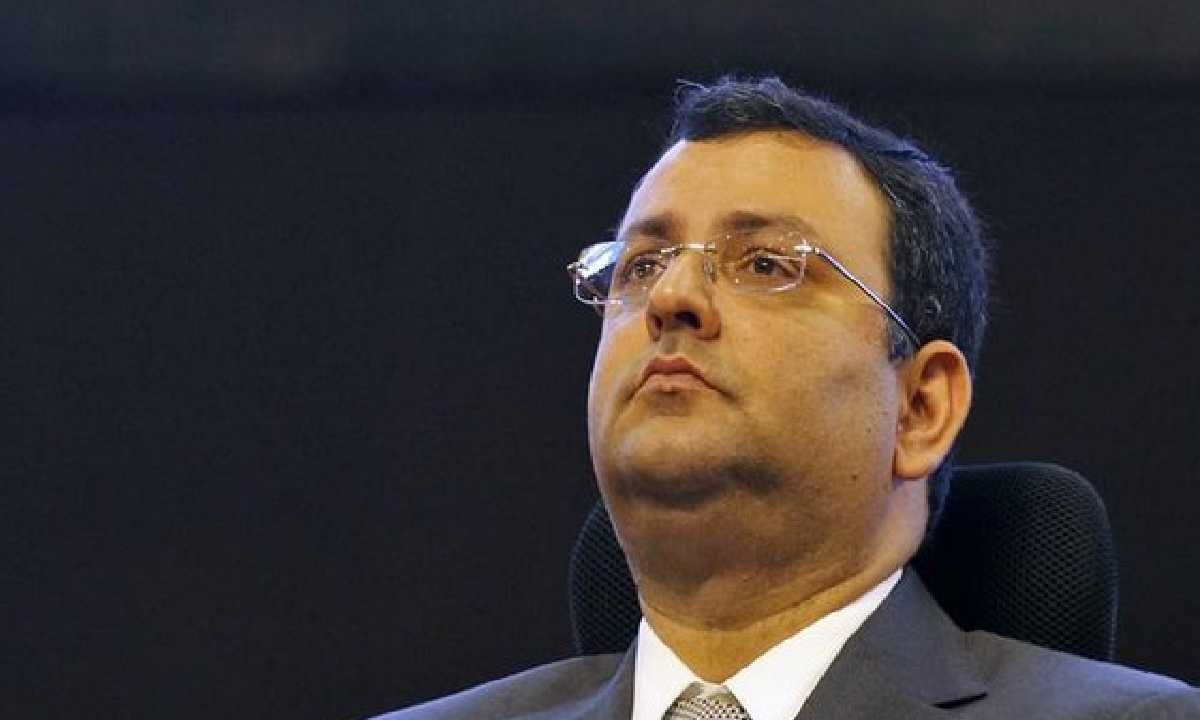
The last rites of former Chairman of Tata Sons, Cyrus Mistry, will be performed on Tuesday at 10 am at Worli crematorium in Mumbai.
Well-known industrialist and former Tata Sons chairman Mistry died in a road accident near Mumbai on Sunday evening.
According to Palghar Police, Mistry was travelling from Ahmedabad to Mumbai when his car hit the divider. There were four people in the car. Two died on the spot, including Mistry, while the other two were shifted to hospital.
Apart from Mistry, another deceased has been identified as Jahangir Dinsha Pandole. The injured Anayata Pandole and Darius Pandole are currently undergoing treatment at a hospital.
The driver of the car in which Cyrus Mistry was travelling lost control due to overspeeding and rammed into the divider, said Palghar Police sources on Sunday.
“Prima facie, it looks like the car driver lost control. Cyrus Mistry’s mortal remains are at a government hospital in Kasa. An Accidental Death Report (ADR) is being filed by the police, as per procedure,” Palghar Police sources told Agencies.
Mistry, who was the chairman of Tata Sons, was relieved from the position in October 2016.
He had taken over as the chairman in December 2012 after Ratan Tata announced his retirement.
After Mistry, N Chandrasekaran took over as executive chairman of Tata Sons.
In June this year, Cryus’ father Pallonji Mistry, Chairman of Indian conglomerate Shapoorji Pallonji Group, also passed away at 93.
The Mumbai-headquartered Shapoorji Pallonji Group, founded back in 1865, deals in construction, real estate, textiles, engineered goods, home appliances, shipping, publications, power, and biotechnology.
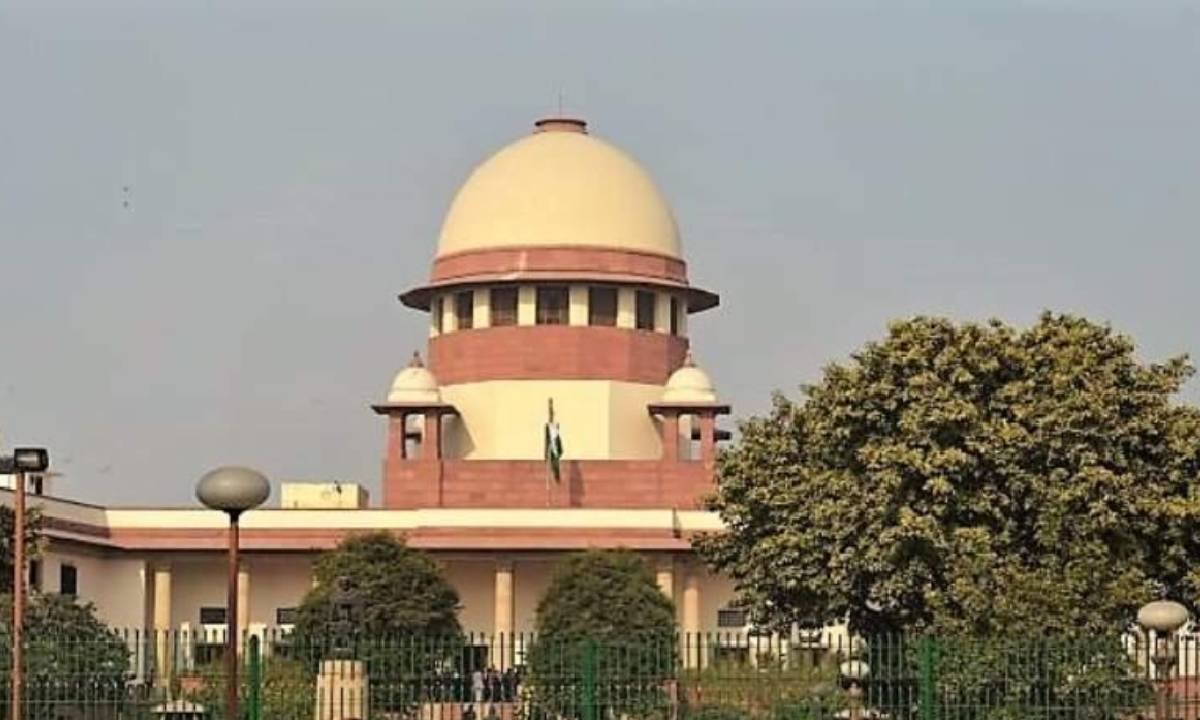
Supreme Court will hear various pleas against Karnataka High Court’s judgement upholding the ban on Hijab in educational institutions today at 2 pm.
Earlier on August 29, the Supreme Court issued notice to the Karnataka government over a batch of pleas challenging the Karnataka High Court’s judgement upholding the ban on Hijab in educational institutes.
A bench of Justices Hemant Gupta and Sudhanshu Dhulia also clarified that it will not accept requests for adjourning the matter and said, “We will not allow this type of forum shopping.”
The court had said that it will hear the matter seeking a stay and challenging Karnataka High Court’s judgement on September 5.
Various petitioners have approached the apex court challenging the Karnataka HC order upholding the Karnataka government’s order which directs strict enforcement of schools and colleges uniform rules.
One of the appeals in the top court has alleged “step-motherly behaviour of government authorities which has prevented students from practising their faith and resulted in an unwanted law and order situation”.
The appeal said the High Court in its impugned order “had vehemently failed to apply its mind and was unable to understand the gravity of the situation as well as the core aspect of the Essential Religious Practices enshrined under Article 25 of the Constitution of India”.
A bench of Karnataka High Court comprising Chief Justice Ritu Raj Awasthi, Justice Krishna S Dixit, and Justice JM Khazi had earlier held that the prescription of uniforms is a reasonable restriction that students could not object to and dismissed various petitions challenging a ban on Hijab in education institutions saying they are without merit.
The Hijab row erupted in January this year when the Government PU College in Udupi allegedly barred six girls wearing the hijab from entering.
Following this, the girls sat in protest outside college over being denied entry. After this, boys of several colleges in Udupi started attending classes wearing saffron scarves.
This protest spread to other parts of the state as well leading to protests and agitations in several places in Karnataka. As a result, the Karnataka government said that all students must adhere to the uniform and banned both hijab and saffron scarves till an expert committee decided on the issue.
On February 5, the pre-University education board released a circular stating that the students could only wear the uniform approved by the school administration and that no other religious attire would be allowed in colleges.
The order stated that in case a uniform is not prescribed by management committees, then students should wear dresses that go well with the idea of equality and unity, and do not disturb the social order.
A batch of petitions was filed against the government’s rule in the Karnataka High Court by some girls seeking permission to wear the hijab in educational institutions.
On February 10, the High Court issued an interim order stating that students should not wear any religious attire to classes till the court issued the final order.
The hearings related to the Hijab case were concluded on February 25 and the court had reserved its judgement.
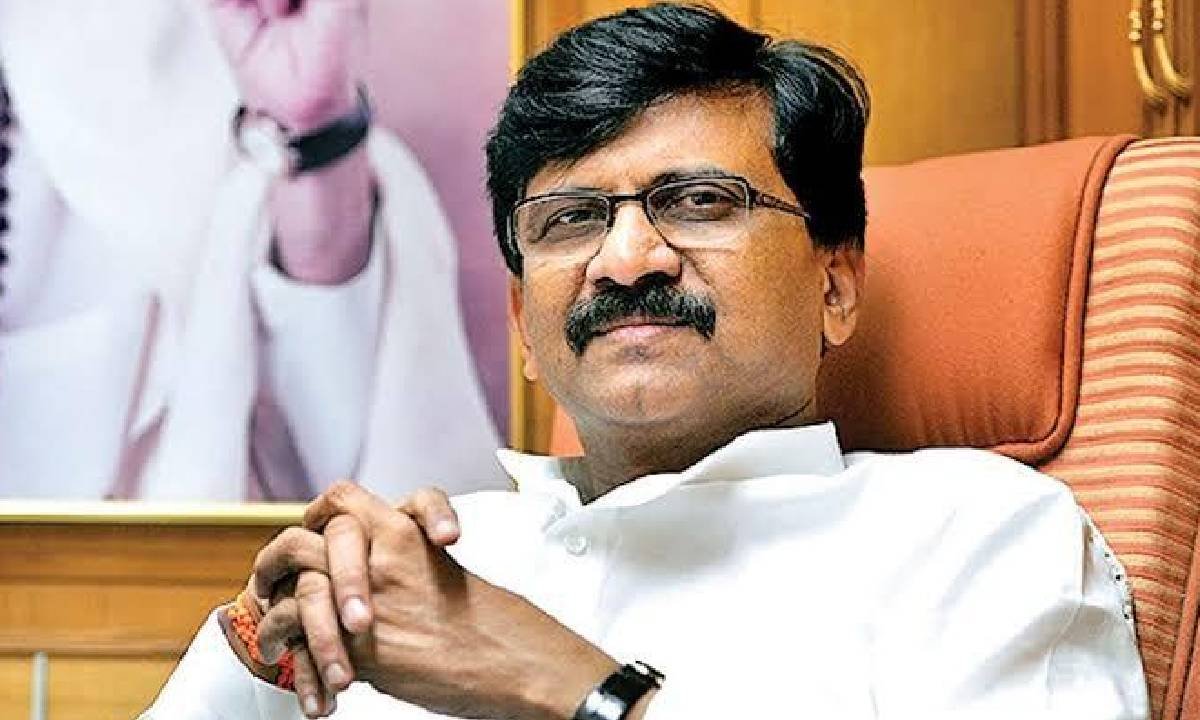
A Special Prevention of Money Laundering Act (PMLA) court on Monday extended the Shiv Sena MP Sanjay Raut’s judicial custody by 14 days till September 19 in connection with the Patra Chawl land scam case.
Raut was arrested by the Enforcement Directorate (ED) on August 1 in connection with alleged financial irregularities in the redevelopment of the Patra Chawl in suburban Goregaon.
After being in the ED’s custody initially, the Shiv Sena leader was sent to judicial custody for 14 days on August 8.
On 22 August, a special PMLA court extended Raut’s custody till September 5 which has now been further extended till September 19. ED officials raided the Shiv Sena leader’s home on July 31, and after detaining and questioning him for several hours, arrested him on August 1.
On June 28 this year, Sanjay Raut was summoned by the Enforcement Directorate (ED) in connection with the prevention of the money laundering case pertaining to the Rs 1,034 crore Patra Chawl land scam.
Back in August, the wife of Shiv Sena MP was also summoned by the agency in connection with the Patra Chawl land case.
The MP’s wife Varsha Raut was summoned by the central agency after the ED officials raided the Shiv Sena leader’s home and after detaining and questioning him (Sanjay Raut) for several hours, arrested him.
Raut is a close aide of former Maharashtra Chief Minister Uddhav Thackeray. Meanwhile, another FIR was registered against Sanjay Raut in Mumbai for allegedly threatening Swapna Patkar, the wife of Sujit Patkar who is believed to be a close aide of the Shiv Sena MP.
The case was registered at the Vakola police station under sections 504,506 and 509 of the Indian Penal Code. An audio clip had gone viral in which Raut was allegedly heard threatening Swapna Patkar.
Notably, Swapna Patkar is also a witness in the Patra Chawl land case in connection to which the ED detained Raut after conducting a raid at his residence.
According to sources, ED officials seized Rs 11.50 lakhs unaccounted cash from his residence during the raids.
Soon after the ED officials detained him in connection with the Patra Chawl land scam case, the Shiv Sena leader said that he “won’t be cowed down”.
Speaking to media persons, Raut said, “False charges and documents are being framed against people. All of this is being done to weaken Shiv Sena and Maharashtra. Sanjay Raut won’t be cowed down. I will not leave the party.”
On June 28 this year, Sanjay Raut was summoned by the Enforcement Directorate (ED) in connection with the prevention of the money laundering case pertaining to the Rs 1,034 crore Patra Chawl land scam. Raut is being probed in connection with the re-development of Mumbai’s Patra Chawl.
In April this year, the ED had attached immovable properties worth Rs 11.15 crore, including a flat at Dadar, held by Sanjay Raut’s wife Varsha and eight land parcels at Kihim near Alibag, jointly held by the latter with Swapna Patkar.
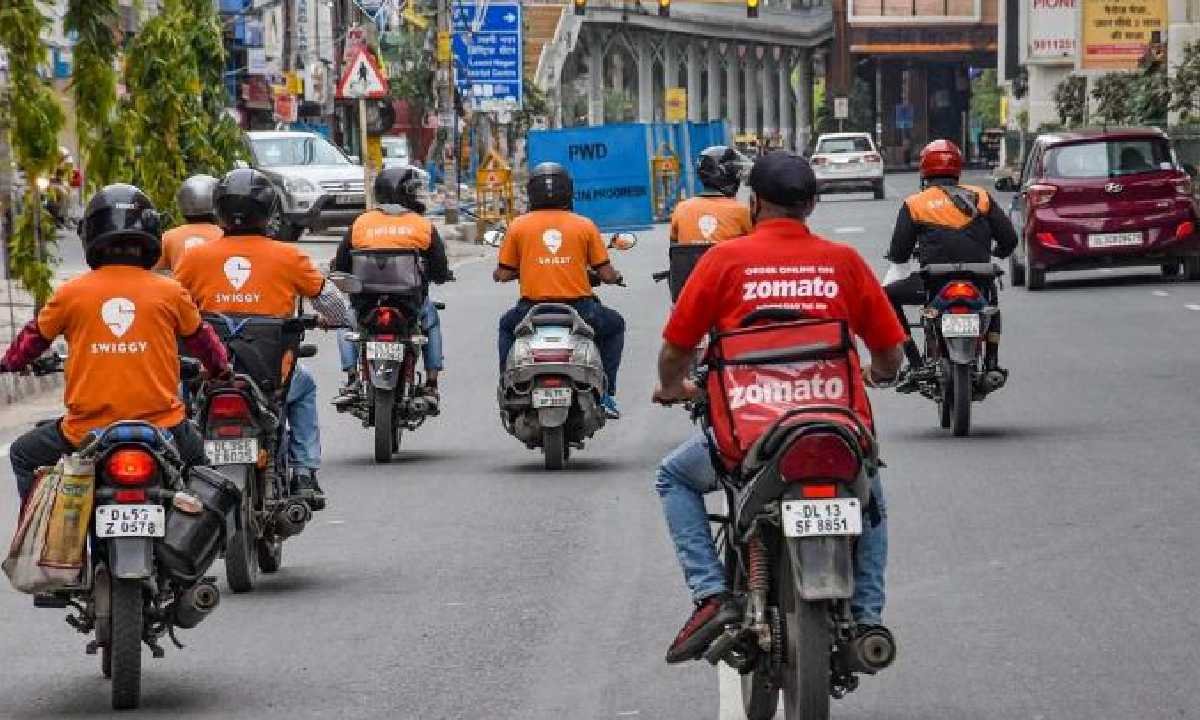
Once we were very happy and active in Mumbai eating that hot Vada-pav or garam idli in the morning. People used to go out of their house to pack their lunch or most of the time on the go they used to eat. But since the Swiggy and Zomato app arrived on your mobile, kitchens have hardly anything to perform.
An average middle class family is also depending on Swiggy for ready to eat food. You name it, they deliver it. Let it be Dussehra or Diwali, people have forgotten to prepare snacks at home. The personal food habits to festivals everything is taken over by food chains and these food supply apps.
This 21st century is all about the digital world. We are living in a world where everything is digitized.
The smartphones are the new ruler of every industry. The implication of smartphones is increasing as the earth is revolving around the sun. The human existence and revolution dependency rate is now relying on smartphones. Why? Because we have added the use of smartphones in every single aspect of our lives. As a matter of fact, it is making human lives easier and more comfortable. The current generation is living in peace. They don’t struggle to eat what they want; they do not depend on the cook or kitchen manager. The rising use of smartphones is resulting in the rising use of smartphone applications. The mobile applications and the trending mobile phones are one of the most trending topics of this current time. People don’t even need someone to share or care while eating their meal, the smartphone also fills that vacuum.
The astonishing revolution of the technological world is proof that digitization is taking over the world. Mobile applications are evolving different aspects of our lives. Not by surprise Mobile app development took over the food industry as well. There are several food industries which are now utilizing the platform of mobile application to expand their food chain in the whole world. Not only for the food industry owners but, the consumers also get the taste of its fruits. These kinds of services which involve mobile applications are helping consumers to place orders right on the spot which is providing them the whole ease and hint of the satisfaction without waiting much for your food. Furthermore, these mobile applications are pretty much communicating which builds a bridge between the consumer and you. The great business always considers these mobile applications are one of the best ways to stay connected with your targeted potential audience and the best source to offer them the complete information about their business and their services and features.
The pandemic saw a surge in people ordering food online instead of going out. With an increase in orders, there was also an increase in the workload of the delivery executives dropping the food at our doorsteps. While the workers continued with their hard work, there have been several reports of discriminatory practices against the delivery executives. Ever since the lockdown was announced, it affected the business of several food delivery companies, as many people stopped ordering food from restaurants and online delivery platforms. As a result of this, Swiggy rolled back the incentives which were promised to several of its employees based on their performance. Sometimes these platforms ban their services and sometimes they get banned by their vendors.
Also, Swiggy and Zomato don’t have their own Delivery Services; they outsource their deliveries. These companies are a disaster, and their management is completely hands off. Here is the life cycle of one order that was placed through food delivery apps. Customers first decide what kind of food they want to eat and then choose a hotel/restaurant based on discount/reviews and previous experience. So here the customer places an order, after placing the order that order gets assigned to the respective restaurant as selected by the customer and the restaurant starts preparing food. After assigning order the next step is Delivery Executive assigned. So once food is ready and packed, the Delivery Executive will pick up the parcel. (This will notify the customer that the order has been picked up and it will be delivered shortly.) This is the final step where the Delivery Executive delivers the order to the customer and the hungry customer is ready to eat, after waiting for almost 30–50 minutes. Now the Indian Hotel and Restaurant Association (AHAR) has decided to boycott delivery services under Zomato’s Gold program. Because it is providing food from an illegal chain of food preparators. In 2017 Zomato offered lucrative membership to attract more members, under this program, Zomato Gold offers members one free dish each time they place an order.
Zomato Online food delivery platform already stopped its grocery delivery service from September 17 mainly on account of gaps in order fulfillment leading to poor customer experience, marking its exit from the segment for the second time since last year. Zomato had launched the pilot grocery delivery service in July this year in select markets offering grocery delivery within 45 minutes to its customers. The saga does not limit here, there are hundreds of delivery apps and food supply apps that have captivated people for their basic needs.
Sometimes Zomato bans its services and this time Zomato is banned by the 8000 hotels and restaurants across India by making the situation worse for Zomato that is already facing a boycott on dine-in. The ban was due to the food delivery from illegally-run kitchens, abrupt discounts offered for Zomato Gold members and inaccessibility of delivery executives.
The Indian Hotel and Restaurant Association (AHAR) has decided to boycott delivery services under Zomato’s Gold program. They said “We have told Zomato that we are entirely against the Zomato Gold delivery service scheme and asked them to scrap it.”
The Indian Hotel and Restaurant Association president Santosh Shetty told Afternoon Voice that “ We don’t want illegal eateries and food makers to be promoted in the name of scheme. That is the reason we asked Zomato to stop the gold delivery service. However, there has been no action by the food collector on the same.”
In 2017 Zomato offered lucrative membership to attract more members, under this program, Zomato Gold offers members one free dish each time they place an order. However, the scheme has been opposed by the restaurant industry who allege that it hurts their profitability. AHAR has demanded scrapping of the ‘gold service’ and an end to alleged arbitrary commissions and steep discounts in addition to end providing service to non-licenced restaurants.
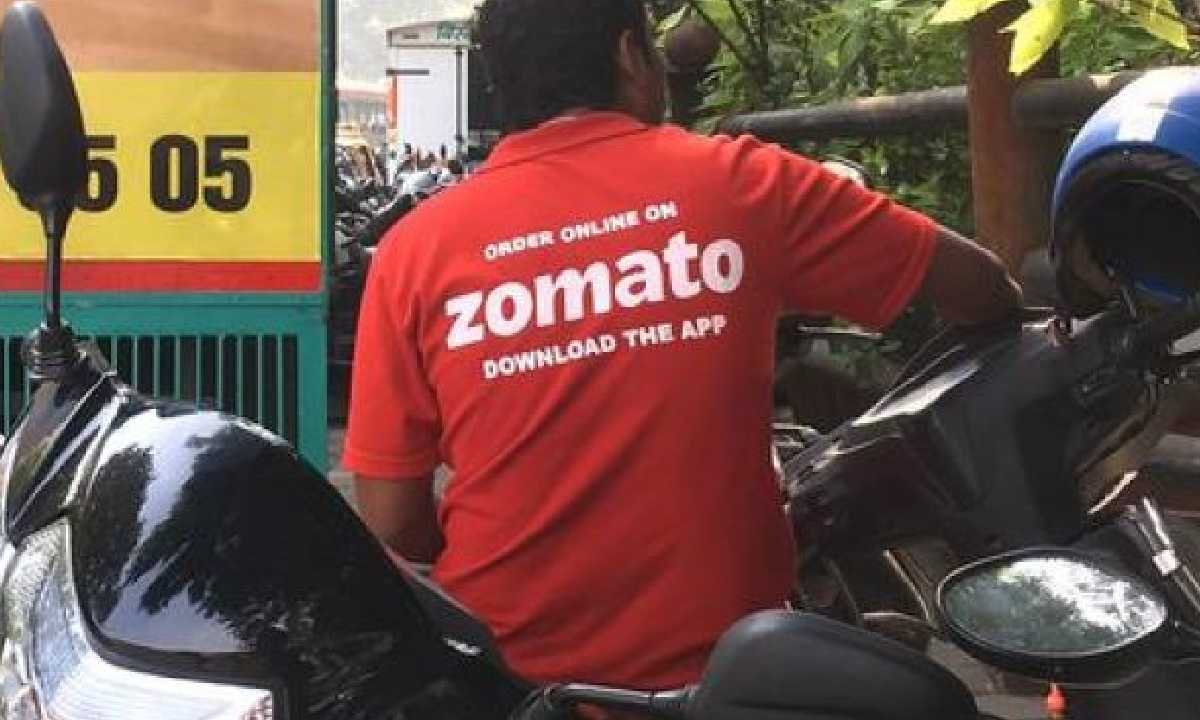
Arvind Ghule, the Zomato delivery boy said “Any which ways we suffer a lot, due to heavy discounts the eateries are packed with orders, they are not on mainstream lines. Picking up an order and delivering it in time is a task. The delay is not acceptable by the person who orders food. They vent all anger on us”.
Ashfaq Tamboli, Swiggy delivery boy said “Our commission is too less, that is the reason boys are not joining delivery jobs. There is no safety or security. Many times hotels and vendors do not allow us toilets or water, continuing traveling becomes difficult after slogging the whole day, hardly we earn anything to meet our needs at the end”.
Lata’s Bihari Litti Chokha centre said “we are not licensed restaurants but we make authentic home-made food, the scheme gold is actually an exploitation for us. In one price we have to deliver two. Many such unauthorized food suppliers compromise on the quality of grocery. But this scheme gave a lot of job opportunities to people like us.”
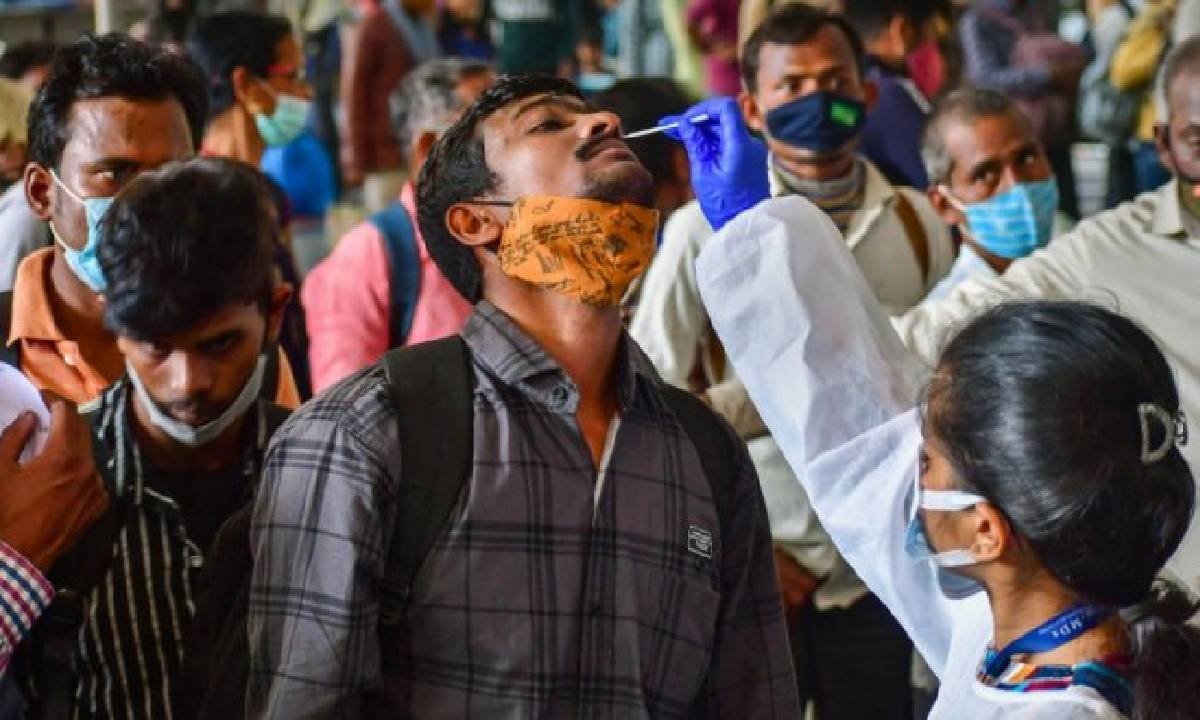
India recorded 5,910 new COVID cases in the last 24 hours, informed the Ministry of Health and Family Affairs on Monday.
India’s active caseload currently stands at 53,974 which accounts for 0.12 per cent of the total cases. The recovery rate currently is at 98.69 per cent. As many as 7,034 recoveries were made in the last 24 hours, taking the total recoveries to 4,38,80,464.
The country has been seeing a daily positivity rate of 2.60 per cent with a weekly positivity rate of 2.15 per cent.
On the vaccination front, the government informed that over 213.52 crore vaccines had been administered so far under the nationwide COVID-19 vaccination drive.
A total of 94.36 crore second doses and 16.82 crore precautionary doses have been administered so far under Nationwide Vaccination Drive.
The Union Government is committed to accelerating the pace and expanding the scope of COVID-19 vaccination throughout the country.
The nationwide COVID-19 vaccination started on 16th January 2021. The new phase of universalization of COVID-19 vaccination commenced on 21st June 2021.
The vaccination drive has been ramped up through the availability of more vaccines, advanced visibility of vaccine availability to States and UTs to enable better planning by them, and streamlining of the vaccine supply chain.
As part of the nationwide vaccination drive, the Government of India has been supporting the States and UTs by providing them with COVID Vaccines free of cost.
In the new phase of the universalization of the COVID19 vaccination drive, the Union Government will procure and supply (free of cost) 75% of the vaccines being produced by the vaccine manufacturers in the country to States and UTs.
An undertrial prisoner escaped from a hospital in Ambala where he was brought for treatment, officials said on Monday.
Prince was lodged in the Ambala Central Jail after being caught by the Railway Protection Force about a year ago while allegedly committing a theft, they said.
On Saturday, Prince complained that he was not feeling well following which, the jail officials got him admitted to the Civil Hospital in Ambala City, they said.
He was kept in the special prisoner ward on the first floor of the hospital and police guards were also deployed outside the ward, they said.
Around 8 pm on Sunday, the prisoner went to the toilet. As he did not come out after 15 minutes, the guards broke open the door and realised that he had fled, officials said.
The prisoner broke the window inside the toilet and used a drain pipe of the building to get down, they said.
According to Station House Officer of Baldev Nagar Police Station Gaurav Poonia, a case has been registered against the prisoner and three police teams have been formed to catch him.