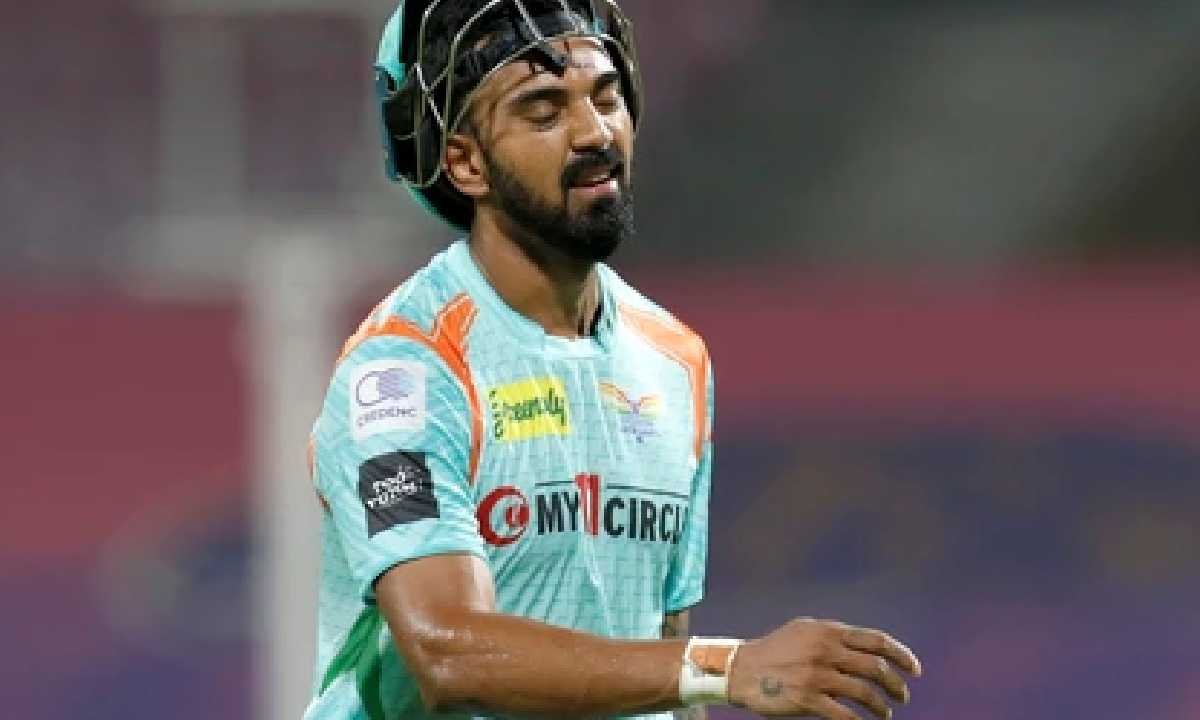
India skipper for Zimbabwe ODIs, KL Rahul has begun preparation for the upcoming series which gets underway from Thursday. The first ODI between India and Zimbabwe will be played in Harare.
Rahul, who is coming back from a long-term injury, on Wednesday shared a picture on the Koo app where he can be seen sharpening his skills ahead of the opening match. In another picture, Team India can be seen having an insightful conversation with the coach as the visitors get ready to face Zimbabwe.
Vice-captain Shikhar Dhawan, who is returning to Zimbabwe after nine years, wants the side to not take Zimbabwe for granted. “I’m sure they’re playing good cricket. It’s good for us because it will keep us on our toes. We can’t take anything for granted or lightly. We’re here to perform against a good team. It’s always about the process,” Dhawan said in a pre-match press conference.
Meanwhile, The All-India Senior Selection Committee named Shahbaz Ahmed as the replacement for Washington Sundar for the three-match ODI series against Zimbabwe.
Washington Sundar injured his shoulder while playing a County game in England.
He has been ruled out of the Zimbabwe tour. India’s tour of Zimbabwe will start on Thursday and go on till August 22. It will consist of three ODIs.
The first-of-its-kind database of arrested narcotics offenders has been made operational for use by various central and state prosecution agencies tasked to enforce anti-drugs laws in the country, officials said.
The portal–NIDAAN or the National Integrated Database on Arrested Narco-offenders–has been developed by the Narcotics Control Bureau (NCB).
It is part of the narcotics coordination mechanism (NCORD) portal that was launched by Union Home Minister Amit Shah on July 30 in Chandigarh during the national conference on ‘Drug trafficking and national security.
The NIDAAN platform sources its data from the ICJS (inter-operable criminal justice system) and the e-Prisons (a cloud-based application) repository and it is planned to integrate it in the future with the crime and criminal tracking network system or CCTNS, a senior officer said.
The ICJS, an initiative of the Supreme Court e-committee, was created to enable the seamless transfer of data and information among different pillars of the criminal justice system, like courts, police, jails, and forensic science laboratories, from one platform.
”NIDAAN is a one-stop solution for all narcotics offenders’ related data and will help investigative agencies as an effective tool to connect the dots while probing narcotics cases,” NCB Director General S N Pradhan said to agencies.
The idea to create such a portal was to enhance the capability of all the law enforcement agencies working against drug crimes, he said. NIDAAN hosts data about those accused who have been arrested and jailed for drugs offenses and those who are ”directly or indirectly involved in the produce, manufacture, possession, selling, purchase, transport, warehousing, usage, consumption, inter-state import and export, import into India, export from India or transshipment of any narcotics or psychotropic substance.”
According to the blueprint prepared for the operation and usage of the portal, any agency can search for the criminal history, personal details, fingerprints, court cases and appeals made, etc. about a drug offender from any part of the country.
The login ID and password for the portal for use by various central and state anti-drugs units can either be obtained from the CCTNS administrator or those agencies who already have login credentials at the ICJS portal can use the same to operate NIDAAN, a senior officer said.
A distinct feature called ‘criminal network’ on the portal can also be accessed by agencies, as part of which specific links of an accused to other crimes, linked police FIRs and those who visited them in jail can also be accessed, officer said.
The NIDAAN portal is a vertical envisaged under the NCORD and was mooted during a national meeting on drug issues chaired by Home Minister Shah in December last year in Delhi.
Shah, during the meeting, had also spoken about various other plans for strengthening the coordination mechanism on narcotics issues like asking all states to create a dedicated anti-narcotics task force (ANTF) which can also function as the NCORD secretariat at the state level, the statement said.
The minister had also directed the agencies to ”take some important measures such as the creation of a national NCORD portal (NIDAAN being a part of it), the constitution of inter-ministerial standing committees (IMCs) to devise effective policies about dual-use prescription drugs and precursors, raising of a national narco-canine pool and establishment of drug de-addiction centers in all prisons of 272 most drugs affected districts, etc.”
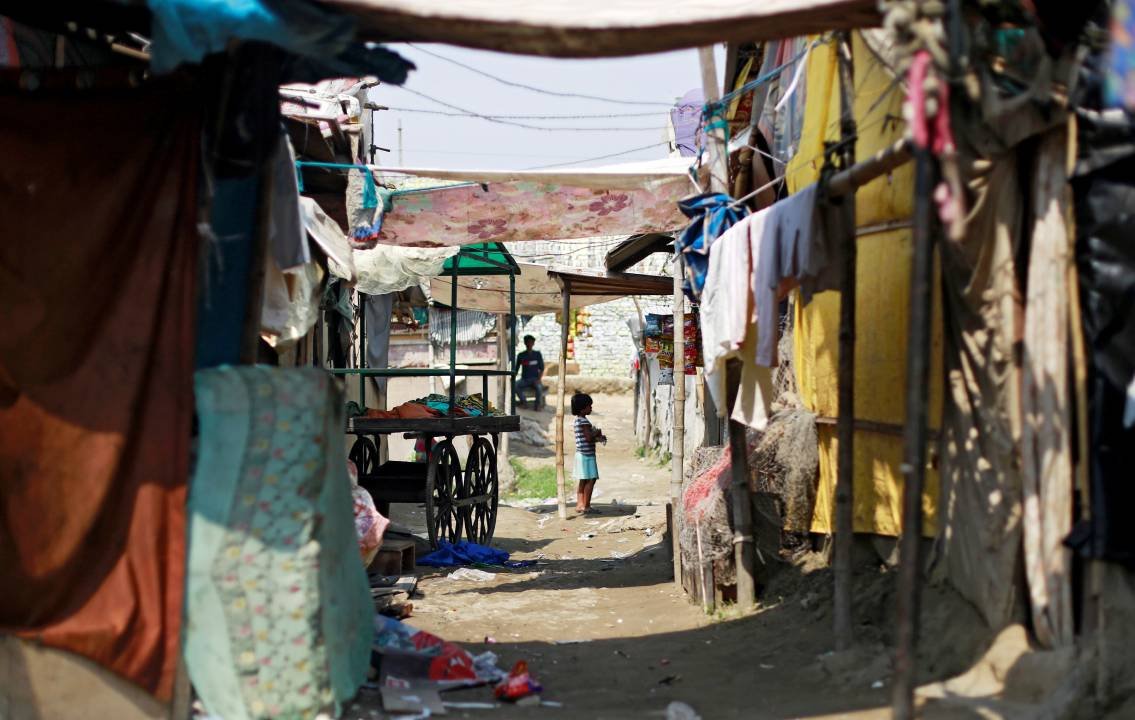
Rohingya refugees from Myanmar in India’s capital will be allotted apartments and provided with police protection, a government minister said on Wednesday, signalling a change in the stance towards members of the Muslim minority.
“India has always welcomed those who have sought refuge,” Minister for Housing and Urban affairs Hardeep Singh Puri said on Twitter, outlining new provisions for Rohingya refugees in New Delhi.
“India respects & follows UN Refugee Convention 1951 & provides refuge to all, regardless of their race, religion or creed,” Puri said.
India is not a signatory to the convention which spells out refugee rights and the obligations of countries to protect them. Puri did not elaborate on what he said would be “round-the-clock” police protection but there have been isolated incidents of violence toward Rohingya in India.
Prime Minister Narendra Modi’s government has previously tried to send back members of the minority from predominately Buddhist Myanmar, hundreds of thousands of whom have fled from persecution and waves of violence in their homeland over the years.
Bangladesh has sheltered nearly a million Rohingya.
As of early this year, around 1,100 Rohingya lived in Delhi and another 17,000 elsewhere in India, many of them working as manual laborers, hawkers, and rickshaw pullers, according to estimates from Rohingya rights activist Ali Johar.
He said some 2,000 people went back to Bangladesh this year, amid fears many would be deported. “We welcome the statement on respecting the UN refugee convention and the plan to resettle Rohingya with better housing and facilities,” said Johar, 27, who came to India a decade ago and lives with his family in rented accommodation in Delhi.
But Johar underlined fears among the community, which has faced the ire of some Indian right-wing Hindu groups, that the new facilities could be used to corral the Rohingya. “If it turns out to be a detention camp, that will be a nightmare for us,” he said.
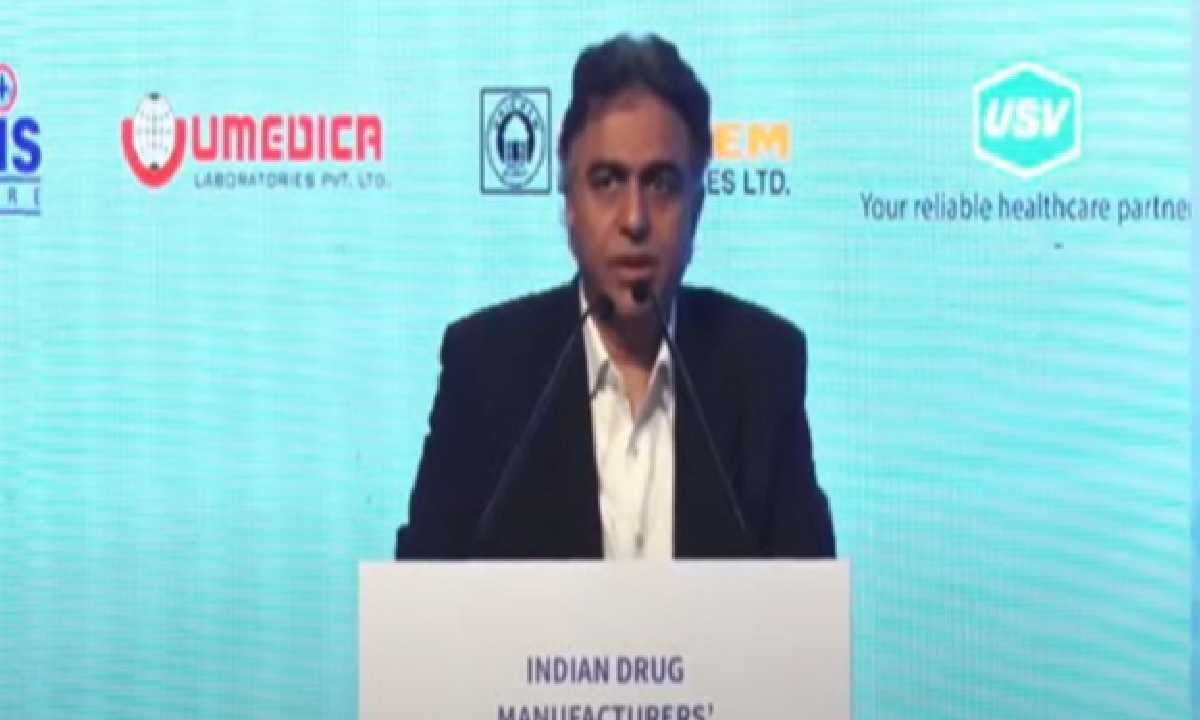
Image: ANI | Dr VG Somani to continue to hold the charge of the post of Drug Controller of India
The tenure of Dr V G Somani as the Drugs Controller General of India (DCGI) has been extended by three months, according to an order issued by the Union Health Ministry.
Dr Somani was appointed DCGI for a term of three years on August 14, 2019.
“It has been decided with the approval of the competent authority, that Dr. VG Somani shall continue to hold the charge of the post Drugs Controller of India under FR 49(v) for a period of three months w.e.f 16.08.2022 or until further orders, whichever is earlier,” the official letter by the Ministry stated.
The government had invited fresh applications for the position of the next DCGI in the month of February. The tenure of the current DCGI, VG Somani ended on August 15.
The DCGI heads the Central Drugs Standard Control Organization (CDSCO) which is responsible to ensure the quality of drug supply across the country. It also has the authority to give approval to new drugs and regulate clinical trials.
India on Wednesday recorded 9,062 fresh COVID-19 infections that took its tally to 4,42,86,256, while the number of active cases came down to 1,05,058, according to Union health ministry data.
The death toll climbed to 5,27,134 with 36 new fatalities, including six reconciled by Kerala, the data updated at 8 am stated.
The active cases comprise 0.24 per cent of the total infections. The national COVID-19 recovery rate stands at 98.57 per cent, the ministry said.
A decline of 6,194 cases has been recorded in the active COVID-19 caseload in a span of 24 hours.
The daily positivity rate was recorded at 2.49 per cent and the weekly positivity rate at 4.38 per cent, the ministry said.
The number of people who have recuperated from the disease surged to 4,36,54,064, while the case fatality rate was recorded at 1.19 per cent, it said.
So far, 208.57 crore doses of COVID-19 vaccines have been administered in the country under the nationwide vaccination drive, it added.
India’s COVID-19 tally had crossed the 20-lakh mark on August 7, 2020, 30 lakh on August 23, 40 lakh on September 5 and 50 lakh on September 16. It went past 60 lakh on September 28, 70 lakh on October 11, crossed 80 lakh on October 29, 90 lakh on November 20 and surpassed the 1-crore mark on December 19.
India crossed the grim milestone of 2 crore cases on May 4, 3 crores on June 23 last year and 4 crores on January 25 this year.
The 30 new fatalities include six from Punjab; five from Karnataka; three each from Delhi and Rajasthan; two each from Himachal Pradesh, Maharashtra and Uttarakhand; and one each from Chandigarh, Gujarat, Haryana, Ladakh, Odisha, Sikkim and West Bengal.
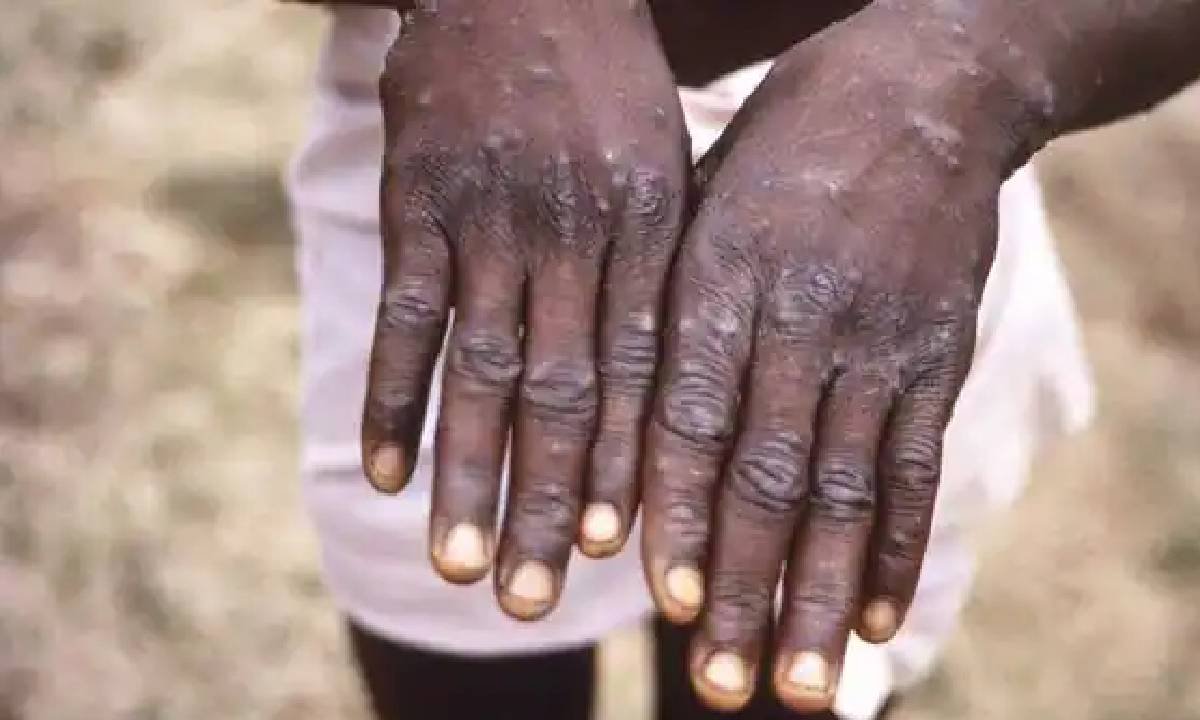
Health officials are warning people who are infected with monkeypox to stay away from household pets since the animals could be at risk of catching the virus.
The Centers for Disease Control and Prevention for months has had the advice in place as monkeypox spreads in the U.S. But it gained new attention after a report from France, published last week in the medical journal Lancet, about an Italian greyhound that caught the virus.
The dog belongs to a couple who said they sleep alongside the animal. The two men were infected with monkeypox after having sex with other partners and wound up with lesions and other symptoms.
The greyhound later developed lesions and was diagnosed with the virus. Monkeypox infections have been detected in rodents and other wild animals, which can spread the virus to humans.
But the authors called it the first report of monkeypox infection in a domesticated animal like a dog or cat. Pets that come in close contact with a symptomatic person should be kept at home and away from other animals and people for 21 days after the most recent contact, the CDC advises.
On Wednesday at Pune Expressway five family members died due to car accident. The family was travelling in the car and it was collieded in the Ahmednagar- Pune Highway at late night.
The police reached at the incident spot and gave the details regarding the accident also as per the reports they have stated “The accident took place near Ranjangaon Maharashtra Industrial Development Corporation (MIDC)
As per the reports the incident took place in the late night and police have stated that it was around 1:30 am when container was coming from the wrong side of the road and met accident with the truck. Police is still investigating about the case .
India on Wednesday recorded 9,062 fresh COVID-19 infections that took its tally to 4,42,86,256, while the number of active cases came down to 1,05,058, according to Union health ministry data.
The death toll climbed to 5,27,134 with 36 new fatalities, including six reconciled by Kerala, the data updated at 8 am stated. The active cases comprise 0.24 per cent of the total infections.
The national COVID-19 recovery rate stands at 98.57 per cent, the ministry said. A decline of 6,194 cases has been recorded in the active COVID-19 caseload in a span of 24 hours. The daily positivity rate was recorded at 2.49 per cent and the weekly positivity rate at 4.38 per cent, the ministry said.
The number of people who have recuperated from the disease surged to 4,36,54,064, while the case fatality rate was recorded at 1.19 per cent, it said. So far, 208.57 crore doses of COVID-19 vaccines have been administered in the country under the nationwide vaccination drive, it added.
India’s COVID-19 tally had crossed the 20-lakh mark on August 7, 2020, 30 lakh on August 23, 40 lakh on September 5 and 50 lakh on September 16. It went past 60 lakh on September 28, 70 lakh on October 11, crossed 80 lakh on October 29, 90 lakh on November 20 and surpassed the 1-crore mark on December 19.
India crossed the grim milestone of 2 crore cases on May 4, 3 crore on June 23 last year and 4 crore on January 25 this year.
The 30 new fatalities include six from Punjab; five from Karnataka; three each from Delhi and Rajasthan; two each from Himachal Pradesh, Maharashtra and Uttarakhand; and one each from Chandigarh, Gujarat, Haryana, Ladakh, Odisha, Sikkim and West Bengal.
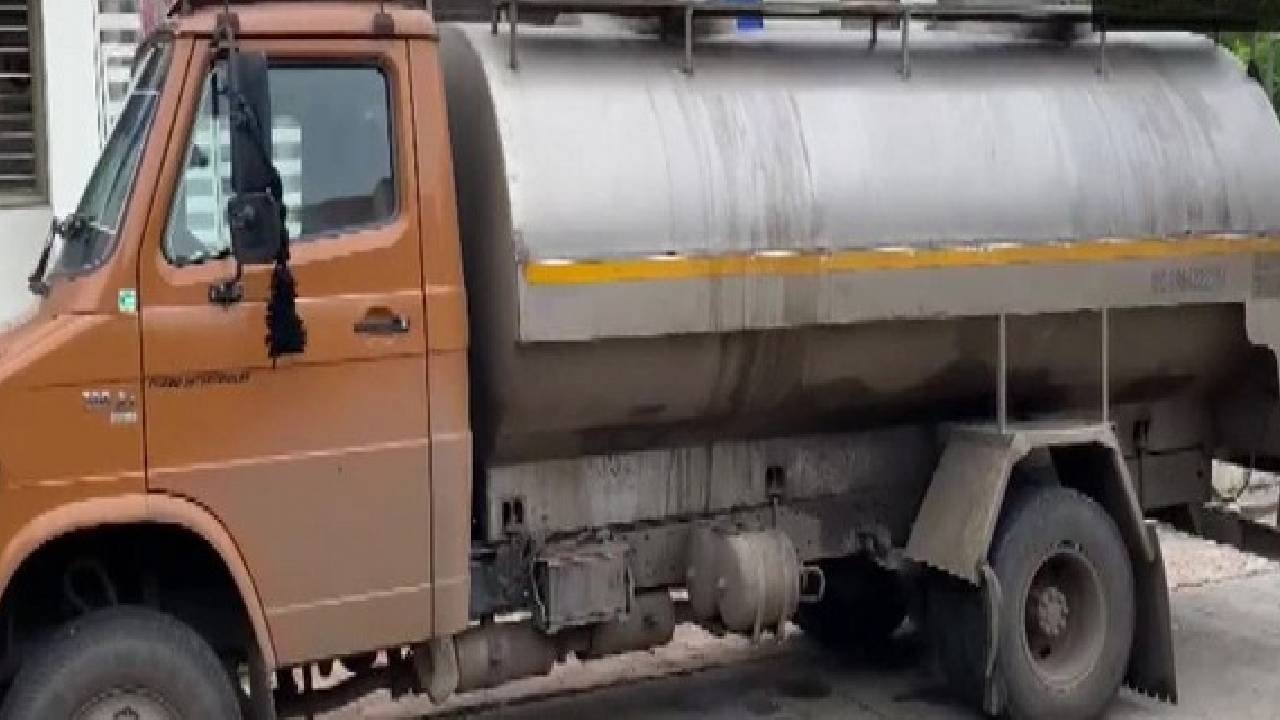
Four thousand litres of adulterated milk was seized from a truck at a checkpoint in Rajkot, said the officials on Tuesday.
“A truck was stopped during checking of vehicles and adulterated milk that was made from chemicals like sulfates, phosphates and carbonate oils was seized,” said Praveen Kumar Meena, DCP Zone-1, Rajkot.
As per information, the adulterated dairy business was being carried out for months and is part of a big nexus. “Adulterated milk was being supplied for the last 4 months.
We’ve identified the supplier and factory’s location. Further probe to be conducted,” said the DCP. Further investigations into the case are underway. Earlier on Tuesday, major milk outlets raised milk prices across the country.
The major reason for the price hike was cited as an increment in input costs. Both Amul and Mother Dairy raised their cost by Rs 2 per litre. Mother Dairy has raised the prices of milk by Rs 2 per litre with effect from Wednesday.
“Mother Dairy is compelled to raise its liquid milk prices by Rs. 2/litre with effect from August 17, 2022. The new prices will be applicable for all milk variants,” it said in a statement on Tuesday.
It said the company has been experiencing a surge in input costs which have increased multifold during the last five months. Amul too decided to increase the prices of milk by Rs 2 per litre with effect from Wednesday because of rising input costs.
Post the revision, the price of Amul Gold in Ahmedabad and Saurashtra markets will be Rs 31 per 500 ml, Amul Taaza will be Rs 25 per 500 ml, and Amul Shakti will be at Rs 28 per 500ml, it said in a statement.
The increase of Rs 2 per litre, Amul said in the statement, translates into a 4 per cent increase in maximum retail price (MRP) which is lower than average food inflation.