Home Blog Page 62

Delhi Petrol Pumps to Deny Fuel to Old Vehicles in Crackdown on Pollution

delhi, fuel pump, fuel, diesel, delhi fuel
Delhi Petrol Pumps to Deny Fuel to Old Vehicles in Crackdown on Pollution 2

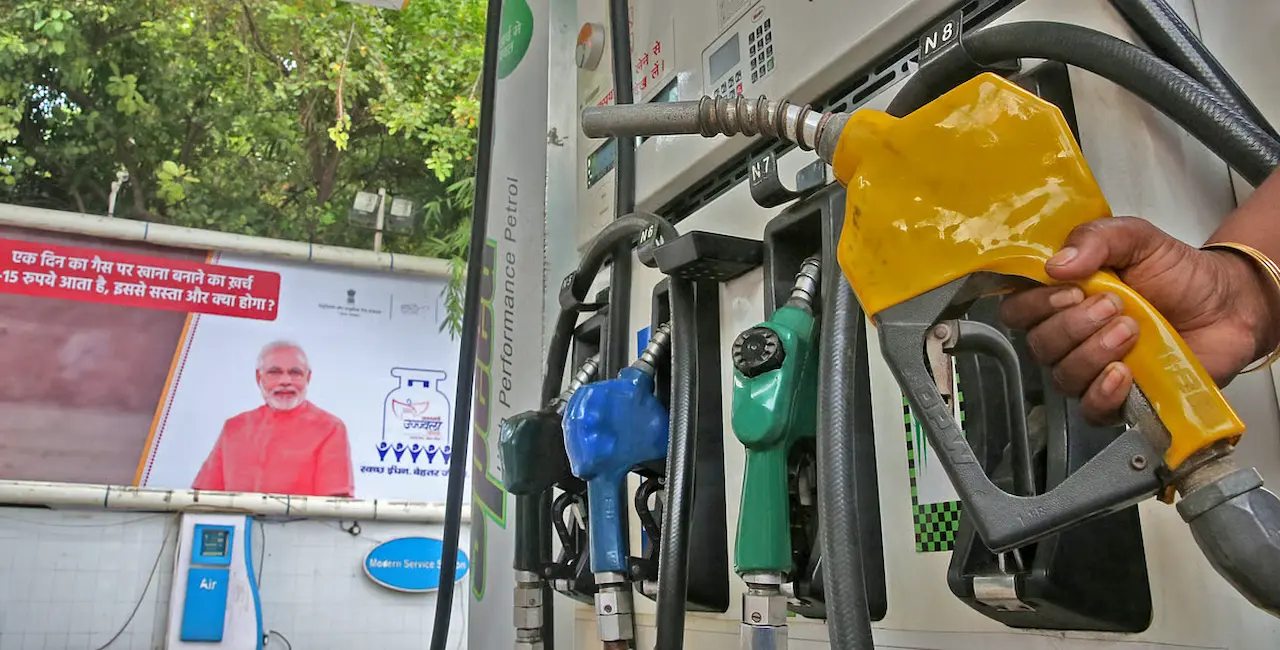
Starting July 1, petrol pumps across Delhi will refuse to refuel end-of-life (EoL) vehicles in a major push to curb vehicular pollution, following directives from the Commission for Air Quality Management (CAQM). The ban applies to diesel vehicles older than 10 years and petrol vehicles older than 15 years, regardless of their state of registration.

The Delhi Transport Department, along with Delhi Police, Traffic Police, and the Municipal Corporation of Delhi (MCD), has prepared a detailed enforcement strategy to ensure strict compliance. Deployment plans include 59 exclusive enforcement teams and police personnel stationed at all 350 identified petrol pumps to monitor vehicles and prevent violations.

“Our traffic personnel will impound EoL vehicles and issue challans to their owners,” a senior police officer said. Additional police officers will be deployed at fuel stations to maintain order during the crackdown.

Fuel stations must prominently display signage stating that vehicles exceeding the age limit will not be refuelled. The Delhi government has issued Standard Operating Procedures (SOPs) requiring petrol pumps to keep manual or digital logs of denied refuelling attempts and submit weekly reports to the Transport Department.

The Delhi Transport Infrastructure Development Corporation (DTIDC) will oversee Automated Number Plate Recognition (ANPR) systems at fuel stations to identify EoL vehicles in real time. Legal action, including impounding and disposal of offending vehicles, will follow.

Petrol stations violating the rules risk penalties under Section 192 of the Motor Vehicles Act, 1988. Non-compliant stations will be reported to the CAQM and the Ministry of Petroleum and Natural Gas.

The enforcement follows a 2018 Supreme Court order banning diesel vehicles older than 10 years and petrol vehicles older than 15 years in Delhi, and a 2014 National Green Tribunal ruling prohibiting parking of vehicles aged over 15 years in public spaces.
BJP Turmoil in Telangana: Raja Singh Quits Party Over Ramchander Rao’s Likely Appointment

t raja singh, raja singh, mla, telangana, telangana elections, mla, bjp, bharatiya janata party
BJP Turmoil in Telangana: Raja Singh Quits Party Over Ramchander Rao’s Likely Appointment 4

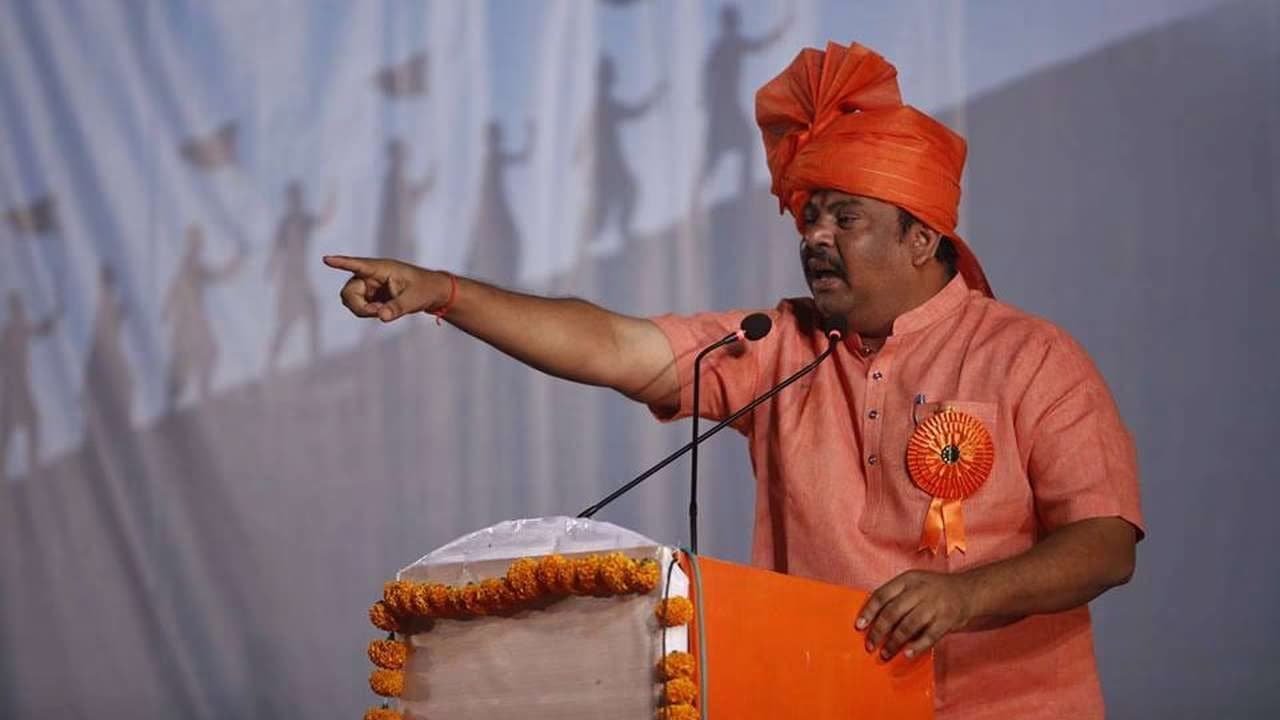
In a dramatic development, firebrand BJP MLA Raja Singh announced his resignation from the primary membership of the Bharatiya Janata Party on Monday, expressing outrage over the likely appointment of Ramchander Rao as the next Telangana BJP president. Singh addressed his resignation letter to Union Minister and current state BJP chief G Kishan Reddy, asking him to inform the Telangana Legislative Assembly Speaker of his departure from the party.

Singh stated the decision to appoint a new state president came as a shock not just to him but to lakhs of dedicated Karyakartas, leaders, and voters who have steadfastly supported the party through highs and lows. “With great sadness, I have decided to resign from the primary membership of the Bharatiya Janata Party,” Singh wrote, adding that his resignation reflects the disappointment of countless loyal supporters who feel ignored by the central leadership.

He alleged that certain individuals with personal agendas had misled the central leadership, undermining the sacrifices of grassroots workers and risking setbacks for the party. Singh emphasized that many capable senior leaders, MLAs, and MPs in Telangana were better suited to lead the party forward.

Having been elected three times consecutively from Goshamahal with the people’s blessings, Singh said he could no longer stay silent or pretend everything was fine. He clarified that his resignation was not about personal ambition but stemmed from pain and frustration shared by many BJP workers and supporters.

Despite his resignation, Singh asserted his unwavering commitment to Hindutva and his dedication to serving Hindu Dharma and his constituents.

Telangana Pharma Plant Horror: 12 Dead, 34 Injured in Massive Explosion at Sigachi Industries

sigachi industries, telangana, fire, incident,
Telangana Pharma Plant Horror: 12 Dead, 34 Injured in Massive Explosion at Sigachi Industries 6

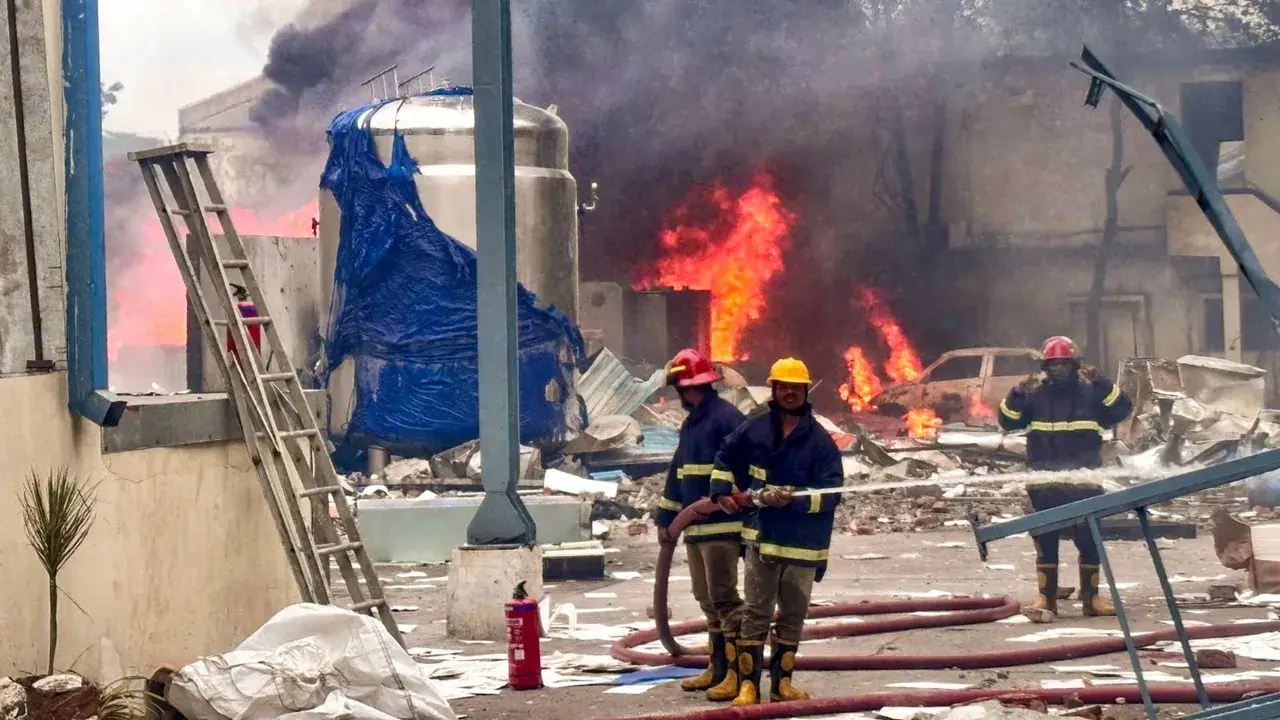
A devastating explosion at the Sigachi Industries pharmaceutical plant in Telangana’s Pashamylaram industrial estate on Monday claimed the lives of at least 12 people and left 34 others injured, according to state Health Minister Damodara Raja Narasimha.

The blast occurred between 9:28 am and 9:35 am due to a suspected chemical reaction inside a reactor at the plant, leading to a massive fire. Labour Minister G Vivek Venkatswamy confirmed that eight people died earlier in the day, with four more bodies recovered later. Both ministers visited the accident site to oversee rescue and relief operations.

Inspector General of Police V Satyanarayana said around 150 workers were present in the factory at the time of the explosion, with approximately 90 located near the site of the blast. Rescue operations were promptly launched with the help of ten fire engines, the National Disaster Response Force (NDRF), and the State Disaster Response Force (SDRF). The fire was eventually brought under control.

Authorities are working to determine the exact number of people present during the explosion, as the factory personnel responsible for maintaining attendance records is believed to have perished in the blast.

Prime Minister Narendra Modi expressed deep sorrow over the tragedy and announced an ex-gratia of ₹2 lakh for the families of the deceased and ₹50,000 for the injured from the Prime Minister’s National Relief Fund. Chief Minister A Revanth Reddy also expressed anguish and directed officials to ensure advanced medical treatment for the injured and full rescue support for those affected.

Sigachi Industries Limited, as per its official profile, specializes in manufacturing Active Pharmaceutical Ingredients (APIs), intermediates, excipients, and vitamin-mineral blends. The company has yet to issue an official statement on the incident.

Welcome to Maharashtra’s Monsoon Session 2025: Where Thunderstorms Rage Outside and Political Thunder Rumbles Within

maharashtra, vidhan sabha, legislative assembly, maharashtra government, language row, hindi, marathi, raj thackeray, uddhav thackeray, devendra fadnavis,
Welcome to Maharashtra's Monsoon Session 2025: Where Thunderstorms Rage Outside and Political Thunder Rumbles Within 8

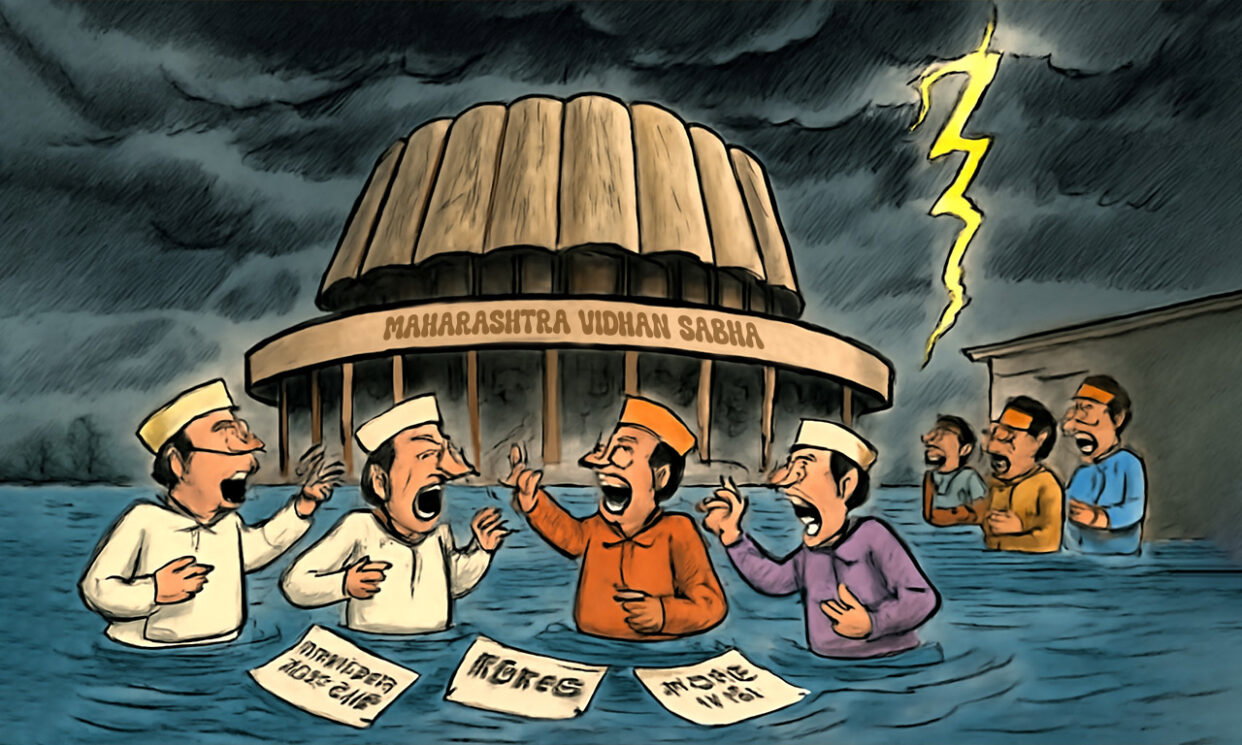
Once again, the Maharashtra Legislature opens not as a forum for governance but as a theatre of absurdity. The monsoon session for 2025 kicked off today with all the usual rituals: garlands for Shivaji Maharaj, high tea invites, dramatic boycotts, and of course, an all-out ideological slugfest over a language policy that’s already been rolled back. Because who needs to discuss floods, suicides, missing funds, or crumbling infrastructure when you can reheat the same cultural controversies?

This time, the great Hindi debate took centre stage—again. After the government’s now-revoked decision to introduce Hindi as a third language from Class 1, the opposition erupted in righteous fury, flinging seven-page letters, skipping the Chief Minister’s high tea, and staging choreographed indignation. One could almost applaud the performance if only it weren’t for the glaring emptiness it masks. Because beneath this language war lies a state battling farmer suicides, collapsing bridges, bungled admissions, and financial scandals that would make Swiss bankers blush.

But who cares about rural distress or Mumbai’s drowning streets when political mileage is to be made from “Hindi imposition”? The Mahayuti government, instead of facing these issues head-on, is busy assuring us they are “not running away” from debate while simultaneously patting themselves on the back for having enough “stock”—as if good governance is a kirana store inventory.

The opposition, not to be outdone in theatrics, conveniently clings to the same list of grievances from the last session. Meanwhile, citizens watch as MLAs engage in a ping-pong match of petty taunts. Deputy CM Eknath Shinde, never one to disappoint, labelled the opposition the “tukde tukde gang” of the House—because nothing screams serious policy discourse like recycled name-calling.

And while this political soap opera continues, here’s what isn’t being discussed with any real urgency: A ₹20,000 crore expressway project steamrolling over farmer consent, the tragic death of Vaishnavi Hagawane that reignited the issue of married women’s mental health, unaccounted crores discovered during committee inspections, and a Class 11 admission process so broken that even seasoned bureaucrats can’t explain it.

Instead of using the session to solve Maharashtra’s systemic issues, both ruling and opposition benches appear content playing the blame game—because that’s easier than fixing actual problems. And as the legislative clock ticks away, taxpayers are left wondering: who’s here to work, and who’s here for the soundbites?

Let’s call it what it is—a grand distraction. A tragicomedy where every act is scripted for headlines and every dialogue is aimed at the next election, not the next solution. Maharashtra’s people deserve better than this high-decibel charade. Because in a state where monsoons wash away roads and lives, a legislature that washes its hands of responsibility is the real disaster.

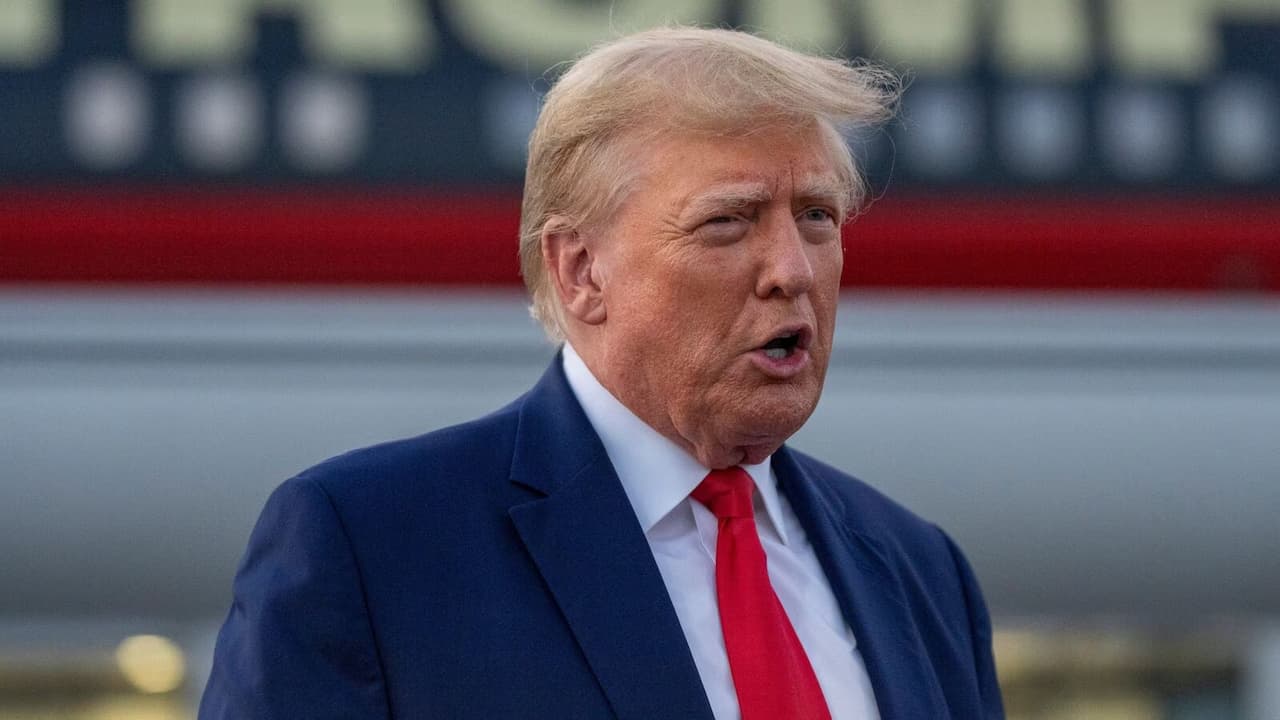
Trump’s Toxic Legacy: From Reckless Rhetoric to Global Irrelevance

trump, toxic, legacy, donald trump, iran, israel,
Trump's Toxic Legacy: From Reckless Rhetoric to Global Irrelevance 10

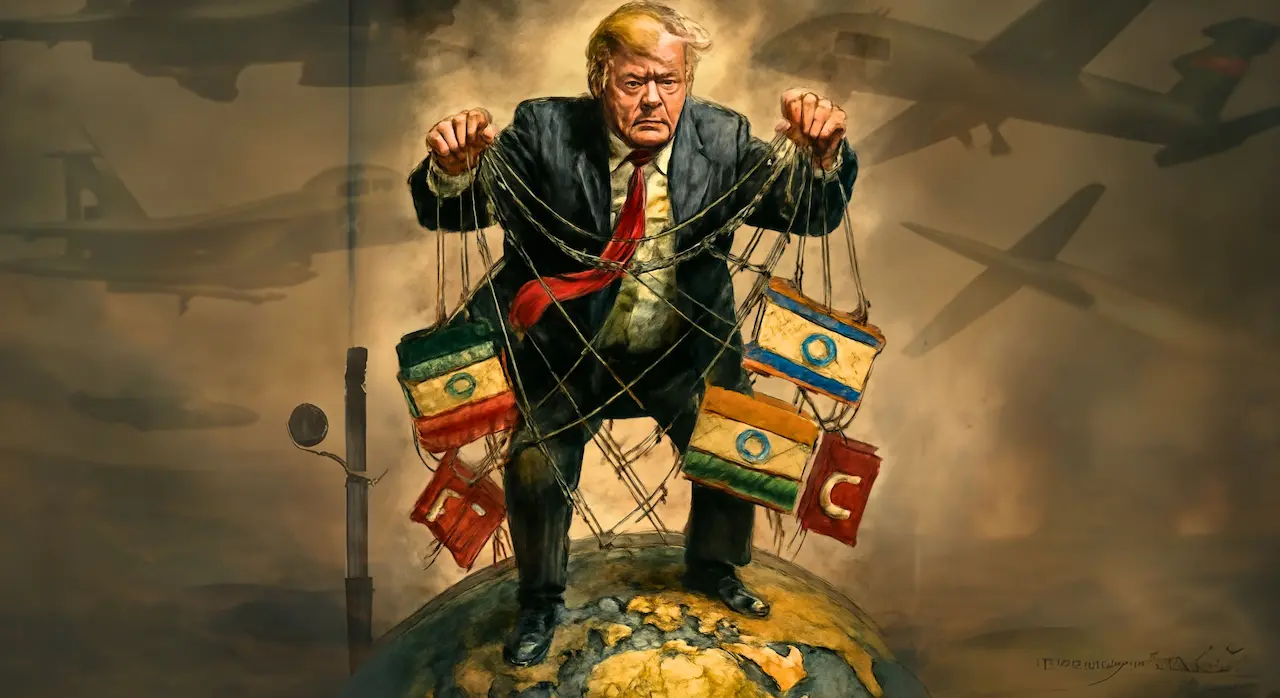
Donald Trump’s latest tirade, branding Iran’s Supreme Leader Ayatollah Khamenei as “public enemy number one”, is not just diplomatically reckless—it is symptomatic of a larger pattern of impulsive, performative politics that has defined his presidency. Tehran’s foreign ministry rightly condemned this language as “disrespectful and condemnable”, highlighting that anyone genuinely interested in reviving the nuclear accord would refrain from juvenile name-calling and instead propose concrete, verifiable steps on sanctions relief and oil exports. But Trump has never been one for nuance or statesmanship. He thrives on antagonism, not diplomacy—on applause lines, not peace accords.

This isn’t just a blip—it’s a continuation of a dangerous trend. Since taking office, Trump has repeatedly undermined global stability with decisions that prioritise ego over evidence. From withdrawing from the Iran nuclear deal to cosying up with authoritarian regimes, from igniting trade wars to walking away from climate commitments, his presidency has been marked by shortsighted bravado and erratic policymaking. His foreign policy has oscillated between erratic isolationism and aggressive interventionism, leaving allies alienated and adversaries emboldened.

Now, as the former “most powerful man in the world”, Trump appears increasingly out of touch and desperate to stay relevant. His inflammatory remarks serve more as campaign props than serious policy positions. By reducing complex geopolitical crises to soundbites and insults, he risks not just sabotaging fragile diplomacy but reigniting tensions in a region already teetering on the edge—particularly in light of recent Israel-Iran flashpoints.

Trump’s renewed push for a trade deal with India, coming on the heels of the Iran-Israel ceasefire, is equally fraught with contradictions. While he boasts about a “very big deal”, he also admits that dismantling trade barriers is almost “unimaginable”. It’s classic Trump: making grandiose promises while acknowledging the improbability of their fulfilment. His desire to counterbalance China’s influence in Asia by leveraging India is strategically sound, but his track record—rife with erratic tariffs, protectionist bluster, and diplomatic gaffes—gives little reason for optimism.

The tragedy of Trump’s presidency is not just in the poor decisions—it’s in how predictably they are repeated. In the name of strength, he weakened alliances. In pursuit of deals, he destroyed trust. And now, even as he postures for another shot at power, his relevance is eroding—not because of partisan politics, but because the world has learnt to brace itself against his chaos.

What remains is a sobering question: how long will we continue to let spectacle replace strategy? How many more crises must we endure before leadership is measured not in volume, but in vision?

Carnage in Khyber Pakhtunkhwa: Suicide Blast Kills 13 Soldiers, Dozens Injured

khyber, pakhtunkhwa, suicide, suicide attack, pakistan
Carnage in Khyber Pakhtunkhwa: Suicide Blast Kills 13 Soldiers, Dozens Injured 12

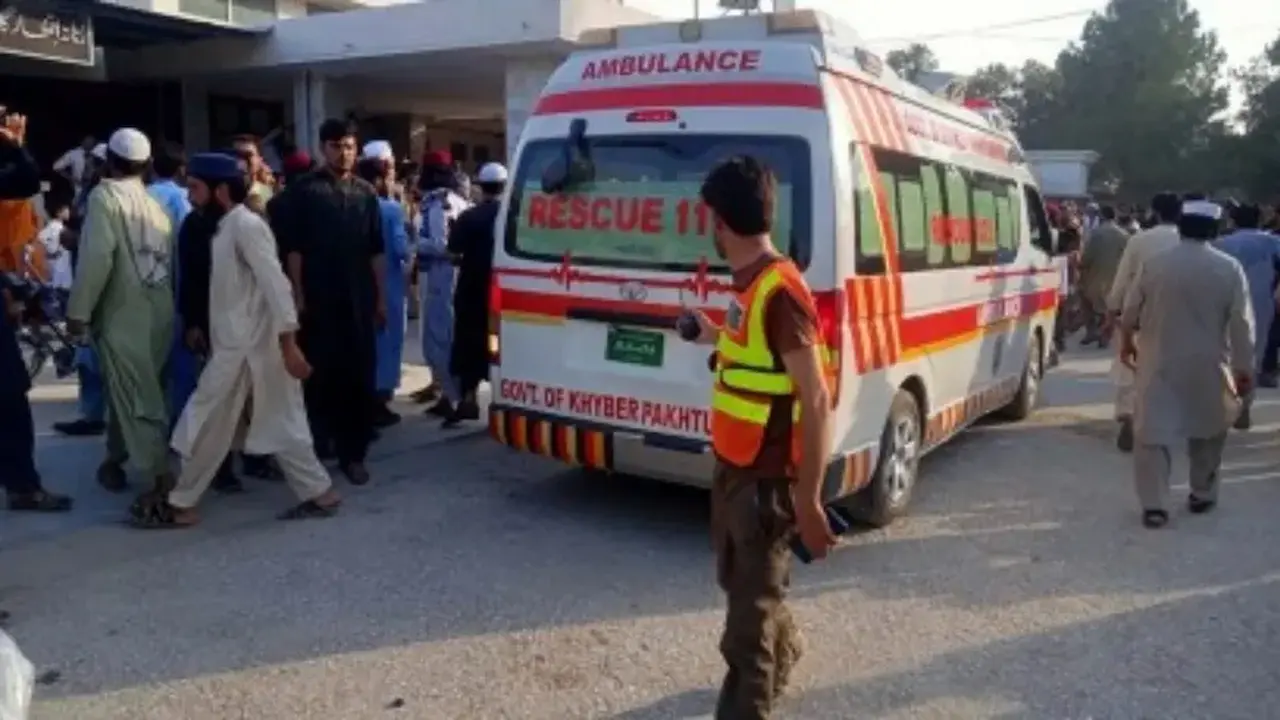
At least 13 security personnel were killed and 24 others injured in a devastating suicide attack on Saturday in Pakistan’s Khyber Pakhtunkhwa province, security sources confirmed.

According to officials, a suicide bomber rammed an explosives-laden vehicle into a Mine-Resistant Ambush Protected (MRAP) vehicle of the Bomb Disposal Unit early in the morning in the Khaddi area of North Waziristan district. Among the injured are 14 civilians, including women and children, several of whom are in critical condition.

At the time of the attack, a curfew had been imposed in the area due to ongoing military movements, the sources said. Security forces quickly launched a rescue and search operation following the blast.

The militant group Usud al-Harb, a faction linked to the Hafiz Gul Bahadur network, claimed responsibility for the assault, which is being described as one of the deadliest attacks in North Waziristan in recent months. The incident has heightened concerns over deteriorating security and the resurgence of militant activity in the region.

Putin Blasts West: ‘They’re Fueling Separatism and Terrorism Inside Russia’

vladimir putin, putin, west, separatism, terrorism, russia
Putin Blasts West: 'They're Fueling Separatism and Terrorism Inside Russia' 14

President Vladimir Putin has accused Western nations of actively encouraging separatism and turning a blind eye to terrorism targeting Russia, intensifying his criticism of the West amid the ongoing Ukraine conflict.

Speaking to reporters in Minsk, Belarus, on Friday, Putin alleged that Western countries have long ignored terror attacks in Russia as long as they harm Moscow’s interests. “No one wants to pay attention to the Islamic State when it targets Russia — explosions in Moscow and all that. This continues even today. Everything is fine, as long as it is directed against Russia,” he said.

He further charged that Western powers had previously “encouraged separatism” within Russia as part of what he described as their “instrument of the fight against Russia.”

Putin’s comments come at a time of heightened hostilities with the West over Russia’s military actions in Ukraine, with Moscow regularly accusing the US and European allies of meddling in its internal affairs and fueling unrest.

CJI Gavai Slams Article 370: ‘It Betrayed Ambedkar’s Vision of One Constitution for United India’

cji, b r gavai, gavai, nagpur, ambedkar, united india, chief justice of india
CJI Gavai Slams Article 370: 'It Betrayed Ambedkar's Vision of One Constitution for United India' 16

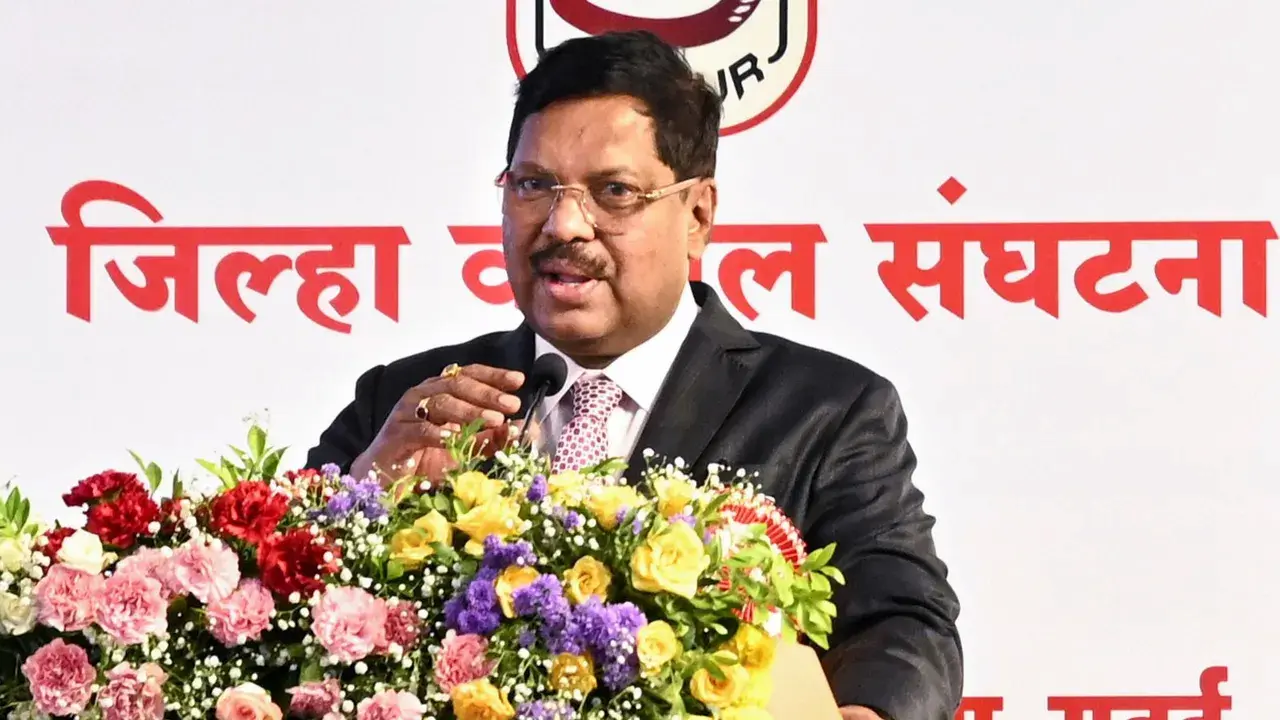
Chief Justice of India B R Gavai on Saturday declared that Article 370 was fundamentally opposed to Dr B R Ambedkar’s vision of a single Constitution binding the country together, asserting that Ambedkar never supported the idea of separate constitutions for individual states.

Speaking at the inauguration of the Constitution Preamble Park, CJI Gavai said the Supreme Court’s decision to uphold the abrogation of Article 370 drew directly from Ambedkar’s commitment to unity through one Constitution. Gavai served on the five-judge Constitution bench, led by then Chief Justice DY Chandrachud, that unanimously upheld the Centre’s 2019 decision to revoke Article 370, which had granted special status to Jammu and Kashmir.

“When the challenge to Article 370 came before us, I remembered Dr Ambedkar’s words that a single Constitution is essential to keep India united,” Gavai told the audience in Marathi.

On August 5, 2019, the Centre stripped Jammu and Kashmir of its special status and bifurcated it into two Union Territories. Gavai noted that critics of Ambedkar had once argued the Constitution’s federal features might fragment the nation in times of crisis, but Ambedkar had firmly believed the Constitution could withstand such challenges and keep India together.

“Look at our neighbours — Pakistan, Bangladesh, Sri Lanka — but India has stayed united despite many challenges,” Gavai remarked.

Union Minister Nitin Gadkari, present at the event, praised CJI Gavai for inaugurating the Constitution Preamble Park and unveiling a statue of Dr Ambedkar. He called freedom, equality, and fraternity Ambedkar’s most precious gifts to India through the Constitution.

Gadkari also highlighted how the Constitution defines the rights and duties of the four pillars of democracy: the executive, judiciary, legislature, and media.

Chief Minister Devendra Fadnavis lauded Gavai’s leadership as CJI and said the government aims to ensure the Preamble of the Constitution reaches every student as part of the Constitution’s Amrit Mahotsav celebrations.

“If we embrace the Preamble’s values, 90 percent of our nation’s problems can be resolved,” Fadnavis asserted.

Supreme Court Curbs Judges’ Power to Halt Trump Orders Nationwide, Birthright Citizenship Fate Unclear

us supreme court. supreme court, us, donald trump, trump
Supreme Court Curbs Judges' Power to Halt Trump Orders Nationwide, Birthright Citizenship Fate Unclear 18

In a sharply divided decision, the US Supreme Court on Friday ruled that individual federal judges do not have the authority to issue nationwide injunctions blocking executive orders, handing a victory to former President Donald Trump — but leaving the fate of his restrictions on birthright citizenship uncertain.

Trump hailed the decision as a “monumental victory” and vowed to “promptly file” to advance policies previously blocked by lower courts, including his executive order aimed at denying citizenship to US-born children of undocumented immigrants.

Writing for the conservative majority, Justice Amy Coney Barrett said that lower courts will now need to tailor their rulings more narrowly, applying them only to the parties before them. The cases over birthright citizenship will return to lower courts for further proceedings under these new guidelines.

The ruling aligns with arguments from both Trump’s Republican administration and President Joe Biden’s Democratic administration, which agreed that federal judges had overstepped their authority by issuing broad, nationwide orders.

However, Justice Sonia Sotomayor issued a blistering dissent, warning the decision invites the government to skirt constitutional protections. She argued that under the ruling, an administration could enforce a policy even after it has been deemed unconstitutional by a lower court.

Birthright citizenship, guaranteed under the 14th Amendment adopted after the Civil War, grants automatic US citizenship to anyone born on American soil, including children of undocumented immigrants. In the landmark 1898 case United States v. Wong Kim Ark, the Supreme Court affirmed that only children of diplomats, enemy forces, or members of sovereign Native American tribes were exceptions to the rule.

Trump and his allies have long sought to toughen the requirements for birthright citizenship, calling it “a priceless and profound gift” and claiming children of noncitizens are not “subject to the jurisdiction” of the US, a phrase found in the 14th Amendment.

Multiple lawsuits by states, immigrants, and rights groups challenged Trump’s executive order, accusing his administration of attempting to dismantle a longstanding interpretation of the Constitution. Lower courts have so far ruled uniformly against Trump’s plan.

The Justice Department argued judges lacked authority to impose nationwide blocks and asked the Supreme Court to allow Trump’s order to apply everywhere except for the plaintiffs in the lawsuits — or, at minimum, limit the injunction to the 22 states that sued.

The Supreme Court’s decision now sends the matter back to the lower courts, which must reassess their injunctions to comply with the new ruling, leaving Trump’s controversial restrictions on birthright citizenship in legal limbo for now.

Marathi Vs Hindi: Sanjay Raut Blames Centre, RSS for Language Imposition in Maharashtra Schools

sanjay raut, raut, shiv sena (ubt), sena (ubt), sharing, seat sharing, congress, mva, maha vikas aghadi
Marathi Vs Hindi: Sanjay Raut Blames Centre, RSS for Language Imposition in Maharashtra Schools 20

Shiv Sena (UBT) MP Sanjay Raut on Saturday launched a fierce attack on the Centre and RSS, alleging they pressured the Mahayuti government into “imposing” Hindi as a third language in Marathi and English medium schools for classes 1 to 5 in Maharashtra.

Raut accused the state government of “destroying Marathi” under the Centre’s influence, claiming veteran RSS leader Bhayyaji Joshi’s recent remark that “Marathi is not Mumbai’s language” reflected the true intent behind the policy. “There was pressure from the RSS on the state government to implement the three-language policy by making Hindi compulsory in Marathi and English schools,” Raut alleged, adding that the Fadnavis government issued the government resolution under the Centre’s directions.

Countering the BJP’s claim that Uddhav Thackeray’s government initiated the process by setting up a high-level committee recommending Hindi, Raut insisted appointing a committee wasn’t the same as enforcing a policy. “Did Uddhav issue a government resolution or ordinance? No. The Fadnavis government did,” Raut said, challenging Chief Minister Devendra Fadnavis to release the committee report publicly.

Raut announced that the government resolution making Hindi the third language would be burned during a morcha scheduled for July 5, which will see Uddhav Thackeray and Maharashtra Navnirman Sena chief Raj Thackeray share the stage in a rare show of unity. He said NCP patriarch Sharad Pawar, Congress, Dalit Panthers, PWP, Left parties, and various Marathi organisations would join the protest at Azad Maidan.

He expressed hope that the morcha would create a positive atmosphere and strengthen Marathi unity, especially ahead of the Brihanmumbai Municipal Corporation elections.

Meanwhile, BJP chief spokesman Keshav Upadhye hit back, saying Uddhav Thackeray had initiated the three-language process himself. He dismissed the allegations against PM Modi and Union Home Minister Amit Shah as “laughable,” accusing Uddhav of hypocrisy, citing his government’s announcement of an Urdu Bhavan but failure to support Marathi schools during his tenure.

“Where was their love for Marathi then?” Upadhye asked, adding that the BJP was confident people would see through the political stunt and support development.