Marathi Vs Hindi: Sanjay Raut Blames Centre, RSS for Language Imposition in Maharashtra Schools 2
Shiv Sena (UBT) MP Sanjay Raut on Saturday launched a fierce attack on the Centre and RSS, alleging they pressured the Mahayuti government into “imposing” Hindi as a third language in Marathi and English medium schools for classes 1 to 5 in Maharashtra.
Raut accused the state government of “destroying Marathi” under the Centre’s influence, claiming veteran RSS leader Bhayyaji Joshi’s recent remark that “Marathi is not Mumbai’s language” reflected the true intent behind the policy. “There was pressure from the RSS on the state government to implement the three-language policy by making Hindi compulsory in Marathi and English schools,” Raut alleged, adding that the Fadnavis government issued the government resolution under the Centre’s directions.
Countering the BJP’s claim that Uddhav Thackeray’s government initiated the process by setting up a high-level committee recommending Hindi, Raut insisted appointing a committee wasn’t the same as enforcing a policy. “Did Uddhav issue a government resolution or ordinance? No. The Fadnavis government did,” Raut said, challenging Chief Minister Devendra Fadnavis to release the committee report publicly.
Raut announced that the government resolution making Hindi the third language would be burned during a morcha scheduled for July 5, which will see Uddhav Thackeray and Maharashtra Navnirman Sena chief Raj Thackeray share the stage in a rare show of unity. He said NCP patriarch Sharad Pawar, Congress, Dalit Panthers, PWP, Left parties, and various Marathi organisations would join the protest at Azad Maidan.
He expressed hope that the morcha would create a positive atmosphere and strengthen Marathi unity, especially ahead of the Brihanmumbai Municipal Corporation elections.
Meanwhile, BJP chief spokesman Keshav Upadhye hit back, saying Uddhav Thackeray had initiated the three-language process himself. He dismissed the allegations against PM Modi and Union Home Minister Amit Shah as “laughable,” accusing Uddhav of hypocrisy, citing his government’s announcement of an Urdu Bhavan but failure to support Marathi schools during his tenure.
“Where was their love for Marathi then?” Upadhye asked, adding that the BJP was confident people would see through the political stunt and support development.
Poisoned for Revenge: Three Held After Tigress, Four Cubs Killed in Karnataka Forest 4
The shocking deaths of a tigress and her four cubs in Karnataka’s Male Mahadeshwara Hills have been traced to an act of revenge by a man whose cow was killed by wild animals, forest officials revealed on Saturday. Three men — including the cow’s owner — have been arrested after investigations confirmed the big cats were poisoned.
The incident, which took place in the Hugyam forest range, caused massive public outrage when the tigress and her cubs were discovered dead on Thursday. Officials said the breakthrough came when they found the poisoned carcass of a cow belonging to Maada alias Maaduraju, who was enraged after his cow, Kenchi, was killed by predators.
In retaliation, Maaduraju allegedly sprayed poison on the cow’s carcass. When the tigress returned with her cubs to feed on it, all five died after consuming the tainted meat. His friends, Konappa and Nagaraju, are accused of helping him execute the deadly plan.
Police have taken the three suspects to Aranya Bhavan in Hanuru Taluk for interrogation. Meanwhile, Maaduraju’s father initially confessed to the crime but was cleared after investigations pointed to his son’s involvement.
The killings have sparked a political storm, with the BJP blaming the Siddaramaiah government for negligence in protecting Karnataka’s wildlife. Forest Minister Eshwar Khandre assured that strict action would follow, promising no one involved would escape accountability.
According to the National Tiger Conservation Authority, Karnataka is home to 563 tigers, the second highest population in India after Madhya Pradesh.
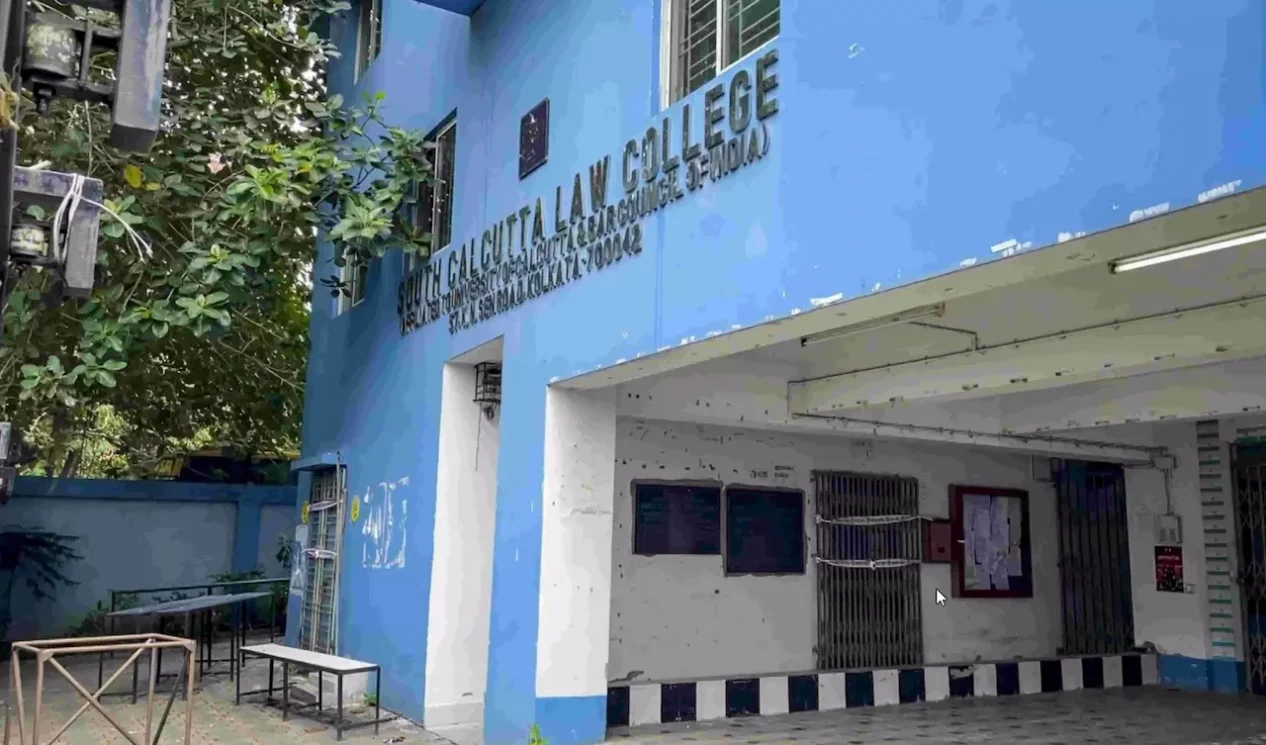
Horror in Kolkata: Law Student Gang-Raped on Campus, BJP Blasts TMC Over Women's Safety 6
A shocking crime has rocked Kolkata after a law student was allegedly gang-raped by her two seniors and a former student inside her college premises, police said Friday. The horrific incident occurred on the evening of June 25 when the victim, who had gone to the college, was lured by the three accused into a room where they took turns assaulting her.
Following a complaint lodged by the survivor at Kasba Police Station, the three accused were arrested on Thursday night. Police confirmed that the matter is currently in its preliminary investigation stage and that medical tests of the victim are underway.
The accused are expected to be produced in court on Friday, police officials added.
The incident has sparked a political storm, with the Bharatiya Janata Party (BJP) slamming Chief Minister Mamata Banerjee’s Trinamool Congress (TMC) government over the deteriorating safety of women in West Bengal. BJP leaders questioned how such a heinous crime could occur within an educational institution, calling it a chilling reflection of the law-and-order situation under TMC’s rule.
50 Years Later: We Mourn One Emergency While Quietly Living Through Another 8
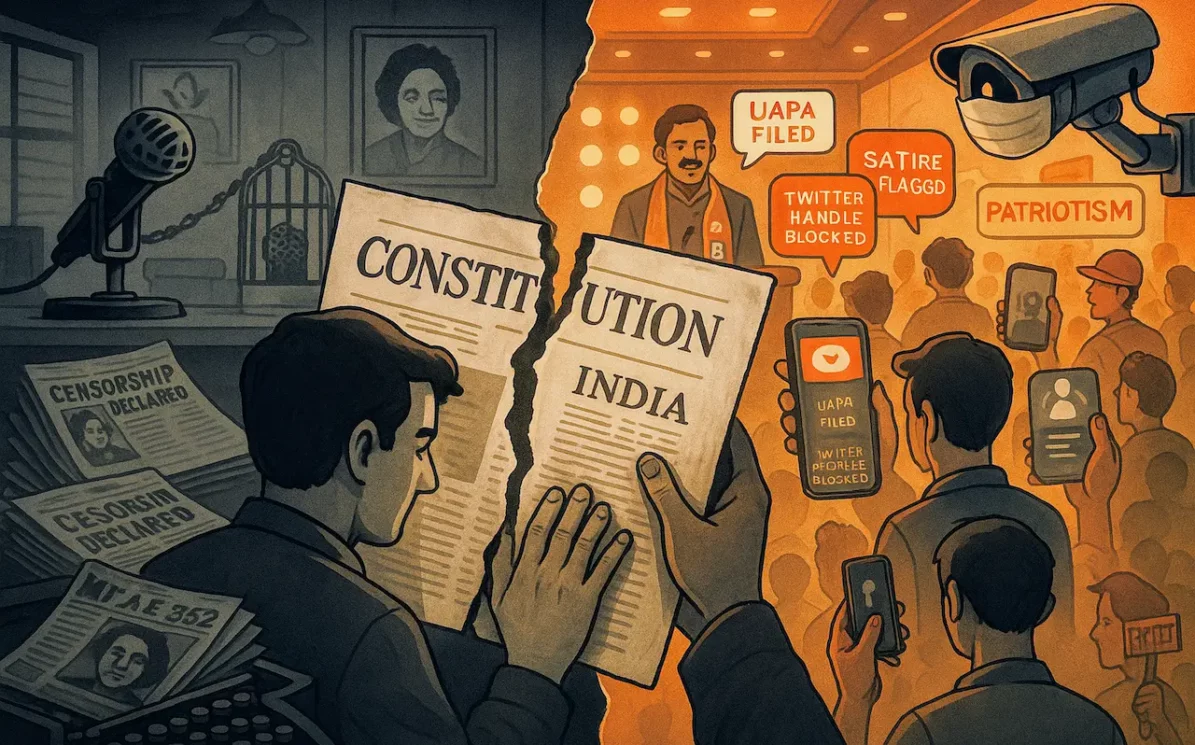
It’s that time again—June 25. The annual constitutional weep-fest. The government is out with its banners, hashtags, and pious speeches about “dark times,” the Congress is squirming in selective amnesia, and Twitter is ablaze with black-and-white photos of Atal Bihari Vajpayee behind bars. We’re told to “Never Forget.” Fair enough. But while we’re lighting digital candles for democracy’s past, maybe—just maybe—we should take a long, hard look at democracy present.
Let’s rewind to 1975.
Indira Gandhi, cornered by a court verdict that declared her election invalid, chose not to step down, not to appeal for calm—but to shut the nation down. Using Article 352, she declared a national Emergency citing “internal disturbance”—which conveniently translated to “I might lose my job.” Press freedom? Suspended. Civil liberties? Erased. Opposition leaders? Jailed by the thousands. Sanjay Gandhi became the unelected czar, sterilizing the poor and bulldozing slums like an overzealous architect of dystopia. Parliament became a rubber stamp. Judiciary bowed. Police saluted. The “voice of India” was reduced to a whisper—often behind prison bars.
Now fast-forward to 2025.
We haven’t declared an Emergency. No, no—we’re better at this now. Why use Article 352 when you can just weaponize every institution? You don’t need to jail all opposition leaders—just enough to send a message. You don’t need to censor the press—just buy it. Why ban civil liberties outright when you can strangle them with a thousand little rules, a barrage of FIRs, UAPA cases, IT raids, and patriotic gaslighting?
And the masterstroke? Call yourself the guardian of democracy while operating in an “undeclared emergency” mode.
Let’s be brutally honest—India went wrong in 1975 because it allowed one person’s insecurity to hijack the entire system. We let fear override freedom, loyalty override law, and propaganda override principles. The Parliament sang chorus, the President signed like a stenographer, and the courts—barring a few brave exceptions—folded like paper.
India is going wrong again—but this time, it’s worse because the erosion is slow, silent, sugarcoated. No formal declaration, just a daily diet of fear, manipulation, and mass distraction.
Back then, newspapers had their power supply cut. Today, they cut their own credibility voluntarily. Then, journalists like Kuldip Nayar and Arun Shourie resisted. Now, anchors compete to out-yell each other in lapdog nationalism. Then, the opposition was jailed; now, they’re sued, silenced, defamed, or conveniently investigated by every acronym-laced agency from CBI to ED.
Back then, there was at least shock. Today, there is normalization. The public shrugs. The youth scrolls. Parliament gets bulldozed—literally and metaphorically—and we call it “efficiency.”
We criticize Indira Gandhi for centralizing power. Yet today, decisions are taken by one man and one machine. Cabinet ministers tweet after the PM tweets. Governors behave like party secretaries. Even the Election Commission reads like a WhatsApp forward factory.
Indira Gandhi’s Emergency was blatant, ugly, and brutal. Modi’s undeclared version is slick, digital, and drenched in nationalism. Both function the same way: consolidate power, control institutions, cripple the opposition, manipulate the media, and rule through fear disguised as pride.
Let’s not forget—Indira Gandhi at least paid a political price. She withdrew the Emergency. She held elections. She lost. Today, the government thrives on elections. In fact, it wins more when it silences more. Why fear elections when you have money, media, muscle, and myths all working in sync?
The real tragedy is this: while we spend hours arguing about 1975, most Indians don’t even realize they are already in a different kind of emergency—one without sirens, but with a deep, systemic rot. An emergency where surveillance is celebrated, dissent is sedition, satire is a threat, and questions are acts of betrayal.
So yes, commemorate June 25. Mourn what was lost. But do so with the courage to confront what we are losing now.
Because what’s the point of remembering a dictatorship from the past if you can’t even recognize the one staring you in the face—armed with slogans, electoral data, a billion-dollar IT cell, and a national anthem playing in the background?
Democracy didn’t die in 1975.
It was just a trailer. The full film is now streaming—across all channels, with commercial breaks brought to you by your friendly neighborhood government.
And we? We’re watching it in HD… with popcorn in hand.
Modi Cabinet Clears ₹3,626 Crore Pune Metro Phase 2: 13 Stations, 2 New Corridors to Transform Urban Commute 10
The Union Cabinet on Wednesday approved Phase 2 of the Pune Metro Rail Project, greenlighting two elevated corridors with 13 stations across a 12.75 km stretch at an estimated cost of ₹3,626.24 crore. The decision, taken during a meeting chaired by Prime Minister Narendra Modi, marks a significant step forward in enhancing Pune’s urban transport network.
The two new corridors—Vanaz to Chandani Chowk and Ramwadi to Wagholi—are planned as extensions of the Vanaz–Ramwadi line developed under Phase 1. These corridors will pass through fast-developing suburbs like Chandani Chowk, Bavdhan, Kothrud, Kharadi, and Wagholi, significantly improving east-west mass transit in the city.
Information and Broadcasting Minister Ashwini Vaishnaw said the cost will be equally shared by the central government, Maharashtra state government, and external bilateral or multilateral agencies. The project is slated for completion within four years.
“These extensions will connect IT hubs, educational institutes, commercial zones, and residential areas. They will also integrate with Line-1 (Nigdi–Katraj) and Line-3 (Hinjewadi–District Court) at the District Court Interchange Station to enable seamless multimodal travel,” Vaishnaw noted.
As part of long-term mobility planning, intercity bus services from Mumbai and Bengaluru will integrate at Chandani Chowk, while buses from Ahilya Nagar and Chhatrapati Sambhaji Nagar will connect at Wagholi. This will allow easier access to Pune’s metro network and reduce congestion on arterial roads like Paud Road and Nagar Road.
The Maharashtra Metro Rail Corporation Limited (Maha-Metro) will implement the project, handling all civil, electrical, and mechanical work. Preliminary steps such as topographical surveys and detailed design planning are already underway.
The projected incremental daily ridership for Line-2 is expected to rise steadily—from 0.96 lakh in 2027 to 3.49 lakh by 2057—signifying the metro’s long-term value. The expansion is expected to boost public transport usage, reduce carbon emissions, and unlock economic growth opportunities in Pune’s expanding metropolitan area.
CBSE's Big Shake-Up: Class 10 Students to Face Two Board Exams a Year from 2026 12
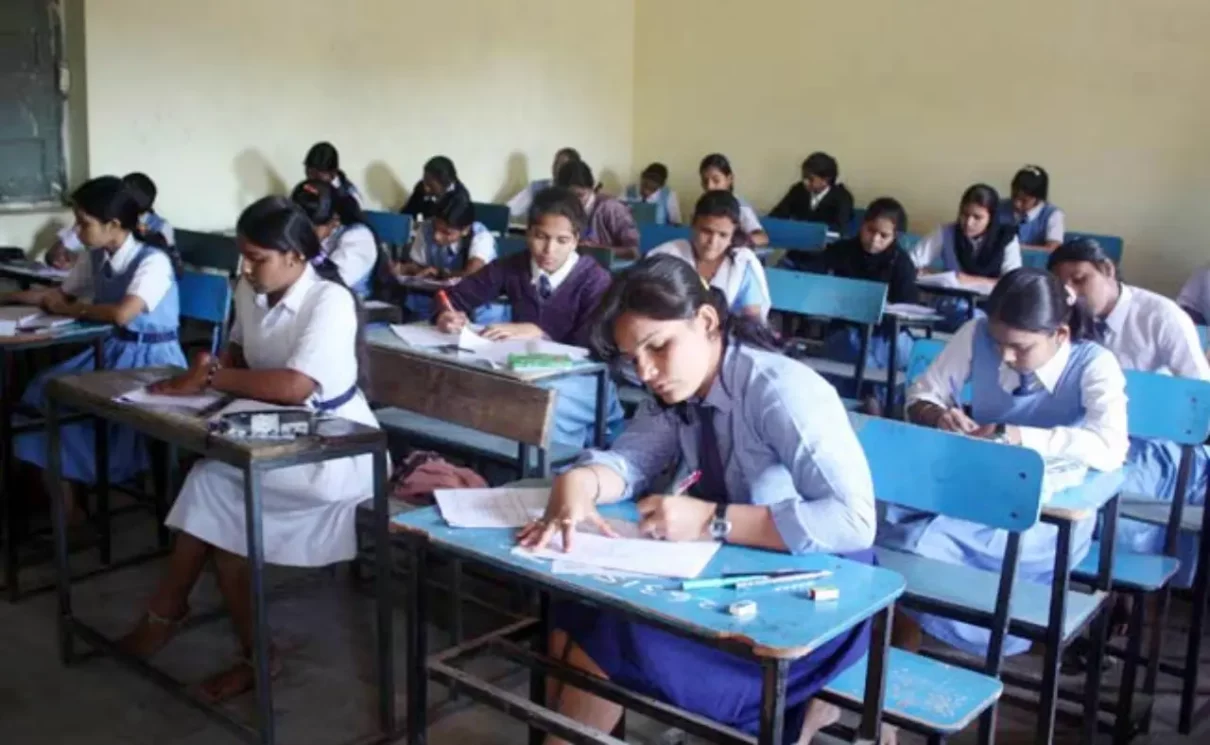
Beginning in 2026, Class 10 students under the Central Board of Secondary Education (CBSE) will take board exams twice in an academic year, in line with the New Education Policy’s (NEP) recommendation to reduce exam-related stress. According to officials, the first exam phase will be held in February and will be mandatory for all students, while the second phase, scheduled for May, will be optional for those seeking to improve their performance.
CBSE Examination Controller Sanyam Bhardwaj confirmed the board’s approval of the new exam format. “Students will appear mandatorily in the February exam. Those wishing to enhance their marks may attempt the May exam in up to three subjects — from science, mathematics, social science, and languages,” he said.
The results of the first phase will be declared in April, while the second phase results will be released in June. The board also clarified that internal assessments will continue to be held only once per academic session.
Students from winter-bound schools will have the flexibility to choose either of the two exam phases. This new system aims to eliminate the “high-stakes” nature of board exams and provide students with an opportunity to perform better without pressure.
The policy shift follows public feedback on a draft shared earlier this year and is expected to mark a transformative step in India’s secondary education landscape.
Ajit Pawar Sparks Debate: Don’t Burden Kids with Hindi from Class 1; Start from Class 5 14
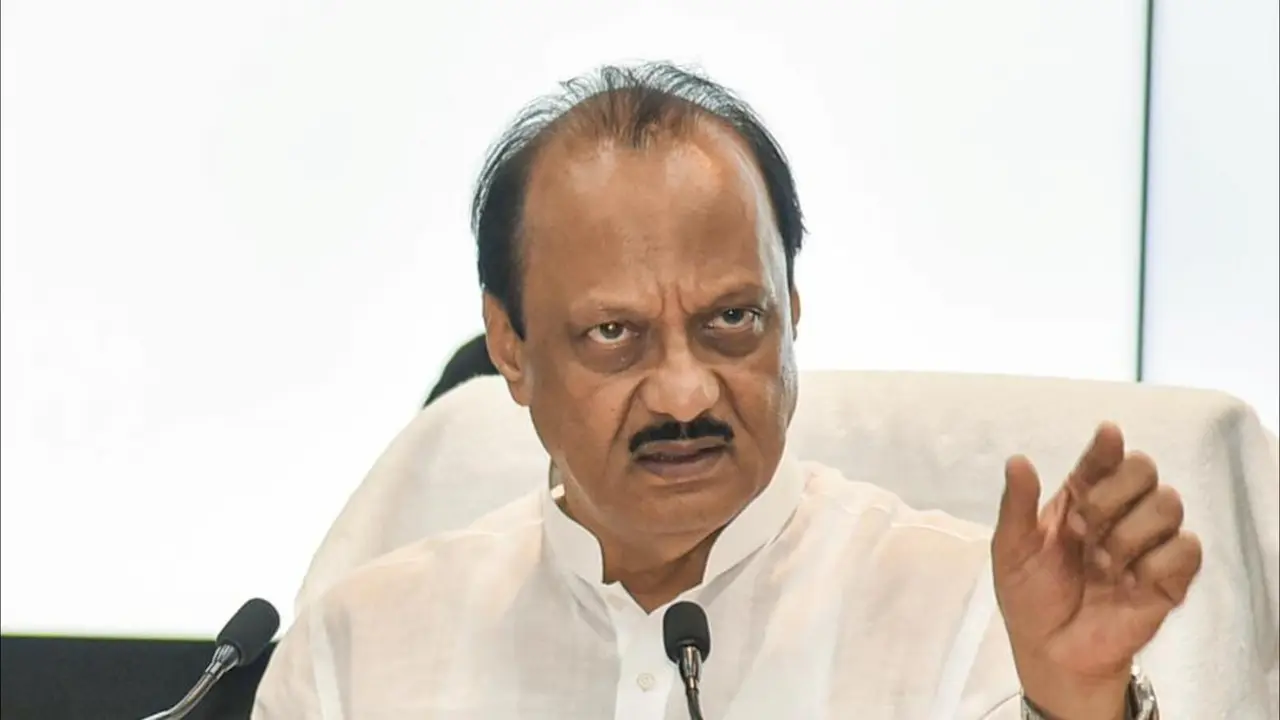
Maharashtra Deputy Chief Minister Ajit Pawar has voiced strong opposition to the state government’s decision to introduce Hindi as a third language from Class 1, suggesting instead that it should begin from Class 5. Speaking to reporters in Mumbai on Tuesday, Pawar emphasized that students should focus on learning Marathi from the start of their schooling to ensure fluency in reading and writing the state’s primary language.
The controversy stems from a recently amended government order stating that Hindi will generally be taught as the third language to students in Marathi and English medium schools from Classes 1 to 5. Although the government clarified that Hindi is not compulsory and students could opt for other Indian languages if at least 20 students per class agree, the policy has stirred political and public debate.
Pawar, clarifying his stance, said, “Hindi should not be introduced from Classes 1 to 4. It should begin only from Class 5. No one is against any language, but we should not overload young minds. Marathi should be the primary focus in early schooling.”
His statement follows a high-level meeting chaired by Chief Minister Devendra Fadnavis, who said a final decision on the three-language formula would only be taken after consultations with stakeholders such as language experts, writers, and political leaders.
Adding to the chorus of dissent, veteran actor Sayaji Shinde also expressed his disagreement with the move. “Students must be allowed to master Marathi first. Hindi, if needed, should be introduced only after Class 5,” he stated. Shinde, who has acted in multiple regional and national films, called for the withdrawal of the current decision, calling Marathi a “very rich language” that should be given priority in the formative years.
As the debate continues, the government is expected to hold further consultations to reassess the educational implications of the policy amid growing concerns over linguistic balance and student stress.
The Randa Republic: Where Men Wait for Brides and Basic Dignity 16
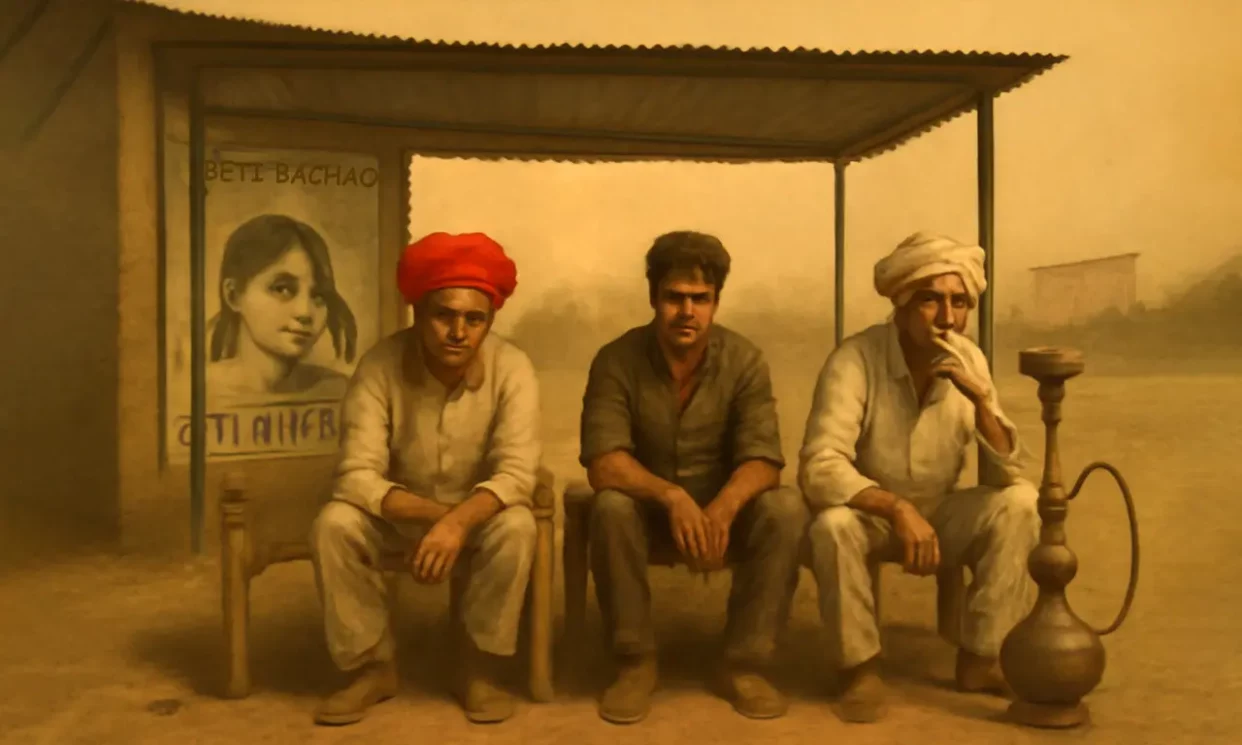
Welcome to Haryana—where cows are sacred, but brides are scarce. In a land that once killed off its daughters before they could even breathe, the ghosts of those unborn girls now haunt its skewed demographics. Fast forward a few decades, and here we are: more moustaches than mangalsutras, more bachelors than bhabhis, and enough frustrated men to form a “Randa Union”—the only union where heartbreak is on the agenda, and romance is a pipe dream.
It’s almost poetic. Decades of “Beta chahiye, beti nahi” have birthed a dystopia where beta is all you’ve got. Congratulations! You’ve successfully created a society where finding a bride is harder than cracking the UPSC.
In fact, in some villages, “Bahu do, vote lo” became an actual political slogan. One could almost imagine politicians riding into town on buses full of potential brides like some bizarre version of Swayamvar on Wheels. Government-mandated Tinder, anyone? Only this time, with voter ID and ration card verification.
Let’s not forget the added masala of mass unemployment. These men are not only single—they’re broke. No job, no family, no purpose—just government schemes that sound like a cruel joke. One activist said, “What’s the point of voting when we don’t even get sympathy, let alone a spouse?” The Randa Union is like a bachelor’s support group with a side of political blackmail: “Give us wives, or forget our votes.”
And guess what? They’re not even exaggerating. A huge shed in Hisar stands as a monument to male despair. Cots, tea, and tales of rejection form the core rituals. These are not men—they’re bachelor monks without the peace of celibacy.
Let’s pause and marvel at the irony. In gated societies, “No Bachelors Allowed” is painted bolder than “Fire Exit”. Rent is doubled if you’re unmarried—because obviously, loneliness must pay tax now. Meanwhile, married people are busy turning love into litigation, but that’s a separate circus altogether.
Truth bomb: Marriage was invented by society because we couldn’t deal with change or uncertainty. It’s fear with a mangalsutra. And now, these men are paying the price of a broken system designed around archaic expectations, gender biases, and a tragic obsession with legacy.
If marriage was about love, we wouldn’t need laws to keep people in it. If it was about happiness, why do most couples look like co-accused on a joint FIR? But no—unmarried men are the outcasts. They’re the “leftovers” of a culture that devoured its daughters.
The government’s answer? Half-hearted slogans like “Beti Bachao, Beti Padhao”, while completely ignoring the “Beta Bacha Lo—he’s turning 50 and still single” crisis. Where are the job schemes, the dignity plans, or the psychological support for this growing demographic?
In a country that worships marriage as the holy grail of adulthood, these men are stuck in limbo—too poor to marry, too old to matter, and too vocal to ignore.
And thus was born the Ekikrit Randa Union—India’s most reluctant brotherhood. Not a joke, but not quite a revolution either. Just men asking, “What now?”
What now indeed.
Maybe the next election manifesto will have a new category:
Employment drives with “Wife & WiFi included”
Matrimonial fairs hosted by the Labour Ministry
Or “Swachh Bharat Abhiyan – Randa Edition” with cleanup drives for broken hearts.
Behind the humour, though, lies a ticking time bomb of social neglect, toxic masculinity, systemic apathy, and cultural hypocrisy. We created this mess. The least we can do is stop laughing at it—and maybe, just maybe, start fixing it.
Because the Randa Republic deserves better than chai and despair.
Shubhanshu Shukla to Become First Indian on ISS Since 1984 in Historic SpaceX-Axiom Mission 18
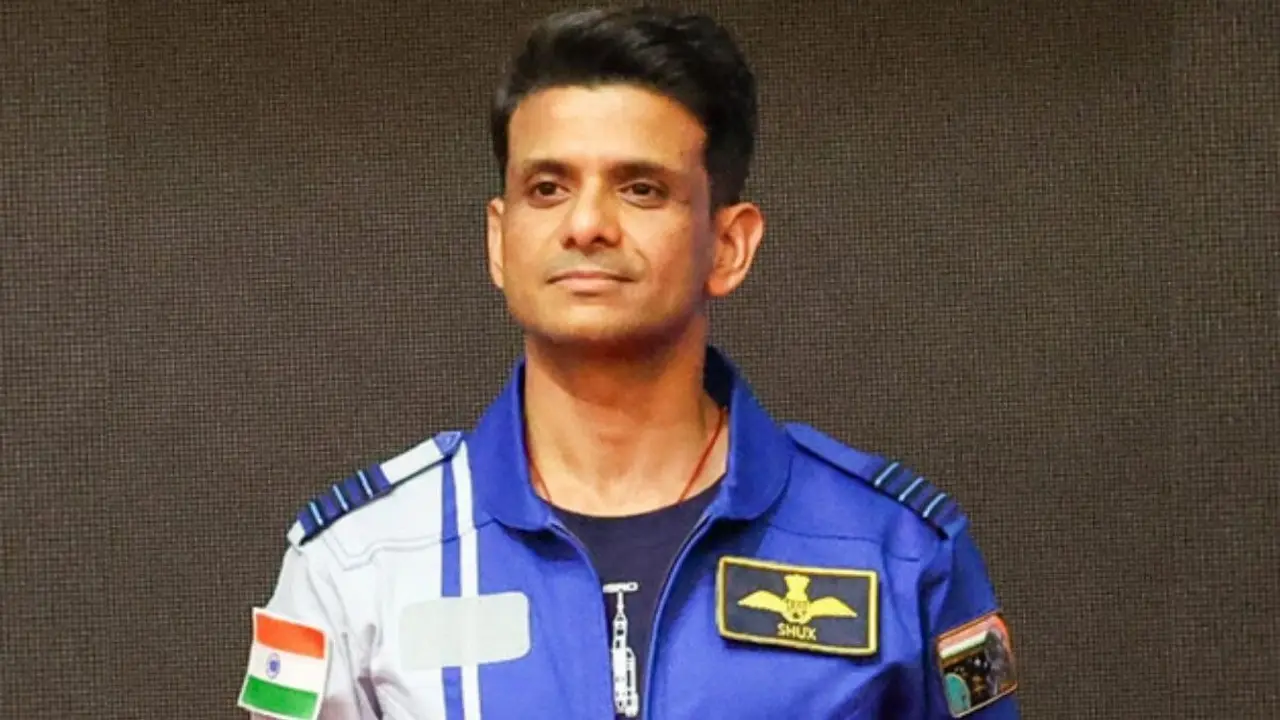
In a milestone moment for India’s space legacy, astronaut Shubhanshu Shukla is set to become the first Indian to reach the International Space Station (ISS) in 41 years. Shukla, along with three other crew members, boarded SpaceX’s Dragon spacecraft at NASA’s Kennedy Space Center in Florida on Wednesday for the much-anticipated Axiom-4 commercial space mission.
The mission’s launch, scheduled for 12:01 pm IST, marks a major milestone for Indo-US collaboration in space. Weather conditions were reported to be 90% favorable for lift-off. Shukla, a native of Lucknow, will join former NASA astronaut and mission commander Peggy Whitson, Poland’s Slawosz Uznanski-Wisniewski, and Hungary’s Tibor Kapu on the voyage.
Their journey aboard the new Dragon spacecraft, mounted atop SpaceX’s Falcon-9 rocket, symbolizes a significant return to space for India, Poland, and Hungary. Shukla’s trip marks the first Indian presence in orbit since Rakesh Sharma’s historic flight aboard the Soviet Salyut-7 station in 1984.
Before boarding, the astronauts completed a month-long quarantine and briefly reunited with family and friends. “Dragon’s hatch is closed, all communication and suit checks are complete, the seats are rotated, and the Ax-4 crew is ready for launch,” SpaceX confirmed on X.
A minor issue during hatch closure was resolved after astronaut Whitson spotted a fiber, prompting a successful second leak check. The spacecraft is now ready for docking, which is expected at 4:30 pm IST on Thursday, June 26.
Excitement has rippled across India, with watch parties organized at schools including Shukla’s alma mater, City Montessori School in Lucknow, and institutions in Jamshedpur. The launch, originally set for May 29, faced delays due to readiness issues with Dragon and weather concerns along the ascent path. A subsequent leak in the Falcon-9’s liquid oxygen system and technical issues with the ISS’s Russian module caused further postponements.
The launch follows joint assessments by NASA and Roscosmos, affirming the readiness of the ISS after repair work on its Zvezda service module. “NASA and Roscosmos have a long history of cooperation, enabling Axiom Mission 4 to proceed,” said acting NASA Administrator Janet Petro.
Part of a broader Indo-US collaboration, the mission stems from a 2020 agreement between Prime Minister Narendra Modi and then US President Donald Trump to send an ISRO astronaut to the ISS. Axiom-4 will conduct five joint science experiments and two in-orbit STEM demonstrations.
The crew is expected to spend around two weeks aboard the ISS, engaging in science, education, and commercial outreach—cementing Shukla’s place in history and marking a bold new chapter in India’s space journey.
PM Modi Slams Congress on Emergency Anniversary: "Democracy Was Put Behind Bars" 20
Prime Minister Narendra Modi, marking the 50th anniversary of the Emergency, said on Wednesday that no Indian will ever forget how the spirit of the Constitution was trampled during that period. He reiterated his government’s unwavering commitment to protecting and strengthening the nation’s constitutional principles.
Calling the Emergency one of the darkest chapters in Indian democracy, Modi said in a series of posts on X that the era was marked by suspended fundamental rights, crushed press freedom, and the mass jailing of political leaders, social activists, students, and ordinary citizens.
“It was as if the Congress Government in power at that time placed democracy under arrest,” the prime minister remarked. He reminded the public that the Emergency anniversary is now observed as Samvidhan Hatya Diwas (Constitution Killing Day), as declared by his government last year.
Modi also slammed the 42nd Amendment passed during the Emergency, calling it a blatant attempt by the Congress regime to rewrite and distort the Constitution. He said the amendment, later reversed by the Janata Party government, remains a stark example of Congress’s constitutional overreach.
Highlighting the human cost of the Emergency, Modi said the poor and marginalised were especially victimised. “Their dignity was insulted and their voices silenced,” he said.
Paying tribute to those who resisted the Emergency, Modi praised the unity shown by citizens from various backgrounds who came together to fight for democracy. “It was their collective struggle that forced the then Congress Government to restore democracy and call fresh elections, which they badly lost,” he said.
Reaffirming his vision for a Viksit Bharat (Developed India), Modi concluded by pledging to honour the sacrifices of the past by upholding the democratic values for which freedom fighters laid down their lives.