Home Blog Page 652

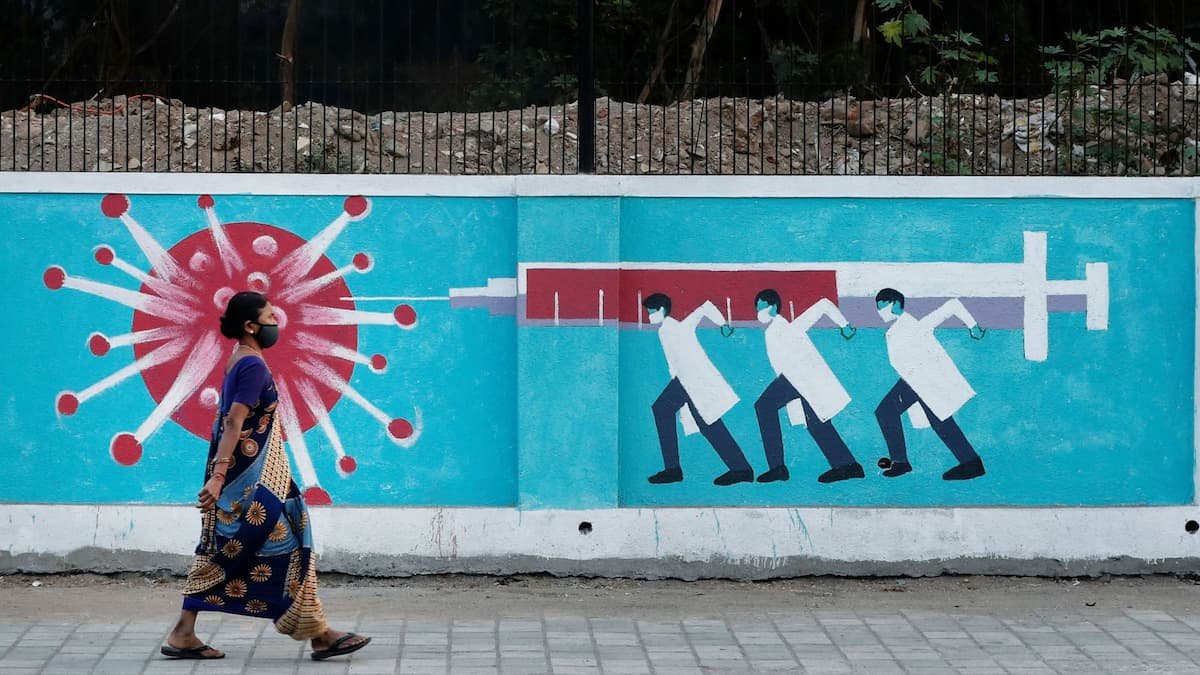
Maharashtra will say goodbye to all pandemic-related restrictions

maharashtra, covid-19, covid, covid restrictions, maha, maharashtra state, coronavirus, mask, no mask
Image: Reuters

Maharashtra drops masks from April 2. The state, which suffered the worst from COVID, will say goodbye to all pandemic-related restrictions from Saturday as the state welcomes the Hindu New Year. The use of masks will be advised, but it will not be compulsory, the state government said. With the state abolishing rules that made wearing masks mandatory, the question is will citizens use face masks — acknowledged as the best protection against COVID-19 — if there is no penalty for not wearing them?

Doctors said that given the downward COVID-19 graph in Mumbai, Maharashtra and India, there is unlikely to be a spurt in cases just because some people didn’t use a mask.

Dr Mukesh Batra said “We have struggled to manage COVID for over 2 years. There have been many restrictions during this time that was necessary. Since most of the population has been vaccinated adequately, it’s about time that we go back to living normal lives. While it may not be mandatory to wear masks, it is still strongly recommended and is one way to keep us safe, not just from another round of COVID but also from respiratory ailments.”

RTI activist Anil Galgali said, “Masks were not used everywhere in the country except Maharashtra. Now the state has made Maharashtra mask free and it is welcome. However, if a person has some ailment, it will be convenient for them to wear a mask for their own benefit and thus the infection will not spread.”

State health minister Rajesh Tope said the compulsory mask rule was done away with after consultations with experts. “We are not saying don’t wear a mask… Wearing a mask will now be voluntary. We are appealing to the public to continue to follow all Covid-appropriate behaviour,” said Tope.

Dr Anshuman Manaswi said, “The decision to relax wearing of the mask as a compulsion is a right decision because there are hardly any cases anywhere. Obviously, the decision can be reviewed if and when the cases rise again. Although in crowded places, wearing a mask is a healthy thing. It will decrease the transmission of any communicable disease.  It will also help in fighting pollution better. Overall, it has inculcated a good habit in us because of Covid and we can use it judiciously for our benefit in future.”

Virendra Shah, a pharmacist said, “May does not Wear at home or in the personal cabin but it is suggested that while moving in the masses ideally better to continue with maybe with reusable mask also washing hands and using sanitiser, especially in hospital should be must for next 6 months.”

Dr Parag Telang said, “A lot of people will be happy that masks are no longer mandatory. But please avoid going to crowded places without a mask. The risk of Corona is still lurking in many parts of the world. Let’s not be complacent.”

A digital fingerprint scanning system to aid police

biometric technology, biometric security, maharashtra government, maha govt, uddhav, thackeray, mva, thackeray government
A digital fingerprint scanning system to aid police 3

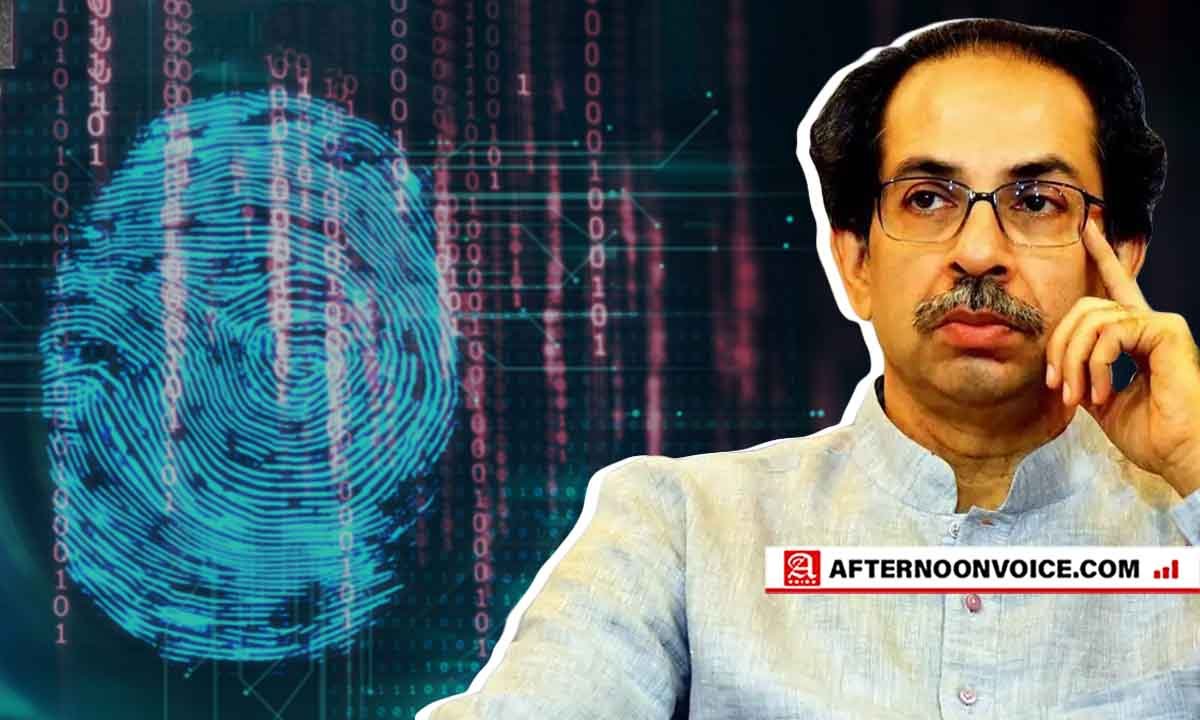
Maharashtra Chief Minister Uddhav Thackeray to launch studies with a database of 6.5 lakh persons with criminal records. In April 2017, a technology-security company Smart Chip Private Ltd was allotted the project to execute the project. The state-level committees drafted the plan and later that month a work order of Rs 53.6 crore was issued and the project’s contract.

All police stations across the state, as well as other agencies involved in the detection of crime, have the data available to them. They entrusted the entire task to a private firm, which has completed the work professionally. In November 2016 when Devendra Fadnavis was chief minister, his government granted administrative approval for the project as per guidelines agreed by the state home department.

Senior professionals and government aid told the media that they have specific data on about 6.5 lakh under-trials and convicts. The bureau of fingerprint experts has validated the entire data. It will help law enforcement agencies track criminals and that too at whirlwind speed. Automated multimodal biometric identification system (AMBIS), is different data digitization. Five years ago, Rs 54-crore proposal was approved for the AMBIS.

The company has secured fingerprint, palm print, face, and biometric data of the under-trials and convicts and it has incorporated the same in the system. As a result, it will be possible for law-enforcing agencies to quickly trace the history of a crime suspect. As per the directives of the hardware kit committee under AMBIS, the data centre has been set up at BSNL, Mumbai. A software data centre, too, has been set up.

Further, there will be a calamity recovery site at BSNL’s Ahmedabad data centre. Maharashtra government has imparted training to 2,600 officers and employees on the effective operation of the system. They have drafted a master plan for providing specific technology knowhow to all police stations, police units, training centres, all central prisons and fingerprint units.

Biometrics technology, once science fiction, should become a part of real life

biometrics, technology, fingerprints, maharashtra government, maha, maharashtra, uddhav thackeray, cyber security
Image for Representational Purpose

Maharashtra Government has given Mumbai police new progressive investigating software. They entrusted the entire task to a private firm, which has completed the work professionally. The idea of precluding crimes before they happen looks like something out of science fiction. They would compile together all the data of criminals with their fingerprints and face recognition. The company will build a database of relevant persons. For airports, it might be a watch list of terrorists and fugitives wanted by state police. Face recognition might involve keeping out individuals with a history of fraud and criminal background. With one click police will detect the entire criminal or fraudulent background of a person.

Such advanced innovations in technology need an hour. Looking at the state’s geographical area, we already have a lack of police force. Most of the time, police are engaged in VIP surveillance, bandobast, patrolling, crime investigations and political and cultural activities. Tracing criminals or investigating their background takes a lot of time. Now biometrics can help them speed up crime detection.

The next phase should be to share this data among states so that any criminal who takes refuge in other states can be tracked.  Cameras can optimize for angle and lighting conditions. As individuals enter a secure area, they should capture images of their faces. A feature detection system can alert security if a match occurs. It’s these instant alerts that help security professionals actually prevent crimes from occurring. For example, if a known pickpocket enters a retail store, the alert can simply give the directive to detect. A professional could approach the person and offer customer service. By closely monitoring the potential criminal, they can prevent retail crime from ever occurring.

However, there are many chin snatchers and crime groups who visit local trains to steal mobile phones, or pickpocket purses, if their data stored in all railway stations and face detection signals shows their entry in the station the cops can prevent the theft by keeping a tight vigil on them. India needs this advanced technology for advanced security measures in housing societies to public places.

Retailers, casinos, transportation hubs, banks, stadiums and an extensive range of other organizations currently use surveillance as a means of security. But the problem is that traditional investigation systems are volatile. That they can alert security to crimes in process or aid in forensic investigations after crimes happen, but they do little to help organizations prevent crimes from happening. But face recognition can transform security by empowering security professionals to know which individuals are most likely to commit crime.

Another way that facial recognition software can help check crime is by providing criminal analytics. Analytics can give insight that shows at which places and at what times the most theft, scam or violent crime occurs. Such security provisions are a must for the banking system, super markets, safety lockers, public palaces, markets and railway stations.

Biometric technology is advancing at an almost exponential rate, and its impact on law enforcement is only going to grow. Women’s safety, child abuse and senior citizens’ safety can be monitored. Although biometric measures will allow police to help keep communities safer and perhaps even allow for cold cases to be solved and criminals brought to justice, there are many who believe these advancements amount to a violation of personal liberty. We’re going to examine biometric security measures and look at both sides of the question of their use and potential abuse.

One of the biggest advances in biotechnology that can affect law enforcement is the use of fingerprint readers or face recognition to open devices such as computers and smartphones. When a suspect is arrested, many times police would like to search their electronic devices for any evidence that could be associated with their alleged criminal activity. Another use of biometric advances comes in the area of facial recognition software and security cameras. The newest versions of biometric facial recognition software go far beyond just the face, to being able to analyze someone’s walking pattern, voice, and even just the iris of their eye.

The subject of this use of biometric advancements in law enforcement has gained media attention lately with the provision of software by Amazon, called Rekognition, to law enforcement organizations. Facial recognition is already being used everywhere. I see people open their smartphones with it. Finger and face recognition is a common feature in phones and even a layperson knows how to use it. No matter how far biometric advancements may go in helping law enforcement, departments will need the tools to share with each other the information that comes from biometrics. They should use biometrics in areas as diverse as security for businesses, schools, government agencies, borders and airports; patient identification in hospitals and blood banks; voice control of electronic devices; and criminal investigations. While many people may think of biometrics in terms of face, voice, and iris recognition, there are many other types of biometrics in use or in development as well.


Malegaon blast case one more witness turns hostile

pragya, sadhvi pragya thakur, malegaon, malegaon blast, bombay high court, rss
Malegaon blast case one more witness turns hostile 6

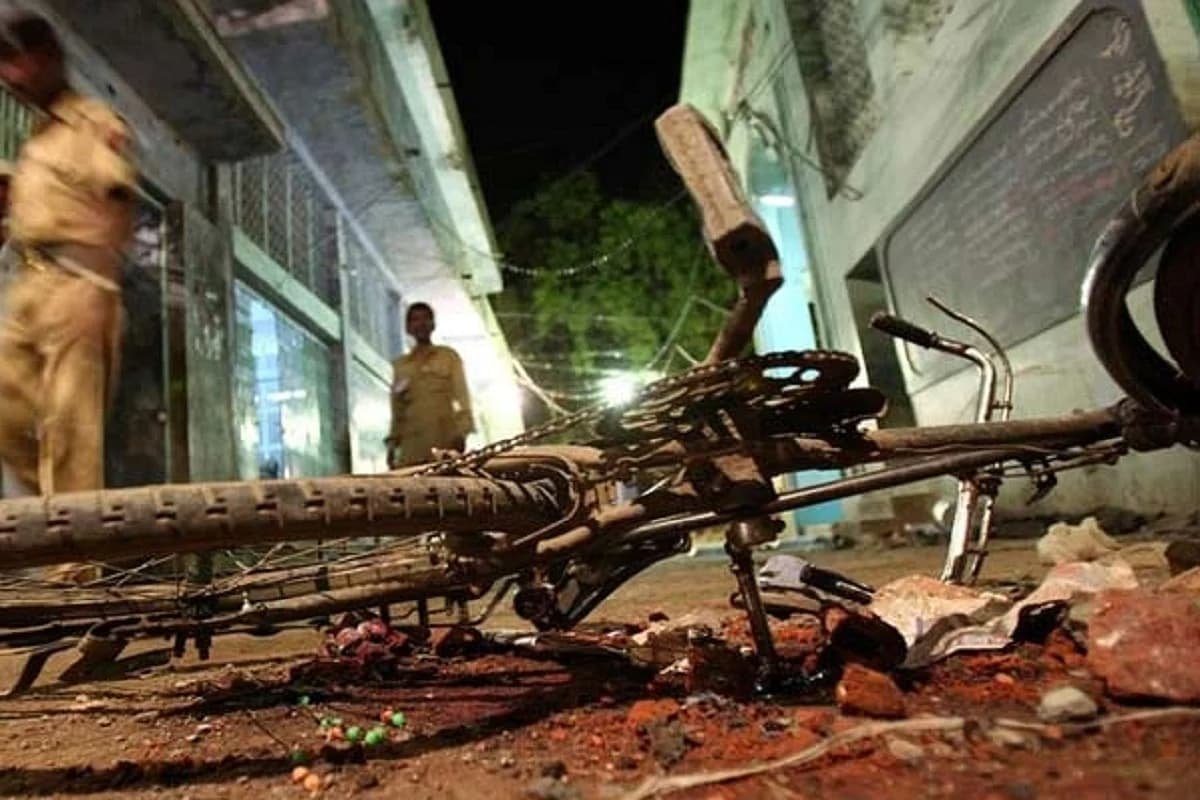
It’s been almost 15 years, six people were killed and over 100 injured when an explosive device on a motorcycle went off near a mosque in Malegaon on September 29, 2008. A special court on Wednesday declared a retired military officer as the 20th hostile witness in the 2008 Malegaon blast case. The former officer failed to identify Prasad Purohit, one of the accused in the case. He also claimed he had given no statement to the Maharashtra Anti-Terrorism Squad (ATS).

When asked if he could see any accused in the case present in the court, he told special judge Prashant R Sitre that could not, even though Purohit was there. The witness in March 2009 gave a three-page statement to ATS, which initially investigated the case, related to Purohit’s visit to Deolali in Nashik, where the explosive device used for the blast was assembled in advance.

The Malegaon 2008 blast case was the first case in which Hindu rebels, including Lt. Colonel Prasad Shrikant Purohit and Sadhvi Pragya Singh Thakur, were charge-sheeted in 2009 by the ATS. The status of the National Investigation Agency (NIA), handling the Malegaon blasts and other Hindu-terror cases, has taken a serious thumping.  The NIA, of course, has disproved the claims, saying there was no question of shielding the accused, and that Salian’s impending transfer or notification from the case is part of an official procedure.

The 2007 murder case of former Rashtriya Swayamsevak Sangh (RSS) pracharak Sunil Joshi was planned a fortnight before by Lokesh Sharma and Rajendra Chaudhary in connivance with Sadhvi Pragya Singh Thakur, states the supplementary chargesheet filed by the National Investigation Agency (NIA).

Explaining the role of Pragya, the chargesheet states that on the day of the murder, “Pragya was present at Koti Chandi Yagya Dussehra ground at Indore.” She stayed at Indore from December 25, 2007, to January 5, 2008. NIA has also alleged in the chargesheet that she had held captive Anandraj Kataria, an associate of Joshi, in a flat in Indore for 10 days, after the murder. MP police charged Kataria for the murder of Joshi but NIA did not name him. A day after the murder, on Dec 30, 2007, “Pragya called Kataria to a flat and later took him to the residence of late Laxman Singh Gaur.

He was held captive since Pragya apprehended that Kataria was immature and if questioned by police he may reveal the facts about the earlier criminal act carried out by late Sunil Joshi and herself, as Kataria was closely associated with Joshi and her as well,” the charge sheet was filed before a court in August 2011.

The primary motive behind the murder of Joshi according to the chargesheet appears to be sexual advances made by Joshi against Pragya, which did not go down well with Lokesh and Rajender who treated Pragya as a sister. It also considered Joshi an accused in Samjhauta and Malegaon blasts close to RSS leader Indresh, but so far, the agency has found no direct link between the RSS leader with the blast cases.

The chargesheet also states that “Pragya after the murder of Joshi had met Lokesh and Rajender at the flat where Kataria was held captive and congratulated the two for the task.” It further says, “Witnesses statements establish that at MGH hospital, Dewas (where Joshi was admitted after being shot), she (Pragya) was handed over a mobile phone of Sunil Joshi which was picked up from the crime scene by Ramcharan Patel,” one of Joshi’s associates.

NIA also said Pragya visited their house of Joshi on the night of the murder and collected a briefcase. This briefcase is believed to have contained explosive making material and they later handed it over to Ramji Kalsangra, wanted in connection with Malegaon, Samjhauta, Mecca Masjid and Ajmer Dargah blasts. According to the statement of Vasudev Parmar, the planning to kill Joshi started a fortnight before the actual incident. Parmar told NIA that Rajender had met him and took his mobile number and address Joshi in Dewas around December 15, 2007.

Four of the 12 charge-sheeted accused; Shyam Sahu, Jagdish Mhatre, Shiv Narayan Gopal Singh Kalsanghra and Ajay Rahirkar were granted bail due to delay in investigations by NAI. The bail pleas of the rest of the accused have been rejected. Purohit was the only one to challenge the rejection of his bail in the Supreme Court. The Supreme Court this April expressed prima facie doubts about charging Malegaon blasts accused Sadhvi Pragnya and Purohit under the Draconian Maharashtra Control of Organised Crime Act (MCOCA) court. The 2006 Malegaon bombings were a series of bomb blasts that took place on 8 September 2006 in Malegaon, a town in the Nashik district of the Indian state of Maharashtra, some 290 km to the northeast of the state capital Mumbai.

AAP Mumbai ‘gheraoes’ state BJP office in Mumbai to protest against the BJP’s misrule

aap, aam aadmi party, arvind kejriwal, bjp protest, protest by aap, pravin darekar, darekar
AAP Mumbai 'gheraoes' state BJP office in Mumbai to protest against the BJP's misrule 8

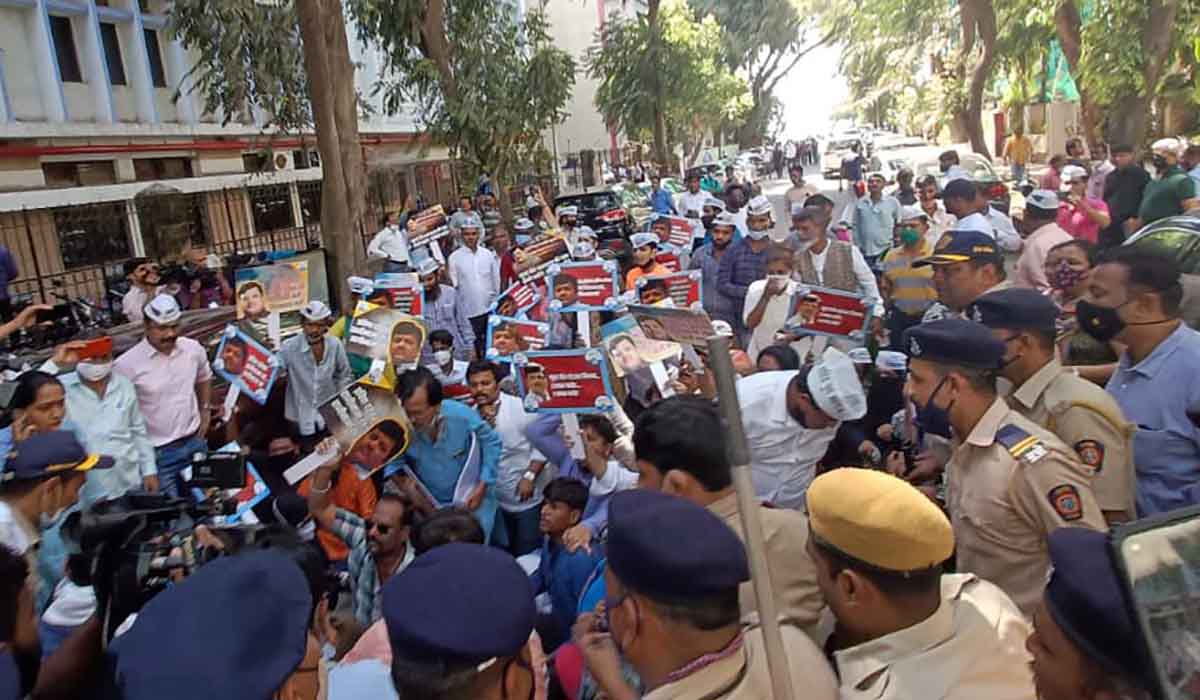
The Aam Aadmi Party (AAP) on Wednesday ‘gheraoed’ the BJP Maharashtra Office at Nariman Point, South Bombay, to protest against the BJP’s misrule – be it the naked corruption by LoP Pravin Darekar in the Mumbai Bank scam, or the shameless thuggery in the attack on the Chief Minister’s residence in Delhi by BJP goons. The Police violently cracked down on the AAP rally, attacking party volunteers, and forcefully detaining the gathering.

The BJP is unnerved by the Aam Aadmi Party’s success in Delhi and Punjab, and today, in full public view, with the Delhi Police being bystanders, BJP goons violently attacked the Delhi CM’s residence. They broke CCTV cameras, smashed security barriers, and vandalized the residence’s gates. The BJP is convinced that it is above the law of the land, and is prepared to take any measures necessary to try and deter the Aam Aadmi Party.

The Party leaders and volunteers, who gathered in front of the BJP Maharashtra office with placards & banners, raised slogans and demanded the immediate resignation of BJP leader Pravin Darekar – the Leader of Opposition in the Maharashtra Legislative Council; for defrauding Mumbaikars by falsely claiming to be a labourer, to contest and win the Mumbai Bank Elections. BJP LoP Pravin Darekar has deceived and stolen from Mumbaikars; he has lost the moral right to continue as LoP and must face the harshest punishment for his crime.

“The BJP believes that its leaders and supporters can act with no care for the law of the land, and with absolute impunity. The attack on Delhi CM Kejriwal’s residence by BJP goons is shocking and shows that the BJP is willing to pursue any means necessary to stop the AAP’s growth, but we shall not be deterred. AAP demands that BJP leader Pravin Darekar be arrested; that he immediately resigns as the Leader of Opposition of the Maharashtra Legislative Council; and that the Maharashtra Govt. set up a Special Investigative Team to conduct a time-bound investigation of the misappropriation of the Mumbai Bank funds, which has affected thousands of customers.” said Dhananjay Shinde, AAP Maharashtra State Secretary.


The state legislative Assembly ended with excavating vaults of the ruling party

devendra fadnavis, assembly, state assembly, maharashtra budget, uddhav, thackeray, thackeray government, mva, maha vikas aghadi
The state legislative Assembly ended with excavating vaults of the ruling party 10

The opposition leader Devendra Fadnavis’s revelations gave ruling party leaders sleepless nights. On one hand, BJP’s Kirit Somaiya openly attacked and on the other hand, Devendra was in full action exposing the vaults of ruling party leaders including the relatives of Maharashtra CM Uddhav Thackeray.

Fadnavis has become unstoppable and given insomnia to chief minister Uddhav Thackeray and home minister Dilip Walse-Patil following a series of exposes. When the home department, then led by NCP minister Anil Deshmukh, was probing in the dark in the Antilia bomb scare case last February, it was BJP leader Devendra Fadnavis who had disclosed the involvement of now-dismissed API Sachin Vaze and that the businessman whose SUV was used for transporting the gelatin sticks was missing. Later, the businessman was found dead.

Thackeray, while speaking in the legislative Assembly in reply to a concluding week motion on Friday, alleged the central agencies being used as ‘Shikhandi’ in Mahabharat as they have not been able to face MVA. He said his government is ready to take them head-on if they dare to, but in reality, the MVA leaders are running to polls to save their soles. Yes, it’s a power game, BJP certainly doing this for the sake of sovereignty. Uddhav Thackeray needs to understand just giving emotional speeches is not enough to deal with ongoing attacks. Thackeray government’s two leaders and their aides are already in jail. If the actions taken by the central agencies are condemnable, perverse and malicious then MVA should come in counter with proving their innocence. MVA needs to clean its carpet and call for counterattacks.

On March 22, the Enforcement Directorate (ED) froze assets worth Rs 6.45 crore belonging to Thackeray’s brother-in-law Shridhar Patankar. Income tax raided the premises of several people close to Aaditya Thackeray, the state environment minister, on March 8. ED arrested former home minister Anil Deshmukh (November 2, 2021) and state minister Nawab Malik (February 23, 2022) in connection with money laundering cases. So far the Thackeray government did not come out rendering any explanation for these raids. Anyways the entire budget session went in attacks and counter-attacks, but merely any productive outcome.

The budget session of the state legislature saw three major announcements for lawmakers – raise in the local area development fund to Rs 5 crore, hike in the salary of personal assistants and drivers by Rs 5,000, and 300 low-cost houses for members of both the houses. However, these provisions have stimulated sharp reactions, especially when the legislators are already getting various other benefits apart from the salary and pension. 

The announcement of 300 high-income group houses for MLAs and MLCs from outside the Mumbai Metropolitan Region was made by chief minister Uddhav Thackeray. A few MLAs, including Congress’s Praniti Shinde, Zeeshan Siddiqui and Maharashtra Navnirman Sena’s Raju Patil, said they would not wish to opt for the facility and instead, the money spent on them should be utilized for the welfare of the poor.

The backlash compelled the government to clarify that each house would cost Rs 70 lakh. The houses are meant only for the legislators who do not have any house in their name and who are from outside MMR. This housing scheme is nothing but a gross misuse of public money. The corrupt politicians who already possess amassed wealth and Benami wealth, do they really need these schemes?

Maharashtra has 288 MLAs, 78 MLCs, and more than 800 former members of the Assembly or Council. Apart from the salary and pension, the incumbent and former lawmakers and their dependent family members get cashless Mediclaim for which the government pays Rs 15 crores a year as a premium. The state recently extended the cap on the price of the car for MLAs to Rs 30 lakh from Rs 10 lakh on which the interest is paid by the government if the vehicle is purchased on loan. The government is expected to bear the annual burden of Rs 2.4 crores towards interest on the loan, according to officials from the finance department.

The salary, pension and the local area development fund have increased multifold in the last few years. The salary has gone up to Rs 2.61 lakh from around Rs 75,000 until 2016, while the pension has risen to Rs 50,000 per month and an additional Rs 10,000 per term served by the legislator. The area development fund has seen a jump by Rs 1 crore every year for the last three years to take it to Rs 5 crore from Rs 2 crore until 2019-20. 

SM Deshmukh, who had moved the Bombay High Court against the pension to the legislators. The pension given to the legislators is not justified. Some of the former lawmakers have been getting as much as Rs 1.20 lakh a month as a pension, while some get it from parliament and state legislature as well. The assets declared by legislators show how wealthier they are and the perks are given to them do not justify considering their financial background. The state government has been announcing sops for the legislators to keep them united in the wake of the political uncertainty the government is reeling under. 

Opposition leaders need to pull their socks not only pointing out the corruption by ruling party leaders but the misuse of government funds.


Maulvi was arrested for molesting a minor girl on pretext of giving chocolates in Palghar

moleshtation, molest, rape, minor girl, minor harassment, rape on minor
Image for Representational Purpose

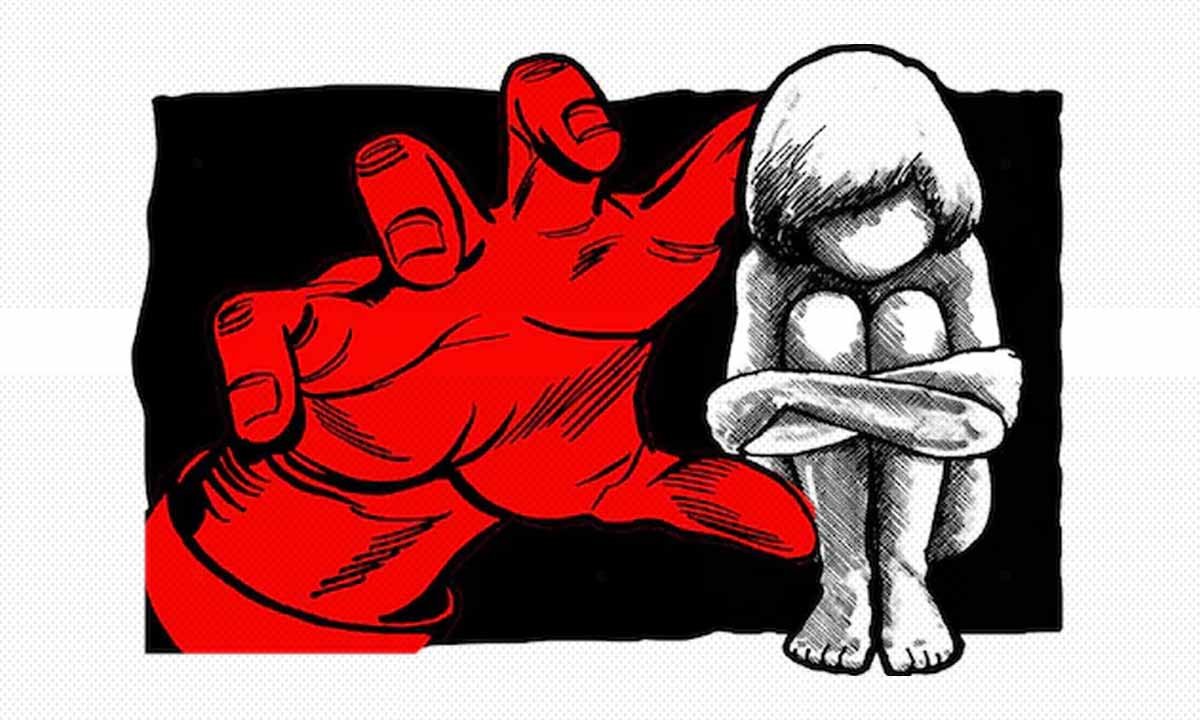
After a 10-year-old girl was abducted and molested, the local Police arrested a maulvi on charges of sexually abusing the girl child, said a police official on Monday.

The police reported that the incident took place on Sunday when the minor girl was abducted and sexually assaulted by a man. The maulvi lured away the girl on the promise of chocolates and molested her. The accused was caught in the act by locals and handed over to the police.

An FIR was filed in the Waliv Police station charging the accused under the section 354 of the Indian Penal Code and Protection of Children from Sexual Offences (POCSO) Act. The accused is in judicial custody and will be presented in court today.

Criminal Procedure (Identification) Bill introduced in Lok Sabha

ajay mishra, ajay mishra teni, criminal procedure bill, bill, ls, lok sabha
Criminal Procedure (Identification) Bill introduced in Lok Sabha 13

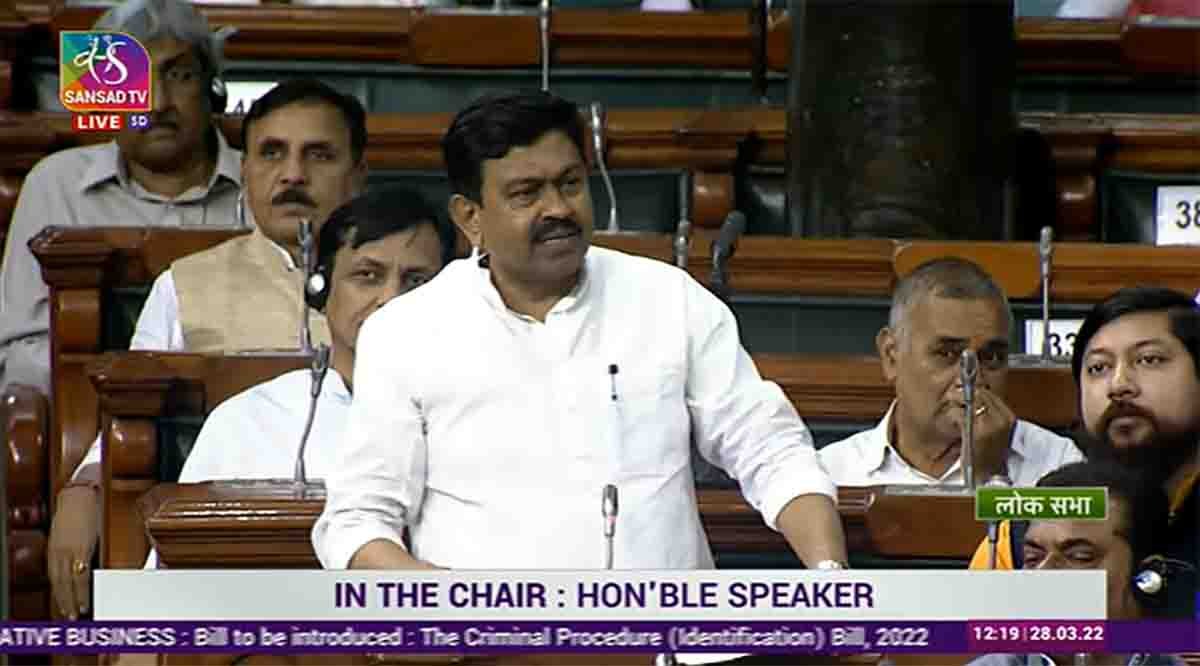
The Criminal Procedure (Identification) Bill that seeks to authorise police to take measurements of convicts and other persons for purposes of identification and investigation of criminal matters was introduced in the Lok Sabha on Monday after a vote forced by the opposition.

The Bill was introduced by the Union Minister of State for Home Ajay Mishra ‘Teni’, after a division of votes with 120 members voting in favour of the introduction of the draft legislation while 58 members voted against it.

The Bill seeks to authorise taking measurements of convicts and other persons for the purposes of identification and investigation in criminal matters and to preserve records and related matters.

Opposition members contended that the Bill was beyond the legislative competence of Parliament as it violated the fundamental rights of citizens. Congress member Manish Tewari contended that the bill implied the use of force in the collection of biological information, which could also lead to narco analysis. RSP member N K Premachandran, Trinamool member Saugata Roy, Congress member Adhir Ranjan Chowdhury and BSP member Ritesh Pandey also opposed the introduction of the Bill.

Minister Mishra dismissed the apprehensions voiced by the members and said the Bill sought to replace a 102-year-old law that only allowed the collection of fingerprints and footprints of convicts.

He said there have been massive changes in science and technology over the years and the same is required to be incorporated in the investigation of crimes. Mishra said consultations on the Bill were held with state governments and union territories and everybody had supported the measure.

He said the Law Commission too had suggested changes to the law in 1980, but the recommendations were not acted upon for 42 years.


BJP leader Ram Bidhuri misleading with statistics alleges AAP; Kejriwal’s model of education has completely failed?

delhi school, eduction, delhi education, Ramvir Singh Bidhuri
BJP leader Ram Bidhuri misleading with statistics alleges AAP; Kejriwal's model of education has completely failed? 15

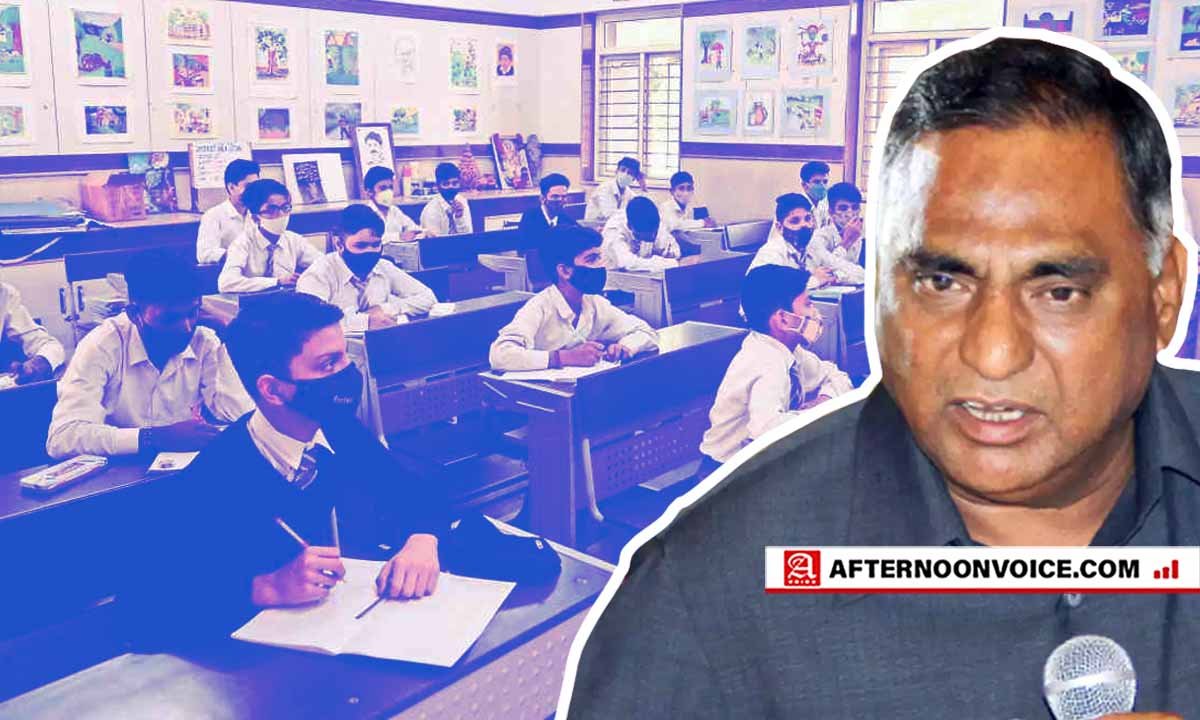
BJP leader Ramvir Singh Bidhuri, slammed the Aam Aadmi Party government for claiming to have the finest education model in the country. Bidhuri declared a Kejriwal’s claims are a farce and that the situation on the ground is dire. He also gave some statistics to back up his claim that Delhi’s education system is in disarray. The AAP government’s chest-thumping on education reform in Delhi does not correspond to factual results.

As per the Performance Grading Index of 2019-2020, Delhi does not even stand in the top 5 of the lists, which includes all the states and the Union Territories. Delhi’s position is sixth on the complete list. Going into further detail, one can see how the boast of Delhi having the best performance in the country in the sector of education is simply a sham.

In the performance in the domain of learning outcome, Delhi stands in the 32nd position among all states and UTs. Delhi is in the 6th position from the bottom. This implies that even after hefty spending in the name of education, students of schools in Delhi are performing very poorly. Going deeper into this domain, they found performing students was decreasing with an increase in their standards. This again exposes the claim of the best education system in the country.

The score of Delhi is 124 in the learning outcome domain, whereas Uttar Pradesh has got 132 marks. This makes us discern that even with comparatively lower equity and access, along with not so good infrastructure, students in schools of UP are performing better than those of Delhi. Even with infrastructure, Delhi is not the best. Delhi stands second to Punjab in this category. Bidhuri emphasised that the condition of Delhi University colleges funded by the Delhi Government is very poor. The government cannot pay salaries to the teaching and non-teaching staff in the colleges fully funded by the Delhi government. Delhi Universities experiencing a funding crisis even as AAP boasts about its superior education model.

Nishant Varma, Political Analyst said, “Education Standards per se are suffering in Delhi for some years now due to misgovernance by Kejriwal, which is more focused on the propaganda of projecting more classrooms (built-in existing schools) than making new schools (not even one built) as well lowering the operational standards with several schools running with Principals as well staff. Delhi is far behind States such as Kerala, Tamil Nadu in ranking and in a slow process more states inching ahead to beat Delhi out, as per available Niti Aayog Data. However, certain Right-Wing media and BJP leaders claim Delhi to have fallen to 32nd Rank in the National Rating, which is a Farce, they have not even referred to Niti Aayog and are usually peddling fake information, which is no surprise to anyone as it reflects the DNA of BJP. Mr Sisodiya had started off on a constructive note in 2014, however, seems to have lost the Plot.”

According to a November 2021 news report, 12 Delhi University colleges financed by the Delhi government are experiencing a funding crisis since their assigned funds have been reduced.

Subodh Kumar, chief of the Maharaja Agrasen College staff association and coordinator of all 12 colleges, explained the scenario, saying professors want the teaching-learning process to continue, but the state government is not allowing it. Kumar called it ‘inhuman treatment,’ and said teachers will be obliged to show in order to fight the government’s arm-twisting. They have compelled teachers to resign because of the issue, he claimed. Then they (govt) alleged corruption in colleges and despite various audits, they found nothing. After the pandemic, they said they don’t have money and slashed the budget.

Earlier we (the college) were getting Rs 28 crore which has been brought down to Rs 16 crore,” he further added. In Delhi government schools, vocational trainers were hired in 2015, but their pay has remained the same since then. On October 20, 2019, Delhi Education Minister Manish Sisodia promised Vocational Trainers at Thyagaraj Stadium that their salaries will be increased as soon as possible, however, it is already 2022, and the pay has not been raised. Similar is the case with guest teachers in schools and colleges who have been assured of pay hikes but nothing solid has manifested to date.

EducationWorld in association with C fore presents the EducationWorld India School Rankings (EWISR) 2021-22 that rates and ranks India’s best and top schools in over 300 cities. To compile EWISR 2021-22, 11,458 sample respondents — educationists, principals, teachers, SECA (socio-economic category A) parents and senior school students — in 28 cities countrywide were interviewed by 118 C forefield researchers over a period of four months (June-September). The annual EWISR is the world’s largest school ranking survey.


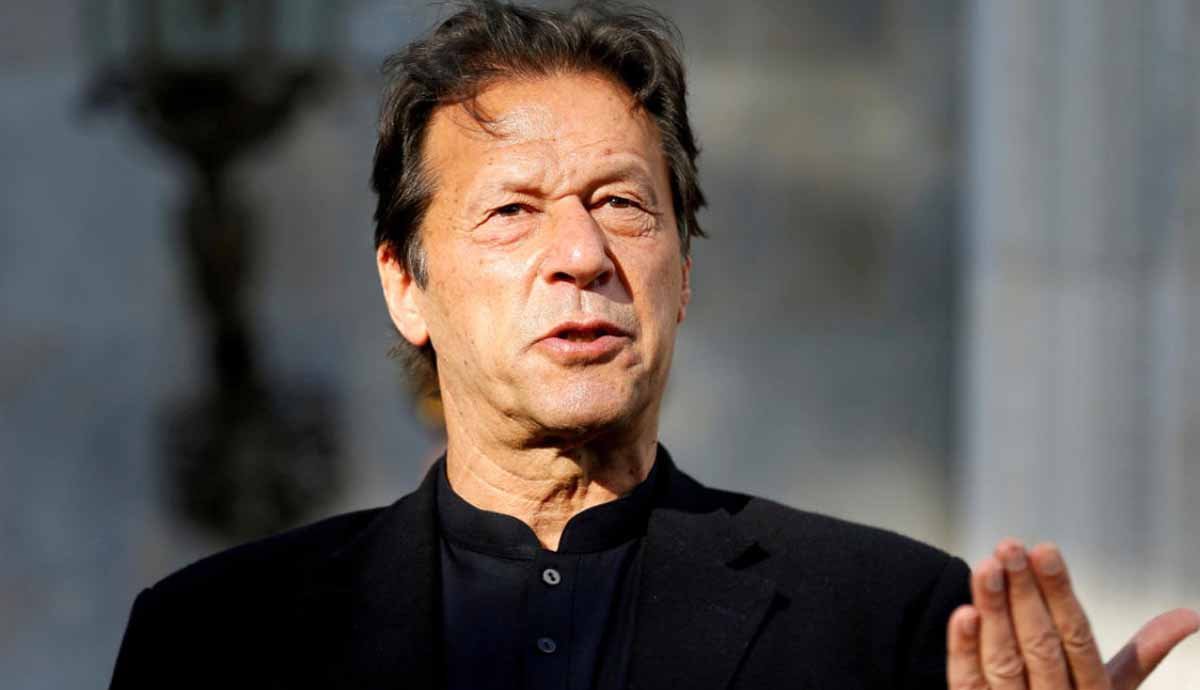
Imran Khan calls today’s rally in Islamabad ‘battle for Pakistan’ amid the fluid political situation

imran khan, pti, khan, pakistan pti, pakistan imran khan
Imran Khan calls today's rally in Islamabad 'battle for Pakistan' amid the fluid political situation 17

In the face of fast-changing political equations, Pakistan Prime Minister Imran Khan has dubbed the rally of Pakistan Tehreek-e-Insaf (PTI) on Sunday as “battle for the future” ahead of the Opposition’s no-trust motion in the National Assembly. Pakistan’s capital is all set to host the show of strength by Prime Minister Imran Khan today, with PTI claiming that the rally in Islamabad will be the “biggest” rally.

Incidentally, the Opposition’s marches from different cities, which are being led by Pakistan’s People’s Pary (PPP) and Pakistan Muslim League (Nawaz), are also going to reach Islamabad today. Members of ruling PTI from different parts of the country have begun reaching the Parade Ground to attend ‘Amr bil Maroof’ rally here, according to Geo tv.

The PTI has called their public gathering “Amr bil Maroof ” in response to the Opposition’s no-trust motion to show support to the Prime Minister. “Today is a battle for Pakistan … and not for PTI; it’s a battle for the future of our nation,” Prime Minister Imran Khan said in a message issued hours before the gathering, as per Geo tv.

He urged the citizens willing to attend the rally to leave their homes early as there would be rush and blockades on the roads. “We are out to create history today,” PM Imran Khan concluded.

Pakistan Muslim League-Nawaz’s march launched on Saturday from Lahore will reach Islamabad today. The PML-N Vice-President Maryam Nawaz said that the Imran Khan-led government has “already been ousted” and the Opposition was heading to Islamabad to say “goodbye” to Prime Minister. Imran Khan’s party PTI is set to face a no-trust motion in the National Assembly. The session is called on March 28.

The no-confidence motion against the Imran Khan led government was submitted by Opposition on March 8 after the PPP’s long march in Islamabad. The Opposition is confident that its motion would be carried as many PTI lawmakers have come out in the open against PM Imran Khan. As the crucial no-confidence motion inches closer and uncertainty continues to shroud political alliances, at least 50 ministers belonging to the ruling party have gone ‘missing’, Express Tribune said on Friday citing sources.

The Pakistani National Assembly has a total strength of 342 members, with the majority mark being 172. The PTI led coalition was formed with the support of 179 members, with Imran Khan’s PTI having 155 members, and four major allies Muttahida Qaumi Movement-Pakistan (MQM-P), Pakistan Muslim League-Quaid (PML-Q), Balochistan Awami Party (BAP) and Grand Democratic Alliance (GDA) having seven, five, five and three members respectively. Imran Khan’s situation is precarious given that three of the four allies, that is, MQM-P, PML-Q and BAP have stated their support to the Opposition’s no-confidence motion and said that they will vote accordingly.

In a last-ditch attempt, Imran Khan recently dispatched a team of senior PTI leaders to meet the allies and assured them that their reservations would be addressed. The Opposition parties in Pakistan on the other hand enjoy the support of 162 members in the House, out of whom 159 showed up in the Friday session. They are expected to be joined by the three ruling coalition parties during the vote, helping them cross the majority mark, with 179 members supporting the no-confidence motion.