Helicopter Crashes Near Kedarnath Shrine, All Seven on Board Killed 2
A helicopter crashed near the Kedarnath shrine in Uttarakhand early Sunday, killing all seven on board.Rudraprayag District Disaster Management Officer Nandan Singh Rajwar told PTI that the accident took place above the forests of Gaurikund amid poor visibility due to bad weather.The dead included six pilgrims and the pilot.The helicopter took off from Kedarnath for Guptkashi around 5:30 am and crashed soon after.Sources said the chopper belonging to Aryan Aviation Pvt Ltd crashed between Gaurikund and Trijuginarayan in Kedarghati and caught fire.
Chief Minister Pushkar Singh Dhami said in a post on X that a helicopter has crashed and the State Disaster Response Force and other agencies are engaged in relief and rescue operations.
The incident comes days after an Air India flight to London crashed in Ahmedbad, killing 241 people on board and several others on the ground.Earlier, on May 8, a helicopter going to Gangotri Dham crashed in Uttarkashi district in which six people were killed.On June 7, a helicopter going to Kedarnath had to make an emergency landing on the road due to a technical fault soon after take-off in which the pilot was injured but the five devotees on board were rescued safely.
Delayed Democracy in Mumbai: BMC Elections Caught in a Political Crossfire 4
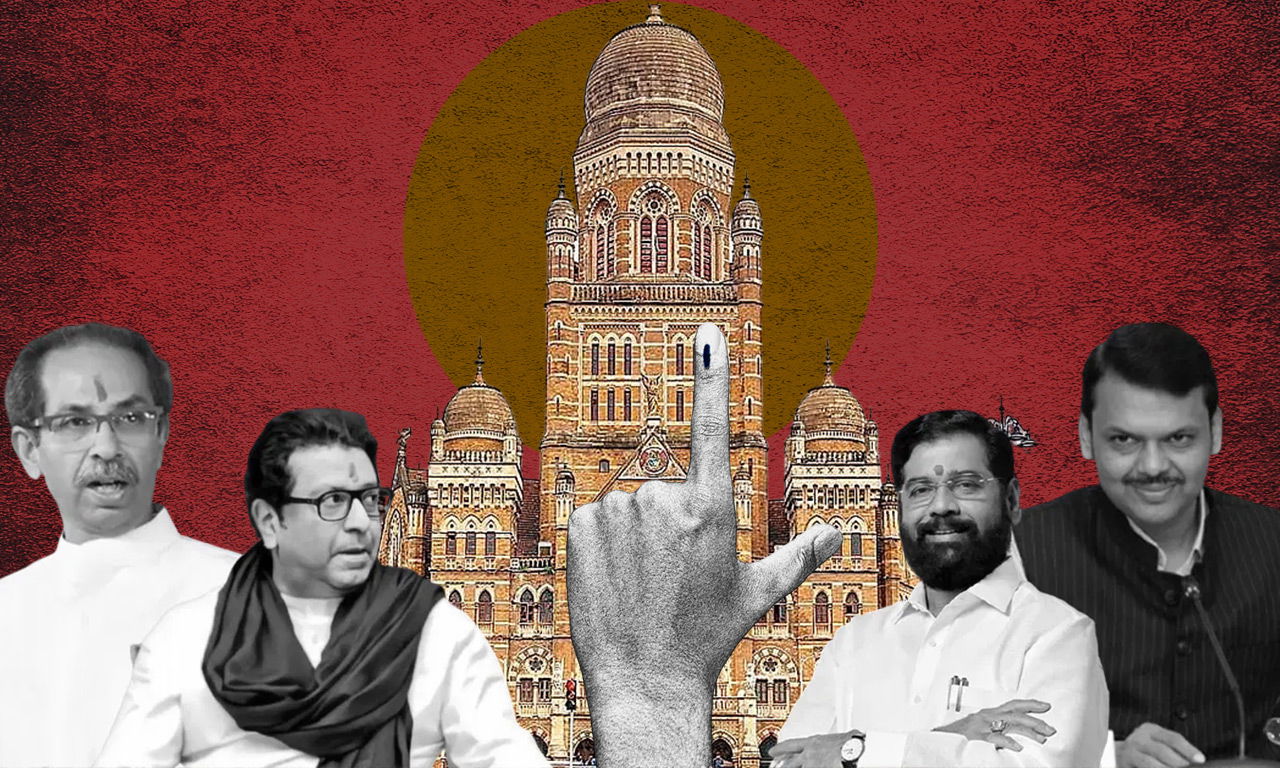
The long-stalled Brihanmumbai Municipal Corporation (BMC) elections, overdue since 2022, may finally see a breakthrough, with the court recently directing the State Election Commission (SEC) to issue a poll notification. If followed through, elections must be conducted within four months—potentially in the first or second week of October, once the monsoon subsides. Yet the question remains: why has the city—India’s financial capital—been denied elected civic governance for nearly half a decade?
At the heart of this delay lies a dense web of legal hurdles, administrative reshuffling, and blatant political maneuvering. Since 2017, the city has been governed by unelected administrators—a model that runs contrary to democratic principles and undermines public accountability. Over five years have passed without new civic mandates across Mumbai, Thane, Pune, and several other municipal bodies. What should have been routine electoral governance has instead turned into a high-stakes battleground for political control.
The official explanation for the delay includes the pending resolution of legal disputes over OBC reservation quotas, disputes over ward delimitation powers between the state government and the SEC, and decisions made under the former Maha Vikas Aghadi (MVA) government to increase the number of wards from 227 to 236. These changes—whether warranted or politically expedient—have created a bureaucratic deadlock.
Adding to the confusion, the current Mahayuti government recently reversed the MVA’s decision, bringing the number of wards back to 227, citing adherence to the 2011 Census. This is a controversial move, given the demographic transformations Mumbai has undergone in over a decade. Critics argue that relying on outdated census figures for ward formation not only distorts representation but serves narrow political interests.
The administrative roadmap is finally moving, albeit sluggishly. Draft ward boundaries are scheduled to be published from July 22–31, followed by a public window for suggestions and objections until August 11. The final proposals will be sent to the SEC between August 12–18, and after due approval, notifications for Mumbai, Thane, and Pune will be issued by September 4. However, this timeline is already compressed, and any bureaucratic hiccup or fresh litigation could derail it once again.
Meanwhile, political parties are in a state of flux. The BMC—governing a ₹52,000 crore budget—is not just any civic body; it is the richest municipal corporation in Asia and a power centre in its own right. All major parties—BJP, Shiv Sena (in its various avatars), Congress, and NCP factions—are jockeying for dominance. The absence of elections has only intensified this political anxiety, with each camp trying to manipulate the administrative process to safeguard its urban turf.
In a telling move, the SEC has introduced a regulation mandating all registered political parties to contest at least five seats in upcoming civic elections, failing which they face de-registration. While this seeks to curtail the proliferation of fly-by-night political outfits—418 registered parties at last count—the timing of the directive is suspect. Critics allege it could disproportionately affect smaller, regional, or emerging parties that may not yet be electorally strong but serve vital democratic functions.
Adding further layers of intrigue, the state government has implemented a four-member ward system across most municipalities, except the BMC. While the ruling coalition defends this as a means to bolster grassroots democracy, the exemption of Mumbai—India’s most politically strategic city—invites uncomfortable questions. Is the exception based on administrative rationale or electoral calculus?
What emerges from this murky political theatre is a concerning pattern: democratic processes are increasingly being treated as tools of convenience rather than as fundamental constitutional obligations. The repeated delays, arbitrary policy reversals, and top-down ward restructuring betray a political class more invested in controlling outcomes than enabling fair representation.
Mumbai’s citizens have effectively been disenfranchised for years, not due to war or emergency, but because political actors cannot agree on the rules of the game. At a time when urban governance faces unprecedented challenges—from housing shortages to climate resilience—the lack of an elected civic body in a global metropolis like Mumbai is not just a failure of administration, but a crisis of democracy.
The October election window now looms as a test of the state’s credibility and the resilience of its institutions. Will the political leadership across party lines rise above expediency and allow the people of Mumbai to reclaim their voice? Or will the city’s democratic fate continue to be held hostage to electoral arithmetic?
The answers, as always in Indian politics, lie not in declarations—but in delivery.
Kunal Kamra Faces Privilege Heat Over Satirical Song on Eknath Shinde 6
The Maharashtra Legislative Council is set to begin breach of privilege proceedings against stand-up comedian Kunal Kamra for his controversial parody song aimed at Deputy Chief Minister Eknath Shinde, a senior official confirmed on Saturday.
The move stems from a notice submitted by BJP legislator Pravin Darekar during the state’s budget session in March. The notice also named Shiv Sena (UBT) spokesperson Sushma Andhare.
Legislature secretary Jitendra Bhole stated that Council Chairperson Ram Shinde has referred the matter to the Privilege Committee, chaired by BJP MLC Prasad Lad. Lad confirmed to PTI that the committee has convened to discuss the matter and that the process of issuing notices to Kamra and Andhare is underway.
Kamra, known for his sharp political satire, sparked backlash from Eknath Shinde’s supporters in March after releasing a parody song mocking the Shiv Sena chief. The upcoming proceedings could mark a significant legal and political development in the ongoing tension between political satire and legislative sensitivity.
Israel Claims Strike on Iranian Nuclear Site in Isfahan; Tehran Silent Amid Escalating Tensions 8
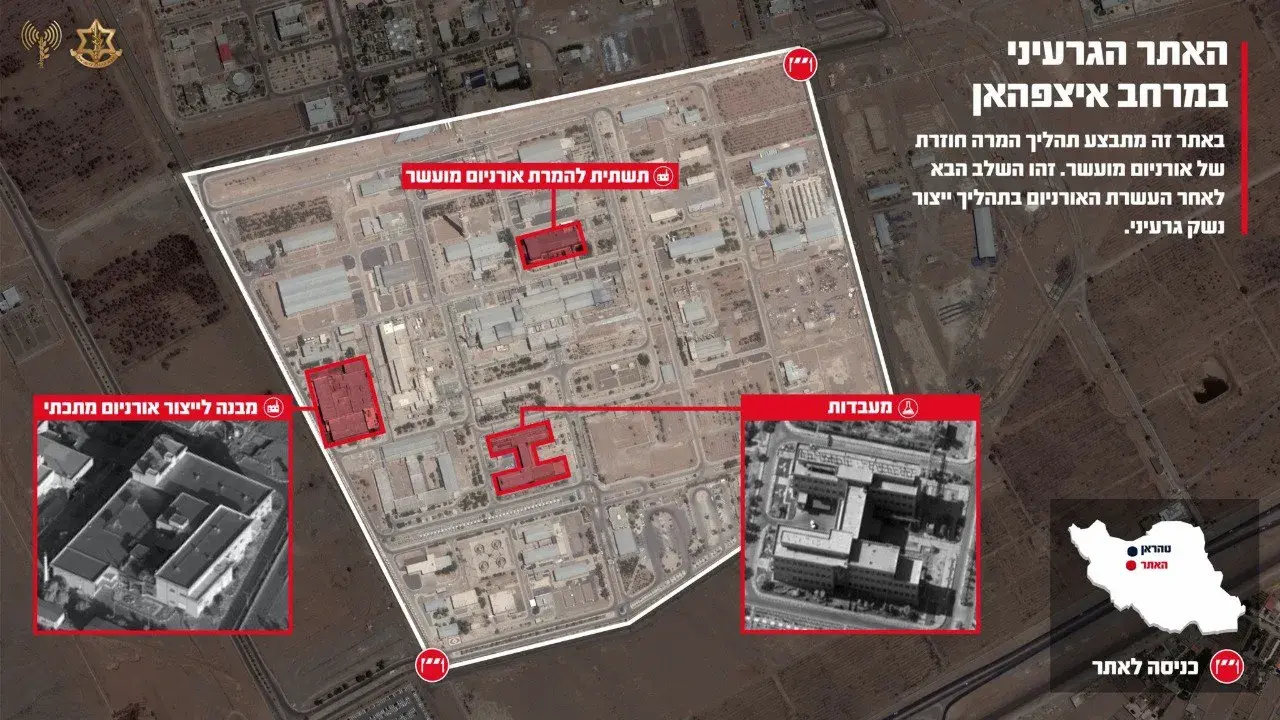
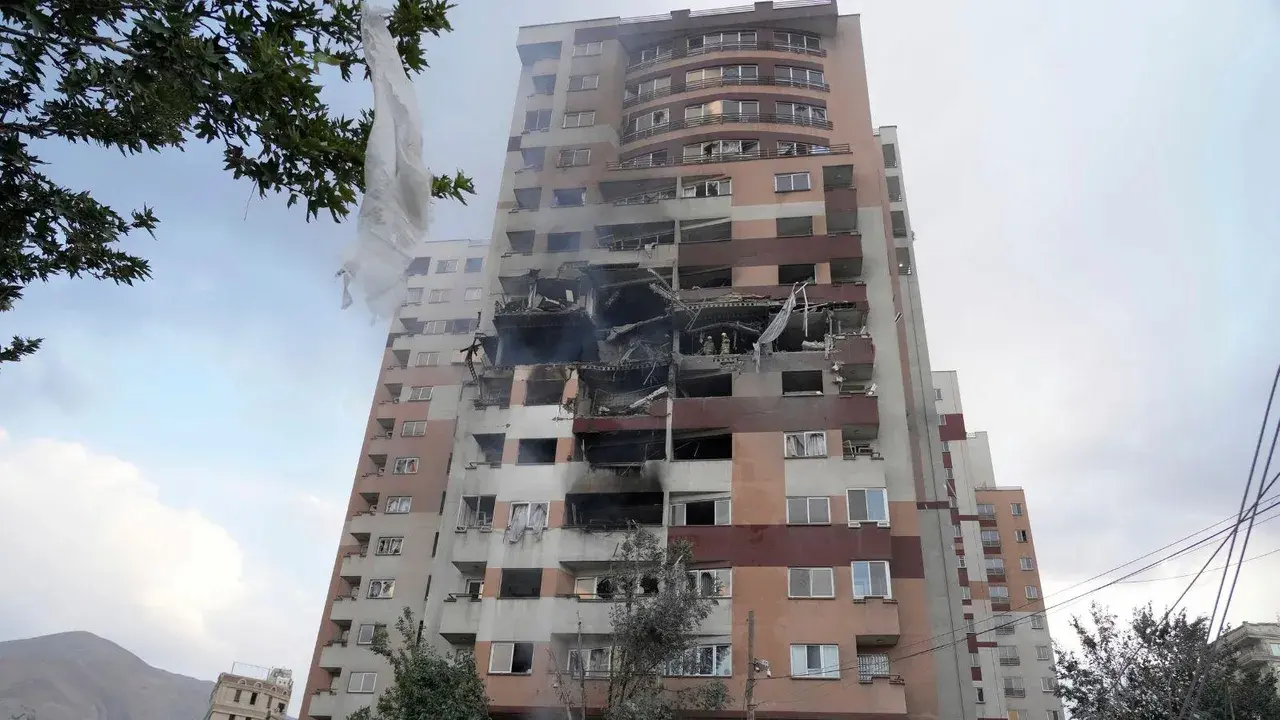
In a bold escalation, the Israeli military claimed on Friday that it had launched a strike on an Iranian nuclear facility in Isfahan—an assertion that Iran has yet to confirm or deny.
According to Israeli army spokesperson Brigadier General Effie Defrin, the operation was still underway at the time of his statement. He said the target was a nuclear technology site in Isfahan, located roughly 350 km southeast of Tehran, which employs thousands of scientists and is central to Iran’s atomic ambitions.
Isfahan is known to host not just uranium conversion facilities but also three Chinese-assisted research reactors and several laboratories connected to Iran’s broader nuclear programme.
While international observers are still seeking independent verification of the Israeli claim, the lack of immediate acknowledgment from Tehran has further fueled speculation and anxiety over a potential escalation between the two adversaries. The silence from Iran’s state media and military has raised questions about the scale and impact of the alleged attack.
The reported strike comes amid already heightened regional tensions and could mark a significant turning point in the long-simmering conflict over Iran’s nuclear activities.
Murder in the Holy Town: 83-Year-Old Jagannath Temple Servitor Killed Over Money Dispute 10
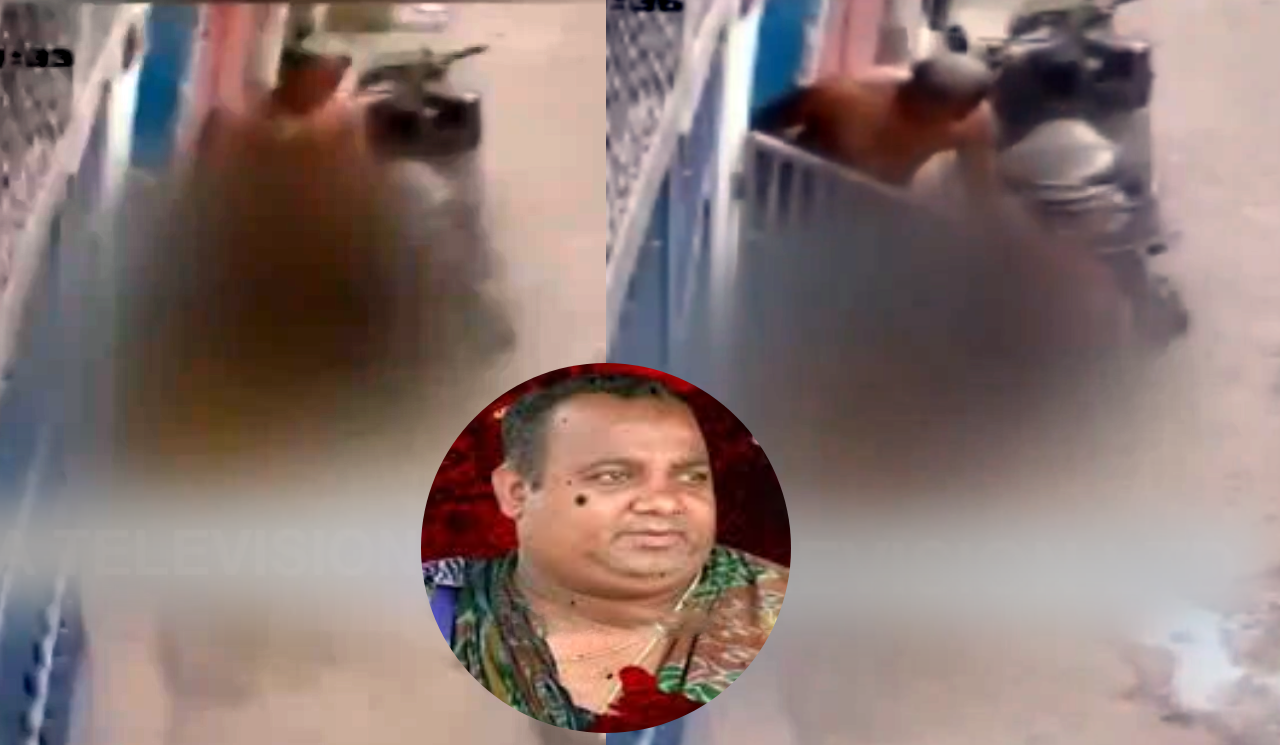
In a disturbing incident that has shocked Puri, an 83-year-old servitor of the Shree Jagannath Temple was allegedly murdered in broad daylight on Wednesday, just hours after completing his religious duties. The crime occurred even as the holy town was under tight security for the Snana Purnima rituals.
The deceased, Jagannath Dikshit, a senior kothabhoga supakar (temple cook), was reportedly attacked in the Gudia Sahi area around 2 pm by Narayan Pattajoshi (49), following a heated argument. According to police sources, the accused allegedly smashed Dikshit’s head against a wall, leading to fatal injuries. Shockingly, Dikshit, despite being severely wounded, tried to clean the blood stains before succumbing to his injuries.
Initial investigation suggests the crime stemmed from an old monetary dispute. Pattajoshi had allegedly borrowed money from Dikshit and refused to repay it. A confrontation earlier in the day reportedly escalated into violence.
The entire incident is believed to have been captured on CCTV, aiding the investigation. Pattajoshi was arrested within hours of the incident, police confirmed.
What makes the murder even more alarming is that it happened during Snana Purnima, when the town was under an extensive security grid—70 platoons of police, three commandants, and 450 senior officers had been deployed to ensure safety during Chief Minister Mohan Charan Majhi’s visit and the sacred bathing rituals.
Despite the heightened security presence, this brutal act has raised serious questions about ground-level enforcement and public safety in one of India’s most revered pilgrimage towns. A senior police officer confirmed the arrest and said further investigation is underway.
Mega Block Alert: Central Railway to Cancel Key Mumbai Locals on June 15 for Maintenance 12
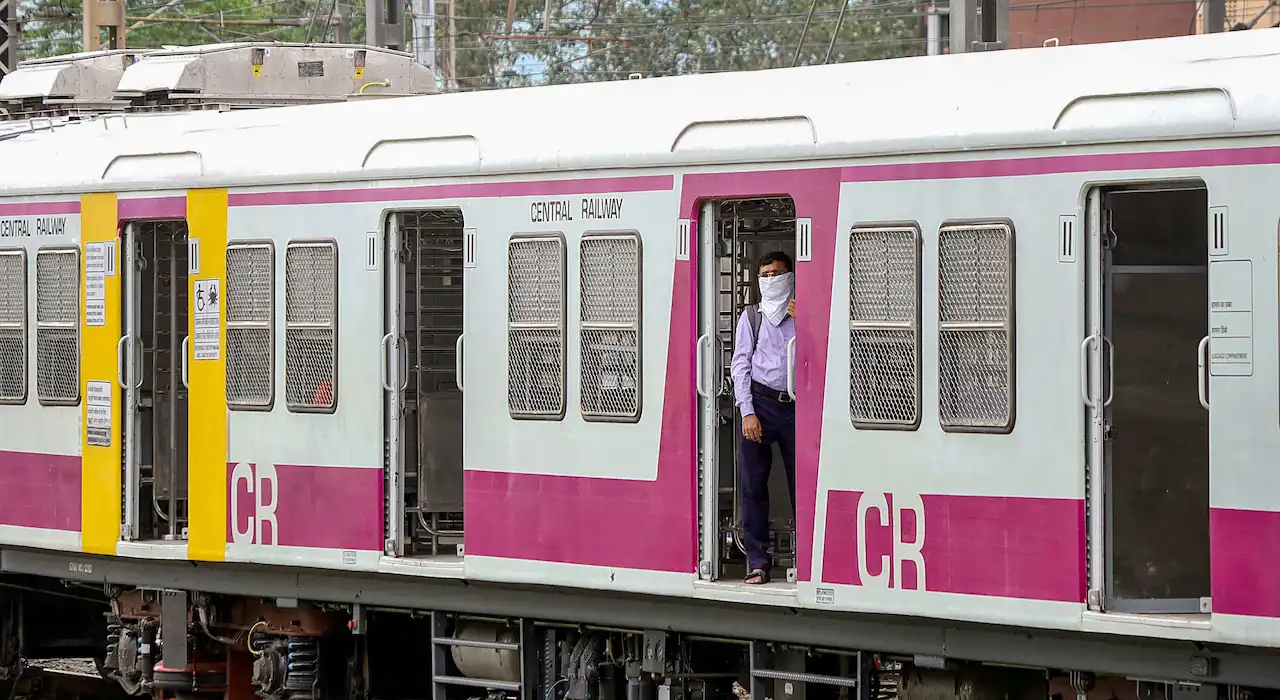
Mumbai commuters, brace for major travel disruption this Sunday. Central Railway’s Mumbai Division has announced a mega block on June 15, affecting several suburban train services to facilitate urgent maintenance and engineering work.
According to a statement from Central Railway’s Public Relations Department, services on the CSMT Mumbai–Vidyavihar Up and Down slow lines will be impacted between 10:55 am and 3:55 pm. During this time, Down slow trains from CSMT will be diverted to the Down fast line up to Vidyavihar, halting only at Byculla, Parel, Dadar, Matunga, Sion, and Kurla. Similarly, Up slow services from Ghatkopar will run on the Up fast line to CSMT, stopping at the same stations in reverse.
In addition, a block on the Panvel–Vashi Up and Down Harbour lines will be enforced from 11:05 am to 4:05 pm. Harbour line services between Panvel and CSMT (Up and Down) and Trans-Harbour services between Panvel and Thane during this window will be cancelled. However, special services will run between CSMT and Vashi, and trains will continue to operate between Thane and Nerul/Vashi. Port line operations will remain unaffected.
Railway authorities have appealed for public cooperation, citing that these blocks are vital for safe and efficient train operations. Passengers are urged to check train schedules in advance and plan alternative travel arrangements accordingly.
Mossad Behind Enemy Lines? Israeli Spy Agency Allegedly Smuggled Drones, Weapons into Iran Before Strike 14
In a startling revelation, Israeli security officials have claimed that Mossad, Israel’s elite spy agency, successfully smuggled weapons—including explosive drones and precision-guided systems—into Iran ahead of Friday’s targeted strikes. These covert operations, the officials say, enabled attacks on Tehran’s missile launchers from within Iranian territory.
Speaking on condition of anonymity due to the sensitivity of the information, two Israeli security officials disclosed that Mossad agents had established a base inside Iran specifically to launch drones, which were reportedly activated during Friday’s assault to strike a military installation near the capital.
According to the sources, Mossad not only infiltrated explosive drones but also transported high-precision weapons and concealed them close to Iran’s surface-to-air missile systems. These weaponized systems—some reportedly mounted on vehicles—were synchronized to strike Iranian defences as part of the broader operation.
There has been no official comment from Israeli authorities, and the claims could not be independently verified. If accurate, this would represent one of Mossad’s most daring operations in recent years—executing sabotage deep inside hostile territory using assets planted well before the main offensive.
The alleged operation signals a major escalation in Israel’s intelligence and military strategy against Iran, potentially redefining the scope of clandestine warfare in the region.
In a move set to reshape one of Mumbai’s most historic and controversial neighbourhoods, the Maharashtra Housing and Area Development Authority (MHADA) has floated a long-awaited tender for the redevelopment of Kamathipura. The tender, issued under the construction and development model, could unlock nearly 6.1 million square feet of prime real estate for free sale—estimated by industry experts to have a revenue potential of ₹30,000 crore.
The project, to be executed through MHADA’s Mumbai Building Repairs and Reconstruction Board, grants the winning bidder rights to develop over 5.67 lakh square metres while mandating rehabilitation of current residents and the handover of 44,000 square metres to MHADA for public housing stock.
Spanning 34 acres, Kamathipura is home to 8,001 residential and commercial tenants, many of whom live in deteriorating “cess buildings.” The area, historically linked to Mumbai’s red-light district, also carries a rich cultural legacy with original settlers like the Kamathis—artisans from the erstwhile Hyderabad state—alongside dockworkers and a small Chinese community.
For decades, redevelopment of the crumbling area remained stuck due to the sheer complexity of ownership: over 800 landowners and disputes around compensation. Despite the 2023 approval of a redevelopment plan, it wasn’t until July 2024 that the government finalised a compensation scheme, promising 500 sq ft units for every 50 sq metres owned—scaling up proportionally for larger plots.
Real estate analysts say while leading developers are eyeing the tender due to the massive potential for free sale at ₹40,000–₹45,000 per sq ft (lower than other parts of South Mumbai), the ground realities pose steep challenges. Kamathipura isn’t just densely populated—it’s also a rare Mumbai locality where residents live and work within the same community. This means eviction affects livelihoods, not just shelter.
Unlike Dharavi, where many residents commute to work, Kamathipura’s brick-and-mortar shops and micro-industries complicate demolition and resettlement. Experts say this could deeply impact project viability.
Adding to this are logistical issues—narrow roads, limited transit connectivity, and an ageing infrastructure base. However, the upcoming Aqua Line of the Mumbai Metro, which will bring three stations nearby, is expected to improve accessibility.
Observers believe the initial buyers for the free-sale units could come from nearby trading communities—Kalbadevi, Bhuleshwar, Bhendi Bazaar—who may be looking to upgrade from ageing chawls to modern homes closer to their businesses.
Salim 'Penwala' Walks Free: MCOCA Court Grants Bail Over Lack of Evidence in 2011 Extortion Case 17
A special MCOCA court has granted bail to Salim Penwala, also known as Salim Dadhi, an alleged associate of fugitive gangster Dawood Ibrahim and aide of Ejaz Lakdawala, in connection with a 2011 extortion case registered by Mumbai’s JJ Marg police. The court cited lack of direct evidence and inconsistencies in the prosecution’s version of events.
The prosecution claimed that Dadhi had received ₹25 lakh from a ₹50 lakh extortion collected by Lakdawala from a businessman in 2011. However, Lakdawala had allegedly revealed Dadhi’s involvement during an interrogation after his own arrest in 2020—nine years after the incident—only to later retract his statement, alleging he had been coerced with threats to his daughter.
Dadhi was arrested in October 2020, long after the original case was registered. The prosecution had previously arrested five individuals who allegedly opened fire on the businessman before extorting money. The businessman survived the attack and reportedly paid the demanded amount.
The court, however, noted that if, as per the prosecution, Dadhi only came in contact with Lakdawala in 2019, it would be “axiomatic” that he had no connection to the 2011 offence. “There is nothing on record beyond Lakdawala’s retracted statement to implicate the applicant,” the judge stated.
So far, 36 witnesses have been examined in the case, and none have testified against Dadhi. The court also noted that the complainant never alleged any threat or gain involving Dadhi, and his connection to Lakdawala at the time of the crime remains unsubstantiated.
The ruling brings into question the prosecution’s timeline and use of retrospective associations to link accused persons in serious criminal cases.
Thane DCP Mowed Down by Rickshaw in Alleged Murder Attempt, Driver Arrested 19
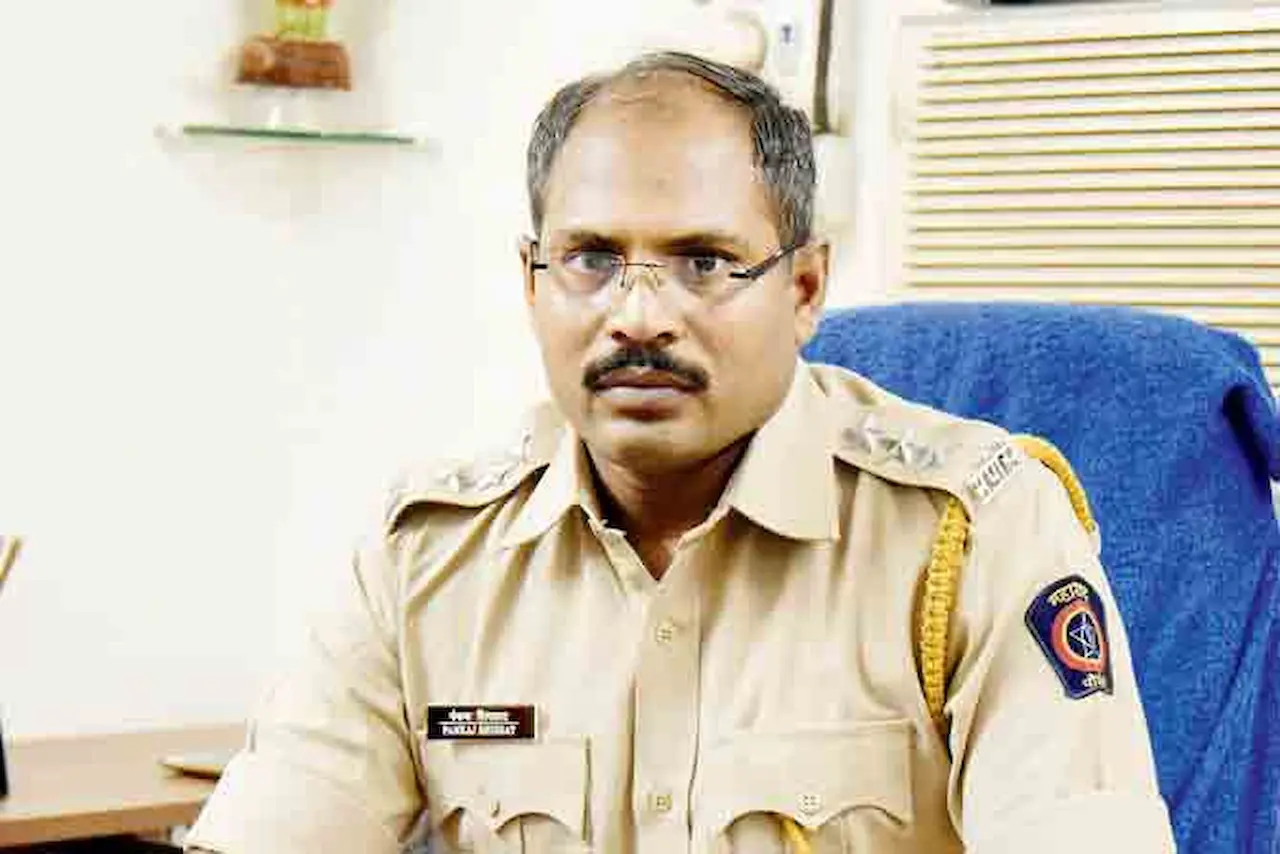
In a disturbing incident that has shocked Maharashtra’s law enforcement circles, Deputy Commissioner of Police (Traffic), Thane, Pankaj Shirsath, was seriously injured after being struck by a speeding auto rickshaw while on duty late Tuesday night. The incident occurred around 10 pm on June 11 on the busy Thane-Ghodbunder Road, where DCP Shirsath was personally managing traffic flow.
According to police officials, the auto-rickshaw hit Shirsath with such force that he sustained serious injuries and had to be rushed to a hospital in Vartaknagar for emergency treatment. Shockingly, initial investigations suggest the driver may have hit the officer with intent to kill.
The rickshaw driver fled the scene but was swiftly tracked down and arrested by Thane police. A case has been filed under multiple sections of the Bharatiya Nyaya Sanhita (BNS) and the Motor Vehicles Act. Authorities have confirmed that an in-depth investigation is currently underway to determine the exact motive behind the alleged attack.
The incident has raised questions about the safety of on-duty traffic officials and the rising brazenness of assaults on law enforcers in public spaces.