Israel Claims Strike on Iranian Nuclear Site in Isfahan; Tehran Silent Amid Escalating Tensions 2
In a bold escalation, the Israeli military claimed on Friday that it had launched a strike on an Iranian nuclear facility in Isfahan—an assertion that Iran has yet to confirm or deny.
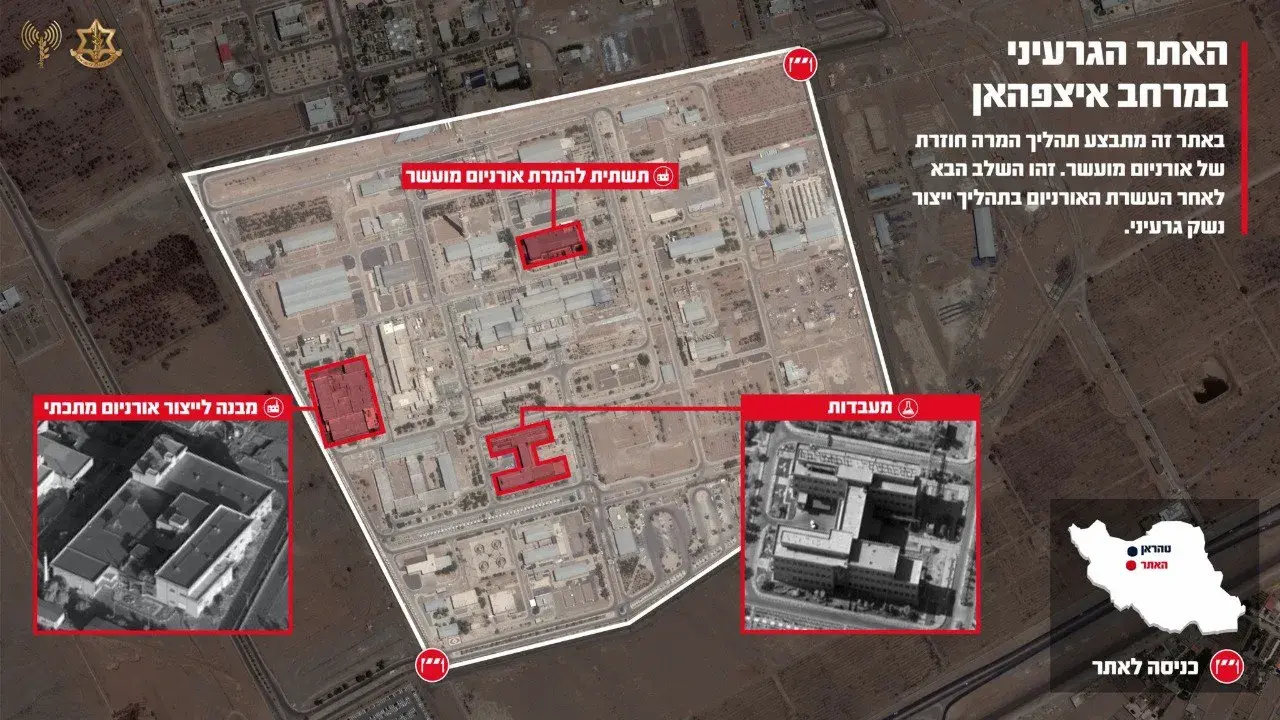
According to Israeli army spokesperson Brigadier General Effie Defrin, the operation was still underway at the time of his statement. He said the target was a nuclear technology site in Isfahan, located roughly 350 km southeast of Tehran, which employs thousands of scientists and is central to Iran’s atomic ambitions.
Isfahan is known to host not just uranium conversion facilities but also three Chinese-assisted research reactors and several laboratories connected to Iran’s broader nuclear programme.
While international observers are still seeking independent verification of the Israeli claim, the lack of immediate acknowledgment from Tehran has further fueled speculation and anxiety over a potential escalation between the two adversaries. The silence from Iran’s state media and military has raised questions about the scale and impact of the alleged attack.
The reported strike comes amid already heightened regional tensions and could mark a significant turning point in the long-simmering conflict over Iran’s nuclear activities.
Murder in the Holy Town: 83-Year-Old Jagannath Temple Servitor Killed Over Money Dispute 4
In a disturbing incident that has shocked Puri, an 83-year-old servitor of the Shree Jagannath Temple was allegedly murdered in broad daylight on Wednesday, just hours after completing his religious duties. The crime occurred even as the holy town was under tight security for the Snana Purnima rituals.
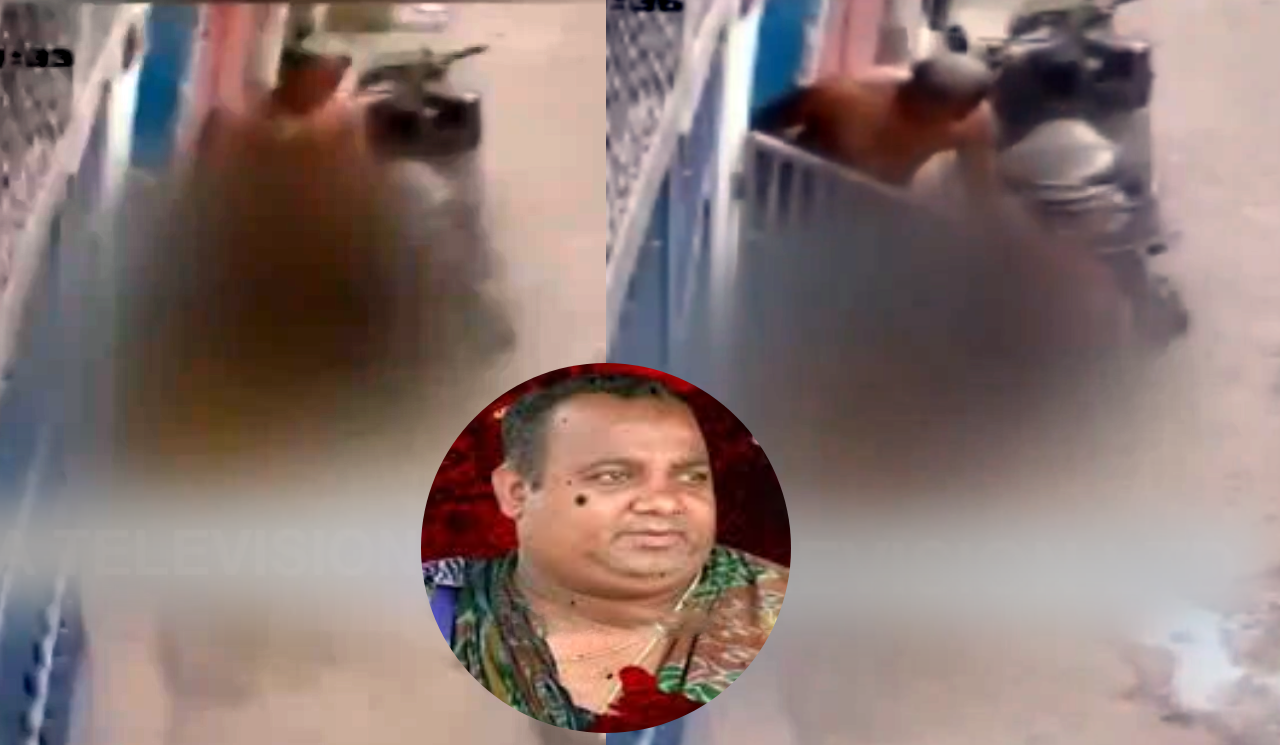
The deceased, Jagannath Dikshit, a senior kothabhoga supakar (temple cook), was reportedly attacked in the Gudia Sahi area around 2 pm by Narayan Pattajoshi (49), following a heated argument. According to police sources, the accused allegedly smashed Dikshit’s head against a wall, leading to fatal injuries. Shockingly, Dikshit, despite being severely wounded, tried to clean the blood stains before succumbing to his injuries.
Initial investigation suggests the crime stemmed from an old monetary dispute. Pattajoshi had allegedly borrowed money from Dikshit and refused to repay it. A confrontation earlier in the day reportedly escalated into violence.
The entire incident is believed to have been captured on CCTV, aiding the investigation. Pattajoshi was arrested within hours of the incident, police confirmed.
What makes the murder even more alarming is that it happened during Snana Purnima, when the town was under an extensive security grid—70 platoons of police, three commandants, and 450 senior officers had been deployed to ensure safety during Chief Minister Mohan Charan Majhi’s visit and the sacred bathing rituals.
Despite the heightened security presence, this brutal act has raised serious questions about ground-level enforcement and public safety in one of India’s most revered pilgrimage towns. A senior police officer confirmed the arrest and said further investigation is underway.
Mega Block Alert: Central Railway to Cancel Key Mumbai Locals on June 15 for Maintenance 6
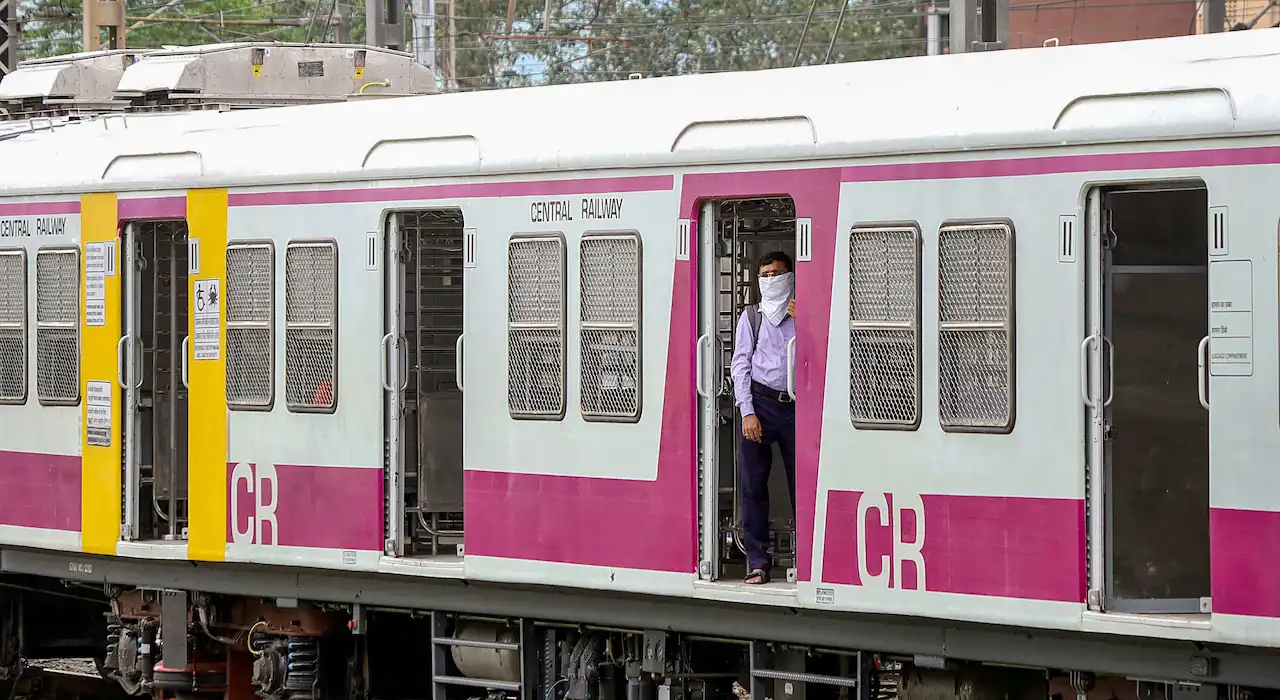
Mumbai commuters, brace for major travel disruption this Sunday. Central Railway’s Mumbai Division has announced a mega block on June 15, affecting several suburban train services to facilitate urgent maintenance and engineering work.
According to a statement from Central Railway’s Public Relations Department, services on the CSMT Mumbai–Vidyavihar Up and Down slow lines will be impacted between 10:55 am and 3:55 pm. During this time, Down slow trains from CSMT will be diverted to the Down fast line up to Vidyavihar, halting only at Byculla, Parel, Dadar, Matunga, Sion, and Kurla. Similarly, Up slow services from Ghatkopar will run on the Up fast line to CSMT, stopping at the same stations in reverse.
In addition, a block on the Panvel–Vashi Up and Down Harbour lines will be enforced from 11:05 am to 4:05 pm. Harbour line services between Panvel and CSMT (Up and Down) and Trans-Harbour services between Panvel and Thane during this window will be cancelled. However, special services will run between CSMT and Vashi, and trains will continue to operate between Thane and Nerul/Vashi. Port line operations will remain unaffected.
Railway authorities have appealed for public cooperation, citing that these blocks are vital for safe and efficient train operations. Passengers are urged to check train schedules in advance and plan alternative travel arrangements accordingly.
Mossad Behind Enemy Lines? Israeli Spy Agency Allegedly Smuggled Drones, Weapons into Iran Before Strike 8
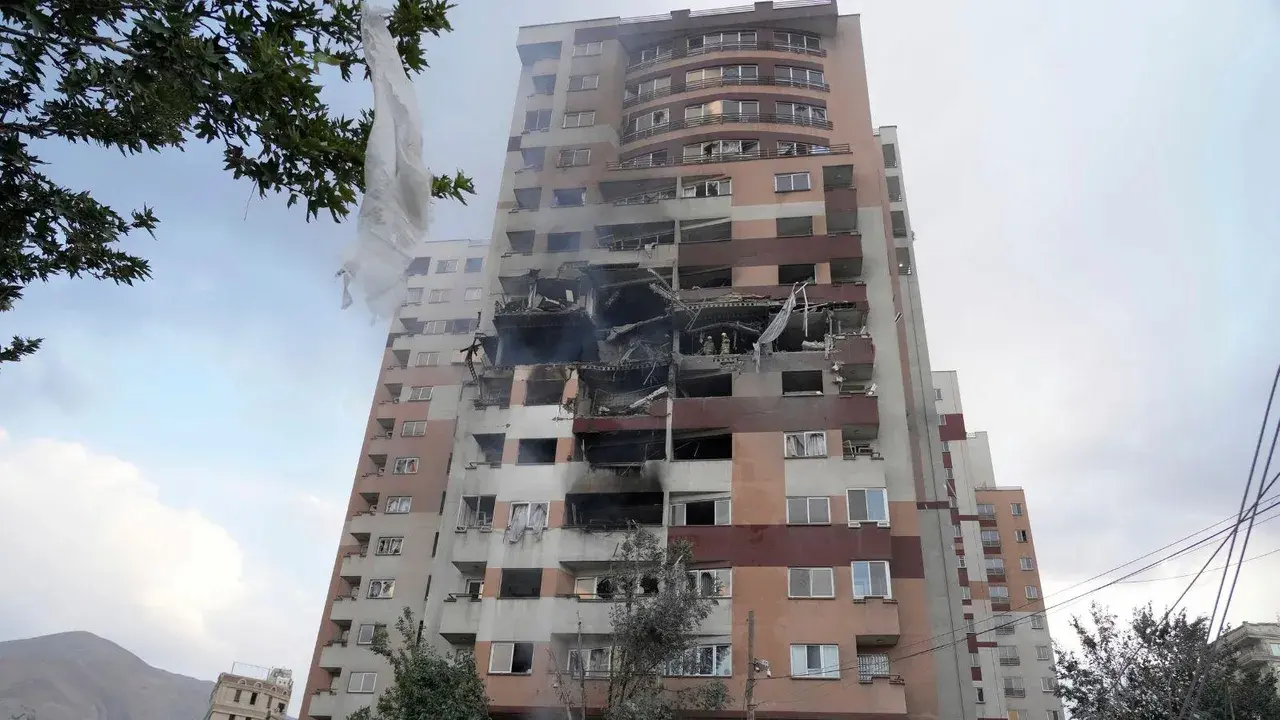
In a startling revelation, Israeli security officials have claimed that Mossad, Israel’s elite spy agency, successfully smuggled weapons—including explosive drones and precision-guided systems—into Iran ahead of Friday’s targeted strikes. These covert operations, the officials say, enabled attacks on Tehran’s missile launchers from within Iranian territory.
Speaking on condition of anonymity due to the sensitivity of the information, two Israeli security officials disclosed that Mossad agents had established a base inside Iran specifically to launch drones, which were reportedly activated during Friday’s assault to strike a military installation near the capital.
According to the sources, Mossad not only infiltrated explosive drones but also transported high-precision weapons and concealed them close to Iran’s surface-to-air missile systems. These weaponized systems—some reportedly mounted on vehicles—were synchronized to strike Iranian defences as part of the broader operation.
There has been no official comment from Israeli authorities, and the claims could not be independently verified. If accurate, this would represent one of Mossad’s most daring operations in recent years—executing sabotage deep inside hostile territory using assets planted well before the main offensive.
The alleged operation signals a major escalation in Israel’s intelligence and military strategy against Iran, potentially redefining the scope of clandestine warfare in the region.
In a move set to reshape one of Mumbai’s most historic and controversial neighbourhoods, the Maharashtra Housing and Area Development Authority (MHADA) has floated a long-awaited tender for the redevelopment of Kamathipura. The tender, issued under the construction and development model, could unlock nearly 6.1 million square feet of prime real estate for free sale—estimated by industry experts to have a revenue potential of ₹30,000 crore.
The project, to be executed through MHADA’s Mumbai Building Repairs and Reconstruction Board, grants the winning bidder rights to develop over 5.67 lakh square metres while mandating rehabilitation of current residents and the handover of 44,000 square metres to MHADA for public housing stock.
Spanning 34 acres, Kamathipura is home to 8,001 residential and commercial tenants, many of whom live in deteriorating “cess buildings.” The area, historically linked to Mumbai’s red-light district, also carries a rich cultural legacy with original settlers like the Kamathis—artisans from the erstwhile Hyderabad state—alongside dockworkers and a small Chinese community.
For decades, redevelopment of the crumbling area remained stuck due to the sheer complexity of ownership: over 800 landowners and disputes around compensation. Despite the 2023 approval of a redevelopment plan, it wasn’t until July 2024 that the government finalised a compensation scheme, promising 500 sq ft units for every 50 sq metres owned—scaling up proportionally for larger plots.
Real estate analysts say while leading developers are eyeing the tender due to the massive potential for free sale at ₹40,000–₹45,000 per sq ft (lower than other parts of South Mumbai), the ground realities pose steep challenges. Kamathipura isn’t just densely populated—it’s also a rare Mumbai locality where residents live and work within the same community. This means eviction affects livelihoods, not just shelter.
Unlike Dharavi, where many residents commute to work, Kamathipura’s brick-and-mortar shops and micro-industries complicate demolition and resettlement. Experts say this could deeply impact project viability.
Adding to this are logistical issues—narrow roads, limited transit connectivity, and an ageing infrastructure base. However, the upcoming Aqua Line of the Mumbai Metro, which will bring three stations nearby, is expected to improve accessibility.
Observers believe the initial buyers for the free-sale units could come from nearby trading communities—Kalbadevi, Bhuleshwar, Bhendi Bazaar—who may be looking to upgrade from ageing chawls to modern homes closer to their businesses.
Salim 'Penwala' Walks Free: MCOCA Court Grants Bail Over Lack of Evidence in 2011 Extortion Case 11
A special MCOCA court has granted bail to Salim Penwala, also known as Salim Dadhi, an alleged associate of fugitive gangster Dawood Ibrahim and aide of Ejaz Lakdawala, in connection with a 2011 extortion case registered by Mumbai’s JJ Marg police. The court cited lack of direct evidence and inconsistencies in the prosecution’s version of events.
The prosecution claimed that Dadhi had received ₹25 lakh from a ₹50 lakh extortion collected by Lakdawala from a businessman in 2011. However, Lakdawala had allegedly revealed Dadhi’s involvement during an interrogation after his own arrest in 2020—nine years after the incident—only to later retract his statement, alleging he had been coerced with threats to his daughter.
Dadhi was arrested in October 2020, long after the original case was registered. The prosecution had previously arrested five individuals who allegedly opened fire on the businessman before extorting money. The businessman survived the attack and reportedly paid the demanded amount.
The court, however, noted that if, as per the prosecution, Dadhi only came in contact with Lakdawala in 2019, it would be “axiomatic” that he had no connection to the 2011 offence. “There is nothing on record beyond Lakdawala’s retracted statement to implicate the applicant,” the judge stated.
So far, 36 witnesses have been examined in the case, and none have testified against Dadhi. The court also noted that the complainant never alleged any threat or gain involving Dadhi, and his connection to Lakdawala at the time of the crime remains unsubstantiated.
The ruling brings into question the prosecution’s timeline and use of retrospective associations to link accused persons in serious criminal cases.
Thane DCP Mowed Down by Rickshaw in Alleged Murder Attempt, Driver Arrested 13
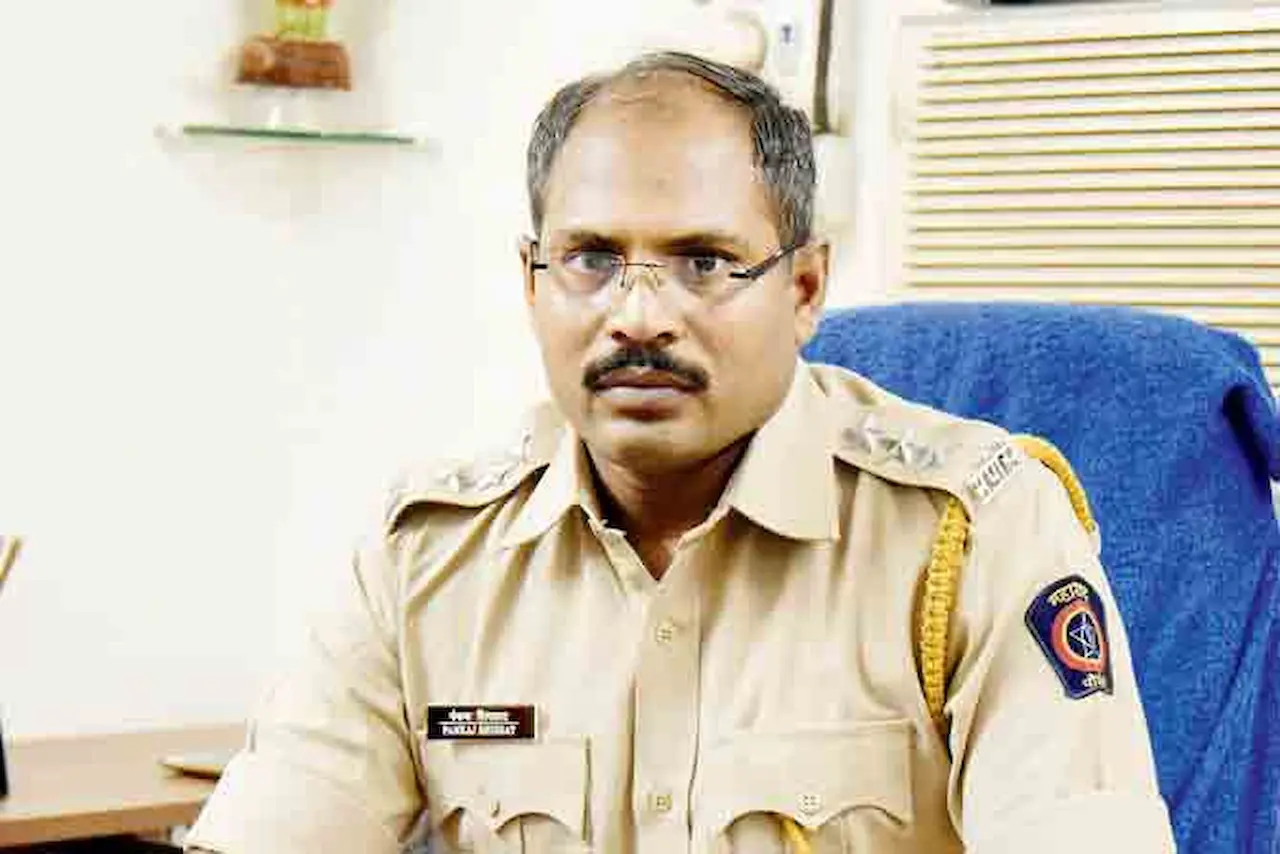
In a disturbing incident that has shocked Maharashtra’s law enforcement circles, Deputy Commissioner of Police (Traffic), Thane, Pankaj Shirsath, was seriously injured after being struck by a speeding auto rickshaw while on duty late Tuesday night. The incident occurred around 10 pm on June 11 on the busy Thane-Ghodbunder Road, where DCP Shirsath was personally managing traffic flow.
According to police officials, the auto-rickshaw hit Shirsath with such force that he sustained serious injuries and had to be rushed to a hospital in Vartaknagar for emergency treatment. Shockingly, initial investigations suggest the driver may have hit the officer with intent to kill.
The rickshaw driver fled the scene but was swiftly tracked down and arrested by Thane police. A case has been filed under multiple sections of the Bharatiya Nyaya Sanhita (BNS) and the Motor Vehicles Act. Authorities have confirmed that an in-depth investigation is currently underway to determine the exact motive behind the alleged attack.
The incident has raised questions about the safety of on-duty traffic officials and the rising brazenness of assaults on law enforcers in public spaces.
Devarshi Narada Journalism Awards 2025 Announced by VSK Mumbai, Celebrating Silver Jubilee Year 15
Vishwa Samvad Kendra (VSK), Mumbai, has announced the recipients of the prestigious Devarshi Narada Journalism Awards 2025, marking the Silver Jubilee edition of the annual recognition that honours excellence in Indian journalism across print, electronic, and digital platforms.
This year’s milestone edition will see special felicitations conferred upon two iconic institutions: Mumbai Samachar, Asia’s oldest continuously published newspaper with a legacy spanning over 200 years, and Hindustan Samachar, a pioneering multilingual news agency serving the nation for more than 75 years.
Dr. Nishith K. Bhandarkar, Convener of the Award Committee, shared the details of the winners selected by a distinguished jury panel headed by veteran journalist Sudhir Joglekar, former Resident Editor of Loksatta. The jury also included senior media professionals Prasad Kathe (Jai Maharashtra News), Vinayak Patrudkar (Former Editor, Dainik Lokmat), Sarita Kaushik (ABP Majha), Milind Bhagwat (Former Editor, IBN Lokmat), and Pranav Bhonde, Media Advisor.
Individual Award Winners – 2025:
Best Journalist – Print (English): Shailesh Gaikwad (Hindustan Times)
Best Journalist – Electronic Media: Sandeep Ramdasi (ABP Majha)
Best Journalist – Print (Marathi): Sameer Karve (Maharashtra Times)
Digital & Student Recognition: Best YouTube Journalist: Jai Gagan
Instagram Excellence Awards: Smita Pawaskar and Amol Jamdare
Facebook Journalism Award: Mruga Vratak
Outstanding Journalism Student: Suraj Chaugule
The award ceremony will be held on Saturday, June 14, 2025, in Mumbai. The event will be graced by Mr. Anant Goenka, Executive Director of the Indian Express Group, as Chief Guest. Noted industrialists Ganesh Nibe, Managing Director of Nibe Limited, and Rashesh Shah, Chairman of Edelweiss Group, will attend as Guests of Honor. Renowned social thinker Rajabhau Mule is scheduled to deliver the keynote address.
Vishwa Samvad Kendra continues its mission of shaping constructive media discourse rooted in Indian values and culture. Through initiatives like the Devarshi Narada Journalism Awards, now in their 25th year, VSK aims to promote journalism that is ethical, nation-centric, and reflective of India’s civilizational ethos.
When Marriages Become Murders: A Chilling Reflection on Love, Law, and Society 17
India is witnessing a tragic and terrifying trend: the very institution meant to unite hearts and build lives—marriage—is increasingly becoming a stage for betrayal, cruelty, and even bloodshed. The brutal murder of Indore-based businessman Raja Raghuvanshi is not just an isolated incident; it is the latest entry in a growing dossier of cases where wives—often in collusion with lovers—have chosen death over divorce.
This is not love gone sour. This is love turned lethal. These are not crimes of passion but cold, calculated executions planned over weeks and executed with chilling precision. In Raja’s case, his wife Sonam, in alleged collaboration with her lover Raj Kushwaha and his aides, plotted his murder barely days after their wedding. The conspirators travelled across states, disguised themselves, created false narratives, and hoped to erase Raja’s existence like deleting a file. This wasn’t a momentary lapse. This was strategy. And that’s what makes it far more dangerous.
But Raja’s story isn’t unique.
In Bijnor, Shivani laced her husband’s breakfast with sedatives and strangled him while he slept—later calmly telling neighbours he died of a heart attack.
In Meerut, Muskan and her lover allegedly murdered her husband, chopped his body, and stuffed it in a cement drum.
In Auraiya, Pragati, merely two weeks into her marriage, allegedly hired contract killers with the help of her lover.
The list goes on. So do the questions.
Why are spouses choosing murder over mutual separation?
Indian society still treats divorce like a moral failure—especially for women. In many families, leaving a marriage, even a toxic one, is treated as shameful, while enduring pain is glorified. This toxic conditioning creates an emotional pressure cooker. When love turns toxic, betrayal begins, and societal expectations strangle free will—some individuals, already manipulated or manipulative, see murder not as a horror but as a solution.
There is a terrifying normalisation happening. Instead of opting for a court of law, people are choosing jungle justice. The sanctity of marriage is being eroded not just by infidelity but by an emerging belief that if a relationship becomes inconvenient, it can be erased—literally.
This shift from vows to violence reflects a deeper rot in our social and emotional fabric.
What can be done?
Redefine marital education: Schools and colleges teach math and history, but not how to manage relationships. Young couples must be taught about emotional boundaries, red flags, and the value of respectful separation.
Destigmatise divorce: When society treats divorce like a curse, it traps people in dead or dangerous marriages. It is time we change the narrative: choosing self-respect and walking away is not weakness—it’s wisdom.
Empower police reform: The Meghalaya Police deserve applause for cracking the Raja case across state lines with precision and speed. This case proves that local law enforcement, if well-resourced and trusted, can solve even the most complex crimes. Strengthening local police, enhancing inter-state coordination, and investing in CID capabilities must be a top priority. Justice should not depend on high-profile interventions; every case deserves equal rigor.
Media and community vigilance: These murders are not always committed by criminals in the shadows—they are often executed by familiar faces. Neighbours, friends, and communities need to be sensitised to signs of manipulation, coercion, or distress in relationships.
Mental health access: Relationship counselling, therapy for trauma, and anger management must become mainstream and affordable. Many of these crimes could be prevented if people had access to safe emotional outlets.
A Call to Society
We need to ask ourselves hard questions: How did marriages become warzones? When did love become disposable? Why are people choosing violence over conversation?
These are not just police cases. They are loud, painful alarms warning us of a crumbling social structure. We must rebuild it with empathy, honesty, and courage.
A marriage is supposed to be a bond of trust—not a ticking time bomb. If that bond breaks, there must be exits—legal, emotional, social—that allow people to walk away with dignity, not body bags.
Let the murder of Raja Raghuvanshi, and others like him, not be reduced to a headline. Let it be a turning point—for how we look at love, law, and the silent screams behind closed doors.
Because when marriage turns murderous, the whole society bleeds.
Ahmedabad Flight Crash: This Wasn’t Just a Crash—It Was a Catastrophic Failure of the System 19
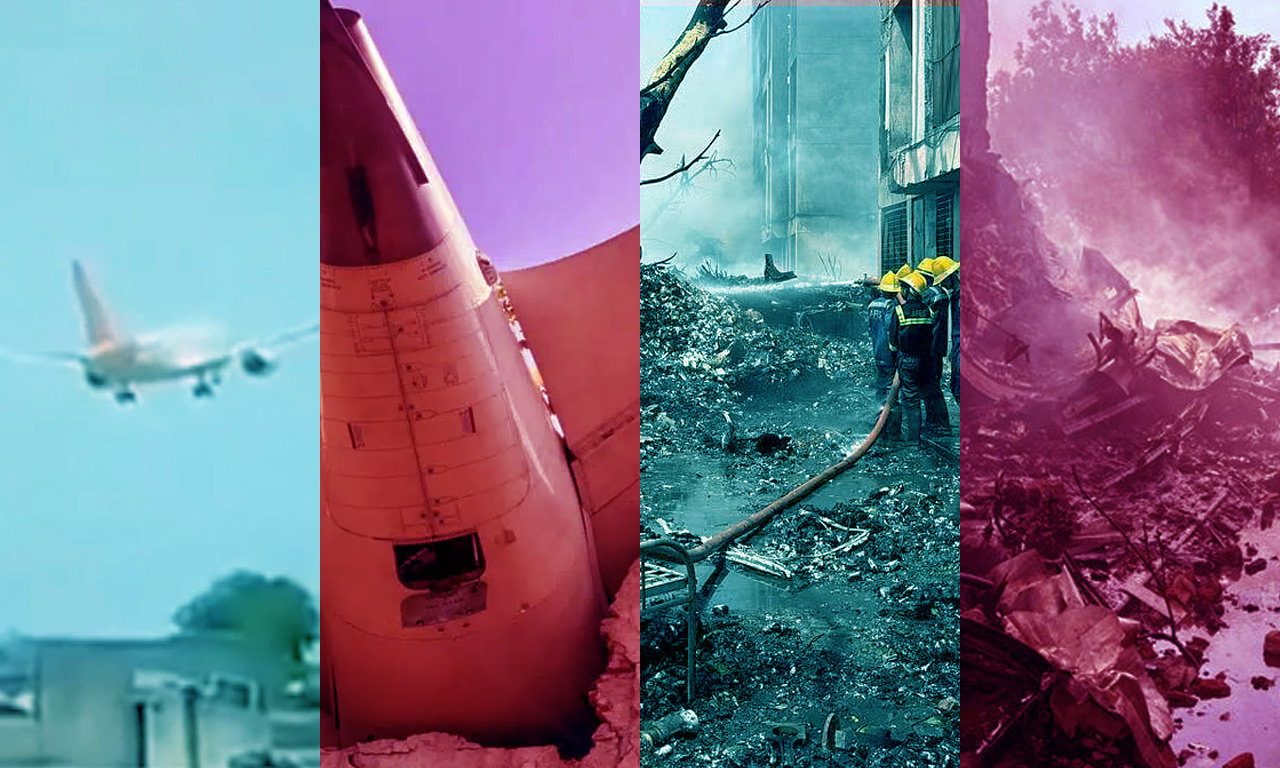
June 12, 2025, will be etched in the memory of the nation as a dark and devastating day. An Air India flight, AI171, en route from Ahmedabad to London, crashed into a residential area just moments after takeoff from Ahmedabad Airport. All 242 souls on board — including 10 crew members — perished in a fireball that turned homes into ashes and lives into memories. But let us be very clear: this was not an accident born of fate. This was a preventable tragedy, fuelled by gross negligence, systemic lethargy, and cold bureaucratic apathy.
Just hours before the crash, a passenger claimed on social media that he had been on the very same aircraft and noticed multiple technical flaws — from non-functioning air-conditioning to strange mechanical sounds. He raised concerns. But what did the authorities do? Absolutely nothing. Air India, the DGCA, and the concerned aviation authorities brushed it aside — business as usual — and 242 lives were allowed to board a death machine.
Among the victims was former Gujarat Chief Minister Vijay Rupani, who was critically injured and later succumbed. The wreckage of six doctors was recovered from a nearby doctors’ mess. Hospitals are overwhelmed. Ambulances are ferrying burned bodies. Families are weeping uncontrollably. This isn’t just a crash site — it’s a graveyard of broken dreams, lost futures, and unanswered prayers.
The Air Traffic Control at Ahmedabad confirmed the aircraft took off at 1:39 PM from Runway 23 and issued a “Mayday” call moments later — a distress signal indicating severe emergency. After that, all communication was lost. Eyewitnesses and television footage captured the aircraft disappearing behind a row of houses, followed by a massive explosion and columns of thick, black smoke spiraling into the sky.
The visuals are gut-wrenching: burning debris scattered across residential blocks, bodies being pulled from under collapsed structures, terrified children clinging to blood-soaked parents, and hospitals echoing with cries of the bereaved. It’s a scene straight out of a nightmare — except it’s horrifyingly real.
And yet, the questions remain:
How was this plane cleared for takeoff despite clear warnings?
Who is accountable for this horrific lapse in safety protocols?
Why is our aviation system still reactive instead of preventive?
Why are human lives so expendable in the eyes of our institutions?
The government issued statements. Prime Minister Narendra Modi — whose home state is Gujarat — “directed authorities to ensure support to rescue operations.” But is that all we do after a mass tragedy? Offer condolences and compensation cheques while the actual culprits hide behind corporate shields and government silence?
The Adani Group, which operates Ahmedabad Airport, suspended flight operations. Boeing released a standard note that it was “gathering more information.” Tata Group, which owns Air India, activated an emergency helpline and a “support team.” The British Prime Minister, Keir Starmer, called the crash “devastating,” and King Charles was reportedly kept informed. But in India, the pattern is painfully familiar — headlines today, forgotten tomorrow.
This isn’t the first time. The last major crash was in 2020 at Kozhikode — another Air India disaster, where a flight overshot the runway, killing 21. That tragedy also prompted “investigations,” “reforms,” and “promises.” And yet, here we are again.
Air India was taken over by the Tata Group in 2022 and later merged with Vistara in 2024, with big promises of modernization and safety. But what modernization allows a technically compromised aircraft to fly? What safety ensures no accountability for the dead?
Let this be said loud and clear: The #AI171 crash was not destiny — it was a result of deadly indifference, a collapsed safety culture, and a system that puts profit and convenience over human life.
Our country deserves better. The victims deserved better. And the families now burying their loved ones deserve justice — not just condolences.