Home Blog Page 6

Maharashtra to Launch Single-Window Clearance System for Concerts, Live Events

maharashtra, concert, play
Maharashtra to Launch Single-Window Clearance System for Concerts, Live Events 2

In a major push for the entertainment industry, the Maharashtra government is set to introduce a single-window clearance system for permissions related to live events, concerts and large public programmes, aimed at simplifying and speeding up the approval process.

A senior official said the Directorate General of Information and Public Relations (DGIPR) has been appointed as the nodal agency for implementing the initiative. Principal Secretary Brijesh Singh, who heads the department, chaired the first meeting of the state-level committee on Friday.

During the meeting, Singh urged all concerned departments to extend cooperation and submit suggestions for drafting a comprehensive standard operating procedure (SOP) for granting permissions to live events.

“At present, organisers of large events have to obtain separate permissions from departments such as the police, fire brigade, electricity authorities, municipal corporations and revenue departments. The process takes considerable time. The new system will reduce the time, procedures and documentation involved and bring greater coordination to the entire process,” Singh said.

He added that the Maharashtra government would also develop a dedicated digital portal to make the single-window clearance process faster, smoother and more transparent.

According to an official release, the state is preparing its own SOP by incorporating suitable modifications to the model SOP issued by the Centre to promote the live entertainment economy.

The proposed framework, based on the Centre’s model live event clearance procedure, aims to streamline planning and approvals for concerts and entertainment programmes in a more industry-friendly manner.

Officials said the initiative is expected to significantly ease the process of organising large-scale events while boosting Maharashtra’s live entertainment sector, tourism, investment and employment generation.

The move comes amid rising demand for large concerts, cultural festivals and entertainment events across major cities in the state.
Massive Rescue Operation Saves Over 10,000 Kedarnath Pilgrims Stranded After Landslide

rudyaprayag, landslide, kedarnath
Massive Rescue Operation Saves Over 10,000 Kedarnath Pilgrims Stranded After Landslide 4

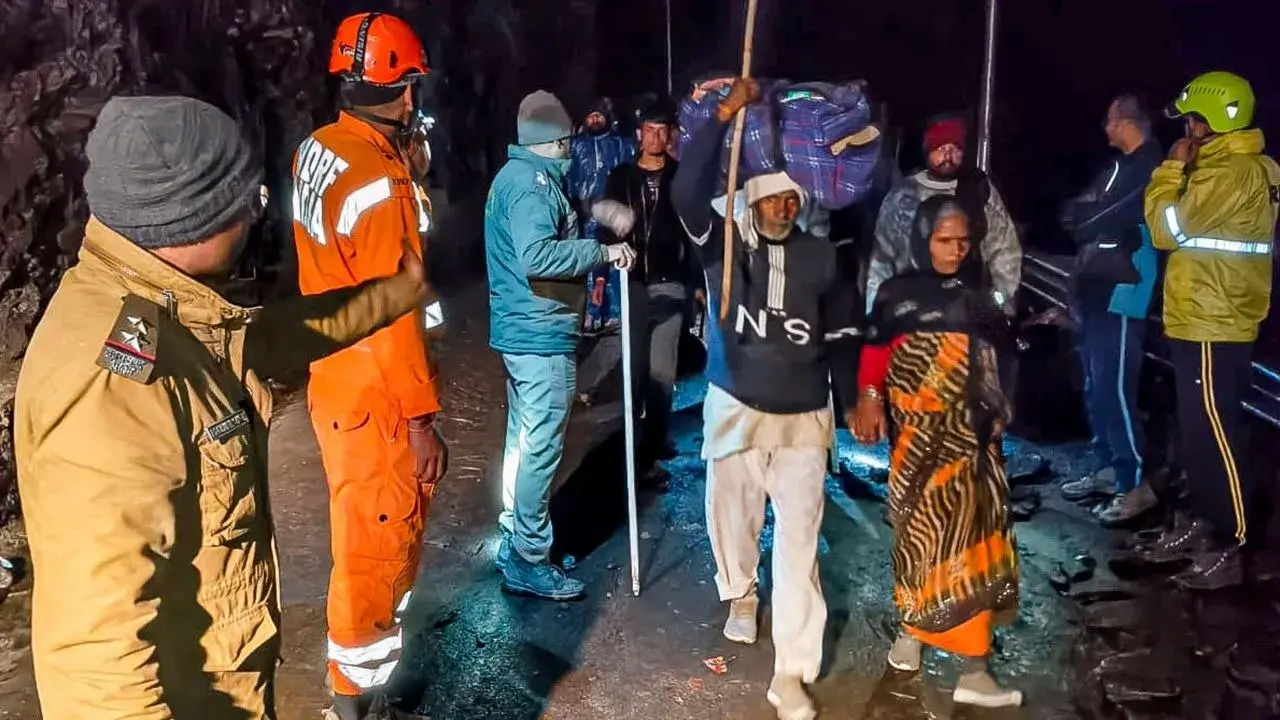
More than 10,000 pilgrims stranded on the Kedarnath route in Uttarakhand’s Rudraprayag district were safely rescued after a massive landslide triggered by heavy rainfall blocked the main highway, officials said on Thursday.

According to officials, the landslide struck the Munkatiya area between Sonprayag and Gaurikund late Tuesday night following intense rain in the region. The debris blocked the key route, leaving thousands of pilgrims stranded.

The situation became increasingly challenging due to continuous rockfalls, heavy rain, darkness and difficult mountainous terrain, posing a serious risk to travellers.

The District Control Room (DCR) in Rudraprayag alerted the State Disaster Response Force (SDRF) at around 9:16 pm. An SDRF team from Sonprayag immediately rushed to the affected site with rescue equipment.

Soon after, the SDRF and National Disaster Response Force (NDRF) launched a joint rescue and relief operation.

Rescue teams successfully evacuated 10,450 stranded pilgrims by guiding them across the affected stretch under adverse weather conditions. Officials said rescue personnel continuously motivated and assisted pilgrims despite heavy rainfall and poor visibility.

The evacuated pilgrims were shifted to designated safe locations as part of precautionary measures.

After completing the rescue mission, authorities deployed JCB machines to remove debris and clear the blocked route.

Officials later restored the highway and resumed normal vehicular movement in the area.

SDRF Commandant Arpan Yaduvanshi said rescue teams deployed across the pilgrimage route had remained on high alert, enabling a rapid and coordinated response.

He added that pre-positioning of rescue personnel played a crucial role in ensuring swift action and minimising risk during the operation.

Authorities confirmed that debris removal work was completed and stranded vehicles were allowed to proceed once the route was cleared.

Bengal Govt Begins Direct BSF Handover of Infiltrators, CAA-Protected Groups Exempt: CM Suvendu

suvendu adhikari, cm, west bengal, infiltrators, bangladeshi
Bengal Govt Begins Direct BSF Handover of Infiltrators, CAA-Protected Groups Exempt: CM Suvendu 6

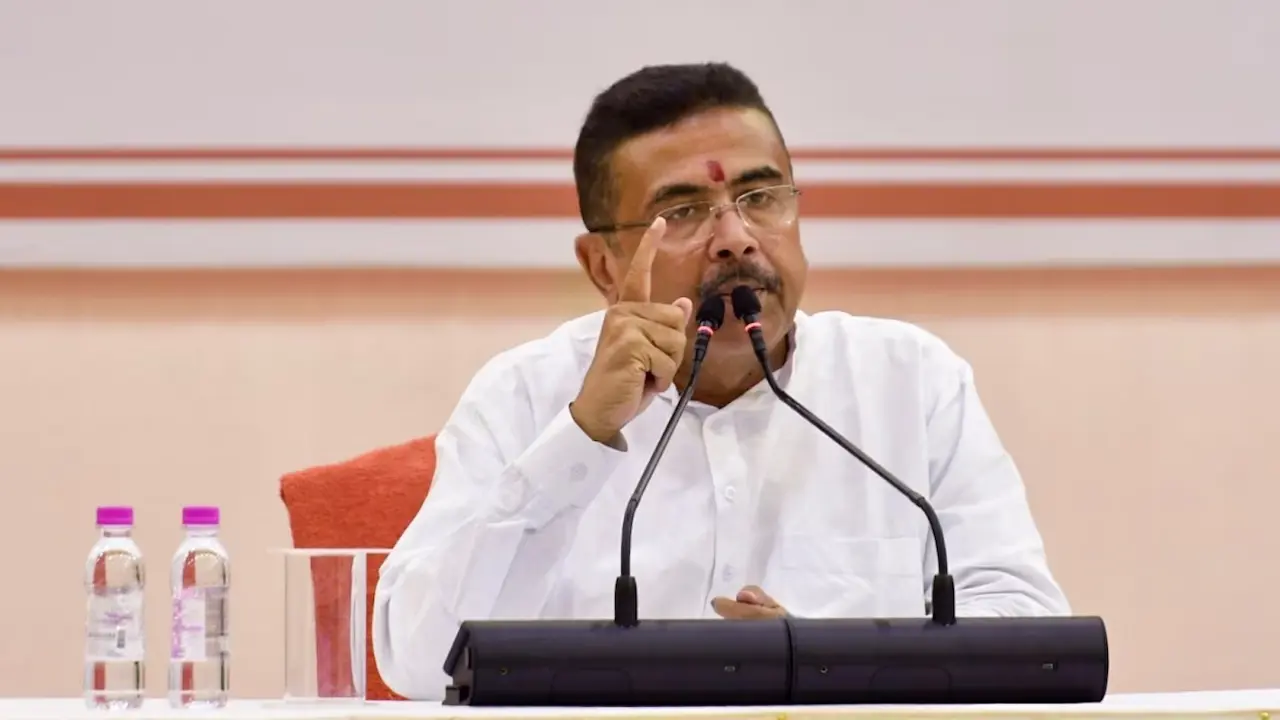
West Bengal Chief Minister Suvendu Adhikari on Wednesday announced the implementation of a new mechanism under which individuals identified as infiltrators and detained by state police will be handed over directly to the Border Security Force (BSF) for deportation proceedings.

Addressing a press conference at the state secretariat Nabanna, Adhikari clarified that communities covered under the Citizenship (Amendment) Act (CAA) would remain outside the scope of the new process.

The Chief Minister said the move operationalises a provision communicated by the Centre last year regarding the direct transfer of infiltrators to the BSF.

“A letter had been sent by the Centre to the state on May 14 last year regarding the direct handover of infiltrators to the BSF, but the previous government failed to implement this important provision. We have now enforced it,” Adhikari said.

He alleged that the previous Trinamool Congress government had opposed the CAA and chose not to operationalise the mechanism suggested by the Centre.

Explaining the legal framework, Adhikari said seven communities covered under the Citizenship (Amendment) Act and those who entered India before the prescribed cut-off date would not face action under the new system.

“Under the Citizenship (Amendment) Act, seven communities have been named and those who came till December 31, 2024, are protected. The police cannot detain them,” he said.

The Chief Minister added that individuals not covered under the Act would be treated as infiltrators and dealt with under the newly enforced procedure.

“State police will detain them and hand them over to the BSF,” he stated.

According to Adhikari, the BSF will coordinate with the Border Guard Bangladesh (BGB) and initiate the deportation process.

“The BSF will speak to the BGB and take necessary steps to deport them. From today, this law is being implemented,” he said.

He added that instructions had already been conveyed to the Director General of Police and the state Home Secretary, with implementation beginning across police stations located in border districts.

“We have informed the DGP and the Home Secretary that this law will be implemented in all police stations in border areas for the sake of West Bengal and India’s security,” Adhikari said.

The Chief Minister said identification and action against infiltrators would begin immediately as part of the state government’s broader focus on border management and internal security.

Heavy Security Ring Around Bhojshala Ahead of First Friday After HC Temple Verdict

bhojshala, security, indore, bhopal, indore high court
Heavy Security Ring Around Bhojshala Ahead of First Friday After HC Temple Verdict 8

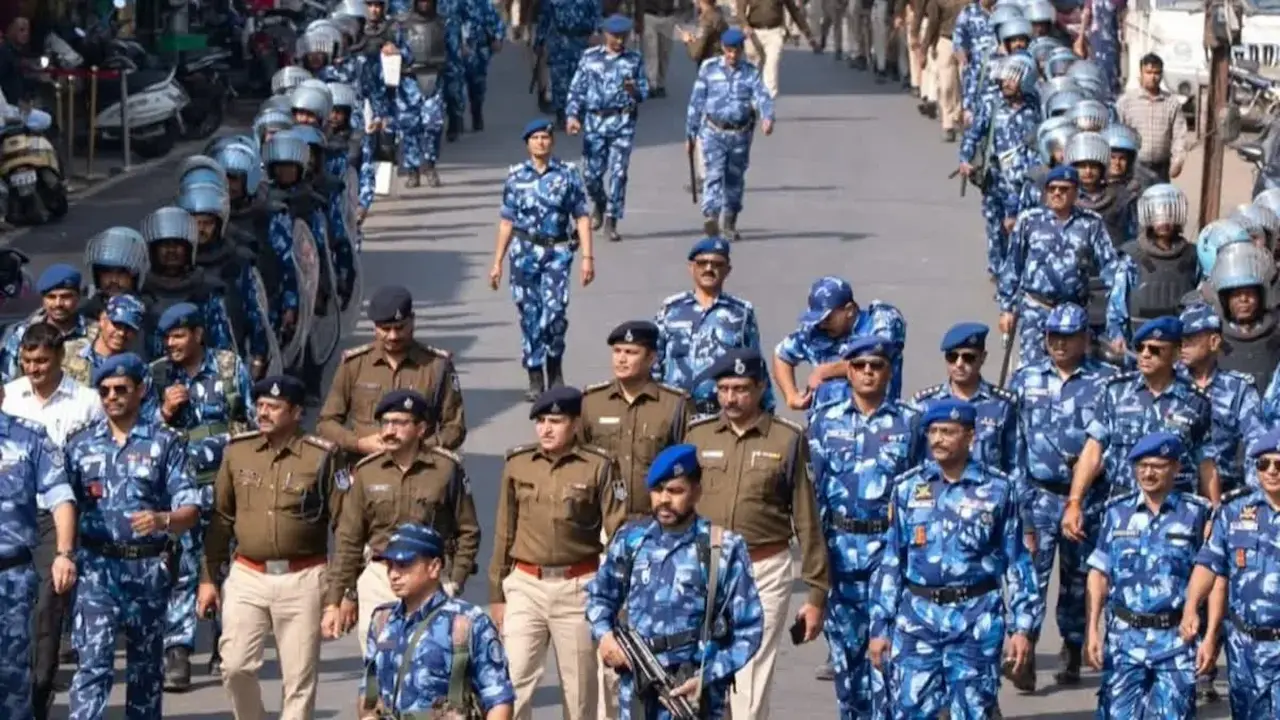
Security has been significantly tightened around the Bhojshala complex in Madhya Pradesh’s Dhar district ahead of the first Friday following the High Court verdict declaring the disputed site a Vagdevi temple. Officials said more than 1,500 police personnel, backed by drones and CCTV surveillance, have been deployed to maintain law and order.

The heightened security comes as the Bhoj Utsav Samiti has called on members of the Hindu community to gather for a collective “Akhand Puja” at the 11th-century Bhojshala complex on Friday, describing it as a historic occasion and claiming it marks the first such event in 721 years.

The Madhya Pradesh High Court on May 15 ruled that the disputed Bhojshala-Kamal Maula Mosque complex is a temple dedicated to Goddess Vagdevi (Saraswati). The court also quashed an earlier Archaeological Survey of India (ASI) order that permitted Muslims to offer Friday namaz at the site.

Prior to the ruling, Hindus were permitted to worship at the medieval monument only on Tuesdays, while Muslims had been offering prayers there on Fridays for years. Both communities had laid claim to the structure.

Dhar Superintendent of Police Sachin Sharma said a nine-layer security arrangement has been implemented around the complex. The security measures include vehicle checks, mobile patrols, drone monitoring and extensive CCTV surveillance.

Following the verdict, Hindu organisations held celebrations at the site earlier this week, including prayers and fireworks. In response, authorities convened a peace committee meeting on Wednesday attended by Collector Rajiv Ranjan Meena and SP Sharma.

Officials said the High Court’s directions would be implemented “in letter and spirit” and urged people not to fall for rumours or provocative social media content. Authorities also stressed that no new religious activity or tradition beyond what had previously been permitted would be allowed at the site.

Bhoj Utsav Samiti patron Ashok Jain said community members would gather at Dhan Mandi Square on Friday before proceeding in a procession to Bhojshala for a “Maha Aarti.”

“This Friday has come after 721 years and is linked to our self-respect. The entire Hindu community will offer prayers at Bhojshala,” Jain said.

He further claimed that Hindus had faced restrictions and recurring disputes over worship rights at the site for decades, especially during years when Basant Panchami coincided with Friday prayers.

Prashant Kishor Moves to Bihar Ashram, Vows to Stay There Until Next Poll Battle

prashant kishor, bihar ashram, bihar, jan suuraj party
Prashant Kishor Moves to Bihar Ashram, Vows to Stay There Until Next Poll Battle 10

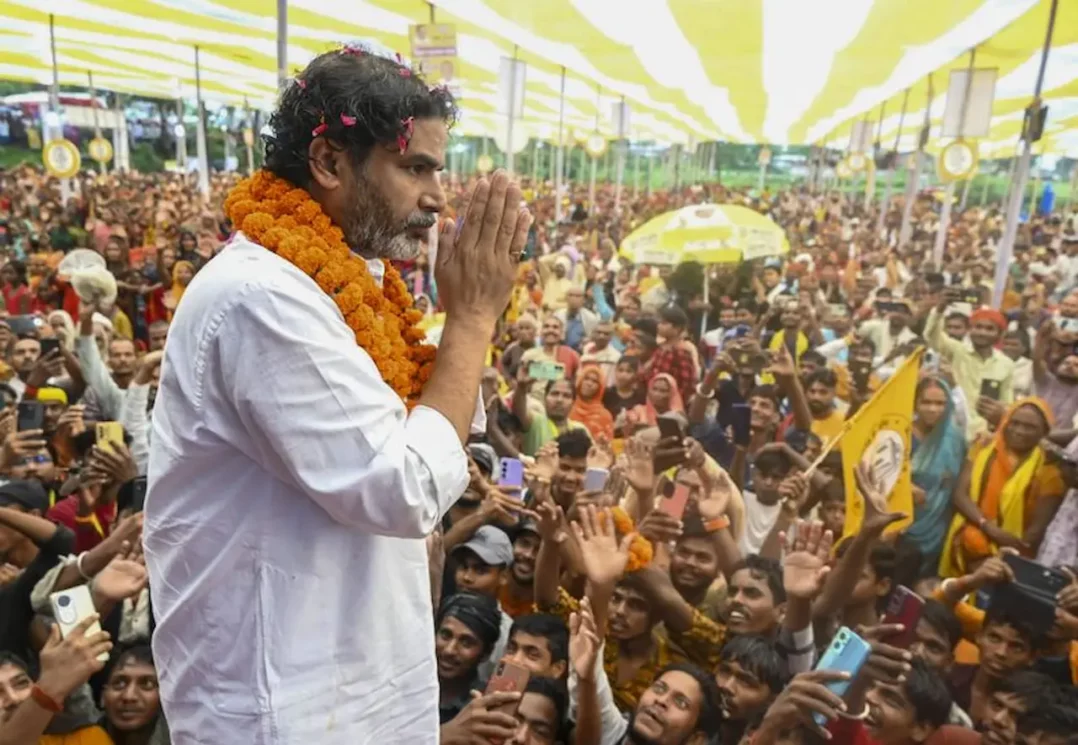
Jan Suraaj Party founder Prashant Kishor has shifted to an ashram on the outskirts of Patna, declaring that it will serve as his political base until the next Bihar Assembly elections, where he hopes his party will emerge as a significant force.

Speaking to reporters in Darbhanga on Wednesday, the 48-year-old political strategist-turned-politician said he moved out of his Patna residence on Tuesday night and relocated to the Bihar Navnirman Ashram near IIT-Patna.

“Last night I shifted out of the place in Patna where I had been living. The Bihar Navnirman Ashram shall be my abode till the next Assembly elections, when the Jan Suraaj Party will, hopefully, make an impact,” Kishor said.

Kishor, co-founder of Indian Political Action Committee (I-PAC), quit political consultancy and launched the Jan Suraaj Party in 2024. Until now, he had been operating from Sheikhpura House, a sprawling bungalow near Patna airport owned by the family of Jan Suraaj national president and former BJP MP Uday Singh.

During his interaction, Kishor also sharpened his criticism of former Bihar Chief Minister Nitish Kumar, who recently stepped down and moved to the Rajya Sabha.

“The person elected as chief minister could not stop migration caused by economic distress. Instead, he chose to migrate himself, but only after ensuring his son got a foothold,” Kishor said, referring to Nishant Kumar’s entry into the BJP-led government headed by Chief Minister Samrat Choudhary.

Appealing to voters ahead of future elections, Kishor urged people to cast votes based on their interests and future aspirations rather than caste, religion or financial inducements.

“The people of Bihar should think about the future of their own children while voting. They should not be swayed by leaders like Narendra Modi, Nitish Kumar or Lalu Prasad, nor sell their votes for Rs 10,000,” he remarked.

The statement was viewed as an indirect reference to the Mukhyamantri Mahila Rojgar Yojana, under which over 1.5 crore women reportedly received financial assistance.

Kishor also warned about potential economic challenges arising from geopolitical tensions in West Asia. He claimed fuel prices could increase sharply and shortages of fertilisers may worsen.

“People may witness petrol and diesel prices increasing by up to Rs 10 per litre. Farmers who previously complained about black marketing may now face actual shortages,” he said.

Targeting the current administration, Kishor accused the government of extravagance despite Bihar being among India’s poorest states.

“Bihar is the poorest state in the country, yet its chief minister lives in a 25-acre residence. The cost of maintaining it must be enormous,” he alleged.

The move to the ashram and Kishor’s political messaging come as Jan Suraaj attempts to position itself as an alternative force in Bihar’s evolving political landscape.

No Injectable Cosmetic Products Allowed, CDSCO Issues Strict Warning to Clinics

injectable cosmetic products, injectable, cosmetic products, cdsco, cosmetic
No Injectable Cosmetic Products Allowed, CDSCO Issues Strict Warning to Clinics 12

The Central Drugs Standard Control Organisation (CDSCO) has clarified that cosmetic products supplied in injectable form do not fall under the legal definition of cosmetics and are not permitted for use by consumers, medical professionals or aesthetic clinics.

The advisory comes amid the increasing popularity of injectable aesthetic procedures being marketed as “cosmetic treatments” at beauty clinics and wellness centres across the country.

According to sources, the clarification aims to prevent the misuse of cosmetic products for treatment purposes and ensure consumer safety as non-surgical aesthetic procedures gain traction, particularly in urban areas and through social media-driven promotions.

The move is also intended to curb misleading advertisements and unauthorised cosmetic practices being carried out by clinics and individuals.

In a public notice issued on May 18, the central regulator stated that cosmetics are legally intended only to be “rubbed, poured, sprinkled or sprayed” on the body for cleansing, beautification, enhancing attractiveness or altering appearance.

“Products supplied in injectable form do not fall under the definition of cosmetics. No cosmetic is permitted to be used as an injection by consumers, professionals or aesthetic clinics,” the notice stated.

The regulator further warned against misleading claims and the use of prohibited ingredients in cosmetic products, stating that such violations could invite action under the Drugs and Cosmetics Act and the Cosmetics Rules, 2020.

The CDSCO also stressed that cosmetic products can only be used for their intended purpose and cannot be administered as treatments by professionals or individuals.

Additionally, the regulator noted that the list of Generally Not Recognised As Safe (GNRAS) and restricted ingredients is available through the Bureau of Indian Standards (BIS).

The public has also been encouraged to report any misleading practices or violations to regulatory authorities through email or state licensing agencies.

Twisha Sharma Autopsy Reveals Suicide by Hanging, No Drugs Found in Body

twisha sharma, samarth singh, bhopal murder case, bhopal
Twisha Sharma Autopsy Reveals Suicide by Hanging, No Drugs Found in Body 14

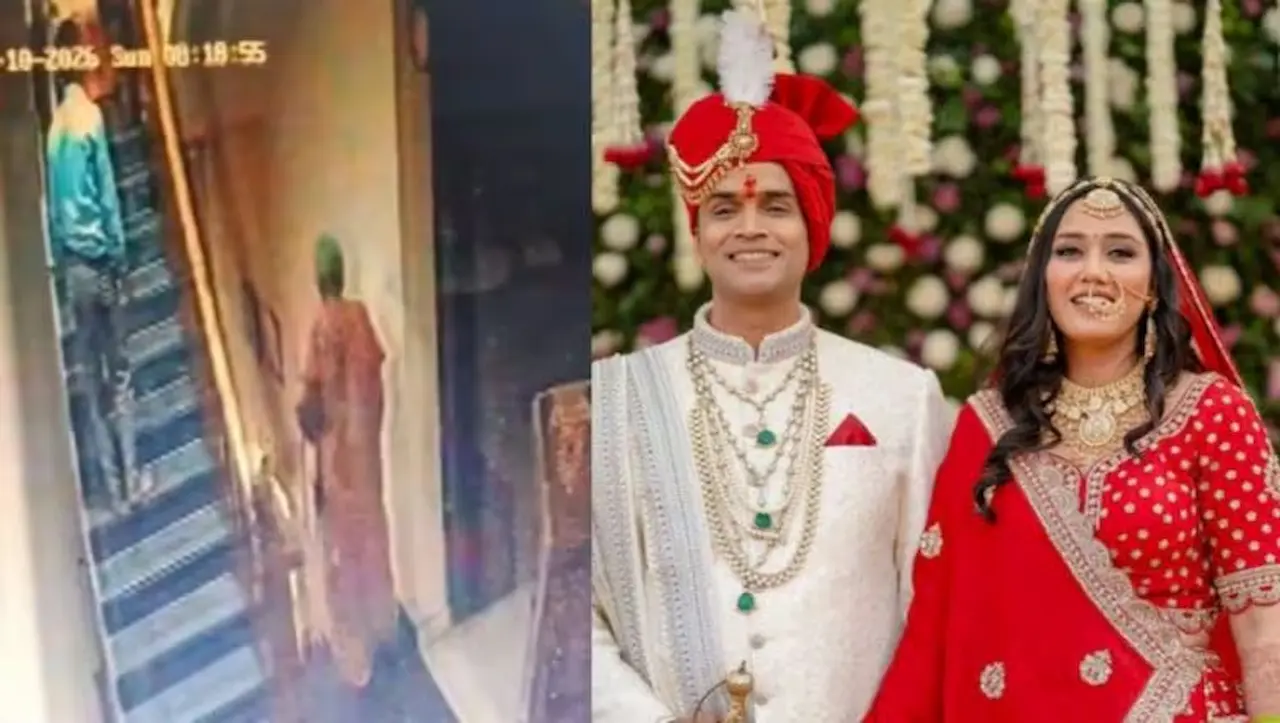
The post-mortem report in the death of 33-year-old Twisha Sharma has concluded that she died due to “antemortem hanging by ligature,” adding a significant development to the ongoing investigation that has triggered allegations of murder and dowry harassment from her family.

The autopsy, conducted by the Department of Forensic Medicine and Toxicology at AIIMS Bhopal, stated that Twisha was found hanging from a gymnastic ring rope on the terrace of her residence at around 10:26 pm on May 12.

The report identified double reddish-patterned ligature marks around the upper third of her neck, with the skin underneath described as dry, hard and “parchmentised.” It also noted that the ligature mark was incomplete at the back of the neck, a detail often examined in hanging cases.

Doctors documented multiple signs consistent with asphyxia, including facial congestion, bluish discolouration of the ears and fingernails, along with petechial haemorrhages in one eye.

The autopsy further recorded several ante-mortem blunt-force injuries on different parts of the body, including abrasions on the neck and bruises on the left arm, forearm, right wrist, right index finger and beneath the scalp. However, the medical board classified these as simple ante-mortem injuries and concluded that the primary cause of death was hanging.

The report also stated that no drugs were found in Twisha’s body, contradicting earlier claims made publicly by her mother-in-law, Giribala Singh, who had alleged that Twisha consumed prohibited substances and marijuana.

Twisha’s family has consistently maintained that she was subjected to mental torture and dowry harassment after marriage and has accused her in-laws of involvement in her death.

The family has also demanded a second post-mortem examination, alleging that the earlier process was incomplete.

Meanwhile, police have urged the family to take possession of Twisha’s body, which has remained in the mortuary for an extended period.

In a communication to the family, police said the body was currently being stored at minus four degrees Celsius at the AIIMS Bhopal mortuary and warned that prolonged storage could lead to decomposition, as facilities to preserve the body at minus 80 degrees Celsius were unavailable.

The case continues to draw public attention as investigations into the circumstances surrounding Twisha Sharma’s death remain underway.

No Fuel Crisis in Maharashtra, Don’t Panic Buy: Fadnavis Dismisses Shortage Claims

fadnavis, cm, chief minister, maharashtra, fuel crisis, devendra fadnavis
No Fuel Crisis in Maharashtra, Don’t Panic Buy: Fadnavis Dismisses Shortage Claims 16

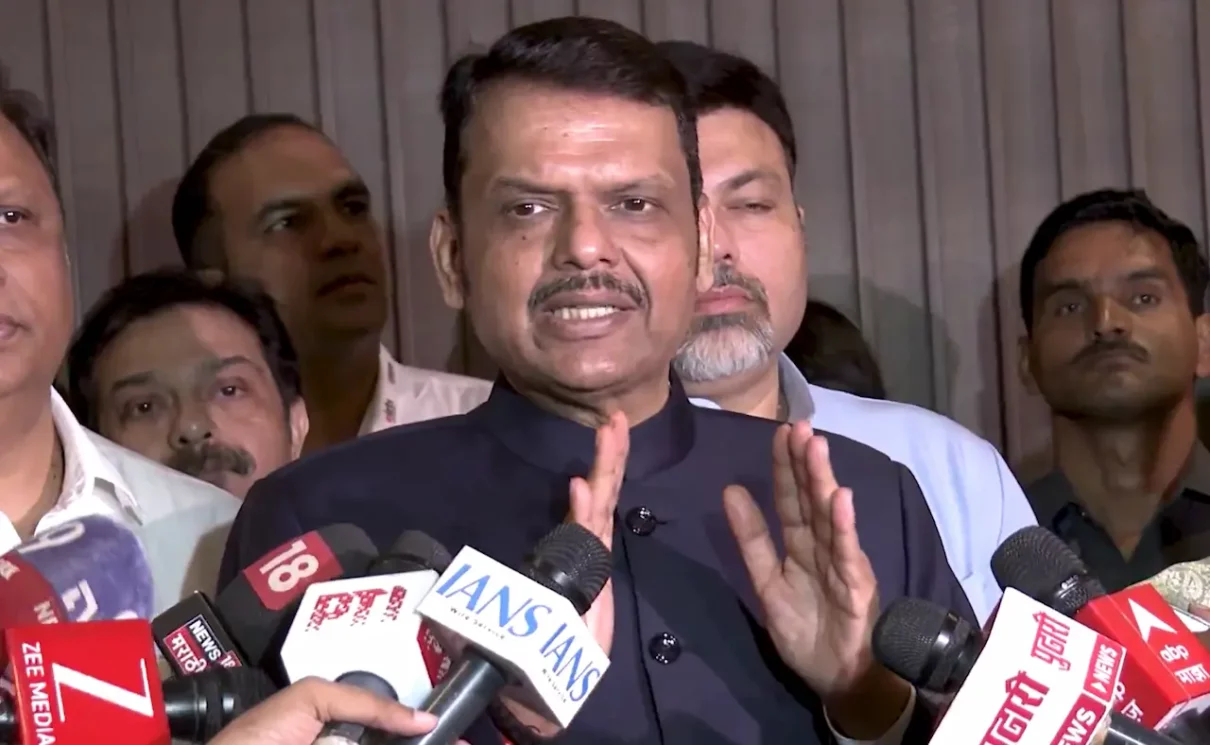
Maharashtra Chief Minister Devendra Fadnavis on Wednesday dismissed concerns over an alleged petrol and diesel shortage in the state and urged citizens not to engage in panic buying, asserting that fuel supplies remain sufficient across Maharashtra.

Responding to claims made by NCP (SP) leader Jayant Patil regarding an alleged shortage of fuel for police vehicles in Nagpur, Fadnavis said there was no scarcity of petrol or diesel and blamed panic-driven stockpiling for creating temporary disruptions.

“There is an adequate supply of petrol and diesel in Maharashtra. Panic buying disrupts the supply chain that has evolved over several years,” Fadnavis said.

Explaining the impact of sudden demand surges, the chief minister compared the situation to banking systems.

“If everyone withdraws money from a bank simultaneously, the bank may not immediately have that level of liquidity because systems function according to routine demand patterns. The same principle applies to fuel supply chains,” he said.

Fadnavis stressed that unnecessary stockpiling by consumers disturbs the balance of supply and demand and can create temporary shortages despite sufficient reserves.

“Whenever panic is created and people begin purchasing more fuel than required, the supply chain gets affected. That is what creates short-term shortages,” he added.

The chief minister also rejected Jayant Patil’s remarks that police in Nagpur allegedly faced operational difficulties due to a lack of diesel.

“Jayant Patil made serious allegations claiming police were unable to investigate a crime because of diesel shortages and suggested the double-engine government had run out of fuel. There is no such issue anywhere concerning fuel availability for police vehicles,” Fadnavis said.

He further claimed that action had already been taken against the individual who allegedly circulated such misinformation.

Earlier in the day, Jayant Patil had criticised the government over reports of fuel shortages in parts of the state and, in a post on X, questioned whether “even the oil in the engines of the double-engine government had run out.”

The exchange comes amid concerns in some areas over fuel availability, although the state government has maintained that supplies remain normal.

Chandranath Rath Murder Case: Key Conspiracy Accused ‘Pampam Rai’ Arrested in Varanasi

chandranath rath murder, pampam rai, rai, murder
Chandranath Rath Murder Case: Key Conspiracy Accused 'Pampam Rai' Arrested in Varanasi 18

In a major breakthrough in the Chandranath Rath murder investigation, Vinay Rai, alias Pampam Rai, a key accused allegedly involved in the conspiracy behind the killing, was arrested in Uttar Pradesh’s Varanasi on Monday night, according to reports.

Rai, considered a dreaded criminal and history-sheeter, is the fifth person to be arrested in connection with the sensational murder case involving Chandranath Rath, the executive assistant to senior BJP leader and West Bengal Chief Minister Suvendu Adhikari.

Following his arrest, Rai was produced before the Chief Judicial Magistrate’s court in Varanasi, which granted the Central Bureau of Investigation (CBI) transit remand until 6 pm on May 21, regional media reports stated.

A resident of Deoria village in the Zamania region of Uttar Pradesh’s Ghazipur district, Rai is believed to operate a truck transport business across Bihar and Jharkhand. Police records reportedly show multiple serious criminal cases registered against him in Ghazipur and Delhi, including charges of murder, attempted murder and criminal conspiracy.

Meanwhile, reports regarding the alleged surrender of another accused, Santosh Rai, in Bihar remained unconfirmed as of Tuesday.

Earlier, on May 11, the CBI arrested another accused, Raj Kumar Singh, from Muzaffarnagar in connection with the case. Though not considered a hardened criminal, Singh was reportedly known for involvement in local altercations and maintaining minimal contact with villagers.

Chandranath Rath was shot dead in Madhyamgram on May 6, just two days after the declaration of the fiercely contested West Bengal Assembly election results. The killing took place on a public road in the Doharia area of Madhyamgram, sending shockwaves through the state’s political circles.

The high-profile case continues to remain under intense scrutiny as investigators pursue all possible links behind the murder conspiracy.

‘Godman’ Ashok Kharat Sent to ED Custody Till May 26 in Rs 70 Crore Money Laundering Case

ashok karat, pmla court, ed, enforcement directorate, godman
'Godman' Ashok Kharat Sent to ED Custody Till May 26 in Rs 70 Crore Money Laundering Case 20

A Special PMLA Court on Wednesday remanded self-styled godman Ashok Kharat to Enforcement Directorate (ED) custody till May 26 in connection with an alleged Rs 70 crore money laundering case.

Kharat, who is already facing multiple charges including rape, fraud and sexual exploitation, was produced before the court after being arrested by the ED on Tuesday. The central agency had sought his custodial interrogation for 10 days to facilitate a detailed probe into the alleged financial irregularities.

The ED registered a case against Kharat under the Prevention of Money Laundering Act (PMLA) on April 6 after taking cognisance of a Nashik Police FIR. The case involves allegations of extortion, religious manipulation and drug-facilitated assaults on multiple women.

Apart from the money laundering investigation, Kharat faces several FIRs related to rape and sexual exploitation. He was arrested by Nashik Police on March 18 after a married woman accused him of repeatedly raping her over a period of three years.

According to the ED, Kharat allegedly orchestrated a large-scale extortion network and laundered more than Rs 70 crore through a complex web of benami bank accounts. Investigators suspect that the funds were routed through accounts held in others’ names to conceal the true ownership and source of money.

A Special Investigation Team (SIT) is currently probing 12 separate cases involving allegations of sexual exploitation and financial fraud against Kharat across Nashik and Ahilyanagar districts.

Before his ED arrest, Kharat was lodged in judicial custody in Nashik and was later brought to Mumbai on a production warrant for further proceedings.