Home Blog Page 74

Operation Sindoor: Why Was the Red Flag Raised When Victory Was Within Reach?

operation sindoor, narendra modi, pm modi, modi, india-pakistan conflict, tensions, war
Operation Sindoor: Why Was the Red Flag Raised When Victory Was Within Reach? 2

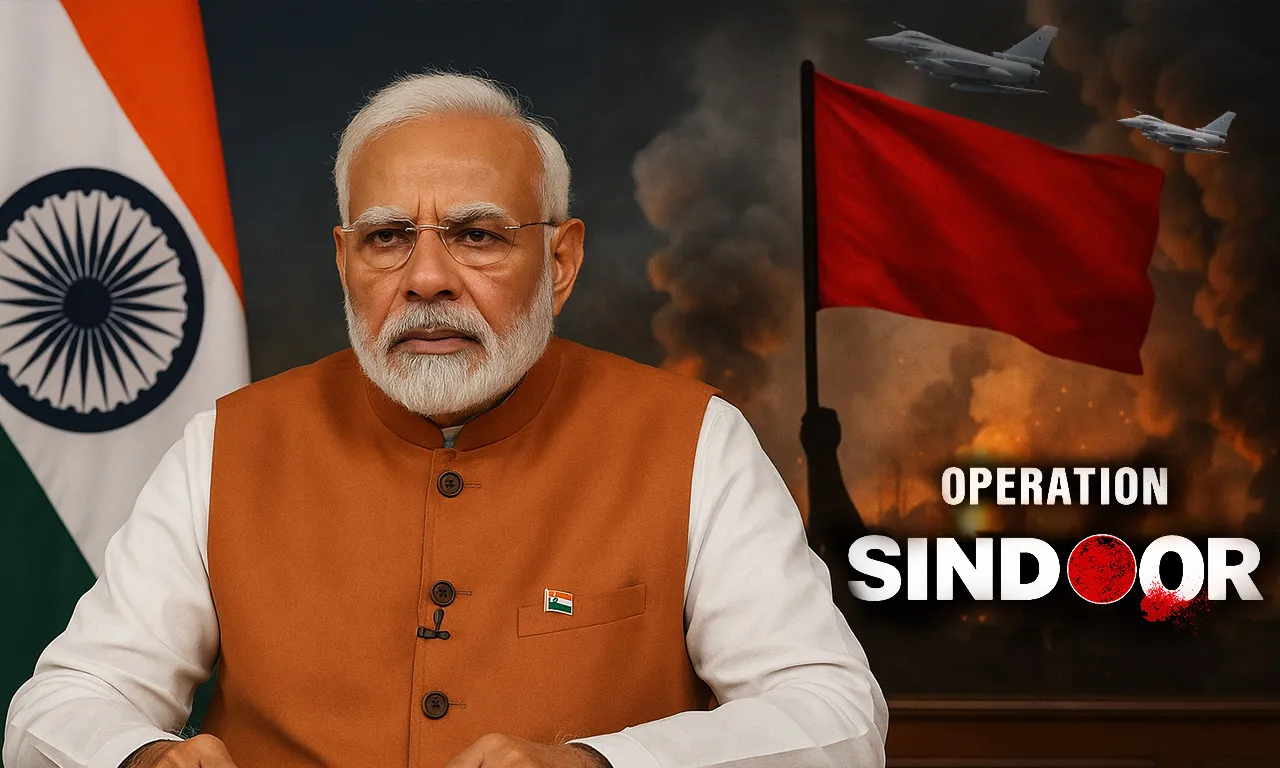
Prime Minister Narendra Modi’s address to the nation following the ceasefire announcement between India and Pakistan left many critical questions unanswered. At a time when India’s armed forces were inflicting heavy losses on Pakistan through swift and strategic drone and missile operations, why was a sudden halt called? What compelled the government to show a red flag when momentum was decisively in India’s favour?

Operation Sindoor had brought Pakistan to its knees within just four days. The Pakistani military suffered major losses, with numerous soldiers killed and key defence infrastructure—including radar systems and terrorist launch pads—systematically dismantled. India’s precision airstrikes reportedly destroyed nine terrorist camps, eliminating over 100 militants. From diplomatic protests to economic sanctions, water embargoes, and the expulsion of Pakistani nationals, India had escalated its strategy step-by-step with unprecedented resolve.

Then came the decisive military action—surgical strikes, coordinated assaults by land, sea, and air, and the deployment of BrahMos missiles with devastating impact. Pakistan, in retaliation, attempted missile strikes on Indian military bases in Jammu & Kashmir, Punjab, Rajasthan, and Gujarat, all of which were intercepted and neutralised by India’s defence systems. With both nations being nuclear powers, global concerns of a catastrophic escalation were valid—but so was India’s right to defend itself.

So, the question that haunts every patriotic Indian today is: Why was Operation Sindoor called off just as Pakistan was reeling under pressure? Why did India retreat from the battlefield when a clear message of zero tolerance toward terrorism was finally being delivered with impact?

The Prime Minister’s speech was loaded with strong warnings to Pakistan. He made it clear that India would no longer tolerate nuclear blackmail and that any future talks would only center on terrorism and Pakistan-occupied Kashmir. He rightly asserted that “terror and talks cannot go hand in hand” and that “water and blood cannot flow together.” Yet, the emotional intensity and moral clarity of his words contrast starkly with the strategic ambiguity of the ceasefire itself.

The deeper concern remains: How can India trust a nation that has consistently exported terrorism across its borders? Since Partition, Pakistan has bled India through countless terror attacks. Decades of goodwill gestures, peace talks, and diplomatic overtures have only been met with betrayal. Each ceasefire has been followed by more infiltration, more bloodshed, more widows and orphans—most recently seen in the Pahalgam massacre that left 26 Indian women widowed.

It is in this context that the timing and nature of the ceasefire raise alarms. Was it India’s sovereign decision, or was it brokered under international pressure?

Adding to the complexity is the statement by U.S. President Donald Trump, who hastily took credit for brokering the ceasefire. Trump publicly declared that the U.S. had “stopped a nuclear war” and even threatened economic consequences for both countries if hostilities didn’t cease. He proclaimed that America would now “monitor both nations closely”. Yet, Prime Minister Modi’s speech made no mention of the U.S., Trump, or any mediation role by a foreign power. This stark contrast between the U.S. narrative and India’s official communication begs the question: Was India compelled to stop Operation Sindoor due to foreign pressure, and if so, why is the government not being transparent about it?

The Indian public, swelling with pride in the armed forces, now finds itself in a moral quagmire. On one hand, they witnessed the nation’s unmatched military and strategic capability; on the other, they are left wondering why that strength was restrained just as Pakistan was cornered. Was the decision to halt the operation a matter of political diplomacy, economic pragmatism, or external coercion?

The government owes the people of India an honest explanation. If Operation Sindoor was halted as a strategic pause, what is the long-term plan to ensure Pakistan never dares to repeat its crimes? If the decision was influenced externally, why wasn’t the nation taken into confidence? And above all, how long must India continue the cycle of forgiving a rogue neighbor that thrives on bloodshed and terrorism?

The nation stood united behind Operation Sindoor. The ceasefire has left behind more than just silence on the border—it has left behind unanswered questions and an uneasy silence in the hearts of millions.
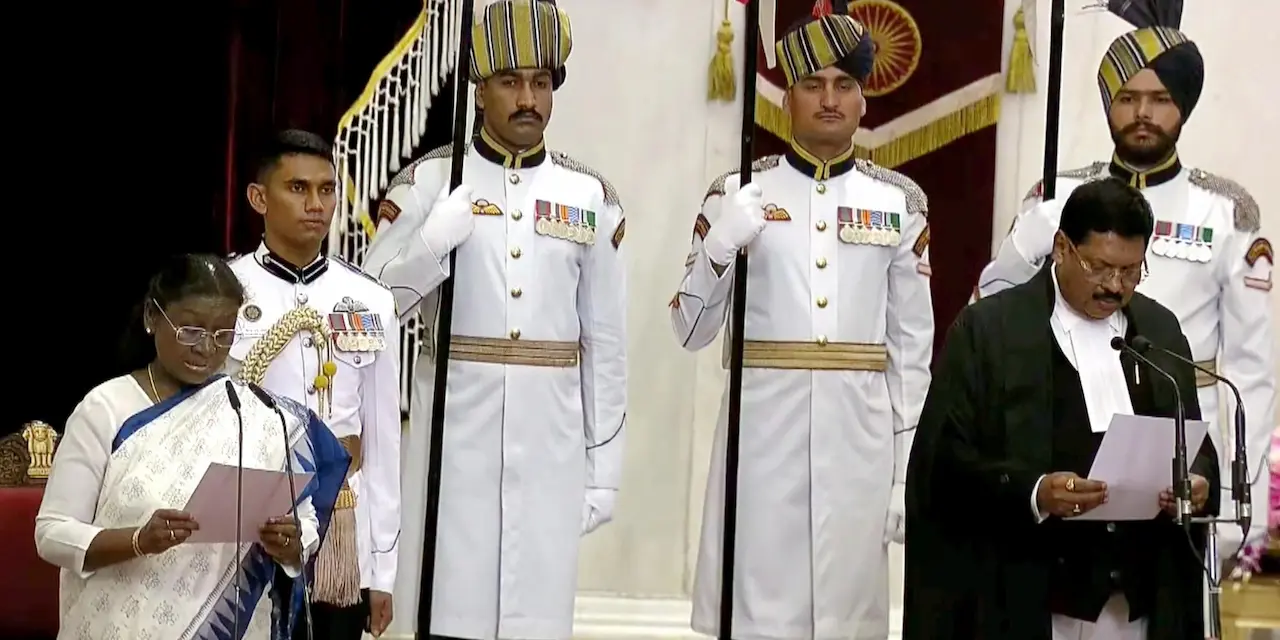
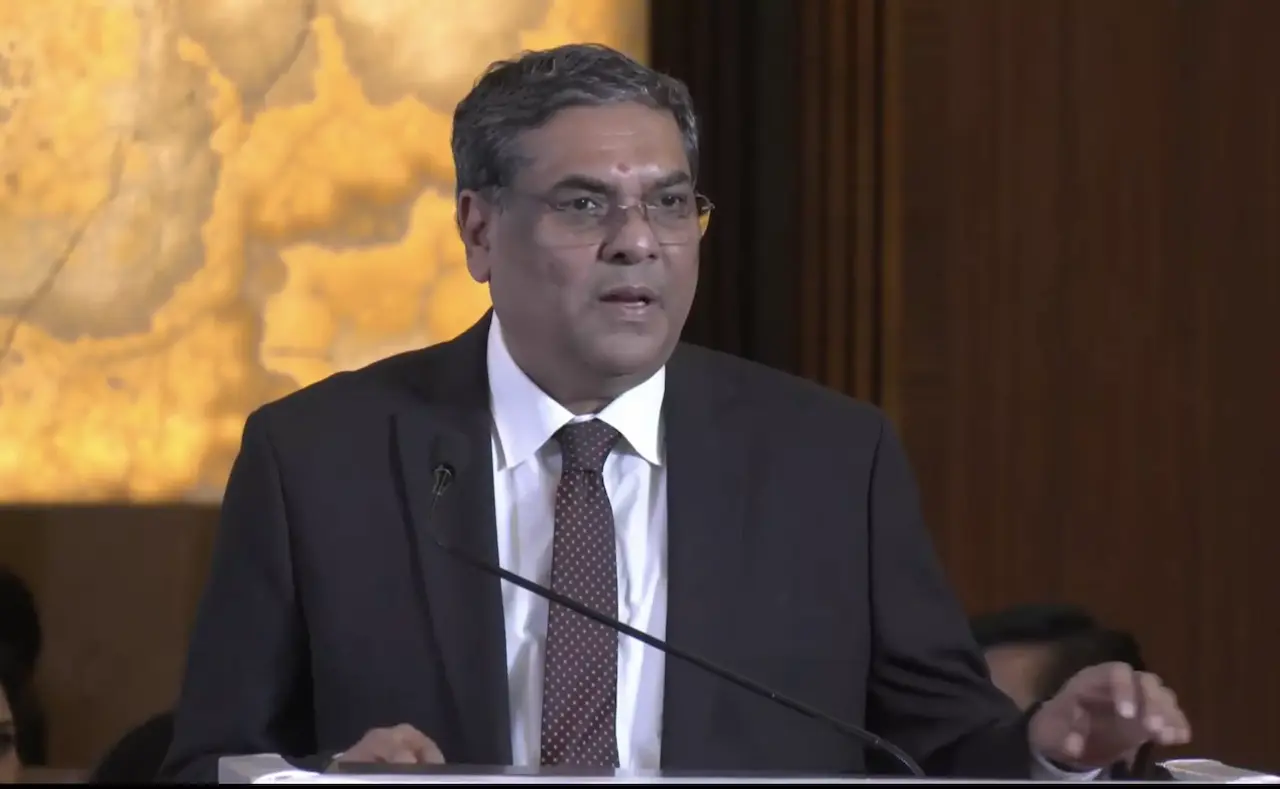
Historic First: Justice B.R. Gavai Sworn in as 52nd CJI, to Serve Six-Month Term

BR Gavai, Justice, Chief Justice of India, Supreme Court
Historic First: Justice B.R. Gavai Sworn in as 52nd CJI, to Serve Six-Month Term 4

Justice Bhushan Ramkrishna Gavai was sworn in as the 52nd Chief Justice of India on Wednesday in a ceremony held at Rashtrapati Bhavan. President Droupadi Murmu administered the oath of office in a brief but significant event that marked the beginning of Justice Gavai’s six-month tenure.

He succeeds Justice Sanjiv Khanna, who retired on Tuesday after reaching the mandatory retirement age of 65. Notably, Justice Gavai took his oath in Hindi, a rare gesture for a Chief Justice of India.

Elevated to the Supreme Court on May 24, 2019, Justice Gavai brings with him years of judicial experience. He will hold office until November 23, making his term relatively short, but symbolically important.

“No Post-Retirement Perks for Me”: CJI Sanjiv Khanna Bows Out, Takes Stand on Judicial Integrity

cji sanjiv khanna, chief justice of india, justice retirement, justice khanna, supreme court, sc
"No Post-Retirement Perks for Me": CJI Sanjiv Khanna Bows Out, Takes Stand on Judicial Integrity 6

Chief Justice of India Sanjiv Khanna on Tuesday firmly declared that he would not accept any official post-retirement assignments, even as he vowed to continue contributing to the legal field. “I will not accept any post-retirement post… perhaps will do something with law,” he told journalists after his final day at the Supreme Court.

Justice Khanna, who joined the apex court on January 18, 2029, and took over as CJI on November 11, 2024, demitted office on Tuesday. Speaking informally after the ceremonial bench proceedings, he hinted at beginning a “third innings” in the legal world, joining a handful of former judges who have chosen not to enter arbitration or government-appointed roles post-retirement.

When asked about the recent controversy involving High Court judge Justice Yashwant Varma, who was embroiled in a cash recovery case, the CJI remarked, “Judicial thinking has to be decisive and adjudicatory. We see plus and minus points and decide the issue, then rationally weigh various factors to make the right decision.”

Justice Khanna had acted promptly following reports of unaccounted cash allegedly linked to Justice Varma. He ordered a preliminary inquiry led by Delhi High Court Chief Justice D.K. Upadhyaya, removed Varma’s judicial duties, and transferred him to the Allahabad High Court without any court work. After an in-house inquiry found Varma guilty, Khanna urged him to resign. When the judge refused, he formally wrote to President Droupadi Murmu and Prime Minister Narendra Modi, seeking further action.

Meanwhile, CJI-designate Justice B.R. Gavai has also declined to take up any official post-retirement role, signaling a rare moment of ethical clarity at the top of the judiciary.

Three Lashkar Terrorists Gunned Down in Fiery Shopian Encounter

shopian encounter, shopian, lashkar, terrorist, pakistan, lashkar-e-taiba
Three Lashkar Terrorists Gunned Down in Fiery Shopian Encounter 8

Three terrorists affiliated with the Pakistan-backed Lashkar-e-Taiba were killed in a fierce gunfight with security forces in the Shukroo forest area of Kellar in South Kashmir’s Shopian district. Acting on specific intelligence about terrorist presence, security forces launched a massive cordon and search operation early Monday morning.

As police and army personnel began combing the dense forest, the hiding terrorists opened fire, triggering a retaliatory gun battle. In the ensuing exchange of fire, all three militants were neutralized. While the identities of the slain terrorists are yet to be officially confirmed, the operation is being hailed as a significant blow to terrorist activities in the region.

TMC Admits to Releasing Contaminated Water; Thane Residents Face 15-Hour Water Cut

thane, water cut, may, mumbra, kalwa, diva, water work, no water
TMC Admits to Releasing Contaminated Water; Thane Residents Face 15-Hour Water Cut 10

In a serious lapse, the Maharashtra Industrial Development Corporation’s (MIDC) Jambhul Water Purification Centre released 1,800 meters of impure water into the supply system, prompting an emergency shutdown in several parts of Thane. The Thane Municipal Corporation (TMC) confirmed that a 1-metre diameter water pipeline had suffered significant damage and is currently undergoing urgent repairs.

The impact of the contamination and pipeline damage is being felt most acutely in Mumbra, Kalwa, and Diva, where residents are facing a complete water supply cut for an estimated 12 to 15 hours. Officials stated that repair work began immediately after the issue was identified and is progressing on a war footing.

The MIDC and TMC have urged residents to cooperate during the shutdown, assuring that normal water supply will resume as soon as the maintenance work is complete. However, the incident has raised concerns among citizens about infrastructure readiness and water safety in the region.

Fadnavis Rings Alarm Bells: Maharashtra Gears Up for Terror Threats Amid India-Pakistan Tensions

cm, fadnavis, devendra fadnavis, Operation Sindoor, India Pakistan tensions
Fadnavis Rings Alarm Bells: Maharashtra Gears Up for Terror Threats Amid India-Pakistan Tensions 12

Amid heightened tensions between India and Pakistan, Maharashtra Chief Minister Devendra Fadnavis convened a high-level Civil-Military Coordination meeting at his official residence ‘Varsha’ in Mumbai on Monday, signalling the state’s strategic urgency to shield vital infrastructure and economic assets from potential terror threats.

Fadnavis lauded the Indian Armed Forces for their precision during Operation Sindoor, describing their response as “unprecedented” and a testament to India’s military readiness. He emphasized Mumbai’s critical role as the nation’s financial capital, warning that any disruption or terror strike on the city would reverberate through the country’s entire economic structure.

Calling for robust intelligence sharing and a fortified cyber security framework, the Chief Minister directed the creation of an independent mechanism to ensure seamless coordination between the state machinery and the defence forces. He underlined the importance of frequent information exchange and real-time communication among top officials to counter any emerging threats swiftly and effectively.

The meeting saw the participation of Maharashtra Deputy Chief Ministers Eknath Shinde and Ajit Pawar, along with senior military leaders including Lt Gen Pawan Chadha (Army), Rear Admiral Anil Jaggi (Navy), and Air Vice Marshal Rajat Mohan (Air Force). Also present were Maharashtra Director General of Police Rashmi Shukla, Mumbai Police Commissioner Deven Bharti, and top brass from the Home and Intelligence Departments.

Key stakeholders from vital institutions such as the Reserve Bank of India, Jawaharlal Nehru Port Trust, Bombay Port Trust, Bombay Stock Exchange, National Stock Exchange, Anti-Terrorism Squad, and Home Guards were also part of the strategic session.

Fadnavis’ strong remarks and the composition of the meeting indicate a heightened state of alert and preparedness across Maharashtra, particularly in Mumbai — a city long seen as both a financial hub and a prime terror target.

Troll Army Targets India’s Foreign Secretary: Diplomats, NCW, and Politicians Slam Online Abuse

vikram misri, misri, foreign minister, troll, india-pakistan conflict, pakistan, pak, ceasefire
Troll Army Targets India's Foreign Secretary: Diplomats, NCW, and Politicians Slam Online Abuse 14

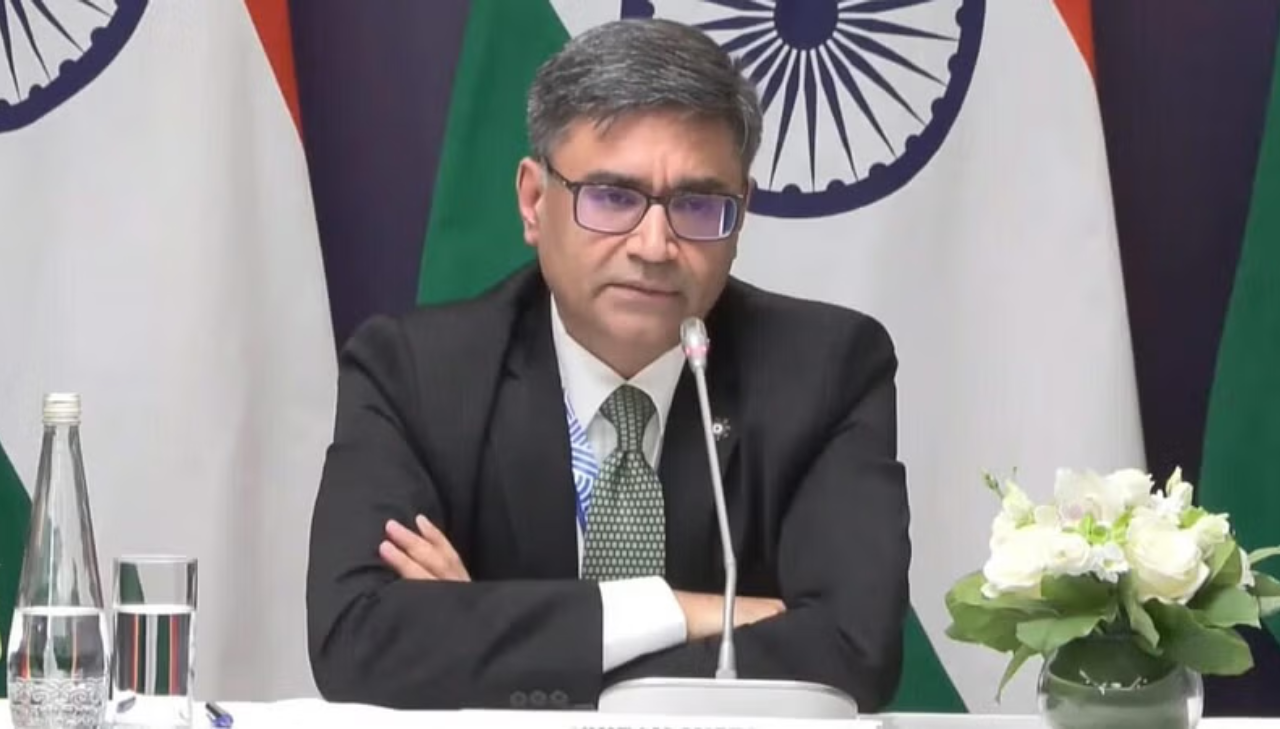
Foreign Secretary Vikram Misri has come under a storm of online abuse following his announcement of a ceasefire understanding between India and Pakistan on May 10. The trolling, which extended to his family and even led to the doxxing of his daughter, has sparked outrage among veteran diplomats, politicians, and the National Commission for Women (NCW), all of whom have condemned the attacks and demanded accountability.

The Delhi-based Association of Indian Diplomats issued a scathing statement, calling the trolling “appalling and completely unacceptable,” and described Misri as an outstanding professional with an impeccable track record. Former foreign secretary Nirupama Menon Rao, AIMIM chief Asaduddin Owaisi, and Samajwadi Party leader Akhilesh Yadav have also voiced strong support for Misri, criticising those targeting him for executing a decision taken at the highest levels of government.

Misri, who took over as Foreign Secretary on July 15, 2024, is a seasoned diplomat from the 1989 batch of the Indian Foreign Service. His career spans crucial roles in the Ministry of External Affairs, the Prime Minister’s Office, and Indian missions across continents. His current role placed him at the forefront of India’s diplomatic messaging around Operation Sindoor, amid intense military tensions between India and Pakistan.

On May 11, Misri announced that the director generals of military operations from both sides had agreed to halt all military actions by land, air, and sea with immediate effect. This statement followed days of cross-border drone and missile strikes and came shortly after U.S. President Donald Trump claimed the ceasefire had been mediated by Washington.

The ceasefire announcement, however, triggered a wave of trolling against Misri, blaming him personally for the decision. Akhilesh Yadav, in a detailed post on X, condemned the abuse, stating that it demoralises honest officers who work tirelessly for the nation. He accused the BJP government of failing to protect its officers from such attacks and called out the silence of Union ministers.

Former Foreign Secretary Rao called the trolling of Misri and the doxxing of his daughter “utterly shameful,” asserting that it crosses every line of decency. “This toxic hate must stop. Stand united behind our diplomats, not tear them down,” she posted.

Owaisi echoed these sentiments, stressing that civil servants like Misri operate under the executive’s orders and should not be scapegoated for policy decisions.

NCW Chairperson Vijaya Rahatkar also issued a statement denouncing the online harassment. She called the public sharing of Misri’s daughter’s personal details a grossly irresponsible and morally indefensible act. The NCW urged citizens to uphold dignity and responsible behaviour, both online and offline.

The backlash against the trolling highlights the increasingly toxic digital environment facing public servants and raises urgent questions about online accountability, personal security, and the politicisation of professional diplomatic actions.

Return Home, Ceasefire Holds: Omar Abdullah Hits Back at Pakistan’s Shelling and Propaganda

omar abdullah, kashmir, families, abdullah, pok, shelling, pakistan
Return Home, Ceasefire Holds: Omar Abdullah Hits Back at Pakistan's Shelling and Propaganda 16

Jammu and Kashmir Chief Minister Omar Abdullah has urged residents who fled their homes during the recent Pakistani shelling to return, stating that a ceasefire understanding is now in place between the two nations. Calling the situation in the Poonch district “war-like,” Abdullah said 80 to 90 percent of the town had been evacuated amid the intense cross-border bombardment, but conditions had now stabilized.

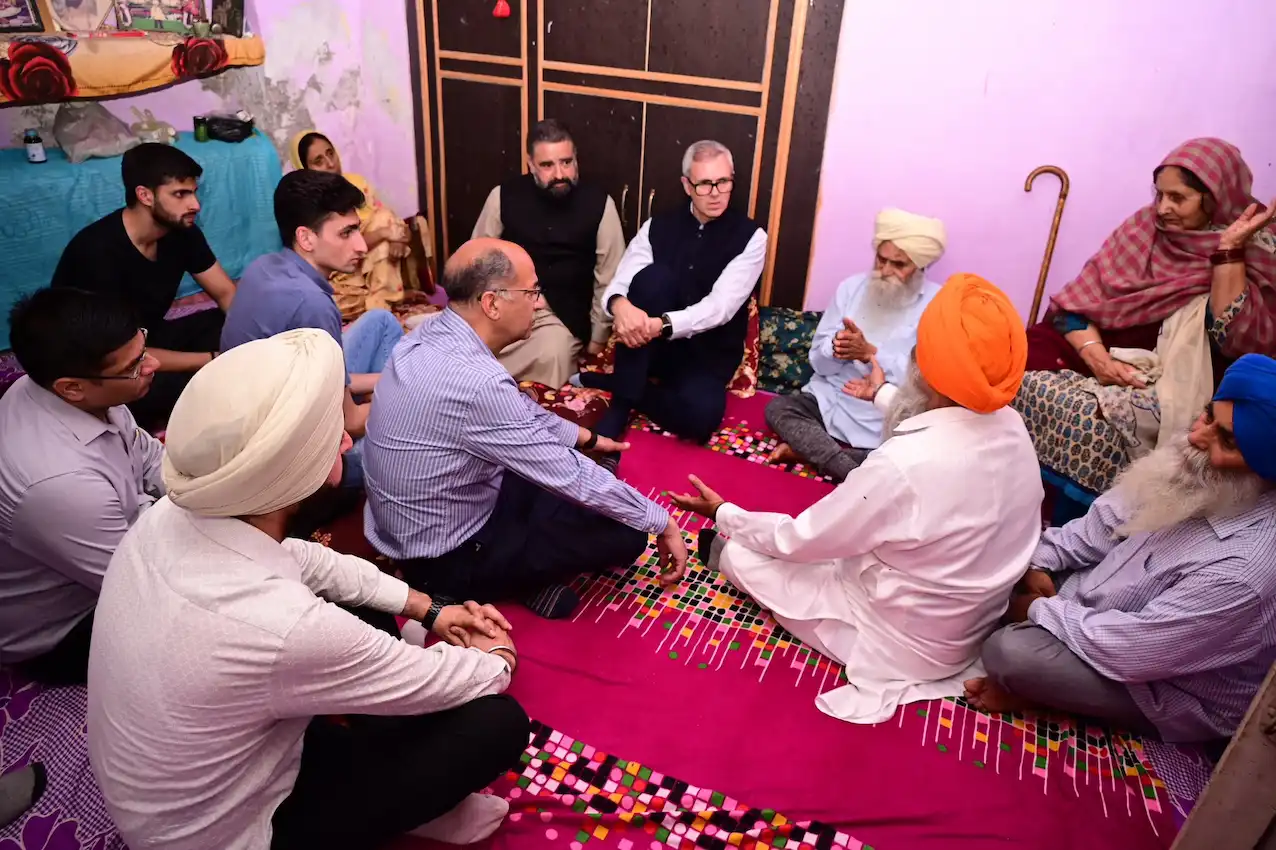
Speaking to reporters after visiting affected areas in Poonch and Surankote, accompanied by cabinet colleague Javed Rana, Advisor Nasir Aslam Wani, and MLA Aijaz Jan, Abdullah underscored the need to construct permanent bunkers to safeguard civilians in future escalations. His sons, Zamir and Zahir, were also present during the visit, reflecting the CM’s personal commitment to those impacted.

Abdullah revealed that Poonch witnessed the worst shelling along the Line of Control, with shells falling directly inside populated town areas for the first time. Thirteen civilians lost their lives in the barrage. “My purpose today is to visit the homes where these tragedies occurred,” he said.

He praised the residents of Poonch for maintaining communal harmony in the face of provocation. “Despite such immense pressure, the people upheld unity among Hindus, Muslims, and Sikhs,” he noted. Responding to questions about whether religious sites were targeted, Abdullah said the shelling was indiscriminate and reckless, hitting areas around madrassas, temples, dargahs, and gurdwaras, but not intentionally targeting them.

He dismissed Pakistan’s military propaganda, calling it a futile attempt to distort the truth. “They will keep pushing their propaganda, but the reality is known to you, to me, and to the world,” he remarked. Abdullah emphasized that while the situation on the ground has calmed over the past 24 hours, constant vigilance and preparedness remain crucial.

Directives have been issued to administrative heads in Poonch, Rajouri, Jammu, Baramulla, Kupwara, and Bandipora to assess the structural damage and prepare compensation reports. “Until now, our priority was saving lives. Now, we’ll start assessing damages and delivering relief,” Abdullah assured. He also rejected reports that officials had deserted their posts during the shelling. “Not a single deputy commissioner left his station. These are baseless rumours being spread by some in the media,” he said.

After India’s Strikes in Pakistan, PM Modi to Break Silence at 8 PM Tonight

pm modi, narendra modi, operation sindoor, pakistan, strikes, modi
After India's Strikes in Pakistan, PM Modi to Break Silence at 8 PM Tonight 18

Prime Minister Narendra Modi is set to address the nation at 8 PM IST on Monday, marking his first public statement since India’s high-impact retaliatory strikes on terror camps in Pakistan. The strikes, launched under ‘Operation Sindoor’, followed the gruesome Pahalgam terror attack on April 22, in which 26 civilians, including a Nepalese national, lost their lives. The attack was executed by Pakistani terrorists linked to The Resistance Front (TRF), a proxy outfit of the banned Lashkar-e-Taiba, reigniting India’s firm stance against cross-border terrorism.

In a decisive response, Indian armed forces targeted nine key terror facilities, including the infamous Markaz Taiba in Muridke—closely tied to the 2008 Mumbai attacks—and several others located in Pakistan-occupied Kashmir (PoK). Modi’s address comes amid rising national and global interest, especially after the Indian military held two press briefings on Sunday and Monday revealing operational details of the strikes and confirming air raids on Pakistani airbases. With tensions at a boiling point, the Prime Minister’s speech is expected to lay out India’s next course of action and rally national sentiment.

Ranthambhore Welcomes Nalla’s Ark, a New Creative Space for Wildlife Narratives

wildlife content creation, Ranthambhore, nonprofit initiative, nature storytelling, wildlife filmmaking, ranthambhore, nalla's ark
Ranthambhore Welcomes Nalla's Ark, a New Creative Space for Wildlife Narratives 20

A new nonprofit venture, Nalla’s Ark, was launched in Ranthambhore on Mother’s Day, May 11, 2025, with the aim of supporting wildlife content creators through affordable infrastructure and community-based collaboration.

Set against the backdrop of one of India’s most prominent tiger reserves, the project addresses a gap in the field of wildlife storytelling—where creators often lack access to proper resources and platforms despite spending extensive time in forests documenting nature.

The initiative includes a premium homestay and content studio designed specifically for wildlife filmmakers, photographers, and travellers. Organisers say the project is focused on providing practical support rather than commercial services. According to its founders, many independent creators working in wildlife face challenges such as high travel and equipment costs, limited post-production facilities, and a lack of structured support to publish or monetise their work.

Launched officially during the 2025 Mother’s Day weekend, the space is set to begin hosting creators in the upcoming tourist season. The facility will offer:

  • Residential facilities tailored to wildlife travelers and conservationists
  • An editing lab equipped with industry-standard software
  • A multi-use space for film screenings, workshops, and educational programs
  • Opportunities for creators to lead guided tours or skill-sharing sessions
  • Access to a content-sharing platform aimed at highlighting authentic wildlife stories

The model promotes sustainability by offering pricing lower than standard tourism or commercial studio rates. Additionally, it aims to function as a collaborative hub, allowing contributors to engage in storytelling not only as a personal pursuit but also as part of a larger conservation and education network.

Nalla’s Ark will also operate an open-streaming platform to showcase the work of its community members, with an emphasis on narrative integrity and ecological awareness.

The initiative is currently inviting wildlife creators, travelers, and conservationists to engage with the project in various capacities, including as contributors, mentors, or residents.

By merging creative infrastructure with a grassroots approach, Nalla’s Ark seeks to enable more accessible and meaningful storytelling within India’s wildlife ecosystem.