New India Coop Bank Scam: Ex-GM Would Phone Staffers to Take Cash Out From Safes 2
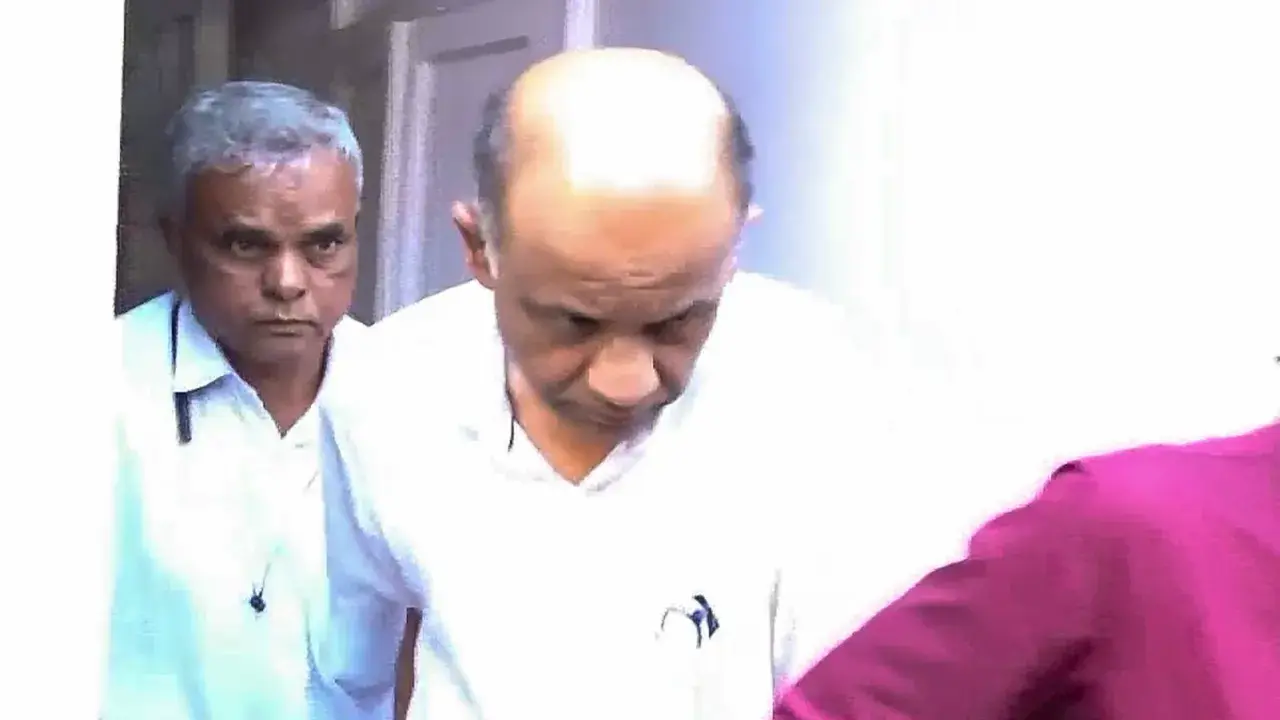
New India Coop Bank’s ex-general manager, Hitesh Mehta, used to call two staffers, instructing them to hand over Rs 50 lakh at a time from the bank’s safes to persons he sent, police officials have said.
Mehta and real estate developer Dharmesh Paun have been in custody since Sunday in connection with the alleged embezzlement of Rs 122 crore from the bank that was uncovered following an inspection by the Reserve Bank of India.
The Economic Offences Wing of the Mumbai police is probing the case.
“Mehta had access to the bank’s safes as he was the custodian. The statements of two bank staffers have been recorded. They have said how they used to give cash to those sent by Mehta. These bank staffers, who are witnesses in the case, have said they handed Rs 50 lakh cash more than once to several persons,” the official said on Thursday.
The probe so far has found that a former employee of the lender wrote to RBI about the prevailing situation, he said, adding this information is being verified with the RBI.
Authorities were aware the bank was in an unhealthy state since non-performing assets (NPAs) were rising following the disbursal of money to ineligible persons, the official said.
“Considering the bank’s situation in the last two years, we are probing why the misappropriation of funds was not pointed out in audits. We have started recording statements of those who conducted the audits. While cash as per the books was Rs 138 crore, an RBI inspection found Rs 122 crore of this missing from two safes of the bank. The EOW is verifying if the money went missing at one go,” the official said.
The official said the statement of Abhijeet Deshmukh, a partner of the chartered accountancy firm involved in the bank’s audit, was recorded by EOW at the commissionerate in south Mumbai.
“The statement of the bank’s former CEO Abhimanyu Bhoan was recorded on Wednesday, He was called again today as part of the probe. Meanwhile, accused Unnathan Arunachalam alias Arun Bhai, to whom Mehta gave Rs 50 crore, is still absconding,” the official said on Thursday.
A New Era for Delhi: BJP's Historic Victory and the Road Ahead 4
The political landscape of Delhi witnessed a fiercely contested battle in the recent Assembly elections, where the Bharatiya Janata Party (BJP) waged a meticulously crafted campaign against the incumbent Aam Aadmi Party (AAP). This electoral battle was marked by a strategic focus on governance, public welfare, and the alleged corruption within the AAP-led administration. Devoid of incendiary rhetoric and communal discord, the BJP’s campaign emerged as one of the most refined and issue-driven in recent history, ultimately paving the way for the party’s emphatic return to power in the national capital after a prolonged hiatus of 26 years. Now, with the elections concluded and the new government sworn in, the city awaits a transformative era, hoping for a governance model that will elevate Delhi to the status of a dream capital.
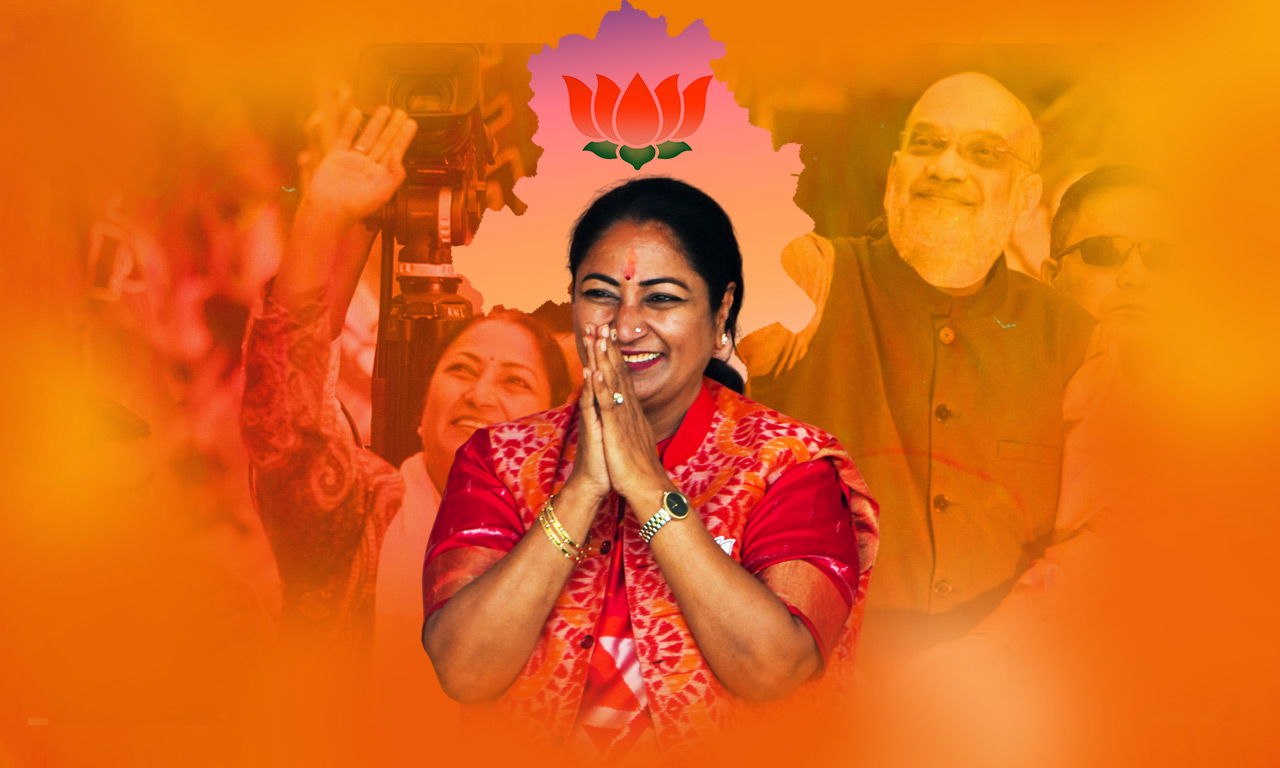
Amidst a grand and ceremonious oath-taking event at the historic Ramlila Maidan, Rekha Gupta officially assumed the mantle as the ninth Chief Minister of Delhi on February 20, 2025. The momentous occasion was graced by the presence of Prime Minister Narendra Modi, Union Home Minister Amit Shah, BJP President JP Nadda, and several Chief Ministers from BJP-ruled states, including Maharashtra, Rajasthan, and Andhra Pradesh. Gupta, a debutante MLA from the Shalimar Bagh constituency, was chosen as the leader of the BJP Legislative Party following deliberations at the party’s national headquarters. At 50, she becomes the fourth woman to hold the Chief Ministerial office in Delhi, marking a significant milestone in the city’s political narrative. Her journey, deeply rooted in student politics as the President of the Delhi University Students’ Union in 1996, has seen her evolve into a formidable political force, with three terms as a councillor and a tenure as the Mayor of the South Delhi Municipal Corporation (SDMC). Her rise to prominence in the Delhi BJP ranks, serving as the National Vice President of the BJP Mahila Morcha, underscores her unwavering commitment to governance and party ideology.
The BJP’s resounding victory in the elections, securing 48 out of 70 Assembly seats, signified a decisive shift in Delhi’s political dynamics. The party’s comprehensive strategy, centred around development, administrative transparency, and a vision for a revitalised urban infrastructure, resonated deeply with the electorate. Among the notable triumphs was the victory of Parvesh Sahib Singh Verma, an MLA from the New Delhi constituency, who unseated AAP’s national convenor and three-time Chief Minister Arvind Kejriwal. This high-stakes electoral battle, with Verma securing a win by a margin of 4,089 votes, was symbolic of the political transition unfolding in Delhi. Verma, the son of former Delhi Chief Minister Sahib Singh Verma, had previously served as a Member of Parliament from West Delhi and is recognised for his ambitious plans, including the development of a Yamuna riverfront, housing for slum dwellers, extensive infrastructural enhancements, and the creation of government employment opportunities. His victory not only ended Kejriwal’s decade-long dominance in the capital but also reaffirmed the BJP’s growing acceptance among the urban electorate.
The newly formed cabinet, as per the official notification issued by the Union Home Ministry on the recommendation of Chief Minister Gupta, comprises seasoned political figures, each bringing a wealth of administrative experience and ideological conviction. Among them, Ashish Sood, a veteran leader and former councillor, has ascended the political ranks through his dedicated service to the BJP and its youth wing, the Bharatiya Janata Yuva Morcha. Sood’s victory in the Janakpuri constituency, with a margin of 19,000 votes, reinstated his political stature following his 2020 defeat. With significant influence within the Rashtriya Swayamsevak Sangh (RSS) and close ties with top BJP leadership, his inclusion in the cabinet is expected to strengthen the party’s organisational base in the capital.
Kapil Mishra, a familiar face in Delhi’s political landscape, stands as the only cabinet minister with prior governmental experience. Once a minister in the AAP-led government, his tenure was cut short following his vocal allegations of corruption against Kejriwal and former ministers. Since his induction into the BJP in 2019, Mishra has been a relentless critic of AAP, often spearheading campaigns on governance failures and corruption allegations. His electoral victory from Model Town in 2025 reaffirmed his strong grassroots connection, and his subsequent appointment as a cabinet minister signals the BJP’s commitment to experienced leadership in governance.
Another influential addition to the cabinet is Manjinder Singh Sirsa, a prominent Sikh leader known for his political and religious influence. As a former president of the Delhi Sikh Gurdwara Management Committee (DSGMC) and an ex-MLA from Rajouri Garden, Sirsa’s presence in the cabinet reflects the BJP’s strategy to strengthen its foothold within the Sikh community. His electoral victory over AAP’s Dhanwati Chandela by 18,190 votes reinstated his political prominence in Delhi.
Ravinder Indraj Singh, representing Bawana, and Pankaj Kumar Singh, the victorious candidate from Vikaspuri, also secured ministerial berths following their significant electoral successes. Singh’s overwhelming victory margin of 31,475 votes over his AAP opponent underscored his mass appeal and deep-rooted connection with the people of North Delhi. Similarly, Pankaj Kumar Singh’s triumph over the incumbent AAP MLA in Vikaspuri reinforced the BJP’s expanding influence in South West Delhi.
As the newly elected government embarks on its tenure, expectations run high. The people of Delhi have placed their faith in a new administration, hoping for a paradigm shift in governance that prioritises infrastructure, healthcare, education, and employment generation. The BJP’s ambitious vision for the city, including improved public transportation, sustainable urban development, and a cleaner, pollution-free capital, will now be put to the test. The coming years will determine whether this electoral mandate translates into tangible progress, transforming Delhi into a model city that embodies efficiency, prosperity, and inclusive growth.
KIIT in Crisis: Nepalese Students Fear Return After Death and Campus Expulsion 6
Nepalese students at Kalinga Institute of Industrial Technology (KIIT) are reluctant to return to campus after a mass expulsion and alleged mistreatment in the wake of 20-year-old Prakriti Lamsal’s death. The student was found hanging in her hostel room on Sunday, triggering protests over claims that her pleas for help against alleged blackmail were ignored.
Following the unrest, around 1,000 Nepalese students were abruptly suspended and forced to leave the campus on Monday. Many were reportedly abandoned at Cuttack railway station without basic necessities. However, after intervention from the Central and Odisha state governments, KIIT authorities apologized and urged them to return.
Despite the outreach, many students remain fearful. “We were forcibly taken in buses and dropped near a railway station with no food or water,” said Preeti, a Nepalese student. “Now, they are affectionately asking us to return. How can we trust them?”
On Tuesday, five KIIT officials, including directors, were arrested for harassing Nepalese students, but were granted bail the same evening. Meanwhile, a 21-year-old KIIT student was arrested for allegedly abetting Prakriti’s suicide. Her body is set to be flown back to Nepal, with her grieving family still in Odisha.
Odisha’s Higher Education Minister Suryabanshi Suraj acknowledged that many Nepalese students have fled to cities like Kolkata, Patna, and Ranchi, with most reportedly returning to Nepal. The government has yet to disclose how many have returned to KIIT.
In response to public outcry, the Odisha government has set up a high-level committee to probe both the circumstances of Prakriti’s death and the expulsion of Nepalese students. Meanwhile, protests continue outside KIIT, with student groups, political outfits, and activists demanding accountability.
KIIT attempted damage control on X, posting a message of condolence for Prakriti, pledging support for students, and calling for justice. However, the trust deficit between the institution and its Nepalese students remains deep, raising serious concerns about safety, discrimination, and university accountability.
PVR-INOX Fined for Wasting Moviegoers' Time with Excessive Ads 8
A Bengaluru district consumer court has held PVR-INOX guilty of unfair trade practices for delaying movie screenings by running excessive advertisements, wasting audiences’ time. The multiplex chain has been directed to pay ₹1 lakh in punitive damages and ensure that actual movie start times are transparently communicated to viewers.
The case was filed by a Bengaluru resident who attended a 4:05 PM screening of “Sam Bahadur” in December 2023 with two family members. However, the feature film began at 4:30 PM, after an extended run of advertisements, disrupting their schedule. The court awarded the complainant ₹20,000 for mental distress and ₹8,000 for litigation costs.
Slamming the multiplex’s conduct, the court remarked that in today’s fast-paced world, “time is valuable”, and no business has the right to profit unfairly from consumers’ time and money. It further noted that 25 to 30 minutes of ads before a film is an unreasonable imposition on viewers.
PVR-INOX defended its practice, citing government regulations mandating public service announcements (PSAs) before movies. However, the court pointed out that these guidelines limit such screenings to a maximum of 10 minutes.
As part of the complaint, the viewer had recorded the advertisements as evidence, prompting PVR-INOX to argue this violated anti-piracy laws. The court dismissed the claim, clarifying that only ads were recorded, not the movie itself, and this was done to expose an issue affecting countless moviegoers.
This ruling could have far-reaching implications for cinema chains across India, as frustrated audiences demand more transparency and accountability in movie screening schedules.
Who Will Be Delhi's Next CM? BJP's Big Decision Today 10
The Bharatiya Janata Party (BJP) is set to finalise its choice for Delhi’s next chief minister at a crucial legislature party meeting scheduled for Wednesday evening at the party’s Delhi unit office. The meeting marks a historic moment, as the BJP returns to power in the national capital after 26 years, following a decisive victory over the Aam Aadmi Party (AAP) in the February 5 Delhi Assembly polls.
Preparations are in full swing for the meeting, set to begin at 7 PM, where 48 BJP MLAs will select their Leader of the House, who will then be sworn in as Delhi’s new chief minister. The process will take place under the watch of BJP’s central observers, whose names are yet to be disclosed. Once chosen, the new CM will meet Lieutenant Governor VK Saxena at Raj Niwas to formally stake a claim to form the government.
Meanwhile, BJP is gearing up for a grand swearing-in ceremony at Ramleela Ground on Thursday afternoon, expected to witness a massive turnout of around 50,000 attendees, including Prime Minister Narendra Modi, Union ministers, and NDA chief ministers from across the country.
While speculation is rife, Parvesh Verma, the leader who defeated AAP chief Arvind Kejriwal, remains a strong contender. Other prominent names being discussed include former Delhi BJP presidents Vijender Gupta and Satish Upadhyay, as well as Pawan Sharma, Ashish Sood, Rekha Gupta, and Shikha Rai. Additionally, Ravinder Indraj Singh (Bawana SC) and Kailash Gangwal (Madipur SC) are emerging as possible choices, especially given the BJP’s recent trend of picking unexpected candidates—a strategy successfully implemented in Rajasthan, Haryana, Madhya Pradesh, Odisha, and Chhattisgarh.
With intense speculation and political calculations in play, Delhi’s new leadership will be unveiled tonight, setting the stage for the BJP’s governance roadmap in the capital.
SC Slams Ranveer Allahbadia: 'Dirty Mind Vomited on YouTube Show' 12
The Supreme Court on Tuesday came down hard on YouTuber Ranveer Allahbadia, also known as BeerBiceps, for his controversial remarks on comedian Samay Raina’s show, calling his statements “dirty and perverted.” The bench, led by Justice Surya Kant and Justice N. Kotiswar Singh, berated Allahbadia, stating, “There is something dirty in his mind that has been vomited on the YouTube show.”
Multiple FIRs have been filed against Allahbadia for his alleged obscene comments about parents and sex on Raina’s YouTube show, India’s Got Latent. The court expressed strong disapproval, stating, “The words you have used will make daughters, sisters, parents, and even society feel ashamed. If this is not obscenity, then what is?”
While slamming Allahbadia, the court questioned senior advocate Abhinav Chandrachud, representing the influencer, asking if he was defending such language. Chandrachud conceded that he himself was “disgusted” by the remarks but argued that profanity does not automatically qualify as obscenity. He further requested protection from arrest, citing multiple FIRs and death threats against his client.
The court agreed to shield Allahbadia from immediate arrest but imposed strict conditions, including directing him to surrender his passport at Thane police station and seek court permission before leaving India. Additionally, the bench restrained Allahbadia and his co-panellists from airing further episodes of the controversial YouTube show.
The Maharashtra Cyber Department has also taken action, filing a case under the IT Act and demanding that all 18 episodes of the show be removed. Meanwhile, FIRs have been lodged in Mumbai, Guwahati, and Indore, with an Assam police team travelling to Pune to issue summons to Raina. Alongside Allahbadia and Raina, other influencers named in the Assam case include Ashish Chanchlani, Jaspreet Singh, and Apoorva Makhija.
The Supreme Court directed Maharashtra and Assam governments, as well as the Centre, to respond to Allahbadia’s plea seeking quashing and clubbing of multiple FIRs. The bench also reminded the YouTuber that “freedom of speech does not grant a license to speak against societal norms.”
With a growing crackdown on online content, this case has reignited debates over free speech, content regulation, and the responsibilities of social media influencers.
Gyanesh Kumar Appointed as CEC; Vivek Joshi Election Commissioner 14
Election Commissioner Gyanesh Kumar was appointed as the next chief election commissioner on Monday, the law ministry said.
Kumar is the first CEC to be appointed under a new law on the appointment of the members of the Election Commission (EC).
His term will run till January 26, 2029, days before the EC is expected to announce the schedule of the next Lok Sabha election.
Vivek Joshi, a 1989-batch Haryana-cadre Indian Administrative Service (IAS) officer, has been appointed as an election commissioner.
Born on May 21, 1966, Joshi (58) will serve in the poll panel till 2031.
According to law, a CEC or an EC retires at the age of 65 or can have a tenure in the poll panel for six years.
Earlier, Sushil Chandra, who was serving as the Central Board of Direct Taxes (CBDT) chairman, was appointed as an EC. He resigned from the CBDT before joining the poll authority.
Joshi, a former Haryana chief secretary, was on central deputation since January 2019.
During his tenure as the 26th CEC, Kumar will oversee the Bihar Assembly polls later this year, and the Kerala and Puducherry Assembly polls in 2026.
Similarly, he will oversee the Assembly polls in Tamil Nadu and West Bengal, which are also due in 2026.
Kumar, who played a key role in implementing decisions following the abrogation of Article 370 of the Constitution in Jammu and Kashmir during his stint in the Union home ministry, took charge as an election commissioner on March 15, 2024.
His appointment came hours after the Congress asked the government to defer its decision on the new CEC till the Supreme Court concludes its hearing on a petition challenging the composition of the selection panel.
The Congress’s demand was put forth by Leader of Opposition in the Lok Sabha Rahul Gandhi during a meeting of the selection panel chaired by Prime Minister Narendra Modi, sources said.
The meeting took place in the South Block office of the prime minister. Besides Modi and Gandhi, Home Minister Amit Shah is the third member of the selection panel.
Kumar is a 1988-batch Kerala-cadre IAS officer.
After completing his B.Tech in Civil Engineering from the Indian Institute of Technology (IIT), Kanpur, he studied Business Finance in ICFAI, India and Environmental Economics in HIID, Harvard University, US.
He has worked in the government of Kerala as the assistant collector of Ernakulam, sub-collector of Adoor, managing director of the Kerala State Development Corporation for SC/ST, municipal commissioner of the Corporation of Cochin, besides holding other posts.
As a secretary to the government of Kerala, Kumar handled diverse departments, such as finance resources, fast-track projects and the public works department.
In the government of India, he has rich experience of working as the joint secretary in the Ministry of Defence, joint secretary and additional secretary in the Ministry of Home Affairs, secretary in the Ministry of Parliamentary Affairs and secretary in the Ministry of Cooperation. He superannuated on January 31, 2024.
The Bombay High Court has granted bail to Kamal Ananda Mahapure, a 61-year-old woman priest accused of participating in the gruesome human sacrifice of a 17-year-old girl in Satara district, Maharashtra. The case, dating back to January 22, 2019, involved the ritualistic killing of Bhagyashri, allegedly orchestrated by her own father, who sought divine blessings and hidden wealth.
Initially, the father filed a missing person report, but investigations later revealed that he had masterminded the murder. According to the prosecution, Mahapure played a key role in the black magic ritual, feeding the victim a sacred offering (Bhandara), holding her legs, and chanting mantras as the main accused slit her throat. She was arrested in July 2022, over three years after the crime, and charged under the IPC and the Maharashtra Prevention and Eradication of Human Sacrifice and Black Magic Act, 2013.
Mahapure’s advocate, Satyavrat Joshi, argued that she had been in custody for over two years without trial, citing inconsistencies in a key witness’s statements. He pointed out that the witness had not mentioned Mahapure’s involvement in his initial testimonies, only to suddenly claim to have seen her at the scene three years later, raising doubts about the credibility of his account. Joshi also assured the court that Mahapure would not enter Satara district until the trial concluded.
Opposing the bail, State’s advocate Sangeeta Shinde contended that Mahapure had conspired with the co-accused and could threaten witnesses, abscond, or fail to attend trial.
Justice Shivkumar Dige, on February 7, acknowledged the delays in the trial and Mahapure’s age, emphasizing that the witness’s statement, recorded three years after the crime, would be examined during the trial. Granting bail on a bond of ₹50,000, the court imposed strict conditions, including barring her from Satara district and ensuring regular court attendance.
"Interfaith Unions Fine but Marriage Through Fraud Is Not", Says CM Fadnavis, Backing Anti-Love Jihad Law 17
Maharashtra Chief Minister Devendra Fadnavis has endorsed the state government’s move to introduce an ‘anti-love jihad’ law, asserting that while interfaith marriages are acceptable, legal action is necessary against fraudulent alliances and false identities. A seven-member committee has been formed to analyze the legal framework for such a law.
Referring to observations by the Supreme Court and Kerala High Court, Fadnavis noted that cases of ‘love jihad’—a term used by right-wing groups for alleged conspiracies involving Muslim men converting Hindu women through marriage—are on the rise in Maharashtra. He claimed that several women have reported being deceived into marriage and later abandoned after childbirth.
In response to increasing complaints, the state government has issued a Government Resolution (GR) to establish a committee led by the Director General of Police (DGP). The panel will study existing laws in other states and recommend legislative measures to prevent forced conversions and fraudulent marriages.
The proposal has sparked sharp political reactions. Union Minister and RPI chief Ramdas Athawale opposed the law, arguing that labelling interfaith marriages as ‘love jihad’ is unfair. Speaking in Shirdi, he stated, “Hindu-Muslim couples, like Dalit and upper-caste couples, unite. It is wrong to term such marriages as ‘love jihad.’ However, there should be legal provisions to prevent forced conversions.”
On the other hand, Maharashtra Minister Mangal Prabhat Lodha supported Fadnavis’s initiative, citing an alarming increase in ‘love jihad’ cases, especially in Mumbai. Lodha criticised Samajwadi MLA Rais Shaikh for opposing the law and filing a case against him, questioning whether such actions were an attempt to “encourage love jihad.”
The proposal for an ‘anti-love jihad’ law has fuelled a heated debate, with critics calling it an attack on personal freedoms and supporters arguing that it is necessary to protect women from deceitful marriages.
Madhya Pradesh is set to implement a partial liquor ban in 19 locations, including 17 holy cities, while simultaneously allowing “Low Alcoholic Beverage Bars” to operate from April 1 under its new excise policy. The decision, announced by Chief Minister Mohan Yadav, is expected to cause a revenue loss of ₹450 crore for the state government.
As per the policy, the new bars will serve only beer, wine, and ready-to-drink alcoholic beverages with a maximum alcohol content of 10% V/V. Hard liquor consumption will be strictly prohibited in these establishments.
The holy cities affected by the liquor ban include Ujjain, Omkareshwar, Maheshwar, Mandleshwar, Orchha, Maihar, Chitrakoot, Datia, Amarkantak, and Salkanpur. In total, 47 composite liquor shops—which sell both Indian Made Foreign Liquor (IMFL) and country liquor—will be shut down in these areas.
However, officials clarified that individual possession and consumption of liquor will not be penalized in these regions, as MP does not have a full prohibition law like Bihar or Gujarat. The Excise Act in force only restricts liquor sale points and public consumption.
To compensate for lost revenue, the policy introduces a 20% hike in liquor shop renewal fees while retaining exemptions for heritage liquor manufacturers from Value Added Tax (VAT). Additionally, wine production in MP will be expanded, allowing the use of fruits, honey, and jamun, with wineries permitted to operate retail outlets and wine-tasting facilities for tourists.
Meanwhile, foreign liquor bottling units will also be allowed to manufacture, store, export, import, and sell special liquors in the next fiscal year. The 3,600 liquor shops across MP are projected to generate ₹15,200 crore in revenue this year.
The move has triggered mixed reactions, with religious groups welcoming the ban while others question the government’s decision to promote low-alcohol bars while restricting liquor in holy cities.