Manipur Under President’s Rule: Major Bureaucratic Reshuffle with 11 Transfers 2
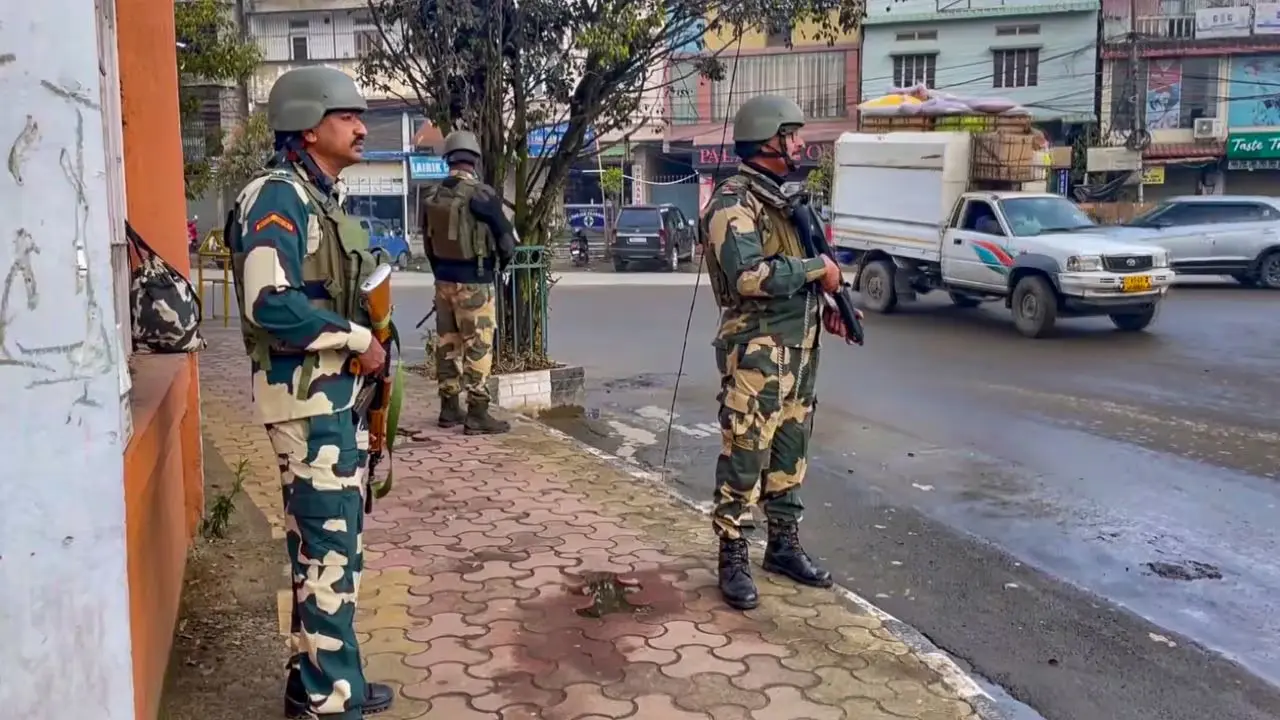
In a major bureaucratic reshuffle following the imposition of President’s Rule in Manipur, the state government has transferred 11 senior officials, including six police officers, according to an official statement issued on Friday.
Among the key transfers, Tamenglong Superintendent of Police (SP) Babitarani Swain has been reassigned as SP of Chandel district, while the Chandel SP has been moved to Tamenglong. Inspector General of Police (IGP) Kabib K, previously handling Internal Security, Narcotics, and Border Affairs, has been shifted to IGP Zone-III. Additionally, DIGP (NAB) Ningshen Worngam has been promoted and posted as IGP (Internal Security & Narcotics Affairs).
The administrative reshuffle also impacts top bureaucrats, with Commissioner cum Secretary N Geoffrey, who previously handled portfolios including the Chief Minister’s Secretariat, Social Welfare, and Cabinet Affairs, now posted solely as Commissioner cum Secretary for Social Welfare.
The political turmoil in Manipur escalated after Chief Minister N. Biren Singh resigned, prompting the imposition of President’s Rule on February 13. The Manipur Legislative Assembly, which has tenure until 2027, has been placed under suspended animation, leaving governance under direct central control.
With this reshuffle, the administration is expected to streamline governance amid the ongoing crisis, but concerns remain over political instability and security challenges in the northeastern state.
The Battle for Mumbai: BMC Elections and Maharashtra's Political Power Struggle 4
The forthcoming Brihanmumbai Municipal Corporation (BMC) elections hold profound political significance, not only for Mumbai but for the larger landscape of Maharashtra. As the richest municipal body in India, the BMC has long been a stronghold of the Uddhav Thackeray-led Shiv Sena, now known as the Shiv Sena (UBT). However, the political equation has undergone a dramatic transformation following the split within the party and the emergence of the ruling Mahayuti alliance, comprising the Bharatiya Janata Party (BJP), Eknath Shinde’s Shiv Sena, and Ajit Pawar’s faction of the Nationalist Congress Party (NCP). With the electoral battle drawing closer, the contest for control over the BMC is intensifying, particularly as the Shiv Sena (UBT) grapples with internal turmoil and a growing exodus of leaders.
The recent defection of several prominent leaders from the Uddhav Thackeray faction to the Shinde camp has further exacerbated the crisis within the party. In an effort to stem the tide of desertions, Uddhav Thackeray convened a crucial meeting of party MLAs and MPs to reinforce unity and counter the alleged ‘Operation Tiger’—a targeted strategy by the ruling alliance to weaken the Thackeray-led faction. The ruling Shiv Sena, under the leadership of Deputy Chief Minister Eknath Shinde, has been systematically luring leaders away from the UBT faction. Recently, multiple office-bearers from the Konkan region, along with key leaders like Rajan Salvi and former MLA Subhash Bane, switched allegiance to Shinde’s faction. Adding to the turmoil, Chiplun MLA Bhaskar Jadhav has expressed dissatisfaction, fueling speculation that he, too, may defect. The erosion of leadership within the Shiv Sena (UBT) poses a direct challenge to Thackeray’s ability to retain control over the BMC, making the upcoming elections a decisive test of his political relevance.
Amid these developments, internal party discipline has emerged as a focal point of concern. Aaditya Thackeray, during the ongoing Budget Session in Delhi, issued strict directives to party MPs, warning them against attending any events organized by the Shinde-led Shiv Sena without prior approval from the UBT leadership. This move, however, has reportedly caused discontent among certain party members. Meanwhile, delays in ‘Operation Tiger’ in Pune have momentarily stalled the entry of several former MLAs and over 20 municipal corporators into the ruling alliance. Despite these temporary setbacks, the overall trend of defections remains a significant cause for worry within Thackeray’s camp.
The administrative control of the BMC has been in limbo for the past two and a half years, with an administrator overseeing its functioning. The legal battle over the municipal ward structure adds another layer of complexity. The Eknath Shinde-led government’s decision to reduce the number of wards in the BMC from 236 to 227 through an ordinance is currently under judicial scrutiny. Additionally, the Supreme Court is deliberating on key matters concerning the number of councillors per ward in urban and rural bodies, as well as determining whether the state government or the Election Commission should hold the authority to decide ward delimitation. Even if the court delivers a verdict soon, officials estimate that it could take at least three more months to finalize preparations and conduct the polls. With municipal elections pending not just for the BMC but also for 29 municipal corporations and approximately 280 nagar parishads and nagar panchayats across the state, Maharashtra’s civic electoral landscape remains uncertain.
In response to the political crisis, Uddhav Thackeray’s faction is adopting a multi-pronged strategy to mitigate damage and consolidate its base. Senior leaders, including deputy leaders and secretaries, have been entrusted with critical responsibilities aimed at preventing further defections and maintaining organizational stability. A special core group of 14 senior leaders—including Subhash Desai, Diwakar Raote, Aaditya Thackeray, Anant Geete, Sanjay Raut, Chandrakant Khaire, Bhaskar Jadhav, Vinayak Raut, Anil Desai, Anil Parab, Arvind Sawant, Ambadas Danve, Rajan Vichare, and Sunil Prabhu—will meet weekly to assess developments and formulate strategic responses. Additionally, statewide outreach programs have been initiated, with key party leaders engaging with the grassroots cadre to address grievances and strengthen party loyalty.
Disciplinary measures are also being reinforced to curb internal dissent. Those found engaging in anti-party activities while still being part of the Shiv Sena (UBT) will face strict action. Thackeray’s faction currently boasts 14 senior leaders, 43 deputy leaders, and 10 secretaries, all of whom are tasked with fortifying the party’s structural integrity across Maharashtra. As part of its damage control exercise, the party has also initiated weekly review meetings every Tuesday at Sena Bhavan, where regional and district-level leaders will report on the ground situation and devise necessary countermeasures.
Despite these efforts, the challenge remains formidable. The exodus of leaders continues to weaken Thackeray’s faction, and the looming municipal elections will be a crucial test of its ability to retain the reins of the BMC. With the Mahayuti alliance aggressively working to expand its footprint in Mumbai’s civic governance, the battle for the BMC is poised to be one of the most consequential political showdowns in recent times. The elections will not only determine control over Mumbai’s municipal administration but will also serve as a barometer for the shifting political dynamics in Maharashtra. The coming months will reveal whether Uddhav Thackeray’s strategic interventions can arrest the wave of defections or if the Mahayuti’s relentless consolidation will ultimately reshape the city’s political future.
Wrong to Infer From Maharashtra Results That Congress Has Weakened; Course Correction Soon: State Chief Sapkal 6
Maharashtra Congress president Harshwardhan Sapkal has said it would be wrong to conclude that his party has weakened after its worst-ever performance in the recent Maharashtra assembly polls.
Calling the present scenario a “do-or-die situation”, Sapkal, who recently took charge as the Maharashtra Congress chief, said he has accepted the challenge to revitalise the state unit.
“It is a wrong perception that the cadre is demoralised… election results were shocking and the cadre is eager for a course correction. We won only 16 seats but that doesn’t mean we have become weak. You will see their enthusiasm once we get into the action mode,” Sapkal told PTI in an interview.
The Congress, a partner of the Shiv Sena (UBT) and NCP (SP) in the opposition Maha Vikas Aghadi (MVA) bloc, won just 16 of the 288 assembly seats in last year’s Maharashtra polls despite fielding candidates in 101 constituencies.
Sapkal accused the BJP-led government of not wanting to hold local body elections, saying he doesn’t foresee any such polls in the near future. Civic elections in Maharashtra have been pending for nearly two years.
“The Panchayati Raj amendments resulted in the devolution of power at the grassroots level. But the government doesn’t want local body elections to happen. People have also forgotten that there were elected representatives in the form of corporators and Zilla Parishad members,” he said.
Stressing the need for civic polls, Sapkal alleged that the idea of India was envisaged in the 73rd and 74th Constitutional Amendments, which established local self-governance in urban and rural areas, but was not being allowed to take shape.
“There are 4,250 MLAs and 750 MPs in the country. How can such a large country of 140 crore people, about 30 states, 8,000 cities, and more than 6 lakh villages function under the leadership of about 5,000 elected representatives?”
“But the BJP wants all powers in the hands of the chief minister in states and the prime minister and Union home minister at the Centre. Legal complications were created over OBC (Other Backward Classes) quota in many states and there were many litigations,” he claimed.
Sapkal said he has accepted the challenge to lead the state Congress unit which saw its worst-ever performance in last year’s assembly polls. “I have the support and backing of the cadre and leaders. It’s a do-or-die situation for us,” he said.
The prevailing political strategy is perception creation, and the BJP tried to trap us by shaping a narrative against the Congress, he said.
The ground reality is all about issues connected to people’s livelihood like the cost of cultivation, crop rate for farmers, unemployment and price rise, he said. But the government wants to protect the interests of a few, he alleged.
“Today, there are only two ideologies – BJP and Congress. We have to fight the ideological battle unitedly and in a disciplined way,” he said.
The Congress leader claimed caste and religion are being used to create a trust deficit in society and said there was a need to maintain social harmony.
“We must work towards ensuring harmony in the state whose social fabric has been strained. We have to establish ‘sadbhavana (goodwill)’. Otherwise, the crisis will affect not just the future generations but our own lifetime as well,” he said.
The structure of the Congress is solid and capable of handling this social crisis, he said.
“The links of coordination among voters, cadre and leaders which have loosened need to be strengthened. Responsibility and accountability need to be fixed. Giving mass leaders responsibility, accommodating loyalists and replacing inefficient office-bearers will be my focus areas,” he said.
Sadbhavana meetings and training programmes all over the state will also be his priority areas, Sapkal said.
Unlike the BJP whose backbone is the RSS, the Congress’s backbone is its legacy and traditions, said Sapkal.
“The Congress’ DNA is the country’s DNA because the Congress is a mass-based party. We need to address any loopholes within the party,” he said.
Sapkal said even though the Congress faces challenging times, it trusts the people of the country and will continue to raise their issues.
“There is not a single village in the country which doesn’t have a Congress worker. In times of struggle, everyone unites. At present, a lot of doubts are being raised about the party but the fact is that the Congress is still strong,” he asserted.
New India Coop Bank Scam: Ex-GM Would Phone Staffers to Take Cash Out From Safes 8
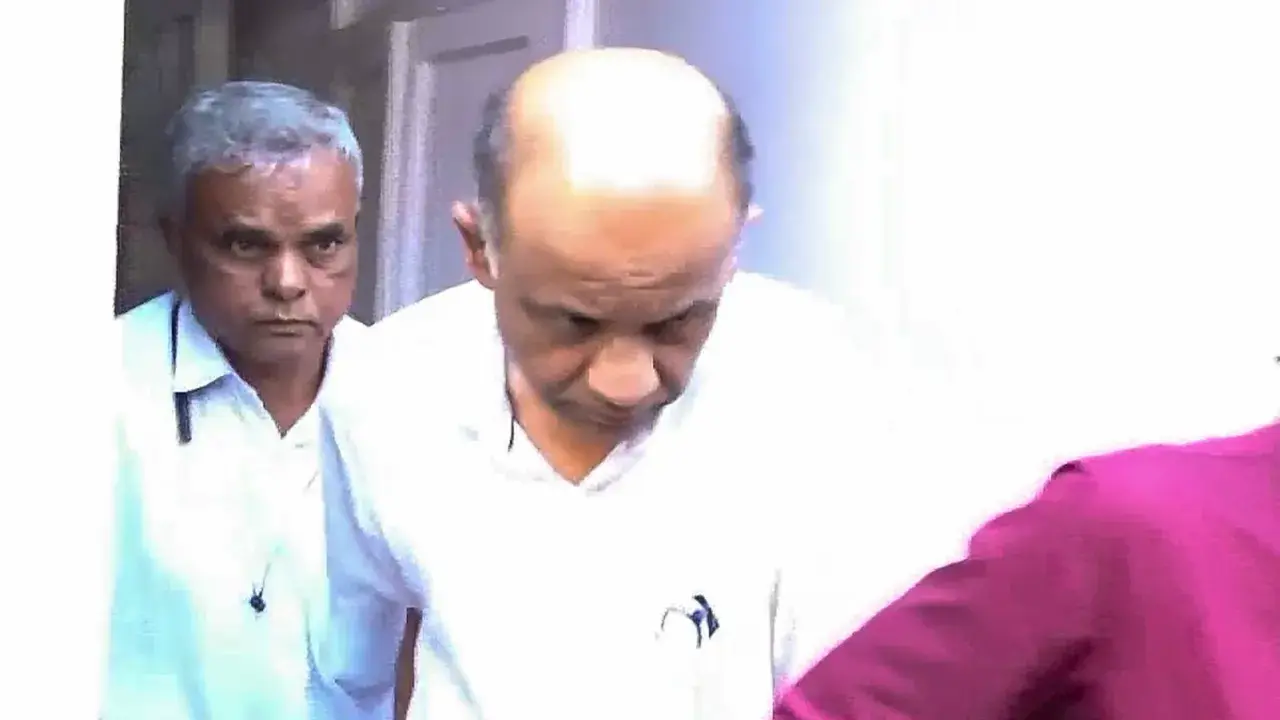
New India Coop Bank’s ex-general manager, Hitesh Mehta, used to call two staffers, instructing them to hand over Rs 50 lakh at a time from the bank’s safes to persons he sent, police officials have said.
Mehta and real estate developer Dharmesh Paun have been in custody since Sunday in connection with the alleged embezzlement of Rs 122 crore from the bank that was uncovered following an inspection by the Reserve Bank of India.
The Economic Offences Wing of the Mumbai police is probing the case.
“Mehta had access to the bank’s safes as he was the custodian. The statements of two bank staffers have been recorded. They have said how they used to give cash to those sent by Mehta. These bank staffers, who are witnesses in the case, have said they handed Rs 50 lakh cash more than once to several persons,” the official said on Thursday.
The probe so far has found that a former employee of the lender wrote to RBI about the prevailing situation, he said, adding this information is being verified with the RBI.
Authorities were aware the bank was in an unhealthy state since non-performing assets (NPAs) were rising following the disbursal of money to ineligible persons, the official said.
“Considering the bank’s situation in the last two years, we are probing why the misappropriation of funds was not pointed out in audits. We have started recording statements of those who conducted the audits. While cash as per the books was Rs 138 crore, an RBI inspection found Rs 122 crore of this missing from two safes of the bank. The EOW is verifying if the money went missing at one go,” the official said.
The official said the statement of Abhijeet Deshmukh, a partner of the chartered accountancy firm involved in the bank’s audit, was recorded by EOW at the commissionerate in south Mumbai.
“The statement of the bank’s former CEO Abhimanyu Bhoan was recorded on Wednesday, He was called again today as part of the probe. Meanwhile, accused Unnathan Arunachalam alias Arun Bhai, to whom Mehta gave Rs 50 crore, is still absconding,” the official said on Thursday.
A New Era for Delhi: BJP's Historic Victory and the Road Ahead 10
The political landscape of Delhi witnessed a fiercely contested battle in the recent Assembly elections, where the Bharatiya Janata Party (BJP) waged a meticulously crafted campaign against the incumbent Aam Aadmi Party (AAP). This electoral battle was marked by a strategic focus on governance, public welfare, and the alleged corruption within the AAP-led administration. Devoid of incendiary rhetoric and communal discord, the BJP’s campaign emerged as one of the most refined and issue-driven in recent history, ultimately paving the way for the party’s emphatic return to power in the national capital after a prolonged hiatus of 26 years. Now, with the elections concluded and the new government sworn in, the city awaits a transformative era, hoping for a governance model that will elevate Delhi to the status of a dream capital.
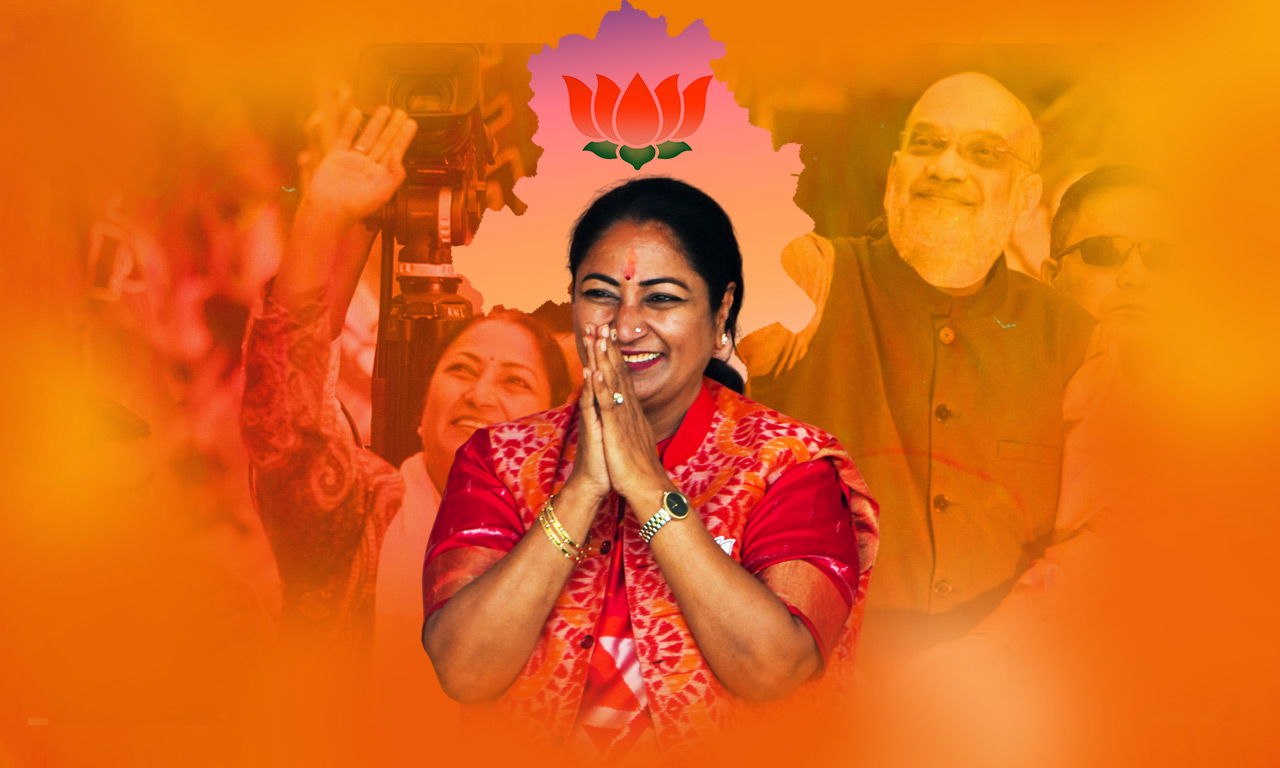
Amidst a grand and ceremonious oath-taking event at the historic Ramlila Maidan, Rekha Gupta officially assumed the mantle as the ninth Chief Minister of Delhi on February 20, 2025. The momentous occasion was graced by the presence of Prime Minister Narendra Modi, Union Home Minister Amit Shah, BJP President JP Nadda, and several Chief Ministers from BJP-ruled states, including Maharashtra, Rajasthan, and Andhra Pradesh. Gupta, a debutante MLA from the Shalimar Bagh constituency, was chosen as the leader of the BJP Legislative Party following deliberations at the party’s national headquarters. At 50, she becomes the fourth woman to hold the Chief Ministerial office in Delhi, marking a significant milestone in the city’s political narrative. Her journey, deeply rooted in student politics as the President of the Delhi University Students’ Union in 1996, has seen her evolve into a formidable political force, with three terms as a councillor and a tenure as the Mayor of the South Delhi Municipal Corporation (SDMC). Her rise to prominence in the Delhi BJP ranks, serving as the National Vice President of the BJP Mahila Morcha, underscores her unwavering commitment to governance and party ideology.
The BJP’s resounding victory in the elections, securing 48 out of 70 Assembly seats, signified a decisive shift in Delhi’s political dynamics. The party’s comprehensive strategy, centred around development, administrative transparency, and a vision for a revitalised urban infrastructure, resonated deeply with the electorate. Among the notable triumphs was the victory of Parvesh Sahib Singh Verma, an MLA from the New Delhi constituency, who unseated AAP’s national convenor and three-time Chief Minister Arvind Kejriwal. This high-stakes electoral battle, with Verma securing a win by a margin of 4,089 votes, was symbolic of the political transition unfolding in Delhi. Verma, the son of former Delhi Chief Minister Sahib Singh Verma, had previously served as a Member of Parliament from West Delhi and is recognised for his ambitious plans, including the development of a Yamuna riverfront, housing for slum dwellers, extensive infrastructural enhancements, and the creation of government employment opportunities. His victory not only ended Kejriwal’s decade-long dominance in the capital but also reaffirmed the BJP’s growing acceptance among the urban electorate.
The newly formed cabinet, as per the official notification issued by the Union Home Ministry on the recommendation of Chief Minister Gupta, comprises seasoned political figures, each bringing a wealth of administrative experience and ideological conviction. Among them, Ashish Sood, a veteran leader and former councillor, has ascended the political ranks through his dedicated service to the BJP and its youth wing, the Bharatiya Janata Yuva Morcha. Sood’s victory in the Janakpuri constituency, with a margin of 19,000 votes, reinstated his political stature following his 2020 defeat. With significant influence within the Rashtriya Swayamsevak Sangh (RSS) and close ties with top BJP leadership, his inclusion in the cabinet is expected to strengthen the party’s organisational base in the capital.
Kapil Mishra, a familiar face in Delhi’s political landscape, stands as the only cabinet minister with prior governmental experience. Once a minister in the AAP-led government, his tenure was cut short following his vocal allegations of corruption against Kejriwal and former ministers. Since his induction into the BJP in 2019, Mishra has been a relentless critic of AAP, often spearheading campaigns on governance failures and corruption allegations. His electoral victory from Model Town in 2025 reaffirmed his strong grassroots connection, and his subsequent appointment as a cabinet minister signals the BJP’s commitment to experienced leadership in governance.
Another influential addition to the cabinet is Manjinder Singh Sirsa, a prominent Sikh leader known for his political and religious influence. As a former president of the Delhi Sikh Gurdwara Management Committee (DSGMC) and an ex-MLA from Rajouri Garden, Sirsa’s presence in the cabinet reflects the BJP’s strategy to strengthen its foothold within the Sikh community. His electoral victory over AAP’s Dhanwati Chandela by 18,190 votes reinstated his political prominence in Delhi.
Ravinder Indraj Singh, representing Bawana, and Pankaj Kumar Singh, the victorious candidate from Vikaspuri, also secured ministerial berths following their significant electoral successes. Singh’s overwhelming victory margin of 31,475 votes over his AAP opponent underscored his mass appeal and deep-rooted connection with the people of North Delhi. Similarly, Pankaj Kumar Singh’s triumph over the incumbent AAP MLA in Vikaspuri reinforced the BJP’s expanding influence in South West Delhi.
As the newly elected government embarks on its tenure, expectations run high. The people of Delhi have placed their faith in a new administration, hoping for a paradigm shift in governance that prioritises infrastructure, healthcare, education, and employment generation. The BJP’s ambitious vision for the city, including improved public transportation, sustainable urban development, and a cleaner, pollution-free capital, will now be put to the test. The coming years will determine whether this electoral mandate translates into tangible progress, transforming Delhi into a model city that embodies efficiency, prosperity, and inclusive growth.
KIIT in Crisis: Nepalese Students Fear Return After Death and Campus Expulsion 12
Nepalese students at Kalinga Institute of Industrial Technology (KIIT) are reluctant to return to campus after a mass expulsion and alleged mistreatment in the wake of 20-year-old Prakriti Lamsal’s death. The student was found hanging in her hostel room on Sunday, triggering protests over claims that her pleas for help against alleged blackmail were ignored.
Following the unrest, around 1,000 Nepalese students were abruptly suspended and forced to leave the campus on Monday. Many were reportedly abandoned at Cuttack railway station without basic necessities. However, after intervention from the Central and Odisha state governments, KIIT authorities apologized and urged them to return.
Despite the outreach, many students remain fearful. “We were forcibly taken in buses and dropped near a railway station with no food or water,” said Preeti, a Nepalese student. “Now, they are affectionately asking us to return. How can we trust them?”
On Tuesday, five KIIT officials, including directors, were arrested for harassing Nepalese students, but were granted bail the same evening. Meanwhile, a 21-year-old KIIT student was arrested for allegedly abetting Prakriti’s suicide. Her body is set to be flown back to Nepal, with her grieving family still in Odisha.
Odisha’s Higher Education Minister Suryabanshi Suraj acknowledged that many Nepalese students have fled to cities like Kolkata, Patna, and Ranchi, with most reportedly returning to Nepal. The government has yet to disclose how many have returned to KIIT.
In response to public outcry, the Odisha government has set up a high-level committee to probe both the circumstances of Prakriti’s death and the expulsion of Nepalese students. Meanwhile, protests continue outside KIIT, with student groups, political outfits, and activists demanding accountability.
KIIT attempted damage control on X, posting a message of condolence for Prakriti, pledging support for students, and calling for justice. However, the trust deficit between the institution and its Nepalese students remains deep, raising serious concerns about safety, discrimination, and university accountability.
PVR-INOX Fined for Wasting Moviegoers' Time with Excessive Ads 14
A Bengaluru district consumer court has held PVR-INOX guilty of unfair trade practices for delaying movie screenings by running excessive advertisements, wasting audiences’ time. The multiplex chain has been directed to pay ₹1 lakh in punitive damages and ensure that actual movie start times are transparently communicated to viewers.
The case was filed by a Bengaluru resident who attended a 4:05 PM screening of “Sam Bahadur” in December 2023 with two family members. However, the feature film began at 4:30 PM, after an extended run of advertisements, disrupting their schedule. The court awarded the complainant ₹20,000 for mental distress and ₹8,000 for litigation costs.
Slamming the multiplex’s conduct, the court remarked that in today’s fast-paced world, “time is valuable”, and no business has the right to profit unfairly from consumers’ time and money. It further noted that 25 to 30 minutes of ads before a film is an unreasonable imposition on viewers.
PVR-INOX defended its practice, citing government regulations mandating public service announcements (PSAs) before movies. However, the court pointed out that these guidelines limit such screenings to a maximum of 10 minutes.
As part of the complaint, the viewer had recorded the advertisements as evidence, prompting PVR-INOX to argue this violated anti-piracy laws. The court dismissed the claim, clarifying that only ads were recorded, not the movie itself, and this was done to expose an issue affecting countless moviegoers.
This ruling could have far-reaching implications for cinema chains across India, as frustrated audiences demand more transparency and accountability in movie screening schedules.
Who Will Be Delhi's Next CM? BJP's Big Decision Today 16
The Bharatiya Janata Party (BJP) is set to finalise its choice for Delhi’s next chief minister at a crucial legislature party meeting scheduled for Wednesday evening at the party’s Delhi unit office. The meeting marks a historic moment, as the BJP returns to power in the national capital after 26 years, following a decisive victory over the Aam Aadmi Party (AAP) in the February 5 Delhi Assembly polls.
Preparations are in full swing for the meeting, set to begin at 7 PM, where 48 BJP MLAs will select their Leader of the House, who will then be sworn in as Delhi’s new chief minister. The process will take place under the watch of BJP’s central observers, whose names are yet to be disclosed. Once chosen, the new CM will meet Lieutenant Governor VK Saxena at Raj Niwas to formally stake a claim to form the government.
Meanwhile, BJP is gearing up for a grand swearing-in ceremony at Ramleela Ground on Thursday afternoon, expected to witness a massive turnout of around 50,000 attendees, including Prime Minister Narendra Modi, Union ministers, and NDA chief ministers from across the country.
While speculation is rife, Parvesh Verma, the leader who defeated AAP chief Arvind Kejriwal, remains a strong contender. Other prominent names being discussed include former Delhi BJP presidents Vijender Gupta and Satish Upadhyay, as well as Pawan Sharma, Ashish Sood, Rekha Gupta, and Shikha Rai. Additionally, Ravinder Indraj Singh (Bawana SC) and Kailash Gangwal (Madipur SC) are emerging as possible choices, especially given the BJP’s recent trend of picking unexpected candidates—a strategy successfully implemented in Rajasthan, Haryana, Madhya Pradesh, Odisha, and Chhattisgarh.
With intense speculation and political calculations in play, Delhi’s new leadership will be unveiled tonight, setting the stage for the BJP’s governance roadmap in the capital.
SC Slams Ranveer Allahbadia: 'Dirty Mind Vomited on YouTube Show' 18
The Supreme Court on Tuesday came down hard on YouTuber Ranveer Allahbadia, also known as BeerBiceps, for his controversial remarks on comedian Samay Raina’s show, calling his statements “dirty and perverted.” The bench, led by Justice Surya Kant and Justice N. Kotiswar Singh, berated Allahbadia, stating, “There is something dirty in his mind that has been vomited on the YouTube show.”
Multiple FIRs have been filed against Allahbadia for his alleged obscene comments about parents and sex on Raina’s YouTube show, India’s Got Latent. The court expressed strong disapproval, stating, “The words you have used will make daughters, sisters, parents, and even society feel ashamed. If this is not obscenity, then what is?”
While slamming Allahbadia, the court questioned senior advocate Abhinav Chandrachud, representing the influencer, asking if he was defending such language. Chandrachud conceded that he himself was “disgusted” by the remarks but argued that profanity does not automatically qualify as obscenity. He further requested protection from arrest, citing multiple FIRs and death threats against his client.
The court agreed to shield Allahbadia from immediate arrest but imposed strict conditions, including directing him to surrender his passport at Thane police station and seek court permission before leaving India. Additionally, the bench restrained Allahbadia and his co-panellists from airing further episodes of the controversial YouTube show.
The Maharashtra Cyber Department has also taken action, filing a case under the IT Act and demanding that all 18 episodes of the show be removed. Meanwhile, FIRs have been lodged in Mumbai, Guwahati, and Indore, with an Assam police team travelling to Pune to issue summons to Raina. Alongside Allahbadia and Raina, other influencers named in the Assam case include Ashish Chanchlani, Jaspreet Singh, and Apoorva Makhija.
The Supreme Court directed Maharashtra and Assam governments, as well as the Centre, to respond to Allahbadia’s plea seeking quashing and clubbing of multiple FIRs. The bench also reminded the YouTuber that “freedom of speech does not grant a license to speak against societal norms.”
With a growing crackdown on online content, this case has reignited debates over free speech, content regulation, and the responsibilities of social media influencers.
Gyanesh Kumar Appointed as CEC; Vivek Joshi Election Commissioner 20
Election Commissioner Gyanesh Kumar was appointed as the next chief election commissioner on Monday, the law ministry said.
Kumar is the first CEC to be appointed under a new law on the appointment of the members of the Election Commission (EC).
His term will run till January 26, 2029, days before the EC is expected to announce the schedule of the next Lok Sabha election.
Vivek Joshi, a 1989-batch Haryana-cadre Indian Administrative Service (IAS) officer, has been appointed as an election commissioner.
Born on May 21, 1966, Joshi (58) will serve in the poll panel till 2031.
According to law, a CEC or an EC retires at the age of 65 or can have a tenure in the poll panel for six years.
Earlier, Sushil Chandra, who was serving as the Central Board of Direct Taxes (CBDT) chairman, was appointed as an EC. He resigned from the CBDT before joining the poll authority.
Joshi, a former Haryana chief secretary, was on central deputation since January 2019.
During his tenure as the 26th CEC, Kumar will oversee the Bihar Assembly polls later this year, and the Kerala and Puducherry Assembly polls in 2026.
Similarly, he will oversee the Assembly polls in Tamil Nadu and West Bengal, which are also due in 2026.
Kumar, who played a key role in implementing decisions following the abrogation of Article 370 of the Constitution in Jammu and Kashmir during his stint in the Union home ministry, took charge as an election commissioner on March 15, 2024.
His appointment came hours after the Congress asked the government to defer its decision on the new CEC till the Supreme Court concludes its hearing on a petition challenging the composition of the selection panel.
The Congress’s demand was put forth by Leader of Opposition in the Lok Sabha Rahul Gandhi during a meeting of the selection panel chaired by Prime Minister Narendra Modi, sources said.
The meeting took place in the South Block office of the prime minister. Besides Modi and Gandhi, Home Minister Amit Shah is the third member of the selection panel.
Kumar is a 1988-batch Kerala-cadre IAS officer.
After completing his B.Tech in Civil Engineering from the Indian Institute of Technology (IIT), Kanpur, he studied Business Finance in ICFAI, India and Environmental Economics in HIID, Harvard University, US.
He has worked in the government of Kerala as the assistant collector of Ernakulam, sub-collector of Adoor, managing director of the Kerala State Development Corporation for SC/ST, municipal commissioner of the Corporation of Cochin, besides holding other posts.
As a secretary to the government of Kerala, Kumar handled diverse departments, such as finance resources, fast-track projects and the public works department.
In the government of India, he has rich experience of working as the joint secretary in the Ministry of Defence, joint secretary and additional secretary in the Ministry of Home Affairs, secretary in the Ministry of Parliamentary Affairs and secretary in the Ministry of Cooperation. He superannuated on January 31, 2024.