


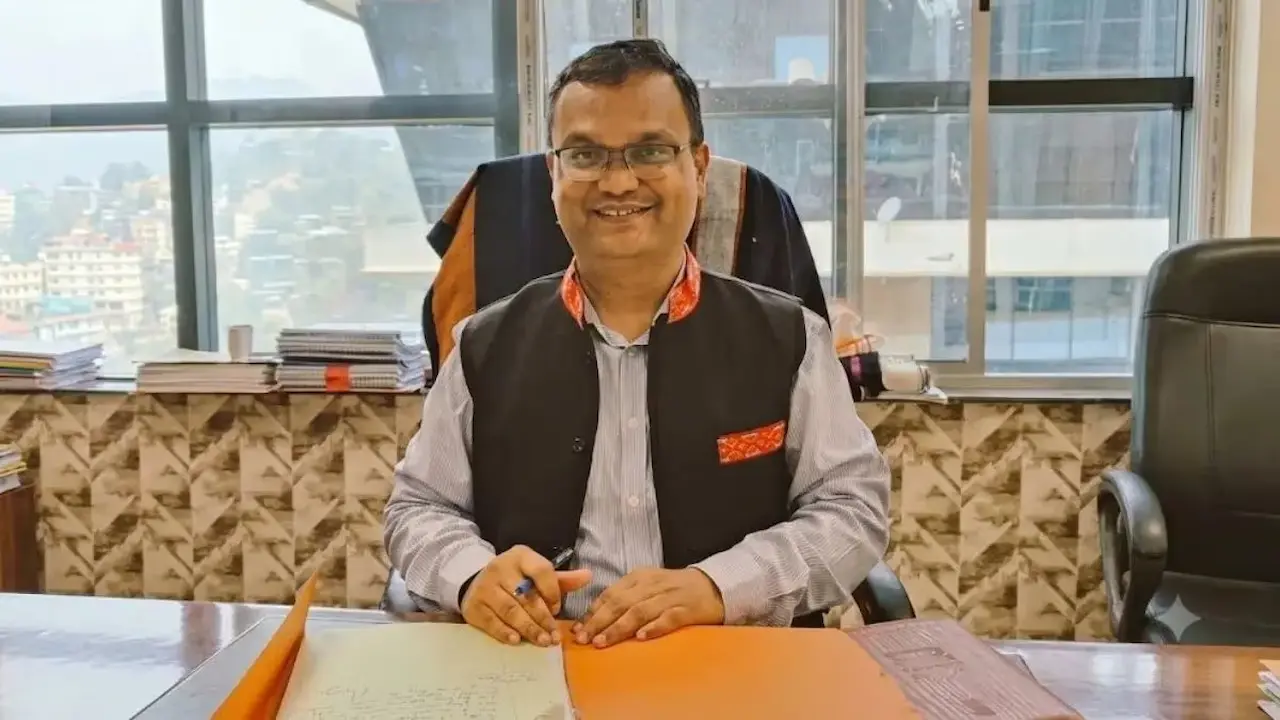
The Central Government on Tuesday appointed senior IAS officer Lokhande Prashant Sitaram as the new Chairperson of the Central Board of Secondary Education (CBSE), replacing Rahul Singh amid the ongoing controversy surrounding the board’s On-Screen Marking (OSM) system.
Sitaram, a 2001-batch Indian Administrative Service (IAS) officer of the AGMUT cadre, is currently serving as Additional Secretary in the Ministry of Home Affairs. His appointment was approved by the Appointments Committee of the Cabinet (ACC), headed by Prime Minister Narendra Modi.
According to a Personnel Ministry order, outgoing CBSE Chairperson Rahul Singh has been appointed as Additional Secretary in the Ministry of Agriculture and Farmers Welfare.
In another significant administrative change, CBSE Secretary Himanshu Gupta, a 2012-batch IAS officer, has been repatriated to his parent cadre in the Ministry of Home Affairs on “administrative grounds.” The order stated that Gupta would be eligible for central deputation again only after December 12, 2030, under the extended cooling-off provision.
The government has also appointed Varun Bhardwaj, a 2008-batch Indian Information Service officer, as the new CBSE Secretary. Bhardwaj is currently serving as Director in the Ministry of Education.
The leadership overhaul comes amid growing criticism of CBSE’s digital evaluation process for Class 12 board examinations. The board has faced scrutiny after several students alleged that the scanned copies of answer sheets made available through the verification process did not match their handwriting, raising concerns over possible answer-sheet mismatches in the OSM system.
The controversy triggered widespread concern among students and parents, with many questioning the transparency and reliability of the digital evaluation mechanism.
In recent weeks, CBSE has also come under fire for technical glitches, delays in verification and re-evaluation procedures, and payment-related issues on its online portals. These developments have led to demands for greater accountability and reforms in the board’s examination and evaluation processes.
The appointment of new leadership is expected to bring stability to the national education board as it works to address concerns surrounding the OSM system and restore confidence among students, parents, and educators.
