


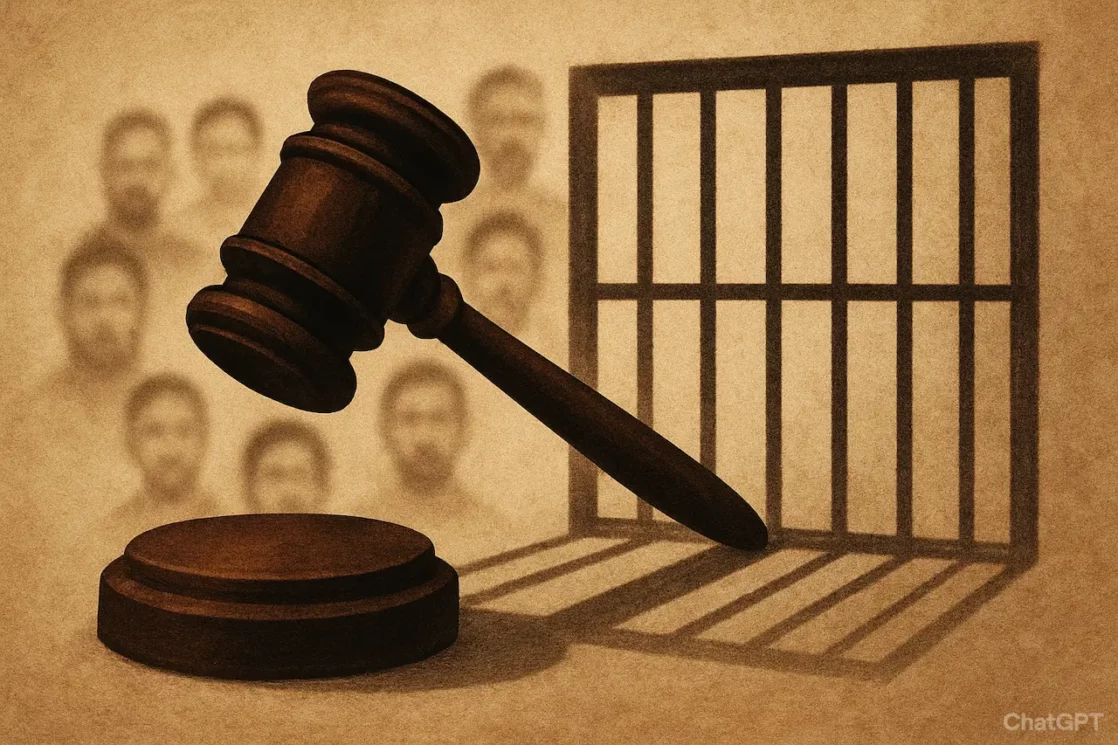
The Delhi High Court has once again refused bail to nine anti-CAA activists — Sharjeel Imam, Umar Khalid, Athar Khan, Khalid Saifi, Mohd Saleem Khan, Shifa-ur-Rehman, Meeran Haider, Gulfisha Fatima, and Shadab Ahmed — who have been behind bars since 2020 under the Unlawful Activities (Prevention) Act.
Five years. No trial. No bail. This is not the language of justice; it is the language of slow erasure.Each hearing follows the same choreography: petitions filed, arguments stretched, judgments reserved, and bail denied. Courts insist that the “trial will progress at its natural pace.” But what is “natural” about half a decade of incarceration without even the first steps of trial? When does delay itself become the crime?
The prosecution insists these were no spontaneous riots but a carefully scripted conspiracy, and Solicitor General Tushar Mehta declared that the accused “must remain in jail until conviction or acquittal.” Yet here lies the absurdity: acquittal is impossible when trials never begin. The circular trap is complete — a legal black hole in which liberty disappears.This is how procedure becomes punishment. This is how a democracy quietly borrows the methods of authoritarian regimes: not through sudden coups, but through the slow suffocation of dissent, legitimised by paperwork and adjournments.
The 2020 Delhi riots claimed 53 lives and injured over 700. Instead of closure or accountability, what remains is a judicial theatre where the accused are reduced to exhibits of state power. They are branded conspirators, kept in cages, and denied even the basic safeguard of bail.
International rights groups call it a travesty of justice. At home, it is met with silence — the silence of fatigue, the silence of resignation. The judiciary does not roar; it whispers “procedure.” And so, India’s prisoners of conscience remain in Tihar, their youth wasted, their voices smothered, while the system calls this the “natural pace of law.”In truth, it is the unnatural pace of injustice.
