Home Blog Page 112

New Orleans New Year Tragedy: 15 Dead in Suspected ISIS-Inspired Attack

new orleans, crash, new year, new orleans crash, attack, us, united states
New Orleans New Year Tragedy: 15 Dead in Suspected ISIS-Inspired Attack 2

New Orleans’ vibrant New Year celebrations turned into chaos when a man drove a pickup truck into a crowd near the iconic Bourbon Street early Wednesday, killing 15 people and injuring dozens. Authorities are now probing potential links between the attacker and the Islamic State terrorist group.

The suspect, identified as Shamsud-Din Bahar Jabbar, a 42-year-old Army veteran from Texas, was killed in a shootout with police shortly after crashing the rented truck. The attack, which occurred just after 3 a.m., has left the city reeling and raised serious concerns about public safety in the bustling French Quarter.

Inside the vehicle, investigators found an ISIS flag, firearms, and a possible explosive device, further fueling suspicions of a coordinated terrorist act. Police Superintendent Anne Kirkpatrick revealed that two officers sustained injuries during the exchange of gunfire but are expected to recover.

“This was a premeditated act of terror that exploited a temporary gap in security,” Kirkpatrick said, referencing adjustments made due to ongoing repairs in the area ahead of next month’s Super Bowl.

The tragic incident, one of the deadliest in New Orleans’ recent history, also led to the postponement of the Sugar Bowl, initially scheduled for Wednesday at the Superdome. The game has been rescheduled for Thursday as officials work to restore a sense of safety and normalcy.

Federal investigators are urgently piecing together Jabbar’s motives and any ties to international terrorist networks. Alethea Duncan, an assistant special agent with the FBI, stated, “This investigation is moving swiftly, and we’re pursuing every lead. We urge anyone with information to come forward.”


PM Modi Applauds Maharashtra’s Push to Crush Naxal Dominance and Boost Development

gadchiroli, cm fadnavis, devendra fadnavis, pm modi, naxal, naxalite
PM Modi Applauds Maharashtra's Push to Crush Naxal Dominance and Boost Development 4

Prime Minister Narendra Modi praised the Maharashtra government’s initiatives for fostering all-round development in the state’s Maoist-affected and remote regions. His remarks followed Maharashtra Chief Minister Devendra Fadnavis’s visit to Gadchiroli, a district long plagued by Naxalite extremism, where significant strides against the insurgency were showcased.

During the visit, several Naxal cadres surrendered, signaling a decline in their dominance. Fadnavis also announced a slew of developmental projects aimed at improving infrastructure and services in these marginalized areas.

Taking to X, Modi stated, “I laud the Maharashtra Government’s efforts to ensure all-round development in remote and Maoist-affected areas. This will certainly boost ‘Ease of Living’ and pave the way for even more progress. A special congratulations to my sisters and brothers of Gadchiroli and the surrounding areas!”

The Prime Minister’s remarks came in response to Fadnavis highlighting his administration’s commitment to eradicating left-wing extremism and uplifting communities in the region through sustained development efforts.

IDF Confirms Elimination of Hamas Commander Abd Al-Hadi Sabah in Gaza Drone Strike

Abd Al-Hadi Sabah, hamas, hamas leader, israel, idf, israel defense forces
IDF Confirms Elimination of Hamas Commander Abd Al-Hadi Sabah in Gaza Drone Strike 6

The Israel Defense Forces (IDF) on Tuesday (local time) confirmed the killing of Hamas’ Nukhba Platoon commander, Abd al-Hadi Sabah, in a recent drone strike.

As per the IDF, Sabah had led the attack on Kibbutz Nir Oz during the October 7, 2023, massacre.

The Nukhba Platoon commander in Hamas’ Western Khan Yunis Battalion was eliminated in the Khan Yunis area of southern Gaza, the IDF added in its statement.

“Abd al-Hadi Sabah, a Nukhba Platoon Commander in the Western Khan Yunis Battalion, was eliminated in an intelligence-based IDF and ISA strike,” the IDF wrote on X.

They also added, “Abd al-Hadi Sabah—who operated from a shelter in the humanitarian area in Khan Yunis—was one of the leaders of the infiltration into Kibbutz Nir Oz during the murderous October 7 Massacre. Sabah also led and advanced numerous terrorist attacks against IDF troops throughout the current war. The IDF and ISA will continue to operate against all of the terrorists who took part in the murderous October 7 Massacre.”

Earlier, the IDF reported that its units, working with the Shin Bet (Israel’s General Security Service), eliminated 14 Hamas terrorists, six of whom had participated in the October 7 massacre. These operations were carried out as part of the IDF’s 162nd “Steel” Division’s ongoing activity in the Gaza Strip.

The 162nd Division operated in the areas of Jabalia and Beit Lahia as part of the joint activity of the IDF and Shin Bet to locate and eliminate terrorists who took part in the October 7 attack.

The 162nd Division has been operating in the areas of Jabalia and Beit Lahia as part of the joint effort between the IDF and Shin Bet to locate and eliminate terrorists involved in the October 7 attack.

On October 7 last year, Hamas launched a massive terror attack on Israel, killing over 1,200 people and taking more than 250 hostages. Around 100 hostages remain in captivity, with many feared dead.

In response, Israel launched a strong counteroffensive targeting Hamas units in Gaza. However, the Israeli operation has resulted in over 45,000 Palestinian casualties in Gaza. The mounting civilian toll has raised global concerns and increased calls for a ceasefire.

The conflict has escalated further, with Houthi rebels from Yemen and Hezbollah from Lebanon—both considered Iran’s proxies—intensifying their offensives against Israel, compelling Tel Aviv to engage in a multi-front war.

Urgent Need for Amendments to Section 498A: A Call for Justice and Balance

section 498a, 498a, 498(a), ipc, indian penal code, husband and wife, supreme court, misuse
AI Generated Image

The growing misuse of Section 498A of the Indian Penal Code, originally enacted to protect women from cruelty and harassment, is a pressing concern that demands immediate legislative and judicial attention. The alarming trend of exploiting this provision to implicate not only husbands but also their extended families is causing untold harm and undermining the law’s intended purpose. While safeguarding women’s rights remains paramount, the unchecked misuse of such a potent legal tool must be addressed to maintain balance and fairness in the justice system.

A recent judgement by the Supreme Court in Dara Lakshmi Narayana & Others vs. State of Telangana & Another has once again highlighted this issue. Delivered on December 10, 2024, the Court strongly cautioned against the nefarious tendency to indiscriminately involve entire families in cases arising from matrimonial disputes. Such misuse of the law not only dilutes its efficacy but also destroys the lives of innocent individuals who are falsely accused. The court’s words serve as a dire warning and a call for reform to prevent further abuse of Section 498A.

The tragic suicides of Bengaluru techie Atul Subhash and Delhi café co-founder Puneet Khurana serve as stark reminders of the human cost of this misuse. Atul Subhash, a 34-year-old professional, took his life after enduring relentless harassment from his estranged wife and her family. His heartbreaking video and 24-page suicide note revealed his ordeal, including allegations of systemic corruption where a judge allegedly demanded a bribe to settle his case. These revelations paint a grim picture of the intersection of personal vendettas and systemic failures that pushed him to the brink.

Similarly, Puneet Khurana’s suicide on New Year’s Eve underscores the toll such harassment can take. Puneet, co-founder of a well-known café in Delhi, had been embroiled in a contentious marital and business dispute with his wife. Audio recordings and other evidence point to persistent threats and demands, including financial extortion and the threat of implicating his parents in false cases. His tragic end, after years of emotional and mental torture, highlights the urgent need for systemic safeguards to prevent such abuses.

These cases are not isolated incidents but symptoms of a larger problem that needs to be confronted with seriousness and resolve. While the intent behind Section 498A is noble, its implementation has, in some instances, turned into a weapon for personal vendettas. The misuse of the law, coupled with the lack of adequate safeguards, has led to devastating consequences, including loss of life. This growing trend necessitates immediate action, both in the form of legislative amendments and a rethinking of how such cases are investigated and prosecuted.

Amending Section 498A to include stringent checks and balances is critical to ensuring that genuine cases of harassment are addressed without allowing the law to be exploited. A thorough preliminary investigation should be mandated before registering cases, and mediation should be encouraged as a first step in resolving disputes. Additionally, penalties for filing false complaints must be enforced to deter misuse. Law enforcement agencies need to be trained to discern between genuine cases and baseless allegations, and judicial oversight must be strengthened to prevent undue harassment.

As a society, we must recognise the gravity of this issue and advocate for reforms that protect all individuals from abuse, regardless of gender. While women’s safety and empowerment remain essential, the misuse of laws meant to protect them cannot be ignored. The tragic stories of Atul Subhash and Puneet Khurana are powerful reminders that justice must be impartial and balanced. Their untimely deaths should galvanise society, lawmakers, and the judiciary into action to ensure that such tragedies are not repeated. A fair and just legal system is not just a necessity; it is a fundamental pillar of a civilised society.

US Cracks Down on Iranian and Russian AI-Driven Election Interference Ahead of 2024 Polls

us cracks down, us, us elections, polls 2024, iran, russia, iranian and russian, ai-driven election interference
US Cracks Down on Iranian and Russian AI-Driven Election Interference Ahead of 2024 Polls 9

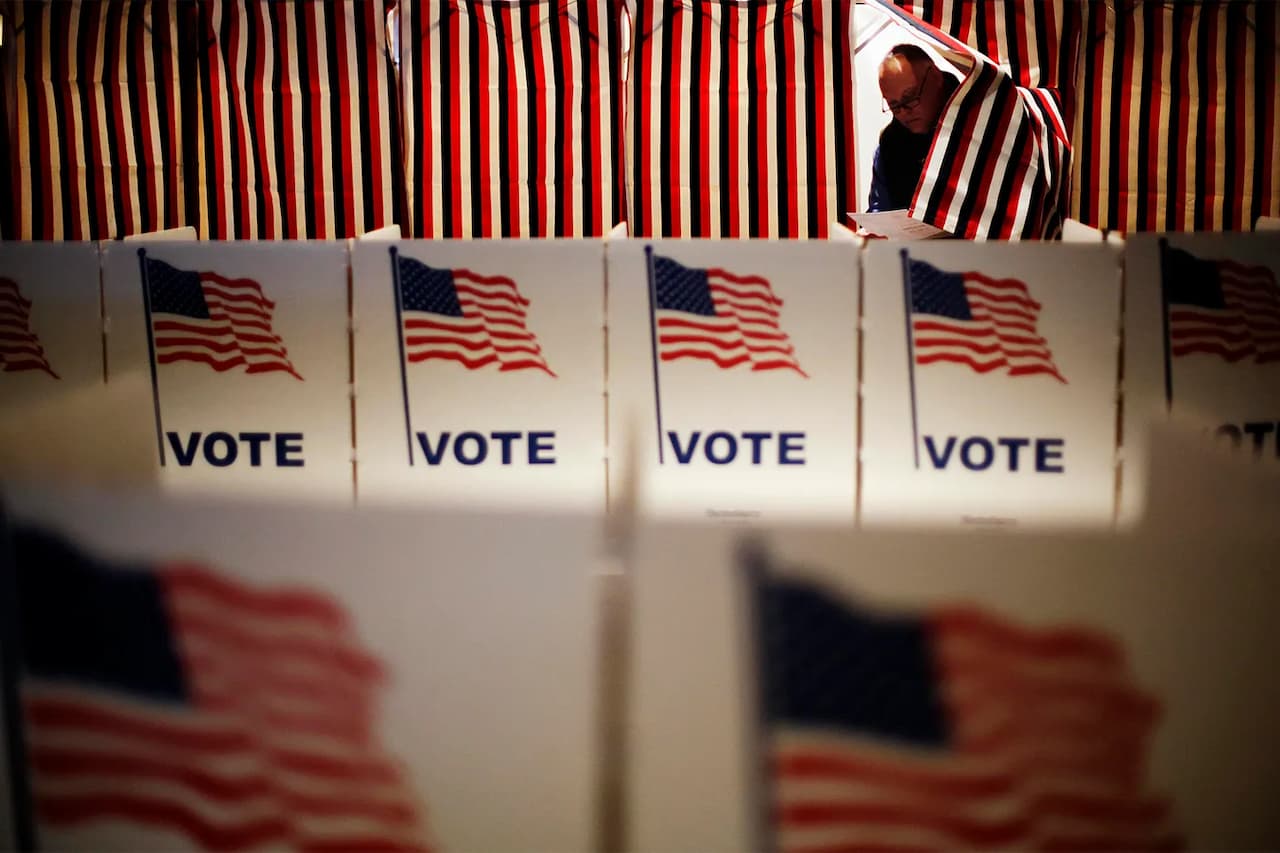
The United States Treasury has imposed sanctions on Iranian and Russian entities accused of attempting to influence the 2024 US presidential election through artificial intelligence-driven disinformation campaigns. The move targets a subsidiary of Iran’s Islamic Revolutionary Guard Corps (IRGC) and a Russian group affiliated with military intelligence.

In an official statement, the Treasury accused these entities of using AI to generate and disseminate false narratives aimed at creating sociopolitical tensions and misleading the American electorate. The Russian group, identified as the Center for Geopolitical Expertise (CGE), allegedly operated a network of over 100 fake news websites to amplify disinformation and fabricate false accusations against a vice-presidential candidate for 2024. CGE, funded by controversial Russian figure Aleksandr Dugin, had been sanctioned by the US in 2015 for prior interference activities.

The Iranian Cognitive Design Production Center, a subsidiary of the IRGC, was also sanctioned for conducting influence operations targeting the US election. Both entities are accused of exploiting advanced technology to obscure their origins while mimicking legitimate news outlets to propagate falsehoods.

Treasury Acting Undersecretary for Terrorism and Financial Intelligence Bradley Smith condemned these operations, stating, “The Governments of Iran and Russia have targeted our election processes and institutions and sought to divide the American people through targeted disinformation campaigns. The United States will remain vigilant against adversaries who would undermine our democracy.”

Although the sanctioned groups are considered minor economic players, the action underscores escalating tensions between the US and its adversaries. These sanctions highlight ongoing efforts to safeguard democratic processes from foreign interference leveraging cutting-edge technologies.

Noida Woman Tries Killing 21-Year-Old Friend for Refusing to Marry Her After Spiking Drink

drink spike, incdent, noida woman, attempt to kill, husband
Noida Woman Tries Killing 21-Year-Old Friend for Refusing to Marry Her After Spiking Drink 11

A woman in Noida allegedly tried to kill a 21-year-old youth she befriended recently on social media for refusing to marry her, police said on Wednesday.

The man was being treated at a hospital after she allegedly spiked his drink and got two of her accomplices to kill him using a sharp weapon, they said.

Rabupura police station in-charge inspector Raghavendra Kumar Singh said that on Tuesday night, Hansraj, a resident of Ronija village, lodged a report that his son Dheeraj (21), a BCom student, received a call from Priya on the morning of December 24, asking him to meet her.

Hansraj said that about six months ago, Priya and his son became friends through social media, after which she came to Greater Noida.

The complainant alleged that his son was in a car with Priya when she spiked his fruit juice and made Dheeraj drink it. Later, she called two of her friends and tried to kill him by using a sharp weapon, he said.

Hansraj said that some people identified his son when they saw him unconscious in the car and informed the police.

The report said that Dheeraj was admitted to the Yatharth Hospital in Greater Noida for treatment, where he is being treated.

The station in-charge said that based on the complaint, a case has been registered against Priya and her unknown friends under various sections, including an attempt to murder, and the investigation is going on. 

BSP to Go All In: Aiming for All 70 Seats in Delhi Assembly Polls

bsp, bahajan samaj party, delhi assembly elections, mayawati, delhi assembly, 70 seats
BSP to Go All In: Aiming for All 70 Seats in Delhi Assembly Polls 13

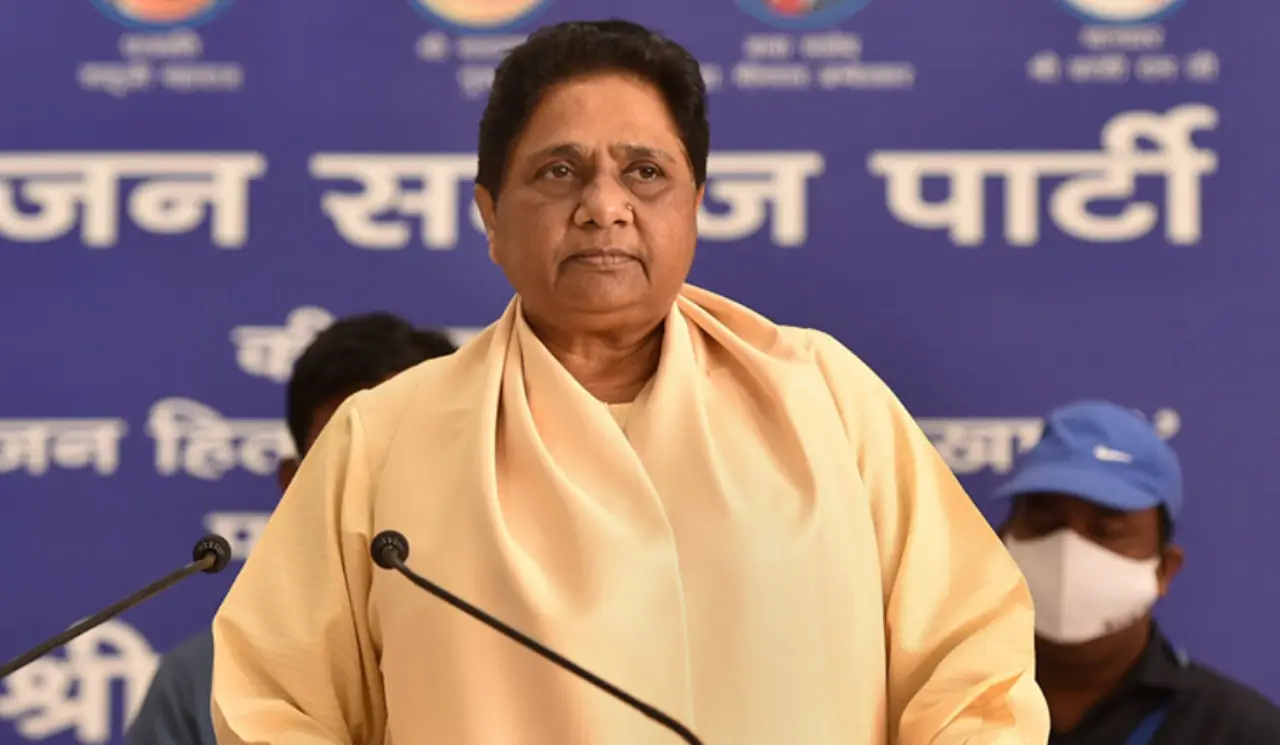
The Bahujan Samaj Party (BSP) is gearing up to contest all 70 seats in the upcoming Delhi Assembly elections, with its first list of candidates expected to be announced by mid-January. According to party officials, Delhi has been divided into five zones, and the process of finalizing candidates in each zone is in full swing.

A senior BSP official described the upcoming elections, scheduled for February, as both “interesting and challenging.” Coordinators have been assigned to oversee the candidate selection in each zone, ensuring recommendations are sent to BSP chief Mayawati for final approval. The list is anticipated to be finalized by January 15.

Historically, the BSP has contested all 70 seats in Delhi since 2008 but has struggled to gain significant traction. In the 2020 Assembly elections, the party secured a mere 0.71% vote share and failed to win any seats. Its highest performance came in 2008, with a 14.05% vote share and two seats. Despite recent setbacks, the party is optimistic about reclaiming ground in the capital.

On the ground, small-scale meetings are underway to identify key issues and agendas, with candidate selection informed by these discussions. The BSP plans to kick off its poll campaign on January 5, with Mayawati and her key leaders expected to hold rallies under the guidance of zonal coordinators.

The upcoming Delhi Assembly elections are expected to feature a fierce battle between the ruling Aam Aadmi Party (AAP) and the Bharatiya Janata Party (BJP). While AAP has already released its candidate list, featuring prominent names like Arvind Kejriwal in New Delhi and Atishi in Kalkaji, the BSP is determined to make its presence felt, banking on its grassroots efforts and inclusive agenda.

Raj Thackeray Slams Voters: ‘MNS Solves Your Problems, But You Ignore Us on Election Day’

raj thackeray, mns, maharashtra navnirman sena, thackeray, gudi padwa, mns cadre, nayan kadam
Raj Thackeray Slams Voters: 'MNS Solves Your Problems, But You Ignore Us on Election Day' 15

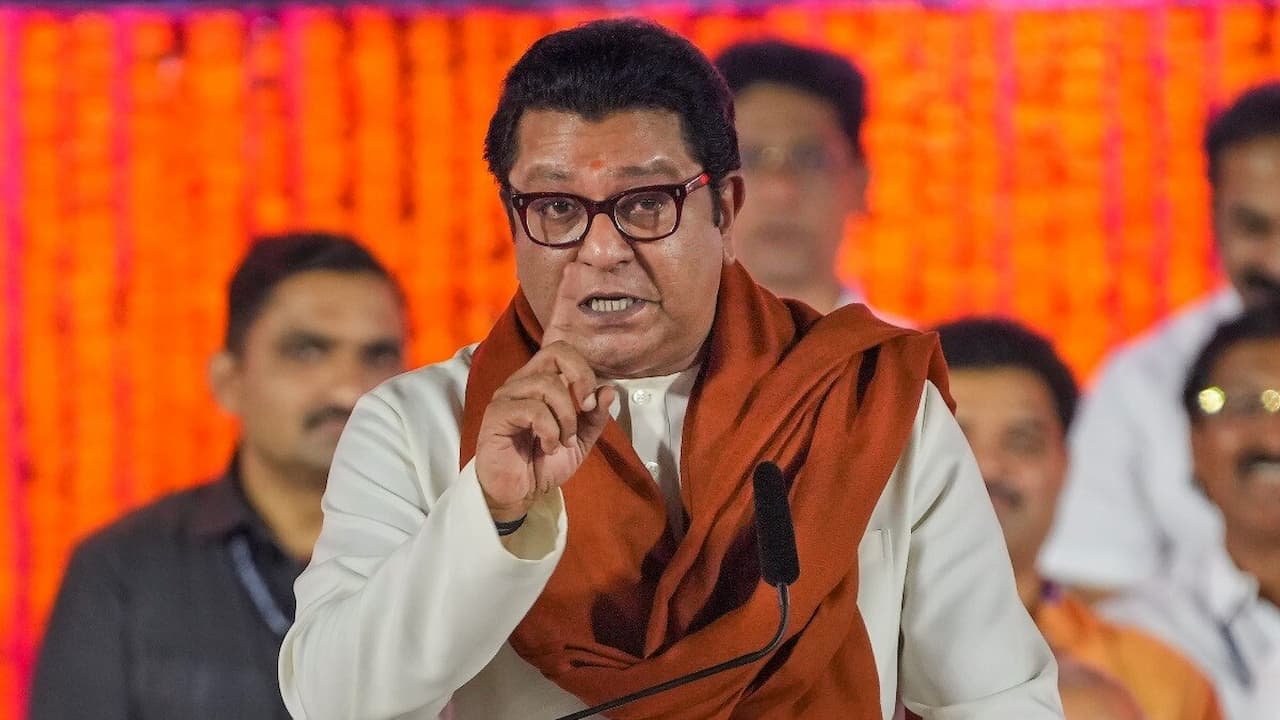
Maharashtra Navnirman Sena (MNS) chief Raj Thackeray expressed frustration on Wednesday, pointing out the public’s tendency to rely on his party to solve their issues but overlook it when it comes to voting.

In a New Year’s message on X, Thackeray urged his party workers to move past the disappointing election results and focus on the future. “Certain things have not changed… People remember Maharashtra Navnirman Sena for the resolution of every problem but ignore it while voting,” he stated.

The MNS had fielded candidates in 125 out of the 288 assembly seats in the November 20 Maharashtra elections but failed to secure a single win. Even Raj’s son, Amit Thackeray, faced defeat in Mahim, Mumbai.

Thackeray alleged that soon after the elections, instances of “oppression” against Marathi speakers began to surface. He claimed that the public once again turned to the MNS for intervention, which the party provided. “It has become evident that the ‘Marathi manoos’ (native Maharashtrian) is being used only for votes,” Thackeray remarked, highlighting the exploitation of Marathi identity for political gains.

Despite the setbacks, Thackeray assured his supporters that he would soon provide a roadmap for the party’s next steps, urging them to remain steadfast in their commitment to the cause.

Judges or Dynasty? Singhvi Applauds SC Collegium’s Move to Curb Nepotism in Judiciary

abhishek manu sanghvi, sanghvi, advocate, adv
Judges or Dynasty? Singhvi Applauds SC Collegium's Move to Curb Nepotism in Judiciary 17

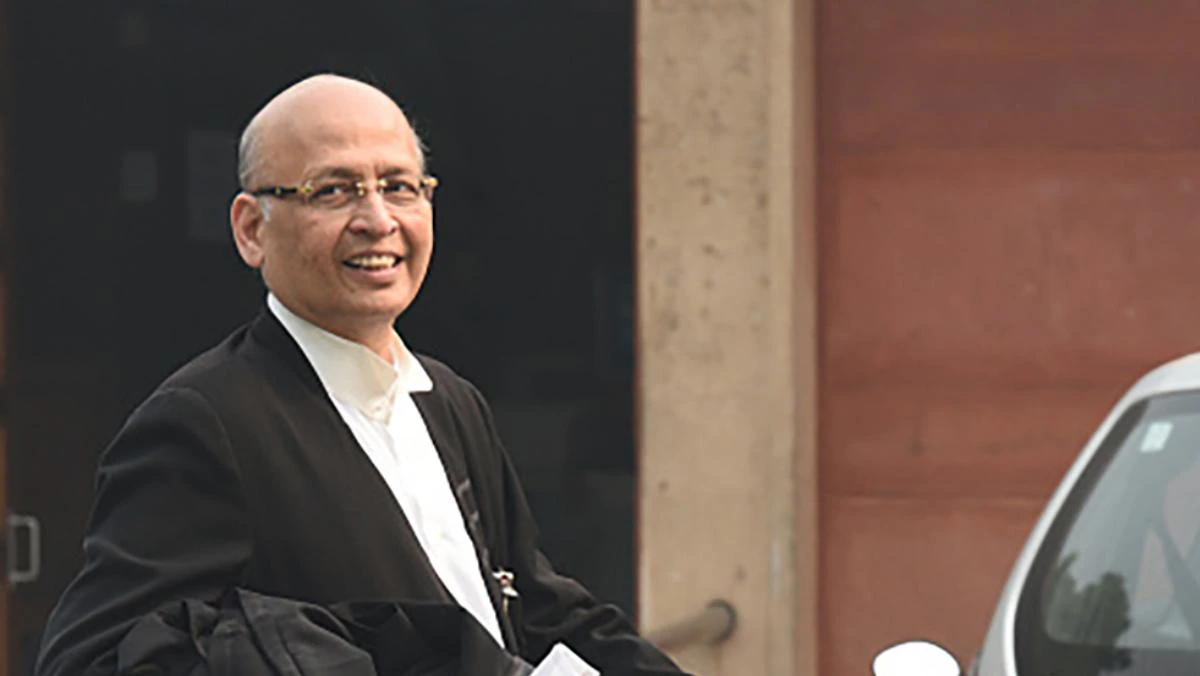
Congress leader and senior advocate Abhishek Singhvi has hailed the Supreme Court collegium’s proposal to dissuade the appointment of judges’ close relatives in high courts. He emphasised that such reforms should be implemented swiftly to combat nepotism and enhance meritocracy in judicial appointments, which he described as “much murkier and more non-objective than originally conceived.”

Taking to X, Singhvi expressed his support for the move, calling it a bold and necessary step. “The reality of judicial appointments is much murkier and far more objective than originally conceived. Mutual backscratching, uncle judges, and family lineages demoralise others and tarnish the institution’s reputation,” he remarked.

Singhvi lamented the systemic resistance to change, noting that even straightforward reforms, such as banning lawyer relatives from practicing in the same high court as their judge relatives, have been difficult to implement. “Time and again, the system has proved stronger than desirable impulses for reform,” he added.

Recalling an idea he floated decades ago, Singhvi suggested that collegium judges disguise themselves and observe candidates—whether judges or lawyers—in action to gain an unfiltered understanding of their capabilities. “We would all be astonished (and scared) at the gap between CVs and reality, between paper appraisals and courtroom performance,” he wrote, endorsing the proposed interviews as a significant improvement, albeit not as effective as surprise inspections.

The Supreme Court collegium is reportedly deliberating on a proposal that could prevent high court collegiums from recommending candidates whose parents or close relatives are current or former judges of the Supreme Court or high courts. Sources suggest this reform could diversify the judiciary by creating more opportunities for first-generation lawyers and ensuring merit trumps lineage.

While the idea has garnered support, concerns have been raised about the potential exclusion of deserving candidates solely due to familial ties to the judiciary. A source remarked that such disqualification could lead to unintended injustice but acknowledged the potential benefits in fostering inclusivity and merit-based appointments.

The collegium, currently comprising Chief Justice of India Sanjiv Khanna and Justices B.R. Gavai and Surya Kant, along with Justices Hrishikesh Roy and Abhay S. Oka for high court recommendations, has recently introduced personal interactions with candidates for elevation. This marks a departure from the traditional reliance on biodata, written evaluations, and intelligence reports, signalling a progressive shift towards transparency and accountability.

As the judiciary wrestles with these proposed reforms, Singhvi’s candid observations underscore the urgent need to overhaul a system often criticised for perpetuating privilege over performance. Whether the collegium’s radical ideas materialise into concrete changes remains to be seen, but the debate has undoubtedly reignited calls for judicial accountability and meritocracy.

Beed Murder Scandal: Minister Munde’s Aide Walmik Karad Surrenders Amid Political Firestorm

walmik karad, karad surrenders, karad, pune, beed, dhananjay munde, munde
Beed Murder Scandal: Minister Munde's Aide Walmik Karad Surrenders Amid Political Firestorm 19

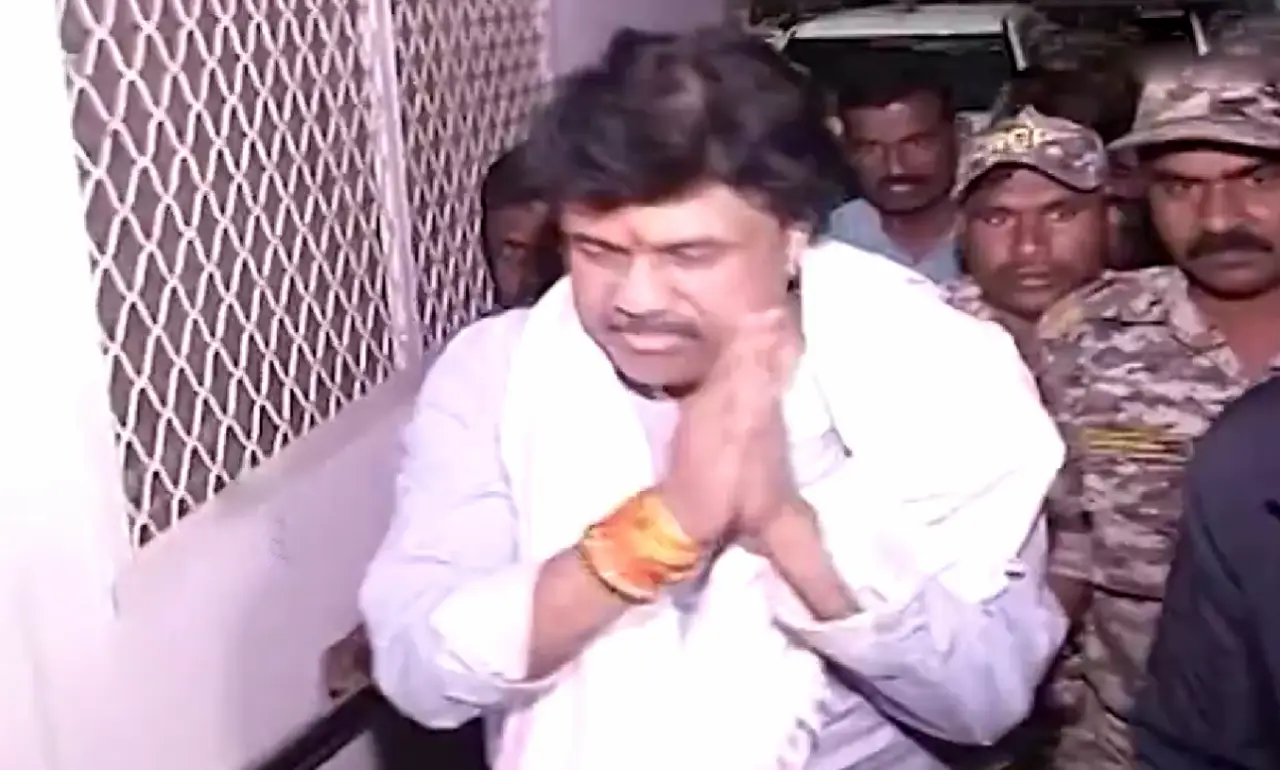
Walmik Karad, a close associate of Maharashtra NCP minister Dhananjay Munde, surrendered in Pune on Tuesday in connection with an extortion case tied to the brutal murder of a sarpanch in Beed district. The court in Kej subsequently remanded him to 14-day police custody during a late-night hearing.

Karad arrived at the Crime Investigation Department (CID) office in Pune alongside his associates, where a preliminary inquiry was conducted before transferring him to the Beed CID team for further investigation. Before surrendering, Karad released a video on social media, alleging he was being framed as part of a political vendetta.

The case revolves around the abduction and murder of Santosh Deshmukh, sarpanch of Massajog village, who was killed on December 9 after allegedly opposing an extortion attempt targeting a windmill company. While four arrests were made earlier, Karad was named as a wanted accused in the extortion case.

Chief Minister Devendra Fadnavis, who also handles the Home Department, faced mounting criticism over the delay in apprehending Karad. “There will be no goonda raj in Maharashtra. Everyone involved in this case will be brought to justice,” Fadnavis assured. However, opposition parties, including Congress and NCP, questioned the police’s inefficiency and demanded stronger action.

Congress spokesperson Atul Londhe criticized Fadnavis, calling for his resignation and demanding a judicial probe led by a sitting judge. NCP (SP) MLA Jitendra Awhad demanded the immediate dismissal of Dhananjay Munde, arguing that his position could hinder an impartial investigation.

NCP working president Supriya Sule expressed shock over Karad’s ability to post a viral video while evading authorities for nearly three weeks. Meanwhile, Beed BJP MLA Suresh Dhas commended Fadnavis for Karad’s surrender but took a dig at Munde, alleging complicity.

The scandal has also sparked outrage among Maratha community leaders, including activist Manoj Jarange and former Rajya Sabha MP Sambhajiraje Chhatrapati. Both demanded stringent action, with Sambhajiraje urging the invocation of the Maharashtra Control of Organised Crime Act (MCOCA) against Karad, a move that would make securing bail exceedingly difficult.

The case has plunged the newly-formed Fadnavis-led government into a political quagmire, with allegations of caste dynamics, ministerial connections, and administrative lapses dominating the narrative. As the investigation unfolds, the demand for accountability continues to escalate.