Atrocities Against Hindus in Bangladesh: US Congressman Demands Urgent Action 2
Indian-American Congressman Shri Thanedar has called for immediate action from the U.S. Congress and government to address the alleged violence against minority Hindus in Bangladesh. Speaking on the floor of the U.S. House of Representatives on Wednesday, Thanedar highlighted the destruction of Hindu temples, deities, and attacks on peaceful practitioners of the Hindu faith.
“The time has now come for the United States Congress to act and the U.S. government to act,” Thanedar declared. “Every possible tool in our hands needs to be used to ensure that such atrocities in Bangladesh against Hindus stop right away.”
Allegations of Escalating Violence
Thanedar alleged that the violence against Hindus in Bangladesh has worsened since the fall of the Sheikh Hasina government, citing a history of attacks on the minority community since the country’s independence in 1971.
“More recently, we have seen a Hindu priest being arrested and his lawyer being murdered,” he claimed, urging decisive intervention to prevent further harm to the community.
White House Responds
On Thursday, the White House stated that President Joe Biden is closely monitoring the situation in Bangladesh. National Security Communications Advisor John Kirby emphasized that the U.S. is holding the Bangladeshi interim government accountable for ensuring the safety of religious and ethnic minorities.
“The security situation in Bangladesh has been difficult following the ouster of the former prime minister,” Kirby said. “We are working closely with the interim government to enhance the capabilities of their law enforcement and security services to address these challenges.”
Support from Other Leaders
Indian-American Congressman Raja Krishnamoorthi has also urged members of the Senate Foreign Relations Committee to take up the issue of violence against Hindus in Bangladesh during the upcoming confirmation hearing of Senator Marco Rubio, who has been nominated by President-elect Donald Trump for the position of Secretary of State. The hearing date is yet to be announced.
Protests and Public Outcry
The escalating violence has sparked widespread outrage among Indian-Americans, many of whom recently organized a march from the White House to the U.S. Capitol to draw attention to the plight of Hindus in Bangladesh. Protesters called for stronger U.S. intervention and measures to protect minority communities in the region.
A History of Struggle
Thanedar pointed to a long-standing pattern of violence against Hindus in Bangladesh, which dates back to the country’s independence. He reiterated his commitment to fighting for justice and equality for all religious minorities in the region, urging bipartisan support to address these human rights violations.
As the situation unfolds, all eyes remain on the U.S. government and Congress to determine the next steps in addressing this growing humanitarian concern.
Pushpa 2 Stampede: Allu Arjun Walks Free After Spending Night in Jail Amid Legal Drama 4
Telugu superstar Allu Arjun was released from Chanchalguda prison early Saturday morning after spending a night behind bars in connection with the tragic death of a woman during a stampede at the premiere of his latest blockbuster, Pushpa 2: The Rule.
Despite being granted interim bail by the Telangana High Court late Friday night, Arjun remained in custody as prison authorities reportedly did not receive the court order in time. Speaking to reporters after the release, Arjun’s lawyer, Ashok Reddy, termed the delay “illegal detention” and vowed to take legal action.
Arjun Speaks Out
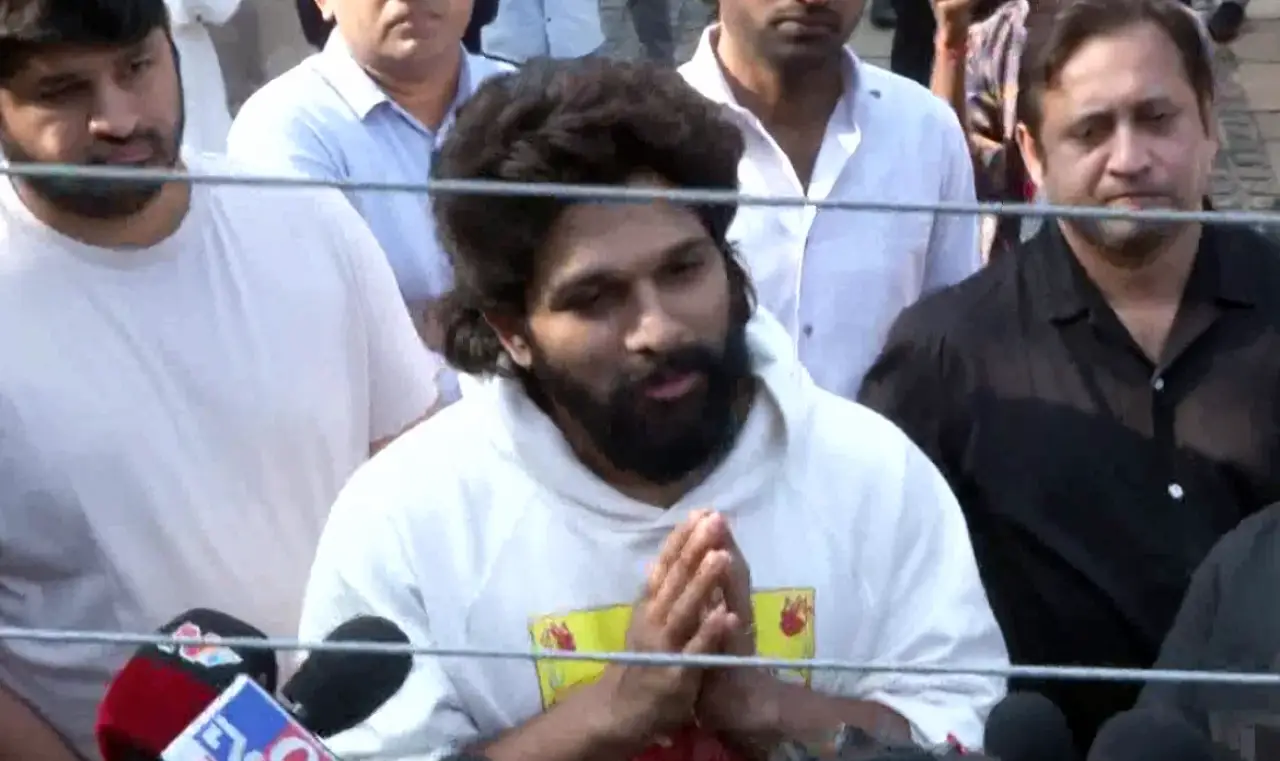
Following his release at 6:45 am, Arjun addressed the media, expressing condolences to the victim’s family. “This is a very, very unfortunate incident. My heartfelt condolences to the family. I am a law-abiding citizen and respect the legal process. I will fully cooperate with the authorities and do everything necessary,” he said.
While the 42-year-old actor refrained from commenting on his arrest, he emphasized his respect for the judicial process. “When the law is taking its course, I must not interfere or speak about the case,” he stated.
The actor admitted it was a challenging time for his family but assured that he would stand by the victim’s family and extend his support.
The Stampede Incident
The stampede occurred on December 4 at the Sandhya Theatre in Hyderabad, where thousands of fans had gathered to catch a glimpse of Arjun during the premiere. The chaotic scene led to the death of a 35-year-old woman and the hospitalization of her eight-year-old son.
The police subsequently filed a case against Allu Arjun, his security team, and the theatre management under various sections of the Bharatiya Nyaya Sanhita (BNS), based on a complaint from the victim’s family.
A Day of Legal and Emotional Turmoil
Arjun’s arrest on Friday morning unfolded dramatic scenes as he was escorted from his residence to Chikkadpally police station and later produced in a local court. The court remanded him to 14 days’ judicial custody, prompting his legal team to immediately move the High Court for relief.
Post-release, Arjun visited his family production house, Geetha Arts, before returning home, where he was greeted emotionally by his wife, son, and other family members.
Legal Challenges and Allegations
Ashok Reddy criticized the prison authorities for not acting on the High Court’s clear directive to release Arjun “forthwith.” Reddy alleged that Arjun’s detention violated the court order and demanded accountability from the government and prison department.
Adding to the controversy, Reddy claimed that Arjun was treated as a “special category prisoner” while in jail, though no further details were provided.
Security Beefed Up
Anticipating a surge of fans outside the actor’s residence, police have intensified security measures to prevent any untoward incidents.
The tragic incident and Arjun’s subsequent arrest have raised questions about crowd management at celebrity events, the accountability of organizers, and the role of public figures in ensuring safety during high-profile gatherings. As Pushpa 2: The Rule continues to dominate headlines, this controversy casts a shadow over its success.
Internet Blackout in Haryana: Farmers' Protest Sparks Crackdown in Ambala 6
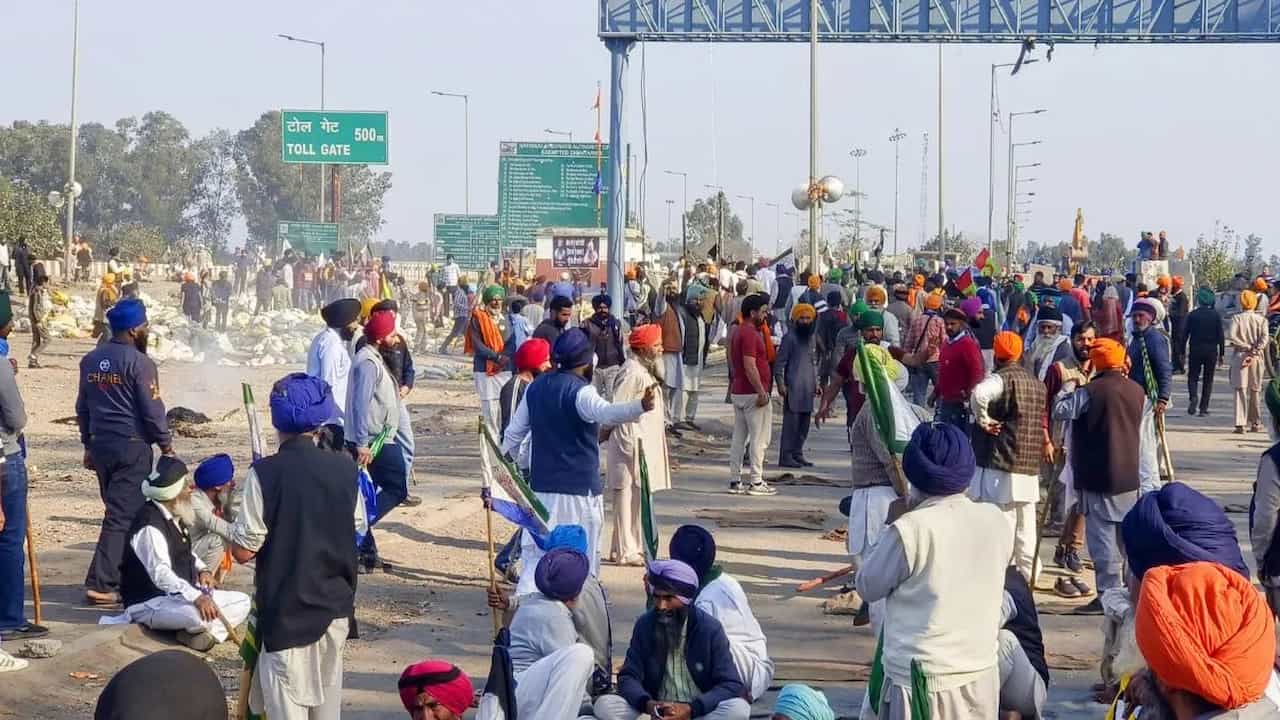
In a bid to preempt unrest ahead of a farmers’ march to Delhi, the Haryana government on Saturday suspended mobile internet, bulk SMS, and dongle services in 12 villages of Ambala district. The blackout, aimed at maintaining “public peace,” will remain in effect from 6 am on December 14 to 11:59 pm on December 17, as per an order issued by Additional Chief Secretary (Home), Sumita Misra.
The affected villages include Dangdehri, Lehgarh, Manakpur, Dadiyana, Bari Ghel, Choti Ghel, Lharsa, Kalu Majra, Devi Nagar (Hira Nagar, Naresh Vihar), Saddopur, Sultanpur, and Kakru.
The decision follows a call by farmers’ unions for a “Delhi Kooch” (march to Delhi) to demand a legal guarantee for Minimum Support Price (MSP) for crops and renewed dialogue with the Central government to resolve their grievances. A group of 101 farmers, under the banner of Samyukta Kisan Morcha (Non-Political) and Kisan Mazdoor Morcha, is set to resume its march from the Shambhu border on Saturday afternoon.
Misra’s order cited intelligence inputs warning of potential tensions, property damage, and disruptions to public peace due to the misuse of mobile internet and social media platforms to spread inflammatory material and mobilise crowds.
Previous Measures
The Haryana government had earlier suspended mobile internet services from December 6 to 9 in the region. Saturday’s order further tightens these restrictions, exempting essential services such as individual SMS, banking, mobile recharges, and internet via broadband and leased lines to minimise inconvenience to residents and businesses.
Heavy Security Deployment
A significant contingent of security personnel has been stationed on the Haryana side of the Punjab-Haryana border to prevent farmers from advancing toward Delhi
The farmers, camping at the Shambhu and Khanauri border points since February 13, remain steadfast in their demands. This renewed agitation highlights their frustration with the government’s inaction and its handling of the long-standing MSP issue.
As internet shutdowns become an increasingly frequent tactic to counter public protests, the move has drawn criticism for curbing free speech and disrupting communication channels, sparking a wider debate about the balance between maintaining order and upholding democratic rights.
Swami Vigyananand: An Ordinary Looking Monk on an Extraordinary Purpose of a Prosperous Hindu Economy 8
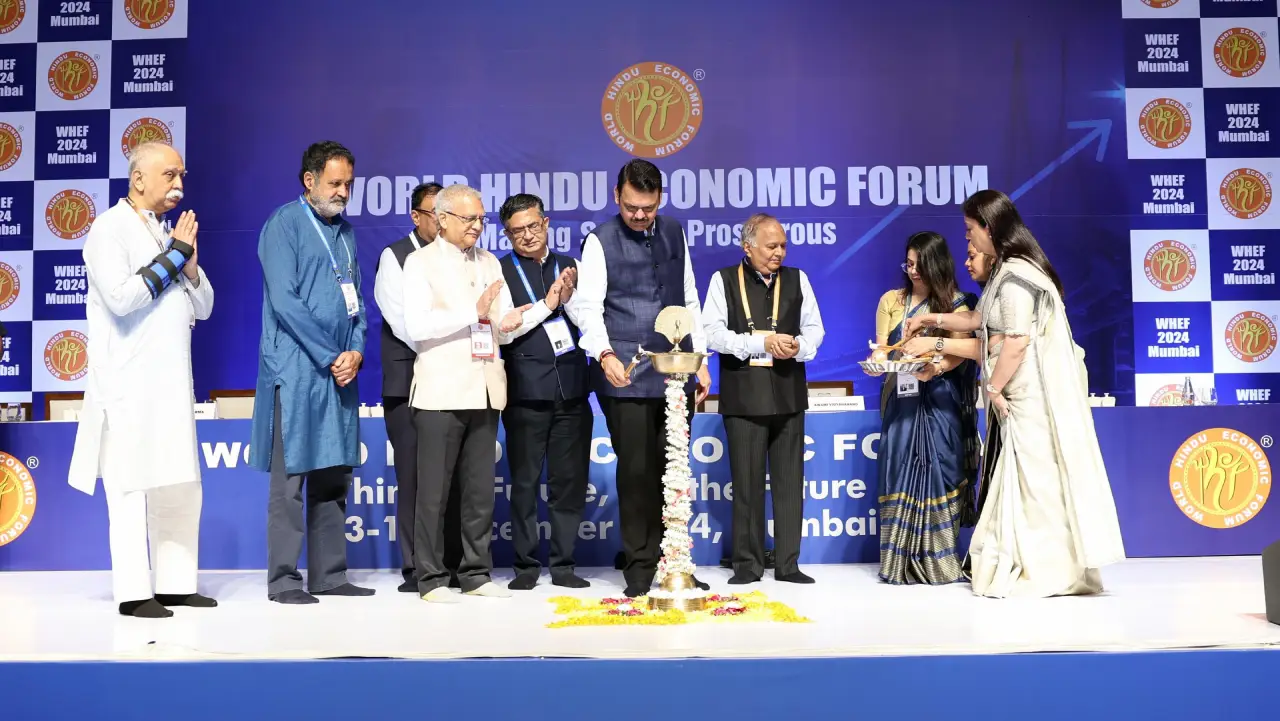
On the opening day of the World Hindu Economic Forum (WHEF) in Mumbai, I eagerly awaited Swami Vigyananand ji’s address. A learnt scholar, an alumnus of IIT Kharagpur, and a former Rashtriya Swayamsevak Sangh (RSS) Pracharak, Swamiji left behind material pursuits to embrace Sanyasa and now serves as the General Secretary of the Vishwa Hindu Parishad. Guided by the timeless philosophy of Acharya Chanakya—Dharmsya Mulam Arth (righteousness is rooted in wealth) and Arthasya Moolam Raajyam (enterprise is the foundation of wealth)—he has spearheaded initiatives like the World Hindu Economic Forum and the World Hindu Congress. His vision is to uplift Hindu society by integrating ancient values with modern economic strategies.
The World Hindu Economic Forum was created as a platform to unite financially successful Hindus worldwide, encouraging them to share expertise, networks, and resources. The goal is to create surplus wealth that can uplift society and address pressing global challenges such as poverty, hunger, and illiteracy. Swamiji believes that economic empowerment is the cornerstone of progress, and WHEF embodies this philosophy, inspired by the Bhagavad Gita’s wisdom to “think in the future, for the future.” He envisions India reclaiming its role as a global economic powerhouse, with Bharat contributing significantly to the world’s GDP and emerging as the third-largest economy in the near future. This economic resurgence, he argues, will grant Hindus the respect, visibility, and influence they deserve on the global stage.
Swamiji’s speech was as insightful as it was candid. Beginning in broken English before transitioning to fluent Hindi, he spoke with clarity and conviction. Addressing controversies, he defended the forum’s decision to invite Uttar Pradesh Chief Minister Yogi Adityanath while excluding leaders accused of corruption or those endorsing anti-Hindu rhetoric. With a humorous undertone, he remarked on extending an invitation to West Bengal Chief Minister Mamata Banerjee, quipping that her absence was expected and symbolic of her irrelevance to the forum’s goals.
Throughout his speech, Swamiji delved into Bharat’s economic history, lamenting how invasions and colonial exploitation reduced a once-prosperous “golden bird” to an economically struggling nation. He emphasised the need to honour and support the business class, which he described as the backbone of India’s economy. Using anecdotes, PowerPoint slides, and even clips from TV serials, he painted a compelling picture of how Hindu society can regain its lost glory through unity and enterprise.
One of the most striking moments came when he distributed tiffin boxes containing two types of laddoos—one loosely bound and the other tightly held together. This simple yet profound metaphor illustrated the power of unity. Swamiji explained that a loosely connected community will inevitably fall apart, whereas a united one becomes a force to reckon with. He urged Hindu businessmen to collaborate, emphasising that collective strength could drive economic progress and societal transformation.
Swamiji did not shy away from critiquing the government, particularly the heavy taxation burden on entrepreneurs. “How can small businesses survive when they pay over 35% in taxes?” he questioned. This excessive taxation, he argued, discourages entrepreneurship and contributes to a lack of job creation. He also took aim at religious leaders who preach renunciation while amassing wealth themselves, highlighting the hypocrisy of such practices. Swamiji firmly stated that wealth is essential for a meaningful life and that prosperity is not antithetical to spiritual growth but complementary to it.
Addressing the global economic landscape, he emphasised the importance of leveraging opportunities in emerging markets. Swamiji called for greater cooperation among Hindus across geographies, from Auckland to Alaska, to facilitate market access, capital availability, and technological innovation. He stressed the need for a cohesive strategy to match skilled technologists with entrepreneurs capable of translating innovation into business success. This, he argued, is the key to building a sustainable and prosperous future.
Swamiji’s vision extends for open markets, finance, and freedom to business entities. He believes that creating surplus wealth is the only way to eradicate poverty, hunger, and illiteracy. Donations and charity, he argued, are temporary solutions; real empowerment comes from providing opportunities and resources that enable self-sufficiency. By fostering economic growth, Hindus can not only uplift their community but also contribute to solving global challenges.
Swamiji concluded his address with a call to action, urging businessmen to mentor Hindu youth, create job opportunities, and invest in sustainable development. He emphasised that a thriving Hindu economy is essential for realising the dream of a Pragati Hindu Rashtra—a progressive and prosperous Hindu nation. His words resonated deeply, inspiring the audience to think beyond individual success and work collectively toward a brighter future.
Through his efforts, Swami Vigyananandji has shown how an ordinary individual, guided by an extraordinary vision, can catalyse profound change. His mission to unite and empower Hindu society through economic strength is not just a dream but a roadmap to a future where prosperity, unity, and purpose converge. The World Hindu Economic Forum is more than an initiative; it is a movement to reclaim the community’s rightful place as a global force for innovation, resilience, and progress.
Allu Arjun Arrested Over Woman's Death During Chaotic 'Pushpa 2' Premiere 10
Renowned Telugu actor Allu Arjun was arrested on Friday in connection with the tragic death of a woman during the premiere of his latest blockbuster, Pushpa 2: The Rise. The incident also left the woman’s eight-year-old son hospitalized.
Police detained the actor from his residence under tight security and escorted him to the Chikkadpally police station. This development comes after chaos erupted at Sandhya Theatre on December 4, when a massive crowd of fans gathered to catch a glimpse of the star.
The city police have filed charges against Allu Arjun, his security team, and the theatre management under sections 105 and 118(1) of the Bharatiya Nyaya Sanhita (BNS). The case was registered following a complaint lodged by the family of the deceased woman, aged 35.
In response to the legal action, Allu Arjun approached the Telangana High Court on December 11, seeking to quash the FIR against him. The case has drawn significant public attention, raising questions about crowd management and accountability at high-profile events.
This arrest casts a shadow over the promotional tour of Pushpa 2 and has ignited a debate on the responsibility of celebrities and event organizers for fan safety during mass gatherings.
The Hindu Growth Model: A Unique Approach to Global Challenges 12
As a proud Hindu and Bhartiya, I felt an immense sense of anticipation as I prepared to attend the World Hindu Economic Forum (WHEF), curious to explore how this remarkable platform could transform India’s economic destiny. The seminar in Mumbai not only exceeded my expectations but left me deeply inspired and hopeful. This extraordinary gathering brought together brilliant minds from across the spectrum—economic thinkers, policymakers, entrepreneurs, students, and social leaders—all united by a shared vision of reclaiming Bharat’s historic economic glory while building a prosperous future.
The event commenced with a reverberating Shankhnaad, a symbolic call to action steeped in Hindu tradition, setting the stage for an inspiring day ahead. This year’s seminar, the 9th annual forum, witnessed participation from distinguished dignitaries, including state Chief Ministers, leading business groups, social activists, media representatives, and young minds eager to make a difference. Videos celebrating the rich heritage and unparalleled contributions of Hindu civilisation to global economics struck a chord with the audience. They served as a poignant reminder of the potential rooted in Hindu values—values that hold the key to achieving economic abundance. A resounding message throughout the event was the pivotal role of Hindu youth in this transformative journey, urging them to step forward as leaders of tomorrow.
Devendra Fadnavis: A Visionary Leader’s Perspective
The seminar was inaugurated by Maharashtra’s Chief Minister, Devendra Fadnavis, whose dynamic presence electrified the atmosphere. In his powerful address, he painted a vivid picture of Bharat’s historic economic prominence, reminding the audience that the nation once held a 33% share in global trade and economy. Fadnavis underscored WHEF’s mission of restoring this lost glory through innovation, collaboration, and a focus on entrepreneurship.
He articulated a profound perspective on economic development, deeply rooted in Hindu philosophy. “Survival of the fittest may be the foreigners’ outlook, but Hindu beliefs ensure that society provides for the survival of all,” he remarked. This philosophy, he noted, has always guided Bharat’s economic and social structures, ensuring resilience and inclusivity in the face of challenges. Fadnavis applauded India’s recent economic trajectory, attributing its success to visionary leaders like Shri Atal Bihari Vajpayee, who laid the foundation for growth, and Prime Minister Narendra Modi, who has propelled the nation forward with depth, speed, and inclusivity.
Fadnavis also highlighted Maharashtra’s significant contributions to India’s development. Landmark infrastructure projects, including the coastal road and the 22-km sea link, have transformed urban mobility in Mumbai. The state has also achieved remarkable progress in water conservation, resulting in a rising water table—an initiative lauded as a national model. He emphasised the importance of technology in accelerating economic growth, noting that its inclusive and unbiased nature makes it an invaluable tool for development. These efforts reflect Maharashtra’s vision of sustainable progress, aligning with Bharat’s broader aspirations.
The Vision of WHEF: Reclaiming Economic Excellence
Established to unite financially successful Hindus worldwide, the World Hindu Economic Forum aims to foster innovation, create surplus wealth, and uplift society. Drawing inspiration from the timeless wisdom of the Bhagavad Gita—“Think in the future, for the future”—WHEF is committed to building a sustainable and thriving economic ecosystem.
Since its inception in 2012 in Hong Kong, WHEF has grown into a global movement, hosting annual forums in cities such as Bangkok, New Delhi, London, Los Angeles, Chicago, and Mumbai. Regional forums in locations like Kuala Lumpur, Auckland, Fiji, Durban, Kenya, Frankfurt, and Dallas further amplify its impact. These gatherings serve as vibrant platforms for dialogue, collaboration, and strategic planning, connecting diverse stakeholders to discuss innovative approaches to economic growth.
Empowering Hindu Entrepreneurs and Youth
WHEF goes beyond hosting forums, nurturing a year-round ecosystem that supports Hindu entrepreneurs and businesses. Through its Hindu Business Network (HBN) and local chapters under the Hindu Economic Forum (HEF), WHEF provides mentorship, networking opportunities, and access to global markets. The focus is on empowering the next generation of Hindu leaders, encouraging them to innovate, lead, and excel while staying rooted in their cultural heritage.
A recurring theme of the seminar was the unparalleled talent and enterprise within the Hindu community. Historically known for their ingenuity, resilience, and peaceful coexistence, Hindus have contributed significantly to global progress. WHEF’s efforts aim to harness these qualities, facilitating local-to-global market access and enabling Hindu entrepreneurs to make their mark internationally.
Bharat’s Economic Model: A Global Inspiration
The Hindu growth model, celebrated during the seminar, stands out for its inclusivity and sustainability. Unlike competitive and often exploitative models, it is based on the principles of collective welfare and ethical practices. This unique approach has positioned Bharat as a global inspiration, offering solutions to contemporary challenges like inequality and climate change.
Speakers highlighted Bharat’s rapid economic growth, its strategic role in global supply chains, and its leadership in key sectors such as IT, manufacturing, and renewable energy. These achievements are a testament to the nation’s rising prominence on the world stage, bolstered by innovation, infrastructure, and technological advancements.
A Strategic and Cultural Renewal
WHEF’s mission extends beyond economic objectives—it is a cultural and strategic renaissance. By leveraging the strengths of Hindu civilization, the forum seeks to redefine Bharat’s place in the global economic hierarchy. The goal is to create a self-reliant, innovative, and prosperous society that honors its heritage while embracing future opportunities.
Videos and presentations during the seminar illuminated Bharat’s legacy as an economic powerhouse, inspiring the audience to carry forward this legacy. The continuity of Hindu values in contemporary economic practices, from ethical business conduct to community-oriented growth, was a powerful reminder of Bharat’s unique approach to progress.
Building a Trillion-Dollar Economy
As India marches toward becoming a trillion-dollar economy, WHEF envisions a central role for Hindu entrepreneurs and businesses in this transformative journey. The forum’s initiatives are geared toward creating opportunities, fostering innovation, and nurturing leadership, ensuring that Bharat’s economic growth benefits all segments of society.
Maharashtra’s achievements in infrastructure, sustainability, and economic development were showcased as a model for other states. These successes reflect the broader vision of Bharat’s progress—a vision rooted in strategic thinking and cultural wisdom.
A Call to Action: Shaping the Future
The World Hindu Economic Forum is more than an event—it is a movement to reclaim Bharat’s rightful place in the global economic order. By uniting thought leaders, entrepreneurs, and youth, WHEF is laying the foundation for a prosperous and sustainable future. Its message is one of hope, empowerment, and action: with collaboration, innovation, and cultural pride, Bharat can achieve unparalleled economic excellence.
As I left the seminar, I carried with me a renewed sense of purpose and pride. WHEF had not only informed but also inspired me to contribute to this collective journey. While the road ahead is challenging, the wisdom of our ancestors and the energy of our youth assure me that Bharat will emerge as a beacon of economic brilliance and cultural strength.
Shiv Sena to Contest BMC Polls as Part of Mahayuti Alliance: Eknath Shinde 14
The Shiv Sena will contest the Brihanmumbai Municipal Corporation (BMC) polls, likely to be held next year, as part of Maharashtra’s ruling alliance Mahayuti, said Deputy Chief Minister Eknath Shinde on Thursday.
Talking to reporters after a meeting with former BMC corporators, party MLAs, MPs, and functionaries, Shinde said Mumbai has to be the country’s powerhouse, and for doing so, Mahayuti has to control its civic body just like it is in power in the state as well as at the Centre.
“The BMC polls will be contested as Mahayuti (alliance) in all 227 civic wards,” said Shinde, who heads the Shiv Sena.
The BJP, Shiv Sena, and NCP are part of the Mahayuti alliance.
Shinde’s remarks assume significance as his main rival Shiv Sena (UBT), which is part of the opposition MVA, has hinted it may go solo in the BMC polls.
Shinde said the Mahayuti government under him undertook several steps with regards to Mumbai’s developmental work. He also listed steps taken to concretise roads to make them pothole-free, deep clean drives, and work in the health department.
The work done by the Mahayuti government in its first term (June 30, 2022-December 4, 2024) was reflected in the state assembly polls, where the ruling coalition won 22 of the 36 seats in Mumbai.
Taking a dig at his rival and Shiv Sena (UBT) chief Uddhav Thackeray, Shinde said those in the power before did not do work that should have been done.
The undivided Shiv Sena controlled the cash-rich BMC for 25 consecutive years—from 1997 to 2022.
At the meeting, newly-elected MLAs of the Shiv Sena, headed by Shinde, put forth their views on strengthening the party, the second largest constituent of the ruling Mahayuti coalition.
A Sena MLA said legislators stressed the party must work at booth level and efforts should be made to bolster the organisation in Mumbai. Emphasis was also given on organising membership drives in every civic ward.
Another MLA said deliberations were also held on the party’s strategy for the polls to the country’s richest civic body, whose budget for the year 2024-25 stood at nearly Rs 60,000 crore.
Party leaders felt momentum gained by the Shiv Sena in the November assembly polls should be carried forward to the BMC polls.
The party won 57 seats in the assembly polls.
The Shiv Sena won six assembly seats in Mumbai—all in suburbs—while its main rival Shiv Sena (UBT) emerged victorious in 10 constituencies.
The term of the previous elected representatives of the BMC ended in early March 2022 and fresh polls are due for nearly three years now.
Nitin Gadkari Reveals: Lane Indiscipline, Not Speeding, is India's Biggest Road Menace 16
Road Transport and Highways Minister Nitin Gadkari on Thursday identified lane indiscipline as the primary cause of road accidents in India. Speaking in the Lok Sabha during the Question Hour, Gadkari shared that even his own car had been fined twice in Mumbai for violating traffic rules, underscoring the widespread nature of the issue.
Contrary to popular belief, Gadkari stated that speeding is not as significant a problem as it seems. “Globally, people drive fast, but lane indiscipline is where India faces its biggest challenge,” he emphasized.
The minister called for a robust campaign to educate citizens, particularly the youth, about traffic discipline. He also suggested that children be sensitized early on to understand the importance of adhering to traffic rules. Gadkari pointed out that technological measures, such as installing CCTV cameras, have been implemented to curb violations effectively.
In an appeal to his parliamentary colleagues, Gadkari urged members of the House to organize awareness programs in their constituencies. Lok Sabha Speaker Om Birla echoed his sentiment, emphasizing that lawmakers have a responsibility to educate citizens on traffic rules to prevent road accidents.
The minister’s candid admission and focus on lane discipline over speeding bring attention to the cultural and behavioral challenges that continue to plague India’s roads, making his remarks both timely and thought-provoking.
Cabinet Approves One Nation, One Election; to Be Tabled in Parliament 18
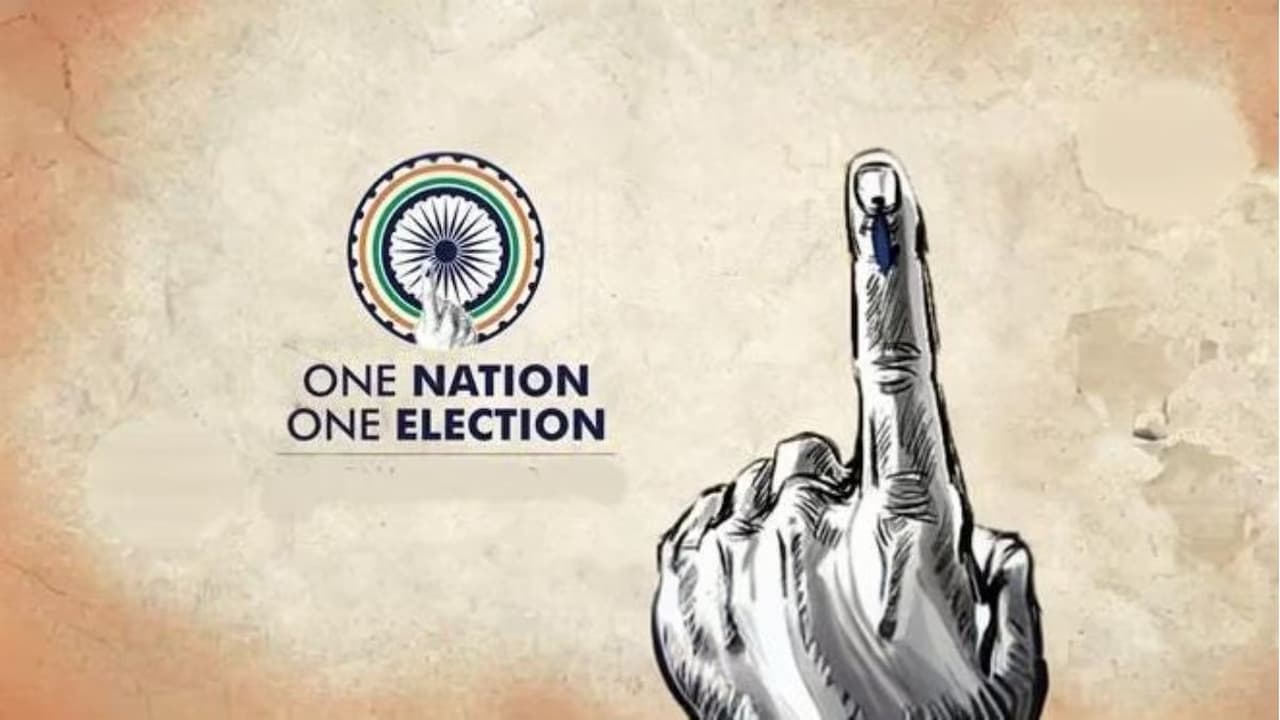
The Union Cabinet on Thursday approved bills to implement ‘One Nation, One Election’, and the draft legislation is likely to be introduced in Parliament in the ongoing Winter session, sources said.
The decision was taken at a meeting of the Union Cabinet chaired by Prime Minister Narendra Modi.
This decision follows the recommendations of a high-level committee chaired by former President Ram Nath Kovind, which had been advocating for this change since its formation in September 2023.
The proposal, now set for legislative action, seeks to conduct simultaneous elections for the Lok Sabha, state assemblies, and local bodies, which include municipalities and panchayats.
According to the approved plan, the implementation will occur in two phases: first, aligning the elections for the Lok Sabha and state assemblies, followed by local body elections within 100 days of the general elections.
The government is aiming to bring it in the ongoing Winter session of Parliament.
The sources said once the bill or bills are introduced in Parliament, the government would like to refer the measures to a joint committee of the two Houses for wider consultations.
The government is also keen to consult all the Speakers of various state legislative assemblies through committees.
In September, sources had said that the government is likely to bring three bills, including two to amend the Constitution, to put in place its plan to hold simultaneous elections.
Moving ahead with its ‘one nation, one election’ plan, the government in September accepted the recommendations of the high-level committee for holding simultaneous polls for the Lok Sabha, state assemblies, and local bodies in a phased manner.
Citing recommendations of the high-level committee, sources had said one of the proposed bills would seek to amend Article 82A by adding sub-clause (1) relating to the ‘appointed date’. It will also seek to insert subclause (2) to Article 82A relating to the end of terms of the Lok Sabha and state legislative assemblies together.
It also proposes to amend Article 83(2) and insert new sub-clauses (3) and (4) relating to the duration and dissolution of the Lok Sabha. It also has provisions related to the dissolution of the legislative assemblies and amending Article 327 to insert the term “simultaneous elections.
This bill will not require ratification by at least 50 per cent of the states, the recommendation said.
The proposed second Constitutional Amendment Bill will require ratification by at least 50 per cent of the state assemblies as it will deal with matters relating to state affairs.
It will seek to amend constitutional provisions relating to the preparation of electoral rolls by the Election Commission (EC) in consultation with State Election Commissions (SECs) for elections to local bodies.
Constitutionally, the EC and SECs are separate bodies. The EC holds elections to the posts of the President, the Vice President, Lok Sabha, Rajya Sabha, state assemblies, and state legislative councils, while the SECs are mandated to conduct polls for local bodies such as municipalities and panchayats.
The proposed second Constitution amendment bill will also create provisions to hold simultaneous elections to municipalities and panchayats, along with elections to Lok Sabha and state legislative assemblies, by inserting a new Article 324A.
The third bill will be an ordinary one to amend provisions in three laws dealing with Union territories having legislative assemblies—Puducherry, Delhi, and Jammu and Kashmir—to align the terms of these Houses with other legislative assemblies and the Lok Sabha as proposed in the first constitutional amendment bill.
The statutes it proposes to amend are the Government of National Capital Territory of Delhi Act-1991, the Government of Union Territories Act-1963 and the Jammu and Kashmir Reorganisation Act-2019.
The proposed bill will be ordinary legislation not requiring a change in the Constitution and will also not need ratification by the states.
The high-level committee had proposed amendments to three Articles, the insertion of 12 new sub-clauses in the existing articles and tweaking three laws related to Union Territories having legislative assemblies. The total number of amendments and new insertions stands at 18.
In its report submitted to the government in March, just before the general election was announced, the panel recommended implementing “one nation, one election” in two phases.
There was no clarity yet on the number of bills the government plans to bring for holding simultaneous polls in the country.
Advocate Vrinda Grover Withdraws From Representing RG Kar Victim's Family 20
Senior advocate Vrinda Grover will no longer be representing the R G Kar Medical College rape-murder victim’s family, sources said on Thursday.
They said that the concerned trial court, before which the trial in the rape-murder case is being held, has been informed accordingly and that the counsels stand discharged from the matter.
The sources said that at this stage, on account of “certain intervening factors and circumstances,” senior advocate Vrinda Grover is constrained to withdraw from the case proceedings in this matter and will no longer be representing the victim’s family.
The chamber of advocates Grover, including advocates Soutik Banerjee and Arjun Gooptu, were requested by the victim’s parents to provide legal representation before the Supreme Court, Calcutta High Court, and the Sealdah Sessions Court and ACJM Court, they said.
Grover’s chamber provided legal services and representation pro bono (free of cost) to the victim’s family before all courts from September 2024, the sources said.
The body of the on-duty post-graduate trainee doctor was found in the seminar room of R G Kar Medical College and Hospital on August 9. Post mortem of the body revealed that she was raped and brutally murdered.
The high court handed over the investigation into the case from the Kolkata Police to the Central Bureau of Investigation (CBI) after hearing a number of PILs on the matter, including one by the parents of the victim, who sought an impartial probe on the death of their daughter.