Home Blog Page 123

‘Modi and All Other PMS Have Offered Chadar’: Owaisi Blames RSS, BJP for Ajmer Sharif Dargah Row

Maharashtra AIMIM Asaduddin Owaisi
Image: PTI

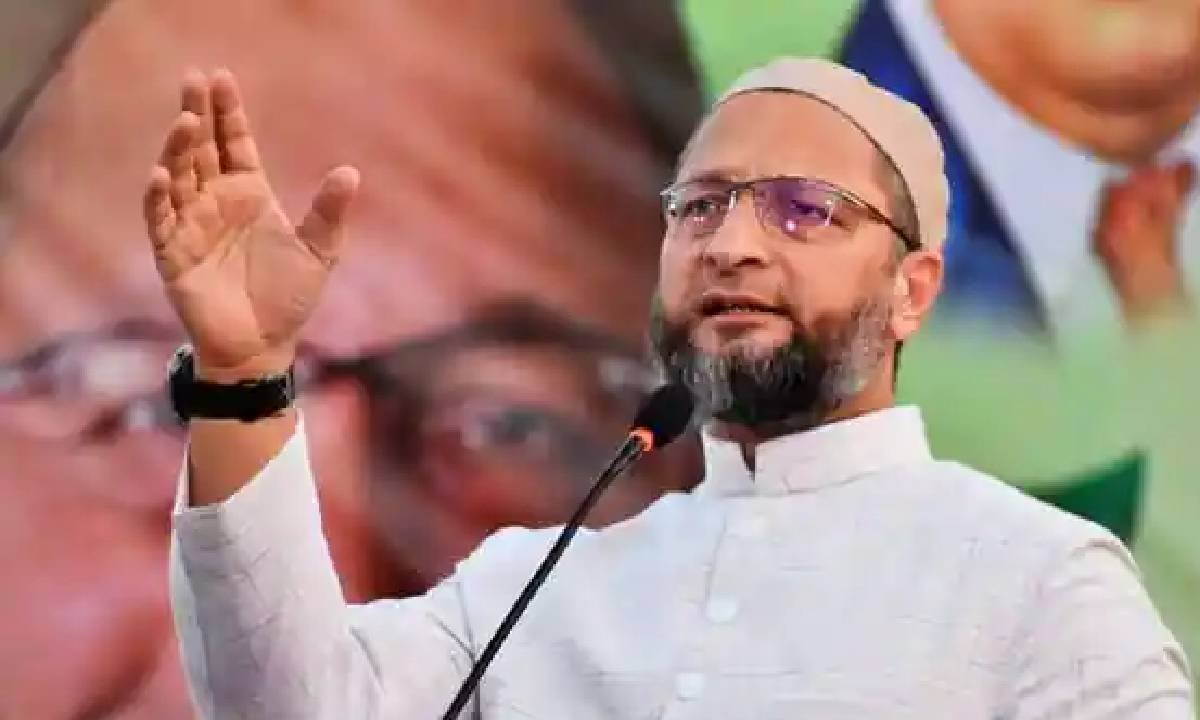
All Indian prime ministers, including Narendra Modi, have offered ‘chadar’ at Ajmer Sharif Dargah and the controversy over the claim that the Sufi shrine was a temple was directly or indirectly linked to the BJP and the RSS, AIMIM leader Asaduddin Owaisi said on Thursday.

A court on Wednesday admitted a petition seeking to declare the Mughal-era shrine a Shiva temple. Several opposition leaders raised serious concerns over the controversy on the Ajmer Dargah, which comes close on the heels of similar claims made regarding a mosque in Uttar Pradesh’s Sambhal.

“The Dargah Sharif has been there for 800 years. Every prime minister of the country sends ‘chadar’ for the dargah during ‘Urs’. Official delegations from neighbouring countries come there, Indian diaspora from all over the world visit the dargah… Now suddenly you are raising this issue…” Owaisi told reporters outside Parliament.

“Where will all this stop? What will happen to the Places of Worship Act, 1991?” The Places of Worship Act 1991 states that the religious character of any place of worship as it existed on August 15, 1947, must be maintained.

Owaisi continued, “What would Narendra Modi say? The dargah where he offered ‘chadar’ is not a dargah? What would ASI say?” “This is being done to destabilise the country… I am saying repeatedly that these things are not in favour of the country. These people are related directly or indirectly with BJP, RSS… no one can deny this,” he said. The Ajmer court issued notices to the Ajmer Dargah Committee, the Ministry of Minority Affairs and the Archaeological Survey of India on the plea seeking to declare the shrine a temple. The suit was filed in Ajmer in September.

The court’s notice came just days after four people were killed in violence following a court ordering a survey of the Shahi Jama Masjid in Sambhal, which petitioners said was built after destroying an old temple.

Samajwadi Party’s Rampur MP Mohibbullah Nadvi said the petition on Ajmer Dargah was “painful”.

“Some people have lost their cool after the 2024 (Lok Sabha) election results as they didn’t get the majority. These people want to target a particular community to please the majority. This is their misbelief,” he told reporters outside Parliament.

Saharanpur MP Imran Masood said an atmosphere of hatred has been created in the country. “They did it in Sambhal yesterday. Now they did it in Ajmer. What is this drama?” he said. “BJP and the government should think, this country cannot be run by hatred, you cannot sideline 25 crore people. How would the country develop without their contribution? We are very clear, your party may become stronger by creating hatred, but it is not good for the country,” the Congress leader said addressing reporters outside Parliament. He also targeted the Uttar Pradesh government over the Sambhal violence.

“Do Muslim lives not matter? They will shoot us in the head? Stone pelting is wrong but they could have shot at the leg, why did they shoot people in the head and chest?” he said. Police have denied opening fire at the protesters in Sambhal, saying “rioters” carried out shootings and stone pelting. A magisterial probe into the violence is ongoing. Samajwadi Party’s Mainpuri MP Dimple Yadav reiterated her party’s demand for a discussion on the Sambhal issue in Parliament. “Our main issue is that we want a discussion on Sambhal in Lok Sabha. Speaker sir has assured that there will be a discussion. Police personnel are harassing, manipulating people in Uttar Pradesh. The police administration is working like this in the entire state,” she said.

Azad Samaj Party (Kanshi Ram) MP from Nagina in Uttar Pradesh, Chandra Shekhar said these incidents create a trust deficit in the country.

“What if a Buddhist says there is a Buddhist temple under Hindu temples and demands a probe? Those who are encouraging this should also answer what would be the outcome… Employment, price rise, health, education, farmers, women… these are the issues, should we talk about these issues or religious places?” he said.

“What is this drama, Kashi, Mathura, Sambhal, Ajmer, what more do we have to witness? Where is the prime minister? He and the Supreme Court should take cognisance. This is being done to distract attention from real issues, but the trust deficit it is creating is dangerous,” he said.
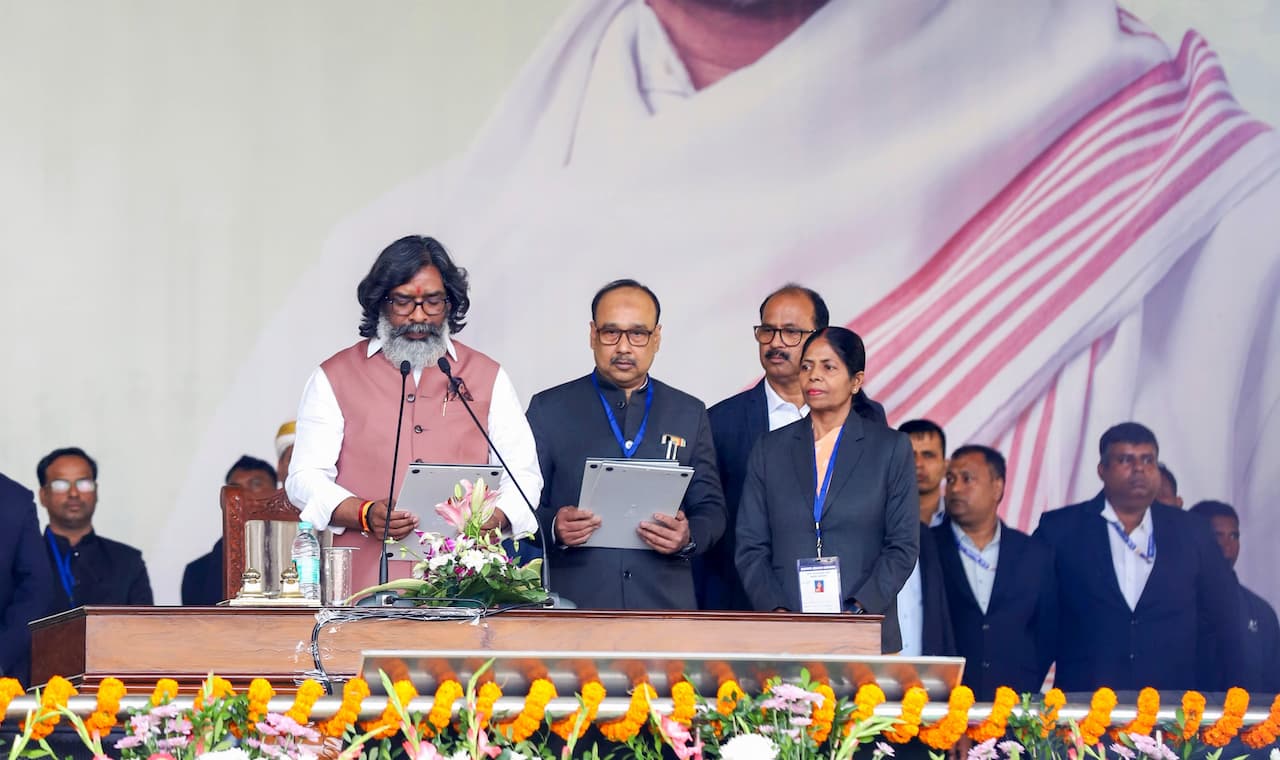
Hemant Soren Sworn in as Jharkhand CM for Fourth Term

hemant soren, jharkhand, cm, oath, jmm, jharkhand mukti morcha
Hemant Soren Sworn in as Jharkhand CM for Fourth Term 3

Hemant Soren, leader of the Jharkhand Mukti Morcha (JMM), took oath as the 14th chief minister of Jharkhand on Thursday in a grand ceremony held at Ranchi’s Morabadi Ground. Jharkhand Governor Santosh Kumar Gangwar administered the oath of office and secrecy.

A Star-Studded Ceremony

The event witnessed a strong show of solidarity from the INDIA bloc, with prominent leaders including Congress president Mallikarjun Kharge, West Bengal Chief Minister Mamata Banerjee, AAP leader Arvind Kejriwal, and Leader of Opposition Rahul Gandhi attending.

Soren, 49, donned a traditional kurta-pyjama for the occasion and met his father, JMM patriarch Shibu Soren, before the ceremony. This marks Soren’s fourth term as chief minister, further solidifying his leadership within the state.

Election Triumph

In the recent assembly elections, Hemant Soren retained his Barhait seat with a commanding margin of 39,791 votes, defeating BJP candidate Gamliyel Hembrom. The JMM-led alliance, which includes Congress and RJD, secured a decisive victory by winning 56 of the 81 assembly seats, while the BJP-led NDA managed just 24.

This resounding mandate is seen as a vote of confidence in Soren’s leadership and the JMM alliance’s governance in the tribal-dominated state.

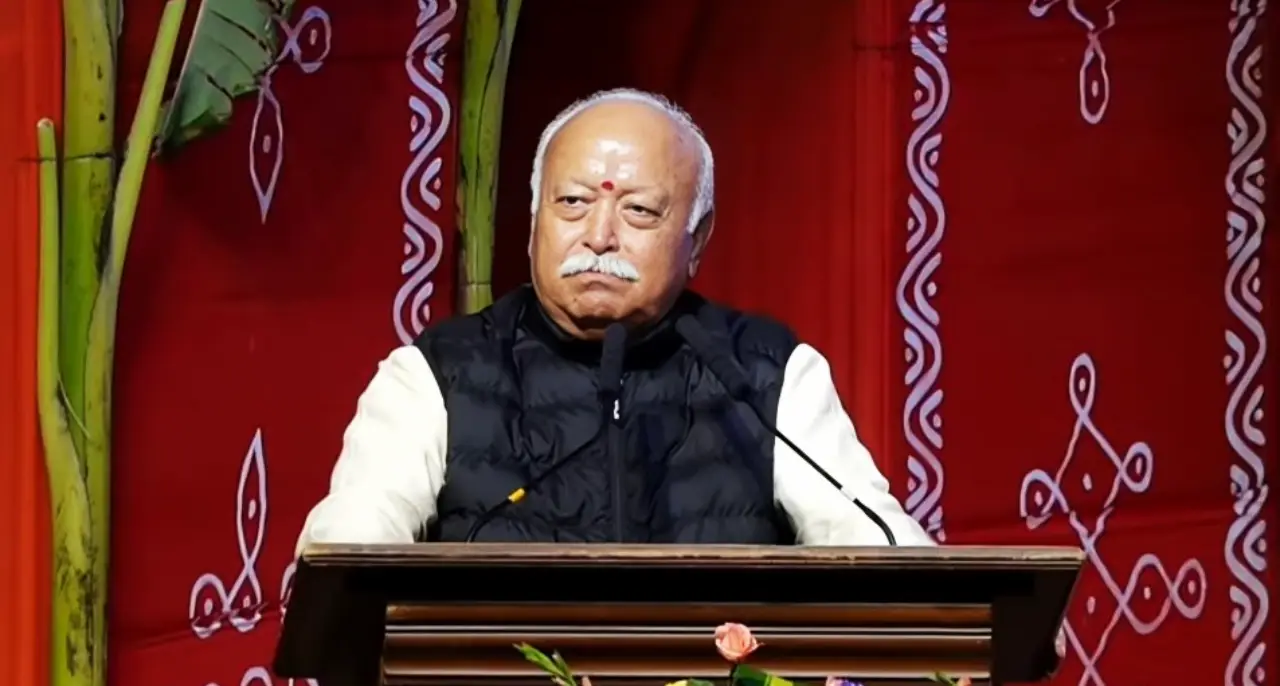
Mohan Bhagwat Calls for Unity Amid Diversity at ‘Lokmanthan Bhagyanagar 2024’

lokmanthan bhagyanagar, mohan bhagwat, rss, rashtriya swayamsevak sangh
Mohan Bhagwat Calls for Unity Amid Diversity at 'Lokmanthan Bhagyanagar 2024' 5

Speaking at the ‘Lokmanthan Bhagyanagar 2024’ event in Hyderabad, Rashtriya Swayamsevak Sangh (RSS) Chief Mohan Bhagwat emphasized the eternal unity underlying the diversity of existence, urging society to embrace harmony and interconnectedness. Highlighting the “unity of existence,” Bhagwat remarked that the truth of oneness has been known to India’s ancestors, who understood that while diversity may exist temporarily, it ultimately converges into unity. He stressed that this philosophy forms the foundation of India’s resilience and cultural identity.

A day after the BJP’s decisive victory in Maharashtra, in which the RSS played a pivotal role through extensive grassroots mobilization, Bhagwat called for expanding the Lokmanthan initiative to rural India. He encouraged smaller gatherings in villages to amplify the voices of grassroots communities, fostering a deeper connection with the cultural and spiritual ethos of Bharat. Reflecting on the organization’s mission, Bhagwat stated that the RSS strives to unite Hindu society, making it fearless, self-reliant, and selfless, dedicated to the service of the nation.

In his address, Bhagwat drew from Puranic symbolism, likening life’s challenges to “Halahala” (poison) that emerged during the churning of the ocean, asserting that such difficulties must be endured to achieve the “Amrit” (nectar) of collective welfare. He reiterated that India’s core values—symbolized by “Sanatan Dharma”—teach respect for diversity and reject division. “Sanatan Dharma is called by different names, be it Bharatiya Sanskriti or Hindu culture, but its essence lies in unity and respect for all,” he said.

Bhagwat also urged Indians to reconnect with their roots, self-respect, and shared heritage. “The foreign invaders who ruled us could not have succeeded if we had not forgotten our own values and goals,” he remarked, stressing the need for societal cohesion and spiritual awakening. He acknowledged the efforts of figures like Dr. B.R. Ambedkar, who emphasized brotherhood as essential for India’s progress and independence.

The RSS Chief concluded by emphasizing the importance of fostering a society that respects unity in diversity, works towards collective welfare, and upholds India’s cultural and spiritual legacy. As the RSS prepares for upcoming state elections in Bihar and Uttar Pradesh, Bhagwat’s remarks resonate as a call for alignment with the organization’s mission of nation-building through cultural and social cohesion.

Sambhal Violence: UP Government to Recover Damages, Display Posters of ‘Stone Pelters’

sambhal, violence, sambhal violence, damage, up government, uttar pradesh
Sambhal Violence: UP Government to Recover Damages, Display Posters of 'Stone Pelters' 7

The Uttar Pradesh government has announced strict measures against individuals involved in the recent Sambhal violence, where four people died and numerous others, including police personnel, sustained injuries during clashes near the Shahi Jama Masjid.

Crackdown on Miscreants

Officials confirmed that protesters responsible for damaging public property will be made to pay for the losses, and posters of those identified as “stone pelters” will be prominently displayed in public areas.

“The government is taking a firm stance. Posters of stone pelters and miscreants will be displayed, and recovery of damages will be initiated. Rewards may also be announced for information leading to their arrest,” said a government spokesperson.

This move mirrors a similar approach taken during the anti-CAA protests in 2020 when posters of alleged vandals were displayed in public places but were later removed following a court order.

Background of the Violence

The violence erupted on Sunday in the Kot Garvi area of Sambhal during a court-ordered survey of the Shahi Jama Masjid, sparked by claims that a Harihar temple previously stood at the site. Protesters gathered in large numbers, chanting slogans, which escalated into a clash with security forces. Vehicles were set ablaze, and stones were pelted, leading to widespread unrest.

Arrests and Investigations

To date, 25 individuals have been arrested, and seven FIRs have been filed, naming prominent figures such as Zia-ur-Rehman Barq, the Samajwadi Party MP from Sambhal, and Sohail Iqbal, son of the party’s local MLA Iqbal Mehmood. The charges also extend to over 2,750 unidentified individuals.

A magisterial inquiry is underway, with Superintendent of Police Krishna Kumar Vishnoi assuring that the situation is now under control. “Strict action will be taken against those responsible for the unrest,” he stated.

The UP government’s robust response underscores its commitment to maintaining law and order while holding those accountable for violence and property damage.

Manipur: Army Intensifies Search for Missing Civilian Near Imphal Valley

imphal, indian army, army, manipur
Manipur: Army Intensifies Search for Missing Civilian Near Imphal Valley 9

The Indian Army has launched an extensive search operation for Laishram Kamalbabu Singh, who went missing from the outskirts of the Imphal Valley two days ago. Drones, tracker dogs, and aerial surveillance are being deployed, according to a defence spokesperson.

Massive Search Underway

Singh, a native of Assam’s Cachar district residing in Khukrul, Imphal West, disappeared on Monday while traveling to his workplace at Leimakhong Military Station in Kangpokpi. A works supervisor for a contractor under the Military Engineering Services (MES), Singh’s family reported him missing after he failed to return home.

“The Army is scanning CCTV footage, interviewing co-workers, and conducting extensive searches with tracker dogs. Despite these efforts, neither Singh nor his two-wheeler has been found,” said a spokesperson from Kohima.

The search operation has expanded to include the military station, nearby villages, and surrounding areas. Civil society organizations (CSOs) are assisting in the effort, and Singh’s family has been assured of every possible measure for his safe return.

Rising Tensions in Imphal Valley

The incident has sparked tensions, with hundreds from the Meitei community marching toward the military station on Tuesday to demand Singh’s whereabouts. Security forces intercepted the march near Kanto Sabal to prevent the situation from escalating. Protesters subsequently blocked roads with rocks, demanding immediate action.

The Army urged the Meitei CSOs to lift blockades, ensuring free movement for security forces and police engaged in the search.

The protesters suspect Singh was abducted by militants, prompting demands for additional state forces to secure his release.

Ethnic Strife Adds Complexity

The area around Leimakhong, 16 km from Imphal, has been a flashpoint since ethnic violence erupted in May last year, claiming over 250 lives. The military station is surrounded by hilly regions predominantly inhabited by the Kuki community, while Meiteis residing near Leimakhong fled after the violence began.

State police have launched a parallel investigation into the incident, while the Army continues its intensified combing operations.

Allahabad HC Seeks Centre’s Stand on Rahul Gandhi’s Alleged Dual Citizenship

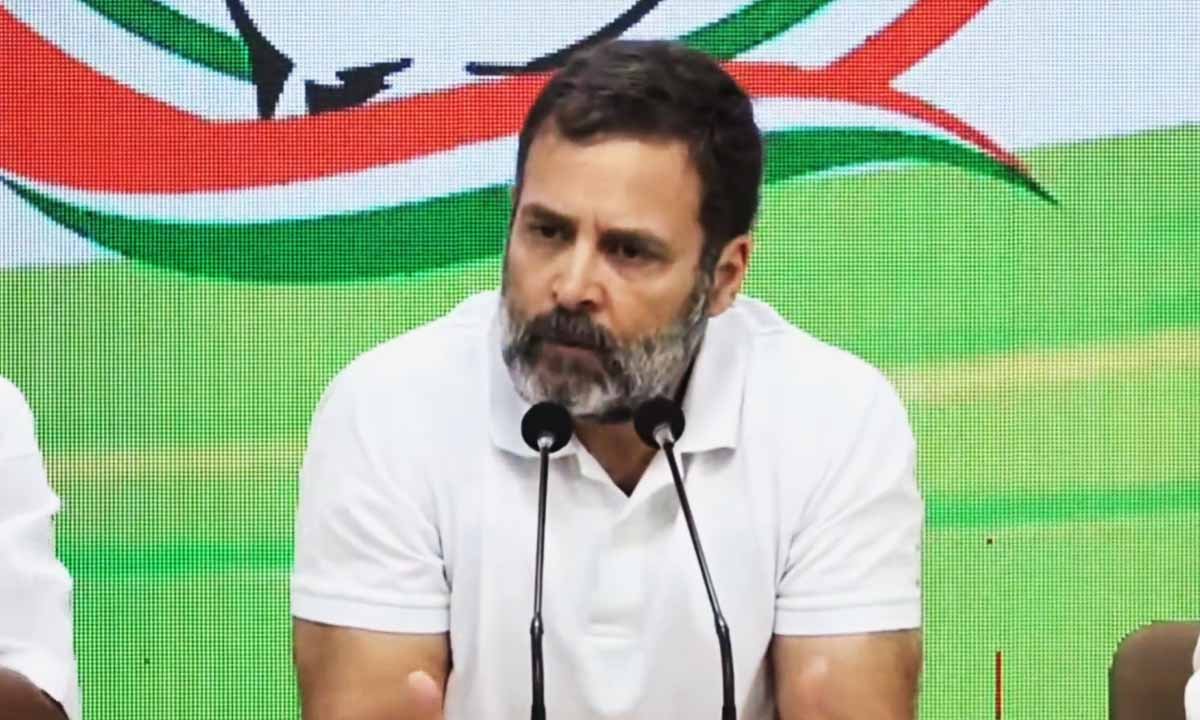
rahul gandhi, parliament, gandhi, uk remark, rahul, congress, congress leader
Allahabad HC Seeks Centre's Stand on Rahul Gandhi's Alleged Dual Citizenship 11

The Allahabad High Court has asked the Central Government to present its findings on December 19 regarding a public interest litigation (PIL) alleging that Congress leader Rahul Gandhi concealed his British citizenship while contesting the parliamentary election from the Raebareli constituency this year.

A bench comprising Justices A.R. Masoodi and Subhash Vidyarthi issued the directive in response to a PIL filed by S. Vignesh Shishir, a Karnataka-based BJP worker. The petition alleges that Gandhi’s purported dual citizenship violates the Bharatiya Nyaya Sanhita and the Passport Act, calling for a Central Bureau of Investigation (CBI) probe into the matter.

Allegations and Court Proceedings

Shishir claims to possess documents, including emails from the British government, purportedly proving Gandhi’s British citizenship, rendering him ineligible to contest elections or serve as a Member of Parliament in India. The petitioner said he had twice approached authorities with complaints but filed the PIL after receiving no response.

During an earlier hearing, the court sought clarification from the Centre on whether it had acted on the petitioner’s representation. Deputy Solicitor General S.B. Pandey informed the court that the representation had been received and was under review.

The court has now directed the Centre to provide details of its action on the representation in the upcoming hearing.

Trump’s Controversial Tariff Plan: Canada, Mexico, and China Targeted

us supreme court. supreme court, us, donald trump, trump
Trump's Controversial Tariff Plan: Canada, Mexico, and China Targeted 13

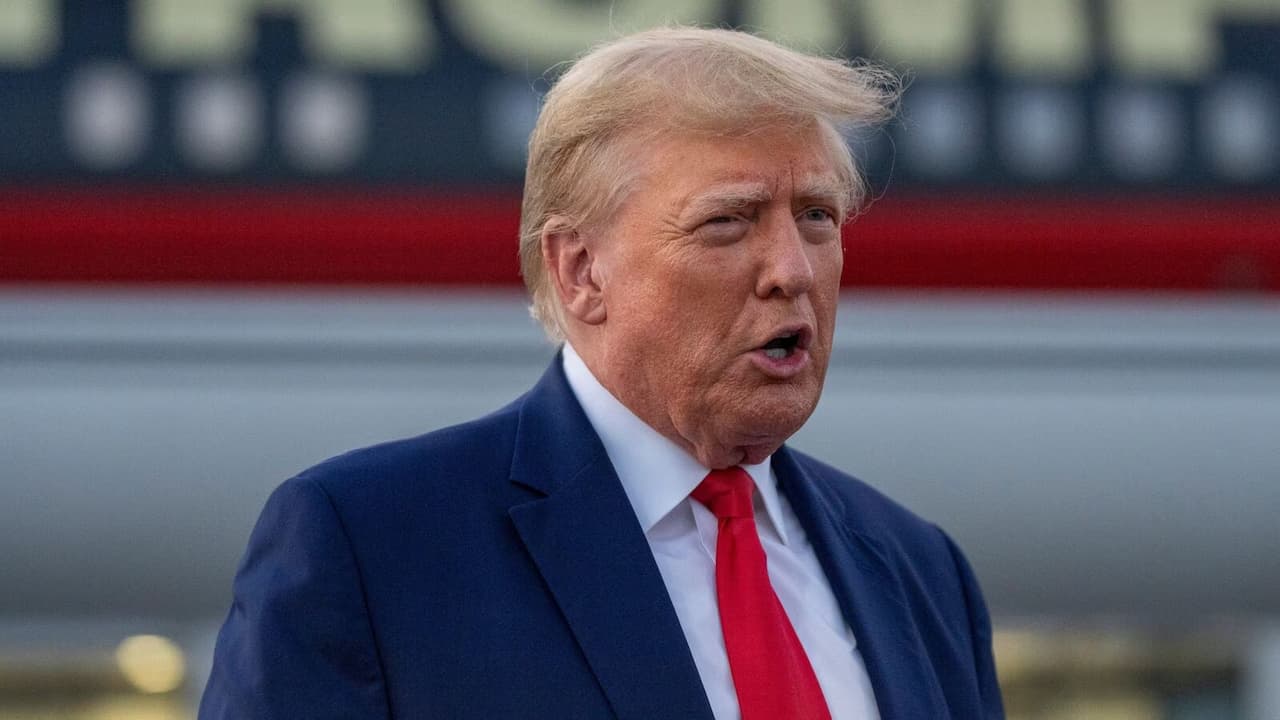
President-elect Donald Trump has announced plans to impose significant tariffs on imports from Canada, Mexico, and China, claiming the measures aim to curb illegal immigration, drug trafficking, and safeguard U.S. interests. The proposed tariffs include a 25% levy on all products from Canada and Mexico and a 10% tariff on Chinese goods.

In a series of posts on Truth Social on Monday, Trump outlined his intentions to sign executive orders enacting these tariffs immediately upon taking office on January 20, 2025.

Targeting Borders and Trade

“As everyone is aware, thousands of people are pouring through Mexico and Canada, bringing crime and drugs at levels never seen before. Right now, a caravan coming from Mexico, composed of thousands of people, seems unstoppable in its quest to cross our currently open border,” Trump declared.

He vowed, “On January 20th, as one of my first executive orders, I will sign all necessary documents to charge Mexico and Canada a 25% tariff on ALL products coming into the United States.” Trump emphasized that these tariffs would remain until drug trafficking, particularly of fentanyl, and illegal immigration are halted.

Blaming both nations, Trump said, “Mexico and Canada have the absolute right and power to solve this long-simmering problem easily. Until such time that they do, it is time for them to pay a very big price.”

China in the Crosshairs

Turning his focus to China, Trump accused the country of failing to stop the flow of drugs into the United States, specifically fentanyl. “I have had many talks with China about the massive amounts of drugs being sent into the United States – but to no avail,” Trump claimed.

He alleged that while Chinese representatives had promised to implement strict penalties, including the death sentence for drug dealers, the commitment was never fulfilled. “Drugs are pouring into our country, mostly through Mexico, at levels never seen before,” he added.

As a response, Trump pledged to impose an additional 10% tariff on all Chinese imports until the issue is resolved. “Until such time as they stop, we will be charging China an additional 10% tariff on all of their many products coming into the United States of America,” he said.

Day One Action Plan

Trump reiterated that these measures would be implemented on his first day in office. “This executive order will be signed on January 20, 2025, to protect the United States from this invasion of drugs and illegal activity,” he asserted.

The proposed tariffs have already sparked debate, with critics questioning their potential economic impact and effectiveness. However, Trump’s strong rhetoric underscores his administration’s intent to prioritize border control and trade issues in his upcoming term.

Imran Khan’s Supporters Clash with Security Forces in Islamabad, Leaving Six Dead

islamabad, violence, imran khan, pti, islamabad violence
Imran Khan's Supporters Clash with Security Forces in Islamabad, Leaving Six Dead 15

Jailed former prime minister Imran Khan’s supporters reached the heart of Pakistan’s capital on Tuesday after removing barricades and battling police in clashes that killed six security personnel and injured dozens.

Four paramilitary Rangers and two policemen were killed late Monday and over 100 security personnel injured when protesters marching towards D-Chowk turned violent, prompting the federal government to deploy the army in Islamabad along with shoot-at-sight orders, state-run media said on Tuesday.

The 72-year-old former premier, who has been in jail since August last year, issued a “final call” on November 13 for nationwide protests on November 24, denouncing what he termed as the stolen mandate, the unjust arrests of people and the passage of the 26th amendment, which he said has strengthened a “dictatorial regime”.

Geo News shared footage, which showed Khan’s supporters climbing on the shipping containers placed on the roads leading to D-Chowk, which is located close to several important government buildings: the Presidency, the PM Office, the Parliament, and the Supreme Court.

It was unclear if the protesters would stage a sit-in or leave D-Chowk, though the top leaders of the Pakistan Tehreek-e-Insaf (PTI) had vowed to remain in Islamabad until Khan was released.

Khan’s wife, Bushra Bibi, who stubbornly led the protests, said in one of her addresses to the protestors to go away only if Khan comes in person to tell about the next course of action.

They reached their declared destination despite repeated claims by Interior Minister Mohsin Naqvi that nobody would be allowed to make it to D-Chowk.

Naqvi also said the government tried to convince PTI leaders in every way, but they only gained time from negotiations and moved towards the federal capital.

“We offered the protestors to gather at Sangjani. Their entire leadership does not want a bloodbath, but there’s one secret leadership controlling all this, which was the apple of the discord,” he said.

He also said that all PTI supporters had come from Khyber Pakhtunkhwa.

Led by Khyber-Pakhtunkhwa Chief Minister Ali Amin Gandapur and Khan’s wife Bushra, the marchers began their journey from the militancy-hit province on Sunday.

Pakistan deployed the army amid a tense stand-off with Khan’s supporters. The government has vowed to foil their attempt “even if a curfew needs to be imposed.” Hours earlier, the state-run Radio Pakistan said a vehicle rammed into Pakistan Rangers, killing four personnel on the Srinagar Highway in Islamabad late on Monday night. Five other Rangers and several police officials sustained severe injuries.

About five kilometres from this spot, a bunch of miscreants, equipped with weapons and ammunition, pelted stones on the Rangers and carried out indiscriminate firing on the security personnel at Chungi No 26 in Rawalpindi, Radio Pakistan said.

It also reported that two policemen were killed but didn’t provide any details.

According to Punjab police, one policeman was killed at the Hakla interchange on Islamabad’s outskirts during clashes with the PTI protestors on Monday. It did not give details about the second policeman.

Separately, Interior Minister Naqvi said, at a late Monday night media interaction, that more than 100 security personnel, mostly from police, were injured. “One senior police officer was critically injured – he suffered a severe head injury — due to stone-pelting by protesters,” he said.

Radio Pakistan further reported that the Pakistan Army was called in “to deal with the miscreants with an iron hand” and “clear orders have also been issued to shoot miscreants and troublemakers on sight.” Strongly condemning the attack on Rangers and police personnel by protesters, Prime Minister Shehbaz Sharif, in a statement, directed to immediately identify those involved in the incident and ensure they are brought to justice.

“Attacks on police and Rangers, under the guise of a so-called peaceful protest, are condemnable,” he said, adding, that the anarchist group seeks bloodshed and “Pakistan cannot afford any form of chaos or bloodshed. Bloodshed for nefarious political agenda is unacceptable and highly condemnable.” Meanwhile, Khan’s party has accused the authorities of using violence in which several of its supporters have been injured. A party spokesman told BBC Urdu that two supporters have also been killed but it was not confirmed from other sources so far.

All public and private educational institutions remained closed on Tuesday given the law and order situation both in Islamabad and Rawalpindi.

Khan has been implicated in dozens of cases since his government was dismissed through a no-confidence motion in 2022. He has been in Adiala Jail at Rawalpindi since last year facing over 200 cases.

His party won the largest number of seats in the February general elections despite contesting as independents as the party was denied an election symbol. The party founder has alleged that the ruling Pakistan Muslim League-Nawaz (PML-N) and its coalition partners, including the Pakistan Peoples Party (PPP), had “stolen the mandate” to grab power at the federal level.

BJP Likely to Reject Eknath Shinde as Maharashtra CM: A Power Struggle Unfolds

maharashtra, maharashtra cm, eknath shinde, devendra fadnavis, bjp, shiv sena, ajit pawar
BJP Likely to Reject Eknath Shinde as Maharashtra CM: A Power Struggle Unfolds 17

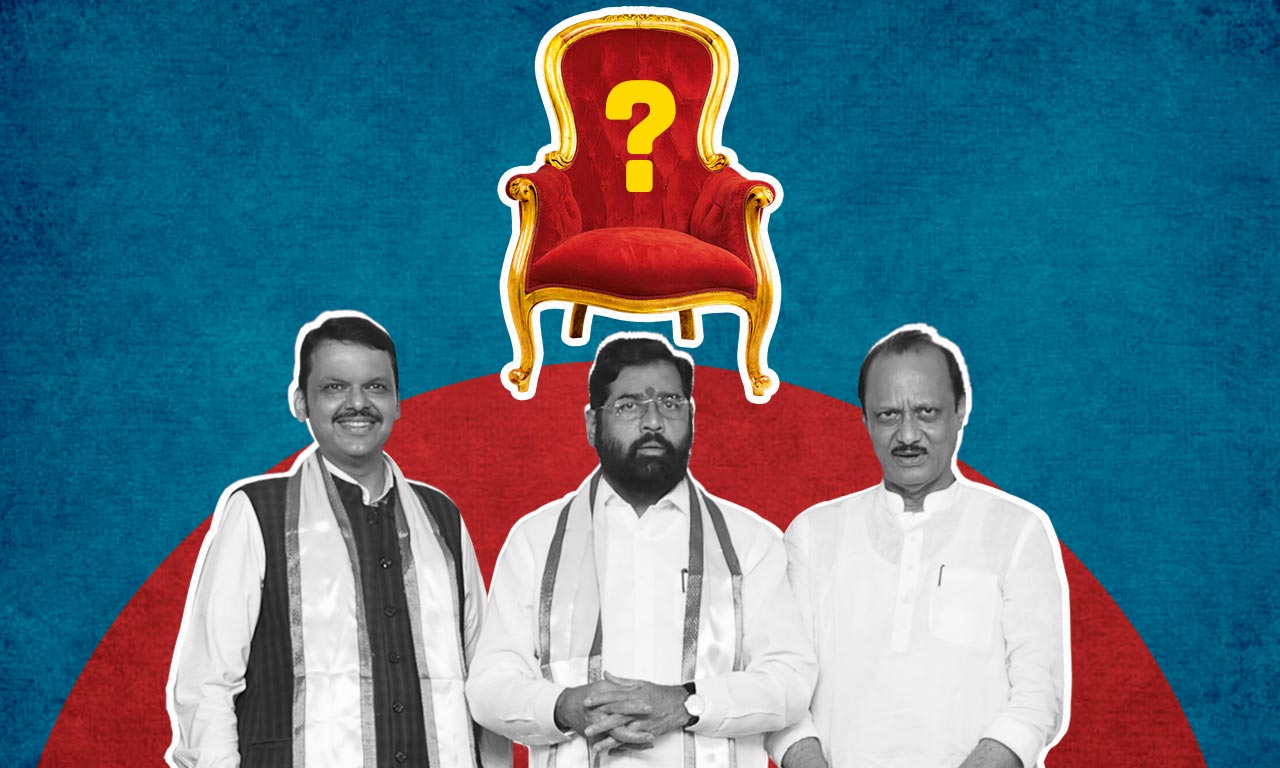
The political landscape in Maharashtra is witnessing intense deliberations over the next Chief Minister (CM) following the Mahayuti Alliance’s emphatic victory in the assembly elections. Securing 233 out of 288 seats, the alliance—which includes the Bharatiya Janata Party (BJP), Ajit Pawar’s faction of the NCP, and Eknath Shinde-led Shiv Sena—delivered a crushing blow to the opposition Maha Vikas Aghadi (MVA). However, the BJP’s dominant performance, with 132 seats, has fueled speculation that the party may prefer its own leader, Devendra Fadnavis, over the incumbent CM, Eknath Shinde, for the top post.

The BJP’s silence on the CM issue has not gone unnoticed, with growing pressure from its MLAs to install a party leader in the state’s highest office. Fadnavis, the current Deputy CM, has emerged as the frontrunner, with many MLAs openly advocating for his elevation. Known for his administrative skills and transformative policies during his previous tenure as CM (2014–2019), Fadnavis is seen as the architect of BJP’s record-breaking win in these elections. His return as CM would signal a shift in governance style, aligning Maharashtra more closely with the BJP’s national agenda of development and efficiency.

The BJP’s reluctance to continue under Shinde’s leadership stems from a combination of strategic and practical concerns. While the Mahayuti fought the elections under Shinde’s leadership and delivered a historic mandate, BJP leaders argue that their substantial majority should translate into control of the CM’s office. Many within the party feel that after playing second fiddle for 2.5 years as Deputy CM, Fadnavis deserves to reclaim the top position.

Shinde, however, is reportedly unwilling to relinquish the CM’s chair. His reluctance is rooted in his belief that his leadership remains vital for the alliance’s performance in upcoming local body elections, including the crucial Brihanmumbai Municipal Corporation (BMC) polls. Shinde’s appeal among urban and Marathi voters, coupled with his grassroots connections, could be pivotal in consolidating the alliance’s grip on state politics. His supporters argue that replacing him might disrupt the Mahayuti’s momentum and alienate a significant voter base.

Shinde’s tenure as CM has been marked by his ability to connect with the populace, particularly in urban and semi-urban areas. His leadership style emphasizes regional pride and grassroots development, qualities that resonate with a significant segment of Maharashtra’s electorate. For these reasons, Shinde’s camp has been lobbying hard to ensure his continuation as CM, viewing it as a strategic move for long-term political gains.

Within BJP circles, the debate over the CM post has become increasingly intense. On one hand, the party recognizes Shinde’s value as a leader who has proven his ability to mobilize voters and secure victories. On the other hand, there is a strong push for Fadnavis, whose governance track record and political astuteness could bring a fresh, dynamic approach to state administration. Several rounds of discussions, including high-level meetings among BJP’s central leadership, have reportedly taken place, but a consensus remains elusive.

The BJP is also mindful of the optics of replacing Shinde, especially given his role in steering the Mahayuti to a landslide victory. Any decision to oust him could be perceived as undermining the alliance’s collective mandate. However, the scale of BJP’s performance in the elections has emboldened party leaders, who see an opportunity to assert their dominance and install Fadnavis as CM. Ultimately, the decision on the CM will rest with the BJP’s central leadership and its parliamentary board. The party is likely to consult alliance partners, including the NCP and Shiv Sena factions, to ensure a smooth transition and avoid internal rifts. Given the stakes involved, the leadership is expected to weigh the political and electoral implications of its choice carefully.

Shinde’s reluctance to step down also stems from a strategic argument: continuity in leadership, he contends, is crucial for maintaining the alliance’s electoral momentum. By remaining CM, Shinde believes he can strengthen the Mahayuti’s position in local body elections, particularly in Mumbai, where the BMC elections hold significant political and financial stakes. His supporters argue that his grassroots appeal and regional pride could translate into a clean sweep for the alliance in these polls. However, this perspective contrasts sharply with the BJP’s broader political vision. The party sees Fadnavis as a leader who can realign state politics with its national narrative, emphasizing development, economic reforms, and infrastructure growth. Fadnavis’s administrative acumen and governance style, which appealed to urban and middle-class voters during his previous tenure, are seen as assets that could further bolster the BJP’s position in Maharashtra.

The current power struggle harks back to the political turmoil that followed the 2019 assembly elections. Despite winning a majority in alliance with the undivided Shiv Sena, the BJP was unable to form a government as the Shiv Sena broke away to join the MVA, led by Uddhav Thackeray. This led to a series of dramatic political developments, including the eventual formation of the Mahayuti Alliance under Shinde’s leadership in 2022. Over the past five years, Maharashtra has seen three different CMs: Fadnavis, Thackeray, and Shinde.

The BJP’s central leadership is keen to avoid a repeat of this instability and is focused on ensuring a seamless transition, whether it involves retaining Shinde or reinstating Fadnavis as CM. The tenure of the current Maharashtra assembly ends on Tuesday, adding urgency to the decision-making process. Meanwhile, all 57 Shiv Sena MLAs have been summoned to a meeting in Bandra to elect the legislature party leader. Sources suggest that Shinde may submit his resignation to the governor and continue as caretaker CM until the new government is sworn in.

While Shinde’s supporters remain optimistic about his continuation, indications from BJP circles point to a strong preference for Fadnavis. The saffron party’s leadership appears determined not to delay Fadnavis’s return to Varsha, the CM’s official residence in Mumbai.

The choice between Shinde and Fadnavis is more than a mere leadership tussle; it represents a broader battle for control over the Mahayuti’s political narrative. Shinde’s leadership symbolizes regional pride and grassroots politics, while Fadnavis embodies a governance model centered on development and alignment with BJP’s national strategy. The decision will have far-reaching implications, not only for Maharashtra’s governance but also for the BJP’s prospects in the 2024 Lok Sabha elections.

As the BJP navigates this delicate balancing act, it must consider the impact of its decision on the alliance’s unity, voter sentiment, and its own long-term political objectives. Whether it chooses continuity with Shinde or a fresh start with Fadnavis, the outcome will shape Maharashtra’s political landscape for years to come.

Explained: What It Took to Frame India’s Constitution

constitution, drafting, dr b r ambedkar, ambedkar, constitution day
Explained: What It Took to Frame India's Constitution 19

India’s Constitution, the world’s longest written document of its kind, was officially adopted on November 26, 1949, after an intense and meticulous process spanning nearly three years. Here’s a detailed account of how it came into being:

The Timeline

  • Duration: 2 years, 11 months, and 18 days.
  • Sessions: 11 sessions over 167 days of debates.
  • Final Adoption: November 26, 1949.

Key Figures and Contributions

  • Dr. B.R. Ambedkar: Chaired the drafting committee and is regarded as the chief architect of the Constitution.
  • BN Rau: The constitutional advisor who prepared the initial draft, later scrutinized by the drafting committee.
  • Rajendra Prasad: India’s first president, was the first to sign the document.

Handcrafted Original Copy

  • Calligraphy: The first edition was handwritten, not printed, by Prem Behari Narain Raizada.
  • Artistic Touch: Pages were adorned by artists like Nandalal Bose and Beohar Rammanohar Sinha from Shantiniketan.

The Content

  • Initial Structure: Contained 395 Articles and 12 Schedules.
  • Current Status: Amended 106 times, showcasing its adaptability.
  • Fundamental Rights: Discussed extensively for 16 days, forming Part III of the Constitution.

Constituent Assembly Debates

  • Words Spoken: Approximately 36 lakh words.
  • Clause-by-Clause Discussions: Covered over 101 days, focusing on critical parts like Fundamental Rights and Directive Principles.
  • Leading Voices: Dr. Ambedkar contributed 2.67 lakh words, while Jawaharlal Nehru spoke 73,804 words.

Women’s Role

  • Representation: 15 women were part of the Constituent Assembly, with 10 actively participating in debates.
  • Notable Contributors:
    • G. Durgabai: Spoke nearly 23,000 words, primarily on the judiciary.
    • Hansa Mehta and Renuka Ray: Focused on justice for women.
    • Dakshyani Velayudhan and Ammu Swaminathan: Participated in debates on Fundamental Rights.

Participation Dynamics

  • Provincial Contributions: Members from provinces contributed 85% of the debates.
  • Princely States: 64 members, with lower average participation compared to provincial representatives.
  • Notable Attendees: Jawaharlal Nehru, Sardar Vallabhbhai Patel, Maulana Abul Kalam Azad, Sarojini Naidu, and others.

The Venue

  • Constitution Hall: Now the Central Hall of Parliament House, was elegantly prepared for the occasion, with semi-circular seating, green carpets, and electrically heated desks.

The Constitution’s formation was a monumental task, reflecting the diversity and aspirations of India while laying a robust foundation for governance. It remains a testament to the vision, dedication, and intellect of the nation’s founding leaders.