Allahabad HC Seeks Centre's Stand on Rahul Gandhi's Alleged Dual Citizenship 2
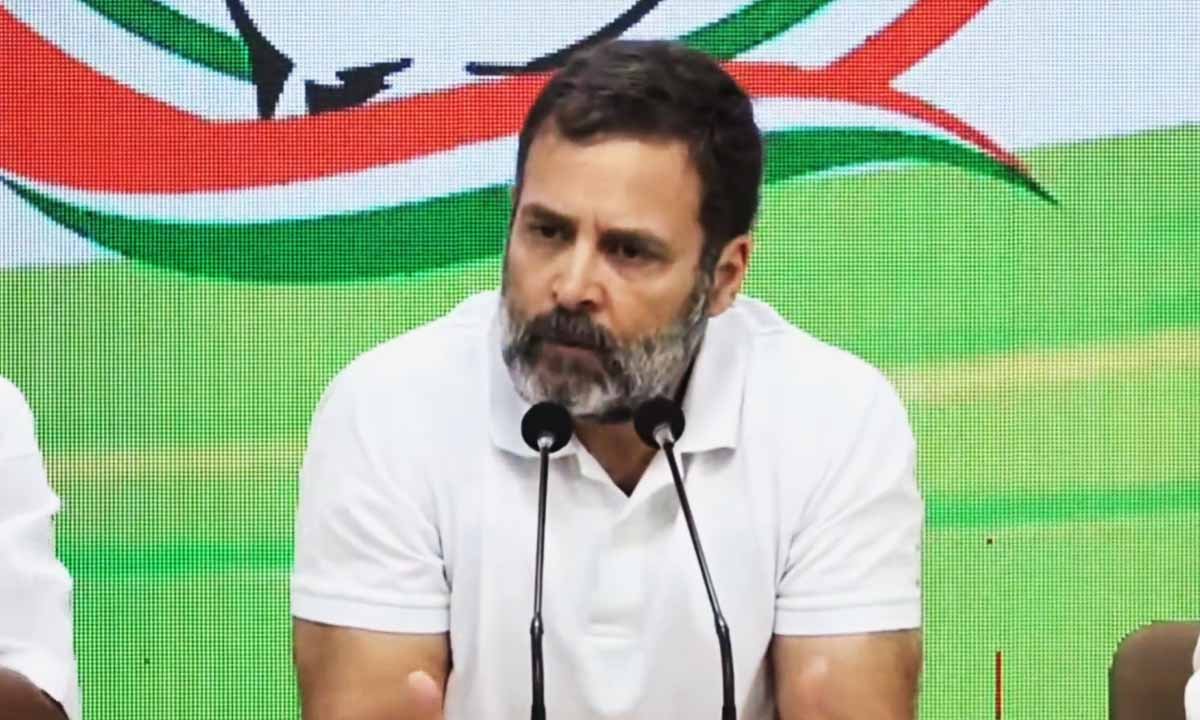
The Allahabad High Court has asked the Central Government to present its findings on December 19 regarding a public interest litigation (PIL) alleging that Congress leader Rahul Gandhi concealed his British citizenship while contesting the parliamentary election from the Raebareli constituency this year.
A bench comprising Justices A.R. Masoodi and Subhash Vidyarthi issued the directive in response to a PIL filed by S. Vignesh Shishir, a Karnataka-based BJP worker. The petition alleges that Gandhi’s purported dual citizenship violates the Bharatiya Nyaya Sanhita and the Passport Act, calling for a Central Bureau of Investigation (CBI) probe into the matter.
Allegations and Court Proceedings
Shishir claims to possess documents, including emails from the British government, purportedly proving Gandhi’s British citizenship, rendering him ineligible to contest elections or serve as a Member of Parliament in India. The petitioner said he had twice approached authorities with complaints but filed the PIL after receiving no response.
During an earlier hearing, the court sought clarification from the Centre on whether it had acted on the petitioner’s representation. Deputy Solicitor General S.B. Pandey informed the court that the representation had been received and was under review.
The court has now directed the Centre to provide details of its action on the representation in the upcoming hearing.
Trump's Controversial Tariff Plan: Canada, Mexico, and China Targeted 4
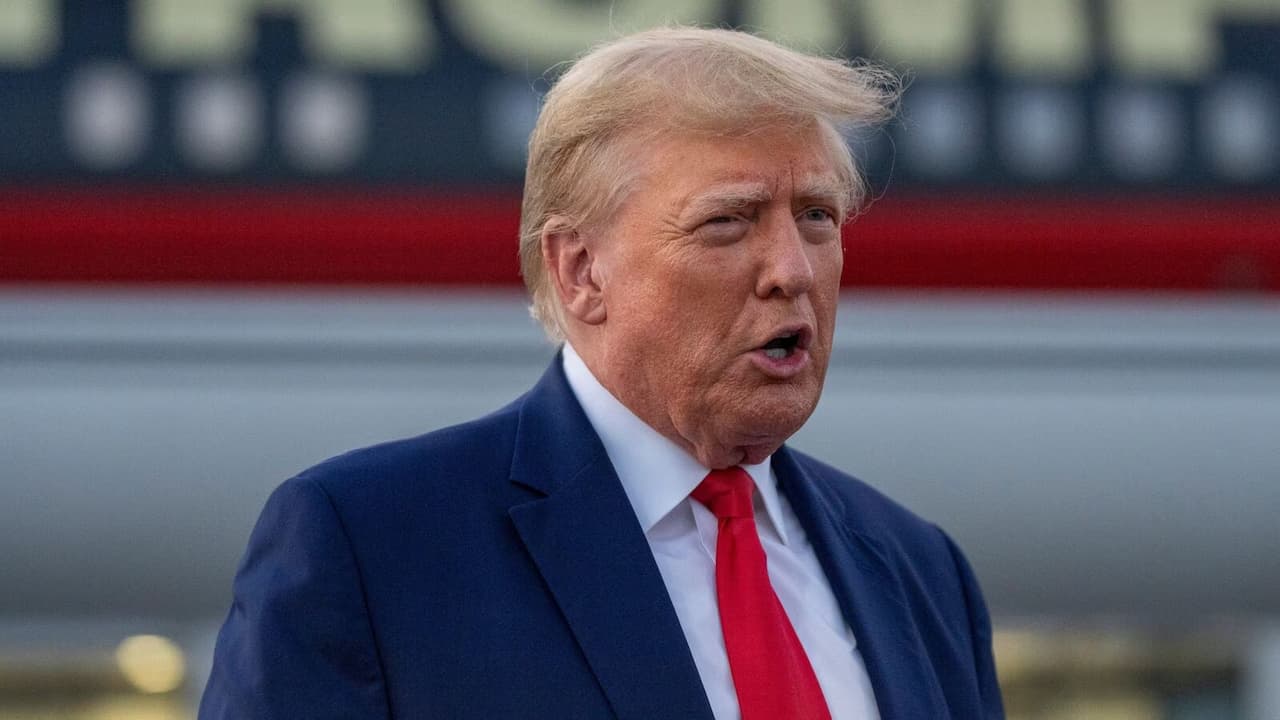
President-elect Donald Trump has announced plans to impose significant tariffs on imports from Canada, Mexico, and China, claiming the measures aim to curb illegal immigration, drug trafficking, and safeguard U.S. interests. The proposed tariffs include a 25% levy on all products from Canada and Mexico and a 10% tariff on Chinese goods.
In a series of posts on Truth Social on Monday, Trump outlined his intentions to sign executive orders enacting these tariffs immediately upon taking office on January 20, 2025.
Targeting Borders and Trade
“As everyone is aware, thousands of people are pouring through Mexico and Canada, bringing crime and drugs at levels never seen before. Right now, a caravan coming from Mexico, composed of thousands of people, seems unstoppable in its quest to cross our currently open border,” Trump declared.
He vowed, “On January 20th, as one of my first executive orders, I will sign all necessary documents to charge Mexico and Canada a 25% tariff on ALL products coming into the United States.” Trump emphasized that these tariffs would remain until drug trafficking, particularly of fentanyl, and illegal immigration are halted.
Blaming both nations, Trump said, “Mexico and Canada have the absolute right and power to solve this long-simmering problem easily. Until such time that they do, it is time for them to pay a very big price.”
China in the Crosshairs
Turning his focus to China, Trump accused the country of failing to stop the flow of drugs into the United States, specifically fentanyl. “I have had many talks with China about the massive amounts of drugs being sent into the United States – but to no avail,” Trump claimed.
He alleged that while Chinese representatives had promised to implement strict penalties, including the death sentence for drug dealers, the commitment was never fulfilled. “Drugs are pouring into our country, mostly through Mexico, at levels never seen before,” he added.
As a response, Trump pledged to impose an additional 10% tariff on all Chinese imports until the issue is resolved. “Until such time as they stop, we will be charging China an additional 10% tariff on all of their many products coming into the United States of America,” he said.
Day One Action Plan
Trump reiterated that these measures would be implemented on his first day in office. “This executive order will be signed on January 20, 2025, to protect the United States from this invasion of drugs and illegal activity,” he asserted.
The proposed tariffs have already sparked debate, with critics questioning their potential economic impact and effectiveness. However, Trump’s strong rhetoric underscores his administration’s intent to prioritize border control and trade issues in his upcoming term.
Imran Khan's Supporters Clash with Security Forces in Islamabad, Leaving Six Dead 6
Jailed former prime minister Imran Khan’s supporters reached the heart of Pakistan’s capital on Tuesday after removing barricades and battling police in clashes that killed six security personnel and injured dozens.
Four paramilitary Rangers and two policemen were killed late Monday and over 100 security personnel injured when protesters marching towards D-Chowk turned violent, prompting the federal government to deploy the army in Islamabad along with shoot-at-sight orders, state-run media said on Tuesday.
The 72-year-old former premier, who has been in jail since August last year, issued a “final call” on November 13 for nationwide protests on November 24, denouncing what he termed as the stolen mandate, the unjust arrests of people and the passage of the 26th amendment, which he said has strengthened a “dictatorial regime”.
Geo News shared footage, which showed Khan’s supporters climbing on the shipping containers placed on the roads leading to D-Chowk, which is located close to several important government buildings: the Presidency, the PM Office, the Parliament, and the Supreme Court.
It was unclear if the protesters would stage a sit-in or leave D-Chowk, though the top leaders of the Pakistan Tehreek-e-Insaf (PTI) had vowed to remain in Islamabad until Khan was released.
Khan’s wife, Bushra Bibi, who stubbornly led the protests, said in one of her addresses to the protestors to go away only if Khan comes in person to tell about the next course of action.
They reached their declared destination despite repeated claims by Interior Minister Mohsin Naqvi that nobody would be allowed to make it to D-Chowk.
Naqvi also said the government tried to convince PTI leaders in every way, but they only gained time from negotiations and moved towards the federal capital.
“We offered the protestors to gather at Sangjani. Their entire leadership does not want a bloodbath, but there’s one secret leadership controlling all this, which was the apple of the discord,” he said.
He also said that all PTI supporters had come from Khyber Pakhtunkhwa.
Led by Khyber-Pakhtunkhwa Chief Minister Ali Amin Gandapur and Khan’s wife Bushra, the marchers began their journey from the militancy-hit province on Sunday.
Pakistan deployed the army amid a tense stand-off with Khan’s supporters. The government has vowed to foil their attempt “even if a curfew needs to be imposed.” Hours earlier, the state-run Radio Pakistan said a vehicle rammed into Pakistan Rangers, killing four personnel on the Srinagar Highway in Islamabad late on Monday night. Five other Rangers and several police officials sustained severe injuries.
About five kilometres from this spot, a bunch of miscreants, equipped with weapons and ammunition, pelted stones on the Rangers and carried out indiscriminate firing on the security personnel at Chungi No 26 in Rawalpindi, Radio Pakistan said.
It also reported that two policemen were killed but didn’t provide any details.
According to Punjab police, one policeman was killed at the Hakla interchange on Islamabad’s outskirts during clashes with the PTI protestors on Monday. It did not give details about the second policeman.
Separately, Interior Minister Naqvi said, at a late Monday night media interaction, that more than 100 security personnel, mostly from police, were injured. “One senior police officer was critically injured – he suffered a severe head injury — due to stone-pelting by protesters,” he said.
Radio Pakistan further reported that the Pakistan Army was called in “to deal with the miscreants with an iron hand” and “clear orders have also been issued to shoot miscreants and troublemakers on sight.” Strongly condemning the attack on Rangers and police personnel by protesters, Prime Minister Shehbaz Sharif, in a statement, directed to immediately identify those involved in the incident and ensure they are brought to justice.
“Attacks on police and Rangers, under the guise of a so-called peaceful protest, are condemnable,” he said, adding, that the anarchist group seeks bloodshed and “Pakistan cannot afford any form of chaos or bloodshed. Bloodshed for nefarious political agenda is unacceptable and highly condemnable.” Meanwhile, Khan’s party has accused the authorities of using violence in which several of its supporters have been injured. A party spokesman told BBC Urdu that two supporters have also been killed but it was not confirmed from other sources so far.
All public and private educational institutions remained closed on Tuesday given the law and order situation both in Islamabad and Rawalpindi.
Khan has been implicated in dozens of cases since his government was dismissed through a no-confidence motion in 2022. He has been in Adiala Jail at Rawalpindi since last year facing over 200 cases.
His party won the largest number of seats in the February general elections despite contesting as independents as the party was denied an election symbol. The party founder has alleged that the ruling Pakistan Muslim League-Nawaz (PML-N) and its coalition partners, including the Pakistan Peoples Party (PPP), had “stolen the mandate” to grab power at the federal level.
BJP Likely to Reject Eknath Shinde as Maharashtra CM: A Power Struggle Unfolds 8
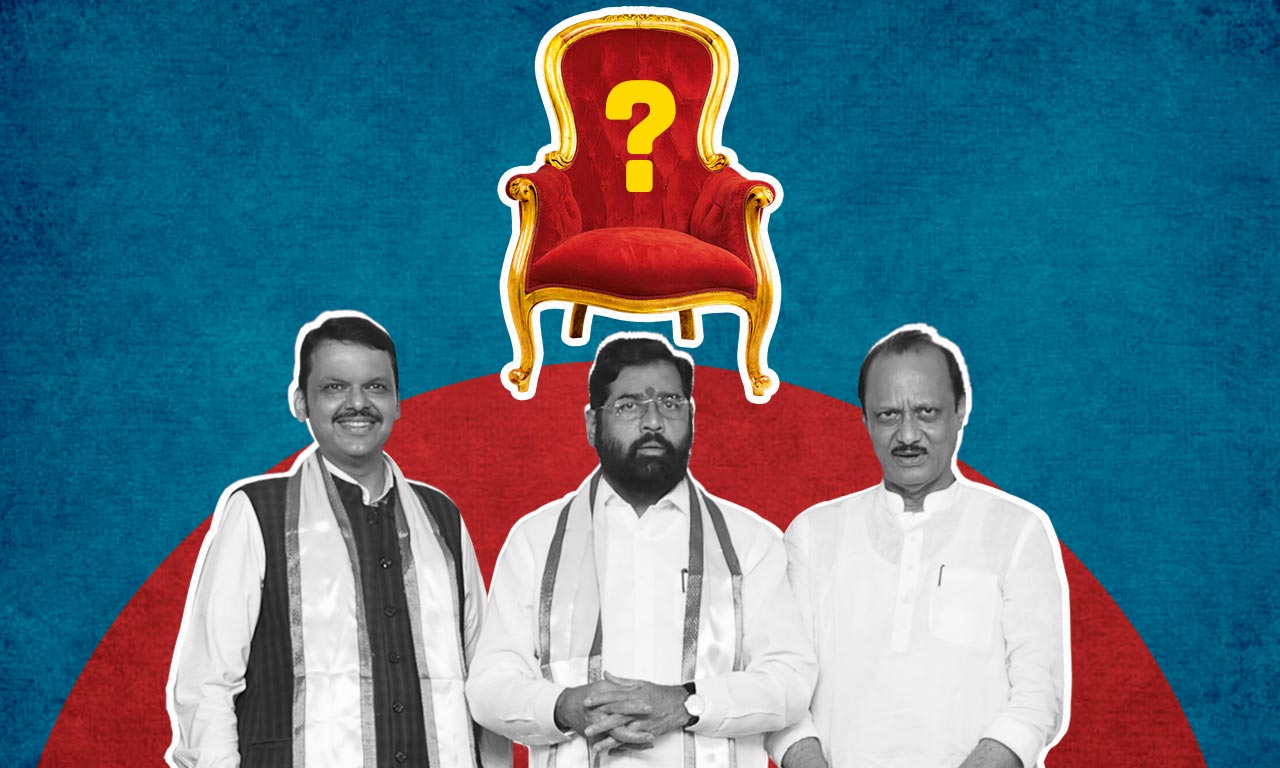
The political landscape in Maharashtra is witnessing intense deliberations over the next Chief Minister (CM) following the Mahayuti Alliance’s emphatic victory in the assembly elections. Securing 233 out of 288 seats, the alliance—which includes the Bharatiya Janata Party (BJP), Ajit Pawar’s faction of the NCP, and Eknath Shinde-led Shiv Sena—delivered a crushing blow to the opposition Maha Vikas Aghadi (MVA). However, the BJP’s dominant performance, with 132 seats, has fueled speculation that the party may prefer its own leader, Devendra Fadnavis, over the incumbent CM, Eknath Shinde, for the top post.
The BJP’s silence on the CM issue has not gone unnoticed, with growing pressure from its MLAs to install a party leader in the state’s highest office. Fadnavis, the current Deputy CM, has emerged as the frontrunner, with many MLAs openly advocating for his elevation. Known for his administrative skills and transformative policies during his previous tenure as CM (2014–2019), Fadnavis is seen as the architect of BJP’s record-breaking win in these elections. His return as CM would signal a shift in governance style, aligning Maharashtra more closely with the BJP’s national agenda of development and efficiency.
The BJP’s reluctance to continue under Shinde’s leadership stems from a combination of strategic and practical concerns. While the Mahayuti fought the elections under Shinde’s leadership and delivered a historic mandate, BJP leaders argue that their substantial majority should translate into control of the CM’s office. Many within the party feel that after playing second fiddle for 2.5 years as Deputy CM, Fadnavis deserves to reclaim the top position.
Shinde, however, is reportedly unwilling to relinquish the CM’s chair. His reluctance is rooted in his belief that his leadership remains vital for the alliance’s performance in upcoming local body elections, including the crucial Brihanmumbai Municipal Corporation (BMC) polls. Shinde’s appeal among urban and Marathi voters, coupled with his grassroots connections, could be pivotal in consolidating the alliance’s grip on state politics. His supporters argue that replacing him might disrupt the Mahayuti’s momentum and alienate a significant voter base.
Shinde’s tenure as CM has been marked by his ability to connect with the populace, particularly in urban and semi-urban areas. His leadership style emphasizes regional pride and grassroots development, qualities that resonate with a significant segment of Maharashtra’s electorate. For these reasons, Shinde’s camp has been lobbying hard to ensure his continuation as CM, viewing it as a strategic move for long-term political gains.
Within BJP circles, the debate over the CM post has become increasingly intense. On one hand, the party recognizes Shinde’s value as a leader who has proven his ability to mobilize voters and secure victories. On the other hand, there is a strong push for Fadnavis, whose governance track record and political astuteness could bring a fresh, dynamic approach to state administration. Several rounds of discussions, including high-level meetings among BJP’s central leadership, have reportedly taken place, but a consensus remains elusive.
The BJP is also mindful of the optics of replacing Shinde, especially given his role in steering the Mahayuti to a landslide victory. Any decision to oust him could be perceived as undermining the alliance’s collective mandate. However, the scale of BJP’s performance in the elections has emboldened party leaders, who see an opportunity to assert their dominance and install Fadnavis as CM. Ultimately, the decision on the CM will rest with the BJP’s central leadership and its parliamentary board. The party is likely to consult alliance partners, including the NCP and Shiv Sena factions, to ensure a smooth transition and avoid internal rifts. Given the stakes involved, the leadership is expected to weigh the political and electoral implications of its choice carefully.
Shinde’s reluctance to step down also stems from a strategic argument: continuity in leadership, he contends, is crucial for maintaining the alliance’s electoral momentum. By remaining CM, Shinde believes he can strengthen the Mahayuti’s position in local body elections, particularly in Mumbai, where the BMC elections hold significant political and financial stakes. His supporters argue that his grassroots appeal and regional pride could translate into a clean sweep for the alliance in these polls. However, this perspective contrasts sharply with the BJP’s broader political vision. The party sees Fadnavis as a leader who can realign state politics with its national narrative, emphasizing development, economic reforms, and infrastructure growth. Fadnavis’s administrative acumen and governance style, which appealed to urban and middle-class voters during his previous tenure, are seen as assets that could further bolster the BJP’s position in Maharashtra.
The current power struggle harks back to the political turmoil that followed the 2019 assembly elections. Despite winning a majority in alliance with the undivided Shiv Sena, the BJP was unable to form a government as the Shiv Sena broke away to join the MVA, led by Uddhav Thackeray. This led to a series of dramatic political developments, including the eventual formation of the Mahayuti Alliance under Shinde’s leadership in 2022. Over the past five years, Maharashtra has seen three different CMs: Fadnavis, Thackeray, and Shinde.
The BJP’s central leadership is keen to avoid a repeat of this instability and is focused on ensuring a seamless transition, whether it involves retaining Shinde or reinstating Fadnavis as CM. The tenure of the current Maharashtra assembly ends on Tuesday, adding urgency to the decision-making process. Meanwhile, all 57 Shiv Sena MLAs have been summoned to a meeting in Bandra to elect the legislature party leader. Sources suggest that Shinde may submit his resignation to the governor and continue as caretaker CM until the new government is sworn in.
While Shinde’s supporters remain optimistic about his continuation, indications from BJP circles point to a strong preference for Fadnavis. The saffron party’s leadership appears determined not to delay Fadnavis’s return to Varsha, the CM’s official residence in Mumbai.
The choice between Shinde and Fadnavis is more than a mere leadership tussle; it represents a broader battle for control over the Mahayuti’s political narrative. Shinde’s leadership symbolizes regional pride and grassroots politics, while Fadnavis embodies a governance model centered on development and alignment with BJP’s national strategy. The decision will have far-reaching implications, not only for Maharashtra’s governance but also for the BJP’s prospects in the 2024 Lok Sabha elections.
As the BJP navigates this delicate balancing act, it must consider the impact of its decision on the alliance’s unity, voter sentiment, and its own long-term political objectives. Whether it chooses continuity with Shinde or a fresh start with Fadnavis, the outcome will shape Maharashtra’s political landscape for years to come.
Explained: What It Took to Frame India's Constitution 10
India’s Constitution, the world’s longest written document of its kind, was officially adopted on November 26, 1949, after an intense and meticulous process spanning nearly three years. Here’s a detailed account of how it came into being:
The Timeline
Duration: 2 years, 11 months, and 18 days.
Sessions: 11 sessions over 167 days of debates.
Final Adoption: November 26, 1949.
Key Figures and Contributions
Dr. B.R. Ambedkar: Chaired the drafting committee and is regarded as the chief architect of the Constitution.
BN Rau: The constitutional advisor who prepared the initial draft, later scrutinized by the drafting committee.
Rajendra Prasad: India’s first president, was the first to sign the document.
Handcrafted Original Copy
Calligraphy: The first edition was handwritten, not printed, by Prem Behari Narain Raizada.
Artistic Touch: Pages were adorned by artists like Nandalal Bose and Beohar Rammanohar Sinha from Shantiniketan.
The Content
Initial Structure: Contained 395 Articles and 12 Schedules.
Current Status: Amended 106 times, showcasing its adaptability.
Fundamental Rights: Discussed extensively for 16 days, forming Part III of the Constitution.
Constituent Assembly Debates
Words Spoken: Approximately 36 lakh words.
Clause-by-Clause Discussions: Covered over 101 days, focusing on critical parts like Fundamental Rights and Directive Principles.
Leading Voices: Dr. Ambedkar contributed 2.67 lakh words, while Jawaharlal Nehru spoke 73,804 words.
Women’s Role
Representation: 15 women were part of the Constituent Assembly, with 10 actively participating in debates.
Notable Contributors:
G. Durgabai: Spoke nearly 23,000 words, primarily on the judiciary.
Hansa Mehta and Renuka Ray: Focused on justice for women.
Dakshyani Velayudhan and Ammu Swaminathan: Participated in debates on Fundamental Rights.
Participation Dynamics
Provincial Contributions: Members from provinces contributed 85% of the debates.
Princely States: 64 members, with lower average participation compared to provincial representatives.
Notable Attendees: Jawaharlal Nehru, Sardar Vallabhbhai Patel, Maulana Abul Kalam Azad, Sarojini Naidu, and others.
The Venue
Constitution Hall: Now the Central Hall of Parliament House, was elegantly prepared for the occasion, with semi-circular seating, green carpets, and electrically heated desks.
The Constitution’s formation was a monumental task, reflecting the diversity and aspirations of India while laying a robust foundation for governance. It remains a testament to the vision, dedication, and intellect of the nation’s founding leaders.
Eknath Shinde Resigns; Appointed Caretaker CM as Mahayuti Deliberates New Leadership 12
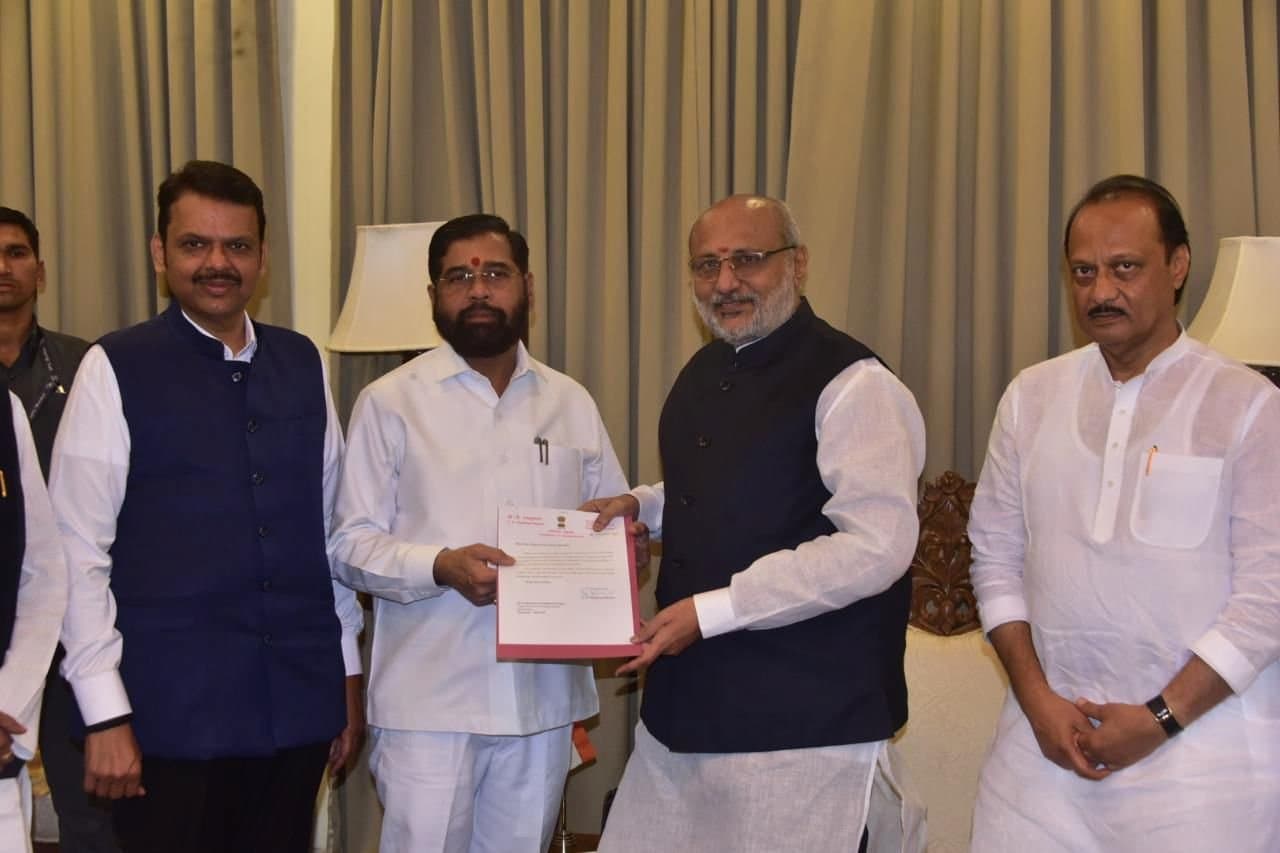
Maharashtra Chief Minister Eknath Shinde tendered his resignation to Governor C. P. Radhakrishnan on Tuesday, paving the way for the formation of a new government following the Mahayuti alliance’s decisive victory in the recent assembly elections. The Governor has requested Shinde to serve as caretaker Chief Minister until the swearing-in of his successor.
Shinde was accompanied by Deputy Chief Ministers Devendra Fadnavis and Ajit Pawar during his visit to the Raj Bhavan. The term of the outgoing Maharashtra assembly ends on November 26.
Deepak Kesarkar, a minister in the Shinde-led cabinet, confirmed the resignation and assured that the new government would be sworn in soon. However, he noted that a consensus on the next Chief Minister has yet to be reached within the Mahayuti alliance, which secured 230 out of 288 seats.
The choice for the CM post is expected to be guided by senior BJP leaders, including Prime Minister Narendra Modi and Home Minister Amit Shah. Kesarkar remarked, “Every political worker wishes for the CM to be from their party, but we will abide by the decision of Modi Ji and Amit Shah Ji.” Shinde has also expressed his willingness to accept the leadership’s decision.
With the massive mandate for the BJP-Shiv Sena-Ajit Pawar-led NCP coalition, the focus now shifts to determining the leader who will helm the new government amid heightened speculation and political maneuvering.
Marathas Back Eknath Shinde for CM Amid Mahayuti's Post-Victory Tussle 14
As suspense lingers over the Mahayuti alliance’s choice for Maharashtra’s next chief minister, Shiv Sena leader Sheetal Mhatre has claimed that the Maratha community overwhelmingly supports Eknath Shinde continuing in the top post.
Speaking to reporters on Tuesday, Mhatre highlighted Shinde’s contributions to the Maratha community, including implementing a 10% reservation under the Economically and Socially Backward Category and initiatives through the Annasaheb Patil and Sarathi corporations. She asserted, “The Maratha community stands behind Shinde and the Mahayuti, with growing calls for the CM to be from the Maratha community.”
Despite the BJP-led Mahayuti’s landslide victory, winning 230 of the 288 assembly seats, the alliance has yet to reach a consensus on the chief ministerial candidate. While Shinde, a Maratha leader from Satara, remains a strong contender, BJP leader and Deputy CM Devendra Fadnavis—hailing from Nagpur’s Brahmin community—is seen as a frontrunner due to the BJP’s dominant performance.
Adding to Shinde’s favour, women beneficiaries of the “Mukhyamantri Majhi Ladki Bahin Yojana” met him recently to express gratitude for the scheme, which provides eligible women Rs. 1,500 per month and is credited for boosting Mahayuti’s success.
The decision over Maharashtra’s leadership is expected to have significant implications, especially with upcoming local body elections looming on the horizon.
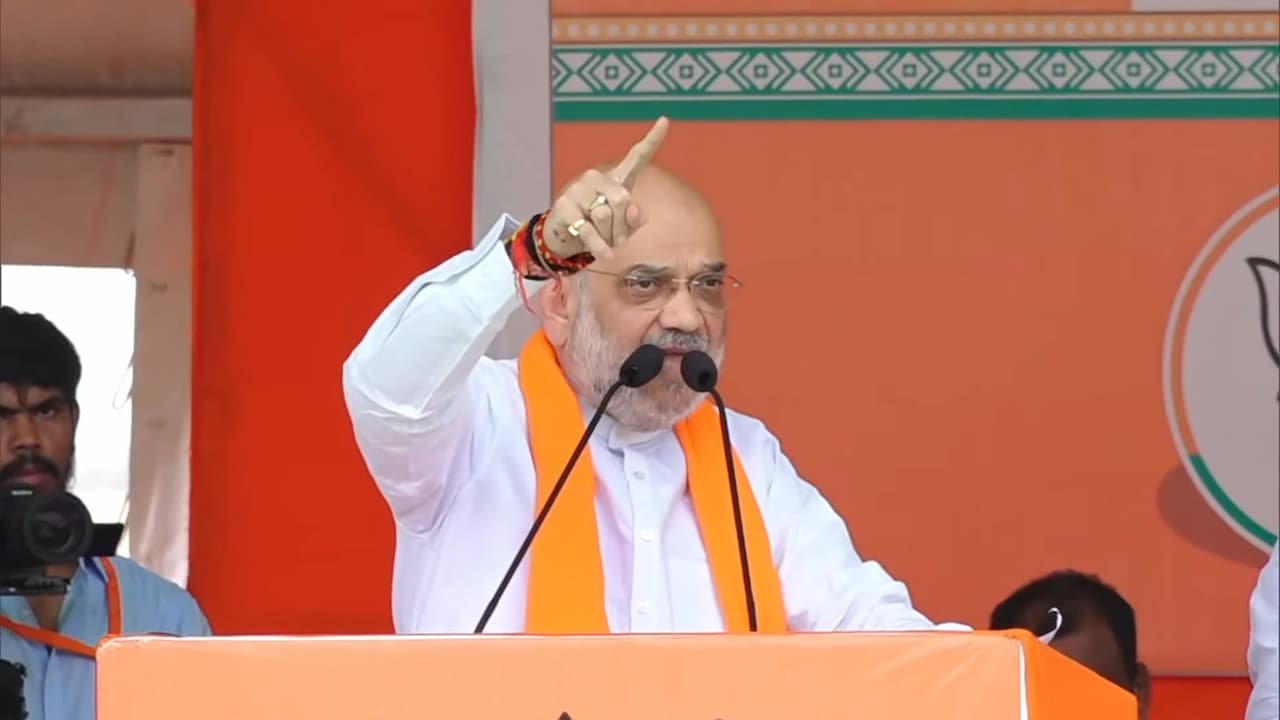
Amit Shah Highlights Global Praise for Modi Govt's 'Zero-Tolerance' Stance on Terrorism 16
Union Home Minister Amit Shah on Tuesday emphasized that the Modi government’s “zero-tolerance” policy against terrorism has garnered worldwide appreciation, positioning India as a global leader in anti-terror initiatives.
Paying tribute to the victims of the 26/11 Mumbai attacks, Shah took to X, stating, “Cowardly terrorists shamed humanity by killing innocent people in Mumbai. I pay my heartfelt homage to the brave soldiers martyred and the civilians who lost their lives.”
साल 2008 में आज ही के दिन मुंबई में कायर आतंकवादियों ने निर्दोष लोगों की हत्या कर मानवता को शर्मसार किया था। 26/11 के मुंबई हमलों में आतंकियों से लड़ते हुए वीरगति को प्राप्त होने वाले जवानों को भावभीनी श्रद्धांजलि अर्पित करता हूँ और अपना जीवन गँवाने वाले लोगों को नमन करता हूँ।…
Using the hashtag #MumbaiTerrorAttack, Shah reiterated the government’s steadfast approach to combating terrorism, calling it “a blot on human civilization.”
On November 26, 2008, ten terrorists from Pakistan orchestrated one of the deadliest attacks in Indian history, claiming 166 lives and leaving a lasting scar on the nation’s psyche. Shah’s remarks underscore the government’s commitment to ensuring such tragedies never recur.
Supreme Court Urges CAQM to Reassess Physical Classes in Delhi-NCR Amid Pollution Concerns 18
The Supreme Court on Monday called on the Commission for Air Quality Management (CAQM) to consider resuming physical classes in schools and colleges in Delhi-NCR, citing the challenges faced by students, including the lack of midday meals and infrastructure for online education.
A bench comprising Justices Abhay S Oka and Augustine George Masih highlighted that many children lack air purifiers at home, questioning the effectiveness of keeping them indoors when pollution levels remain critical.
While urging reconsideration for students, the court declined to ease the stringent Graded Response Action Plan (GRAP-4) restrictions, stating it would only do so upon consistent improvement in air quality index (AQI) levels. GRAP-4 restrictions currently include curbs like banning non-essential truck entry into Delhi-NCR.
The bench also addressed the plight of laborers and daily wage workers affected by construction bans under GRAP-4. It directed state governments to utilize labor cess funds to provide subsistence to affected workers.
Introduced in 2017, GRAP is a tiered plan to combat air pollution in the capital and its surrounding regions, with measures intensifying as pollution worsens.
Aaditya Thackeray Named Shiv Sena (UBT) Legislature Party Leader Amid Reduced Victory Margin 20
Aaditya Thackeray, former Maharashtra minister and son of Shiv Sena (UBT) chief Uddhav Thackeray, was elected the legislature party leader of the Shiv Sena (UBT) during a meeting of party legislators in Mumbai on Monday.
In the recent assembly elections, Aaditya secured victory from the Worli constituency, defeating Milind Deora of the Eknath Shinde-led Shiv Sena by 8,801 votes. However, his winning margin witnessed a significant drop from the 67,427 votes recorded in the 2019 elections.
Senior party leader Ambadas Danve announced that Bhaskar Jadhav has been appointed the party group leader in the state assembly, while Sunil Prabhu will serve as the party’s chief whip.
The developments come as the Shiv Sena (UBT) gears up to strengthen its position following the split with the Eknath Shinde faction.