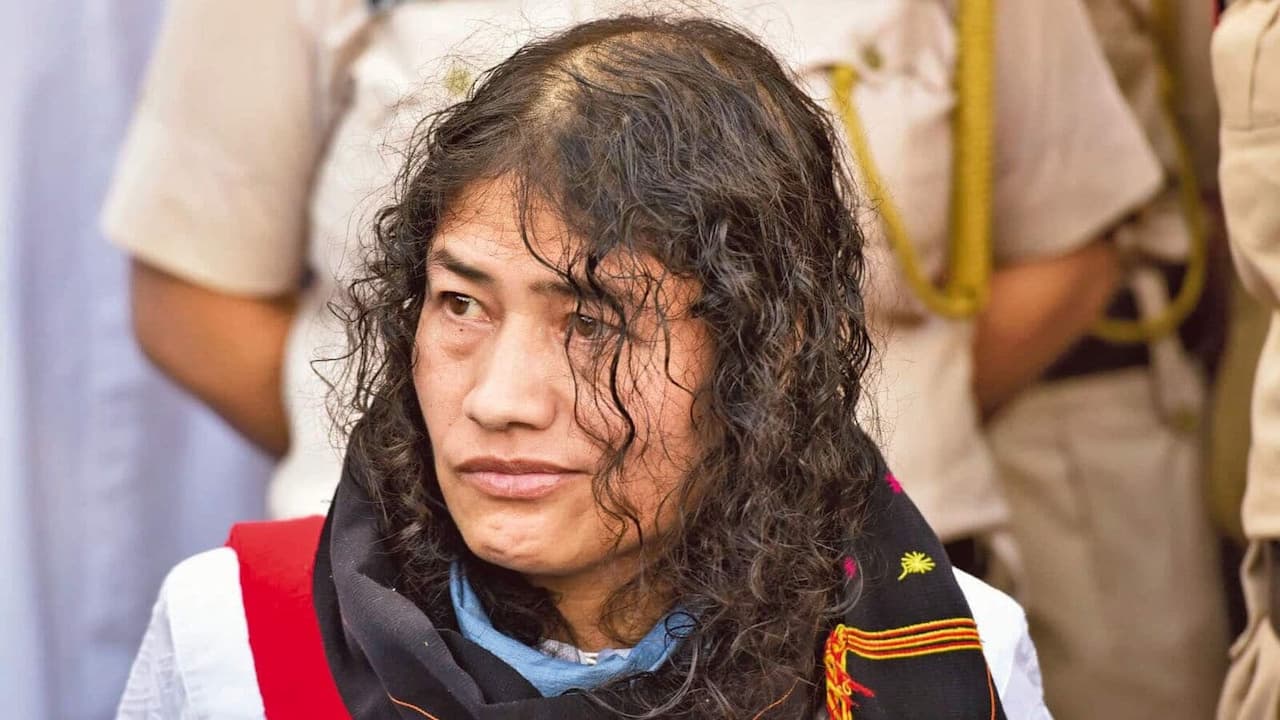
Rights activist Irom Sharmila has criticized Prime Minister Narendra Modi for his lack of direct involvement in resolving the ongoing crisis in Manipur. She emphasized that Modi’s intervention is essential to restore peace in the violence-hit state, warning that the reimposition of the “draconian” Armed Forces (Special Powers) Act (AFSPA) in six police station areas could escalate unrest further.
Sharmila urged Manipur Chief Minister N. Biren Singh to take moral responsibility for the turmoil and resign. “The chief minister has failed to restore peace since the violence began in May 2023. The BJP must demand his resignation for the sake of the people,” she said.
The activist also called on the Centre to hold a referendum to understand the aspirations of Manipur’s communities. “The government must first listen to what the people of Manipur want before taking corrective steps,” she added.
Sharmila, known as the ‘Iron Lady of Manipur,’ expressed her disappointment over Modi’s prolonged silence. “Eighteen months into the crisis, the Prime Minister has yet to visit the state. His direct intervention is crucial to resolving this issue,” she remarked.
Criticizing the reimposition of AFSPA, Sharmila described it as a colonial-era law that has failed to curb violence in the northeast. “AFSPA has brought nothing but suffering to the people of Manipur. Its reimposition will only aggravate the situation further,” she said, reiterating her long-standing opposition to the Act.
She accused the government of double standards in its approach to law and order, questioning whether similar measures like AFSPA or prolonged internet shutdowns would ever be implemented in states like Maharashtra or Uttar Pradesh during crises. “India is a democracy, and draconian measures from the colonial era have no place in modern governance,” she asserted.
Reflecting on the escalating violence, which has claimed over 200 lives and displaced thousands since last year, Sharmila urged both the state and central governments to address the fears and aspirations of Manipur’s diverse ethnic groups with compassion. She called for inclusive governance that respects the region’s unique culture and identity, stressing that unity can only be achieved through understanding and empathy.
Sharmila, who led a 16-year hunger strike against AFSPA, remains an enduring symbol of resistance in Manipur. Although settled in South India with her family, she continues to champion the state’s cause, calling for immediate and decisive action to end the ongoing violence.
Maharashtra Assembly Elections 2024: Democracy in Action 4
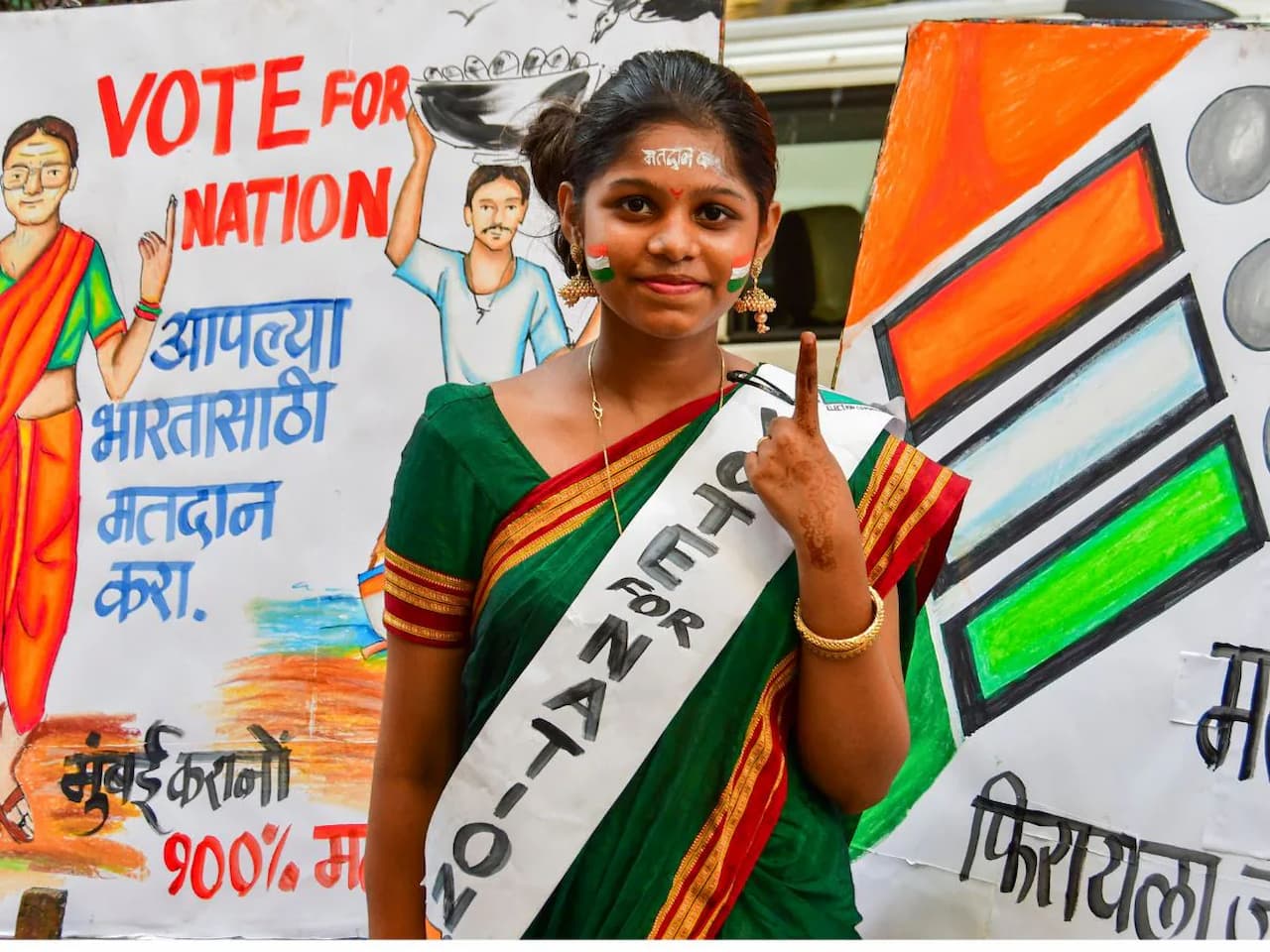
The Maharashtra Assembly Elections are set to take place on November 20, 2024, starting at 7:00 AM and continuing until 6:00 PM. Voters in the queue at polling stations by 6:00 PM will be allowed to cast their ballots. Preparations for the elections are complete, with 2,21,060 ballot units ready to ensure a smooth voting process. Maharashtra is ready to witness a grand celebration of democracy. Let’s make this election a landmark event by participating in large numbers and strengthening our democratic fabric.
Key Highlights
Record Voter Turnout Expected
This year, a record 9.7 crore voters across 288 constituencies are eligible to cast their votes. Among them are 5.22 crore male voters, 4.69 crore female voters, and 6,101 third-gender voters. Pune district has the highest voter count in the state.
Empowering Women Voters
Maharashtra has 4,69,96,279 registered female voters, with five districts—Ratnagiri, Nandurbar, Gondia, Bhandara, and Sindhudurg—reporting a higher number of female voters than male voters.
Inclusivity in Voting
To ensure every voice is heard, the state has registered 6,41,425 PwD voters and 1,16,170 service voters, ensuring that all eligible citizens can exercise their democratic rights.
Candidates Contesting the Elections
A total of 4,136 candidates are competing for seats in the assembly. These include 3,771 men, 363 women, and 2 third-gender candidates.
Election Infrastructure
Preparedness of Voting Machines
The state has ensured the availability of 2,21,600 ballot units, 1,21,886 control units, and 1,32,094 VVPAT machines. These resources have been distributed across the polling stations, with some reserved for training and awareness programs.
Polling Stations
A total of 1,00,186 polling stations have been established across Maharashtra, including 42,604 urban polling stations and 57,582 rural polling stations. Pune has the highest number of polling stations, with 8,462, followed by Mumbai Suburbs, Thane, Nashik, and Nagpur.
Special Arrangements
Encouraging Urban Voter Turnout
To boost participation in urban areas, 1,181 polling stations have been set up in high-rise buildings and cooperative housing societies. Additionally, 210 polling booths have been established in slum areas to ensure accessibility for all voters.
Focus on Tribal and Remote Areas
Special facilities have been arranged for voters in tribal and remote regions, particularly in Gadchiroli, Gondia, Nandurbar, Dhule, and Amravati. The number of polling booths in these areas has been significantly increased to ensure no voter is left behind.
Election Essentials
To mark voters’ participation, 2,20,520 bottles of indelible ink have been made available. This ensures the integrity of the voting process and prevents duplicate voting.
SC Stays Order Directing President's Office to Review Mercy Plea in Beant Singh Assassination Case 6
The Supreme Court on Monday temporarily stayed its earlier directive requiring the secretary to President Droupadi Murmu to place before her the mercy plea of Balwant Singh Rajoana, a death row convict in the 1995 assassination of then Punjab Chief Minister Beant Singh. The court’s decision came after Solicitor General Tushar Mehta raised concerns about the “sensitivities” of the matter and informed the bench that the file was with the Ministry of Home Affairs, not the President. The bench agreed to hear the case on Friday.
Earlier in the day, a bench comprising Justices B R Gavai, P K Mishra, and K V Viswanathan had requested the President to decide on the plea within two weeks, citing the urgency due to Rajoana’s status as a death row inmate. The bench expressed displeasure over the absence of representation from the Union of India despite prior directions for updates regarding the plea’s status.
Balwant Singh Rajoana was sentenced to death in July 2007 for his role in the blast at the civil secretariat in Chandigarh on August 31, 1995, which killed Beant Singh and 16 others. In 2012, the Shiromani Gurdwara Parbandhak Committee (SGPC) filed a mercy petition on Rajoana’s behalf under Article 72 of the Constitution. However, the plea remains undecided.
In May last year, the Supreme Court declined to commute Rajoana’s death sentence, stating that the competent authority must address the mercy plea. The court has now sought responses from the Centre, the Punjab government, and Chandigarh’s administration regarding the petition.
Borivali's Political Landscape: Strengths, Concerns, and Challenges 8
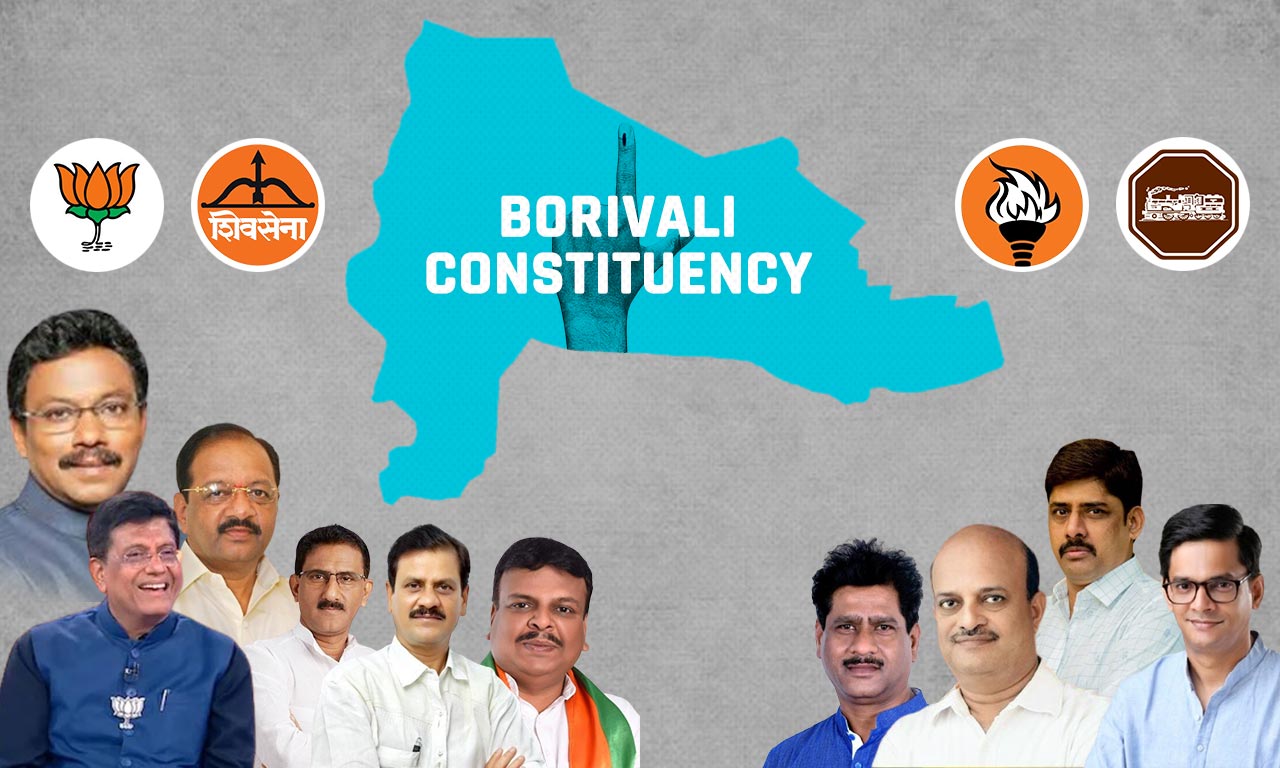
Borivali, one of Mumbai’s key assembly constituencies and part of the Mumbai North Lok Sabha constituency, has long been a political stronghold of the Bharatiya Janata Party (BJP). Over the last four decades, the BJP has consolidated its dominance in the region, often relying on its established voter base among communities such as Gujaratis, Marwaris, and Jains. However, despite its historic hold, cracks are beginning to show in the form of local grievances and dissatisfaction with the choice of candidates, which has left many residents feeling disconnected from their elected representatives.
Disconnect Between Representatives and Constituents
One of the primary concerns among Borivali residents is the perceived lack of connection with their elected representatives. Many feel that Members of the Legislative Assembly (MLAs) and Members of Parliament (MPs) are chosen from outside the constituency and fail to represent local interests adequately. Local leaders like Prakash Surve and Pravin Darekar are often criticized for their inaccessibility, leaving residents with a sense of alienation. This sentiment extends to figures like Union Minister Piyush Goyal, who, despite receiving overwhelming support during elections, is rarely seen in the constituency, further fueling frustration among locals.
The BJP’s assumption of voter loyalty without addressing local concerns has raised questions about its understanding of Borivali’s unique challenges. Traffic congestion, water shortages, and delayed development projects are pressing issues that remain unaddressed. Additionally, the lack of key infrastructure, such as colleges, major hospitals, and IT parks, reflects a broader neglect of the constituency’s evolving needs.
Leadership Changes and Internal Discontent
The BJP’s decision to experiment with new candidates in Borivali has stirred controversy. Sanjay Upadhyay, a loyal party worker and the BJP’s current candidate, has sparked mixed reactions. Although Upadhyay has a long association with the party and the Rashtriya Swayamsevak Sangh (RSS), his lack of a strong local connect and limited political accomplishments have raised concerns among residents.
This shift in leadership has also created internal turmoil. Gopal Shetty, a former MP and a beloved local leader, initially filed his nomination as an independent candidate after being overlooked by the BJP. While Shetty eventually withdrew his candidacy, his disappointment has not gone unnoticed. Known for his accessibility and inclusivity, Shetty was regarded as a man of the masses. His initiatives, which ranged from funding schools to supporting Madrasas, exemplified his commitment to all communities. Many residents view his absence as a loss for Borivali’s political fabric.
Similarly, Sunil Rane, another prominent BJP leader, is widely recognized for his dedication to addressing local issues. Rane’s open-door policy and active engagement with residents earned him significant respect. Despite winning the last assembly election with a margin of 95,021 votes, he was denied a ticket this time, leaving his supporters disheartened. According to the Praja Foundation, which assesses the performance of elected representatives, Rane ranked high in attendance and question-raising in the assembly, further underscoring his effectiveness as a public servant.
Vinod Tawde, a former MLA and minister, also contributed significantly to Borivali’s development during his tenure. From resolving issues like overdue police insurance premiums to beautifying the constituency, Tawde has left an indelible mark. His ability to maneuver challenges and strengthen the BJP’s position highlights the party’s missed opportunity in not leveraging his leadership further.
Developmental Concerns and Unfulfilled Promises
Borivali’s residents continue to grapple with numerous challenges that require immediate attention. Traffic congestion remains a significant issue, exacerbated by incomplete development plan (DP) roads, such as those near G.H. School and Carter Road No. 4, as well as pending projects like the Rajendra Nagar flyover. These delays add pressure to the already burdened Western Express Highway. Additionally, parking infrastructure near Borivali station and the completion of the BEST terminal are long overdue.
Environmental concerns, including the rejuvenation of the Dahisar River and illegal tree cutting, remain unresolved. Despite demands for GPS tagging of trees to monitor deforestation, implementation has yet to take place. Water shortages, particularly in areas like Charkop and Gorai, further add to the constituency’s woes. Encroachment issues and pending Slum Rehabilitation Authority (SRA) projects, such as the 32-year-old Rajendra Nagar redevelopment, highlight systemic inefficiencies.
The absence of major educational institutions and healthcare facilities is another glaring gap. While Borivali boasts natural assets like the Sanjay Gandhi National Park and heritage temples, its potential as a tourism hub remains untapped. The lack of an IT park also limits employment opportunities for residents, particularly the middle and upper-middle-class demographics that dominate the constituency.
Opposition and the Rise of Alternatives
In this election cycle, opposition parties are attempting to capitalize on the BJP’s perceived shortcomings. The Maha Vikas Aghadi’s Shiv Sena (UBT) candidate, Sanjay Bhosale, has positioned himself as a challenger, promising to address long-standing issues such as traffic, water supply, and infrastructure. However, despite these promises, the BJP’s established voter base often overshadows opposition efforts.
The Maharashtra Navnirman Sena (MNS) has also fielded a candidate, Kunal Mainkar, who is focusing on local development. Unlike the BJP’s Sanjay Upadhyay, Mainkar is a local resident, which could give him an edge among voters seeking a grassroots leader. However, given Borivali’s history as a BJP stronghold, breaking the party’s dominance remains an uphill battle.
Historical Context and Political Legacy
Borivali’s political journey has been shaped by decades of BJP rule. From Ram Naik’s victory in 1978, which marked the constituency’s shift from Congress to the BJP, to its current status as a party fortress, the BJP’s influence is deeply entrenched. Leaders like Naik laid the foundation for this dominance, which has been maintained through consistent electoral victories.
However, the BJP’s reliance on party loyalty rather than candidate merit is being increasingly questioned. Sanjay Upadhyay’s candidacy reflects this trend. While his background as an RSS Swayamsevak and his role as BJP Mumbai’s Secretary highlight his organizational experience, his lack of visibility in the constituency raises doubts about his ability to address Borivali’s unique challenges.
Looking Ahead: The Voter’s Dilemma
As Borivali heads into another assembly election, voters are at a crossroads. While the BJP remains a formidable force, its recent decisions regarding candidate selection and the neglect of local concerns have left many residents dissatisfied. The party’s historical achievements, such as infrastructure development and community welfare initiatives, are being overshadowed by unresolved issues and a disconnect between representatives and constituents.
The election also offers an opportunity for opposition parties to make inroads, provided they can present a credible alternative. Whether voters choose to experiment with new faces or reaffirm their loyalty to the BJP will depend on how effectively candidates address the constituency’s pressing needs.
For Borivali, the future hinges on the ability of its leaders to bridge the gap between political promises and ground realities. Only time will tell if the BJP can retain its stronghold or if a new political narrative will emerge in this dynamic constituency.
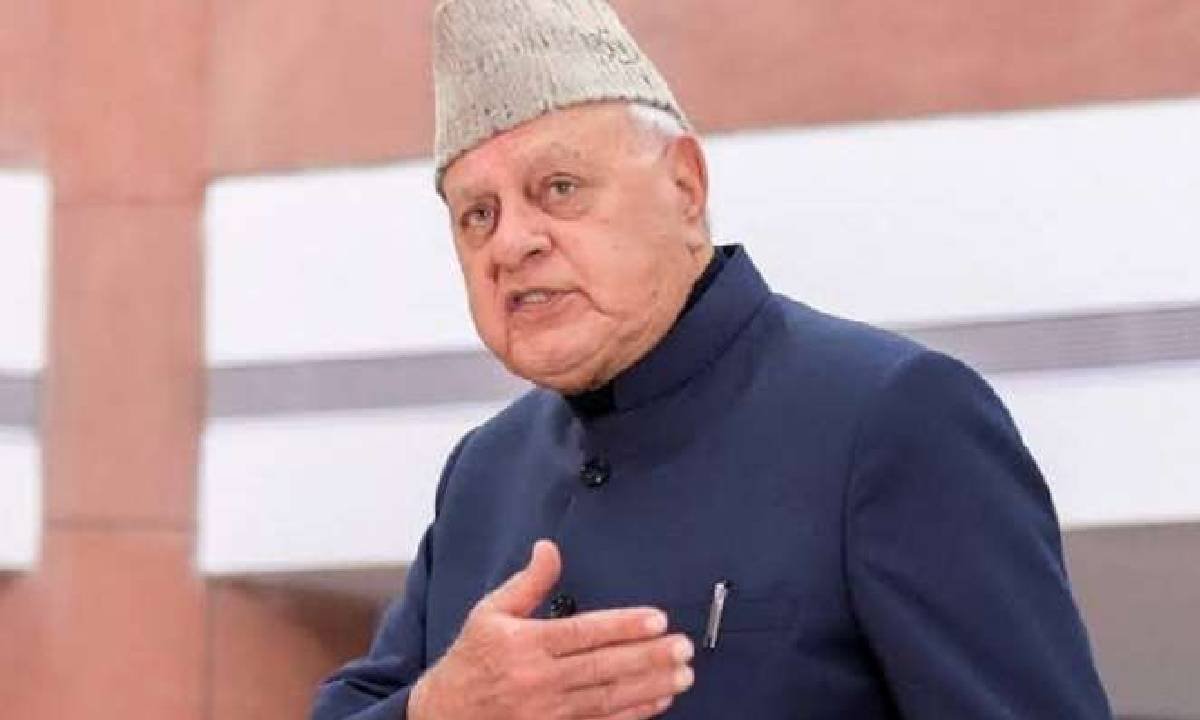
National Conference President Farooq Abdullah on Friday reiterated his call for the immediate restoration of statehood to Jammu and Kashmir, calling it a crucial step to resolve the myriad of issues facing the region.
After paying obeisance at the Gurudwara Sahib in Chand Nagar on the occasion of Guru Nanak Dev’s 555th birth anniversary, Abdullah hoped for greater political representation of the Sikh community, asserting that one day, Sikhs will not only have roles in the government, but also in the Assembly to effectively raise and address their issues.
The veteran NC leader was accompanied by Deputy Chief Minister Surinder Kumar Choudhary and Cabinet minister Javaid Rana, “The Central government should restore statehood to J-K at the earliest as it will help resolve most of our problems,” Abdullah said.
Urging the Sikh community to draw inspiration from Guru Nanak Dev, he said, “On this sacred day, demand with strength that our conditions improve and we become free from bureaucratic dominance.” Criticising bureaucratic governance, Abdullah said, “In the past, officials did not listen to the people. Today, however, people look towards the ministers with hope, expecting them to address their concerns and take the right decisions.”
Reflecting on his previous tenure (as J-K chief minister), Abdullah said, “When I returned as the chief minister in 1996, my first priority was to ensure your representation because you deserved to have your voices heard.
“I entrusted a respected Sardar with the mandate to highlight your struggles and alleviate your difficulties. I contributed to the establishment of the Mahant Bachittar Singh College, personally fighting for it to ensure that your children receive quality education.” The veteran politician also claimed that while he envisioned the establishment of a medical college, it has sadly not materialised yet.
“However, I have worked to create institutions where your children can thrive academically to progress in life,” he said.
Emphasising the importance of technological advancements, Abdullah said, “Artificial Intelligence is rapidly spreading across the globe. Institutions must be built to provide education and training in this critical field so that we don’t lag behind.”
Highlighting cultural preservation, Abdullah said, “During my tenure, I introduced Punjabi language in Jammu and Kashmir, advocating for its richness and sweetness to be taught. Similarly, I insisted that Dogri must be taught where the language is spoken. Today, Dogri is fading away with outsiders coming here, taking our lands and controlling our industries.”
Taking a dig at the UT administration, Abdullah claimed that local contracts are being handed over to outsiders, as if the people of the region are unskilled or incapable.
“This state belongs to you. You are its rightful owners. So stand up and reclaim your rights. Only then will your issues be resolved,” the NC chief said.
Underscoring the importance of linguistic preservation, Abdullah said, “Where Dogri is spoken, Dogri must be taught. Where Kashmiri is spoken, Kashmiri must be promoted. Where Punjabi is prevalent, it must flourish. Why should we let our languages disappear?”
Sharing an anecdote on the “poor” state of development in Jammu city, Abdullah said, “On Diwali, I went to someone’s house for dinner. When I left for that place, there was light everywhere but by 11 pm, the area was shrouded in darkness.
“Despite this, our mothers and sisters walk freely, without any fear. This is your honour and dignity, which you have preserved through the years. It reflects Guru Nanak Ji’s teachings — ‘First, become human’. The day we achieve humanity, we will find god.”
Praising the Sikh community for its self-reliance, the NC chief said, “I have seen Hindus and Muslims begging, but I have never never a Sikh beggar. The Sikh community’s greatness lies in its self-sufficiency. They buy land for a gurdwara and then build it themselves, seeking help not from the government, but from their own people to complete their mission with dignity.”
Tragic Fire at Jhansi Medical College NICU Claims Lives of 10 Newborns 11
A devastating fire broke out in the Neonatal Intensive Care Unit (NICU) of the Maharani Laxmi Bai Medical College in Jhansi, Uttar Pradesh, late Friday night, claiming the lives of at least 10 children.
District Magistrate (DM) Avinash Kumar confirmed the tragedy, stating that the fire likely resulted from an electrical short circuit. It erupted around 10:45 PM, engulfing the NICU, which housed vulnerable newborns.
“The children in the outer part of the NICU were successfully rescued, along with some from the interior. However, preliminary reports confirm the unfortunate deaths of 10 children,” Kumar said.
Rescue and Relief Efforts
Emergency services, including the fire brigade and senior district officials, rushed to the site to contain the blaze and manage evacuation efforts. Visuals from the scene showed distraught parents and caregivers scrambling to safety, while police and medical staff worked tirelessly to rescue patients.
Chief Minister Yogi Adityanath expressed his condolences and directed officials to provide immediate treatment to the injured. In a statement from Lucknow, he also called for a thorough investigation into the incident.
Immediate Government Response
Deputy Chief Minister and Health Minister Brajesh Pathak, along with the principal secretary of health, were dispatched to Jhansi on the CM’s instructions.
Adityanath has demanded a detailed report on the tragedy from the divisional commissioner of Jhansi and the deputy inspector general of the police range within 12 hours.
The fire highlights ongoing concerns about safety protocols in public healthcare facilities and has raised questions about the state’s preparedness for such emergencies.
The families of the deceased are calling for accountability and justice as the authorities work to uncover the cause of the fire and prevent similar incidents in the future.
Amit Shah Challenges Rahul Gandhi to Praise Savarkar and Bal Thackeray Ahead of Maharashtra Polls 13
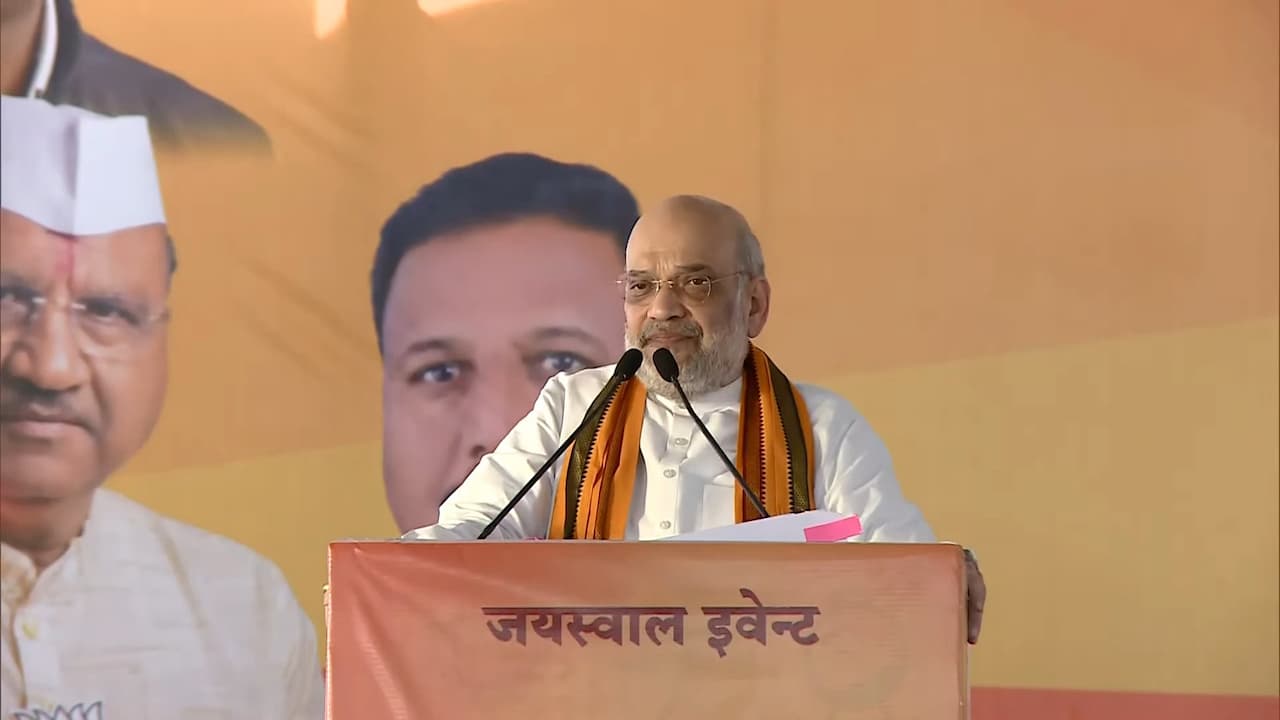
Union Home Minister Amit Shah, addressing a rally in poll-bound Maharashtra’s Hingoli on Friday, launched a fierce attack on Congress leader Rahul Gandhi and the opposition alliance. Shah dared Gandhi to praise Veer Savarkar and Shiv Sena founder Bal Thackeray, while accusing the Congress-led alliance of disrespecting Maharashtra’s cultural icons.
“Rahul Baba, if you have the courage, praise your friend Uddhav Thackeray’s father, the great Balasaheb Thackeray, for two minutes. Uddhav ji, get Rahul Baba to speak two good words about Veer Savarkar and Balasaheb,” Shah said.
Shah framed the assembly elections in Maharashtra as a choice between the legacy of Chhatrapati Shivaji Maharaj and Veer Savarkar versus the path of Aurangzeb.
“The upcoming election will determine whether Maharashtra follows the path of Chhatrapati Shivaji Maharaj and Veer Savarkar or the path of Aurangzeb. Our Mahayuti alliance has chosen Shivaji Maharaj and Savarkar without hesitation, while the opposition seems like an Aurangzeb fan club,” he said.
Shah highlighted Prime Minister Narendra Modi’s achievements, including the construction of the Ram temple in Ayodhya and the Kashi Vishwanath corridor, contrasting them with alleged Congress obstruction.
Criticism of Rahul Gandhi
Shah took a jibe at Gandhi, comparing him to a repeatedly crashing airplane. “Sonia ji has tried to land the plane named Rahul Baba 20 times, and each time it has crashed. Now, the 21st attempt is being made in Maharashtra, but it will crash again,” Shah quipped.
He also pointed to the BJP’s recent victory in Haryana as evidence of Congress’s overconfidence leading to failure.
“In the Haryana elections, Rahul Baba claimed victory prematurely, but Congress was wiped out. The same will happen in Maharashtra,” he added.
Ram Temple and Waqf Act Controversy
Shah touched upon the contentious Waqf Board issue, accusing the Congress of opposing reforms. “For 70 years, Congress blocked the Ram temple’s construction. Modi ji made it a reality. Now, the Congress and its allies oppose amendments to the Waqf Act, but the Modi government will push through these reforms,” he asserted.
Article 370 and NDA Confidence
Shah also dismissed Congress’s resolution to reinstate Article 370 in Jammu and Kashmir. “Rahul Baba’s Congress passed a resolution to bring back Article 370. Let me make it clear–neither Rahul Gandhi nor his fourth generation will be able to do this,” he declared.
Concluding his speech, Shah expressed confidence in the National Democratic Alliance (NDA), citing widespread public support.
“Every sister in Maharashtra stands with Eknath Shinde and Devendra Fadnavis. The Mahayuti government will form again to serve the people of Maharashtra,” he said.
Maharashtra will vote on November 20, with counting set for November 23.
The Outcome of 2024 Maharashtra Elections Are Highly Uncertain 15
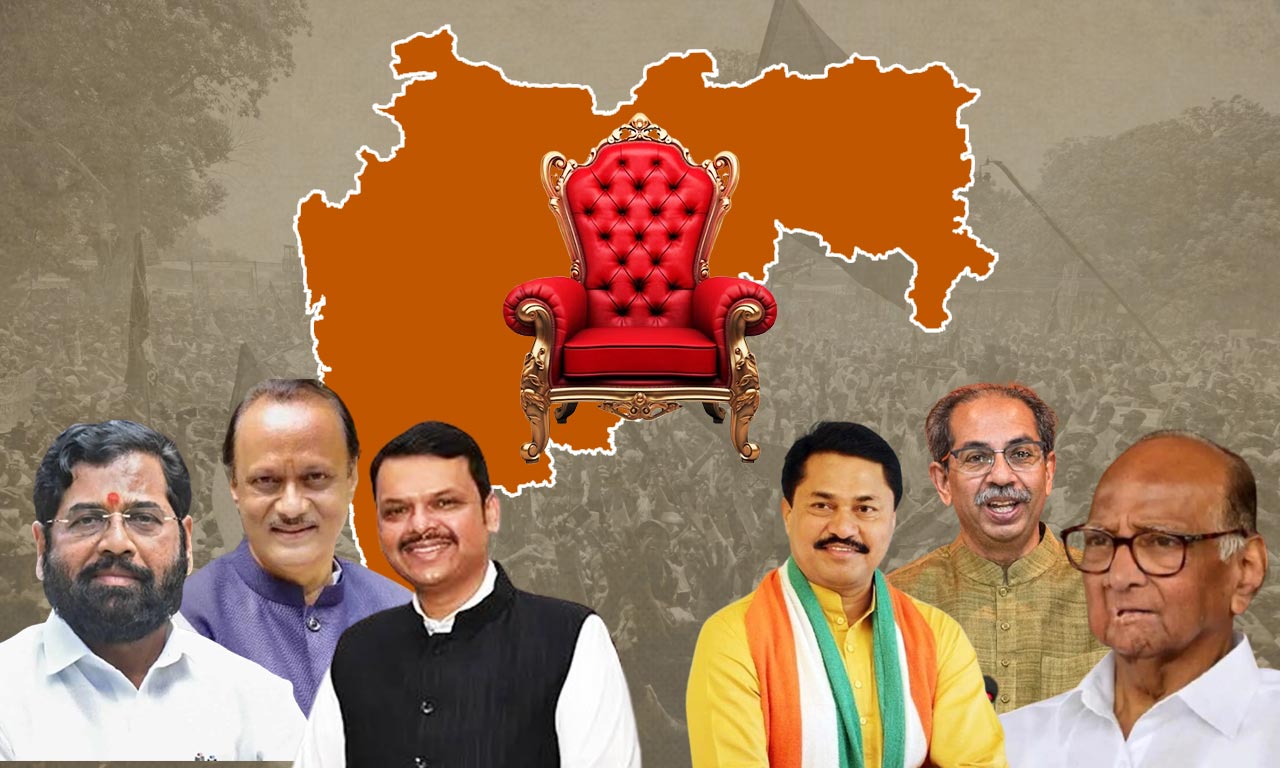
The Maharashtra Assembly elections this year are shaping up to be one of the most fiercely contested in the state’s history. With six major political parties and two key alliances striving for power, the outcome is highly uncertain, and it is difficult to predict which party will emerge victorious. The results will not only decide the future of Maharashtra but could also have significant implications for national politics.
Since the Congress government came to power in Maharashtra in 1990, the state has witnessed six assembly elections, and in each of them, no single party has been able to secure a clear majority. Coalition governments have been the norm, and this trend is expected to continue in the upcoming elections. Maharashtra, home to India’s financial capital Mumbai, has been politically volatile in recent years, with three different chief ministers and three distinct governments over the past five years.
The major players in this election are the Bharatiya Janata Party (BJP), the Shiv Sena (Shinde group), the Nationalist Congress Party (NCP), the Congress, Uddhav Thackeray’s Shiv Sena (Uddhav faction), and Raj Thackeray’s Maharashtra Navnirman Sena (MNS). The state has experienced a major rift between Shiv Sena factions led by Uddhav Thackeray and Eknath Shinde, as well as a split in the NCP. The Election Commission has recognized both factions, granting them separate party symbols and identities.
On one side, the BJP is leading an alliance that includes the Shiv Sena (Shinde faction) and NCP (Ajit Pawar faction) under the banner of the Maha Yuti, while on the other, the Congress, Uddhav Thackeray’s Shiv Sena (Uddhav faction), and NCP (Sharad Pawar faction) are united in the Maha Aghadi alliance. The two alliances are in a fierce battle for dominance, with each trying to outmaneuver the other in terms of support from voters.
Veteran leaders like Sharad Pawar, who is 84, and Prime Minister Narendra Modi, along with key figures such as Union Home Minister Amit Shah, Chief Minister Eknath Shinde, Deputy Chief Minister Devendra Fadnavis, and Ajit Pawar, are all actively campaigning in the state, aiming to consolidate their support base. Eknath Shinde, a former Shiv Sena leader, has become a key figure in Maharashtra’s political landscape after his rebellion in July 2022. His leadership and the subsequent shift in allegiance to the BJP have sparked intense political battles within the state.
Uddhav Thackeray’s faction has accused Shinde and his 40 rebel MLAs of betrayal, claiming that Shinde’s defection is a blow to the legacy of Balasaheb Thackeray. The Shiv Sena’s split has added a personal dimension to the political battle, with Uddhav’s supporters focusing on themes of loyalty and betrayal. Shinde, on the other hand, has emphasized his commitment to Balasaheb Thackeray’s Hindutva ideology and his efforts to restore Shiv Sena’s glory in the state.
The rivalry between Eknath Shinde and Uddhav Thackeray has escalated since Shinde’s rebellion, with both leaders keen to prove their legitimacy and leadership. In the 2019 Lok Sabha elections, Shinde’s faction, contesting under the Shiv Sena banner, won seven seats out of 15 contested, outperforming Uddhav’s faction, which failed to secure a significant victory. Now, Shinde faces the challenge of proving his mettle once again in the assembly elections.
Uddhav Thackeray, for his part, is working to regain the support of key vote banks. In the Lok Sabha elections, Muslim voters played a significant role in bolstering Uddhav’s alliance, and the same will be crucial in the assembly elections. However, it remains to be seen whether this vote bank will continue to favor the Uddhav-led Shiv Sena, especially as the political dynamics shift.
Thackeray’s appeal as a leader who faced personal and political setbacks following his government’s collapse has not yielded significant gains thus far. His efforts to portray himself as a victim of betrayal and highlight his leadership during the COVID-19 crisis did not translate into electoral success in the Lok Sabha elections. Whether this narrative will resonate with voters in the upcoming assembly polls remains to be seen.
The outcome of this election is critical for the future of the Shiv Sena and Uddhav Thackeray’s political career. A defeat could severely diminish his influence over the party, and with it, the Thackeray family’s longstanding dominance in the party’s decision-making. Meanwhile, Eknath Shinde’s faction appears to have solidified its position, with Shinde’s hands-on leadership and his accessibility to party workers earning him significant support.
For the Uddhav faction, maintaining its relevance will be a challenge. While the Thackeray family continues to wield considerable influence, it is clear that the political landscape is rapidly changing. With the fate of key leaders and parties on the line, the November 20 polls will likely determine not only the future of Maharashtra’s politics but also the direction of the state’s power dynamics in the years to come.
Sri Lankan President's NPP Achieves Parliamentary Majority with Historic Win in Tamil Districts 17
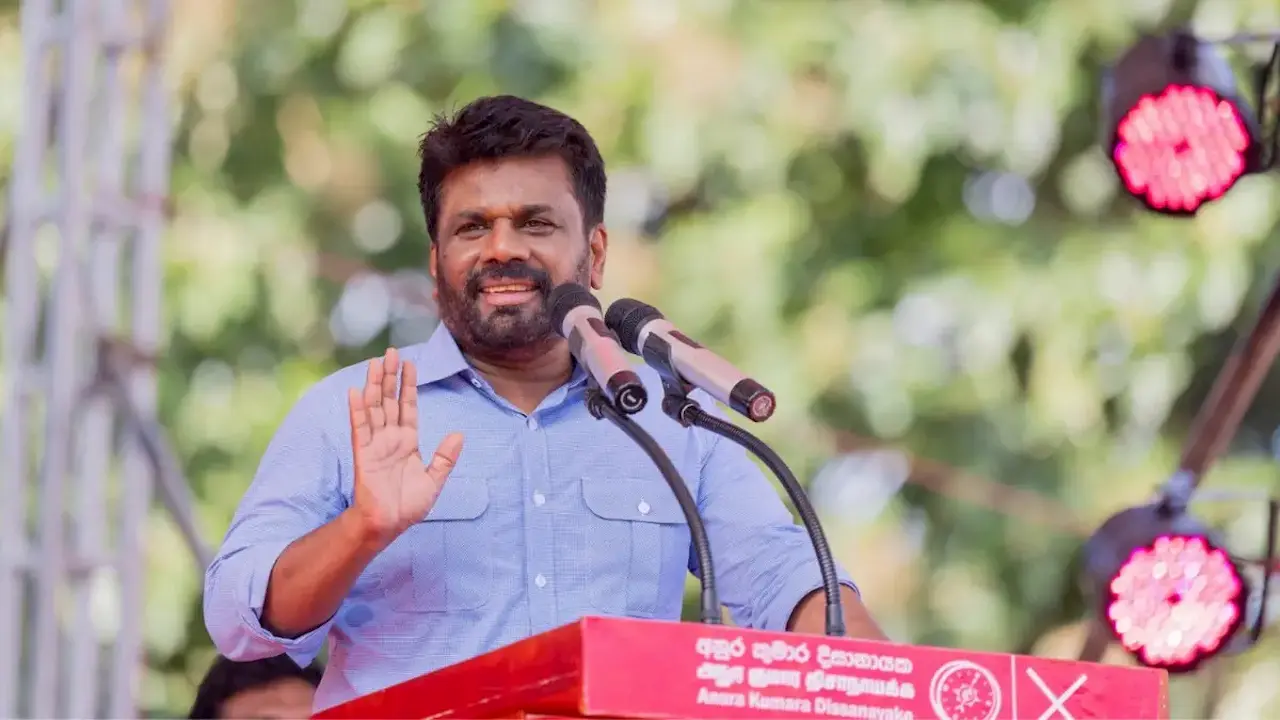
Sri Lanka’s National People’s Power (NPP), led by President Anura Kumara Dissanayake, achieved a decisive parliamentary majority on Thursday, securing 123 out of 171 declared seats, as confirmed by the election commission.
The NPP, contesting under the Malimawa (compass) symbol, received approximately 6.8 million votes, representing 61% of the total votes counted, positioning the party far ahead of its rivals. With 25 seats left to be declared and an additional 29 seats to be allocated based on national polling, the NPP is on track to reach a two-thirds majority. This would bring the party to an absolute majority of 150 seats in Sri Lanka’s 225-member parliament.
A major electoral milestone was achieved in the Tamil-majority Jaffna district, traditionally dominated by Tamil nationalist parties. The NPP, a Sinhala-majority party from southern Sri Lanka, won three out of six seats in Jaffna, marking the first time a Sinhala-majority party has won multiple seats in this culturally significant Tamil district. President Dissanayake hailed this victory as evidence of NPP’s acceptance across communities, stating, “The era of dividing and setting one community against the other has ended as people are embracing the NPP.”
The NPP, originally the Janatha Vimukthi Peramuna (JVP), had historically opposed power-sharing, a significant demand among Tamil communities. However, this shift indicates a newfound appeal of the NPP across Sri Lanka’s ethnic lines.
President Dissanayake dismissed parliament immediately upon assuming office in September, calling for this election one year ahead of schedule. The newly elected parliament is set to convene next week.
Over 12 Lakh Sugarcane Cutters May Miss Voting in Maharashtra Elections; Urgent Plea for Voting Rights 19
More than 12 lakh sugarcane cutters from Marathwada, North Maharashtra, and Vidarbha could be deprived of their voting rights in the upcoming Maharashtra assembly elections on November 20. With the cane-crushing season set to start on November 15, many of these workers have already migrated to sugarcane belts in Western Maharashtra and other states, according to the Maharashtra Sugarcane Cutters and Transport Association.
The association has filed a petition in the Aurangabad High Court, urging the court to direct the Election Commission to ensure these migrant workers can vote. Jeevan Rathod, president of the association, stated in the petition that 12–15 lakh cutters move to regions in Maharashtra, Karnataka, Telangana, Andhra Pradesh, and Tamil Nadu before harvesting begins. These workers, once migrated, typically do not return until April or May 2025.
“If such a large segment of the population is denied voting rights, it undermines participative democracy,” Rathod told PTI. He emphasized that in Maharashtra’s diverse political landscape, these votes could be crucial as victory margins are often slim.
In their plea, the association requested the court to consider measures like postal ballots or transportation to enable migrant workers to return home to vote and then resume work. They also appealed for a holiday on election day for sugarcane cutters, coordinated by the state’s Sugar Commissioner, the Maharashtra State Cooperative Sugar Factories Federation Limited, and the West Indian Sugar Mills Association.
BB Thombare, president of the West Indian Sugar Mills Association, assured that the workers would not be denied their voting rights. He mentioned that operations at sugar factories typically halt on election day, and arrangements are made for workers to travel back to their constituencies to vote. This year, due to the elections, the crushing season start date was pushed to November 15.
However, the petition has prompted discussions about possibly delaying the season even further to November 25. This change, while beneficial for the cutters, could impact approximately 50 lakh sugarcane growers, as delays could reduce yield and affect the next crop cycle. Following discussions with the Sugar Commissioner, permission was granted on Thursday night to begin cane crushing on November 15.