"Do not rush to banks:" RBI governor says Rs 2000 notes will continue to be legal lender 2
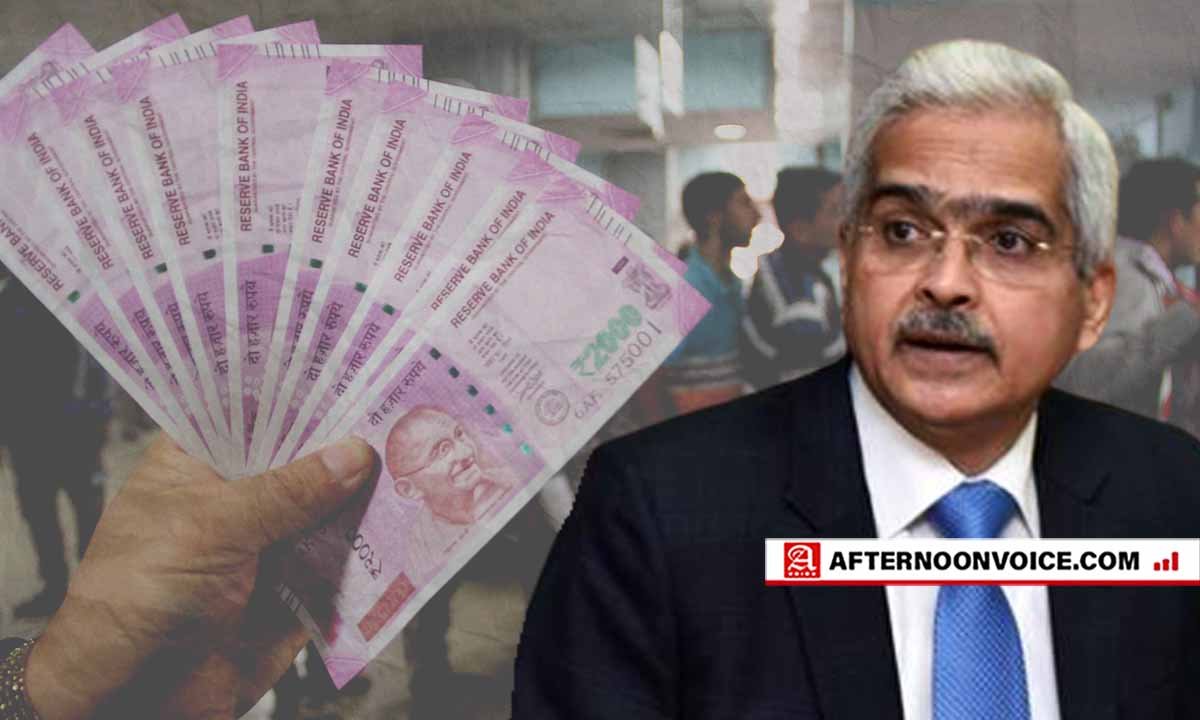
Reserve Bank of India Governor Shaktikanta Das on Monday reiterated that Rs 2000 notes will continue to be a legal lender, after the Central bank’s announcement that the notes will be withdrawn from circulation. He also said he doesn’t expect a rush in the branches and urged people to not rush to banks.
The Governor said the Rs 2000 note was primarily issued to replenish money, taken out from the system during the demonetisation of Rs 500 notes and Rs 1,000 notes. Shaktikanta Das in an interaction with media persons today said that the higher value of currency was manufactured in a brief period of time to increase liquidity in the economy. He also added that Rs 2000 notes circulation came down below 50 per cent since then.
On being asked about the deadline of September 30, the governor said the deadline, given for Rs 2000 notes exchange, was decided so that it would be taken seriously. The apex bank’s governor said that it will revisit the September deadline based on the situation.
The Reserve Bank of India on Friday withdrew the Rs 2000 denomination banknotes from circulation but they will continue to remain as legal tender. It advised banks to stop issuing Rs 2000 denomination banknotes with immediate effect. Meanwhile, RBI said that people would continue to be able to deposit Rs 2000 banknotes into their bank accounts and/or exchange them into banknotes of other denominations at any bank branch up to September 30, 2023.
The Rs 2000 denomination banknote was introduced in November 2016, primarily to meet the currency requirement of the economy in an expeditious manner after the withdrawal of the legal tender status of all Rs 500 and Rs 1000 banknotes in circulation at that time.
Siddaramaiah’s first Cabinet meet gives 'in-principle' nod for Cong's guarantees; estimates peg Rs 50,000 crore outgo 4
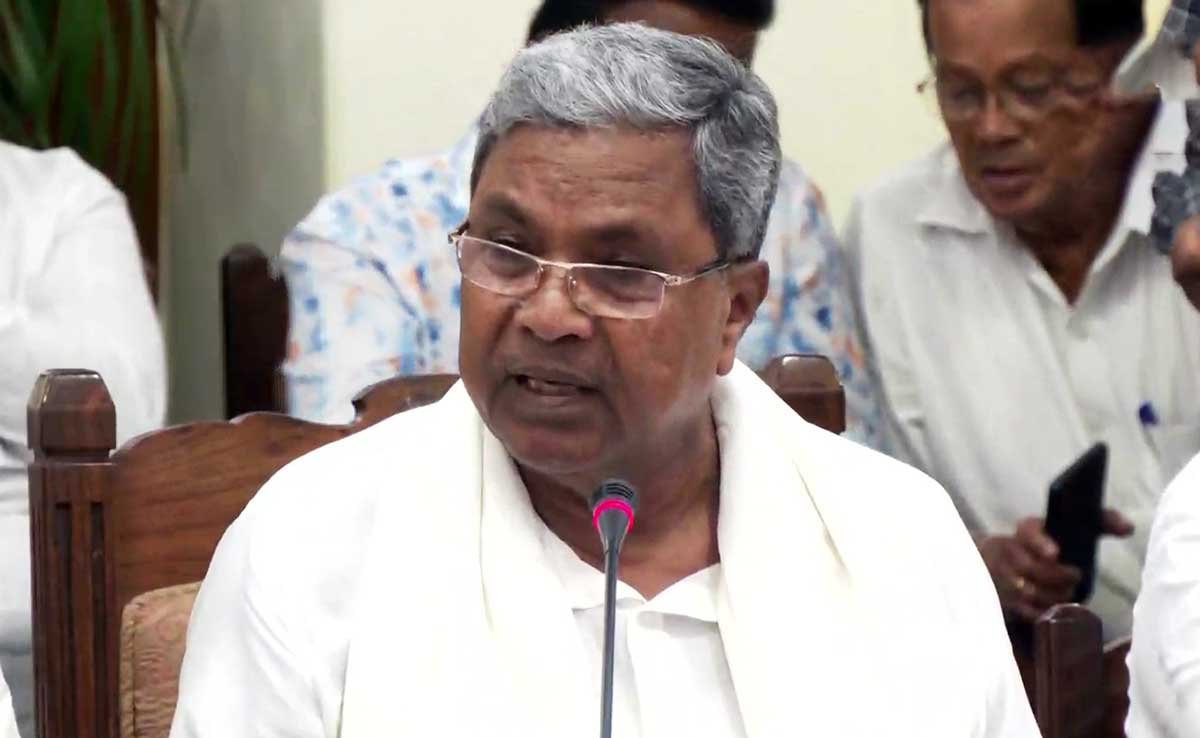
Chief Minister Siddaramaiah said the newly sworn-in Karnataka Cabinet led by him, in its maiden meeting on Saturday, accorded ”in-principle” approval to implement the Congress party’s five guarantees, and initial estimates indicate that it would cost the exchequer Rs 50,000 crore annually.
The first Cabinet meeting was held immediately after Siddaramaiah was sworn in as Chief Minister, and D K Shivakumar as Deputy Chief Minister, along with eight MLAs as Ministers.
”It’s agreed upon. We will not go back (on the promises),” the Chief Minister said, adding, the assurances would be fulfilled notwithstanding any financial implications.
Siddaramaiah said the initial estimation of the government is that the implementation of the poll promises would cost the exchequer Rs 50,000 crore a year.
The assurances promised before the elections would ”most likely” be implemented after the next Cabinet meeting, he said, addressing a press conference here.
The party’s five poll guarantees are 200 units of free power to all households (Gruha Jyoti), Rs 2,000 monthly assistance to the woman head of every family (Gruha Lakshmi), 10 kilograms of rice free to every member of a BPL household (Anna Bhagya), Rs 3,000 every month for unemployed graduate youth, Rs 1,500 for unemployed diploma holders (both in the age group of 18-25) for two years (YuvaNidhi), and free travel for women in public transport buses (Shakti).
Political observers said the promise of guarantees found resonance with the people during the campaigning, particularly women, and played a key role in the stupendous victory of the Congress in the Assembly polls.
During the campaigning for the May 10 elections, Congress leaders including Rahul Gandhi repeatedly assured the voters that these five guarantees would be approved in the first Cabinet meeting on the first day of coming to power.
Noting that the budget size of Karnataka is Rs 3.1 lakh crore, Siddaramaiah said: ”I don’t think it’s impossible for our government to raise Rs 50,000 crore a year (for the five guarantees)”.
”I am confident that without entrapping the state in debt and without pushing the state into financial bankruptcy, we will implement all the guarantee schemes,” he said. ”When we are paying Rs 56,000 crore (annually) as interest on our loan, can’t we spend Rs 50,000 crore for our people?” ”We have given approval in principle. I will come out with details in the next cabinet meeting. I have been instructed to issue orders. We will get details, discuss financial implications, and then we will do it for sure. Whatever the financial implications may be, we will fulfill these five guarantee schemes,” Siddaramaiah said.
When asked why these aspects were not considered before making the promises, Siddaramaiah asserted that his party would not go back on its word to the people.
India will do whatever is possible to find a solution to the Ukraine conflict: PM Modi to Zelenskyy 6
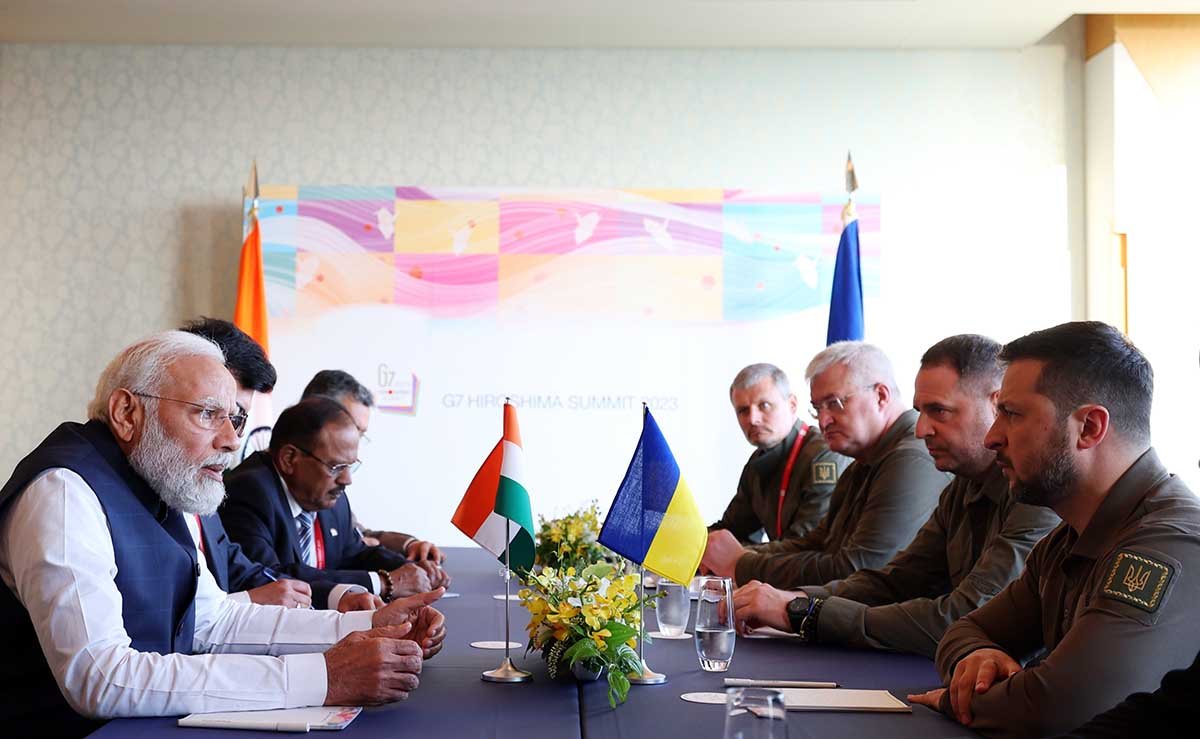
Prime Minister Narendra Modi on Saturday held in-person talks with Ukrainian President Volodymyr Zelenskyy for the first time after Russia invaded Ukraine 15 months ago and conveyed to him that India will do whatever is possible to find a solution to the conflict.
In the meeting that took place on the sidelines of the G7 summit in Hiroshima, the prime minister said that the war in Ukraine is a ”very big issue” for the whole world and that it has had many different impacts on the globe.
Modi told Zelenskyy that he does not see the situation in Ukraine as a political or economic issue and that, for him, it is an issue of humanity and human values.
”I wish to assure you that India and I, in my personal capacity, will do whatever is possible to find a solution to this (conflict),” Modi said in his opening remarks at the talks.
On his part, Zelenskyy briefed the Indian side in detail on his peace formula and urged New Delhi to join in its implementation.
In a tweet, Modi said he conveyed to the Ukrainian leader India’s ”clear support” for dialogue and diplomacy to find a way forward and that New Delhi will continue extending humanitarian assistance to the people of Ukraine.
Since the Ukraine conflict began in February last year, Modi spoke to Russian President Vladimir Putin as well as Zelenskyy a number of times during which he insisted that the conflict should be resolved through dialogue and diplomacy.
”Over the past one-and-half years, we have spoken on the phone but … after a long time, we have an opportunity to meet. The war in Ukraine is a very big issue for the whole world. It has had many different impacts on the whole world,” Modi said.
”But I don’t see this as a political or economic issue, for me this is an issue of humanity, an issue of human values,” he said.
”You know more than any of us what is the suffering of war but when our students came back from Ukraine last year, the description of the circumstances they gave then, I could understand the pain felt by you and Ukrainian citizens,” Modi said.
In his remarks, Zelenskky thanked India for supporting the ”territorial integrity and sovereignty of our country” and for providing humanitarian aid.
He also spoke about Ukraine’s need for mobile hospitals.
The meeting between Modi and Zelenskyy came a day after leaders of the G7 countries resolved to stand against Russia’s ”illegal, unjustifiable, and unprovoked” invasion of Ukraine and unveiled new sanctions on Moscow.
The Ukrainian president has been trying to drum up support from key countries around the world as Ukrainian forces are preparing a major counteroffensive against Russia.
The Indian delegation at the talks included External Affairs Minister S Jaishankar and National Security Adviser Ajit Doval.
The Modi-Zelenskyy meeting took place over a month after Ukrainian First Deputy Foreign Minister Emine Dzhaparova visited India.
During her visit, Dzhaparova handed over a letter to the Minister of State for External Affairs, Meenakshi Lekhi. The letter was written to Prime Minister Modi by President Zelenskyy.
In a phone conversation with President Zelenskyy on October 4 last year, Modi said that there can be ”no military solution” and that India is ready to contribute to any peace efforts.
At a bilateral meeting with Russian President Putin on September 16 last year in the Uzbek city of Samarkand, Modi said, ”Today’s era is not of war” and nudged the Russian leader to end the conflict.
India has not yet condemned the Russian invasion of Ukraine and it has been maintaining that the crisis must be resolved through diplomacy and dialogue.
In New Delhi, Dzhaparova had said that India is a global leader and can help in addressing key global challenges and promoting peace including in her country.
The prime minister arrived in Hiroshima on Friday to attend the annual summit of the G7 grouping in the first leg of his three-nation tour that will also take him to Papua New Guinea and Australia.
The Ukrainian president is also attending the G7 summit following an invitation by Japan, the current chair of the powerful grouping.
The group of seven, comprising the US, France, the UK, Italy, Germany, Canada and Japan, represent the world’s richest democracies. Under its G7 presidency, Japan invited India and seven other countries to the summit as guests.
RBI withdraws Rs 2000 note from circulation, to remain legal tender; exchange facility available till Sept 30 8
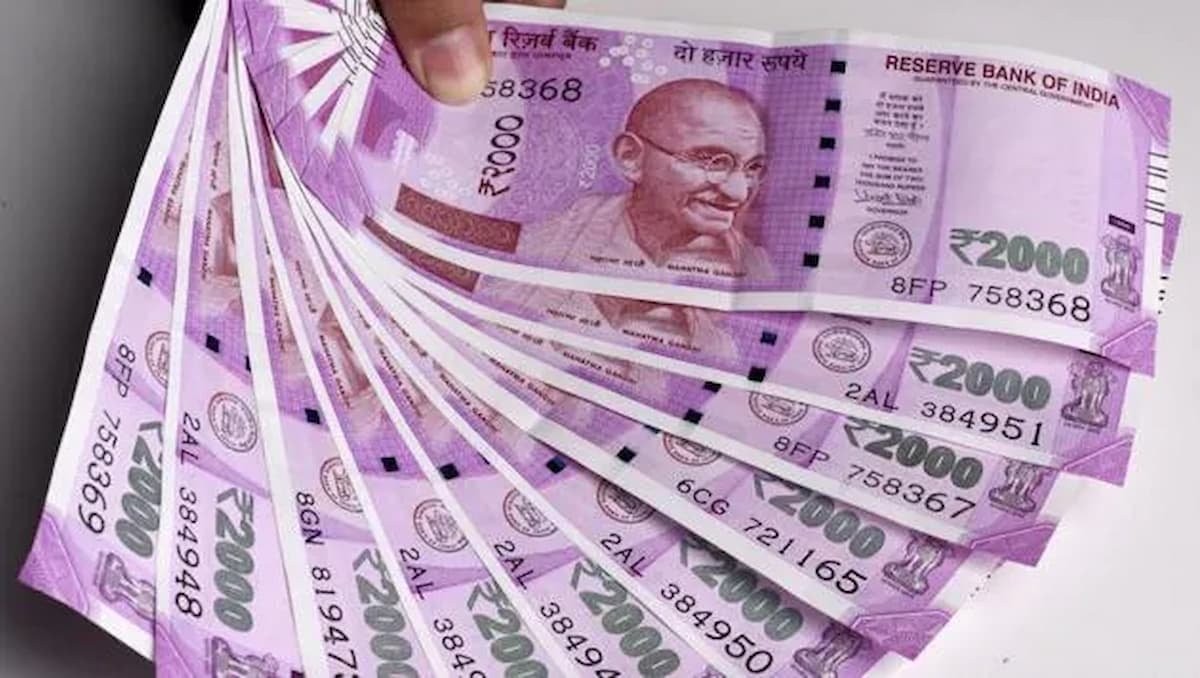
The Reserve Bank of India has decided to withdraw the Rs 2000 denomination banknotes from circulation but they will continue to remain as legal tender. It has advised banks to stop issuing Rs 2000 denomination banknotes with immediate effect.
Meanwhile, RBI said that citizens will continue to be able to deposit Rs 2000 banknotes into their bank accounts and/or exchange them into banknotes of other denominations at any bank branch up to September 30, 2023. The Rs 2000 denomination banknote was introduced in November 2016, primarily to meet the currency requirement of the economy in an expeditious manner after the withdrawal of the legal tender status of all Rs 500 and Rs 1000 banknotes in circulation at that time.
The objective of introducing Rs 2000 banknotes was met once banknotes in other denominations became available in adequate quantities. Therefore, the printing of Rs 2000 banknotes was stopped subsequently in 2018-19, stated RBI. About 89 per cent of the Rs 2000 denomination banknotes were issued prior to March 2017 and are at the end of their estimated life span of four-five years.
The total value of these banknotes in circulation has declined from Rs 6.73 lakh crore at its peak as of March 31, 2018 (37.3 per cent of Notes in Circulation) to Rs 3.62 lakh crore constituting only 10.8 per cent of Notes in Circulation on March 31, 2023. “It has also been observed that this denomination is not commonly used for transactions. Further, the stock of banknotes in other denominations continues to be adequate to meet the currency requirement of the public,” RBI said Friday.
“In order to ensure operational convenience and to avoid disruption of regular activities of bank branches, exchange of Rs 2000 banknotes into banknotes of other denominations can be made up to a limit of Rs 20,000 at a time at any bank starting from May 23, 2023,” RBI said.
Former NBC officer Sameer Wankhede moves HC to seek quashing of CBI FIR against him 10
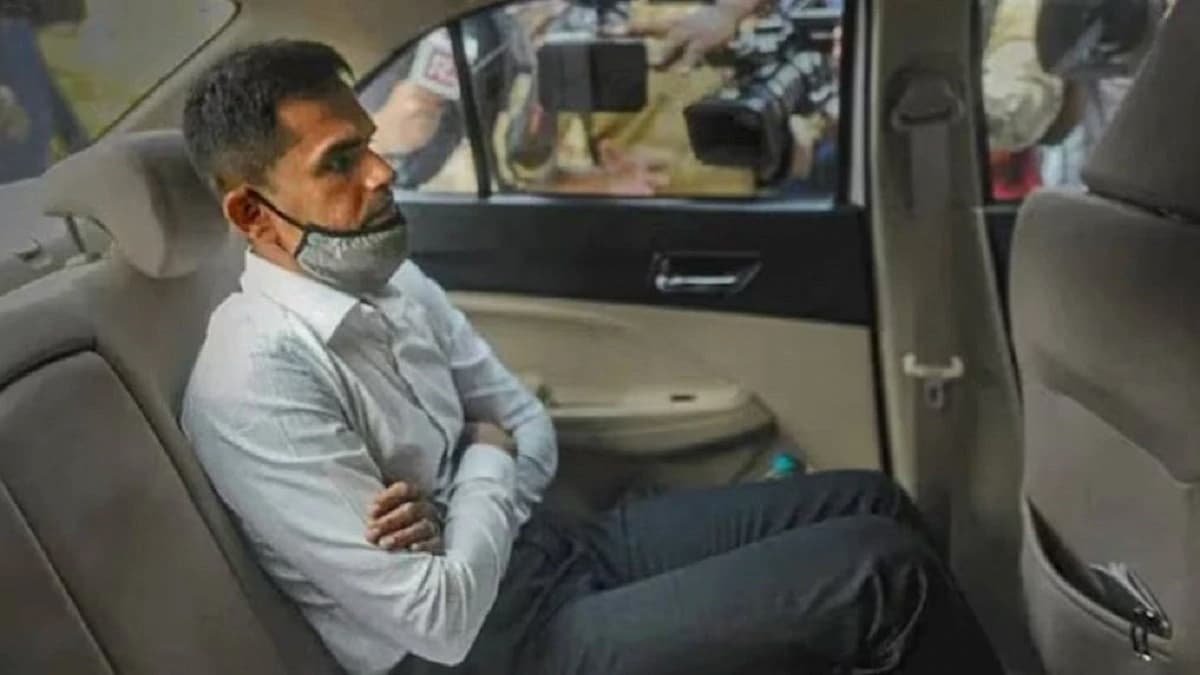
Former Narcotics Control Bureau (NCB) zonal director Sameer Wankhede on Friday moved a petition before the Bombay High Court seeking the quashing of an FIR filed against him by the CBI for allegedly demanding a Rs 25 crore bribe from superstar Shah Rukh Khan for not implicating his son Aryan Khan in the Cordelia cruise drug bust case.
In the petition moved before a vacation bench of the high court, Wankhede also sought that no coercive action related to the Central Bureau of Investigation’s (CBI) first information report (FIR) be taken against him.
The bench will hear his plea later in the day.
The CBI filed the FIR against Wankhede and four others recently. Aryan Khan was arrested by the NCB on October 3, 2021, after a raid on the Cordelia cruise ship. He was granted bail by the Bombay High Court after three weeks as the anti-drug agency failed to substantiate its charges against him.
The CBI booked Wankhede and others for alleged criminal conspiracy and threat of extortion, besides provisions pertaining to bribery under the Prevention of Corruption Act on a complaint by the NCB.
The probe agency has alleged that the NCB, Mumbai Zone, had received information in October 2021 related to the consumption and possession of narcotics substances by various individuals on the private cruise ship and that some of its officers conspired and obtained an undue advantage in the form of bribes from the alleged accused.
The Delhi High Court on Wednesday granted protection from coercive action to Wankhede for five days with the liberty to approach the appropriate forum, which would be the Bombay High Court. The CBI summoned Wankhede for questioning in Mumbai on Thursday in connection with the case, but he did not appear before the agency’s team.
Cannes 2023: Aishwarya Rai Bachchan stuns in Sophie Couture gown 14
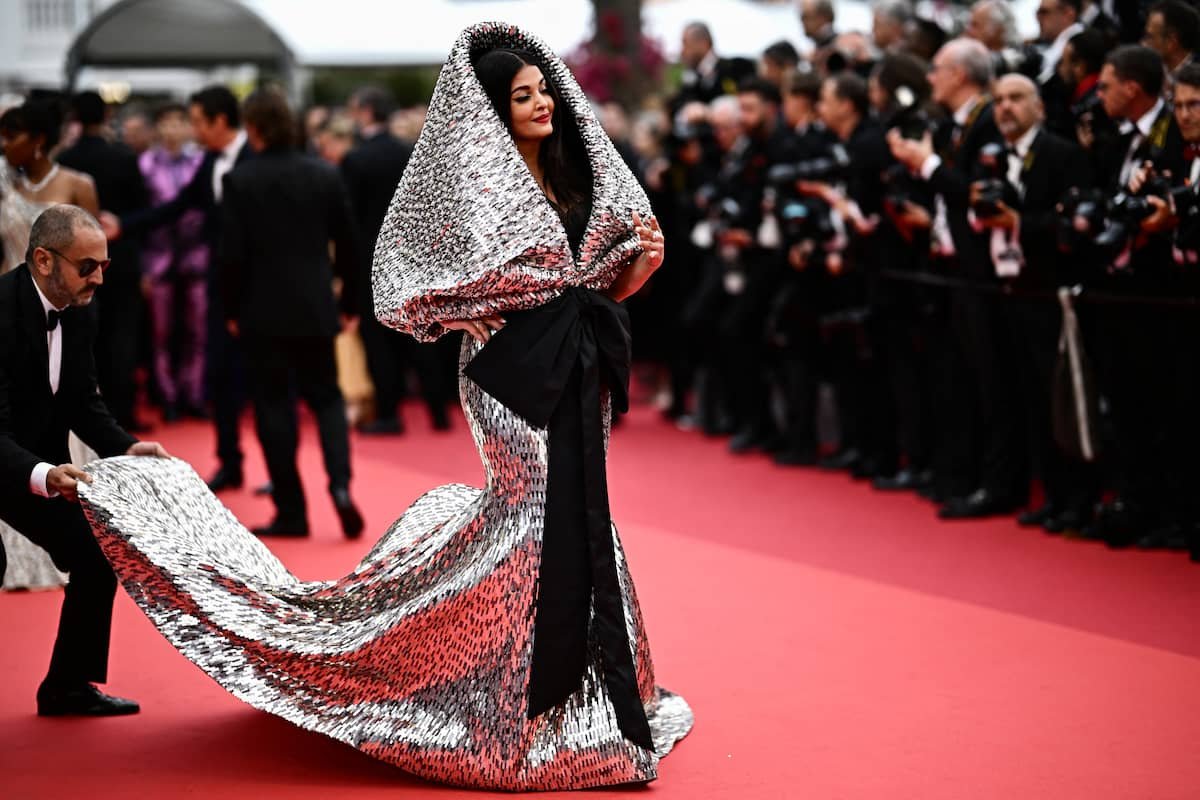
Aishwarya Rai Bachchan kept her date with the Cannes Film Festival as she turned heads at the movie gala in a shimmery outfit.
A regular at the iconic festival, Aishwarya attended the premiere of Hollywood veteran Harrison Ford’s fifth “Indiana Jones” movie “The Dial of Destiny” on Thursday.
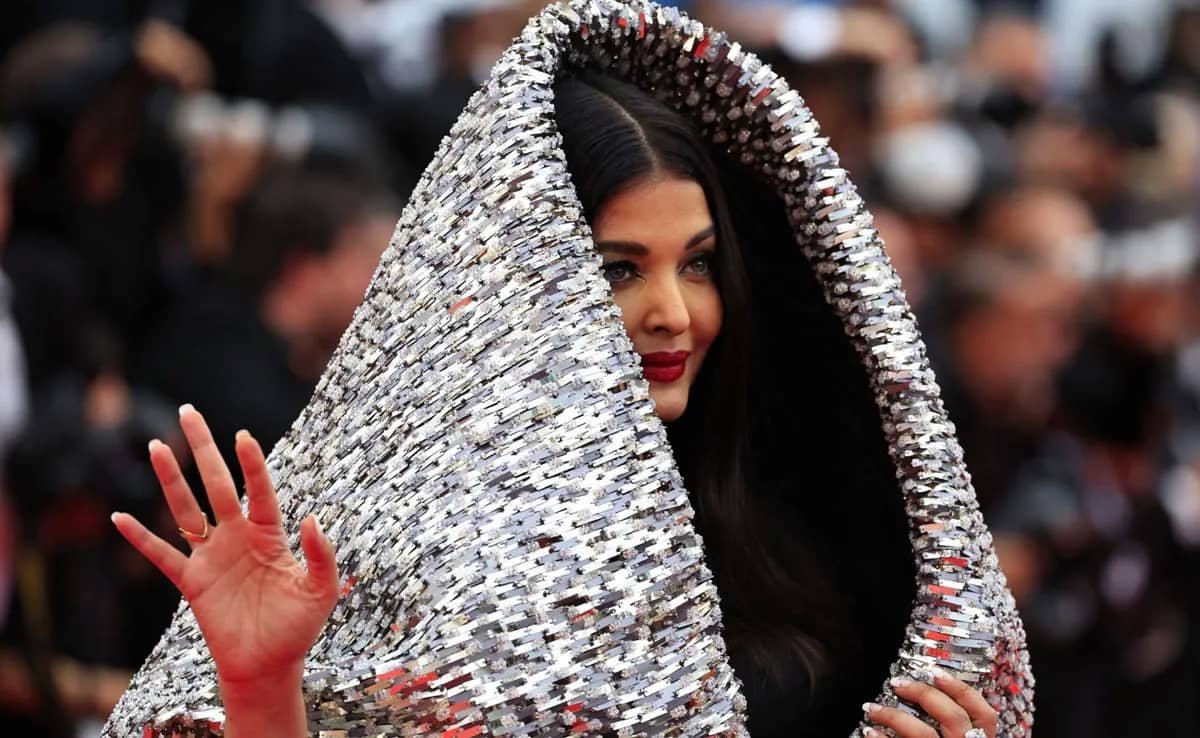
The 49-year-old actor wore a lightweight aluminium detailed gown with a signature cinched corset and an embellished hood. She later posed for the Shutterbugs.
According to the label’s official Instagram page, the outfit is a part of the Cannes Capsule Collection.
Aishwarya, who has been attending the Cannes Film Festival for the past many years, arrived at the French Riviera with daughter Aradhaya Bachchan earlier this week.
On the work front, the actor was most recently seen in filmmaker Mani Ratnam’s two-part epic “Ponniyin Selvan”.
Check out her other pictures:
Cannes 2023: Aishwarya Rai Bachchan stuns in Sophie Couture gown 15Cannes 2023: Aishwarya Rai Bachchan stuns in Sophie Couture gown 16
Kiren Rijiju ousted as Law Minister; Oppn contends that his comments regarding the judiciary 18
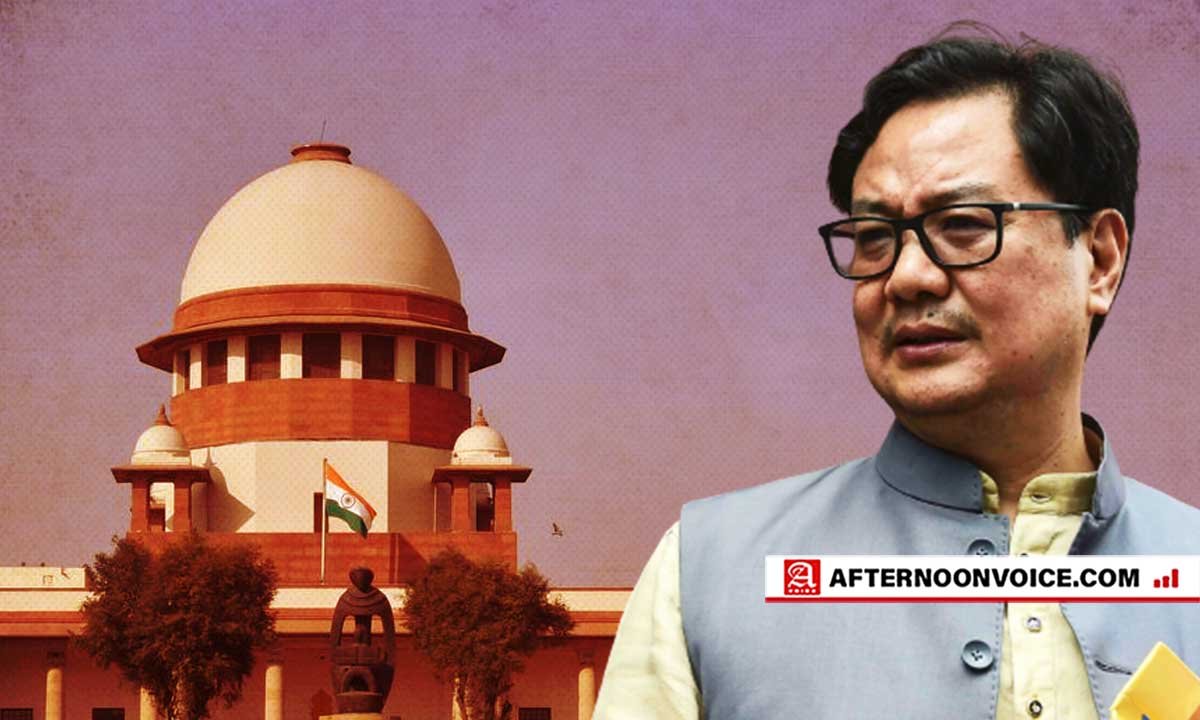
Kiren Rijiju was abruptly removed from the law ministry on Thursday and replaced by Arjun Ram Meghwal. As law minister, Rijiju was the most outspoken in the government in criticizing the collegium system for appointing Supreme Court and High Court judges, calling it “alien” to the Constitution.
This sudden move came after a difference of opinion between the former law minister and the judiciary, which created a conflict over the issue of names recommended by the Supreme Court collegium for the appointing of the judges of the High Court.
Several opposition leaders have stated that they welcome Kiren Rijiju’s removal because of his differences of opinion and his criticism of judges, both of which are unacceptable.
Congress leader Ashwini Joshi told Afternoon Voice, “These changes are indications of working performance, and after losing the Karnataka polls, they have changed their working strategy for the upcoming polls”.
CPI (M-L) MLA Mahboob Alam said, “He has made numerous comments regarding the judiciary that were not acceptable to the ruling government. This process of reshuffle seems to indicate that they are scared after the defeat seen in Karnataka, but more than democracy, it is autocracy that is followed by the ruling government”.
Senior Congress leader Ratnakar Mahajan said, “It appears that Kiren Rijiju being divisive with the judiciary was not right as he always criticized the judges, which has created a negative opinion in front of everyone. As long as Modi and Shah rule, the changing designations will have little impact on governance.”
“Kiren Rijiju was an irresponsible person, and his statements used towards the judiciary were not in favor of anyone, which led to such changes,” AAP leader Dhananjay Shinde said. When it comes to the BJP or the ruling government’s working strategy, they are more concerned with elections than with people or fundamental issues in the country; instead, they are in election mode 365 days a year, but they still lost badly in Karnataka.”
“There might be some big reason that has brought these changes into the ministry,” BJP leader MP Hans Raj Hans said, “but the decisions were made by PM Narendra Modi for working performance and possibly for the upcoming polls.”
BJP leader Arun Pathak said, “PM Narendra Modi has made the changes in the ministry, and it has nothing to do with the working performance of other ministers.”
BJP Rajasthan president Chandra Prakash Joshi said, “We are happy with the decision made by PM Modi and we expect newly appointed minister Arjun Meghwal to be working at his best level.”
Picture perfect is the best option in a photo shoot now-a-days. Even though there is tough competition, there is still scope for exploring the best of the best in a most dedicated manner. And in the day and age of smartphones that boast brilliant camera lenses, it isn’t all that hard to take a great picture. Except, of course, for that occasional zit or maybe poor lighting. That’s where photo editing apps step in with their editing features and filters to produce that perfect shot.
Take a shot, make a few minor tweaks here and there, add a filter for that extra glow and you’re set. Do, however, be careful that you don’t go overboard with that editing. These apps work best to accentuate your images, not completely alter them. Taking photographs in a fashion show or during a catwalk is a typical experience for a photographer. But taking pictures in marriages is most difficult and that too in a South Indian marriage with many events during the ceremony. There are awards meant to recognise the contribution and efforts of the people behind the images that often define how news is consumed today. While several awards exist for journalism, none exist exclusively for photojournalists at a national level in India.
We all edit as we shoot. That is an intrinsic part of photography. What we shoot, how we shoot; what we include and what we keep out. But, again, this is an individual call. The important thing is to be honest with yourself. The rest will fall into place. At the editorial stage, the control is often taken out of your hands. The way pictures are used, cropped and captioned has to do with what the media organisation is trying to say and its slant. Often, the pictures are distributed by agencies to magazines, newspapers, publications and other media houses, which use them as per their needs. But this is very different from digital manipulation on a computer, where you take elements of an image out or bring certain objects closer or add objects. That kind of meddling is not acceptable at all.
To be a good photographer, with heart and eyes, and the ability to take a lot of frustration and humiliation because of the bad working practices followed in media houses. Still photography occupies the top spot in today’s art of taking pictures. Digital photography came into existence for a long time now. But candid photographers have a special role to play in picking the right spots, right moment, right time and right action of a person in a most meticulous manner.
Today, the universality of photography makes it quite accessible for anyone with a camera in their hands to narrate a story. But, to tell a tale that is extraordinary, that delves on societal issues and more importantly, is a depiction of hard hitting facts, is what distinguishes photojournalism from habitual photography. Photography is an art and if it is really taken seriously will take you to name and fame.
Photography is no longer the domain of a professional with specialist equipment. We point, shoot and leave. But this may be the first time we are actually experiencing behavioural changes related to our love for the image. An unfettered access to the camera has made it all right to be visually verbose. Restraint is for wimps, says the gadget in the hand. Go ahead and shoot! screams the sleek built-in camera button. This is why worshippers raise their hands to take a picture of religious idols and rituals rather than in devotion.
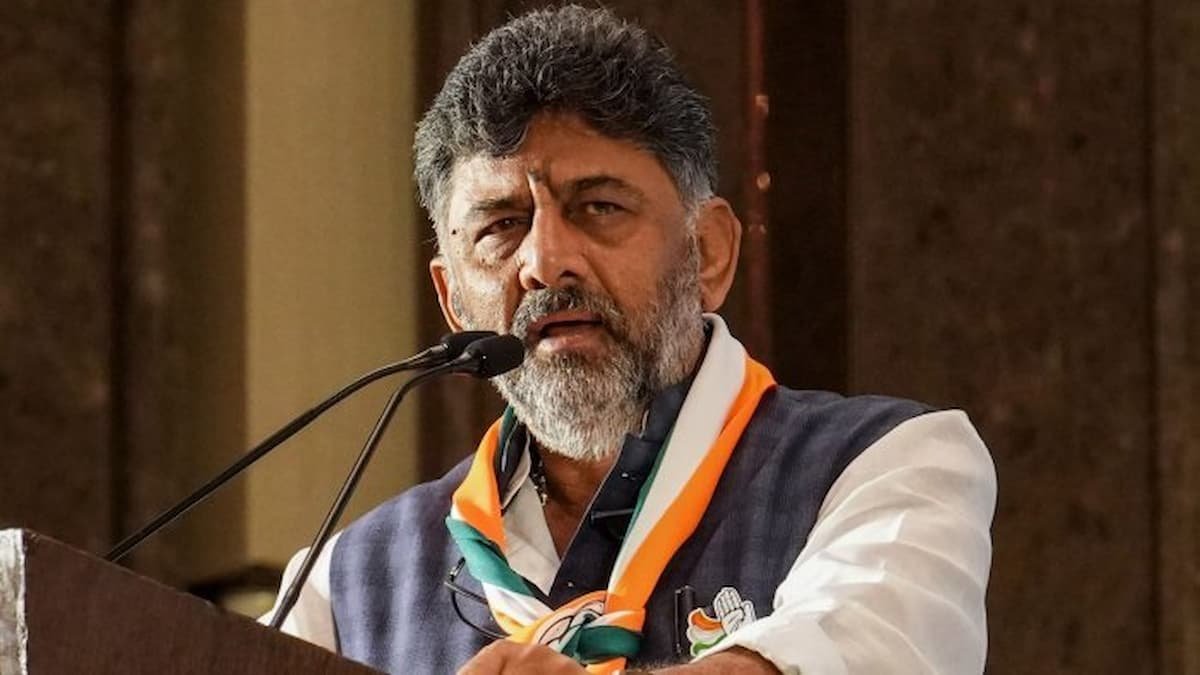
"Why should I be upset? Long way to go": Shivakumar after Karnataka Deputy CM announcement 21
Congress leader DK Shivakumar, who was announced to be sworn in as the Deputy Chief Minister of Karnataka, said on Thursday that there was nothing to be upset about and there is a “long way to go”. “When people have given such a big mandate, we should definitely be happy and deliver and fulfill the promises. That is our main motto and agenda. “Why should I be upset? There is a long way to go,” he said.
Earlier in the day, he said that everything is well in the party and everyone will work together after the Congress decided on the posts after hectic deliberations following the party’s emphatic win in the recent assembly elections in the state. “Everything is well and will be well. Rahul Gandhi and Mallikarjun Kharge said that we all have to work together, and we accepted it,” Shivakumar said.
Earlier, Indian Youth Congress National President, Srinivas BV felicitated Shivakumar. In a press conference in the national capital, the Congress General Secretary announced that party leader Siddaramaiah will be the next Karnataka Chief Minister and DK Shivakumar will be his sole deputy. Shivakumar will also remain as the Congress’ Karnataka Pradesh chief till the Lok Sabha polls at its headquarters.
“DK Shivakumar will continue as the PCC president till the end of the parliamentary elections. “The CM, Deputy CM, and a group of ministers will be sworn in on May 20,” Venugopal said. Crediting the party’s emphatic victory in Karnataka to the people of the state, Venugopal said that both Siddaramaiah and DK Shivakumar “deserve” to become the chief ministers.
“I would like to sincerely thank the people of Karnataka for the victory of the Congress and for standing by the party. Our president Khargeji, Sonia Gandhi, Rahul Gandhi, Priyanka Gandhi, and all the CMs campaigned extensively,” Venugopal said. “We have a very good chunk of leaders there in our party in Karnataka. Siddaramaiah and DK Shivakumar are dynamic leaders and assets for the party. Definitely, everyone has a wish and desire to become Chief Minister, and they deserve it also; both of them deserve it also,” he added.
AICC general secretary Randeep Singh Surjewala, who is in charge of Karnataka, said Rahul Gandhi’s Bharat Jodo Yatra laid the foundation of the party’s campaign in the state. A meeting of the Congress legislature party in Karnataka will be held this evening to formally elect Siddaramaiah as the legislature party leader.
Meanwhile, preparations are underway at Bengaluru’s Sree Kanteerava Stadium, where the swearing-in ceremony of the new Karnataka government is expected to be held on May 20. Leaders of opposition parties are expected to attend the swearing-in ceremony.
“We will invite people from like-minded parties to take part in the swearing-in ceremony in Karnataka,” Venugopal said. Randeep Singh Surjewala, AICC in-charge of Karnataka, said, “Our only formula is the service of people. Whoever wants to serve the people can do so as much as they want. All our allies will be invited (to the oath-taking ceremony). This is not a celebration, but Congress’s dedication to democracy. Those who want to fight for democracy and save the Constitution, can attend the event.”
The party leadership held a series of meetings over the past four days, and several formulas were mooted before a decision was reached. The Congress bagged 135 seats in the May 10 elections to the 224-member Karnataka Assembly, ousting the ruling BJP, which got 66 seats, while the Janata Dal (Secular) secured 19 seats.
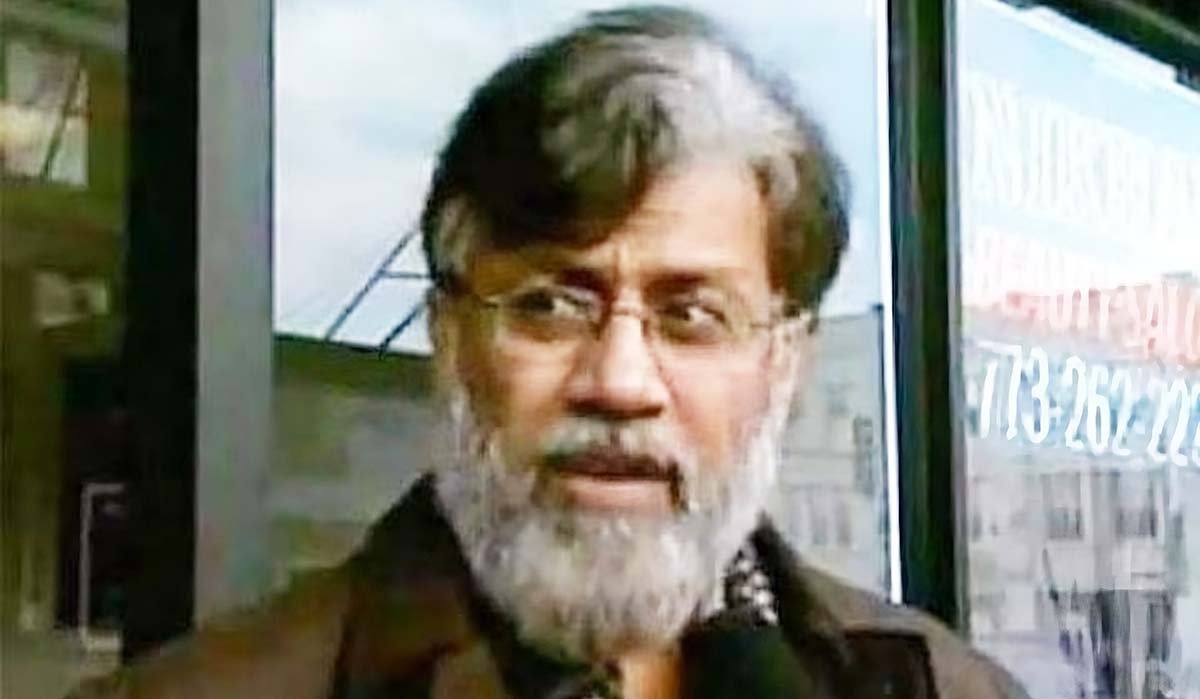
Tahawwur Rana, accused in the 26/11 Mumbai attack, has been granted extradition to India by US court 23
In a significant legal victory for India, a US court in California has approved the extradition of Pakistani-origin Canadian businessman Tahawwur Rana to India, where he is sought for his involvement in the horrific 2008 Mumbai terror attacks.
The ruling comes just over a month before Prime Minister Narendra Modi travels to the US on his first state visit at the invitation of President Joe Biden. He will be hosted by President Biden and First Lady Jill Biden for a state dinner at the White House on June 22.
US Magistrate Judge Jacqueline Chooljian of the District Court of the Central District of California issued a 48-page order on Wednesday, saying 62-year-old Rana ”should be extradited to India” under the extradition treaty between India and the United States.
”The court has reviewed and considered all of the documents submitted in support of and in opposition to the request and has considered the arguments presented at the hearing.
”Based on such review and consideration and for the reasons discussed herein, the court makes the findings set forth below and certifies to the Secretary of State of the United States the extraditability of Rana on the charged offenses that are the subject of the request,” the court order said.
Rana is currently in the federal lockup in downtown Los Angeles.
The order noted that the court cannot certify Rana’s extradition unless there is probable cause to believe he committed the offenses for which extradition is sought.
Citing its reasoning in detail, the order states: ”Accordingly, the court finds there is probable cause to believe Rana committed the charged offenses as to which extradition has been sought and should be extradited to India under the extradition treaty between the United States and India.” India had filed a complaint on June 10, 2020, seeking the provisional arrest of Rana with a view to extradition. The Biden administration had supported and approved the extradition of Rana to India.
In response to a question, a State Department spokesperson told PTI that ”we refer you to the Department of Justice for specifics on this case.” ”However, we can say that we are committed to confronting terrorism across the world and we deeply value our counterterrorism relationship with India. We continue to call for those involved in the 2008 Mumbai attacks to be brought to justice,” the spokesperson said.
Commenting on Rana’s extradition order, Ravi Batra, a prominent Indian-American attorney, said US Secretary of State Antony Blinken will feel compelled to approve the extradition of a Pakistani-origin Canadian businessman to India as Washington is ”joined at the hip” with every nation that suffers from foreign terrorism.
He said the order is “transparent about our legal protocol, given our bilateral extradition treaty, that is needed to pass constitutional muster in our lofty American federal courts.” Batra noted that the decision now legally goes from a court of law to the Executive Branch’s Secretary of State Blinken, who will ”feel compelled to approve the extradition request as 9/11 was worse than Pearl Harbor and we, the United States, are joined at the hip with every nation that suffers from foreign terror.” He noted that Rana has received significant judicial consideration over almost two years since the hearing and can still seek, as a right, a direct appeal to the Circuit Court.
Batra said he fully expects the Circuit Court to affirm the certification and extradition order.
“Any further plea for leave to be heard by our Supreme Court, I expect, will be denied, unless a legal principle gets identified along the way, making it worthy for the Supreme Court of the United States (SCOTUS) to hear and determine Rana’s transfer to India, where he will be extradited, and receive yet more due process under India’s Constitution,” Batra said.
During court hearings, US government attorneys argued that Rana was aware that his childhood friend David Coleman Headley was involved with Lashkar-e-Taiba (LeT) and that by assisting Headley and affording him cover for his activities, he was supporting the terrorist organization and its associates.
Rana knew of Headley’s meetings, what was discussed, and the planning of the attacks, including some of the targets. The US government asserted that Rana was part of the conspiracy and that there is probable cause that he committed the substantive crime of commission of a terrorist act.
Rana’s attorney, on the other hand, opposed the extradition.
As many as 166 people, including six Americans, were killed during the attacks by the LeT terrorists. Because members of the conspiracy committed acts resulting in death with the intention of causing death, or at a minimum, committed those acts knowing their imminent dangers, there is sufficient evidence that the elements for murder would be satisfied, federal prosecutors said.
There is an extradition treaty in place between India and the United States. The judge ruled that Rana’s extradition to India is fully under the jurisdiction of the treaty.
India has issued an arrest warrant and charged Rana with the offenses on which the United States is proceeding, the judge said.
These include conspiracy to wage war, to commit murder, to commit forgery for the purpose of cheating, to use as genuine a forged document or electronic record, and to commit a terrorist act, waging war, murder, committing a terrorist act and conspiracy to commit a terrorist act.
”The foregoing charged offenses constitute extraditable offenses within the meaning and scope of the treaty and over which India has jurisdiction,” the judge ruled.
The order states that for the court to certify Rana as extraditable, the government must establish that ”(1) the extradition judge has jurisdiction to conduct proceedings, (2) the extradition court has jurisdiction over the fugitive, (3) the extradition treaty is in full force and effect, (4) the crime falls within the terms of the treaty, and (5) there is competent legal evidence to support a finding of extraditability”.
The judge said that sufficient competent evidence has been presented to establish probable cause that Rana is the individual who has been charged in India and whose extradition has been sought by India in this action, and that Rana committed the aforementioned offenses for which extradition has been sought.
”Based on the foregoing, the court concludes that Rana is extraditable for the offenses for which extradition has been requested and on which the United States is proceeding and hereby certifies this finding to the United States Secretary of State,” the order said.
”It is therefore ordered that Tahawwur Hussain Rana be and remain committed to the custody of the United States Marshal pending a final decision on extradition and surrender by the Secretary of State to India for a trial of the offenses as to which extradition has been granted pursuant to Title 18, United States Code, Section 3186 and the treaty,” the judge ruled.
Last month, official sources in New Delhi said the NIA was keeping itself in readiness to initiate proceedings in view of the possible extradition of Rana to India.
Sources said if the extradition request is ruled in India’s favor, the National Investigation Agency (NIA) will initiate proceedings to bring him to India through diplomatic channels.
Nine Pakistani terrorists who were involved in the attack on November 26, 2008, were killed by the Indian security forces. Ajmal Kasab was the only terrorist who was captured alive. He was hanged four years later, on November 21, 2012, after a trial.