Home Blog Page 297

“Test of Indian democracy”: Rahul on whether he will be allowed to respond to allegations in Parliament

rahul gandhi, parliament, gandhi, uk remark, rahul, congress, congress leader
"Test of Indian democracy": Rahul on whether he will be allowed to respond to allegations in Parliament 2

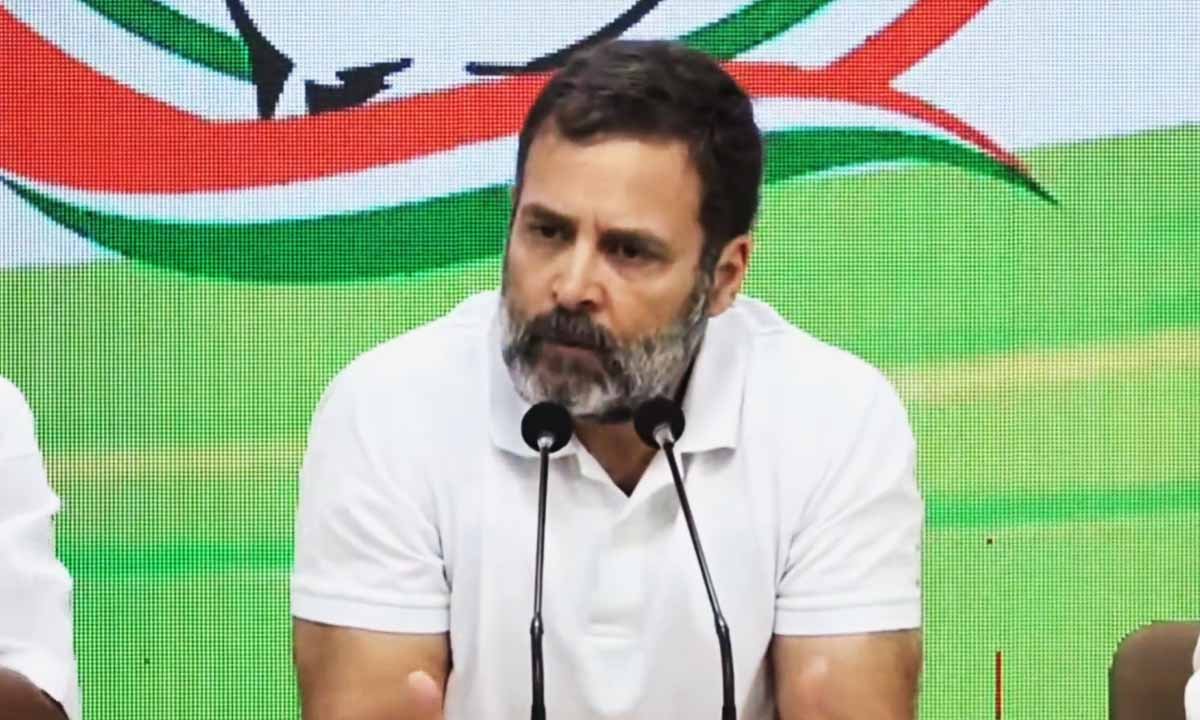
Congress leader Rahul Gandhi on Thursday alleged the whole “tamasha” around his remarks in the UK has been created by the government to divert attention from the Adani issue and asserted it is a “test of Indian democracy” as to whether he would be allowed to respond to the allegations by the BJP in Parliament.

Addressing a press conference at the AICC headquarters here, Gandhi said the question before the country is whether, after four BJP leaders have made allegations about a member of Parliament, that person would be given the same space as them or he would be told to “shut up.”

In an apparent reference to the controversy over his remarks in the UK, Gandhi said this whole thing is about distraction and claimed that the government and Prime Minister Narendra Modi are ”scared” over the Adani issue, which is why they have ”prepared this whole tamasha”.

Gandhi on Thursday arrived in Parliament House after his return from abroad and met Speaker Om Birla, who urged him to allow him to speak in Lok Sabha.

”I went to Parliament this morning with the idea of putting forward what I have said or what I feel on the floor of the House. Four ministers have raised allegations against me in Parliament House; it is my right to be allowed to speak on the floor of the House,” the former Congress chief said.

”I told him (the Speaker) that people from the BJP have made allegations against me, and as a member of Parliament, it is my right to speak,” he said.

Gandhi said Birla was “non-committal” and just smiled.

The Congress leader said he is hopeful, though not very sure, that he will be allowed to speak in Parliament on Friday.

Gandhi said he had asked some fundamental questions about the relationship between Modi and Adani Group chairperson Gautam Adani.

The whole idea is that all those questions must not be on the table, and that is why this whole exercise of four to five ministers and the prime minister speaking is necessary, he claimed.

“More importantly, whose money is in these shell companies?” “Who is this unknown person whose money is in these shell companies?” Gandhi asked.

“As an MP, I would like to first place my statement on the floor of the House, and then after that, I would be happy to have a discussion with you all,” he told reporters.

Gandhi reiterated that the allegations had been made in Parliament by four ministers and that it was “my democratic right” to have the opportunity to respond to them in Parliament.

“So if Indian democracy was functioning, I would be able to say my piece in Parliament,” he said.

“So, actually, what you are saying is a test of Indian democracy: after four BJP leaders have made allegations about a member of Parliament, is that member of Parliament going to be given the same space that those four members were given or is he going to be told to shut up?” he said. That is what the question is before this country right now, he added.

Gandhi’s remarks during his recent trip to the UK have rocked Parliament, with both houses failing to transact any significant business on the first four days of the budget session’s second half.

Several BJP leaders, including Union ministers Rajnath Singh, Piyush Goyal, and Pralhad Joshi, have demanded an apology from Gandhi over his remarks.

During his interactions in the UK, Gandhi alleged that the structures of Indian democracy are under attack and there is a “full-scale assault” on the country’s institutions.

He also told British parliamentarians in London that microphones are often “turned off” in Lok Sabha when an opposition member raises important issues.

Gandhi’s remarks triggered a political slugfest, with the BJP accusing him of maligning India on foreign soil and seeking foreign intervention and the Congress hitting back at the ruling party by citing instances of Modi raising internal politics abroad.
Land-for-job case: Lalu Yadav, Rabri Devi, Misa Bharti get bail in CBI case

lalu, lalu prasad yadav, rabri devi, land-for-job scam, scam, rjd
Land-for-job case: Lalu Yadav, Rabri Devi, Misa Bharti get bail in CBI case 4

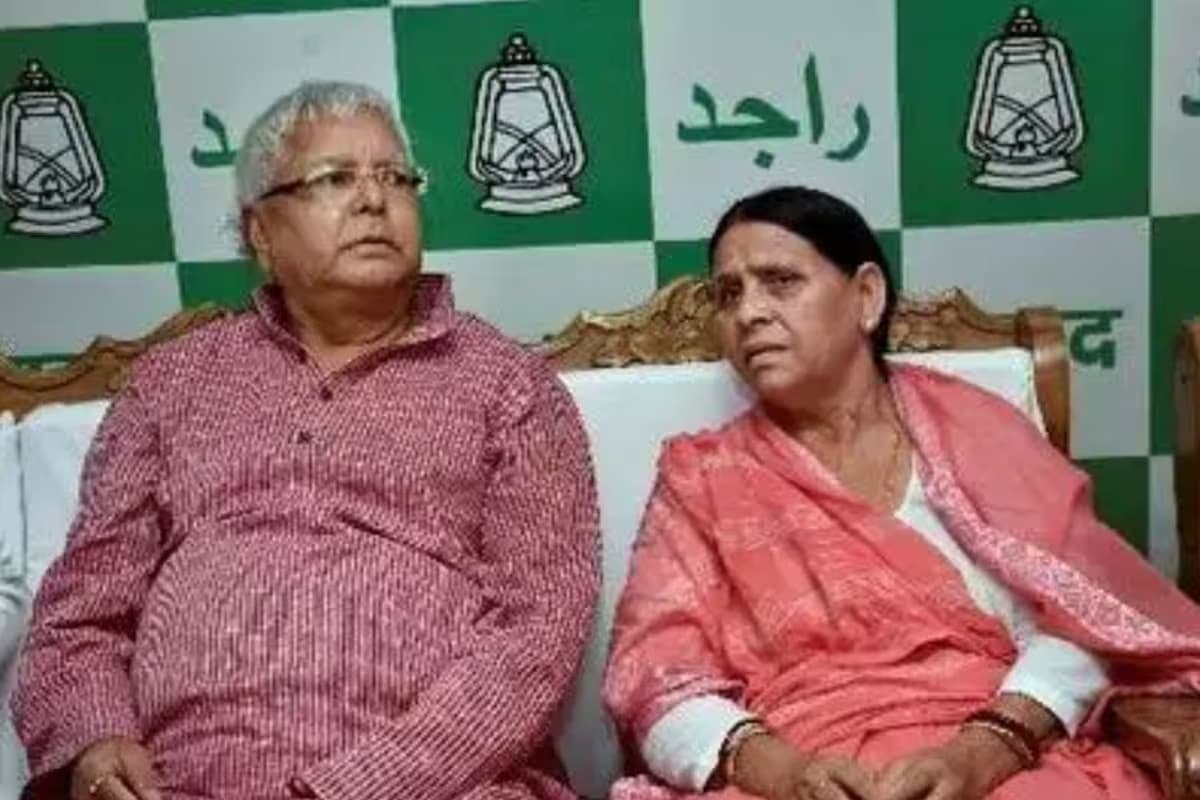
The Rouse Avenue Court on Wednesday granted regular bail to former Railway Minister Lalu Prasad Yadav, Rabri Devi, their daughter Misa Bharti, and other accused in connection with the case related to the alleged land-for-job scam. The Special Judge Geetanjali Goel noted on Wednesday, while granting regular bail, that the Central Bureau of Investigation (CBI) had not arrested any accused in the case and that the charge sheet was filed without arrests.

The court directed all the accused to furnish a Rs 50,000 personal bail bond and a like amount as surety. The case will next be heard on March 29. Lalu Yadav was seen arriving at the Rouse Avenue Court in a wheelchair.  The former Bihar Chief Minister had undergone a kidney transplant in Singapore three months ago.

Appearing for several accused (landholders) in the case, Advocate Mudit Jain stated that the CBI chose not to arrest the accused person, which is in itself evidence of their cooperation. The allegations are based on the assumption that the sale was done for valid consideration. The Central Bureau of Investigation (CBI) in its chargesheet filed in connection with the alleged land-for-job scam stated that irregular appointments of candidates were made in Central Railway, violating the laid down norms and procedures of Indian Railways for recruitment.


As a quid-pro-quo, the candidates, directly or through their immediate relatives or family members, sold land to the family members of Lalu Prasad Yadav (then Union Railway Minister) at highly discounted rates up to one-fourth to one-fifth of the prevailing market rates, stated the CBI. 

The probe agency further stated that investigation has revealed that Lalu Prasad Yadav, during the period 2007-08, when he was Union Railway Minister, with the intent to acquire the land parcels situated in Village Mahuabagh, Patna, and Village Kunjwa, Patna, which were situated adjacent to the land parcels already owned by his family members, entered into a criminal conspiracy with his wife Rabri Devi, daughter Misa Bharati, Officers of Central Railways namely Sowmya Raghvan, the then General Manager, Kamal Deep Mainrai, the then Chief Personnel Officer, and residents of Village Mahjabagh, Patna, and Village Bindaul, Bihta, Patna and Patna City namely Raj Kumar Singh, Mithlesh Kumar, Ajay Kumar, Sanjay Kumar, Dharmendra Kumar, Vikas Kumar, Abhishek Kumar, Ravindra Ray, Kiran Devi, Akhileshwar Singh, and Ramashish Singh.

According to the CBI, all the candidates after their engagement as substitutes were subsequently regularized. Instead of appointing them to the railways, Lalu Prasad Yadav had the lands owned by the candidates and their family members transferred into the names of his wife Rabri Devi and Misha Bharti for a much lower price than the prevailing circle rates and market rates.

Earlier, the court, while taking cognizance of the charge sheet, said that after going through the charge sheet and the documents and material on record, prima facie evidence shows the commission of offenses under Section 120B read with Sections 420, 467, 468, and 471 of the IPC and Sections 8, 9, 11, 12, and 13 (2) read with Section 13 (1) (d) of the PC Act, 1988, and substantive offenses thereunder. Accordingly, cognizance is taken of the said offences. The Central Bureau of Investigation (CBI) filed the chargesheet in October last year against former Bihar chief ministers Lalu Prasad, Rabri Devi, their daughter Misa Bharti, and 13 others in the land-for-jobs scam.

The chargesheet stated that “during the investigation, it has been found that the accused, in conspiracy with the then GM of Central Railways and the CPO of Central Railways, engaged persons as substitutes in lieu of land, either in their names or in the names of their close relatives. This land was acquired at prices lower than the prevailing circle rate and much lower than the market rate. “It was also alleged that the candidates have used false TC and submitted false attested documents to the Ministry of Railways,” the CBI claimed in a press statement. 

The alleged scam occurred when Yadav was railway minister between 2004 and 2009. Apart from the RJD leader, the chargesheet also includes the name of the then Railway General Manager.

The CBI stated that the investigation had revealed that the candidates were considered for their engagement without any need for substitutes, and there was no urgency for their appointment, which was one of the main criteria behind the engagement of substitutes. They joined their duties much later after the approval of their appointment, and they were subsequently regularized. 

There were several anomalies discovered in the candidates’ applications and the documents that were enclosed, which meant that the applications should not have been processed and their engagement should not have been approved, but it was. Further, in most cases, the candidates joined their jobs in their respective divisions on much later dates, which defeated the purpose of the appointment of substitutes. In some cases, the candidates could not clear their medical examination under the required category to which their engagement was made, and subsequently, they were considered for and appointed to the posts where an inferior or lower medical category was required, said the CBI.

Budget Session 2023: Both Houses adjourned amid rumpus over Rahul Gandhi’s democracy remarks

parliament, rahul gandhi, gandhi, adjourned, apology
Budget Session 2023: Both Houses adjourned amid rumpus over Rahul Gandhi's democracy remarks 6

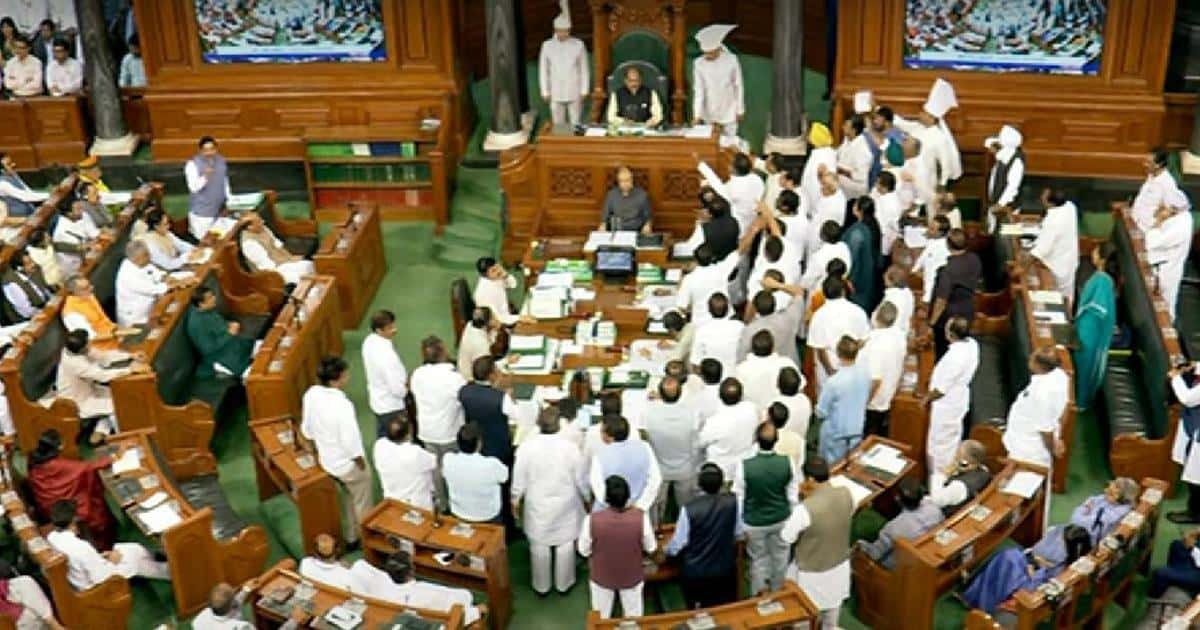
As the Upper House congregated at 2 pm after an earlier adjournment, Union Minister and Leader of the House Piyush Goyal reiterated the government’s stance that Gandhi must apologize for his remarks. In the Lok Sabha, BJP members raised slogans demanding an apology from Rahul Gandhi, while the Congress-led opposition waved placards with quotes from Prime Minister Narendra Modi’s foreign trips. The proceedings of both houses of Parliament have been adjourned for the day due to the government’s demand that Congress leader Rahul Gandhi apologize for seeking intervention from the US and European nations over India’s “disappearing” democracy.

Earlier in the day, Prime Minister Narendra Modi held a meeting with his top ministers, including Pralhad Joshi and Piyush Goyal. Narendra Singh Tomar, Kiren Rijiju, Anurag Thakur, and Nitin Gadkari are in the Parliament today. Meanwhile, leaders of 16 opposition parties met in the Parliament complex this morning and decided to step up their demand for a JPC on the Adani issue.

Also, the Congress party today gave a notice for raising a breach of privilege against union minister and Leader of the House in Rajya Sabha Piyush Goyal, a day after he attacked its senior leader and Lok Sabha MP Rahul Gandhi over his remarks in London that “democracy” is under attack in India. Without naming Gandhi, Goyal said on Monday that a senior Opposition leader had attacked India’s democracy in a shameless manner in a foreign country. He had alleged that the opposition leader had insulted the Indian Army, Indian Parliament, Lok Sabha Speaker, Election Commission, judiciary, and media on foreign soil.

The water supply will be shut on March 15 in some parts of Mumbai and Thane

water supply, low water, pipeline, bmc, tmc, thane municipal corporation, no water,  water problems, drinking water
Image: PTI

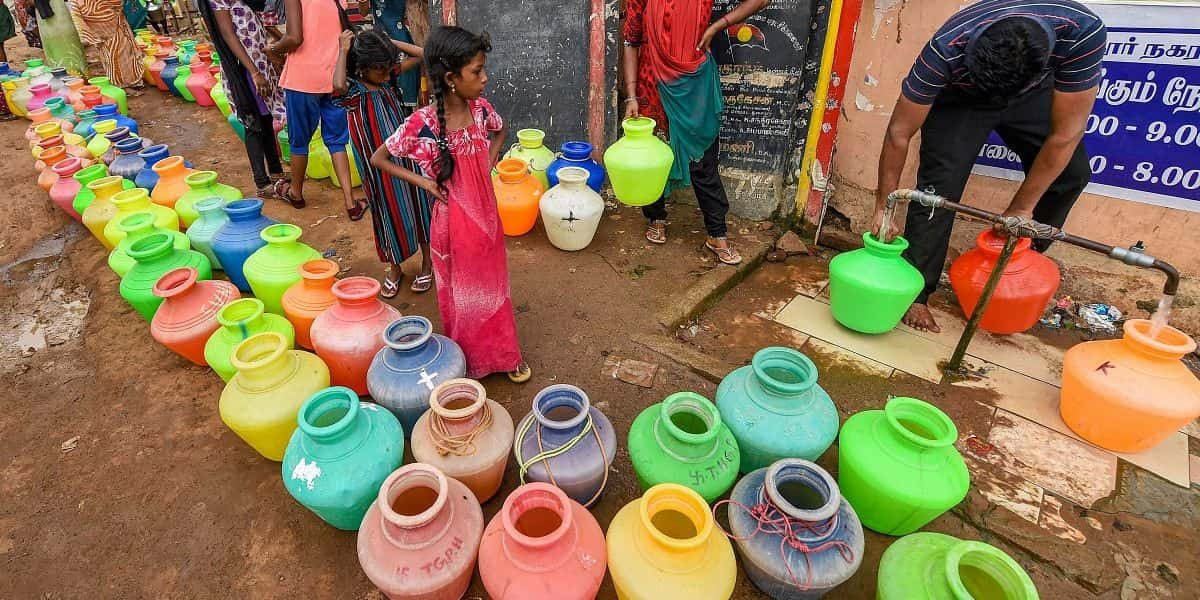
Water supply will be disrupted in Majiwada, Ghodbunder Road, Patlipada, Gandhinagar, Siddanchal, Ritu Park, Jeltaki, Siddheshwar, Samtanagar, Indiranagar, Lokmanyanagar, Srinagar, Ramnagar, and other areas. The civic body said that the water supply will be shut off for 24 hours in some parts of Kalwa and Mumbra. Due to the shutdown, the civic body said, the water supply is likely to be at low pressure for the next one to two days until it is fully restored. The civic body has advised citizens to store water and use it wisely. Water scarcity is not new to the city. The growing population’s water management infrastructure.

In 1986, the population was estimated at 530,225, but modern Dharavi has a population of between 600,000 and over 1 million people. Dharavi is one of the largest slums in the world. It used to be the largest slum in Mumbai at one time, but as of 2011, there are four slums in Mumbai larger than Dharavi. There have been many plans since 1997 to redevelop Dharavi like the former slums of Hong Kong, such as Tai Hang. In 2004, the cost of redevelopment was estimated to be Rs 5,000 crore. Companies from around the world have bid to redevelop Dharavi, including Lehman Brothers, Dubai’s Limitless, and Singapore’s CapitaLand Ltd. In 2010, it was estimated to cost Rs 15,000 crore to redevelop.

The latest urban redevelopment plan proposed for the Dharavi area, The plan involves the construction of 30,000,000 square feet (2,800,000 m2) of housing, schools, parks, and roads to serve the 57,000 families residing in the area, along with 40,000,000 square feet (3,700,000 m2) of residential and commercial space for sale. There has been significant local opposition to the plans, largely because existing residents are due to receive only 225 square feet (20.9 m2) of land each. Furthermore, only those families who lived in the area before 2000 are slated for resettlement. But this slum, Dharavi, has severe problems with public health due to the scarcity of toilet facilities, which is due in turn to the fact that most housing and 90% of the commercial units in Dharavi are illegal.

As of November 2006, there was only one toilet per 1,440 residents in Dharavi. Mahim Creek, a local river, is widely used by local residents for urination and defecation, leading to the spread of contagious diseases. The area also suffers from problems with an inadequate drinking water supply.  In most large cities, the floor space index (FSI) varies from 5 to 15 in the Central Business District (CBD) to about 0.5 or below in the suburbs. In Mumbai, the permitted FSI is uniform, and in 1991 it was fixed at 1.33. The regulations that restrict the FSI greatly reduce the floor space available for residences and businesses.

 In expensive Mumbai, Dharavi provides a cheap alternative, where rents were as low as US$4 per month in 2006.  Dharavi exports goods around the world. The total turnover is estimated to be between US$500 million and over USD 650 million per year. Dharavi is situated between Mumbai’s two main suburban railway lines, the Western and Central Railways. To its west are Mahim and Bandra, and to the north lies the Mithi River, which empties into the Arabian Sea through the Mahim Creek. To its south and east are Sion and Matunga. Both its location and poor drainage systems make Dharavi particularly vulnerable to floods during the wet season.

 The failure of the system to provide due care is not surprising. Isn’t it the way our system functions? The upper authorities consume their share; the middlemen consume theirs; and if the resource reaches the hands of the poor, the bigger fish there eat away the share of the smaller ones. So first, the authorities will have to acknowledge that slum dwellers are there, and their population is increasing at a faster rate than the general population, so swift action is required to solve their problems. They must return something to the city that makes them what they are today. The root causes of this issue are threefold. First is the unmitigated flow of population to this premier city; second is the lack of affordable housing for the poor; and the third and most important reason why the SRA could not succeed is that Maharashtra politics is dominated by the builders’ lobby.

In all the major cities of Maharashtra, builders have become politicians and vice versa, and this is true across all political parties. However, one may not misconstrue that all slum-dwellers are below-poverty-line people. In fact, many of them are quite industrious and economically well-off. It is just that land is simply not available in Mumbai, and the politician-builder community has grabbed whatever was available. The SRA never was or is the solution. What is needed is the greater spread of the city with a faster and more efficient transport system so that the population can shift and commute faster.

Singapore Smash: Manika Batra loses in women’s and mixed doubles; India’s challenge ends

manika batra, singapore smash, table tennis, batra
Singapore Smash: Manika Batra loses in women's and mixed doubles; India's challenge ends 9

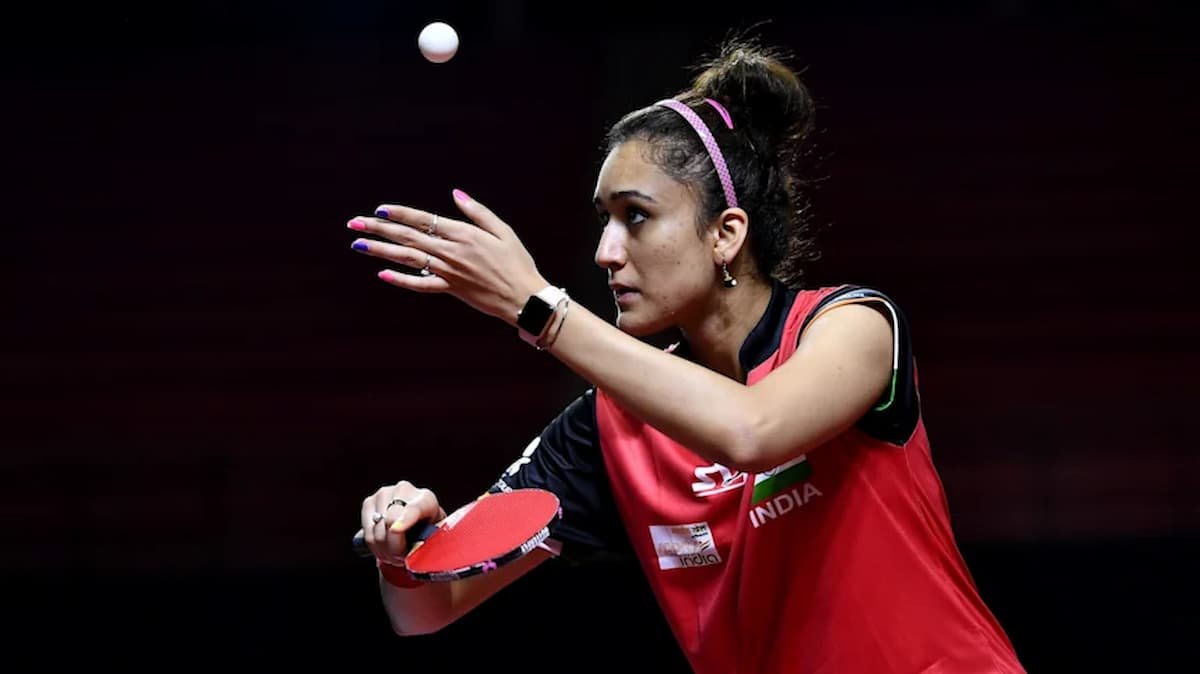
The Indian challenge at the Singapore Smash 2023 came to an end after Manika Batra lost both of her women’s doubles and mixed doubles matches, partnering Archana Kamath and Sathiyan Gnanasekaran, respectively, at the Singapore Sports Hub on Tuesday. Batra and her partner G Sathiyan lost 3-2 (9-11, 9-11, 11-8, 11-5, 7-11) in the mixed doubles quarter-finals to Japan’s Tomokazu Harimoto and Hina Hayata, both world championship silver medalists.

Manika Batra and Sathiyan started poorly, as they conceded the first two games by identical (9-11) margins. Batra and Sathiyan were staring at defeat until they rallied, scoring seven points in a row to win the third game 11-8 and make the score 2-1. The Indian team maintained its lead throughout the fourth game to win it 11-5 and force a decider.

However, the Indian table tennis players faltered at the final hurdle, as the Japanese pair sealed the contest with an 11-7 margin in the deciding game. Earlier, in the women’s doubles, Manika Batra and her partner Archana Kamath, suffered a 3-2 (2-11, 6-11, 15-13, 12-10, 6-11) loss to the Chinese duo of Chen Meng and Wang Yidi in a hard-fought round of 16 duels that lasted 43 minutes.

During the first two games, Manika Batra and Archana Kamath were down 0-2 but came back to win the following two. In the championship match, Chen Meng and Wang Yidi outplayed Batra and Kamath 11-6 due to their inability to keep up with their tempo.

As a result of Manika Batra, G. Sathiyan, and Sharath Kamal losing their individual matches, the Indian singles challenge was already over. The Indian team of Harmeet Desai and Manav Thakkar lost in the round of 32 of the men’s doubles competition.

Moral Policing is the ugly truth of modern India

moral policing, moral police, women, girls in india, women in india, girls, mumbai, girls safety, women safety
Moral Policing is the ugly truth of modern India 11

Until you learn self-worth and find beauty in the things you already have, you are always going to be terrorized by the moral police. You must know that you are somebody who is truly valuable, correct? It does not matter how you look, act, or think, or what others think of you. Your parents should have taught this to you at a young age, but I guess they didn’t, so let me spell it out for you. These moral cops can be anyone, from family to unknown acquaintances. My male friend came to my house to assist me on a writing project, just because I stay alone and am single. The agony aunts who always sit in the corridors gossiping with each other were not only curious to know who that guy was, but they were silently gossiping about all kinds of imaginary stuff. My friend is a smoker. He just finished smoking and entered the lift. All the aunts were staring at him as if he were some dreaded criminal. Well! We single girls have no right to invite anyone to our home because society thinks it immoral to be at home with someone of the opposite sex.

Our society right now is in a phase of transition. India is transitioning from a web of traditional values to a more liberal value system. There are patrons on both sides, and the general plebe population has an apathy for change. Young rebels would shun the traditional values and adopt the newer, more convenient values, and the old sentinels would try to uphold the traditional system. I don’t see anything inherently faulty with this except the fact that people tend to become hypocritical.

Moral policing, anytime, anywhere, is wrong; it is repulsive and obnoxious. It is a set of self-styled cops trying to impose their own drive on others. It happens whenever religious forces try to impose their will on society because they claim that they do not answer to the law but only to some god that they find acquiescent. Taking charge of your thoughts, especially when it’s an emotional state about yourself, can be one of the toughest things to do when you don’t feel confident. Sometimes you criticize yourself and feel shy around others when you can’t find ways to feel comfortable in your own skin, rather than embracing yourself for who you are. But why put yourself through that kind of stress when you’re already perfect?as 

India is at a very crucial stage of its growth now; young generations are finally freeing themselves from the clutches of age-old traditions and orthodoxy. Politicians have been an integral part of the whole “moral policing” drive that has been predominant in our country for quite some time now. Their aim is to prevent a person from doing anything that is against our so-called ‘sanskaar’. There have been innumerable cases of politicians, especially those belonging to the right wing, who have publicly made comments that suggest hostility towards people who they think are immoral.

We, being independent and self-made individuals, should stop seeking validation from irrelevant people. Are you a perfectionist? There is no harm in living the life you want and deciding for yourselves; whatever the outcome, just face it. We are going to make mistakes. If other people think they can change you to get you to act in a certain way, well, that is an example of the other person making a serious mistake. Thank them for their opinion, and then move on; associate with people who can love you for who you are.

When you use force, violence, or try to make someone feel bad about themselves using your own morals, you are guilty of moral policing. What is right according to you or for you is not necessarily right for someone else. Hence, we should abstain from forcing anyone to agree to our or society’s terms of what is acceptable and what isn’t.

We should build our self-worth. Become Self-Aware. This won’t happen overnight. Become aware of who you really are. Be willing to see the good, the bad, and the ugly—your strengths and weaknesses—and don’t judge, but accept them. People come and go; no one is permanent in your life, but it’s only you who can be with yourself until your last breath. Many lives are unnecessarily ruined in the name of dos and don’ts.

We are all allowed to make mistakes. Instead of punishing yourself, brush it off and make fun of your actions whenever you can. The more easy-going you are with yourself, the better you may feel. Be kind to yourself. Do nice things for yourself. Be compassionate when you make a mistake and tell yourself, “It’s okay.’ Let others love you. When people see this person who is comfortable in their own skin (you), then they are going to want what you have. Surround yourself with positive people. While not everyone is perfect, surrounding yourself with people who put you down or are constantly negative won’t help with your self-esteem.

We should stop worrying about what other people think about us. If you place too much value on what others think of you, you will feel more uncomfortable with who you are. As you work to develop self-worth and self-love, you will find you can let others’ opinions go. You’re using too much of your precious energy worrying about how others view you. Just be yourself, and the right people will be attracted to you for the right reasons. One of the defining characteristics of fascism is its unqualified contempt and hatred of free thought and liberalism. In moral policing, we see the same trend.

Eight of top 10 firms lose Rs 1.03 lakh crore in market valuation; RIL, ICICI hit hard

market value, market, stock, ril, reliance, icici
Eight of top 10 firms lose Rs 1.03 lakh crore in market valuation; RIL, ICICI hit hard 13

Eight of the top 10 valued firms faced a combined erosion of Rs 1,03,732.39 crore in market valuation last week, with Reliance Industries and ICICI Bank taking the biggest hit amid an overall weak trend in equities.

During the holiday-shortened week, the 30-share BSE Sensex declined 673.84 points or 1.12 per cent amid concerns over the quantum of the next interest rate hike by the US Federal Reserve.

Barring Bharti Airtel and ITC, eight firms suffered erosion in their market capitalization (mcap).

The market valuation of Reliance Industries plummeted by Rs 41,878.37 crore to Rs 15,71,724.26 crore, the most among the top 10 firms.

The MCAP of ICICI Bank tumbled from Rs 18,134.73 to Rs 5,88,379.98 crore. The valuation of HDFC Bank tanked by Rs 15,007.38 to Rs 8,86,300.20 crore, and that of State Bank of India eroded by Rs 12,360.59 to Rs 4,88,399.39 crore.

HDFC’s market valuation diminished by Rs 6,893.18 crore to Rs 4,77,524.24 crore.

Tata Consultancy Services’ (TCS) valuation slumped by Rs 4,281.09 to Rs 12,18,848.31 crore.

Infosys’s valuation declined by Rs 3,555.83 to Rs 6,19,155.97 crore, and that of Hindustan Unilever fell by Rs 1,621.22 crore to Rs 5,78,739.57 crore.

However, Bharti Airtel added Rs 5,071.99 crore, taking its valuation to Rs 4,31,230.51 crore.

The mcap of ITC surged from Rs 4,036.2 crore to Rs 4,81,922.33 crore.

Reliance Industries remained the most valuable firm, followed by TCS, HDFC Bank, Infosys, ICICI Bank, Hindustan Unilever, State Bank of India, ITC, HDFC, and Bharti Airtel.

Six dead after car tyre bursts on Samruddhi Mahamarg in Maha’s Buldhana

samruddhi mahamarg, samruddhi highway, buldhana, accident
Six dead after car tyre bursts on Samruddhi Mahamarg in Maha’s Buldhana 15

Six people were killed after the tyre of their car burst on Sunday morning on the Samruddhi Expressway in Maharashtra’s Buldhana district, a police official said.

The accident took place at 8 am at Shivni Pisa village when the Maruti Ertiga car was on its way from Aurangabad to Shegaon, he said.

“Six occupants of the car have been killed.” Prima facie, the cause of the accident is a burst tire. “More details are awaited from the site,” he added.

Beggars are unconditional givers too

beggar, indian beggar, god, poverty, poor man, beg, old age
Image: Pixabay

If we see and think from a broader perspective, we all—privileged and underprivileged—are beggars in our own way. Politicians beg for votes; we beg God for riches, well-being, and whatnot. People visit spiritual leaders to beg for solace and prosperity; beggars on the street beg for their basic needs. Remember as you think that God can fulfill your entire wish if you demand it. Similarly, beggars on the street see you as God because they know that when they ask, you have the capacity to give them something. Most of the time, we disregard our abilities and compassion by insulting and humiliating those who seek assistance. Mumbai has a history of having the richest beggars; they might have what you never thought of, but still they beg because they chose to do so. Mumbai appears to be the dream city for beggars, because here they somehow manage to meet their basic needs.

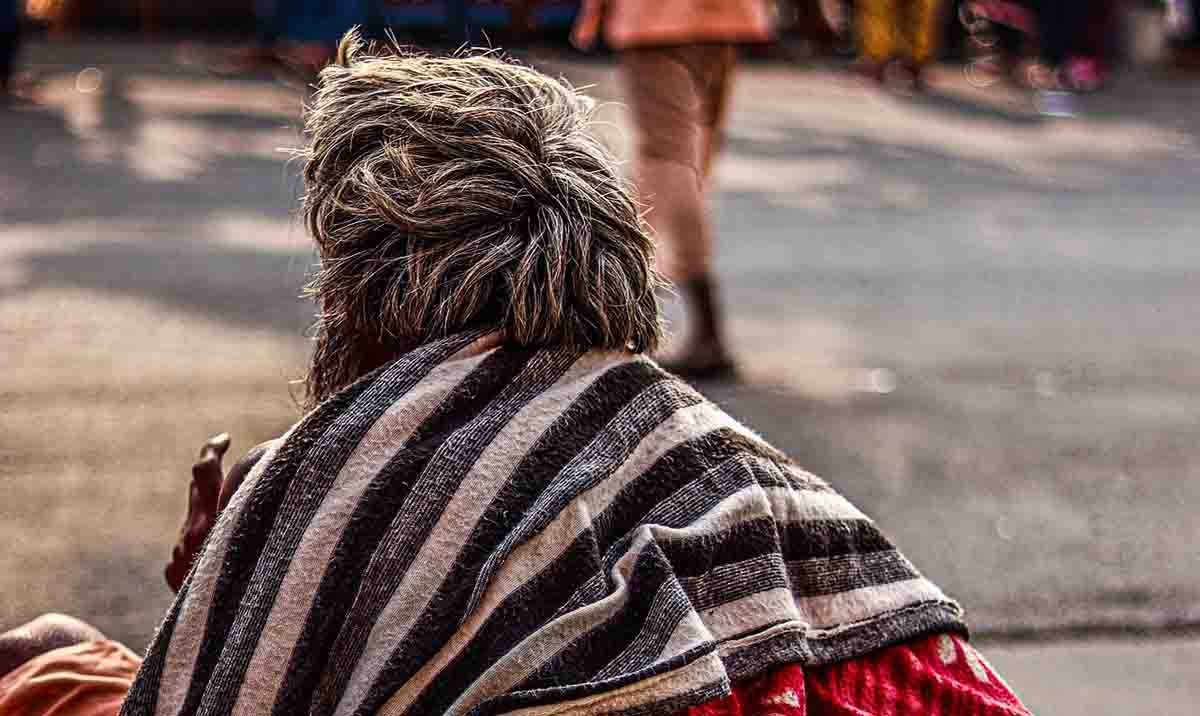
The majority of beggars in India are leading a pathetic life. Many are suffering from various diseases. Their outward appearance itself creates nausea in one’s mind. Their tattered clothes, emaciated bodies, and unclean body frames, followed by equally unclean mangy dogs, are an eyesore. There was one beggar at Krishna Nagar, Borivali. He was my morning walk partner. He used to stay alone on the footpath of a bungalow. Later on, the landlords asked him to evict the pavement and shift to another side. The area was not fully developed, so he could hardly ask for some help. One day, I saw him sitting on the other side of the pavement. It was raining badly, and the man was so fragile that he could hardly call us. He just raised his hand to ask for assistance.

I had both an umbrella and a raincoat, so I gave him an umbrella. He wanted something else, but I failed to understand his sign language. I returned home, but while going to the office, I saw someone give him food, but he did not eat it. The footpath was full of water, and he somehow adjusted himself in the corner with that umbrella. The very next day, I approached some BMC staff and asked them to help this old man. But they were not ready to encourage beggars by providing them a safe place to stay. I called my home help; she brought meters of poly sheets and created a small tent out of it. That tent became the home of that old man until his death.

From that day on, he became my street buddy. Every morning I used to give him some money for food and tea; gradually, people in the locality also started giving him food, water, and leftovers. Monsoon season approaches; every year, my organization distributes blankets to the people on the street. That year, I got two blankets for this old man too. His happiness knew no bounds. Looking at his happy face, I felt scared. In sign language, we conversed for ten minutes. Can you imagine him looking like the king of his small tent with new clothes and blankets? Some people gave him some bed sheets and a mattress too. His asset was a dirty bag that he always used to keep under his head.

By now I could understand him completely. During COVID, many NGOs in Mumbai made special efforts to reach beggars on the street. Mumbai might be a concrete jungle, but it has a lot of humanity and love for deprived people. Each one of them does something or other in their capacities. But an old beggar in a remote corner gets neglected. During those days, there was one young boy who started his catering start-up. I gave him his first job, providing two full meals to such beggars who were not part of the mainstream street population. Throughout his time in COVID, he served these people wholeheartedly. His start-up needed funds, but getting a bank loan was not possible for him, and meanwhile COVID had also financially broken everyone, so no one was ready to give him financial assistance. Still, he continued doing his job.

Let me cut the story short. In those days, the old beggar met me as I walked past that night; he was trying to say something by showing his bag. I was very busy with my own priorities; I just ignored him and, as usual, asked for his well-being before moving ahead. Next morning I came to know that he had passed away. I rushed to his hut; his body was taken away by BMC personnel. His stuff was also taken into custody; to our surprise, when that bag was opened, there was a big amount in it. Well, the cops did charity work for other beggars with that money and made sure the small streetside eatery of that caterer got some funds for its makeover. Well, this was one of the rarest of the rare stories to tell, but we need government policies to make our country beggar-free.

In the whole of India, one may find a dozen rich beggars. Rich people may possess lakhs of rupees. Some may lend money to small traders at a reasonable monthly rate of interest. Even if they possess so much money, they cannot lead a decent life by buying or renting a house in a decent locality because the whole town would know them as beggars, and there is a fear of losing their clients. Despite having so much money, they are unable to abandon their begging profession because it pays well.

Most of the beggars are working for a gang that collects money from them every evening; worse still, they dress them to look like beggars. These normal people, fully capable of doing manual labor, are dressed and, yes, touched up to look poor. In this case, charity does not help; there are a number of children who are stolen from hospitals, homes, and streets. Worse, their poor parents sell them to these gangs to be used as beggars. Their limbs are operated upon, and they are made physically handicapped so that they can get alms. It is an endless chain, which is a vitiating circle; you give more money, the gangs want more, and they steal more children to create more beggars for society.

In order to improve their condition, successive governments have to formulate schemes in their favor. Beggars Rehabilitation Centers should be established in all states where beggars can be assigned a task and given food, shelter, and income-generating skills so that, once released, they can easily make a living in the outside world. However, the majority of those released continue to engage in the same illegal activity, are apprehended by Rehabilitation Center employees, and are returned to the center to repeat the process.

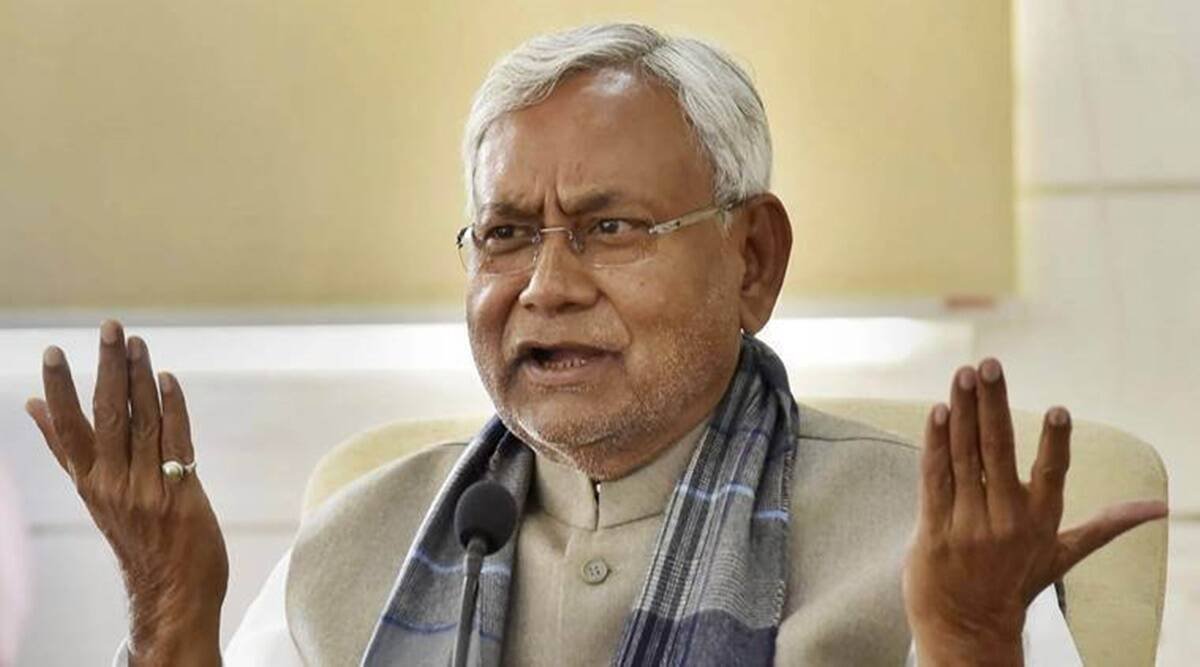
‘Similar things happened in 2017’: Nitish Kumar on CBI, ED action against Lalu, Tejashwi

nitish kumar, kumar, nitish, bihar cm, bihar chief minister, lalu, lalu prasad, yadav, tejaswi
'Similar things happened in 2017': Nitish Kumar on CBI, ED action against Lalu, Tejashwi 18

Bihar Chief Minister Nitish Kumar on Saturday hinted that he agreed with the contention of its ally RJD that the recent crackdown on its president Lalu Prasad and his family members by the CBI and ED was ”politically motivated”.

This was in contrast to the stand he took in 2017, when he wanted the ally to come clean on charges of corruption.

The JD(U) leader also rubbished speculations that he was maintaining an eloquent silence on the issue because of anxieties about tarnishing his own image for probity by aligning with ”tainted” politicians and could even be thinking of breaking away from the ”Mahagathbandhan”, which besides the RJD also includes Congress and the Left.

Kumar was approached by journalists who wanted to know about his views on the questioning of Lalu Prasad and his wife Rabri Devi by the CBI earlier this week, followed by raids conducted on a number of premises, including the houses of his three daughters and a daughter-in-law by the ED on Friday, and a fresh summons issued by the CBI to his younger son and Bihar Deputy CM Tejashwi Yadav.

In a video statement, RJD Rajya Sabha MP Manoj Kumar Jha warned that people of Bihar will take to the streets upon learning that Yadav’s ”pregnant wife was taken ill with high blood pressure” because of the ED raids at her house that ”continued till 4 am today”.

”What do I have to say? Those who are at the receiving end are giving an adequate response,” said Kumar in his trademark enigmatic style, before adding, “Similar things had happened in 2017 when I was on this side (in the anti-BJP camp). “Now that I am here again, these things are happening again.” The allusion was to the land for hotels case in which the ED had named, along with others, Yadav, who was the Deputy CM then as well, and Kumar recalled having asked the young RJD leader to “explain” his side of the story and the BJP having exploited the situation to its advantage.

Kumar was understood to have asked Yadav to resign his ministerial berth on moral grounds for the period till his name was cleared, a proposition to which the RJD did not agree. The JD-U leader himself resigned as chief minister in disgust, and the BJP, his former ally, came with the offer of unconditional support.

Subsequently, Kumar formed a new government with the BJP in less than 24 hours after resigning.

”I do not wish to take any names because the person (in the BJP) who came to me with the offer of support may get further marginalized in his party,” said Kumar, but dropped his guard when journalists found the clue and mentioned former Deputy CM Sushil Kumar Modi.

”What do I say about Sushil Kumar Modi?” I need not repeat that I never wanted him to suffer his current fate. But he is welcome to keep speaking against me. Maybe it will resurrect him politically,” said Kumar, visibly upset over the tirade against himself by the former deputy ever since he dumped the BJP in August last year.

Kumar also made light of his JD-U not being a signatory to the recent letter to Prime Minister Narendra Modi in protest against the CBI arresting Delhi Deputy CM Manish Sisodia and said, ”I will be there when all parties (opposed to the BJP) agree to fight unitedly in the next Lok Sabha polls.” 

The JD(U) chief, however, reiterated, ”I have no (prime ministerial) ambitions for myself. I had made it clear even at the recent convention of the CPIML(L), where all constituents of the Mahagathbandhan were present. I had even asked the Congress to take the lead in forging oppositional unity. To a pointed question as to whether he could think of pulling out of the “opposition camp” because of corruption cases against leaders of most non-NDA parties, he exclaimed, “The question does not arise.”