Home Blog Page 2

The Khan Sir Controversy: When Education Becomes Business and Coaching Empires Challenge the System

khan sir, faisal khan, controversy, bihar, bihar coaching institute, bihar police
The Khan Sir Controversy: When Education Becomes Business and Coaching Empires Challenge the System 2

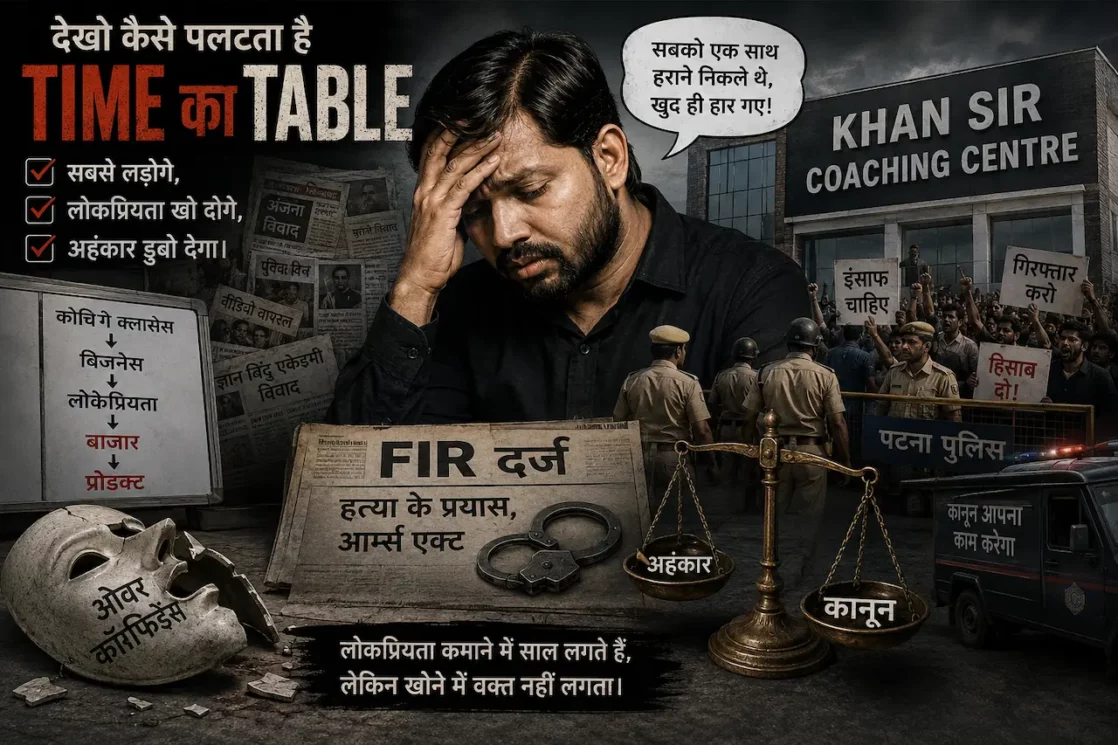
The controversy surrounding Faisal Khan, popularly known as Khan Sir, is no longer merely a dispute between two coaching institutes in Patna. It has evolved into a larger conversation about Bihar’s fragile law-and-order situation, the unchecked rise of coaching empires, and the commercialization of education that has transformed teachers into brands and classrooms into corporate battlegrounds. While the legal process must be allowed to determine individual responsibility and establish the facts, the incident has already exposed a disturbing reality that many have preferred to ignore for years. What began as a disagreement linked to the Bihar Police Constable Recruitment examination results allegedly escalated into violence, vandalism, intimidation, and eventually criminal investigations involving some of the most recognizable names in Bihar’s coaching industry. Such developments raise serious concerns not only about the conduct of individuals involved but also about the larger ecosystem that allowed such a situation to emerge in the first place.

For years, Bihar has projected itself as a state of aspiration and academic ambition. Every year, thousands of young men and women from modest backgrounds prepare relentlessly for government jobs, competitive examinations, and professional careers. Families sacrifice their savings, sell land, take loans, and invest every available resource into the education of their children, believing that success in examinations offers the most reliable path toward social mobility. Unfortunately, this enormous demand for competitive education has also created a parallel economy worth hundreds of crores of rupees. The coaching industry, once intended to supplement formal education, has gradually become a powerful commercial enterprise with its own hierarchy, influence networks, marketing machinery, and business rivalries. In many cases, coaching institutes have become more influential than educational institutions themselves, creating an environment where competition for students is often as fierce as competition for electoral votes.

The events that reportedly unfolded in Patna in recent days demonstrate how dangerous this transformation can become. According to reports, tensions between Khan Sir’s organization and Gyan Bindu Academy intensified after the declaration of recruitment examination results. What should ideally have remained a professional disagreement between educational institutions allegedly escalated into a confrontation involving supporters from both sides. Reports of vandalism, stone-pelting, and violent clashes soon emerged, creating scenes that resembled political street battles rather than disputes within the educational sector. Matters took an even more serious turn when a video surfaced allegedly showing bodyguards associated with Khan Sir firing shots into the air. Following investigations, arrests were made, and subsequent developments reportedly led investigators to scrutinize Khan Sir’s role in the larger controversy. The filing of serious criminal charges has ensured that the matter is no longer confined to the educational sphere but has entered the realm of criminal law and public accountability.

Regardless of the eventual outcome of the investigation, one uncomfortable truth has become impossible to ignore. The coaching industry in Bihar has acquired extraordinary influence without a corresponding framework of accountability. Many coaching operators today command massive social media followings, enjoy celebrity status, and possess the ability to mobilize large numbers of students and supporters. Some have become household names whose public visibility rivals that of politicians and film stars. While there is nothing inherently wrong with success achieved through hard work and talent, problems arise when educational institutions begin functioning as personality-driven enterprises rather than academic organizations. When personal brands become larger than the institutions they represent, disagreements are no longer resolved through dialogue and professionalism. Instead, they risk turning into public spectacles fueled by ego, rivalry, and the pursuit of dominance in an increasingly competitive marketplace.

The Khan Sir controversy also exposes a deeper failure within Bihar’s educational system itself. The phenomenal growth of coaching centers is not a sign of educational strength but rather evidence of systemic weakness. If schools, colleges, universities, and vocational institutions consistently provided high-quality education, students would not be forced to depend so heavily on private coaching institutes. The expansion of the coaching industry has effectively created a parallel education system operating alongside the formal one, often with minimal regulation and oversight. As a result, immense financial interests have become attached to examination results, student enrollments, and institutional reputation. In such an environment, educational competition can quickly transform into commercial warfare, where every successful student becomes a marketing tool and every examination cycle becomes a battle for market share.

Equally concerning is what this controversy reveals about Bihar’s law-and-order situation. Successive governments have repeatedly claimed that the era of lawlessness belongs to the past and that Bihar has emerged as a modern, developing state. While significant progress has undoubtedly been made in infrastructure, governance, and connectivity, incidents such as these remind citizens that deep-rooted problems have not entirely disappeared. When disputes involving educational institutions allegedly escalate into violence and firearms enter the picture, it raises troubling questions about the state’s ability to maintain order and enforce the rule of law. Citizens expect disagreements to be settled through legal mechanisms, not through displays of muscle power, intimidation, or street-level confrontations. The involvement of police, arrests, criminal investigations, and heightened security arrangements around coaching institutions should concern every parent whose child enters such establishments in pursuit of education.

Perhaps the most ironic aspect of this controversy is that it exposes the illusion surrounding modern celebrity educators. Social media has created an environment in which public figures often appear larger than life, surrounded by devoted supporters who view criticism as hostility and scrutiny as persecution. However, history repeatedly demonstrates that popularity is not a substitute for accountability. Public admiration can elevate an individual rapidly, but it can also vanish with equal speed when controversy emerges. The same audience that celebrates success often becomes silent when difficult questions arise. The same social media platforms that create icons can rapidly become arenas of relentless criticism. This reality serves as a reminder that no individual, regardless of influence or popularity, exists above the law or beyond public scrutiny.

The greatest tragedy, however, is that students remain the forgotten stakeholders in this entire drama. Young aspirants enroll in coaching institutes with dreams of securing employment, supporting their families, and building meaningful futures. Their parents invest not merely money but hope, trust, and years of sacrifice into their education. They deserve institutions focused on learning, mentorship, and academic excellence. Instead, they increasingly find themselves witnessing power struggles, rivalries, branding wars, and controversies that have little to do with education itself. The transformation of coaching centers into commercial empires may have generated enormous wealth and influence for a select few, but it has also shifted attention away from the fundamental purpose of education—the development of knowledge, character, and opportunity.

As investigations continue and legal proceedings take their course, Bihar must resist the temptation to view this episode as merely another sensational controversy destined to disappear from public memory. The incident should instead serve as a warning about the consequences of allowing educational institutions to evolve into unregulated power centers driven by commercial interests. It should compel policymakers to strengthen formal education, enforce greater accountability within the coaching industry, and ensure that no individual or institution becomes so influential that they operate beyond scrutiny. Most importantly, it should remind society that education is a public good, not a marketplace commodity, and that teachers are meant to shape futures, not build empires. The day education becomes indistinguishable from business warfare is the day society begins losing sight of its most important mission—the nurturing of the next generation.
Delhi on High Alert Ahead of Cockroach Janta Party Protest Call, Security Tightened Across City

jantar mantar, security, delhi, cockroach janata party
Delhi on High Alert Ahead of Cockroach Janta Party Protest Call, Security Tightened Across City 4

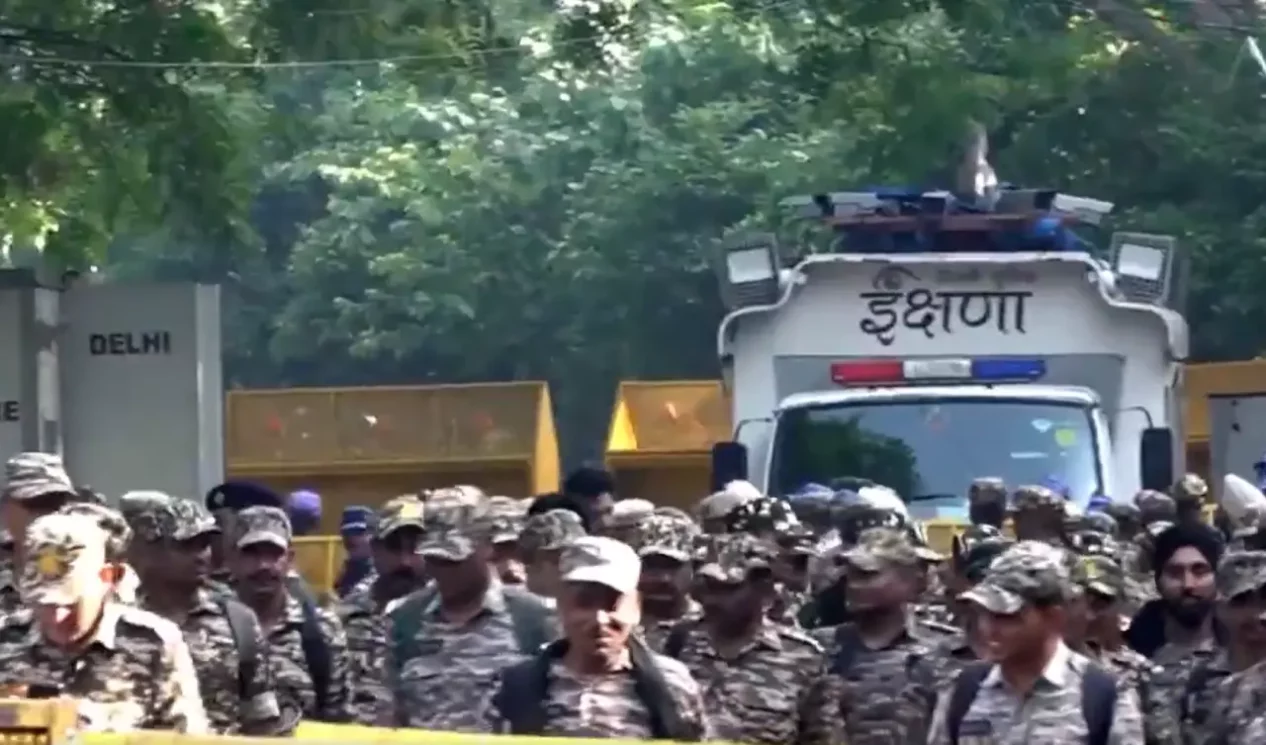
Security arrangements have been significantly strengthened across Delhi ahead of a proposed protest call by the Cockroach Janta Party (CJP), with police deploying additional personnel at the Indira Gandhi International (IGI) Airport, border entry points and other sensitive locations, officials said on Saturday.

The heightened security measures follow an appeal by CJP founder Abhijeet Dipke earlier this month, urging supporters and students to join a protest in the national capital. Dipke had also called on supporters to gather at the Delhi airport upon his arrival on June 6.

Although no formal request seeking permission for the proposed demonstration has been received by the police, authorities have stepped up security based on inputs gathered through social media monitoring and other intelligence channels.

Sources said more than 1,000 police personnel have been earmarked for deployment across the New Delhi district and other strategic areas as part of preventive security arrangements.

Security has been tightened at the IGI Airport, major railway stations, inter-state bus terminals and border checkpoints connecting Delhi with neighbouring states. Additional police teams have also been stationed at key intersections, marketplaces and other sensitive locations to maintain law and order.

Officials said multiple layers of barricades have been erected around the airport precincts, while vehicle-checking drives have been intensified at border points and on major routes leading to central Delhi.

Heavy deployment of police personnel was witnessed at the airport and adjoining areas on Friday as senior officers reviewed security preparations. Deputy Commissioner of Police (IGI) Vichitra Veer and other officials conducted inspections and briefed field personnel on maintaining vigilance.

According to police sources, senior officers held a high-level review meeting on Friday and instructed field units to remain alert. District police units have been directed to keep reserve forces on standby and closely monitor developments.

Authorities are also coordinating with intelligence agencies and other security stakeholders to assess the situation and ensure preparedness for any eventuality.

Police maintained that adequate arrangements have been put in place to ensure public safety, maintain law and order and facilitate smooth movement of commuters across the city.

The Cockroach Janta Party, which began as a satirical response to remarks made by Chief Justice of India Surya Kant during a court hearing last month, has since evolved into an organised online campaign that has attracted a significant following on social media platforms.

K Annamalai Quits BJP, Announces Plans for New Political Party in Tamil Nadu

k annamalai, tamil nadu, tn, bjp, tamil nadu bjp
K Annamalai Quits BJP, Announces Plans for New Political Party in Tamil Nadu 6

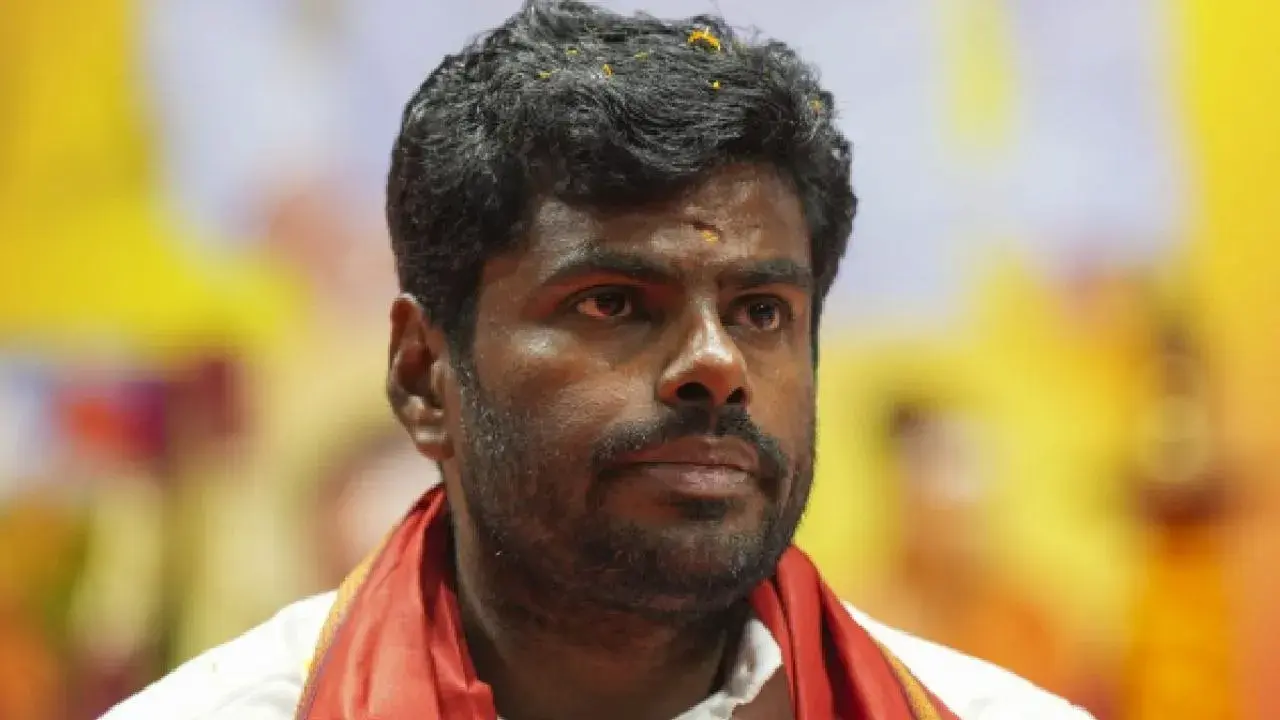
Former Tamil Nadu BJP president K. Annamalai on Friday announced his resignation from the Bharatiya Janata Party (BJP) and revealed plans to launch a new political party, signalling a major development in the state’s political landscape.

In a social media address, Annamalai said he had left the BJP “in a dignified manner” and was now focused on building a new political alternative for Tamil Nadu.

“I have quit the BJP in a dignified manner to usher in a new kind of politics,” he said, indicating that his political ambitions extend beyond his former party.

The former IPS officer, who joined the BJP around six years ago and quickly rose to prominence as one of the party’s key faces in Tamil Nadu, said his vision required a broader platform that could bring more people together.

“The goals are bigger, and more people have to be taken along. From today onwards, a new path, a new movement, a new political movement begins,” Annamalai declared.

He confirmed that a new political party would be launched and would contest the next elections in Tamil Nadu. While details about the party’s structure, leadership, and ideology are yet to be announced, Annamalai indicated that it would be founded on inclusivity and a fresh political approach.

According to him, the proposed movement would be built from the grassroots level and would introduce new dimensions and perspectives to Tamil Nadu politics.

Annamalai’s exit from the BJP is expected to have significant political implications in the state, where he had emerged as one of the party’s most visible leaders and played a central role in expanding its presence over the past few years.

Political observers are now closely watching the next steps of the former BJP leader, particularly the launch of his new party and its potential impact on Tamil Nadu’s evolving political dynamics ahead of the upcoming elections.

When Students Expose What Governments Ignore

Sarthak Siddhant, CBSE, Educational governance, Examination transparency, OSM
When Students Expose What Governments Ignore 8

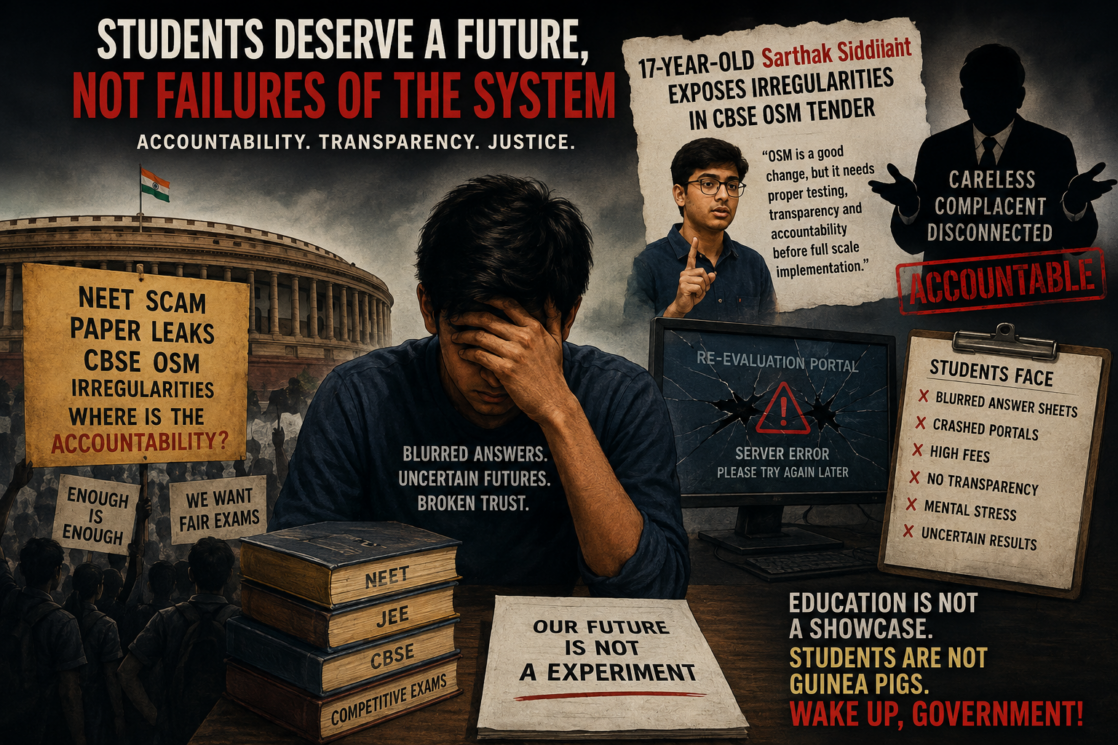
The unfolding controversy surrounding the CBSE’s On-Screen Marking (OSM) system should serve as a wake-up call for the Government of India. Instead, what we are witnessing is a familiar pattern of bureaucratic complacency, administrative opacity, and a shocking disregard for the concerns of millions of students whose futures depend upon the integrity of public examinations.

The fact that a 17-year-old student researcher, Sarthak Siddhant from Jharkhand, was compelled to investigate hundreds of tender documents and expose alleged irregularities in one of India’s most important educational institutions is both inspiring and deeply embarrassing. It raises a fundamental question: Where were the regulators, auditors, policymakers, and education administrators whose job it was to ensure transparency and accountability in the first place?

For years, the BJP-led government has repeatedly promised educational reforms, digital transformation, and world-class infrastructure. Yet the reality experienced by students tells a very different story. Whether it was the NEET examination controversies, repeated paper leak allegations across various recruitment examinations, technical failures in online systems, or now the chaos surrounding CBSE’s OSM implementation, the pattern remains disturbingly consistent. Ambitious announcements are made, technology is introduced, and reforms are celebrated before adequate testing, infrastructure, and safeguards are put in place.

The OSM controversy is not merely about software. It is about governance. Students reported blurred answer sheets, discrepancies in evaluation, crashed portals, inaccessible re-evaluation systems, and unexplained marks. Instead of anticipating these challenges through pilot testing and rigorous quality assurance, authorities appear to have pushed ahead with implementation at a national scale. When concerns emerged, students and parents were left struggling for answers while systems repeatedly failed them.

Even more troubling are the allegations raised regarding the tendering process itself. If eligibility conditions were indeed modified across multiple rounds in a manner that favoured a particular vendor, as alleged by Siddhant, then the issue extends far beyond examination management. It enters the realm of procurement transparency and public accountability. Such allegations deserve an independent and exhaustive investigation. The public has every right to know whether established procurement norms were followed and whether the interests of students were adequately protected.

What makes this episode particularly alarming is that it reflects a larger culture of administrative arrogance that has increasingly become visible in educational governance. Constructive criticism is often dismissed. Students who raise concerns are frequently ridiculed, ignored, or branded as troublemakers. In several recent cases, students were subjected to online abuse before institutions eventually acknowledged errors. A democracy cannot function when questioning authority becomes more difficult than exposing institutional failures.

The government must understand that education is not a public relations exercise. Students are not statistics to be displayed in annual reports, nor are examination systems laboratories for untested experiments. Every technical failure, every evaluation error, and every administrative lapse carries consequences that can alter academic careers, university admissions, scholarships, and professional opportunities.

The BJP government must therefore abandon its self-congratulatory approach and confront the growing crisis in educational administration with honesty and humility. India’s students deserve more than slogans about becoming a global knowledge superpower. They deserve reliable examination systems, transparent procurement processes, robust digital infrastructure, and institutions willing to admit mistakes when they occur.

The Parliamentary Standing Committee’s examination of this matter is a welcome step. However, the country must now await the findings of the investigative process. If the allegations are substantiated, accountability cannot stop at junior officials or technical vendors. Responsibility must extend to those who approved, supervised, and defended the system.

The larger lesson is impossible to ignore. When a teenager uncovers issues that entire institutions failed to detect—or chose not to address—it is not merely a story of youthful brilliance. It is an indictment of a system that has become too comfortable with mediocrity, too resistant to scrutiny, and too disconnected from the students it is meant to serve.

India’s young people deserve better. The question is whether those in power are finally prepared to listen.

21 Killed in Massive South Delhi Hotel Fire; Several Foreign Nationals Among Victims

malviya nagar, delhi fire, delhi hotel fire, hotel fire, delhi
21 Killed in Massive South Delhi Hotel Fire; Several Foreign Nationals Among Victims 10

At least 21 people were killed and several others injured after a massive fire broke out at a bed-and-breakfast establishment in South Delhi’s Malviya Nagar area on Wednesday, officials said.

Among the victims are several foreign nationals, primarily from Central Asian and African countries, according to preliminary information provided by authorities.

The fire initially was reported to have started at Lemon Green Restaurant around 8.45 am. However, Delhi Police later clarified that the blaze had actually erupted at Flourish Stay B&B, located in the densely populated Hauz Rani locality of Malviya Nagar.

Emergency services rushed to the scene and launched a large-scale rescue operation. More than 40 people were evacuated from the building and taken to nearby hospitals. Doctors declared 21 victims brought dead upon arrival.

Officials fear the death toll could increase further as several injured persons remain in critical condition and are undergoing treatment.

Firefighters battled the flames for several hours before bringing the situation under control. Authorities are now conducting a detailed investigation to determine the cause of the fire.

The incident has triggered concerns over fire safety compliance in guest houses and commercial establishments operating in congested urban areas of the national capital.

Further details regarding the identities of the victims and the circumstances leading to the tragedy are awaited.

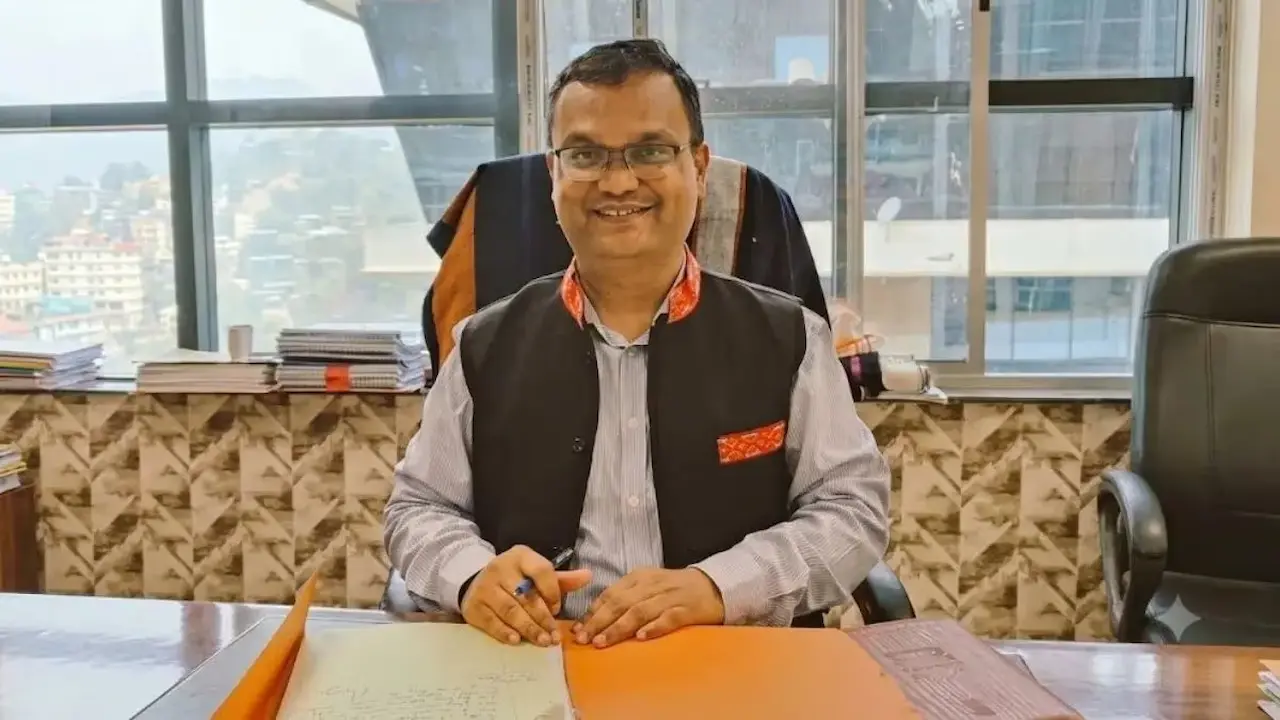
CBSE Gets New Leadership: Senior IAS Officer Prashant Lokhande Appointed Chairperson Amid OSM Controversy

prashant lokhande, prashant sitaram lokhande, ias, cbse, chairperson
CBSE Gets New Leadership: Senior IAS Officer Prashant Lokhande Appointed Chairperson Amid OSM Controversy 12

The Central Government on Tuesday appointed senior IAS officer Lokhande Prashant Sitaram as the new Chairperson of the Central Board of Secondary Education (CBSE), replacing Rahul Singh amid the ongoing controversy surrounding the board’s On-Screen Marking (OSM) system.

Sitaram, a 2001-batch Indian Administrative Service (IAS) officer of the AGMUT cadre, is currently serving as Additional Secretary in the Ministry of Home Affairs. His appointment was approved by the Appointments Committee of the Cabinet (ACC), headed by Prime Minister Narendra Modi.

According to a Personnel Ministry order, outgoing CBSE Chairperson Rahul Singh has been appointed as Additional Secretary in the Ministry of Agriculture and Farmers Welfare.

In another significant administrative change, CBSE Secretary Himanshu Gupta, a 2012-batch IAS officer, has been repatriated to his parent cadre in the Ministry of Home Affairs on “administrative grounds.” The order stated that Gupta would be eligible for central deputation again only after December 12, 2030, under the extended cooling-off provision.

The government has also appointed Varun Bhardwaj, a 2008-batch Indian Information Service officer, as the new CBSE Secretary. Bhardwaj is currently serving as Director in the Ministry of Education.

The leadership overhaul comes amid growing criticism of CBSE’s digital evaluation process for Class 12 board examinations. The board has faced scrutiny after several students alleged that the scanned copies of answer sheets made available through the verification process did not match their handwriting, raising concerns over possible answer-sheet mismatches in the OSM system.

The controversy triggered widespread concern among students and parents, with many questioning the transparency and reliability of the digital evaluation mechanism.

In recent weeks, CBSE has also come under fire for technical glitches, delays in verification and re-evaluation procedures, and payment-related issues on its online portals. These developments have led to demands for greater accountability and reforms in the board’s examination and evaluation processes.

The appointment of new leadership is expected to bring stability to the national education board as it works to address concerns surrounding the OSM system and restore confidence among students, parents, and educators.

IIT Graduate-Turned ‘Guru’ Arrested in Mathura for Alleged Drugging, Rape and Blackmail of Women

abhishek mishra, baba, guru, mathura, Mathura spiritual guru arrest, Abhishek Mishra case, Mathura rape case, IIT Roorkee graduate arrested, spiritual guru blackmail case, Adikarta Narayan Das
IIT Graduate-Turned 'Guru' Arrested in Mathura for Alleged Drugging, Rape and Blackmail of Women 14

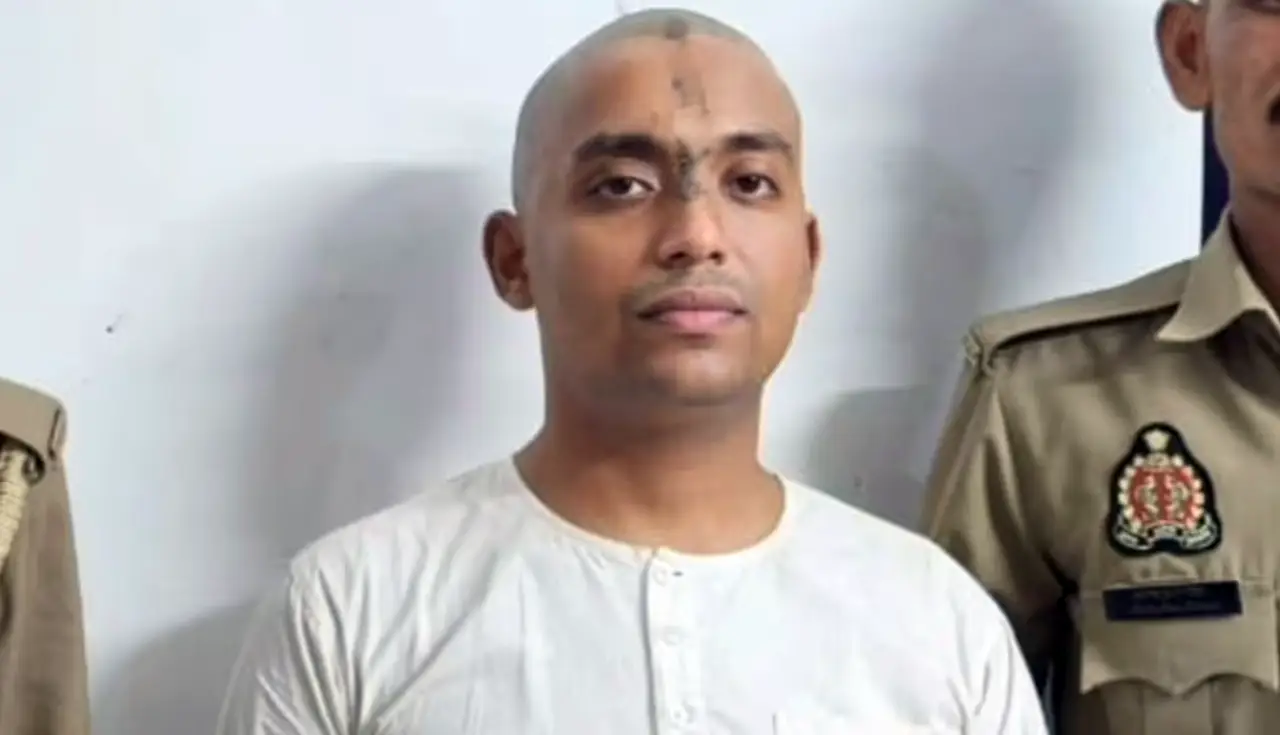
A self-styled spiritual guru who claimed to offer religious guidance and personal mentorship has been arrested in Uttar Pradesh’s Mathura district for allegedly drugging, sexually exploiting and blackmailing women, police said on Tuesday.

The accused, identified as Abhishek Mishra alias Adikarta Narayan Das, 29, was arrested from his ashram-like residence in Radha Kund on Monday. During the operation, police also rescued two young women and a man from the premises and handed them over to their families.

The case came to light after a 22-year-old BSc Nursing student from Chhattisgarh filed a complaint at the Govardhan police station on May 25.

According to the complaint, the woman had travelled to Mathura to visit her elder sister, who was undergoing training with a public sector oil company and was associated with Mishra’s religious group. The complainant alleged that the accused offered her milk, claiming it was “prasad”, which allegedly contained an intoxicating substance.

She told police that after consuming the drink, she lost consciousness and was subsequently sexually assaulted. The accused allegedly recorded obscene photographs and videos of her during the incident.

Deputy Superintendent of Police Anil Kumar Singh said the accused later threatened the victim and allegedly demanded ₹5 lakh, warning that the videos would be circulated if she failed to pay.

Based on the complaint, police registered an FIR under relevant provisions of the Bharatiya Nyaya Sanhita (BNS) and launched an investigation.

During searches, investigators reportedly recovered more than a dozen obscene photographs of different men and women from the accused’s mobile phone. Preliminary findings suggest that Mishra used YouTube and other social media platforms to deliver online spiritual discourses and attract followers.

Police suspect he specifically targeted educated women, including engineers, students and professionals working in major companies, before allegedly exploiting and blackmailing them.

During interrogation, Mishra reportedly claimed that he graduated in Mechanical Engineering from Indian Institute of Technology Roorkee around five years ago and had worked at a private company with an annual salary package of ₹20 lakh before moving to Mathura. He allegedly began conducting spiritual activities from rented premises before purchasing a house in Radha Kund.

Additional Superintendent of Police (Rural) Suresh Chandra Rawat said the accused has been sent to judicial custody and further legal proceedings are underway.

Police are now conducting a detailed investigation into Mishra’s background, his activities, and the possibility of additional victims linked to the case.

Operation Checkmate: 30 Indian Truck Drivers Arrested in US Over Illegal Stay, Face Deportation

truck drivers, us, operation checkmate, indian truck drivers, illegal drivers, usa
Operation Checkmate: 30 Indian Truck Drivers Arrested in US Over Illegal Stay, Face Deportation 16

Around 30 Indian nationals living and working illegally in the United States have been arrested and are set to be deported following a major federal immigration enforcement operation targeting undocumented commercial truck drivers.

According to a statement issued by the US Customs and Border Protection (CBP), Border Patrol agents from the Yuma Sector in Arizona arrested 52 individuals during “Operation Checkmate” conducted between May 11 and May 15. The operation focused on identifying undocumented individuals operating commercial motor vehicles across the country.

Among those arrested were 36 individuals found driving semi-trucks. Of these, 30 were Indian nationals, while the remaining six were from Mexico, El Salvador and Russia.

Authorities said the arrested individuals possessed commercial driver’s licences issued by states including California, New York, Washington and Virginia, while some did not have any valid driving licence. Most were carrying employment authorisation documents that had been issued during the administration of former President Joe Biden but were no longer valid.

US officials confirmed that all those detained have been processed under federal immigration laws and will be deported.

“Operation Checkmate reflects our commitment to safeguarding communities and roads from unlawfully present drivers who pose significant risks to public safety,” said Dustin Caudle, Acting Chief Patrol Agent of the US Border Patrol’s Yuma Sector.

He added that federal agents remain actively engaged in identifying and apprehending undocumented drivers to prevent serious road accidents and ensure public safety across the United States.

The operation comes amid stricter immigration and transportation policies under President Donald Trump’s administration. The US Department of Transportation recently issued directives aimed at preventing unqualified foreign nationals from obtaining licences to operate commercial trucks and buses.

The crackdown follows several high-profile incidents in recent months involving Indian-origin truck drivers who were arrested and charged in connection with fatal road accidents while operating commercial vehicles in the US.

According to figures shared by the Indian government in Parliament earlier this year, more than 3,800 Indian nationals were deported from the United States in 2025. The data revealed that 3,414 Indians had been deported through Washington alone by mid-December.

The latest arrests highlight growing scrutiny of undocumented workers in the US transportation sector as authorities intensify efforts to enforce immigration laws and road safety regulations.

TMC Rift Buzz Grows as Party Claims Majority of MLAs Remain Loyal to Mamata Banerjee

mamata banerjee, banerjee, apology, Egra, fire, fireworks fire, firecracker, india bloc, india alliance, tmc
TMC Rift Buzz Grows as Party Claims Majority of MLAs Remain Loyal to Mamata Banerjee 18

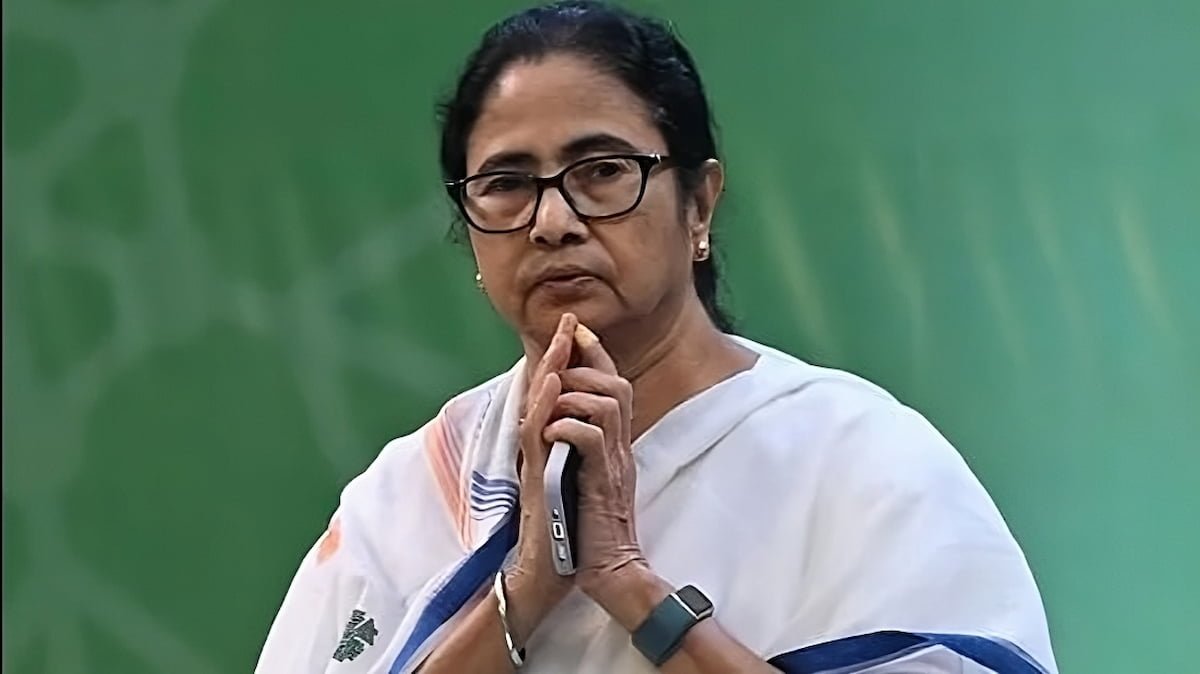
Amid mounting speculation of a split within the Trinamool Congress (TMC), senior party leader Sobhandeb Chattopadhyay on Tuesday asserted that the majority of the party’s MLAs remain firmly loyal to former Chief Minister Mamata Banerjee and that the party’s veteran leadership continues to hold control over the organisation.

The Ballygunge MLA alleged that efforts were being made by the ruling establishment to engineer defections and weaken the opposition, but maintained that the TMC remained united despite the political turbulence.

His remarks come against the backdrop of intense rumours that a section of TMC legislators may break away under the leadership of expelled MLA Ritabrata Banerjee. Political circles in West Bengal have been abuzz with reports of meetings involving dissident legislators at a Kolkata hotel and the MLA Hostel over the past few days.

While there has been no official confirmation regarding the alleged rebellion, speculation suggests that anywhere between 20 and 50 MLAs could be in touch with the rebel camp. The TMC secured 80 seats in the 294-member West Bengal Assembly in the recent elections, though two MLAs were expelled from the party on Monday for alleged anti-party activities.

“Under intense pressure from the ruling government, some individuals are being compelled to make statements regarding forged signatures. There are attempts to lure leaders away from the TMC through money and pressure tactics. We are closely monitoring the situation,” Chattopadhyay told PTI.

The controversy revolves around the party’s nomination of Chattopadhyay as the Leader of Opposition, a decision currently under scrutiny by the CID following allegations that signatures of certain TMC MLAs were forged.

“There may be a few who give in to pressure, but there is no possibility of a large-scale rebellion. The majority of MLAs will stay with Mamata Banerjee, and the old guard will continue to lead the Trinamool Congress. The ‘Jora Ghas Phool’ symbol will remain with Mamata Banerjee,” he said.

The statement follows a video message released by Mamata Banerjee a day earlier, in which she accused the BJP of attempting to split the TMC through inducements and coercive tactics.

Adding to the political intrigue, reports of Chief Minister Suvendu Adhikari’s likely visit to New Delhi further fuelled speculation about possible realignments within the state’s political landscape.

The unfolding developments have drawn comparisons with Maharashtra’s political upheavals, where splits within regional parties led to major shifts in power and prolonged legal battles over party control and election symbols.

Five New Supreme Court Judges Sworn In, Court Reaches Record Strength of 37

cji, chief justice of india, sheel nagu, supreme court judges, oath
Five New Supreme Court Judges Sworn In, Court Reaches Record Strength of 37 20

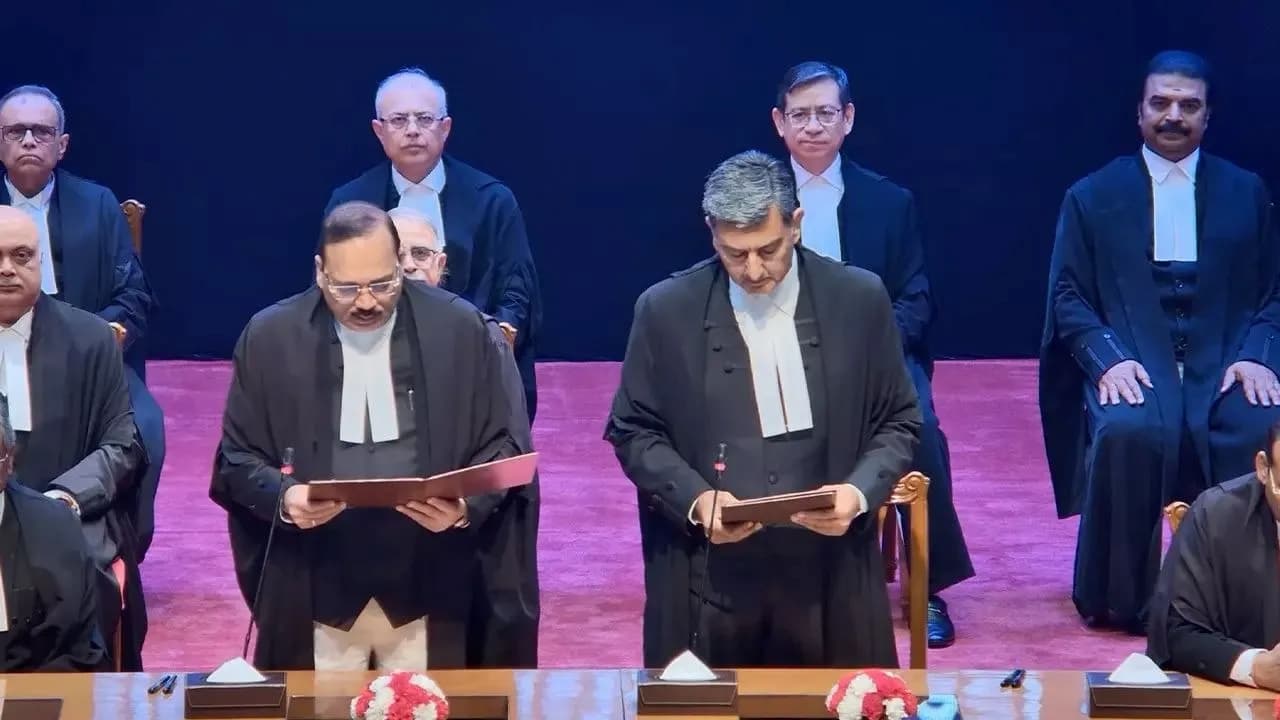
The Supreme Court on Tuesday reached a historic milestone as Chief Justice of India (CJI) Surya Kant administered the oath of office to five new judges, taking the apex court’s working strength to 37—the highest in its history.

The newly inducted judges are Justices Sheel Nagu, Shree Chandrashekhar, Sanjeev Sachdeva, Arun Palli and V. Mohana. The swearing-in ceremony was held on the premises of the Supreme Court.

With the appointments, the court is now just one judge short of its revised sanctioned strength of 38, including the Chief Justice of India. The Centre had approved the appointments on Monday, following recommendations made by the Supreme Court Collegium on May 27.

The newly appointed judges include Justice Sheel Nagu, former Chief Justice of the Punjab and Haryana High Court; Justice Shree Chandrashekhar, former Chief Justice of the Bombay High Court; Justice Sanjeev Sachdeva, former Chief Justice of the Madhya Pradesh High Court; Justice Arun Palli, former Chief Justice of the Jammu and Kashmir and Ladakh High Court; and senior advocate V. Mohana.

Last month, the Union government promulgated an ordinance increasing the sanctioned strength of the Supreme Court from 34 to 38 judges, including the CJI. However, the court’s strength is expected to reduce slightly later this month, with Justices Pankaj Mithal and J.K. Maheshwari scheduled to retire on June 16 and June 28, respectively.

Justice V. Mohana’s elevation is particularly significant as she becomes only the second woman in India’s judicial history to be directly elevated to the Supreme Court from the Bar, after Justice Indu Malhotra in 2018. She joins Justice B.V. Nagarathna as one of the two serving women judges in the apex court.

Justice Nagarathna is also in line to become India’s first woman Chief Justice of India and is expected to hold the office briefly in 2027.

Justice Sheel Nagu, born on January 1, 1965, enrolled as an advocate in 1987 and served as a judge of the Madhya Pradesh High Court before becoming Chief Justice of the Punjab and Haryana High Court in July 2024. He was also part of the Supreme Court-appointed in-house committee that examined allegations related to the discovery of burnt cash at the residence of former Delhi High Court judge Justice Yashwant Varma.

Justice Shree Chandrashekhar, born on May 25, 1965, began his legal career after graduating from Delhi University’s Campus Law Centre. He served as a judge of the Jharkhand High Court before becoming Chief Justice of the Bombay High Court in September 2025. He was also a member of the committee constituted by Lok Sabha Speaker Om Birla to examine grounds for Justice Varma’s removal.

Justice Sanjeev Sachdeva, born on December 26, 1964, practised law in Delhi before being elevated to the Delhi High Court in 2013. He later became Chief Justice of the Madhya Pradesh High Court in 2025.

Justice Arun Palli, born on September 18, 1964, was designated a senior advocate in 2007 and served as a judge of the Punjab and Haryana High Court before being appointed Chief Justice of the Jammu and Kashmir and Ladakh High Court in April 2025.

Justice V. Mohana, 59, graduated from Coimbatore Law College in 1988 and was designated a senior advocate by the Supreme Court in 2015. Her elevation marks another significant step toward greater representation of women in the higher judiciary.

The appointments strengthen the Supreme Court at a time when it continues to handle a growing caseload and significant constitutional matters.