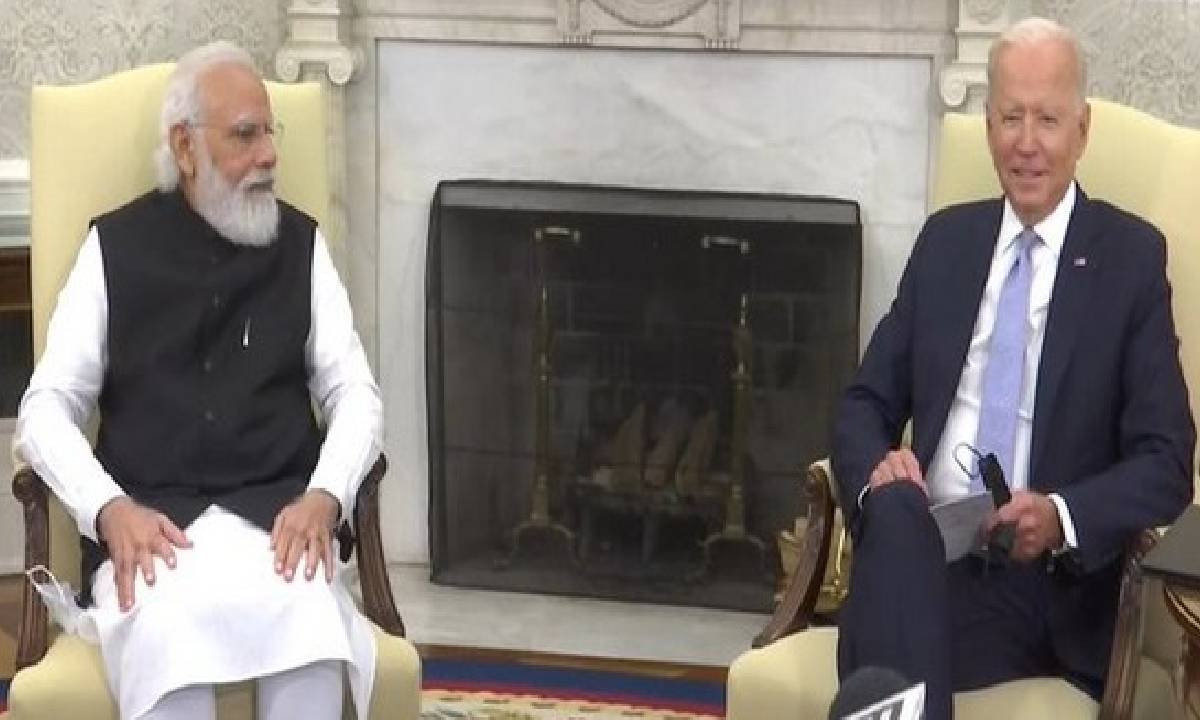
Prime Minister Narendra Modi and US President Joe Biden expressed satisfaction about the close cooperation between India and US in new groupings such as the Quad, I2U2 and reviewed India-US strategic partnership on the margins of G20 Summit in Bali on Tuesday.
Both sides discussed close cooperation in future-oriented sectors like critical and emerging technologies, advanced computing, and artificial intelligence, an official statement by Prime Minister’s office read.
The two leaders also exchanged dialogue on topical global and regional developments. As per the official statement, Prime Minister Narendra Modi thanked US President Joe Biden for his constant support for strengthening the India-US partnership and expressed confidence that both countries would continue to maintain close coordination during India’s G-20 Presidency.
Indonesia’s President will hand over G20 Presidency to India at the closing ceremony of the Bali summit. India will officially assume the G20 Presidency on December 1, 2022.
PM Modi will extend personal invitations to G20 members and other invitees at the G20 summit scheduled to be held in India in 2023.
The 17th edition of the G20 Summit will extensively focus on key issues of global concern under the theme of ‘Recover Together, Recover Stronger’.
Prime Minister Narendra Modi and US President Joe Biden on Tuesday also shared a warm hug as the G20 Summit began in Bali.
“PM @narendramodi and @POTUS @JoeBideninteract during the @g20org Summit in Bali. G20 working session on Food and Energy Security,” Prime Minister’s Office tweeted.
Earlier today, PM Modi was greeted by Indonesia’s President Joko Widodo at the venue. Upon his arrival in Bali on Sunday night, PM Modi received a traditional welcome.
“Grateful to the Indian community for the warm welcome in Bali!” the Prime Minister tweeted.
The police on Tuesday arrested two men who allegedly pelted stones on a BEST bus which was full of passengers in the Dahisar area of Mumbai.
The Dahisar Police registered a case under sections 353, 332, 336, 324, 323 and 427 of the Indian Penal Code, arrested two accused and started searching for the absconding accused.
The police said that the incident happened near Hotel Payal on Western Expressway in the Dahisar area of Mumbai around 9 pm on Monday night. The stones were pelted after the bus hit the car near the Dahisar toll booth.
“After the bust hit the car, some youths in that car called their other companions and started arguing with the bus driver, during which six to seven youths started pelting stones on the bus and a scuffle broke out between the bus driver, and youths,” said police.
Due to the stone pelting, the front glass of the bus was also broken and several passengers were injured.
“On getting information about the incident, Dahisar Police reached the spot, took two people in their possession, after registering a case against them and arrested them. The police are now also searching for the rest of the accused,” the police added.
The two accused were produced in the court where the court sent them to police custody till November 17.
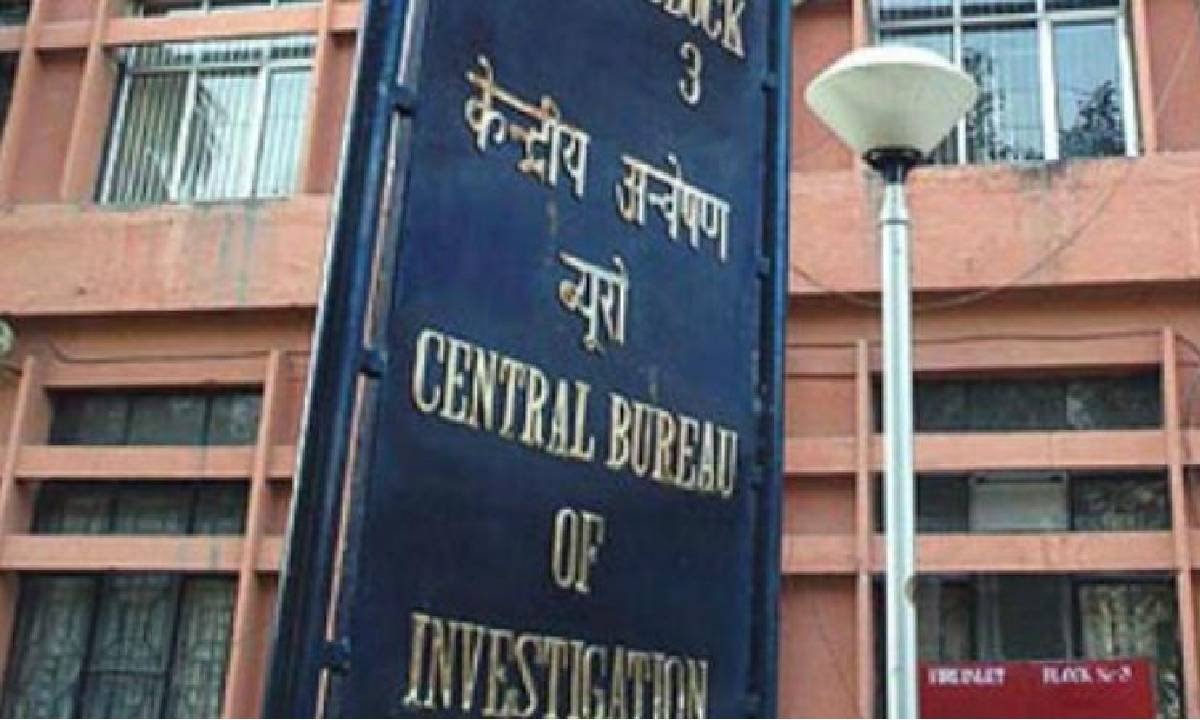
The Central Bureau of Investigation (CBI) has filed a supplementary chargesheet against the four accused arrested earlier in connection with the 1993 Mumbai serial bomb blast incident, and said that they hatched the conspiracy at the residence of underworld gangster Dawood Ibrahim.
These four accused, identified as Abu Bakar, Yusuf Bhatka, Shoib Qureshi alias Shoib Baba and Sayyad Qureshi, were arrested from Gujarat a few months back, and the CBI filed a supplementary chargesheet on Monday, 29 years after the serial blast incident.
All four persons were in the meeting at the residence of prime absconding accused, Dawood Ibrahim, in Mumbai where the conspiracy was hatched for 1993 blasts, the Central investigation agency said, while adding that these meetings occurred sometime in January February 1993.
The CBI said that investigation showed that three days after the March 1993 bombings, accused also went to Raigad District in Maharashtra to dispose of the remaining ammunition from the blasts on the instructions of another accused Mustafa Dossa.
“These accused also went to Pakistan to get training for operating arms and ammunition and throwing hand grenades,” the agency claimed.
As many as 257 people were killed and 700 others were injured in the 1993 serial bomb blasts in Mumbai.
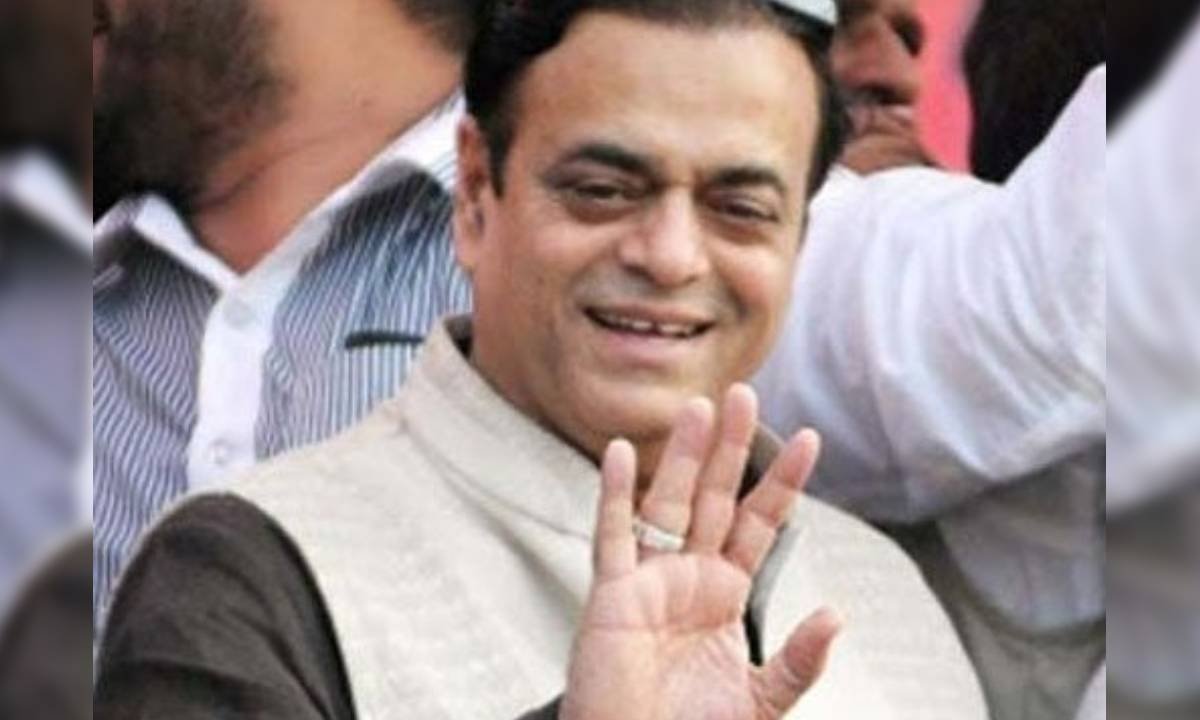
The Income Tax has raided over 30 locations linked to the close aides of Samajwadi Party Maharashtra MLA Abu Azmi on Tuesday as a part of a probe on tax evasion, said sources.
The raids were conducted in Varanasi, Kanpur, Lucknow, Mumbai and Kolkata.
The IT department conducted raids at the office of Abha Ganesh Gupta in Kamal Mansion, Colaba.
Abha Ganesh Gupta is the wife of the late Ganesh Gupta, who was Abu Azmi’s close aide and the Secretary of the Samajwadi Party in Maharashtra.
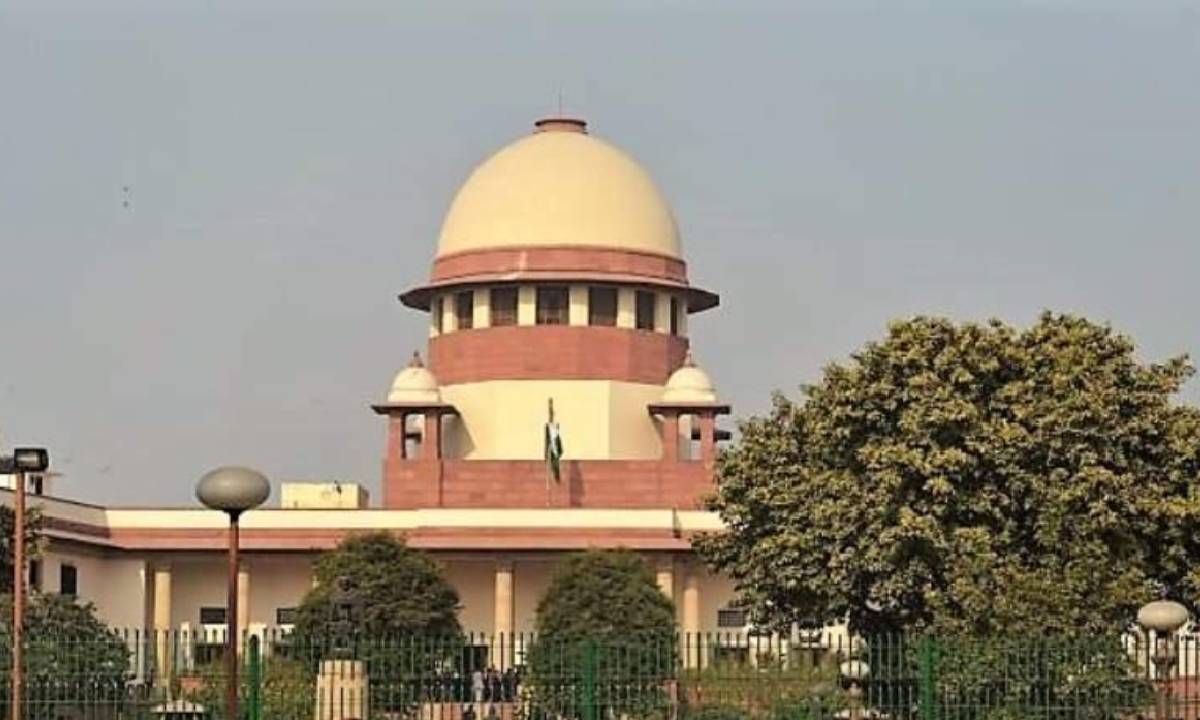
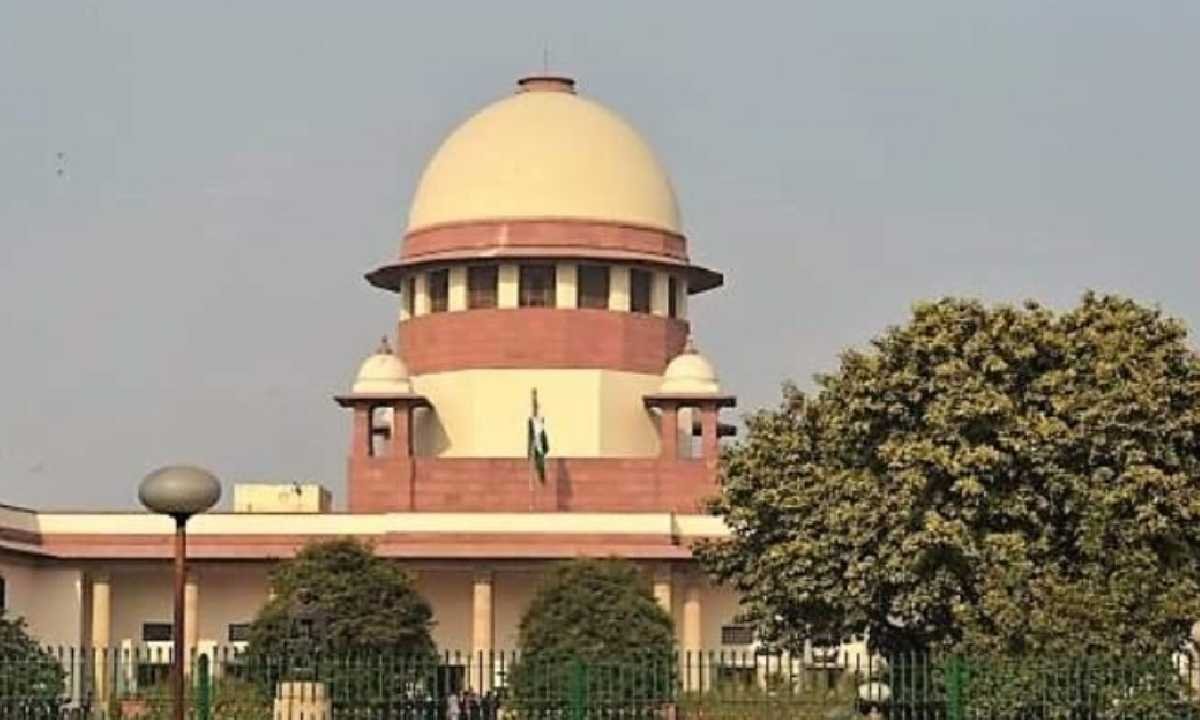
The Supreme Court on Tuesday reserved its order on the issue of whether reasonable restrictions can be imposed on the freedom of speech of public functionaries.
The Constitution Bench of the Supreme Court led by Justice Abdul Nazeer reserved the order after hearing the submissions of all parties.
Besides Justice Nazeer, other judges on the bench were justices BR Gavai, AS Bopanna, V Ramasubramanian, and BV Nagarathna.
The court was dealing with issues relating to the freedom of speech of public functionaries. The case involves whether a minister can claim the right to ‘freedom of speech and expression’ to speak contrary to the Central government’s statute and policy.
The Attorney-General of India, R Venkataramani, during the hearing, said that the questions framed in the matter tend to be abstract.
Advocate Kaleeswaram Raj, appearing for the petitioner, said, “In the matter of freedom of speech, the element of public functionaries has been lacking in any other similar case. Advocate Raj further said that to what extent can courts interfere if public functionaries make a hateful speech was never decided by any bench of the court.”
The court counter-questioned how they frame a code of conduct for public functionaries, as they would be encroaching into the powers of the legislature and the executive.
The petitioner in the matter had referred to the petition saying that being the father of the victim girl, he has been disillusioned about the fair investigation process in the state of Uttar Pradesh. The petitioner further said that because of various developments in the case and more so, concerning the public addresses made by one leader, he is quite lost about the investigation process.
The court is dealing with various issues whether the statements come within the ambit and sweep of freedom of speech and expression or exceed the boundary that is not permissible.
The other issue in this case being dealt with by the court is, whether comments (which are not meant for self-protection), defeat the concept of constitutional compassion and also the conception of constitutional sensitivity.
The Supreme Court, on the last hearing in the case on 28th of September, 2022, posted the hearing of pleas relating to the limits of the right to freedom of speech and expression for high public functionaries such as a Minister of a State for November 15.
A five-judge Constitution bench headed by Justice S Abdul Nazeer observed that restrictions on the Right to Freedom of Speech and Expression under Article 19(1)(a) of the Constitution of India, 1950, are to be determined on a case-to-case basis.
The case was filed after the then Uttar Pradesh Minister and senior Samajwadi Party leader Azam Khan made an alleged statement terming the Bulandshahr gang-rape case as a ‘political conspiracy and nothing else’ to defame the former Samajwadi Party government.
In April 2017 when the matter was referred to a five-judge Constitution bench, amicus Curiae had told the apex court that the ministers are bound by the constitutional mandate of collective responsibility and can’t speak contrary to government policy.
In December 2016, the apex court accepted Khan’s unconditional apology in connection with the Bulandshahr gang rape case.
The survivors had filed a petition before the apex court seeking action against Khan. The top court had asked if a functionary could make personal comments contrary to government policy on sensitive issues, causing distress.
The incident took place earlier on the intervening night of 29-30 July when a 35-year-old woman and her minor daughter were allegedly gang-raped by a group of robbers in Bulandshahr district when they were on their way from Noida to Shahjahanpur with the other family members when their vehicle was stopped near a cycle repairing shop in Dostpur village on NH-9, which connects Noida and Bulandshahr.
The Supreme Court on Tuesday cleared the hurdle for the release of activist Gautam Navlakha from Navi Mumbai’s Taloja prison, where he is lodged in the Elgar Parishad-Maoist link case, by waiving the requirement of a solvency certificate for availing the benefit of house arrest.
The top court had on November 10 allowed Navlakha to be placed under house arrest owing to his deteriorating health. It had said that to avail the facility of house arrest, Navlakha will provide local surety of Rs 2 lakh by November 14.
A bench of Justices K M Joseph and Hrishikesh Roy was on Tuesday informed by senior advocate Nitya Ramakrishnan and advocate Shadan Farasat, appearing for Navlakha, it will take a minimum of six weeks to secure solvency certificate in respect of surety to be provided as a precondition for house arrest of the activist.
“Considering the submission and the circumstances, we deem it appropriate to waive the requirement of a solvency certificate for the petitioner (Navlakha) to avail the benefit of our order dated November 10, 2022. It is ordered accordingly,” the bench said.
It said since other adequate security proofs such as passport, Aadhaar card and Permanent Account Number (PAN) card have been provided, the trial court should not insist on a ration card as an additional proof of identity for the benefit of the apex court’s order to take effect. “It is so ordered,” the bench said.
Noting the activist has been in custody since April 14, 2020 and prima facie there is no reason to reject his medical report, the apex court had on November 10 said Navlakha does not have any criminal background except for this case and even the Government of India had appointed him as an interlocutor to hold talks with Maoists.
Putting a number of conditions, including a deposit of Rs 2.4 lakh as expenses towards providing him security, the top court had said the order to place the 70-year-old activist under house arrest for a month in Mumbai should be implemented within 48 hours. “It is not in dispute that apart from this case, the petitioner does not have any criminal background at all. The petitioner has also the case that in the year 2011, the services of the petitioner was used by the Government of India as an interlocutor to mediate with the extremists for securing the release of security personnel kidnapped by Maoists,” it had said.
“We would think on a conspectus of the facts that we should allow the petitioner to be placed under house arrest at least to begin with till the next date of hearing from the date on which he is actually placed on house arrest,” the top court had said.
The apex court had posted the matter for hearing on December 13. The activist appealed to the apex court against the April 26 order of the Bombay High Court dismissing his plea for house arrest over apprehensions of lack of adequate medical and other basic facilities in Taloja jail near Mumbai.
The case relates to alleged inflammatory speeches made at the Elgar Parishad conclave held in Pune on December 31, 2017 which the police claim triggered violence the next day near the Koregaon-Bhima war memorial on the outskirts of the western Maharashtra city.
A feud between two groups over a bullock cart race resulted in a shootout in Ambernath of Maharashtra’s Thane district on Sunday, police said.
According to the police, no one was hurt in the incident that occurred in the MIDC area of Ambernath in the evening.
As per a preliminary probe, the problem arose over a bullock cart race being held at a village in Ambernath, where two rival groups clashed, an official said.
Members of the two groups later opened fire at each other, but no one was injured, he said, adding that the police were in the process of registering an offence.
Shraddha murder case: Aaftab's family shifted to Mumbai from Vasai 15 days ago; he helped them move 8
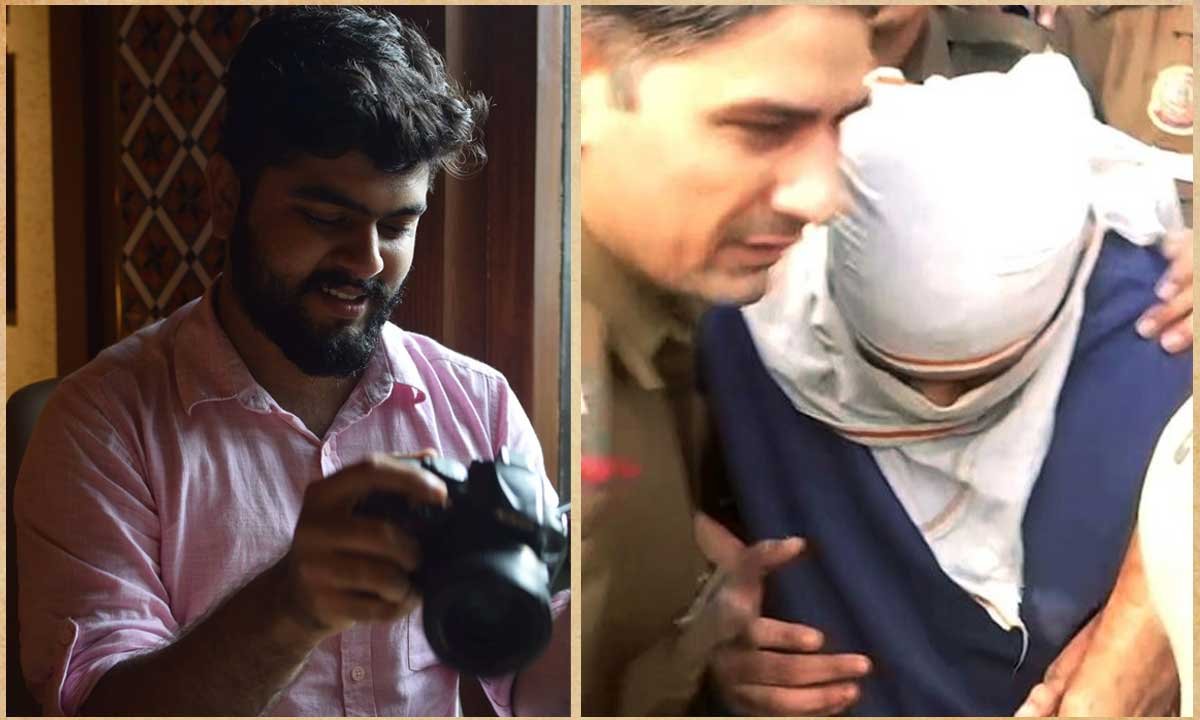
Aaftab Amin Poonawala, accused of brutally killing his live-in partner in Delhi, had visited the housing society in Vasai in the Palghar district of Maharashtra a fortnight ago to help his family members shift to Mumbai, a society member said on Tuesday.
Aaftab, 28, was arrested on Saturday by Delhi Police for allegedly strangling his live-in partner Shraddha Walkar. He sawed her body into 35 pieces which he kept in a 300-litre fridge for almost three weeks at his residence in South Delhi’s Mehrauli before dumping them across the city over several days, police said on Monday.
”Aaftab Poonawala had visited Unique Park Housing Society in Vasai around 15 days back to help his family members who shifted from the society to Mumbai,” the housing society member said. The society member recalled that Aaftab spoke normally during his visit.
”No one can even think that he had committed such a heinous crime,” he said. He said the Poonawalas own a flat in the society and lived there for 20 years before shifting. Nobody ever complained about them. ”When we asked them the reason behind shifting, Aaftab’s father told us that his son got a job in Mumbai and his company will pay rent. They also spoke about inconvenience (about shuttling between Mumbai and Vasai, which is in Palghar district and part of the Mumbai Metropolitan Region),” he said.
The housing society’s secretary Abdullah Khan, who lives on the third floor of the wing where the Poonawalas have a flat, said Aaftab and his family members behaved nicely to other residents.
”Around 15 days back they vacated the flat and rented it out. They shifted somewhere near Mumbai. Aaftab told me that he was staying in Delhi. I didn’t notice any change in his behaviour. We are shocked to know about the crime,” he added. The crime triggered a huge outrage.
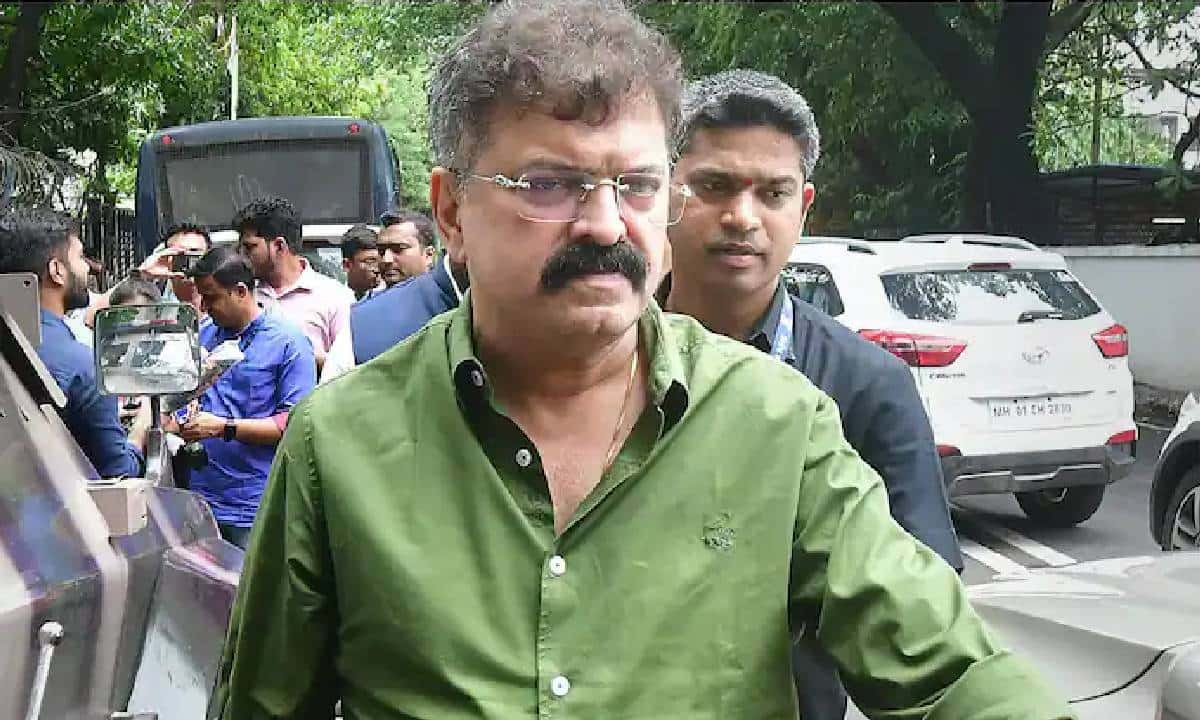
The Thane court on Tuesday granted bail to Nationalist Congress Party (NCP) MLA and Former Minister Jitendra Awhad on a bond of Rs 15,000 against the accusations of touching a woman with the wrong intention. On Monday, Awhad filed an anticipatory bail plea in Thane court to avoid arrest in the matter.
The case pertains to a woman alleging that MLA Awhad had touched her with the wrong intention when the new bridge was being inaugurated in Mumbra. Earlier, Awhad alleged that the police had registered false cases against him and that he would fight against “police brutality” and has decided to resign as an MLA.
“Police registered two false cases against me in 72 hours. I will fight against police brutality. I am deciding to resign from the post of MLA. We can’t witness the murder of democracy,” Awhad said. Based on the complaint of the women, an FIR was registered against Awhad under section 354 of the Indian Penal Code (IPC).
“We have received the complaint and a case has been registered. The matter is being seriously investigated,” the police said. According to the complainant on November 13, the work on the bridge was going on for a long time to solve the traffic problem in Mumbra. The bridge was to be inaugurated after the construction was completed. Chief Minister Eknath Shinde had come to participate in this programme. During the inauguration, MLA Awhad touched her.
The victim woman alleged that MLA Jitendra Awhad touched her when she was going to meet the Chief Minister. Following the registration of the FIR, the NCP workers created a ruckus at the Mumbra police station and burnt tyres.
PM Modi, US President Biden review India-US ties during their meeting in Bali 11
Prime Minister Narendra Modi and US President Joe Biden on Tuesday reviewed the state of India-US strategic partnership including in sectors like critical and emerging technologies and artificial intelligence.
It is understood that Modi and Biden also touched upon the Ukraine conflict and its implications in their meeting that took place on the margins of the G-20 summit in this Indonesian city.
In its readout, the Ministry of External Affairs (MEA) only said that the two leaders also discussed ”topical global and regional developments” in the meeting.
”Prime Minister Narendra Modi met President of USA, Joseph R Biden on the margins of G-20 Leaders’ Summit in Bali today,” the MEA said.
”They reviewed the continuing deepening of India – US strategic partnership including cooperation in future-oriented sectors like critical and emerging technologies, advanced computing, artificial intelligence, etc,” it said in a statement.
The MEA said Prime Minister Modi thanked President Biden for his ”constant support” for strengthening the India-US partnership.
”He expressed confidence that both countries would continue to maintain close coordination during India’s G-20 Presidency,” it said.
The MEA said the two leaders expressed satisfaction about the close cooperation between India and US in new groupings such as Quad and I2U2.
While the Quad comprises India, the US, Australia and Japan, the members of the I2U2 are India, Israel, the US and the United Arab Emirates.
An MEA spokesperson Arindam Bagchi described the conversation as a ”useful exchange”.
”A useful exchange between PM @narendramodi & @POTUS @JoeBiden on sidelines of G20 Bali Summit. Leaders appreciated the continuing deepening of the India-US Strategic Partnership & close cooperation in groups like Quad, I2U2, etc.
Agreed to maintain close coordination during #G20India,” he tweeted.
Modi and Biden held the conversation days after External Affairs Minister S Jaishankar met US Secretary of State Antony Blinken on the sidelines of the ASEAN-India Summit in the Cambodian capital of Phnom Penh last week.
Jaishankar and Blinken discussed a range of issues including bilateral ties, the Ukraine conflict and the situation in the Indo-Pacific among others.
Since the Ukraine conflict began in February, Prime Minister Modi spoke to Russian President Putin as well as Ukrainian President Volodymyr Zelenskyy a number of times.
In a phone conversation with Zelenskyy on October 4, Modi said that there can be ”no military solution” and that India is ready to contribute to any peace efforts.
In his meeting with Russian President Vladimir Putin in the Uzbek city of Samarkand in September, Modi conveyed to him that ”today’s era is not of war”.
India has not yet condemned the Russian invasion of Ukraine and it has been maintaining that the crisis must be resolved through diplomacy and dialogue.