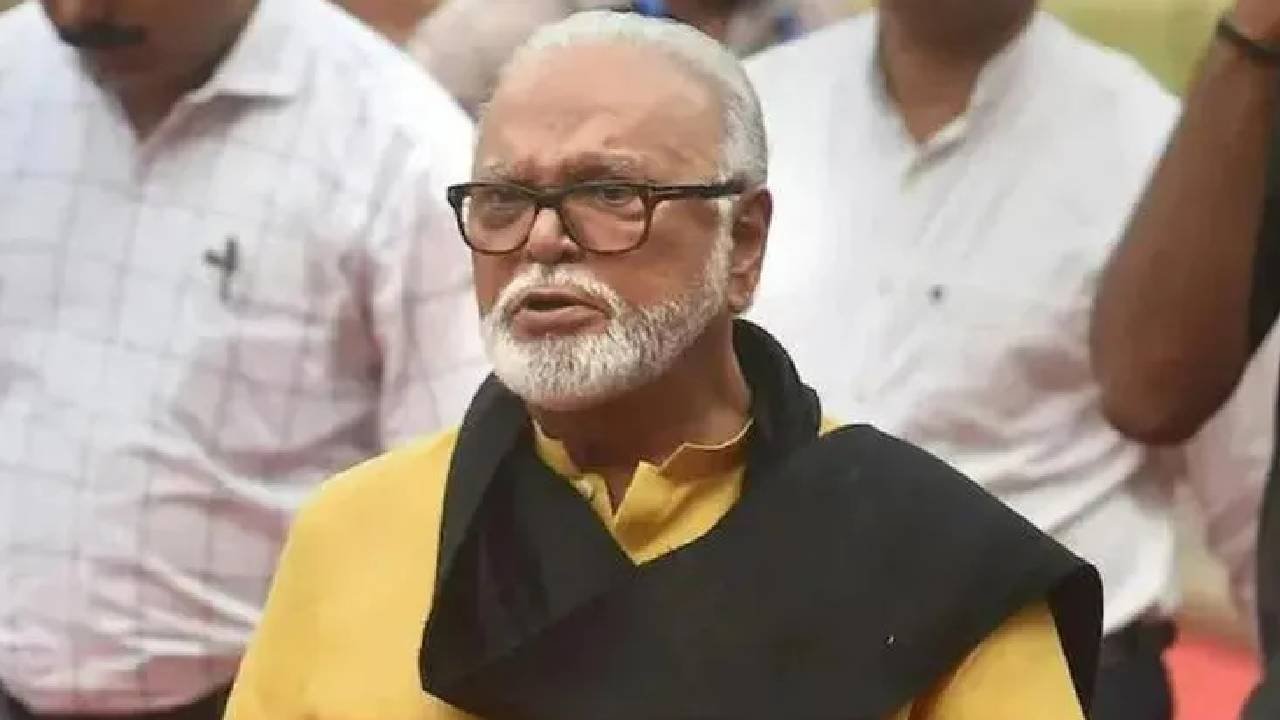
Mumbai police have registered a case against former Maharashtra minister Chhagan Bhujbal and two others on the charge of threatening to kill a man, who had forwarded videos to the senior NCP leader in which the latter allegedly spoke against Hindu religion, an official said.
The First Information Report (FIR) in this connection was registered at Chembur police station late Friday night, he said.
“Based on the complaint filed by the man, an offence under Indian Penal Code (IPC) section 506 (2) (criminal intimidation) and 34 (common intention) was registered against Bhujbal and two others,” the official said on Saturday.
“The complainant said that he was threatened for forwarding two videos to Bhujbal, in which the latter allegedly spoke against Hindu religion,” he added.
The case is being investigated by unit -6 of the Mumbai crime branch, the official said.
Bhujbal, who belongs to the Nationalist Congress Party (NCP), currently represents the Yeola Assembly constituency in Nashik district. He had earlier served as the deputy chief minister of the state.
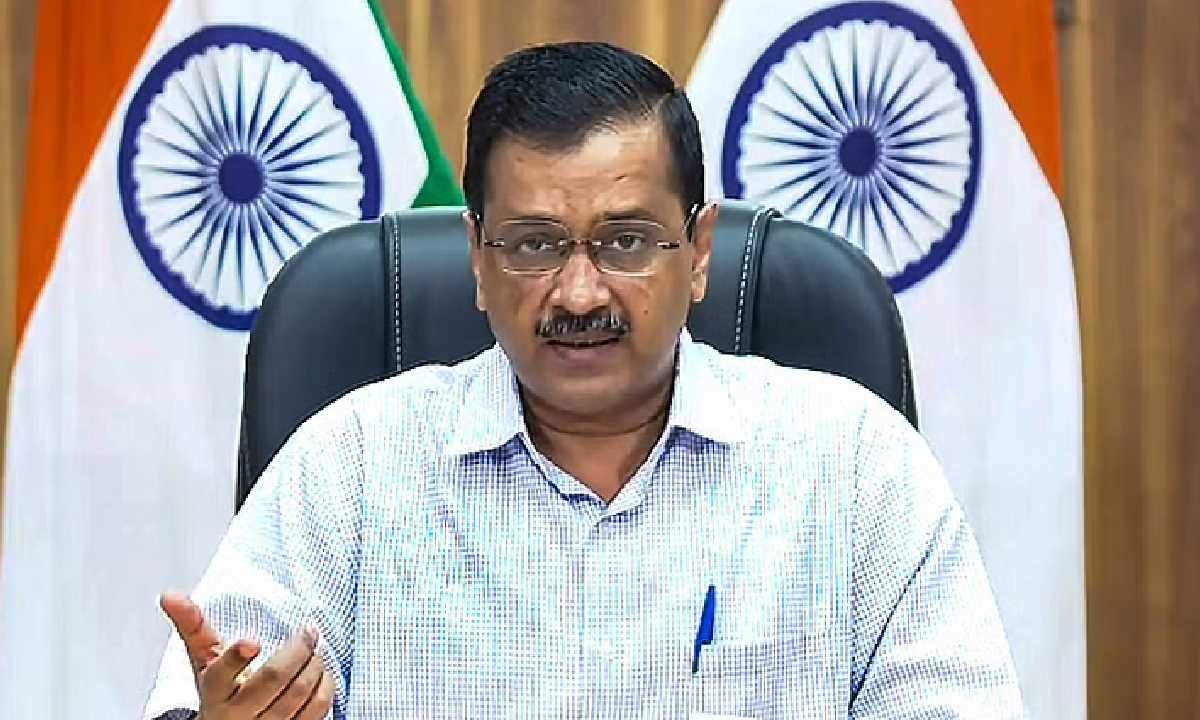
Delhi Chief Minister and Aam Aadmi Party’s (AAP) national convener Arvind Kejriwal and Punjab Chief Minister Bhagwant Mann will be on a two-day visit to poll-bound Gujarat from Saturday, where they will jointly address four public meetings.
On Saturday, Kejriwal and Mann will address public meetings at Gandhidham in Kutch district and Joshipura in Junagadh district.
On the second day of their visit on October 2, they will address public meetings in Surendranagar city and Khedbrahma town, AAP’s Gujarat general secretary Manoj Sorathiya said.
Delhi Deputy Chief Minister Manish Sisodia and AAP’s Rajya Sabha member and co-incharge for Gujarat Raghav Chadha will also be in Gujarat during these two days, a party functionary said. “Sisodia and Chadha are also coming to Ahmedabad for some important meetings and rallies.
Kejriwal will also hold a meeting with party leaders and workers during his visit,” Sorathiya said. Assembly elections in the Bharatiya Janata Party (BJP)-ruled Gujarat will be held by the end of this year.
Thane district of Maharashtra has reported 45 new coronavirus positive cases, taking the infection tally to 7,45,049, a health official said on Saturday.
These cases were reported on Friday, and there are now 340 active cases in the district, he said.
As nobody succumbed to the infection during the day, Thane’s death toll remained unchanged at 11,962, the official said, adding that recovery count has gone up to 7,33,470.
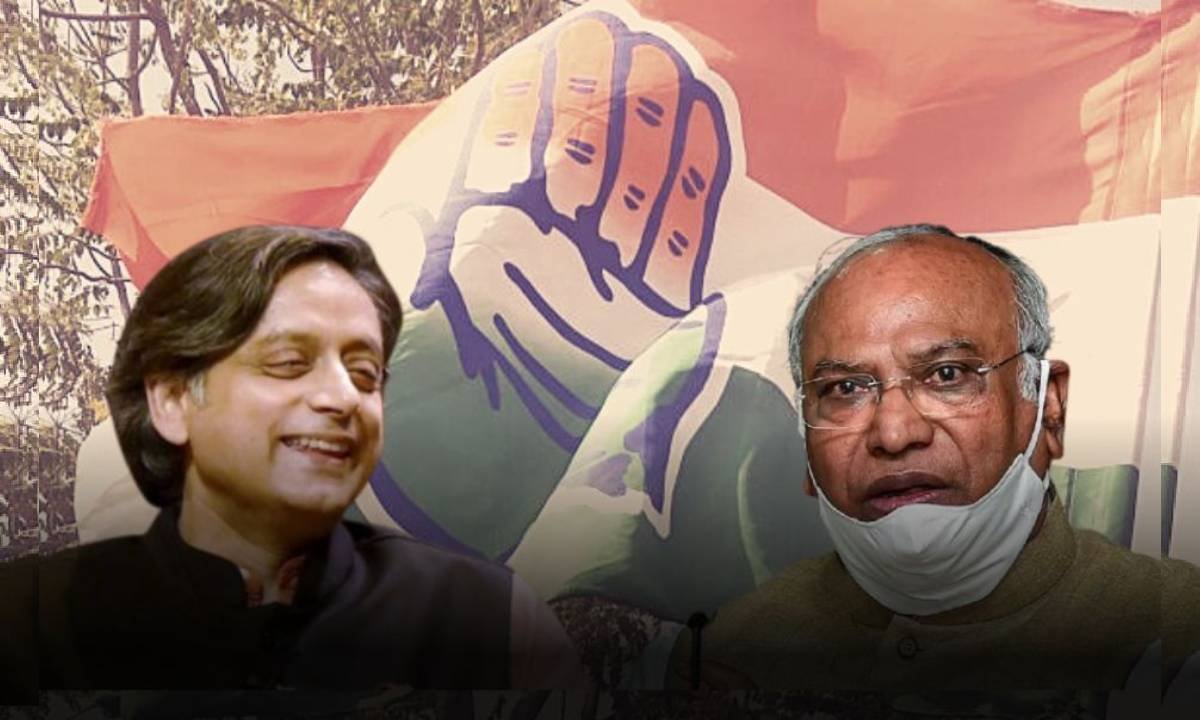
Mallikarjun Kharge is the Gandhi’s choice or Congress president post 5
This is the first Congress president election in more than 20 years with non-Gandhis in the contest. The Gandhis have refused to contest making way for other senior leaders to head the party. Mallikarjun Kharge has entered the race for Congress president as the choice of the Gandhis. Veteran leader Digvijaya Singh has opted out, leaving Shashi Tharoor as the only other candidate.
Mr Kharge is likely to resign as Leader of Opposition in Rajya Sabha in line with the Congress’s “one person, one post”. Tharoor and Kharge filed their nomination. Digvijaya Singh, who collected his nomination papers yesterday, dropped out of the contest after meeting with Kharge. After a late-night meeting, Congress veteran KC Venugopal conveyed to Kharge that the leadership wanted him to contest, despite the Gandhis saying they would remain neutral.
Former Haryana Chief Minister Bhupinder Singh Hooda, a key member of the “G-23” group of dissenters who had shot off an explosive letter to Sonia Gandhi in 2020 demanding organisational changes, has backed Kharge for the top post. Rajasthan Chief Minister Ashok Gehlot bowed out of the race after apologizing to Sonia Gandhi for the Rajasthan revolt by MLAs loyal to him. Gehlot was seen as the first choice of the Gandhis for the top post until his chances were damaged by the rebellion by his loyalists who said they would not accept Sachin Pilot, who had rebelled against him in 2020, as his replacement as the Chief Minister.
Kharge is one of the most experienced persons in the Congress and he is a Dalit leader too. Most importantly he was a staunch loyalist of Gandhi.
Veteran Leader Hussain Dalwai stated, “all the Candidates have ability to lead the organization. First time a Dalit Politician like Mallikarjun Kharge contesting in Presidential election. It will be nice to see If he will elect for the Presidential post.”
Senior Leader Ratnakar Mahajan Told us, “Shashi Tharoor and Mallikarjun Kharge Both have Same capabilities and experience despite of age difference. Voting members will decide the next president on his caliber.”
President of Mumbai Congress Bhai Jagtap Said, “Congress believes in democracy, and I think it would be great to see someone other than those who belong to the Gandhi family become the president of Congress.”
MP Bhalchandra Munagekar told to Afternoon Voice, “I very Much appreciate that after a period of about two decades a democratic presidential election for the congress president is being held and there appear to be three candidates for this election for the post of the president. I also appreciate the magnanimity of the present congress president Smt. Soniya Gandhi. I wish all the success to those candidates and in the event of anyone being chosen for the top post of the congress.”
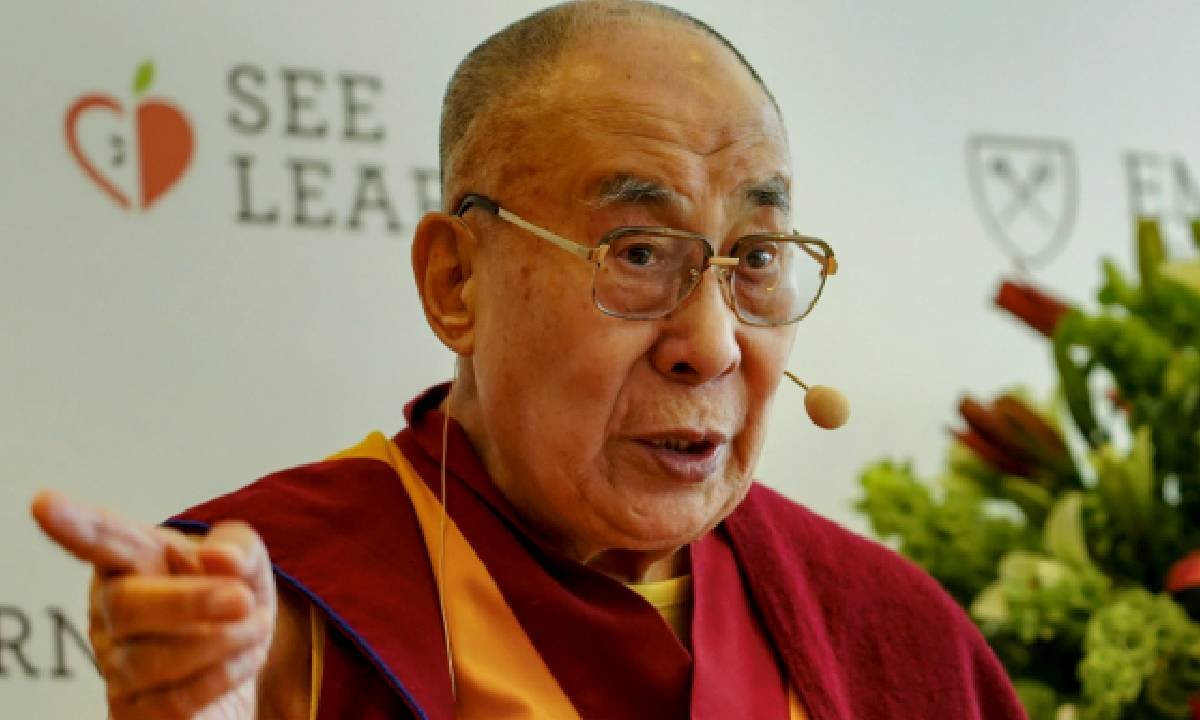
Tibetan spiritual leader Dalai Lama indicated that he will live 16 years more and then will announce that he will not reincarnate to save Tibetan Buddhism from China’s attempt to control the reincarnations.
China has come up with various plans, ploys and tactics to claim that Beijing has the sole authority to choose the next incarnation of Tibetan spiritual and one of the main consequences of the Chinese attempts is that the Dalai Lama has been perceived several times as indicating that he will not reincarnate any longer, according to Bitter Winter, published by Centre for Studies on New Religions.
As early as 2011, 14th Dalai Lama, Tenzin Gyatso openly stated that the question of his reincarnation, which is voluntary, was under consideration.
According to the publication, not announcing the next reincarnation is one of the ways to save Tibetan religious identity from the Chinese Communist Party.
As long as the CCP controls reincarnations, the only way for the Dalai Lama to prevent the Chinese from installing a Dalai Lama of their own may be to announce that he will not reincarnate.
Recently, the Central Tibetan Administration (CTA) Kashag (Cabinet) promulgated a firm stand on the 14th Dalai Lama.
The Kashag of the CTA declared its firm stand in prophecy as well as the Dalai Lama’s constant assurance to live up to 113 years while rejecting any sort of interference from any party who doesn’t believe in rebirth, stating, “Reincarnation of lama/tulku is a unique religious system of Tibetan Buddhism requiring someone to substantially believe in past and future lives.”
Kashag also reiterated the Dalai Lama’s personal authority in taking the complete decision about His Holiness’ reincarnation as per the successive instructions of His Holiness since 1969, and the announcement circulated on 24 September 2011.
The Communist Party of China frequently propagates distorted narrations about Tibet’s reincarnation system, especially about the reincarnation of the 14th Dalai Lama, to Tibetans in Tibet through workshops, conferences and public speeches, reported CTA.
The issue of Dalai Lama’s reincarnation has widely conversed globally with uncertainties and apprehensions, to which the Kashag deems necessary to promulgate its firm stand on the issue.
Moreover, since the Chinese government’s introduction of “Management Measures for the Reincarnation of Living Buddhas in Tibetan Buddhism” in 2007, the Communist Party of China has consistently misused its authority the recognition of reincarnations, reported CTA.
The publication reported that Dalai Lama is a living Buddha and incarnation of Avalokitesvara, the Bodhisattva of compassion.
He is the highest spiritual authority of the chief branch of the Gelug school of Tibetan Buddhism. He is recognized as the moral and political leader of the Tibetan people also by the majority of the other schools of Tibetan Buddhism, and by non-Buddhist Tibetans as well, reported Bitter Winter.
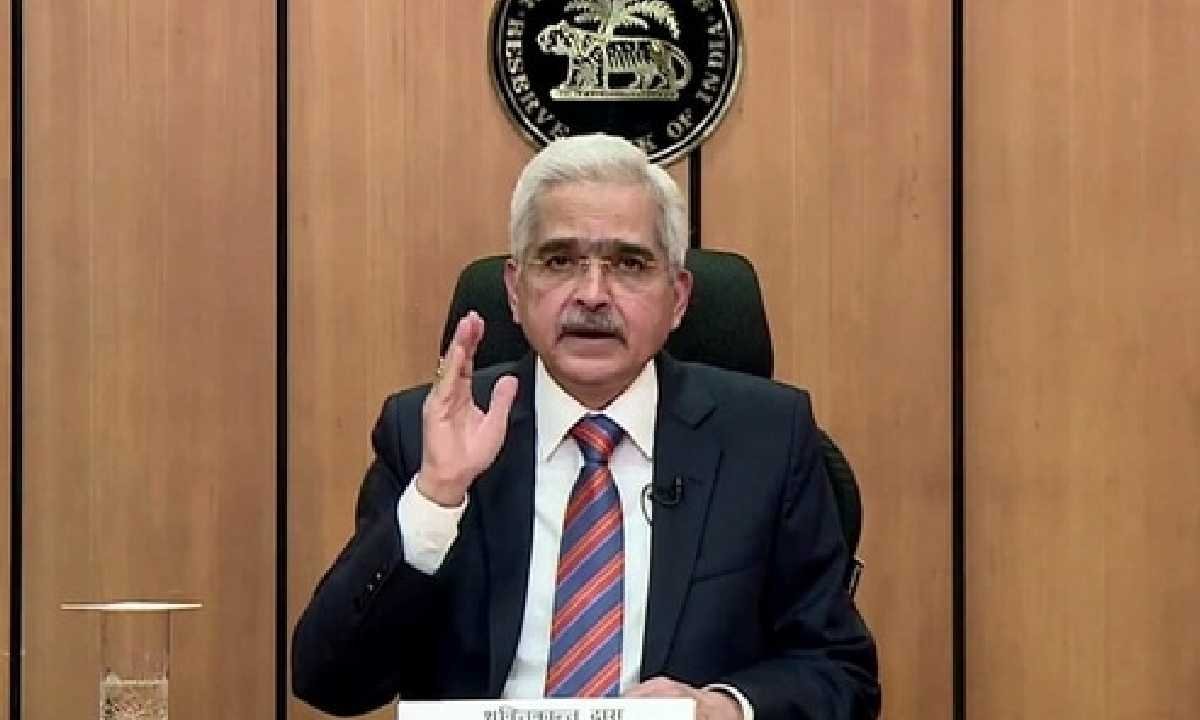
The world is in the eye of a new storm but the domestic economy is resilient, is how governor Shaktikanta Das opened his post-policy presser this afternoon, listing the third shock facing the global economy after the pandemic and Ukraine war.
Earlier in the day, the RBI-led monetary policy committee delivered the third straight 50-bps repo rate hike, taking the overall increase in the federal fund rates by 190 bps to 5.90 per cent – the highest since April 2019 and going by all indications, they aren’t done yet as inflation remains much above its tolerance level for the eighth month on the trot.
Yet, earlier in the day, the MPC-RBI lowered the growth forecast for the second time to 7 per cent — down from 7.8 per cent in April and 7.2 per cent in August. “In the last two and a half years, the world has witnessed two major shocks-– the Covid-19 pandemic and the conflict in Ukraine.
These shocks have produced profound impact on the global economy. As if that was not enough, now we are in the midst of a third major shock –a storm –arising from aggressive monetary policy actions and even more aggressive communication from advanced economy central banks like the US Fed,” Das said in his policy address.
While the necessity of such actions is driven by their domestic considerations, in a highly integrated global financial system, they inevitably cause negative externalities through global spillovers and we in the emerging markets will have to suffer the consequences, Das said, adding, however, “we aren’t blaming them for what they are reacting to their domestic imperatives and we will have to deal with the spillovers.”
Noting that the recent sharp rate hikes and forward guidance for more hikes have tightened financial conditions, extreme volatility and risk aversion, he said all segments of the financial market including equity, bond and currencies are in turmoil across the globe.
There is nervousness in financial markets with potential consequences for the real economy and financial stability. “The global economy is in the eye of a new storm,” Das reiterated.
However, the governor sounded sanguine about the domestic economy, despite at a more cautious level saying “amidst this unsettling global environment, our economy continues to be resilient. There is macroeconomic stability our financial system remains intact, with improved performance parameters. We have withstood the shocks from the pandemic and the Ukraine conflict”. Das said when currencies are in a free fall, imported inflation is an inevitable eventuality and the world is facing the same thing now and our forward guidance on prices factors in this aspect.
The third shock has been accentuated by the advanced economy central banks steeply hiking rates and making forward guidance of sharper hikes which have already roiled the global financial markets creating excessive volatility in global currency markets.
Despite that optimism, the RBI lowered its GDP forecast to 7 per cent for the current fiscal (from 7.2 per cent in June and 7.8 per cent in April) citing global headwinds arising from the lingering Ukraine war the aggressive monetary policy tightening globally forced by multi-decade high inflation across the Western world.
On how confident the central bank is seeing the economy printing in at 7 per cent, deputy governor Michael Patra said barring the Q1 negative surprise, we believe in the latest NSO numbers/projections. “We also see all the high-frequency indicators are gaining traction and we hope to see the economy maintaining the present momentum into the second half.”
On the economy, he said while real GDP growth in Q1 turned out to be lower than our expectations of 15.6 per cent against 13.5 per cent, the late recovery in Kharif sowing, the comfortable reservoir levels, improvement in capacity utilisation, buoyant bank credit expansion (16.5 per cent at the latest reading) and government’s continued thrust on capex are expected to support aggregate demand and output in H2.
Allaying fears of any tight liquidity conditions and assuring of adequate liquidity, Das said as the economy enters the bust credit season, the RBI will continue to fine-tune liquidity in both directions. “Liquidity is not tight at all. Net LAF continues to be in surplus for more than the past two years to the tune of around Rs 5 lakh crore, except for two-three primary dealers, when their standing LAF had a crisis. But let me assure you there should not be any worry about tight liquidity.We will continue to keep the system liquid enough,” Das said.
His deputy Patra joined in saying banks are holding excess CRR and SLR and they continue to draw from them as credit demand is higher than deposit mobilisation.
Also, there is a temporary move of liquidity from the system and has moved into a different basket because of high GST and direct tax collections in September.
Also, from the second quarter onwards and through the second half, the Centre and states normally spend much higher. “We expect liquidity to normalize in October itself as the present tightness is due to balance sheet adjustments by corporates,” Patra said.
Tightening Initial Public Offering (IPO) norms, capital markets regulator Sebi on Friday cleared the proposal mandating the issuers to disclose the offer price based on past transactions and fund raising activities.
In addition, the board of Sebi approved a proposal introducing an alternative mechanism by permitting “pre-filing” of offer documents for companies contemplating IPOs.
Under this, an issuer should make “pre-filing” of offer documents with Sebi and stock exchanges without making it available to the public for an initial scrutiny period only.
“Pre-filing mechanism allows issuers to carry out limited interaction without having to make any sensitive information public. Further the document which incorporates Sebi’s initial observations would be available to investors for a period of at least 21 days, thereby, assisting them better in their investment decision making process,” the regulator said in a press release after its board meeting.
The existing mechanism of processing offer documents should continue in addition to this alternative mechanism of pre-filing. “The board approved the proposal to mandate the issuers coming out with IPO, to make disclosure of Key Performance Indicators (KPIs) and price per share of issuer based on past transactions and past fundraising done by the issuer from the investors under ‘Basis for Issue Price’ section of the offer document, and in Price Band Advertisement,” Sebi said.
Presently, issuer companies, in addition to the audited financial numbers, also disclose their key numbers on various key performance indicators in different sections of Draft Red Herring Prospectus (DRHP) which are not covered in the financial statements in the offer documents.
The move came against the backdrop of many new-age companies, that do not have a track record of having an operating profit at least in the preceding three years, tapping the IPO route to raise funds. Such firms generally remain loss-making for a longer period before achieving break-even as they opt for ways to gain scale of operations rather than profits in the initial years.
“Issuer shall disclose details of pricing of shares based on past transactions and past fund raising from investors by the issuer prior to IPO,” Sebi said in its board meeting.
Such companies should make disclosures about their valuations based on issuance of new shares and based on secondary sale of shares, during the 18 months period prior to IPO.
In case there are no such transactions during the 18 months period prior to IPO, then information should be disclosed for price per share of Issuer Company based on the last five primary or secondary transactions, not older than three years prior to IPO.
Also, companies need to disclose Weighted Average Cost of Acquisition (WACA) based on primary/ secondary transaction(s) and IPO floor price and cap price being these many times the WACA in the offer document and in the price band advertisement.
In addition, the committee of independent directors should recommend that the the price band is justified based on quantitative factors and KPIs vis-à-vis the WACA of primary issuance or secondary transaction(s).
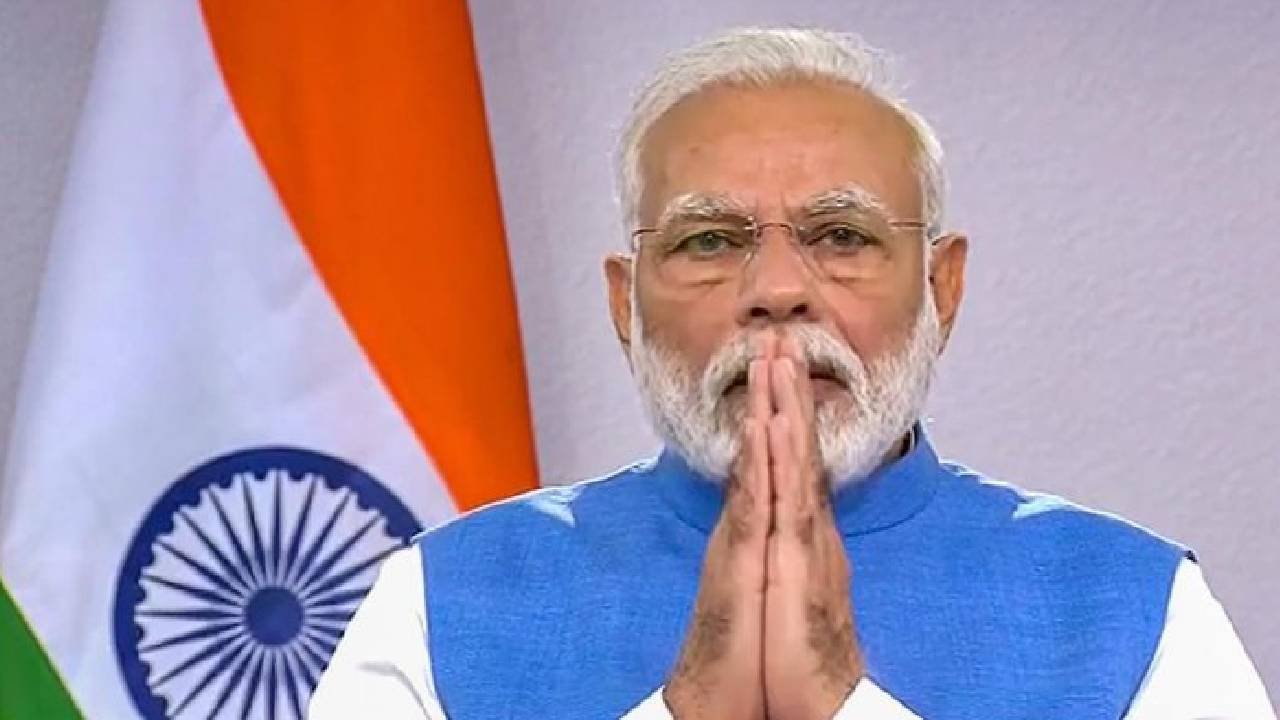
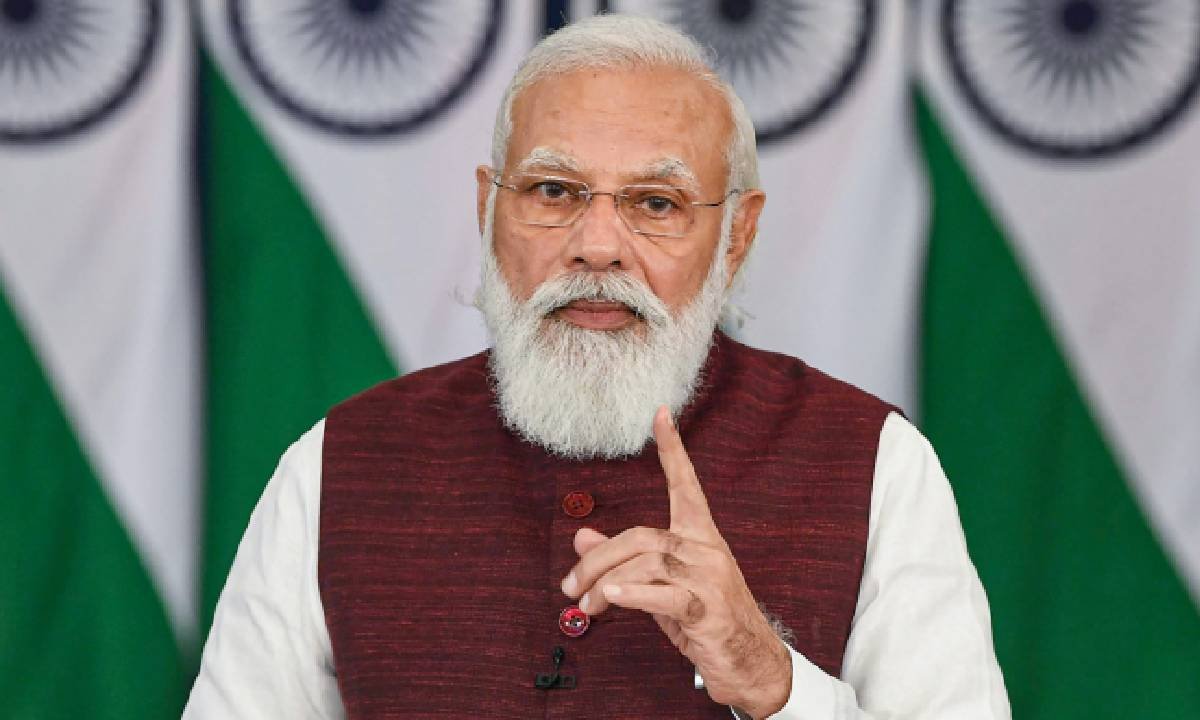
Prime Minister Narendra Modi on Friday extended the free ration scheme to the general masses and said that the move will help over 80 crore people. His remarks came after he laid the foundation stone of multiple projects in Ambaji, Gujarat, today.
“To help my sisters during this festive season, the government has extended its free ration scheme. The center is spending about Rs 4 lakh crore to provide relief to more than 80 crore people of the country in difficult times,” said PM Modi.
He also stressed the building of houses for the poor and said, “So far, we have built more than 3 crore houses in the country and given them to the poor. Most of these houses are owned by mothers and sisters.”
Calling it an auspicious time to visit his home state, he noted, “Fortunate to be in Ambaji during Navratri. Projects being launched here will have a transformational impact on the region.”
He also highlighted that the picture of the northwestern region has changed. “The picture of Banaskantha has changed due to the continuous efforts of the last two decades. Neer, Sujalam-Sufalam and Drip Irrigation of Narmada have played a big role in changing the situation. In this, the role of sisters has been leading,” he added.
He also cited that the concept of respecting women was embedded in the Indian culture. “When we talk about respect for women, it seems very easy for us. But when we think about it seriously, we find how much respect for women is embedded in our culture. We also see our country India as a mother, and consider ourselves the children of Mother Bharati,” said PM Modi.
Prime Minister Narendra Modi on Friday laid the foundation stone and dedicated various projects worth over Rs 7,200 crore in Ambaji. Thousands of people thronged the event and cheered as PM Modi digitally pressed the launch.
The programmes in Ambaji included laying the foundation stone of over 45,000 houses built under the PM Awas Yojana.
Prime Minister Modi will also lay the foundation stone of Taranga Hill – Ambaji – Abu Road New Broad Gauge Line and development of pilgrimage facilities at Ambaji temple under the PRASAD scheme.
The new rail line is expected to benefit lakhs of devotees visiting Ambaji, one of the 51 Shakti Peethas and will enrich the worship experience of the devotees at all these pilgrimage places.
Other projects whose foundation stone will be laid include the construction of the runway and associated infrastructure at Air Force Station, Deesa; Ambaji Bypass Road among others.
Earlier, zeal and fervor echoed in the streets of Ambaji in Gujarat when Prime Minister Narendra Modi held a roadshow on Friday. Thousands of people thronged the area as they raised slogans.
PM Modi’s convoy was welcomed with flower petals being showered on his car while the security detail was seen clearing out the pieces and way.
Earlier in the day, Prime Minister Narendra Modi’s convoy made way for an ambulance. The car trails stopped in alignment on one side of the road for an easy passage of the ambulance as the convoy was on its way to Gandhinagar from Ahmedabad.
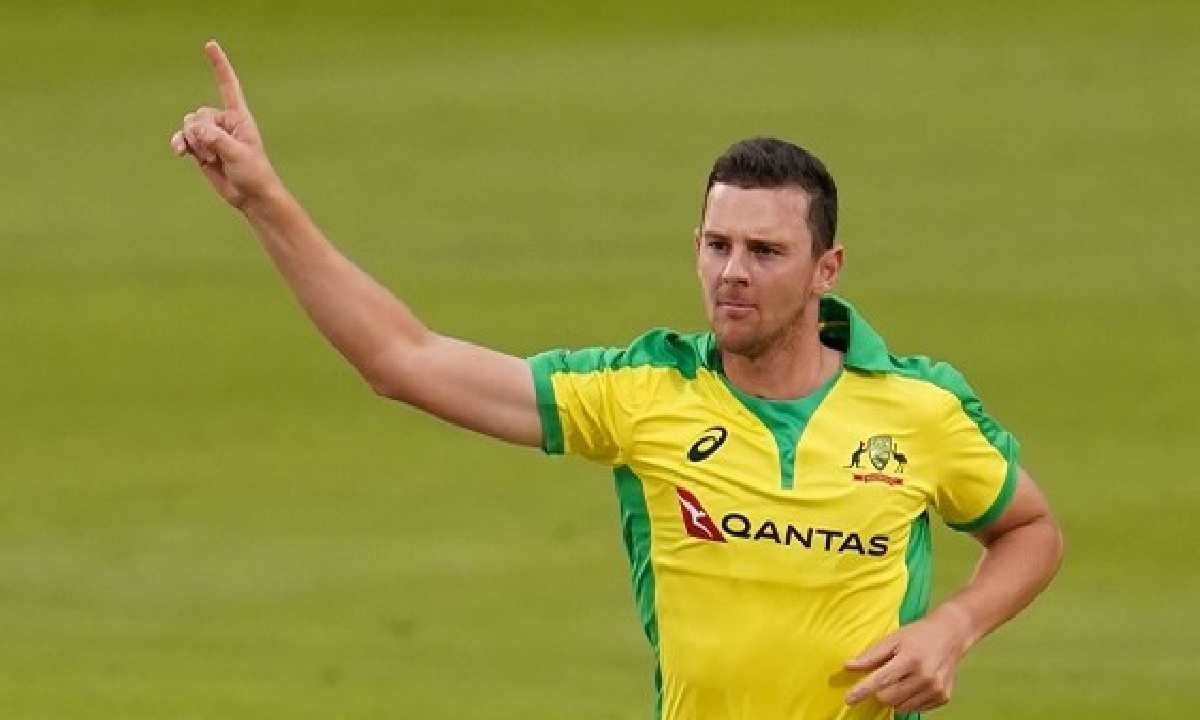
Josh Hazlewood, Cricketer, T20 World Cup 20 | Image: ANI
The world’s number one T20I bowler Josh Hazlewood is confident that bowlers will play a crucial role in the forthcoming T20 World Cup and the teams will not be utterly dependent on the power hitters.
The 2022 T20 World Cup will be played in Australia this year in October with the tournament to start on October 16.
The Australian team won the last T20 World Cup and will look to defend its title on home soil. This will be Australia’s maiden chance at hosting the T20 World Cup. The tournament will be played across seven venues. “Think T20 in Australia, it’s probably a little bit better for the bowlers in a lot of regards. The outfields are bigger, the wickets have a bit more pace, you can use those boundaries to your advantage,” said Hazlewood as quoted by ESPN
Australia is in the middle of the table with a run rate of 8.22 in domestic T20 games played over the past two years, which provides a far larger sample than T20Is. During the Super 12s stage, Australia visits five different locations, therefore each opponent they face will require them to adjust to a different playing surface.
Over the last two seasons, T20Is have only been played in Sydney, Melbourne, and Canberra due to pandemic border limitations, with Canberra not hosting World Cup matches.
The health of Australia’s death bowling has come under some scrutiny, but in T20Is this year, with an economy rate of 9.85, they compare favourably to the other World Cup participants.
While Mitchell Starc was rested for the India tour, a number of options were employed in the final overs against India, despite the fact that three of them Cameron Green, Daniel Sams, and Nathan Ellis are not in the World Cup lineup. “It was a great test being in that situation. A lot of guys got the opportunity to bowl at the end against some of the best hitters in the game on the flattest wickets and small boundaries. There’s always stuff to work on, of course, what fields you want, what balls you want to bowl, but there’s no practice like that and we’ll be better off for the run,” said Hazlewood as quoted by ESPN.
One of just two quick bowlers in the top 10 at the moment, along with Bhuvneshwar Kumar, Hazlewood is the current number one in the world in T20I bowling.
Prime Minister Narendra Modi will launch 5G services in India on October 1. The Prime Minister will also inaugurate the 6th edition of India Mobile Congress 2022 (IMC-2022) to be held from October 1 to 4, 2022, at Pragati Maidan, New Delhi.
According to the Ministry of Communications, the launch of 5G services follows years of intense preparation. Recently, 5G spectrum auctions were conducted successfully and 51,236 MHz was allocated to Telecom Service Providers with a gross revenue of Rs 1,50,173 crore.
The auction aggregated the demand for a robust 5G ecosystem that can cater to its use cases involving IoT, M2M, AI, Edge Computing, Robotics etc.
“5G can unleash new economic opportunities and societal benefits giving it the potential for being a transformational force for Indian society. It will help the country leapfrog the traditional barriers to development, spur innovations by startups and business enterprises as well as advance the ‘Digital India’ vision. The cumulative economic impact of 5G on India is expected to reach USD 450 billion by 2035,” the ministry said.
DoT has amended Right of Way (RoW) Rules 2016 in August 2022, wherein the charges for RoW permissions have been made reasonable and a ceiling for RoW charges for installation of 5G small cells and optical fibre cable on street furniture has been fixed. DoT has set up a 5G Testbed with help of IITs, IISc Bengaluru and SAMEER to develop technology in 2018.
A 5G Hackathon was commenced in 2020, to trigger ideation and prototyping of use-cases by startups and has led to spurring innovative products.
“An inter-ministerial committee on 5G use-cases has been functioning since 2021 in coordination with 12 Central Ministries, enabling setting up of 5G use-case labs. Consultations with Industry have been held enabling the 5G ecosystem to make 5G handsets available. A roundtable was held in Mumbai with Investors, Bankers and Industry on 5G Business opportunities and to identify key interventions by the Government,” it said.
C-DOT has developed an indigenous 5G Non-Stand Alone (NSA) core. C-DOT is also developing 5G Radio Access Network (RAN) in collaboration with local industry and start-ups. C-DOT has already tested its 4G Core in collaboration with TCS and Tejas Networks successfully.
“All these will help in answering the Prime Minister’s clarion call on “Jai Anusandhan”. All these efforts are game-changers for India’s manufacturing and Telecom ecosystem leading to domestic 5G enterprise carrier grade stacks as well as innovative impactful 5G use-cases,” the ministry said in a statement.
The 5G services to be launched by the Prime Minister in select cities will progressively cover the entire country over the next couple of years.
The theme of the IMC-2022, the leading digital event in Asia is ‘Encapsulate, Engage and Experience a New Digital Universe’ and has the main objective of promoting new technologies, particularly the indigenous ones and letting citizens experience the usages and applications of 5G.
The other objectives are promoting local manufacturing, fostering international regional cooperation, inspiring inclusive and sustainable development, promoting entrepreneurship and innovation, driving foreign and local investments, amongst others.
It is expected to attract over 5,000 CXOs and delegates, 250 plus exhibitors, 100 plus start-ups, 300-plus speakers, with an expected footfall of 70,000 plus participants and visitors.
State IT Secretaries have also been invited to the IMC-2022 and a roundtable conference with state IT ministers is also planned during the IMC-2022 to discuss with them the role of states and UTs in the rollout of 5G, business opportunities, need for skill development and for interaction with potential start-ups and investors.