Premanand Ji Maharaj vs Rambhadracharya: When Humility Outshines Hubris 2
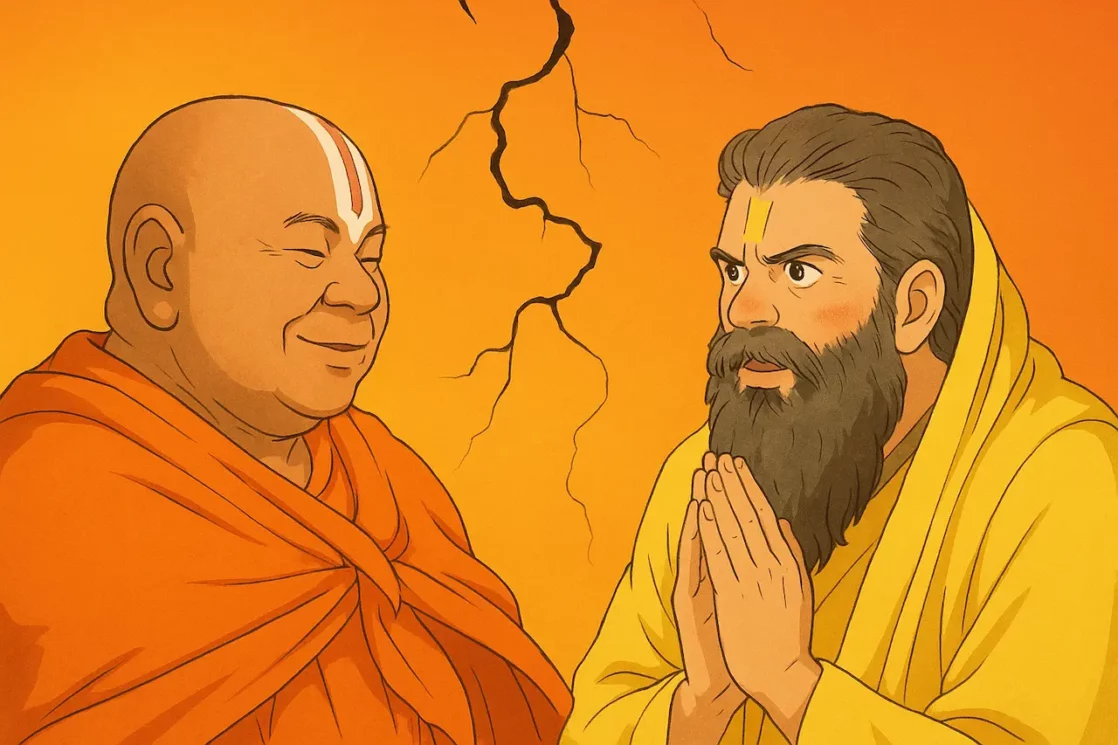
There’s a brutal, raw power struggle boiling beneath the sacred soil of Vrindavan and Mathura—where petty, envious pravachankars and self-styled saints swarm the limelight, chasing celebrities, politicians, and transient social clout, all because they’re rattled by the irrefutable magnetism of Premanand ji Maharaj. These opportunists spend their lives fathering superficial fame—but ironically, it’s they who crawl to Premanand ji, drawn helplessly into surrender by his silent, overwhelming spiritual gravity. These opportunists may parade their knowledge of scriptures and flawless Sanskrit, but it’s empty bombast. They lack the one thing that truly matters: heart-deep wisdom. Premanand ji, conversely, uses an everyday language that slams into people’s lives, guiding them toward clarity, humility, and spiritual awakening. This is precisely why the establishment recoiled when Jagadguru Rambhadracharya dared to mock him—calling him no scholar, no miracle worker, go ahead, just utter one Sanskrit word before me. Petty arrogance masquerading as erudition.
They may clutch tomes of Vedas, Puranas, and perfect Sanskrit at their puppetry fingertips—but that’s just hollow flex. They may speak polished verses, yet they lack the rare, soul-deep wisdom. Meanwhile, Premanand ji speaks to the heart of the everyman—not in sky‑high Sanskrit, but in language crisp, real, brutally honest—uplifting lives with unpretentious guidance that’s touched millions. His simplicity isn’t weakness—it’s his weapon. He lives humbly, quietly, yet his love seizes the heart of every age.
But this jealously under the guise of piety spat its venom when Jagadguru Rambhadracharya dropped foul remarks, like a hot knife through sacred peace: “Not a scholar, not a miracle worker—prove you’re even a word of Sanskrit,” mocking Premanand ji. What arrogance! What desperation!
Yet watch how the move backfired. The spiritual community rose—bombardiers of outrage—calling Rambhadracharya’s outburst a betrayal of Sanatan’s deepest values. Deveshcharya Maharaj condemned the behavior as “absolutely inappropriate,” and Sitaram Das Maharaj lambasted it as narrow-mindedness—pointing out that saints must unite, not ignite controversy.
The public and media erupted—debates flooded news channels, social media churned with righteous fury, compassion for Premanand ji flooded the airwaves. But common sense? That seemed in chronically short supply among the voices—sad but revealing.
Sanatan’s tradition isn’t blind to scholarship—but it reveres the divine flame in simple vessels. We worship saints who possessed little bookish erudition but wielded mountains of wisdom to ignite true change in hearts and lives. True power isn’t reciting shlokas—it’s bearing that humility, living that love, transforming lives. That’s where real victory lies—in silence, innocence, surrender. Or take Namdev, a tailor by caste—far from an elite scholar—yet his Marathi devotional songs, composed in the language of the people, stirred hearts across the subcontinent. His hymns even made their way into the Sikh holy scripture, the Guru Granth Sahib, Janabai, serving Namdev’s family, penned abhangs straight from her uneducated yet fierce love for the Divine—some 300 verses remembered and revered, despite her lack of formal schooling. Sant Gadge Maharaj, a warden of villages, embraced voluntary poverty and crusaded for social reform—cleanliness, compassion, change—through simple poetry, kirtans, and unwavering living, not Sanskrit lectures
When Rambhadracharya attempted to cut Premanand ji down with intellectual scorn, he didn’t expose any lack—he exposed his own ego swelling under his ornate scholarship. Premanand ji needed no defense—his simple, radiant presence needs no proof. Sanatan Dharma doesn’t honor who recites the most shlokas—it reveres those whose lived purity ignites change, even without formal schooling or Sanskrit fluency. Look back: saint-poets like Kabir and Ravidas, born in oppressed castes, illiterate in Sanskrit yet luminous in wisdom and devotion, remain immortalized in the faith of millions. Kabir’s blunt poetry dismantled religious hypocrisy. Ravidas inspired queens and commoners alike, not with grammar, but with grace and lived compassion.
Sanatan knows this: real sanctity isn’t measured by Sanskrit fluency—but by the depth of compassion, the reach of devotion, the resonance of transformative love. Premanand ji stands immovable, humble, unapologetically authentic. And that terrifies the envy-driven pretenders far more than any challenge could.
8 Dead, 40 Injured as Truck Rams Tractor-Trolley Carrying Pilgrims in UP's Bulandshahr 4
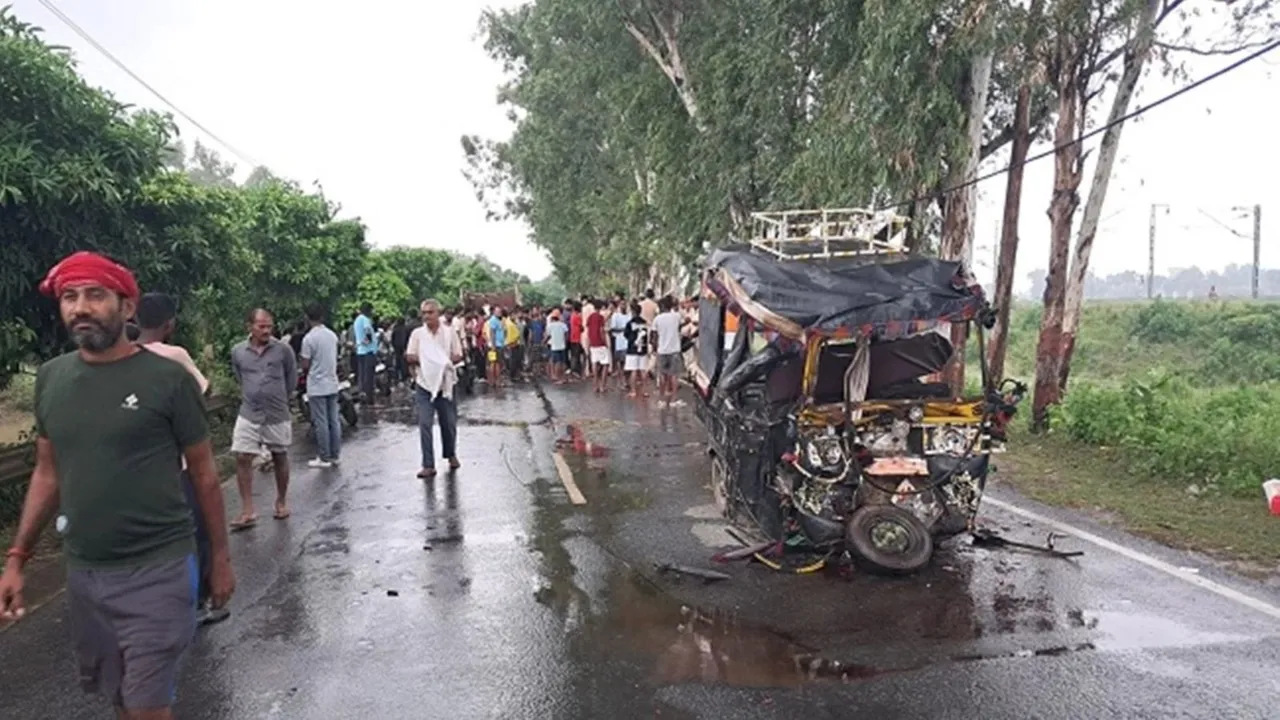
At least eight people were killed and over 40 others injured after a speeding container truck collided with a tractor-trolley carrying around 60 pilgrims in Uttar Pradesh’s Bulandshahr early Monday, according to police.
The tragic accident occurred around 2:10 am on the Bulandshahr-Aligarh border near the Arnia bypass when the truck hit the trolley from behind, causing it to overturn. The victims, who were traveling from Kasganj district to Rajasthan, included a child and two women.
Bulandshahr SSP Dinesh Kumar Singh confirmed that eight people lost their lives, and 45 others are undergoing treatment. “Three of the injured are on ventilator support, while the condition of the rest is stable. The truck has been seized, and the tractor has been removed from the spot,” Singh told ANI.
Police said 10 people sustained minor injuries, while others were taken to different hospitals — 10 to Aligarh Medical College, 10 to Bulandshahr District Hospital, and 23 to Kailash Hospital in Khurja.
The deceased have been identified as tractor driver E U Babu (40), Rambeti (65), Chandni (12), Ghaniram (40), Mokshi (40), Shivansh (6), Yogesh (50), and Vinod (45), all residents of Kasganj district. Among the 43 injured, 12 are children, PTI reported.
Authorities, including senior police and administrative officers, rushed to the spot after the incident. The bodies of the deceased have been sent for post-mortem examination.
Actor Tannishtha Chatterjee Reveals Stage 4 Cancer Battle, Shares Emotional Post on Strength and Support 6
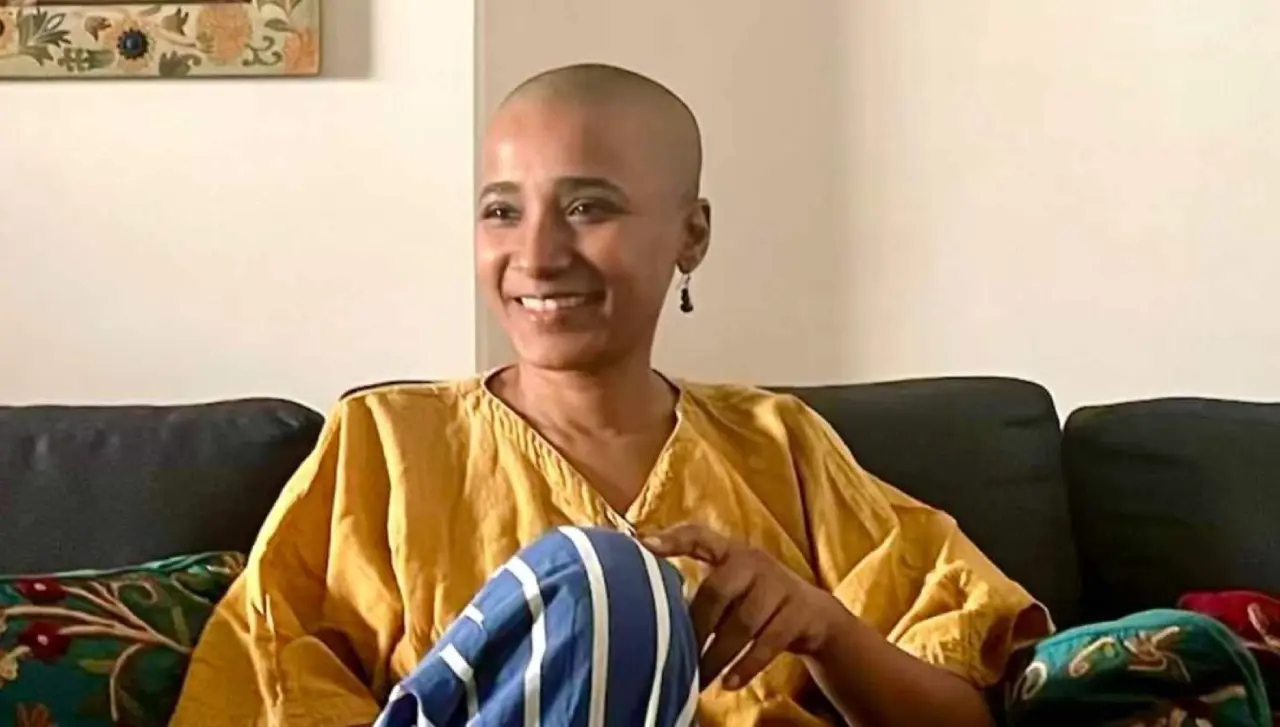
Actor Tannishtha Chatterjee has revealed her battle with stage 4 oligo metastatic cancer, sharing a heartfelt message about resilience and the power of human connection. Known for her powerful performances, Tannishtha posted photos of herself smiling, despite the gravity of her condition, and expressed how her 70-year-old mother and 9-year-old daughter are completely dependent on her.
In her emotional post, she wrote, “The last eight months have been incredibly difficult—losing my father to cancer was devastating, and then eight months ago, I was diagnosed with stage 4 oligo metastatic cancer. But this post is not about pain, it’s about love and strength. It can’t get worse than this.”
Despite her struggles, Tannishtha spoke about finding unexpected kindness and love during this challenging time. “In the darkest moments, I discovered an extraordinary kind of love—the kind that shows up, holds space, and never lets you feel alone. My friends and family have been my pillars, bringing genuine smiles even on the hardest days.”
She shared a group photo featuring Divya Dutta, Lara Dutta, Shabana Azmi, Vidya Balan, Tanvi Azmi, and Konkona Sen Sharma, expressing deep gratitude to her friends and family. “In a world racing towards AI and robots, it’s the irreplaceable compassion of real, passionate humans that is saving me. Cheers to female friendships, the sisterhood that showed up for me with fierce love, deep empathy, and unstoppable strength,” she added.
Tannishtha Chatterjee was last seen in Paresh Rawal’s critically acclaimed film The Storyteller.
Bihar 2025: The Unfinished Battle Between Arithmetic and Aspiration 8
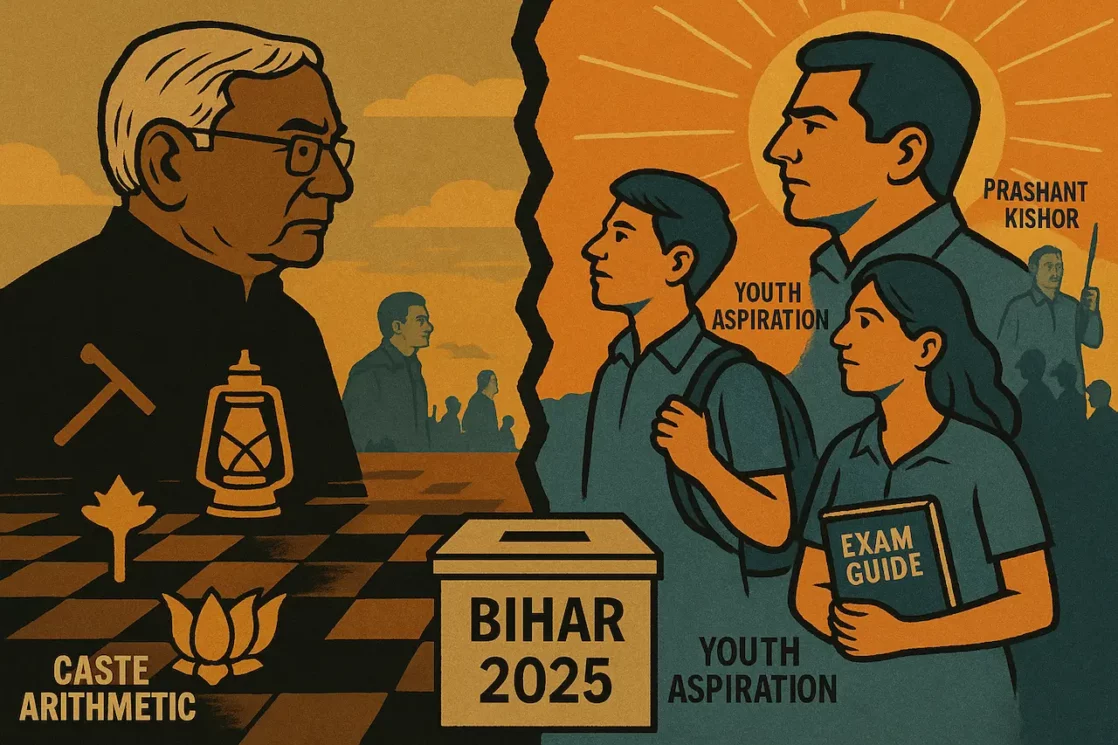
Bihar, once again, stands at the cusp of an election that will determine not only the balance of power in Patna but also the trajectory of its society, where the twin forces of caste arithmetic and youth aspiration are clashing in unpredictable ways. The 2025 assembly election is not a routine contest; it is a referendum on nearly two decades of Nitish Kumar’s rule, a test of Tejashwi Yadav’s credibility as a leader beyond the shadow of his father, and an experiment with Prashant Kishor’s attempt to script a new grammar of politics.
The National Democratic Alliance (NDA), comprising the Bharatiya Janata Party (BJP), Janata Dal (United) [JD(U)], and smaller partners like HAM and VIP, enters the contest with an apparent advantage. Opinion polls have placed the NDA at nearly 49% support compared to the Mahagathbandhan’s 36%. On paper, this looks like a comfortable margin. Yet, beneath these numbers lies a deep undercurrent of anti-incumbency against Nitish Kumar, who has been at the helm in one form or another since 2005. Voters, particularly the younger generation, express frustration with unemployment, lack of industrial growth, and the stagnation of governance. But dissatisfaction with Nitish does not automatically translate into a groundswell for Tejashwi Yadav, for the shadow of the “jungle raj” era continues to haunt the Rashtriya Janata Dal (RJD).
To understand Bihar’s present, one must return to its past. The state’s political story since the early 1990s has been shaped by two broad waves: the Mandal wave, which empowered backward classes under Lalu Prasad Yadav, and the counter-wave of governance politics, which propelled Nitish Kumar. Lalu’s rise in 1990 symbolized the triumph of social justice; he broke the monopoly of upper castes, particularly Rajputs and Bhumihars, who had dominated Bihar’s politics since independence. His politics of MY (Muslim-Yadav) consolidation ensured electoral success for nearly fifteen years, but it also bred resentment among non-Yadav OBCs, Dalits, and upper castes who felt excluded. The RJD era was marked by frequent law-and-order breakdowns, especially crimes against women and extortion, which earned it the pejorative tag of “jungle raj.”
Nitish Kumar, once Lalu’s colleague in the Janata Dal, crafted his politics in direct response to this excess. Aligning with the BJP, he projected himself as the face of “sushasan” (good governance). Roads, electricity, schools, and law enforcement improved under his leadership, restoring some measure of state capacity. His deft social engineering—wooing Mahadalits, Extremely Backward Classes (EBCs), and Kurmis/Koeris—helped him build a durable base. Nitish’s survival instinct was legendary: he aligned with BJP, broke away to ally with RJD and Congress, and then returned to the BJP fold. Each time, he managed to justify the move as pragmatic, if not entirely principled.
But by 2025, Nitish Kumar is no longer the “sushasan babu” of the mid-2000s. The sheen has worn off, and he is seen as a weary survivor rather than a transformative leader. Anti-incumbency is visible in conversations across Bihar’s towns and villages. Young voters, who form a large share of the electorate, complain about unemployment and mass migration. Yet when asked if they will vote for RJD, the hesitation is palpable. “Nitish se thak gaye hain, lekin jungle raj phir se laayenge kya?” (We are tired of Nitish, but do we want a return to jungle raj?) is a refrain heard repeatedly.
This ambivalence defines the 2025 election. The Mahagathbandhan, led by Tejashwi Yadav, has energy but not enough credibility. Tejashwi, undeniably more charismatic than Nitish, has positioned himself as the voice of the youth, promising 10 lakh government jobs in past elections and now amplifying that agenda with promises of social justice. He has matured as a politician, focusing less on fiery rhetoric and more on pragmatic issues. Among young voters, particularly first-time voters, Tejashwi enjoys strong popularity. But the RJD’s structural weakness lies in its caste base. It remains, above all, a party of Yadavs and Muslims. This MY axis, while significant, is insufficient for a majority in a state as fragmented as Bihar. Non-Yadav OBCs, scarred by memories of RJD’s dominance in the 1990s, continue to distrust the party. Dalits, particularly those mobilized as Mahadalits by Nitish, remain wary. And Muslims, though sympathetic, have shown signs of drifting—choosing AIMIM in Seemanchal or even tactically voting elsewhere when RJD denied them adequate representation.
Tejashwi’s challenge is to break out of the MY ghetto. Unless he can persuade non-Yadav OBCs and Dalits that the RJD today is different from Lalu’s RJD, his appeal will remain capped. This is easier said than done, for within the RJD organization, Yadav leaders dominate ticket distribution and decision-making. The caste supremacy instinct is strong, and it alienates others.
Meanwhile, the Congress, once a formidable force in Bihar, is now a pale shadow of itself. Its presence in the Mahagathbandhan is largely ornamental, aimed at keeping the national opposition alliance (INDI) intact. In truth, the Congress has neither organization nor cadre strength in Bihar. It contests out of habit and nostalgia rather than genuine capacity. For Tejashwi, accommodating Congress is more a compulsion than a strategy.
The wild card is Prashant Kishor. A master strategist for others, Kishor is now testing his own electoral appeal through the Jan Suraaj Party. Contesting all 243 seats, he positions himself as an alternative to the entrenched political class. His message—clean politics, development, people’s participation—resonates with Bihar’s aspirational class, particularly urban youth and sections of the middle class. Yet Bihar is not an easy state for outsiders. Politics here is not merely about ideas but about caste anchors. Kishor, despite his outreach yatras, lacks a fixed caste base. His strength lies in his credibility and ability to disrupt. Even if Jan Suraaj wins only 5–10 seats, the party’s performance could alter margins in dozens of constituencies, especially in areas where contests between NDA and RJD are tight. Kishor’s entry is therefore less about forming government and more about reshaping the conversation.
Caste arithmetic remains the central determinant. The upper castes, about 10% of the electorate, are firmly aligned with BJP-JD(U), largely because they fear a return of Yadav dominance. Yadavs, nearly 14% of the population, are solidly with RJD. Muslims, 16–17%, remain RJD’s allies but with growing doubts. Non-Yadav OBCs—Kurmis, Koeris, and EBCs—make up a massive 30–35%, and they hold the key. These groups, feeling marginalized during Lalu’s time, migrated to Nitish, who offered them recognition and representation. Dalits, around 16%, are divided, with Paswans gravitating towards LJP splinters but often swinging with alliances.
It is this fragmentation that has allowed Nitish Kumar to remain relevant. He is not as popular as Tejashwi, nor as organizationally strong as BJP. But when Nitish allies with BJP, their combined arithmetic covers most bases: upper castes, non-Yadav OBCs, Dalits, and a share of EBCs. The RJD, by contrast, is too dependent on Yadav-Muslim support, which caps its ceiling.
In terms of likely outcomes, the NDA appears set to secure around 130–150 seats, the Mahagathbandhan 90–100, and Jan Suraaj perhaps 5–10. The BJP is likely to outshine JD(U) within the NDA, shifting the power balance. This could create future friction, as BJP would seek to assert itself as the dominant partner, reducing Nitish to a junior ally. But in the immediate term, the NDA’s combination remains more formidable than the opposition.
For Tejashwi Yadav, the election will be a test of reinvention. If he can expand RJD beyond the MY axis and present himself as a leader of all backward and marginalized communities, he could position himself as Bihar’s long-term future. If not, he risks being remembered as a popular but limited challenger. For Prashant Kishor, the election is less about seats and more about establishing credibility. If he emerges with even a modest presence, he could become a serious force in future cycles.
The Congress, meanwhile, drifts further into irrelevance. Its decline in Bihar mirrors its national decline—once central, now peripheral. Even threats of going alone no longer unsettle allies.
Ultimately, the 2025 Bihar election reflects the paradox of the state. Caste remains the grammar of politics, but aspiration is the growing prose. Nitish Kumar’s survival shows the resilience of arithmetic, while Tejashwi’s popularity shows the hunger for change. Kishor’s entry reflects the desire for a politics beyond caste, though it is unclear if Bihar is ready for it. The likely outcome is continuity—an NDA victory, BJP stronger, JD(U) weaker, RJD frustrated, Congress irrelevant, and Jan Suraaj disruptive but embryonic. Yet beneath that continuity lies churn, for Bihar’s young voters are restless. The day they decisively break caste barriers, Bihar’s politics will truly change. Until then, the state will remain locked in its unfinished battle between arithmetic and aspiration.
SIT Arrests Whistleblower in Shocking Dharmasthala Murder and Rape Allegations 10
The Special Investigation Team (SIT) on Saturday arrested the complainant who had alleged a series of murders, rapes, and secret burials in Dharmasthala over the last two decades, officials said.
According to sources, SIT chief Pranab Mohanty questioned the complainant extensively on Friday before the arrest was made. Authorities revealed that the arrest followed inconsistencies found in the statements and documents submitted by the complainant.
The complainant, a former sanitation worker, had claimed to have worked in Dharmasthala between 1995 and 2014, during which he alleged he was forced to bury several bodies, including those of women and minors. He further alleged that some bodies showed signs of sexual assault and even recorded a statement before a magistrate.
Eight Dead, Four Injured in Tragic Head-On Collision Near Patna 12
Eight people lost their lives and four others sustained injuries after a mini-van and a truck collided head-on on the outskirts of Patna early Saturday, police confirmed.
The fatal accident occurred in Shahjahanpur near the Patna-Nalanda border. Among the deceased were seven women, officials said. The injured have been admitted to a nearby government hospital for treatment, according to SP (Rural) Vikram Singh.
Authorities stated that the driver of the truck fled the scene following the collision. Police have launched a search operation to apprehend the accused.
Cloudburst Triggers Flash Floods in Uttarakhand's Chamoli; Two Missing, Roads Blocked 14
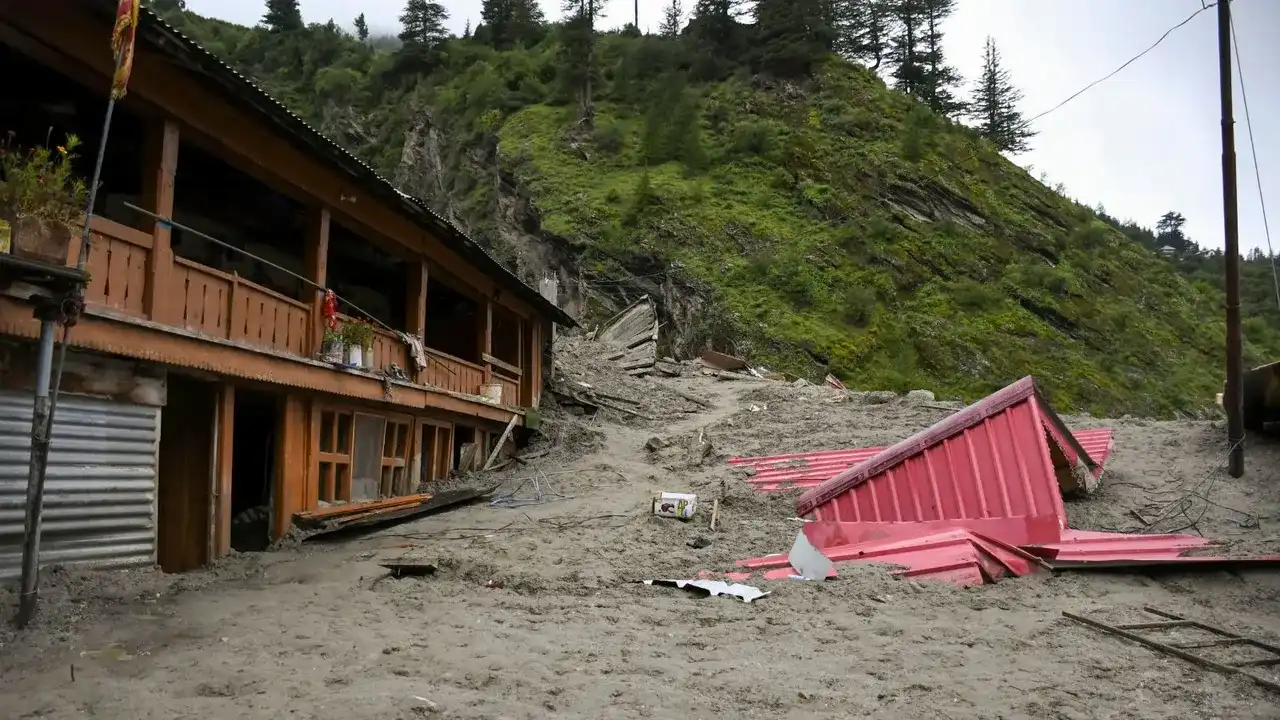
A devastating cloudburst in Tharali, Chamoli district of Uttarakhand, caused severe flooding and massive damage late Friday night, leaving two people missing and triggering widespread panic. Heavy rainfall led to the collapse of a rain drain, depositing large amounts of debris at the Tharali tehsil office and nearby houses.
According to the Chamoli district administration, a 20-year-old woman is feared buried under debris in Sagwara village, while another person went missing in the Chepdon market area. A flood-like situation persists in Tunri Gadhera, with debris reaching structures near the Pindar River.
The torrential rain also forced the closure of key roads, including the Karnaprayag-Gwaldam National Highway near Ming Gadhera, the Tharali-Sagwara road, and Dungri road. Schools in three development blocks have been ordered shut as a precautionary measure.
Chief Minister Pushkar Singh Dhami confirmed the incident on X, stating that SDRF, police, and district officials are on-site conducting rescue and relief operations. “I am in constant touch with the local administration and monitoring the situation closely. I pray for everyone’s safety,” he said.
SC Grants Protection to The Wire Journalists Siddharth Varadarajan and Karan Thapar in Assam FIR Case 16
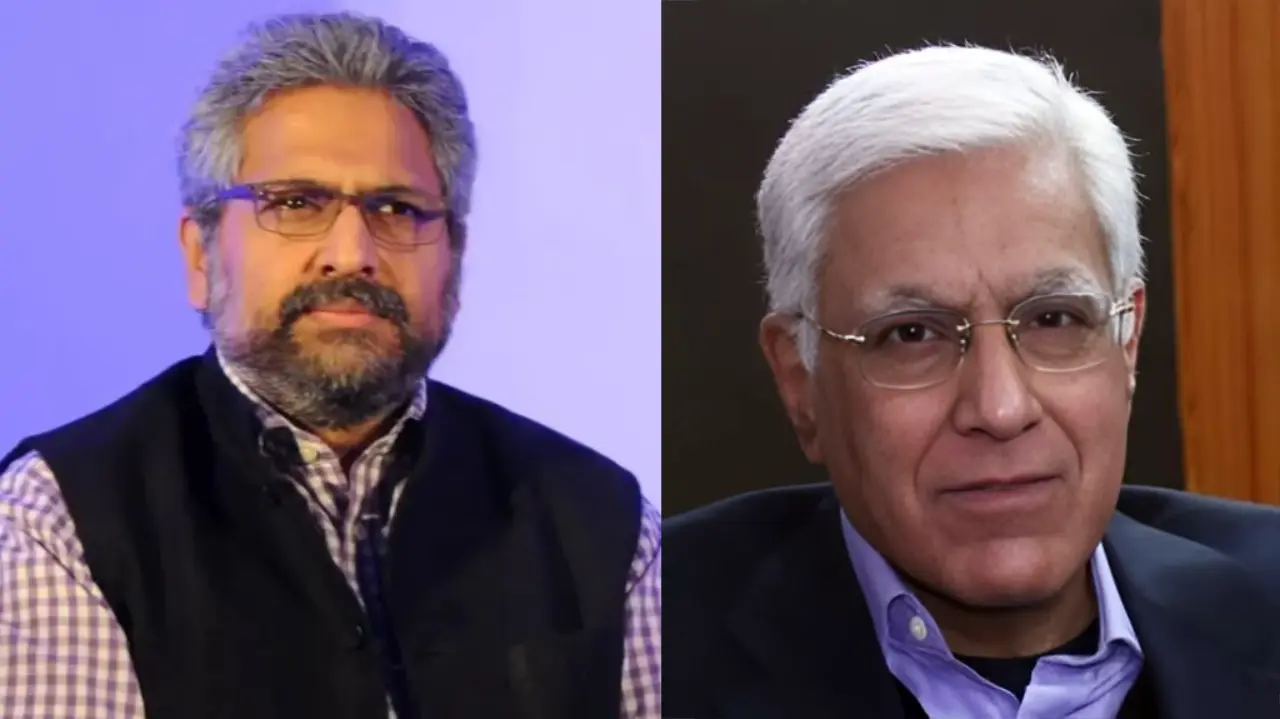
The Supreme Court on Friday granted protection from arrest to The Wire’s founding editor Siddharth Varadarajan and consulting editor Karan Thapar in connection with an FIR filed by Assam Police over a news article.
A bench of Justices Surya Kant and Joymalya Bagchi issued the order on a plea by the Foundation for Independent Journalism (FIJ), which owns The Wire along with Varadarajan.
Senior advocate Nitya Ramakrishnan, representing the journalists, alleged that Assam Police was attempting to bypass previous court directions. Despite interim protection granted in an FIR registered by Morigaon Police, new summons were issued by the Guwahati Crime Branch in another case, she argued.
She further informed the bench that the journalists had been summoned on Friday regarding an older FIR filed in May and expressed fear of arrest. When she raised concerns about possible additional FIRs and threats of arrest, the bench assured her, saying, “We are watching.”
The court directed the journalists to cooperate with the investigation and submit a status report before the next hearing while reiterating that everyone is expected to follow the law.
Earlier, on August 12, the top court had restrained Assam Police from taking coercive action against Varadarajan in connection with an FIR related to an article on Operation Sindoor.
The first FIR, lodged on May 9 by the Guwahati Crime Branch, invoked Section 152 of the Bharatiya Nyaya Sanhita (acts endangering sovereignty, unity, and integrity of India) and cited 14 interviews and articles. No significant action was taken on this case until August.
Subsequently, on July 11, Morigaon Police filed another FIR against Varadarajan and The Wire for a June 28 report regarding an Indian defence attaché’s statement on the loss of Indian aircraft in Sindoor. The court had already granted protection in that case.
The latest summons related to the May FIR prompted the journalists to seek relief again, resulting in the Supreme Court extending protection to them and the news portal.
Former Sri Lankan President Ranil Wickremesinghe Arrested Over State Fund Misuse 18
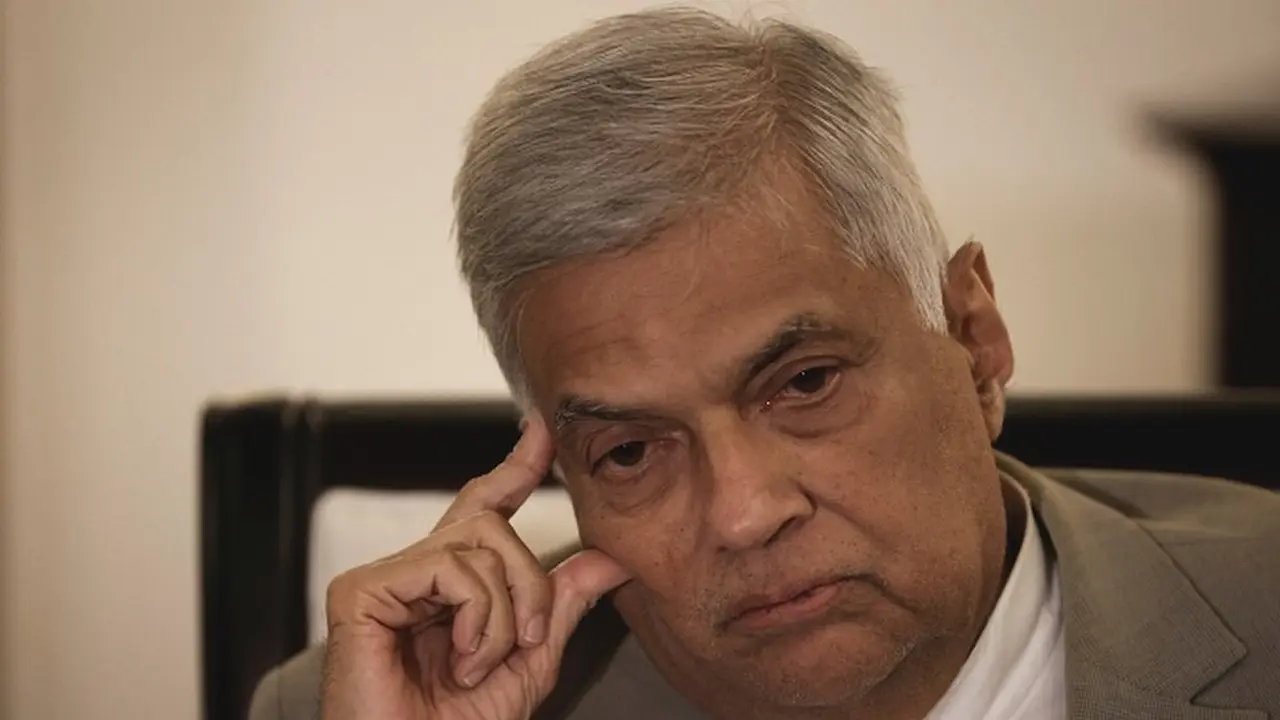
Sri Lanka’s former President Ranil Wickremesinghe was arrested on Friday over allegations of misusing state funds, according to police sources. The 76-year-old leader is accused of using public money to fund a trip to England in September 2023, where he reportedly attended a convocation ceremony of his wife, Maithree.
Authorities stated that prior to his arrest, Wickremesinghe’s staff had been questioned regarding the travel expenses linked to the trip. The case has triggered widespread attention, marking a significant moment in Sri Lanka’s political landscape, as questions over accountability and misuse of power dominate public discourse.
SC Allows Excluded Bihar Voters to Submit Aadhaar-Linked Claims Online and Offline 20
The Supreme Court on Friday directed the Election Commission of India (ECI) to allow excluded voters in Bihar to submit their claims both online and offline during the special intensive revision (SIR) of the electoral roll in the poll-bound state.
A bench comprising Justices Surya Kant and Joymalya Bagchi ruled that claim forms can be submitted along with Aadhaar numbers and any one of the 11 acceptable documents under the SIR exercise.
Expressing surprise at the lack of objections from political parties over the exclusion of 65 lakh voters, the apex court ordered the Chief Electoral Officer of Bihar to make all political parties part of the proceedings.
“All political parties must submit a status report on the claim forms they helped excluded voters file,” the bench said, posting the matter for September 8.
The court also directed election officials to issue acknowledgement receipts to booth-level agents of political parties who physically submit claim forms for excluded voters.
Senior advocate Rakesh Dwivedi, representing the poll panel, urged the court to allow the ECI 15 more days to demonstrate that voter exclusion was not as widespread as alleged. He assured the court that the ECI would show there were no major discrepancies.
The ECI informed the bench that about 85,000 excluded voters had already filed claims and over two lakh new voters had registered under the SIR process.
On August 14, the Supreme Court ordered the poll panel to publish details of the 65 lakh excluded voters by August 19 to ensure transparency and to allow Aadhaar as an acceptable identity document.
The revision of Bihar’s voters’ list—the first since 2003—has sparked a major political controversy after the total number of registered voters dropped from 7.9 crore to 7.24 crore following the SIR exercise.