Sunetra Pawar to File Baramati Bypoll Nomination on April 6, Top Leaders to Attend 2
Maharashtra Deputy Chief Minister and NCP president Sunetra Pawar will file her nomination on April 6 for the Baramati Assembly by-election in Pune district, party sources said on Friday.
The bypoll, scheduled for April 23, was necessitated following the death of her husband and former Deputy Chief Minister Ajit Pawar in a plane crash on January 28. Sunetra Pawar, currently a Rajya Sabha member, is set to contest from the family stronghold.
According to party sources, Chief Minister Devendra Fadnavis and Deputy Chief Minister Eknath Shinde are expected to be present during the filing of her nomination papers, which will take place after a public meeting in Baramati.
Ajit Pawar, an eight-time MLA from Baramati, had maintained a strong political hold over the constituency. He secured a record victory margin of 1.65 lakh votes in the 2019 Assembly elections and retained the seat in 2024 with a margin exceeding one lakh votes.
While the Sharad Pawar-led NCP (SP) has announced that it will not contest the bypoll, its ally Congress has indicated that it may field a candidate, ensuring a contest in the constituency.
Sunetra Pawar assumed office as Deputy Chief Minister on January 31 and was unanimously elected as NCP president on February 26.
Alongside Baramati, the Rahuri Assembly seat in Ahilyanagar district will also go to polls on April 23 following the death of BJP MLA Shivaji Kardile.
Bhagwant Mann Targets Raghav Chadha, Calls Silence in Parliament 'Against Party Line' 4
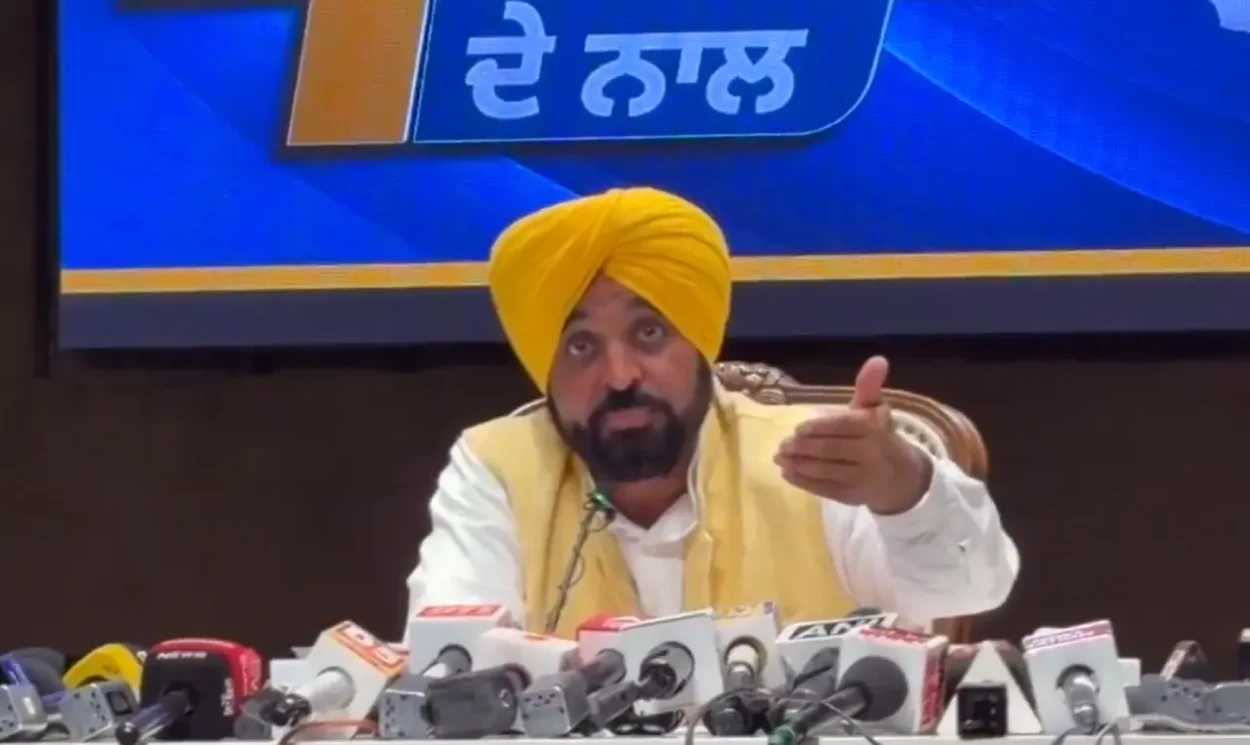
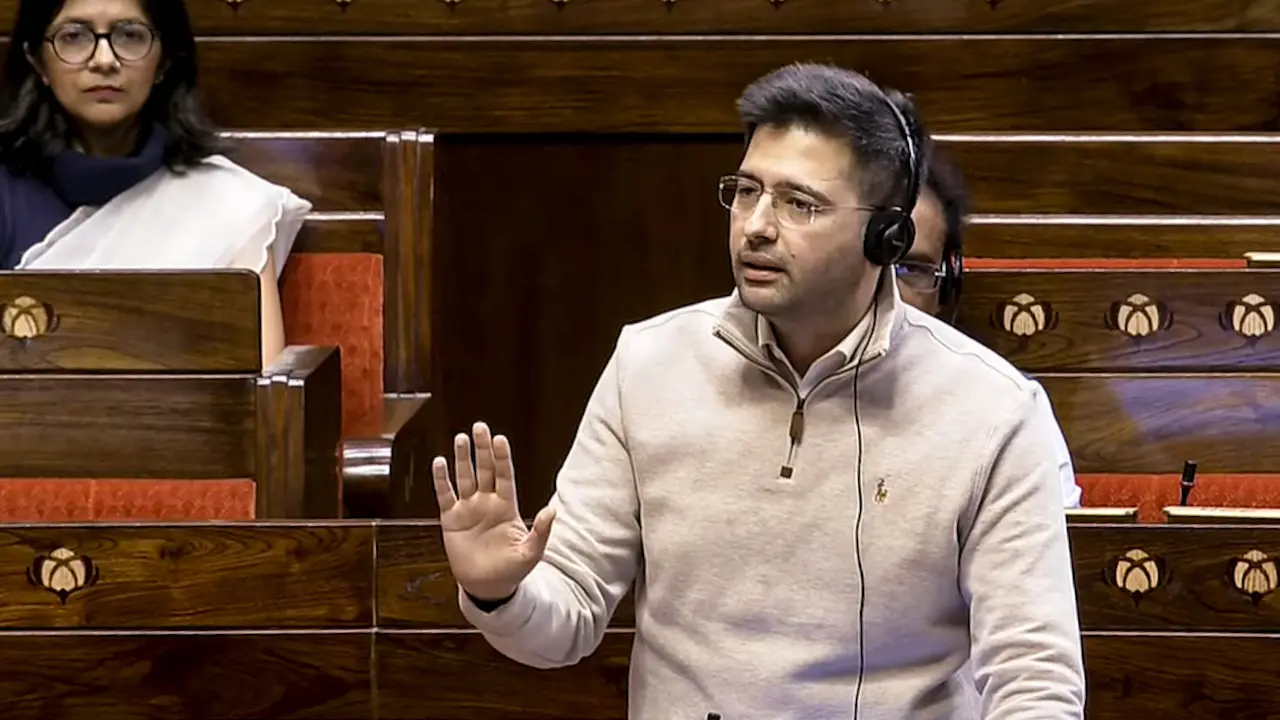
Punjab Chief Minister Bhagwant Mann on Friday launched a sharp attack on AAP MP Raghav Chadha, questioning his silence on key issues in Parliament and suggesting that he may be “compromised” for going against the party line.
Responding to queries at a press conference, Mann said that failing to speak on important matters—such as alleged voter list issues in West Bengal, arrests of AAP leaders in Gujarat, or participating in collective actions like walkouts—amounts to violating the party whip.
His remarks came a day after Chadha said he had been “silenced, not defeated,” following his removal as AAP’s deputy leader in the Rajya Sabha. The party has since accused Chadha of avoiding confrontation with the Centre and focusing on less critical issues.
Backing Mann’s criticism, AAP national media in-charge Anurag Dhanda questioned whether a leader who “fears” Prime Minister Narendra Modi can effectively represent public interests.
Mann said it is routine for parties to reshuffle leadership roles in Parliament and cited past examples within AAP to underline that such decisions are part of organisational functioning. However, he stressed that any deviation from the party’s collective decisions would invite action.
“If someone does not follow the party line or disobeys the whip, then action will be taken,” he said, adding that raising trivial issues instead of key policy concerns raises questions about intent.
The Punjab chief minister also highlighted that AAP would strongly raise the issue of alleged arrests of its volunteers in Gujarat with the state government, calling them “false cases”.
On other issues, Mann responded to a recent blast outside the BJP office in Chandigarh by saying that blame is often directed at him unfairly for incidents in the city.
He also touched upon governance, presenting what he described as a “report card” of his government’s four-year tenure. Mann said over 65,000 government jobs have been provided, including significant recruitment in education, police, power, and health sectors, all on a merit basis.
He added that more than seven lakh jobs have been generated in the private sector during this period and announced plans to increase the strength of the Punjab Police to 1.25 lakh by creating 10,000 additional posts.
Taking a swipe at political opponents, Mann said earlier predictions that his government would not last have proven wrong, asserting that the AAP remains committed to strengthening its governance and aiming to make Punjab a leading state across sectors.
Mamata Banerjee Blames AIMIM, ISF for Malda Gherao; Alleges BJP-Congress Role 6
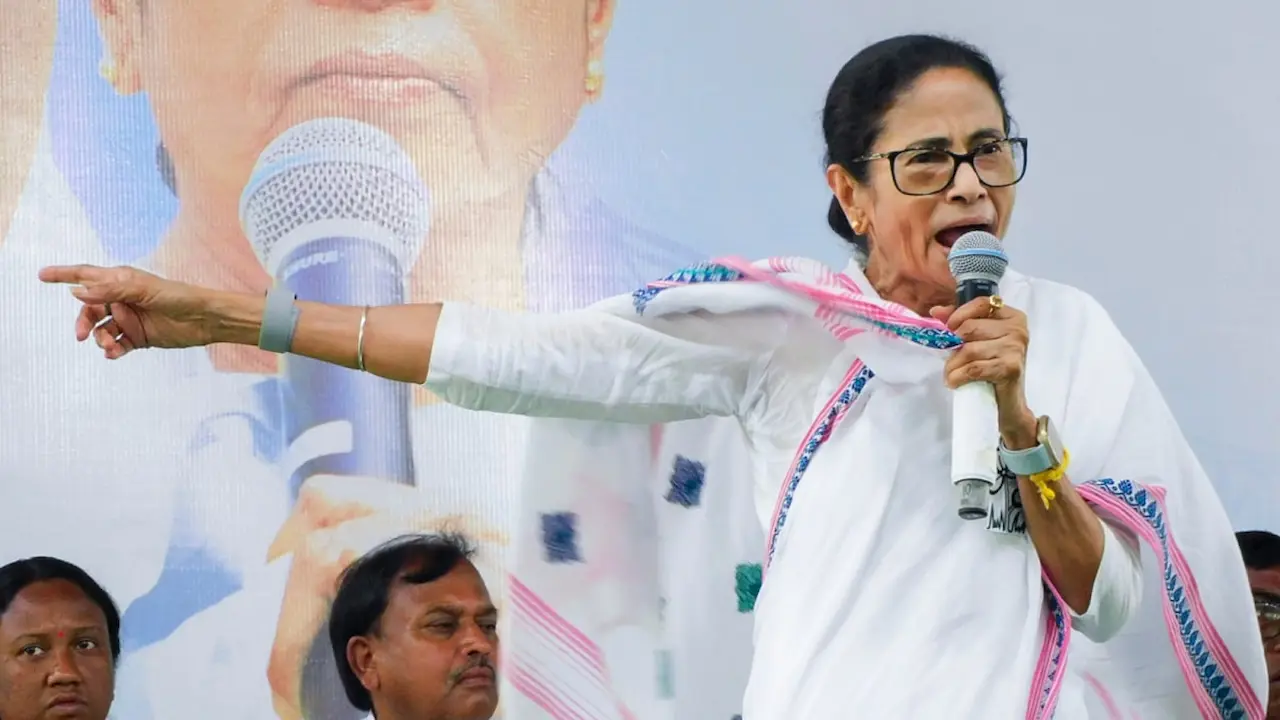
West Bengal Chief Minister Mamata Banerjee on Friday blamed AIMIM and the Indian Secular Front (ISF) for the gherao of judicial officers in Malda district, while alleging that the Congress and the BJP instigated the incident.
Addressing an election rally in Dakshin Dinajpur’s Harirampur, Banerjee said the alleged mastermind behind the gherao in Mothabari has been arrested by the state’s Criminal Investigation Department (CID). She added that the CID remains under the state government’s control and not the Election Commission.
Banerjee claimed that the accused, identified as advocate Mofakkarul Islam, was apprehended at Bagdogra airport while attempting to flee. She alleged that the BJP had “brought him from AIMIM” and accused the ISF, Congress, and BJP of collectively fuelling the unrest.
The chief minister described the incident, in which judicial officers were gheraoed for several hours earlier this week, as a politically engineered act of violence.
She also raised concerns over electoral processes, questioning why Assembly elections could not be conducted using the same voter lists as the 2024 general elections. Referring to allegations of voter irregularities, Banerjee said that if such claims were valid, then those who had previously benefited from those votes should also be held accountable.
Further escalating her attack, Banerjee alleged that money was being transported using CRPF vehicles during the election period and claimed to have evidence of such movements, which she said would be revealed at an appropriate time.
She also took a swipe at Union Home Minister Amit Shah, stating that his decision to stay in West Bengal during the elections would not benefit the BJP and could instead reduce its vote share.
The remarks come amid heightened political tensions in the state as campaigning intensifies ahead of the Assembly polls.
Iran Plans Strait of Hormuz 'Monitoring' Proposal with Oman Amid Rising Tensions 8
Iran on Thursday said it is drafting a proposal with Oman to “monitor” the Strait of Hormuz, a critical global shipping route, amid ongoing regional tensions.
The announcement was made by Iranian diplomat Kazem Gharibabadi, who told state-run IRNA that the proposal is intended to “facilitate safe passage and provide better services” to vessels navigating the narrow waterway.
The Strait of Hormuz, which lies between Iran and Oman, is one of the world’s most vital oil transit chokepoints and is considered an international passage where ships are expected to move freely. However, recent tensions, including alleged attacks on shipping and reports of hefty demands for safe passage, have raised concerns over disruptions in the region.
Details of the proposed mechanism remain unclear, and Oman has not yet officially responded to Iran’s claims.
Gharibabadi suggested that the current security situation has impacted maritime navigation, linking disruptions to what he described as acts of aggression in the region. “When we face aggression, navigation encounters serious problems. We are in a wartime situation and cannot expect pre-war norms to apply,” he said.
The development has drawn attention globally, as any changes to the functioning of the Strait of Hormuz could have significant implications for international trade and energy supplies.
MP High Court Orders Contempt Case Against BJP MLA Sanjay Pathak Over Judge Contact 10
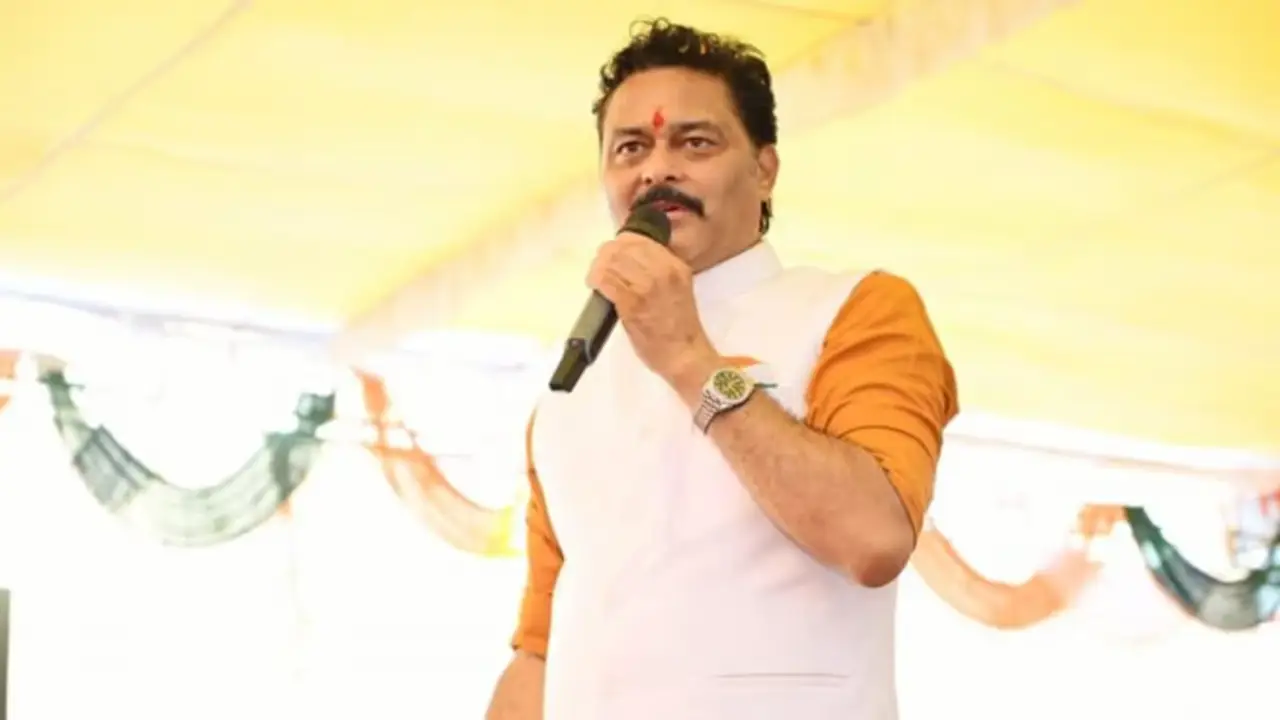
The Madhya Pradesh High Court on Thursday ordered the registration of a criminal contempt case against BJP MLA and mining businessman Sanjay Pathak for allegedly attempting to contact a sitting judge in connection with an illegal mining case.
A division bench comprising Chief Justice Sanjeev Sachdeva and Justice Vinay Saraf issued the direction while disposing of a related petition and rejecting Pathak’s objections.
The court took suo motu cognisance of the matter after it emerged that Pathak had allegedly tried to reach out to Justice Vishal Mishra over the phone regarding the case.
The issue came to light in September last year when Justice Mishra recused himself from hearing a petition related to alleged illegal mining. At the time, the judge had disclosed that Pathak had attempted to contact him to discuss the matter, prompting him to step aside from the proceedings.
The original petition was filed by Katni resident Ashutosh Dixit, who alleged that three companies linked to Pathak were involved in illegal and excessive mining activities in the Sihora area of Jabalpur district, including operations on forest land.
Dixit’s counsel argued that the attempt to contact the judge amounted to interference with judicial proceedings. Following the disclosure, Justice Mishra had directed that the matter be placed before the Chief Justice at the administrative level.
The petitioner had earlier approached authorities with complaints but alleged that no concrete action was taken, leading him to seek judicial intervention.
With the High Court now directing contempt proceedings, the case is expected to move forward under criminal contempt provisions.
Parth Pawar Dismisses Allegations Against Praful Patel and Sunil Tatkare as 'Baseless' 12
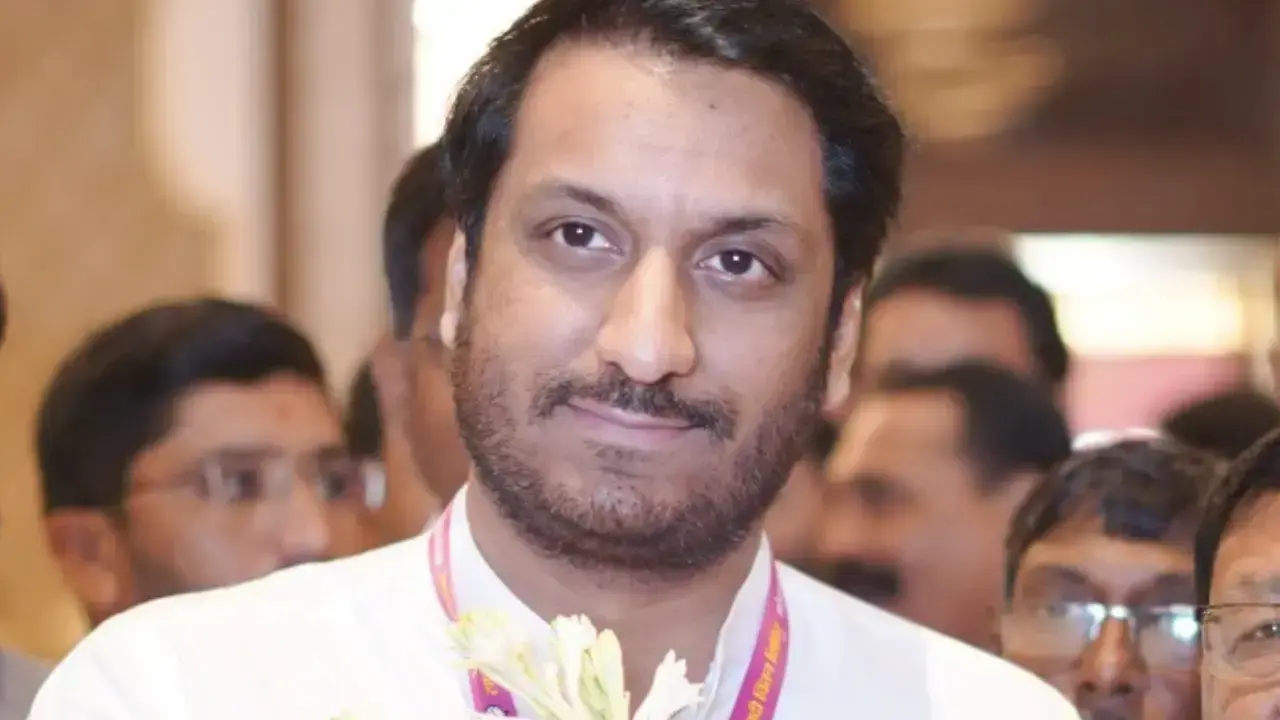
Amid mounting political speculation, NCP leader Parth Pawar on Thursday dismissed allegations against senior party figures Praful Patel and Sunil Tatkare, calling them “baseless and speculative”.
In a statement, Parth Pawar said the reports suggesting that Patel and Tatkare attempted to take control of the party following the death of former Maharashtra Deputy Chief Minister Ajit Pawar were “nothing but fiction”. He alleged that efforts were being made to drag the two leaders into “manufactured controversies”.
Highlighting their long-standing contributions, Parth Pawar said both Patel and Tatkare have demonstrated decades of commitment and leadership within the party, adding that such unfounded allegations were deeply unfortunate.
The clarification comes amid reports of internal tensions within the party, including speculation that Deputy Chief Minister Sunetra Pawar was unhappy with the two leaders.
Earlier, NCP (SP) leader Rohit Pawar had claimed that Sunetra Pawar wrote to the Election Commission of India on March 10, informing it of her appointment as party president and requesting that any previous communications sent after Ajit Pawar’s death on January 28 be disregarded.
According to Rohit Pawar, Patel and Tatkare had written to the poll body on February 16, stating that amendments had been made to the party constitution, granting powers to Praful Patel as working president. He alleged that this move was aimed at taking control of the party.
Adding to the speculation, a letter purportedly written by Sunetra Pawar has surfaced on social media, in which Patel and Tatkare are mentioned without official designations, raising questions about their roles within the organisation.
NCP spokespersons have not issued an official response regarding the developments.
Meanwhile, Sunetra Pawar visited Delhi on Thursday to attend the final day of the Budget session of Parliament. Notably, neither Patel nor Tatkare accompanied her, further fuelling political speculation.
AAP Seeks Removal of Raghav Chadha as Rajya Sabha Deputy Leader, Proposes Ashok Mittal 14
The Aam Aadmi Party (AAP) has moved to replace Rajya Sabha MP Raghav Chadha as its deputy leader in the Upper House, proposing Punjab MP Ashok Mittal for the role, sources said on Thursday.
According to sources, the party has written to the Rajya Sabha secretariat requesting Chadha’s removal from the post and indicating that he should no longer be allotted speaking time under AAP’s quota in the House.
The development comes amid Chadha’s prolonged absence from several party activities and his silence on key political developments involving the AAP. Once considered a close aide of party chief Arvind Kejriwal and a prominent face of the party, Chadha had played a significant role in AAP’s organisational and political strategy, particularly in Punjab and Delhi.
However, in recent months, his visibility within the party has reportedly declined. Chadha was abroad for medical treatment during the arrest of Kejriwal in the Delhi excise policy case in March 2024 and remained away during his incarceration, meeting him only after his release in September that year.
He also remained silent following a Delhi court’s decision last month granting relief to Kejriwal, former deputy chief minister Manish Sisodia, and others in the same case. Chadha did not attend the subsequent press conference or rally held at Jantar Mantar.
Party insiders suggest that Chadha has been gradually sidelined from organisational matters and political campaigns, though he continues to raise public issues such as high airfares and concerns of gig workers both inside and outside Parliament.
Responding to the development, Ashok Mittal said he had been entrusted with the responsibility by the party’s national leadership and would work diligently to represent both the party’s position and national interests in the Rajya Sabha.
Mittal downplayed the move, calling it a routine organisational change. He noted that leadership roles within the party have evolved over time, with N.D. Gupta previously holding the position before Chadha.
The AAP currently has 10 members in the Rajya Sabha, including seven from Punjab and three from Delhi.
Jharkhand Horror: 13-Year-Old Killed in Ritual Sacrifice, Mother Among 3 Arrested 16
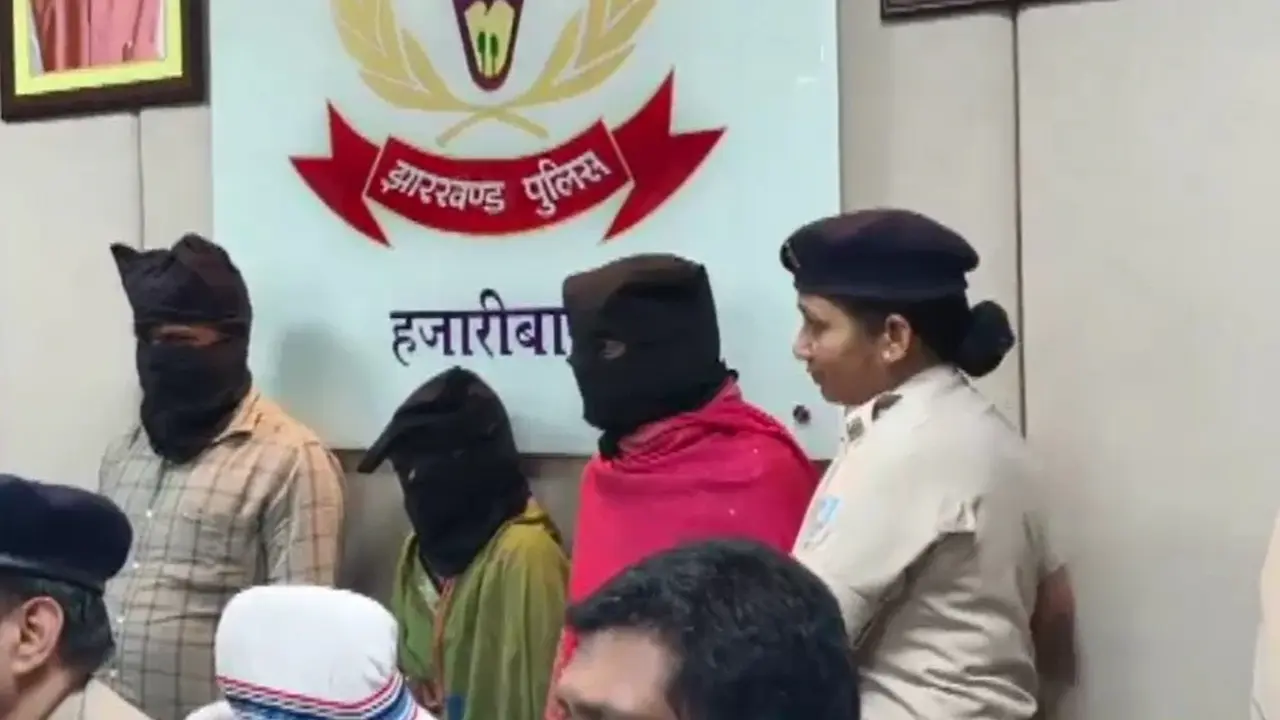
A chilling case of alleged human sacrifice has emerged from Jharkhand’s Hazaribagh district, where a 13-year-old girl was killed in a ritualistic act, with her mother among three people arrested, police said.
The accused include the girl’s 35-year-old mother Reshmi Devi, 55-year-old occult practitioner Shanti Devi, and 40-year-old Bhim Ram, all residents of Kusumbha village. The arrests were announced by Hazaribagh Superintendent of Police Anjani Anjan and DIG Anjani Jha during a late-night press briefing on Wednesday.
According to police, the victim’s mother had been consulting a local tantrik for treatment of her younger son, who reportedly suffers from mental and physical ailments. Investigators said the occult practitioner allegedly advised that sacrificing a virgin girl would cure the boy.
The crime took place on March 24, coinciding with Ashtami celebrations, when the village was engaged in festivities and a Ram Navami procession. Police said the girl was strangled at the house of the occult practitioner, allegedly by her mother and Bhim Ram.
Officials further alleged that the accused carried out brutal acts as part of the ritual and later buried the body in a garden. The accused initially attempted to mislead investigators by claiming the girl had been raped, but post-mortem and forensic reports ruled out sexual assault.
Police also stated that Bhim Ram has been previously accused in other murder cases, including the killing of his sister-in-law.
The incident has sparked outrage, with the Jharkhand High Court taking suo motu cognisance of the case earlier this week and issuing notices to the state administration and the Director General of Police. The bench acted based on media reports of the crime.
Initially, the victim’s mother had claimed that her daughter was abducted, and her body was discovered in a field on March 25. The case triggered protests, with the opposition BJP calling for a 12-hour bandh in Hazaribagh.
The investigation is ongoing as authorities probe the full extent of the crime and the involvement of the accused.
68 Lakh Ladki Bahin Accounts Closed Over e-KYC Lapse; Deadline Extended to April 30 18
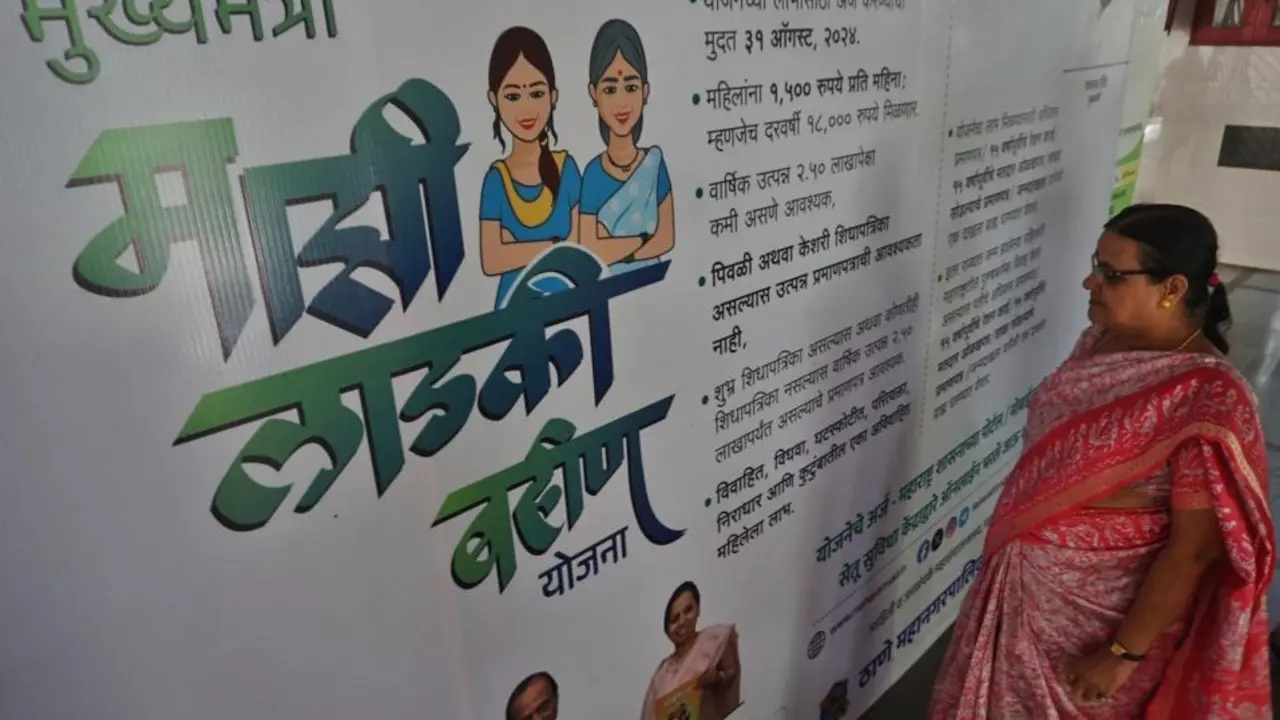
Nearly 68 lakh accounts under the Maharashtra government’s Ladki Bahin Yojana have been closed after beneficiaries failed to complete the mandatory e-KYC process within the stipulated deadline, officials said on Wednesday.
Out of a total 2.43 crore registered beneficiaries, the number of active accounts has now reduced to around 1.75 crore following the closure. However, the state government has extended the e-KYC deadline from March 31 to April 30, indicating that some accounts may be restored if compliance is completed within the new timeframe.
The verification drive was initiated after complaints surfaced that ineligible individuals, including male members and government employees, had availed benefits under the scheme. The Ladki Bahin Yojana provides a monthly financial assistance of ₹1,500 to eligible women from economically weaker sections.
Officials said the e-KYC process has been extended multiple times since November 2025 to ensure maximum compliance.
With fewer active beneficiaries, the government’s monthly expenditure—currently around ₹3,700 crore—is expected to undergo changes. The scheme has been allocated ₹26,000 crore in the 2026–27 state budget, compared to ₹36,000 crore in the previous financial year.
During the verification process, over 24 lakh beneficiaries were initially flagged as government employees due to confusion caused by a Marathi-language question in the form. After scrutiny, around 20 lakh of these accounts were found to be eligible, while verification of the remaining cases is still underway.
The Ladki Bahin Yojana, launched by the Mahayuti government ahead of the 2024 Assembly elections, remains a key welfare initiative. The state government has clarified that funds will not be recovered from those later found ineligible, and Chief Minister Devendra Fadnavis along with Deputy Chief Minister Eknath Shinde have assured that the scheme will continue.
Ashwini Bhide and the New Face of Mumbai Governance 20
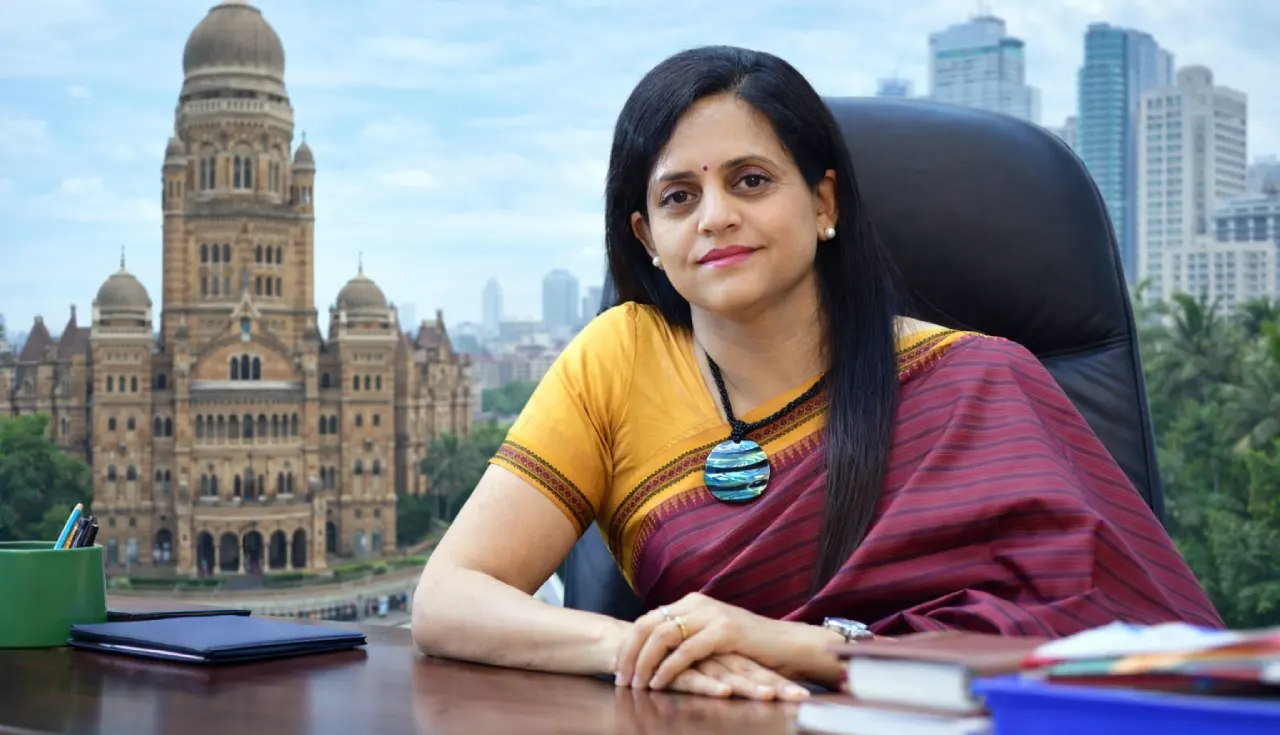
There are moments in public life when an appointment is not merely administrative—it becomes symbolic. The elevation of Ashwini Bhide as the Municipal Commissioner of the Brihanmumbai Municipal Corporation is one such moment. It is not just about filling a position; it is about redefining expectations.
For over 160 years, one of India’s most powerful civic bodies functioned without a woman at its helm. That chapter has now closed. And it hasn’t closed quietly—it has been rewritten with authority.
When Ashwini Bhide addressed the media, there was no grandstanding, no political theatrics, no ornamental rhetoric. Just clarity. Just purpose. She reminded everyone of a simple truth—governance begins with service. The core responsibility of the BMC is not spectacle; it is delivery. Water must flow, roads must hold, drains must work, and citizens must feel secure. In a city that never pauses, administration cannot afford to blink.
That clarity is rare. And rarer still is the discipline to stay anchored to it.
Mumbai is often celebrated as a city where women step out, work late, travel far, and participate in the economy with visible confidence. But such confidence is never accidental—it is built over years of systems that function, even if imperfectly. Bhide acknowledged this delicate balance. She did not claim perfection. Instead, she committed to strengthening it. That distinction matters.
Because real leadership does not pretend problems don’t exist—it takes responsibility for solving them.
Ashwini Bhide’s journey is not one of overnight success. It is a story carved through years of rigorous public service. From district-level administration to spearheading some of Mumbai’s most complex infrastructure projects, she has built a reputation that is both respected and, at times, feared—in the best possible way. A taskmaster, they say. But cities like Mumbai are not built by comfort—they are built by discipline.
Her role in the underground metro project was not just about engineering—it was about endurance. Managing timelines, navigating political pressures, addressing public concerns—these are tests that break the unprepared. Bhide did not bend.
And now, she steps into a role where the stakes are even higher.
With a budget exceeding ₹80,000 crore, the BMC is not just a municipal body—it is an economic force. It carries the weight of expectations from millions. Flood management, infrastructure deadlines, waste systems, health services—these are not abstract challenges. They are daily realities.
And looming over all of this is Mumbai’s annual test—the monsoon.
Every year, the city waits. Will it flood? Will systems hold? Will promises translate into preparedness? Bhide’s response was measured, not dramatic. She spoke of review, accountability, and execution. No hollow assurances. Just a quiet signal that work, not words, will define outcomes.
That tone reflects something deeper—professional integrity.
In an era where noise often substitutes for performance, Ashwini Bhide represents a different school of governance. One that believes in results over rhetoric, systems over slogans, and duty over display.
It is also impossible to ignore the broader picture unfolding in Maharashtra. Under the leadership of Devendra Fadnavis, the state has witnessed a visible shift in the positioning of women in leadership roles. From administrative appointments to political offices, doors that were once cautiously opened are now being firmly held open.
The presence of women at multiple levels within the BMC—be it the Mayor, the Opposition Leader, or the Commissioner—is not just representation. It is a statement.
A statement that capability is not gendered.
A statement that authority can be exercised with both firmness and fairness.
A statement that the future of governance in India will not look like its past.
Yet, this moment must not be romanticized blindly. Symbolism alone does not build cities. It is execution that will ultimately define Ashwini Bhide’s tenure. Mumbai does not reward intent—it demands results.
And if her track record is any indication, she understands this better than most.
There is a certain quiet strength in leaders who do not seek validation. Who do not chase applause. Who simply show up, do the work, and move on. Bhide belongs to that category. No nonsense. No distractions. Just commitment.
In a world increasingly driven by optics, such individuals stand out—not because they try to, but because they refuse to.
Mumbai now stands at an interesting intersection. A historic administrative shift has taken place. Expectations are high, scrutiny will be relentless, and patience will be limited.
But perhaps that is exactly the environment where Ashwini Bhide thrives.
Because some leaders are not shaped by comfort—they are defined by pressure.
And Mumbai, if nothing else, knows how to test its leaders.