Home Blog Page 587

CM Ashok Gehlot accuses BJP for playing politics on Seer’s death

Ashok Gehlot
Image: Agencies

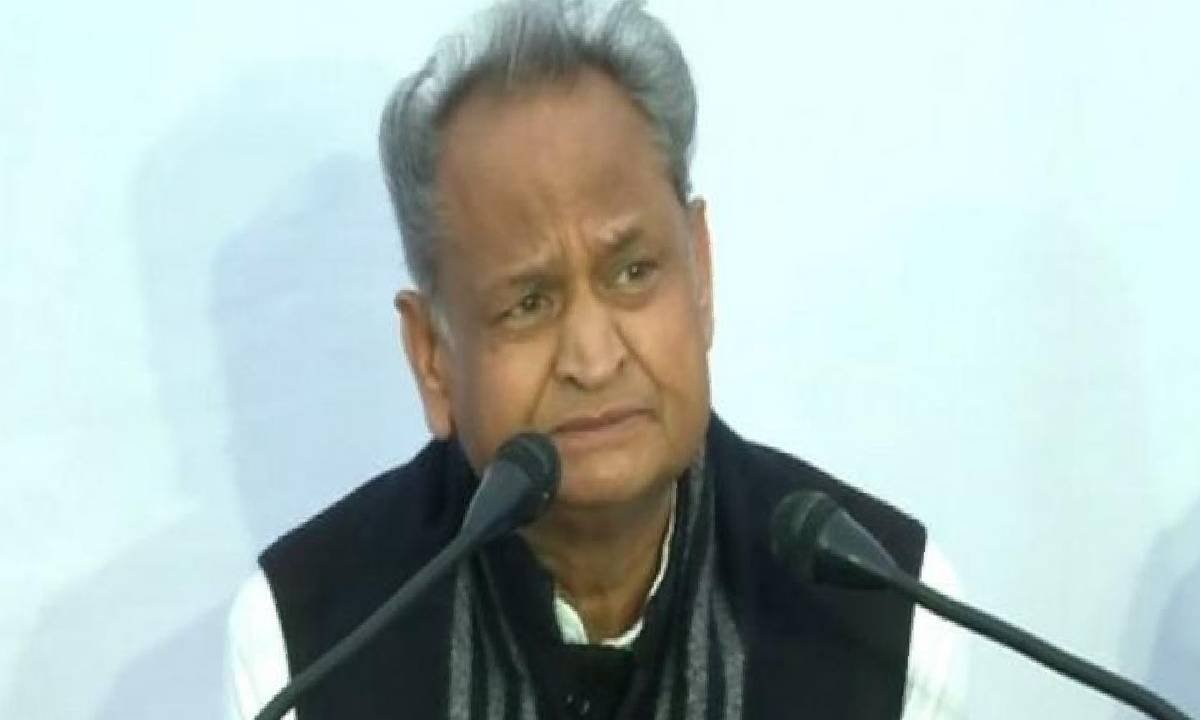
Rajasthan Chief Minister Ashok Gehlot on Sunday accused the BJP of playing politics over the death of a seer by self-immolation in the Deeg town of Bharatpur. He expressed the hope that the people will give another chance to the present government in the upcoming assembly elections on the basis of its work.

Gehlot’s statement came on a day a four-member committee formed by BJP national president J P Nadda visited Pasopa village in Rajasthan’s Bharatpur district where a seer protesting against mining activities had set himself ablaze on Wednesday. Seer Vijay Das died in the early hours of Saturday at a hospital in New Delhi.

Gehlot said all mines in the area are legal and the circumstances under which the seer died by self-immolation despite the government’s initiative to declare the area as a forest area are being probed. “The BJP wants to do politics because they become champions as soon as the name of religion comes up. (BJP chief) Nadda has formed the committee and the letter issued by the party mentions illegal mining.

“The issue is not about illegal mining. The mountain on which mining activities are taking place is being described by the seers as a religious place.

Mining in the area has been legal for many years. This case is going on since 2004,” the senior Congress leader said. Gehlot said the ongoing campaign of the state government against illegal mining has nothing to do with this incident.

On the question of the Enforcement Directorate (ED) questioning Congress president Sonia Gandhi, the chief minister claimed, “Gradually, the country is understanding that the central government is using ED with a sense of vengeance.

Maharashtra is the latest example of ED being used to change the government. They are hijacking democracy on the basis of money power which should not happen.” Gehlot expressed the hope that in view of the “superb performance” of the current government, the people will give a chance to the Congress once again in the assembly elections to be held next year and will form its government again.

“The public should consider our great performance. We have brought in great schemes for the public in every field, be it for the farmers, labourers, youths. So we hope the government repeats this time,” he said.

Earlier, while addressing a programme organised by a media house, Gehlot said the fourth pillar of democracy should play its role impartially and the state government has always stood by them for the interests of journalists.

He said that criticism in journalism should be based on facts only, so that improvements can be made. He said the media should play an important role in taking the schemes of the state government to the villages.

Gehlot said the state government is determined to realise the vision of a healthy Rajasthan and important decisions are being taken continuously by the state government for the all-round development of every sector including health, education, industry, and agriculture. Social security and social justice are paramount to us, he said.
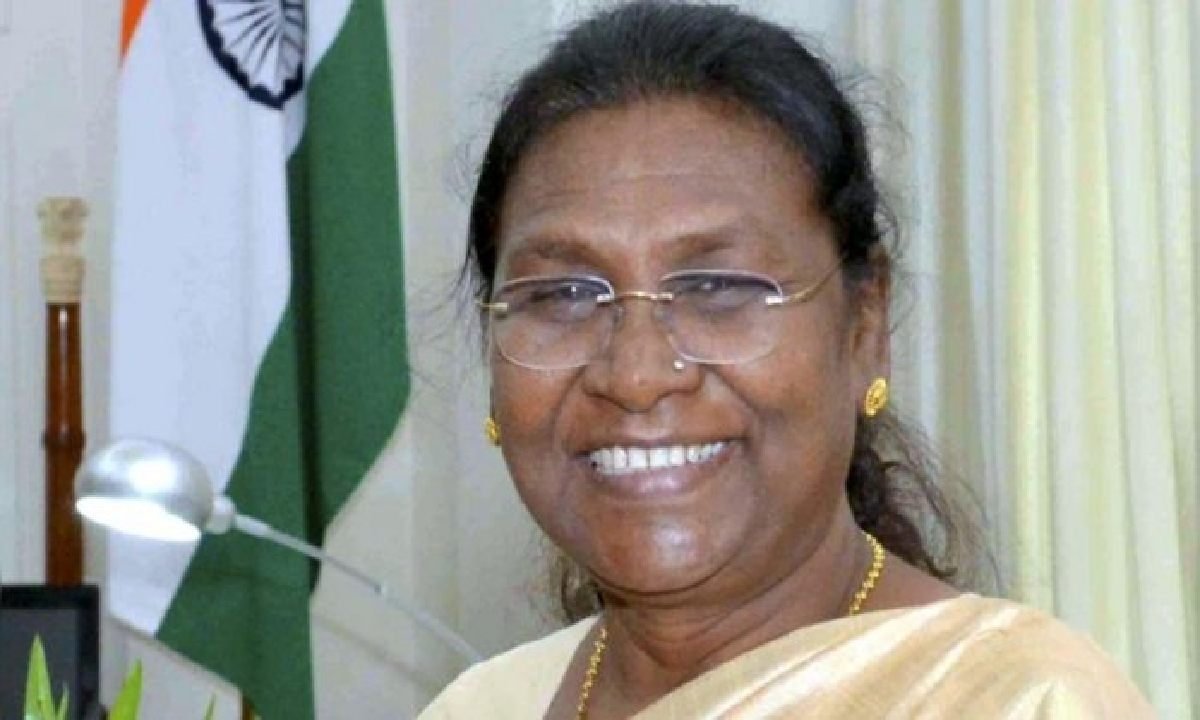
Murmu says her name was changed from ‘Puti’ to ‘Draupadi’ by her school teacher

Draupadi Mirmu, Presidential Election, uddhav thackeray, Eknath Shinde, devendra fadnavis, BJP, Jharkhand,
Image: Agencies

The first tribal President of India named Draupadi, based on a character of the epic Mahabharata was given by her school teacher. She stated that names do not die in Santhali culture. If a girl is born, she takes the name of her grandmother, while a son carries grandfather’s nomenclature, she said.

Draupadi, who had the surname of Tudu in schools and colleges, started using the title Murmu after she married Shyam Charan Murmu, a bank officer.

The first tribal President of India named Draupadi, based on a character from the epic ‘Mahabharata’ was given by her school teacher.

In an interview with an Odia video magazine some time ago, she revealed that her Santhali name “Puti” was changed to Droupadi by a teacher in school. “Draupadi was not my original name. It was given by my teacher who hailed from another district, not from my native Mayurbhanj,” Murmu told the magazine.

Teachers in the tribal-dominated Mayurbanjh district used to travel from either Balasore or Cuttack in the 1960s, she claimed. “The teacher did not like my previous name and changed it for good,” she said when the magazine asked why she is called Draupadi, a name similar to the ‘Mahabharata’ character.

She had also mentioned that her name was changed several times – from “Durpadi” to “Dorpdi”. She stated that names do not die in Santhali culture.

“If a girl is born, she takes the name of her grandmother, while a son carries grandfather’s nomenclature,” she said.

Droupadi, who had the surname of Tudu in schools and colleges, started using the title Murmu after she married Shyam Charan Murmu, a bank officer. Murmu on Monday took oath as the 15th President of India.

Chief Justice of India N V Ramana administered her oath at a ceremony held at Parliament’s Central Hall.

Much before getting elected to the country’s highest Constitutional post, Murmu had made her views clear on the reservation for women in politics. “There must be reservation for women in politics dominated by men. The political parties can change this situation as they choose candidates and distribute tickets to contest elections,” she told the magazine.

Murmu, however, said women should focus on “qualitative politics” and raise their voices for empowerment in Parliament or state assemblies. “The women must strengthen their qualitative acumen by highlighting peoples’ problems at the right forums,” she had said.

In another interview with Brahmakumari Godlywood Studio on February 18, 2020, Murmu narrated her ordeal after the death of her 25-year-old eldest son Laxman.

“I was completely shattered and broken following the death of my son. I was depressed for about two months. I stopped meeting people and remained confined at home. Later I joined Ishwariya Prajapati Brahmakumari, and underwent yoga and meditation,” she said.

The 15th President of India lost her younger son Sipun in a road accident in 2013 and subsequently, her brother and mother passed away. “I have encountered a tsunami in my life and seen three deaths of my family members in a span of six months,” Murmu said, adding that her husband Shyam Charan also fell ill and died in 2014.

”There was a time when I thought I might die anytime…” she said Murmu also said sorrow and happiness have their own space in life.

Former Army chief Gen Naravane, Ex US Defence Secretary honoured for strengthening Indo-US ties

NM Naravne
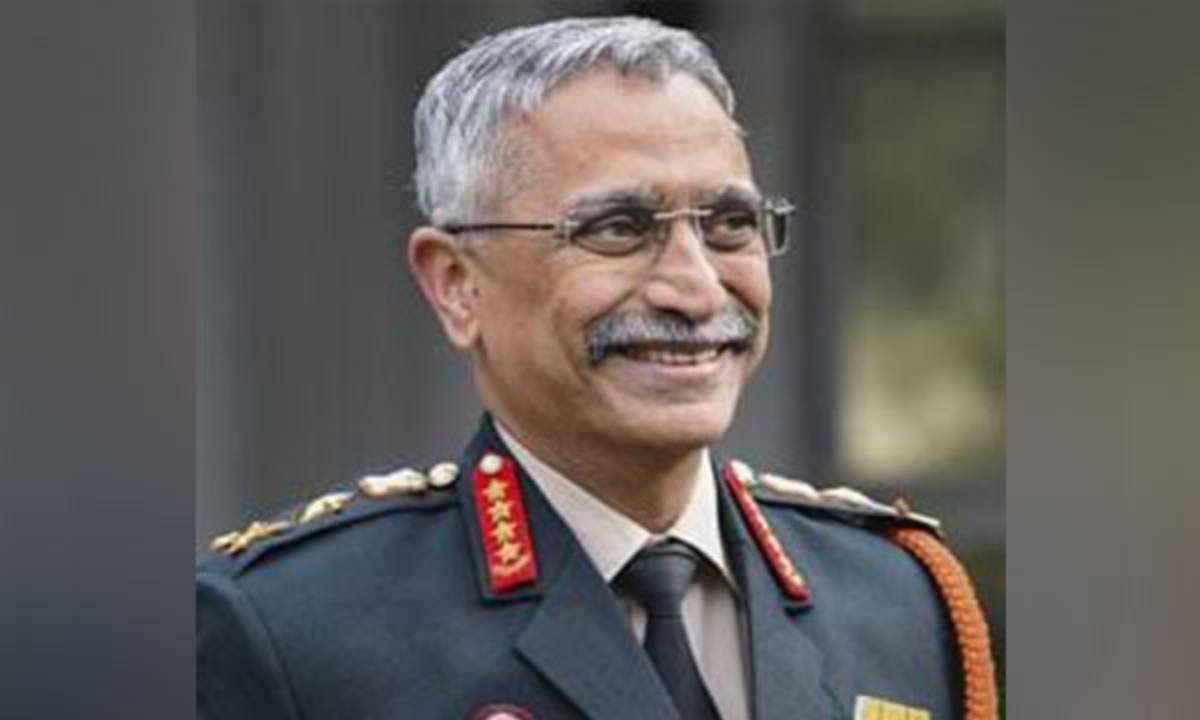
Former Indian Army Chief General Manoj Mukund Naravane

Former Indian Army Chief General Manoj Mukund Naravane has been honoured by the US-India Strategic Partnership Forum (USISPF) for his role in strengthening ties between India and US. 

The USISPF presented global leadership and public service awards to those persons who have been instrumental in strengthening ties between the US and India.

Along with Naravane, former US Defence Secretary General Jim Mattis has also been awarded the public service award.

Mukesh Aghi, President and CEO of USISPF said, “We are honoured to celebrate these individuals for their significant contributions to the U.S.-India partnership, which will continue to have long-term effects in improving the relations between the two countries, both in business and defence.” 

During his time as Defence Secretary, General Mattis worked to get India as a strategic partner with the US.

The USISPF said that during his time as Chief of Staff of the Indian Army, Gen Naravane helped to modernize the Indian army, along with improving defence partnerships and growing interoperability between the US and India. 

General Naravane said, “Working together, the US and India can ensure that IndoPacific is free, open and prosperous in this century.” Gen Naravane retired on April 30 and has shifted to his newly-allotted accommodation in Delhi Cantonment since that day. 

In a distinguished military career spanning over four decades, Naravane had the distinction of tenanting key command and staff appointments in peace and field, both in the North-East and Jammu and Kashmir. 

He was also part of the Indian Peace Keeping Force in Sri Lanka. Former Indian Army Chief commanded a Rashtriya Rifles Battalion, raised an Infantry Brigade, was Inspector General Assam Rifles (North), and commanded a Strike Corps in the Western Theatre.

 His staff assignments included tenures as a Brigade Major of an Infantry Brigade, Defence Attache at Yangon, Myanmar, an instructional appointment in the Army War College as Directing Staff in the Higher Command Wing, besides two tenures at the Integrated Headquarters of MoD (Army), New Delhi.

Mumbai has reported 62 swine flu cases for this year

disease
Image: Representative Purpose

A total of 62 swine flu cases have been detected so far this year in the Mumbai circle which also comprises neighbouring Thane, Palghar and Raigad districts, a health official said on Monday.

From January 1 to July 24, 2022, a total of 1,66,132 people were screened, out of whom 62 confirmed cases of the H1N1 influenza virus were found, deputy director of health services (Mumbai circle) Dr Gauri Rathod said.

Two of the patients from Thane succumbed to the infection last week, she said, adding that these are the first deaths due to the H1N1 virus in the Mumbai circle this year.

The health department was keeping a tab on the present situation and taking all precautions to prevent the spread of the disease.

Citizens and medical practitioners have been given instructions about taking care, she said.

Giving details of the two deaths, the official said Thane’s Kopri area resident Joti Raja Bajaj (51) fell ill on July 12. She complained of fever, vomiting and cough and died on July 18.

The other patient, Babita Hate (72), also from Kopri, fell ill on July 9 and died on July 19. Both were found infected with the H1N1 virus and treated at different facilities in Thane before they succumbed to the ailment, the official said.

8 killed, 16 injured as 2 double-decker buses collide in UP

up accident
8 killed, 16 injured as 2 double-decker buses collide in UP 6

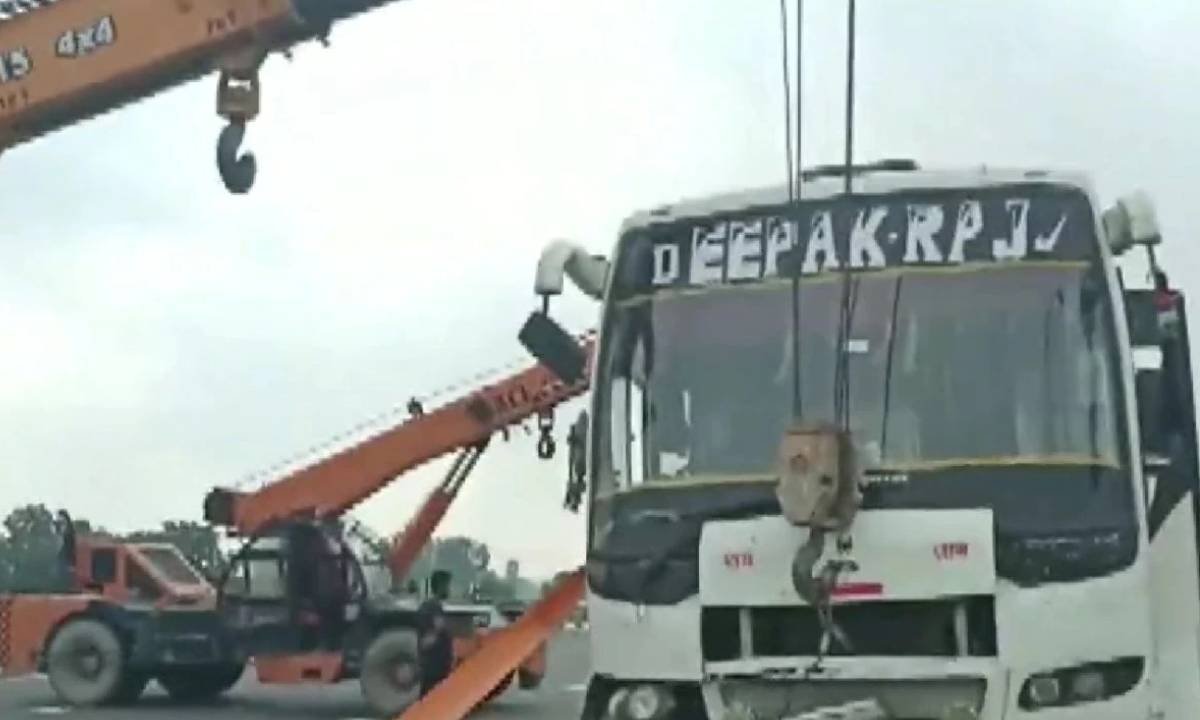
Eight people were killed and 16 others injured after a speeding double-decker bus rammed into a stationary double-decker bus on the Purvanchal Expressway in Uttar Pradesh’s Barabanki on Monday morning, police said.

The accident took place near Narendrapur Madraha village in the Loniktra police station area.

Both the double-decker buses were on their way to Delhi from Sitamarhi and Supaul in Bihar.

“On Monday morning, one bus collided with another bus in Barabanki. Till now eight people have died and 16 injured. The seriously injured are being treated at the Trauma Centre in Lucknow. 

The mildly injured are being treated at CHC Hospital,” said Barabanki Superintendent of Police Anurag Vats.

“The post-mortems of the deceased passengers are underway. Transportation for the rest of the passengers is being arranged.  We are making sure that the passengers have to bear the least inconvenience,” he added.

Uttar Pradesh Chief Minister Yogi Adityanath expressed grief and extended condolences to the families of the victims who died in the accident. 

“The loss of life in a road accident on Purvanchal Expressway is very sad. Instructions have been given to the concerned officials for speedy relief and rescue operations and proper treatment of the injured. 

May Lord Shri Ram grant peace to the departed souls and speedy recovery to the injured,” Uttar Pradesh Chief Minister said on Twitter. Last week, a speeding truck mowed down six kanwariyas in Hathras district. 

The pilgrims were returning from Haridwar and were on their way to Bhopal. Chief Minister Yogi Adityanath had on July 20 expressed condolences over the death of five people in a road accident in Uttar Pradesh’s Rae Bareli. 

In June this year, two persons were killed and three injured on the Gonda-Balrampur highway in an accident between a roadways bus and a car.

Sena chief Thackeray says “It was a plan to finish off Sena” while addressing his sainiks

Image Sample PSD 2
Image: Agencies

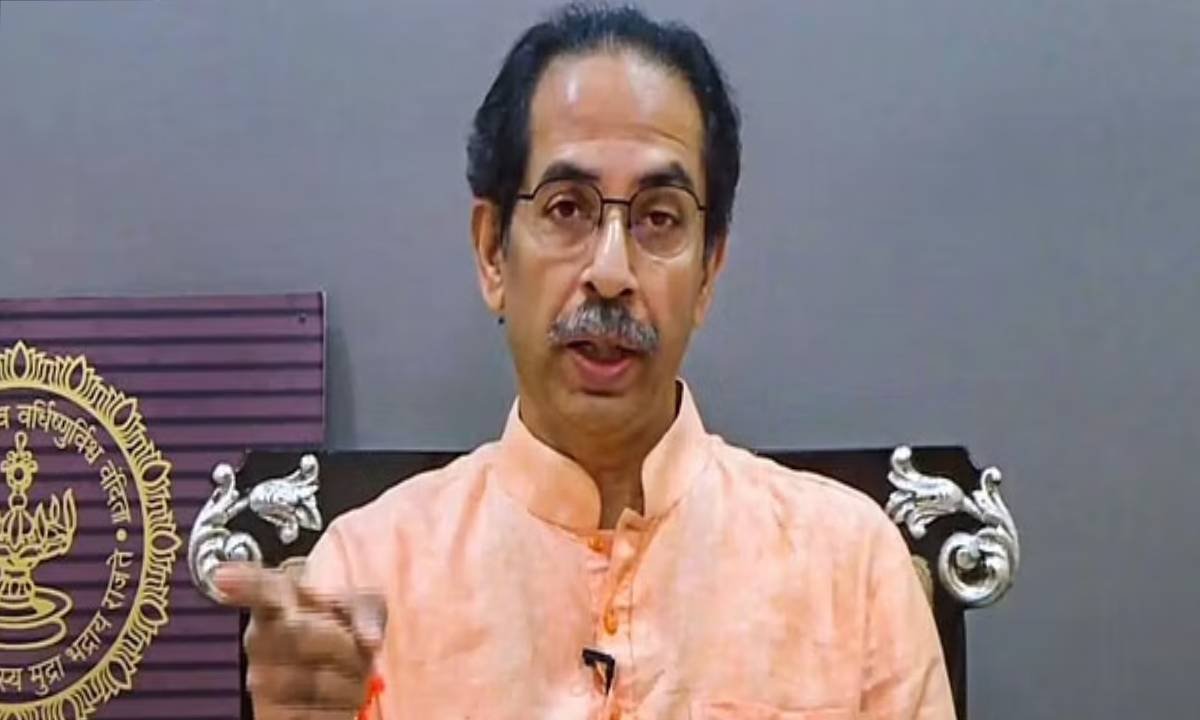
Shiv Sena chief Uddhav Thackeray has said unlike previous rebellions in the party, the revolt this time was aimed at “finishing off” the Sena. The Sena indulges in politics for Hindutva, whereas the BJP uses Hindutva for its political interests, Thackeray claimed while addressing the Sena workers on Sunday after inaugurating a ward-level party office in south Mumbai.

Last month, Sena MLA Eknath Shinde and 39 other legislators revolted against the party leadership, leading to the collapse of the Thackeray-led Maha Vikas Aghadi government. Shinde was on June 30 sworn in as the chief minister and BJP leader Devendra Fadnavis as the deputy CM.

“Unlike the earlier rebellions, this coup is to finish off the Shiv Sena forever. They have hired professional agencies to counter us. This is a battle between money and loyalty,” Thackeray said.

Thackeray, who will turn 62 on July 27, said this time he does not want bouquets on his birthday, but affidavits from the Sena workers that they trust the party and more and more registrations of people as party members.

The battle is now also taken to the Election Commission of India, claiming they are the original Shiv Sena. We need not just vigour, but staunch support and registration of people as party members, Thackeray said.

The former chief minister, without taking any name, targeted his cousin and Maharashtra Navnirman Sena (MNS) head Raj Thackeray, who had reportedly said he would consider allowing the 40 Sena rebel MLAs to merge into his party if needed. “I know there is an offer made to these people. I do not know what type of chemical locha’ (imbalance) is this, but these people have no idea whom they have messed up with,” Uddhav Thackeray said.

Referring to the rebel MLAs, he said, I do not know what to call you.” To this, the crowd shouted traitors. The Sena chief then said, “This is the stamp on their head and they will have to carry it with them wherever they go.

They have earned it by their own actions. Despite being representatives of people, they are moving around with protection from the central government.” “The Sena turned ordinary people into extra-ordinary” and that is how these 40 (rebel) MLAs won the election. Now it is time to repeat it with a new set of Shiv Sena workers, he said.

India’s 15th president Draupadi Murmu takes oath today

Image Sample PSD 1
Image: Agencies

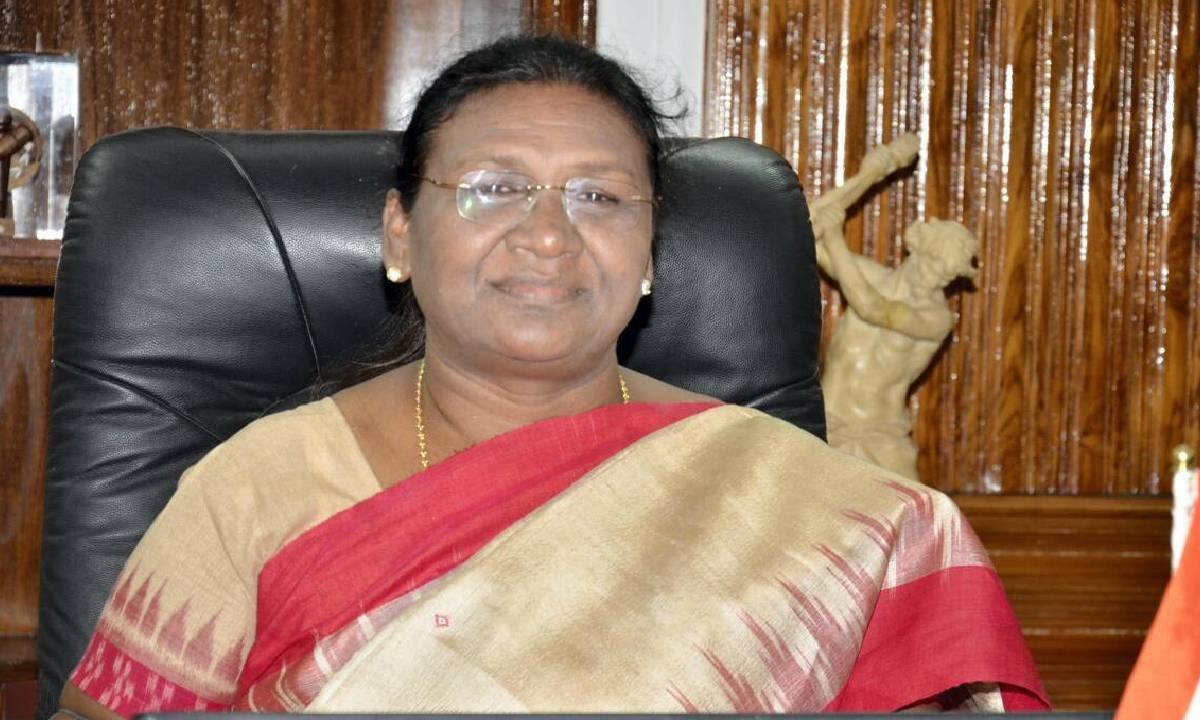
Droupadi Murmu on Monday took oath as the 15th President of India. Chief Justice of India NV Ramana administered the oath of office of the President to her in the Central Hall of Parliament.

The 64-year-old defeated opposition presidential candidate Yashwant Sinha to become the first tribal and the second woman to hold the top constitutional post. Outgoing President Ram Nath Kovind and Murmu arrived in parliament in a ceremonial procession ahead of the oath ceremony.

Murmu was escorted by Prime Minister Narendra Modi, Vice-President and Chairman of the Rajya Sabha M Venkaiah Naidu and Lok Sabha Speaker Om Birla to the Central Hall.

Members of the Council of Ministers, Governors, Chief Ministers, heads of diplomatic missions, Members of Parliament and principal civil and military officers of the government were also present at the swearing-in ceremony.

Ahead of the oath ceremony, Murmu visited the memorial of Mahatma Gandhi at Rajghat, and paid her respects to the Father of the Nation. She then met outgoing President Ram Nath Kovind and first lady Savita Kovind.

After the oath ceremony, the President will leave for Rashtrapati Bhavan, where an inter-services guard of honour will be given to her in the forecourt and courtesies will be extended to the outgoing President Kovind. The oath ceremony will be followed by a 21-gun salute.

On July 22, the NDA’s presidential candidate Droupadi Murmu was officially declared as the 15th President of the country after the conclusion of the counting of votes.

Murmu received 2,824 votes with a value of 6,76,803 while her opponent Sinha secured 1,877 votes with a value of 3,80,177. A total of 4,809 MPs and MLAs cast their votes in the polling that took place on July 18.

Secretary General of Rajya Sabha and the Returning Officer for Presidential Election 2022, PC Mody handed over the certificate to President-elect Droupadi Murmu at her residence in Delhi. Wishes poured in from the political fraternity across party lines on the victory of Murmu.

The President of India is the head of state in India. He/She is considered the first citizen of the country, acting on the advice of the Council of Ministers. According to article 60 of the constitution, the primary duty of the President of India is to uphold, defend, and preserve the Indian constitution and the law.

The president appoints the Chief Justice of India and other judges on the advice of the chief justice. The President of India is elected by the elected representatives of the parliament and the state legislature.

The electoral college elects the President of India and the representation of its members is proportionate. The term of the President of India is of 5 years and no law can be implemented in India without the President’s signature.

Born in a Santali tribal family on June 30, 1958, in Uparbeda village coming under Mayurbhanj district in Odisha, she had her education from Bhubaneswar and went on to work first as a junior assistant in the State Irrigation and Power Department from 1979 to 1983.

After this short stint as a clerk, she became a teacher at Sri Aurobindo Integral Education Centre at Rairangpur till 1997. Murmu commenced her journey in the field of politics in 1997 by joining the Bharatiya Janata Party (BJP).

She was first elected as the councilor of the Rairangpur Nagar Panchayat and then became the chairperson of the same panchayat in 2000.

Later, she also served as the national vice president of the BJP Scheduled Tribe Morcha. Murmu became a member of the council of ministers in the BJP and Biju Janata Dal coalition government in Odisha, first becoming the minister of state with independent charge for commerce and transportation from March 2000 to August 2022 and then minister for fisheries and animal resources development from August 2002 to May 2004.

A legislator from the Rairangpur assembly constituency in 2000 and 2004, she was conferred Nilkhantha Award for the best MLA by the Odisha assembly in 2007.

In 2015, Murmu became the first woman governor of Jharkhand. She also became the first woman tribal leader from Odisha to be appointed as the governor of a state. Reports claimed that Murmu was also shortlisted for the top position in 2017.

She herself acknowledged it when the BJP leadership announced her candidature this time. However, during her political journey, she faced several lows in her life. Her husband Shyam Charan Murmu, passed away in 2014. She also lost both of her sons all in a span of just four years.

Murmu devoted her life to serving society, empowering poor, downtrodden and marginalized sections of society. She has rich administrative experience and an outstanding gubernatorial tenure in Jharkhand.

Murmu has made a special identity in public life by spreading awareness about education in tribal society and serving the public for a long time as a public representative.

Outgoing President Ram Nath Kovind on July 24 hosted dinner for President-elect Droupadi Murmu, Vice President Venkaiah Naidu, Prime Minister Narendra Modi and the Union council of ministers at the Rashtrapati Bhavan in Delhi. President Kovind was sworn in as the 14th President of India on July 25, 2017, for a five-year term.

One more Pothole free Mumbai promises by Maharashtra CM

fadnavis, shinde, eknath shinde, bmc, pothole, potholes, mumbai potholes, devendra, cm, maharashtra
One more Pothole free Mumbai promises by Maharashtra CM 10

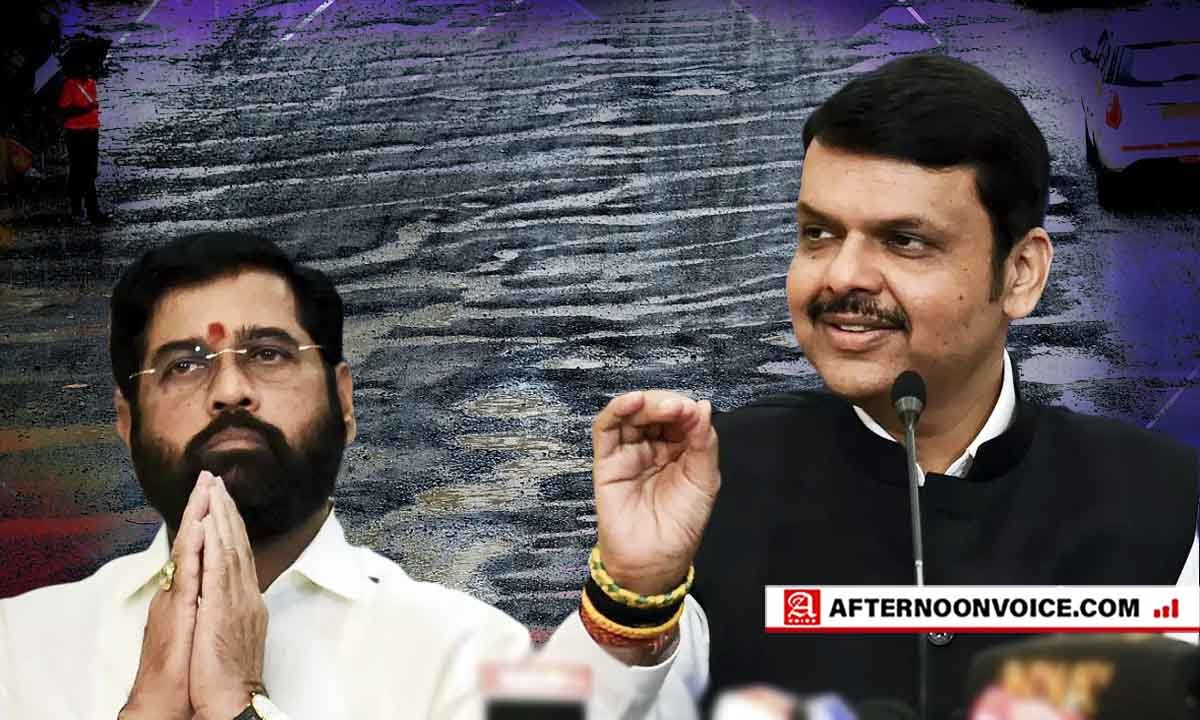
During the 2013 election campaign, Devendra Fadnavis’ agenda was pothole-free Mumbai, he ruled Maharashtra for five long years but potholes could not be addressed. After seven and half year CM Eknath Shinde held a meeting with civic road department officials about making Mumbai roads pothole-free in the next two years. He said all roads will be concretized in the next two years. This comes on a day after BMC tried out various pothole filling solutions to address the crater issue.

BMC said two solutions – the use of geo polymer concrete technology and the rapid hardening concrete method – have yielded the desired result. Civic sources said the CM’s decision to concretise roads assumes significance against the backdrop of general elections and legislative polls scheduled to be held in 2024. BMC officials said the laying of cement concrete roads is being done on 236 km of roads in the city while another stretch of Investing to make a mark Most investors with over $30 billion in sustainable assets call it significant.

During the presentation made to the chief minister, the municipal commissioner said that the latest tenders for road works have a clause to construct soak pits at regular intervals on newly made roads, so rainwater does not accumulate on roads. Shinde told the media, “We have chalked out a programme to make Mumbai pothole-free in the next two years. In the next two years, all Mumbai roads will be concretised. Ducts would also be constructed along the median and also a side of the roads so that rainwater can flow away through it. This will ensure that the water level of the road is maintained and all water does not flow and go into the sea.

” Shinde also said that each year the BMC has been making use of cold mix which comes out, causing bikers to slip and it has been decided that potholes would be filled with advanced geo polymer techniques and rapid setting concrete. “This would ensure that Ganpati mandals would not be hassled due to these potholes the BMC chief IS Chahal has assured me,” said Shinde also adding that paver blocks would also be used to fill potholes to ensure these craters do not resurface.

Civic officials said that there would be a CCTV network along these roads to be repaired to continuously monitor the quality of work being done. As for the two techniques used to fill potholes, Ulhas Mahale, deputy municipal commissioner (infrastructure) said while they were making use of paver blocks at pothole-filling sites, the two others used have given good results. On Friday a road below, Eastern Freeway was selected to fill potholes.

Dhananjay Shinde, AAP leader told Afternoon Voice, “Eknath Shinde is been working in politics for 30 years when he couldn’t solve the issue in his hometown Thane how is he going to solve pothole issues of the entire state in two years? He has also stated that solving the issue of potholes is a false claim.”

Manisha Kayande from Shiv Sena said, “Thane, Bhiwandi and many other places are still facing issues of potholes so this statement of resolving the issue of potholes is only to keep his alliance party BJP, happy.”

Charan Singh Sapra, Working President of Mumbai Congress said, “When Eknath Shinde was a part of the Urban Development ministry why he couldn’t work on the issues of potholes. The issue of potholes will not necessarily be complete in 2 years it can also take up to 20 years due to the low-quality material and the corrupt practices of municipal authorities.”

BJP leaders made pre-poll promises to farmers about complete loan write-offs, remunerative prices based on the Swaminathan Commission recommendations, and doubling farmers’ income in five years, but they have not delivered any promise. Incidents of farmers committing suicide are continuing. The state government failed to control farmer suicides. Demonetisation and the implementation of GST have caused a major slowdown in the economy. Even traders are not happy.

Despite this, the implementation of many projects has not been as quick as the government earlier projected. Five years on, the construction of key projects like Mumbai’s trans-harbour link and a coastal road is yet to take off. The grand ‘housing for all’ scheme is lagging far behind targets and the smart cities scheme is doing little to bring about the overhaul that cities really need.

BJP’s populist promises to Mumbaikars:

  • Pothole-free roads in 5 years, till then no street tax
  • To introduce a mobile application to address citizens’ grievances
  • The projects taken up by BMC in the last 20 years under the Public Private Partnership module for education, medical and other projects will be investigated by a retired judge
  • 24×7 water to be provided and under Right to Water, every family will be provided 750 litres of water on which the corporation takes an eight per cent charge every year. No more extra charges
  • The citizens would be provided with more than 3200 MLD water with the help of Gargai, Pinjal and Daman Ganga dams
  • Salt water treatment plant will be set up
  • Sewage-treated water will be utilized to wash roads of Mumbai to make the city pollution and dust-free
  • Families who are living in flood-prone areas would be given extra FSI so redevelopment of flood-prone area buildings would be easier
  • Eight sewage treatment plants will be set up
  • Electricity from waste management
  • Waste collection vehicle information will be available on mobile phones
  • Waste-treated water will be used to wash railway bogies, BEST buses, State transport (ST buses) and private vehicles. A separate place would be provided for the sewage treatment plant
  • Separate plants for debris treatment will also be setup
  • Unhygienic public toilets will be given free electricity and water as incentives to maintain them well and motivate people to use it cleanly
  • To decongest Mumbai city, a ‘Traffic comprehensive Mobility Plan’ will be worked out
  • Five new medical colleges will be constructed
  • A special budget provision will be made for Mumbai open space and beautification
  • Beach Beautification programmes will be undertaken; East Coast, which comes under Bombay Port Trust, will be beautified and kept open to public
  • Mangroves theme park will be set up on 30 per cent land of Mumbai city with people’s participation

TMC demands a time-bound investigation from ED against Partha Chatterjee in SSC scam

ed
Image: Agencies

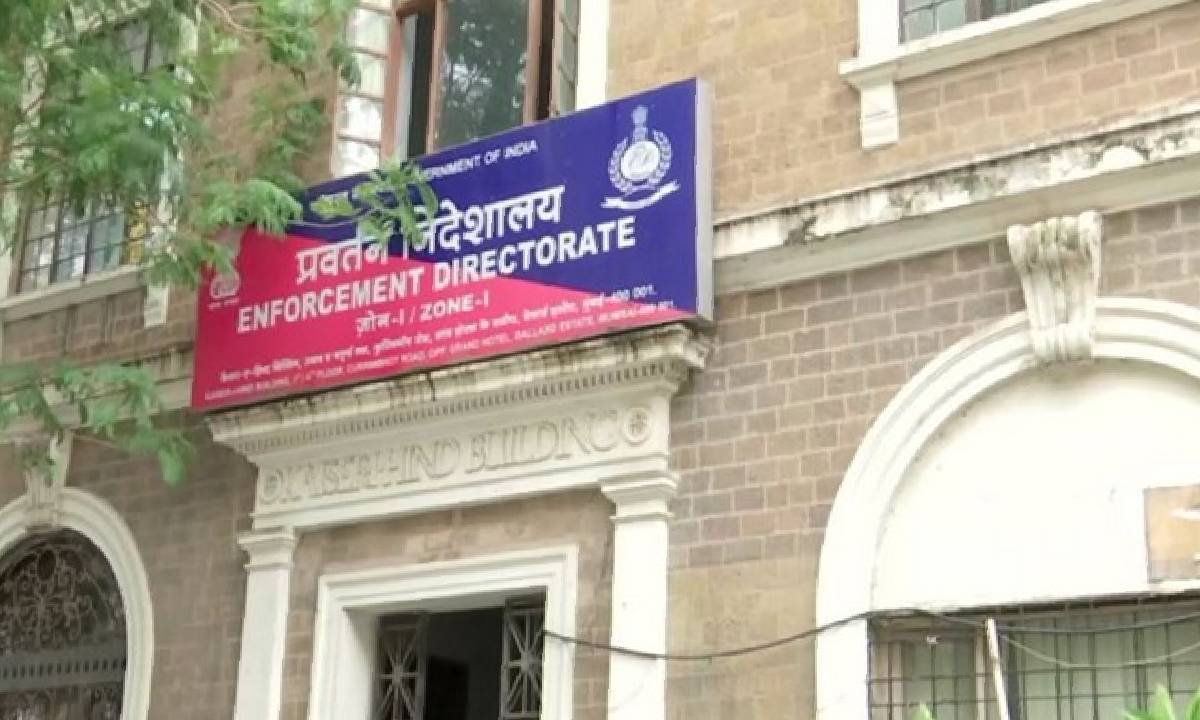
The Trinamool Congress (TMC) on Sunday demanded a time-bound investigation in the Enforcement Directorate case against arrested Bengal minister Partha Chatterjee, asserting the party will not interfere politically if any leader has done anything wrong.

ED personnel had on July 22 carried out raids at various places in Bengal as part of their probe into the money trail involved in a teacher recruitment scam at government-sponsored and -aided schools.

At least 20 crore in cash along with other items were recovered from the residence of a woman, who apparently happens to be a close associate of Chatterjee, the industries minister who earlier held the education portfolio. Speaking to reporters, TMC spokesperson Kunal Ghosh said that the party has no connection with the woman from whose possession huge amount of cash was recovered.

“The party demands time-bound investigation in the case,” he said, maintaining that investigation by central agencies in some cases have been going on for many years.

The CBI has been investigating the multi-crore Saradha chit fund case since 2014, while the Narada tapes case, which unfolded ahead of 2016 elections, was also yet to reach any conclusion.

“Law will take its own course; the Trinamool Congress will not interfere, however big a leader gets involved in it,” Ghosh said.

Centre supports Shinde govt to remove the Sena party from Maharashtra

Sanjay Raut, Shiv Sena, Murmu, NDA,
Image: Agencies

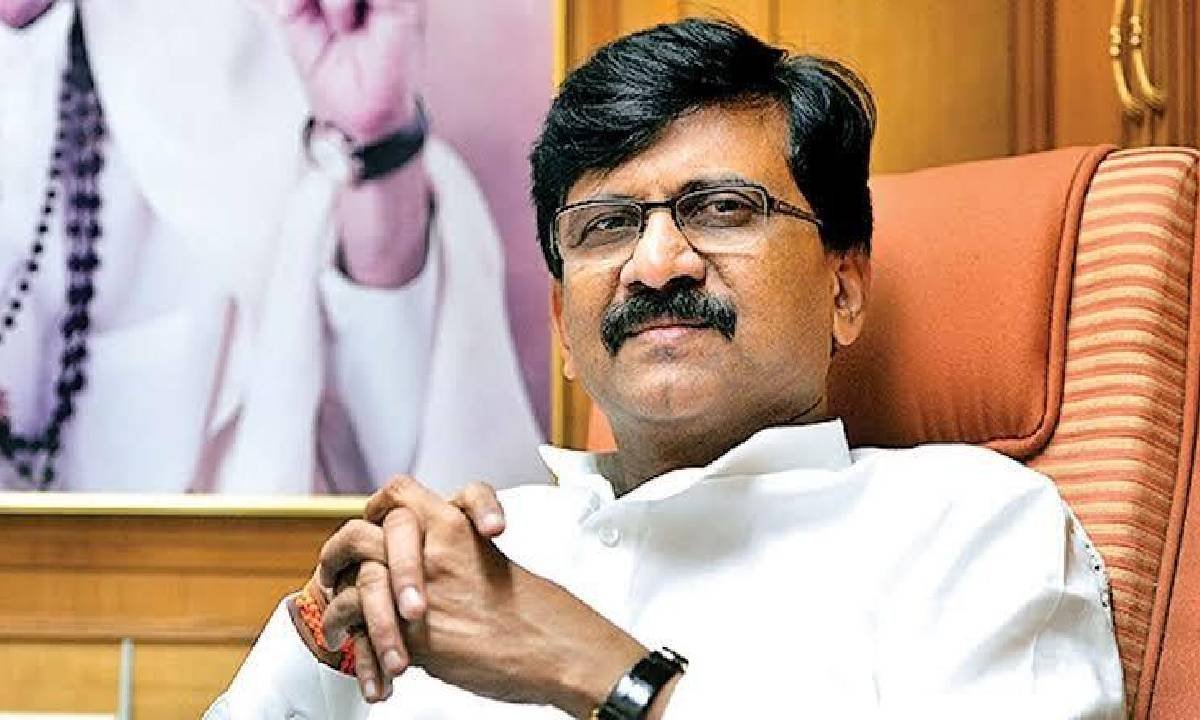
Shiv Sena MP Sanjay Raut on Sunday alleged that Speakers of the Maharashtra Assembly and the Lok Sabha violated constitutional norms by recognizing the rebel groups of party lawmakers. The action is akin to a temple priest looting its donation box and temple trustees cutting its dome atop. Similar things are happening in temples of democracy in the country, Sanjay Raut claimed in his weekly column Rokhthok in the Sena mouthpiece ‘Saamana’.

He alleged the Centre was trying to save the current Eknath Shinde-led Maharashtra government to “finish off” the Shiv Sena.

The Uddhav Thackeray-led Maha Vikas Aghadi government in Maharashtra collapsed last month after Sena MLA Eknath Shinde along with 39 other legislators revolted against the party leadership.

Shinde was on June 30 sworn in as the chief minister and BJP’s Devendra Fadnavis took oath as his deputy.

Out of the 19 Shiv Sena MPs in the Lok Sabha, 12 are lending support to the Shinde camp.

CM Shinde on Tuesday said Lok Sabha Speaker Om Birla has recognized Rahul Shewale as the Shiv Sena leader in the Lower House of Parliament.

In his column in Saamana on Sunday, Raut claimed, “After the formation of the new government in Maharashtra, the Legislative Assembly Speaker violated the constitutional norms. The picture was no different in the Lok Sabha.”

The rebel MLAs and MPs are now free from probes that they are facing from central investigation agencies, said Raut, who is the executive editor of Saamana.

The contention of the rebel lawmakers that they are the real Shiv Sena and have not quit the party is an attempt to save their skin, he claimed.

As per the 10th Schedule of the Constitution, 16 rebel legislators including Chief Minister Eknath Shinde stand disqualified, he further claimed.

“The Centre is trying to save the state government and the 16 rebels to finish off the Shiv Sena permanently,” Raut alleged.

The country’s future and its democracy depend on what decision the Supreme Court’s constitution bench takes (on a petition filed by the Uddhav Thackeray-led Shiv Sena seeking disqualification of these rebels), he said.

Lok Sabha Speaker Om Birla recognized the breakaway group of Sena parliamentarians without taking cognizance of a letter that party MP Vinayak Raut gave to him, the Shiv Sena’s chief spokesperson claimed.

Vinayak Raut had in his letter submitted to the Lok Sabha Speaker on Monday night said he was the “duly appointed” leader of the Shiv Sena Parliamentary Party and Rajan Vichare was the chief whip.

He had also asked the Speaker not to entertain any representation from the rival faction.