Home Blog Page 619

Maharashtra legislature’s show-cause notices to 53 Shiv Sena MLAs

eknath shinde, shinde, eknath, maharashtra, maharashtra assembly, maharashtra legislature
Maharashtra legislature's show-cause notices to 53 Shiv Sena MLAs 2

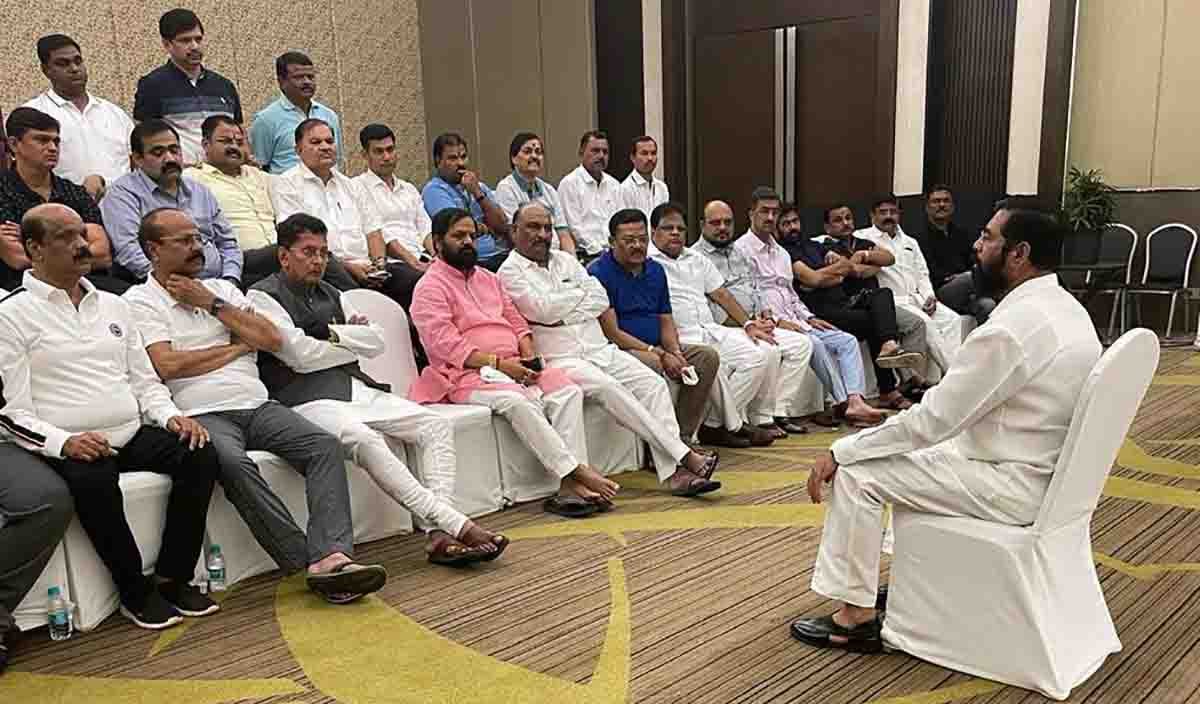
Maharashtra legislature secretary has issued show-cause notices to 53 out of the total 55 Shiv Sena MLAs in the state – 39 of the faction led by Eknath Shinde and 14 of the Uddhav Thackeray group.

One of the 14 MLAs from the Thackeray side, Santosh Bangar, joined the Shinde camp on the day of the floor test of the latter’s government on July 4.

MLAs from both sides confirmed having received the showcase notice.

Both sides have accused each other of defying the party whip during the Speaker’s election and the trust vote on July 3 and 4, respectively, seeking disqualification of the legislators from both sides.

The Shinde faction has not included the name of Aaditya Thackeray, son of former chief minister Uddhav Thackeray, in the list of MLAs against whom they have sought disqualification.

The notices have been issued under the Members of the Maharashtra Legislative Assembly (disqualification on grounds of defection) rules.

The legislators have been asked to explain their stand within seven days, sources said. The Shiv Sena has 55 MLAs in the 288-member Assembly, whose current strength is 287 due to the death of a Sena legislator.

In the trust vote, 164 MLAs voted for the confidence motion, while 99 voted against it.

After winning the trust vote in the state Assembly on July 4, the Eknath Shinde faction of the Shiv Sena had issued a notice to 14 legislators from the Uddhav Thackeray camp for violating a whip issued by the Sena whip and Shinde loyalist Bharat Gogawale.

A day before the floor test, Maharashtra Assembly Speaker Rahul Narvekar had recognised Gogawale as the Shiv Sena’s chief whip, removing Sunil Prabhu, who belongs to the Thackeray faction. On July 3, Rahul Narvekar of the BJP was elected Speaker of the Maharashtra Assembly. He had polled 164 votes, and he defeated Uddhav Thackeray-led Shiv Sena candidate Rajan Salvi, who got 107 votes.
FIR lodged against police officer for blackmailing woman

arrest
Representative Image

A case was registered in Miryalguda 1 town PS against a Sub Inspector who is working in CCS Malkajigiri, Rachakonda Commissionerate under section 376 (2), 417, 420 IPC on July 7 for blackmailing a woman on the pretext of marrying her.

The accused had been identified as Vijay Dharawath. According to Nalgonda SP, Vijay Dharawath and the victim lady had been in a relationship since 2013. Vijay is a native of Miryalguda.

It further came to light that the victim was working as Panchayat Secretary in Miryalguda. According to the victim, they had been living together at different places since 2013.

She further said, “Vijay promised to marry her but he got married to another girl and when she confronted him, he started giving different versions with the passage of time and finally, she decided to file a case against him.

Impartial judicial system biggest need for democracy: BJP leader Gadkari

nitin, gadkari, nitin gadkari,
Impartial judicial system biggest need for democracy: BJP leader Gadkari 5

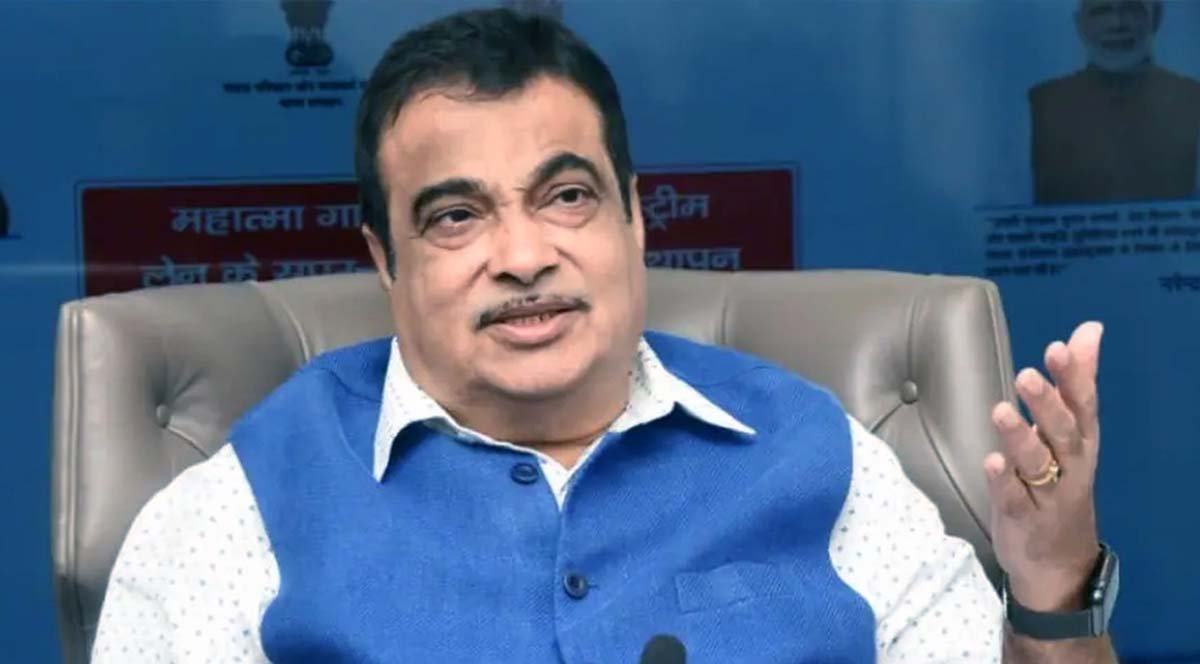
Union minister Nitin Gadkari on Sunday said an impartial and fair judicial system is the biggest requirement for a free and fair democracy.

The road transport and highways minister was speaking at the inauguration of an amenities block of the Maharashtra National Law University in Nagpur. Hailing the four pillars of democracy – legislative, executive, judiciary, and media, Gadkari said, ” An independent, impartial and fair judicial system is the biggest requirement for a free and fair democracy.”

Time is the biggest capital, he said, adding that under the leadership of Prime Minister Narendra Modi many administrative reforms have taken place.

”During cabinet meetings, when discussions on tribunals and other things are held, I often tell the law minister and the prime minister that whatever the decision may be, it is the right of the judiciary to give the decision and it should not be influenced by anybody,” the union minister said.

He also pitched for a time limit for development works and removing delays, which can save thousands of crores of rupees for the country. Justices Bhushan Gavai and P S Narasimha, both judges of the Supreme Court, and Maharashtra Deputy Chief Minister Devendra Fadnavis were also present on the occasion.

US urges Sri Lanka  to act swiftly to seek long-term solutions for economic crisis

us sri lanka
Representative image

After a dramatic escalation in anti-government protests in Colombo over a dire economic crisis, the United States has urged Sri Lankan leaders to act quickly to seek long-term solutions.

 The United States calls on “the Sri Lankan Parliament to approach this juncture with a commitment to the betterment of the nation – not any one political party,” a State Department spokesperson said as Secretary of State Antony Blinken visited Thailand.

“We urge this government or any new, constitutionally elected government to work quickly to identify and implement solutions that will achieve long-term economic stability and address the Sri Lankan people’s discontent over the worsening economic conditions, including power, food and fuel shortages,” State Department spokesperson added, reported Sri Lankan Daily Newspaper, Daily Mirror. The United States also warned against attacks on protesters or journalists, but also criticized violence on Saturday.

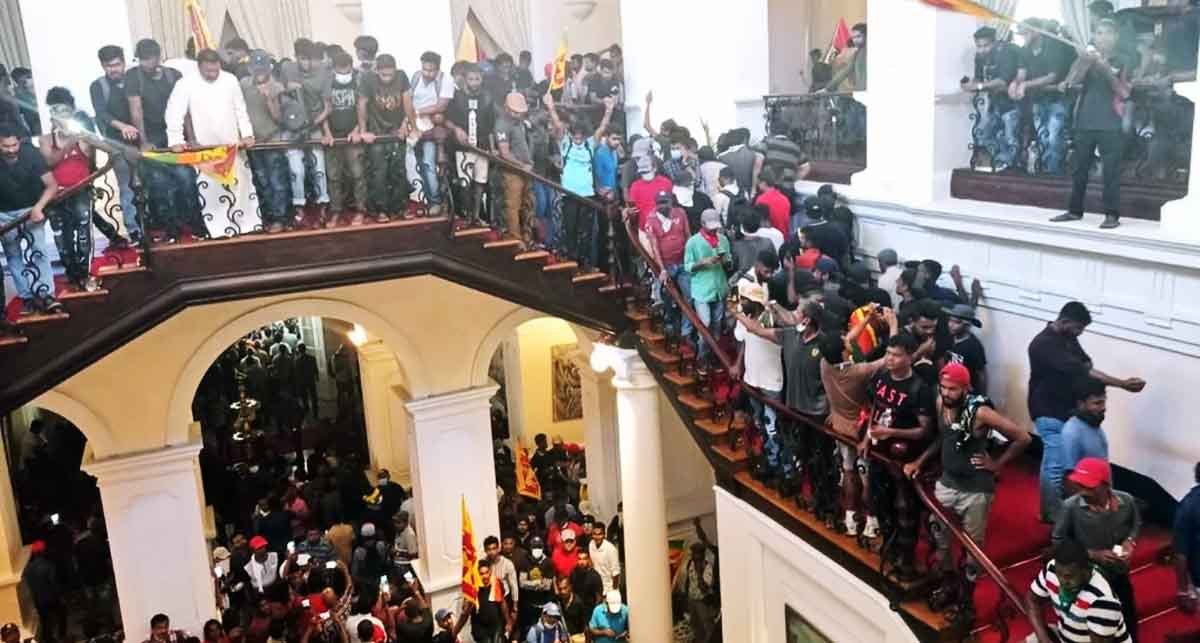
“The Sri Lankan people have the right to peacefully raise their voices, and we call for the full investigation, arrest and prosecution of anyone involved in any protest-related violent incidents,” the spokesperson said. Several dramatic videos have been doing the rounds on social media after Saturday’s upheaval where thousands of protesters stormed into President Gotabaya Rajapaksa’s official residence in the capital of Colombo, forcing him to flee to an unknown location.

 With the demand for the President’s resignation, the protestors stormed into the President’s house, tore down security cordons placed by police, took a dip in the swimming pool and romped through his kitchen and home.

Several journalists were also attacked by the security forces after which more protestors gathered in the area, Daily Mirror reported. Police resorted to water cannons to stop the enraged protestors.

The police also fired tear gas at the protesters but despite that, they entered PM’s house and set the house on fire. Meanwhile, Colombo Municipal Council (CMC) fire brigade said they were informed that the Prime Minister’s private residence in Colombo was set on fire and its teams were unable to reach the location due to the unrest, according to Daily Mirror.

Wickremesinghe, who was appointed as Prime Minister in May, has announced that he will resign from his post in order to ensure the continuation of the government and the safety of all the citizens. Sri Lankan President Gotabaya Rajapaksa also agreed to step down from his post on Wednesday.

Nepal celebrates Eid-Al Adha

Nepal celebrates Eid Al Adha with elan 1
Nepal celebrates Eid-Al Adha with elan

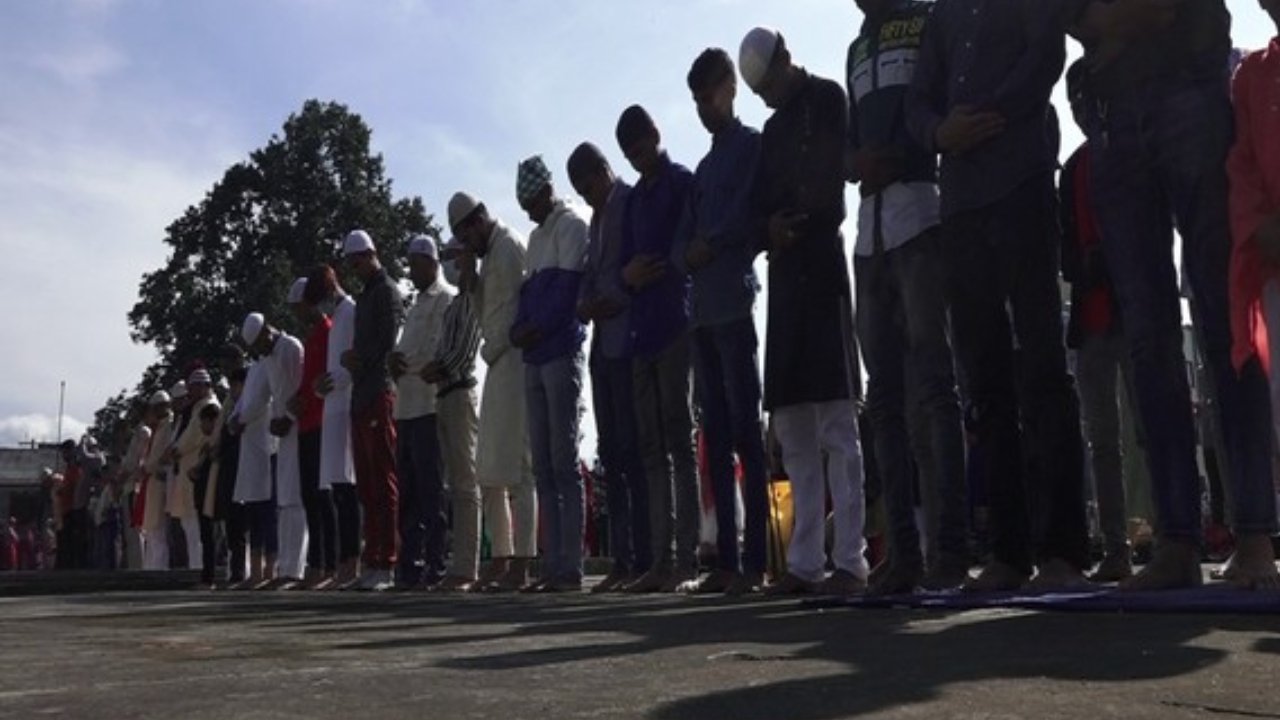
Eid-Al Adha, the second biggest festival of the Islam community, is being marked with fanfare and gaiety in Kathmandu, Nepal. Hundreds of Islam followers on Sunday morning thronged the Kashmiri Takiya Mosque in the capital Kathmandu taking part in the mass namaz recitation ceremony. Eid-Al Adha is observed on the 70th day of Eid-Ul-Fitr or Ramadan. On this day, the Muslims visit the nearest mosque after a morning bath and attend a mass prayer to read the Namaz. After completing the reading of the Namaj, they exchange greetings by hugging one another.

“This year’s Eid is entirely different from those of earlier years because it is being observed in a gap of two years, after the gap of two years, we are observing it in the third year (since the outbreak of the COVID-19 pandemic) which has made it different from the previous ones,” Ikrar Khan, participant of Namaj Ceremony in capital Kathmandu told ANI. Meanwhile, the government has given a public holiday on Sunday to mark the occasion of Eid-Al Adha, the Bakra Eid. The Ministry of Home Affairs has notified that as stated in the March 10 issue of Nepal Gazette the government has decided to grant a holiday on the occasion of Eid-al-Adha.

The festival is observed commemorating the moment when Ibrahim, the first of the Old Testament, became ready to sacrifice his son at the command of Allah, the Muslim God, some 1435 years back as per the Hijri calendar, said Nirdosh Ali, chairperson of the National Muslim Commission.

Reading Namaj, observing Hajj (pilgrimage to Mecca Medina) and Roja (fasting), and offering donations and sacrifices are the five main good deeds that are supposed to be followed by the Muslim people.

Nepali Prime Minister Sher Bahadur Deuba has extended best wishes to all Nepali Muslim sisters and brothers living in the country and abroad on the occasion of the Bakar Eid festival today. He wished peace, prosperity, and happiness on this occasion. PM Deuba wished that the festival would help conserve traditions and cultural values, thereby building a cultured society.

 He believed that the festival would further promote harmony, fraternity, and tolerance, thereby contributing to national unity. Likewise, President Bidya Devi Bhandari has wished peace, prosperity and happiness to the Nepali Muslim community living in the country and abroad on the occasion of the Bakar Eid today.

“Nepali society is a beautiful abode of diverse ethnicities, languages and culture,” she said, adding that unity among diversity is Nepal’s identity and strength. She also believed that the festival would further strengthen national unity and harmony.

Sri Lanka crisis: Enraged protestors storm President Gotabaya Rajapaksa’s house

sri lanka, president house, sri lankan president, rajapaksha
Image: Twitter

After thousands of enraged protestors on Saturday barged into his residence in Colombo, Sri Lankan President Gotabaya Rajapaksa reportedly fled his home, according to local media. Lankan local publication Daily Mirror reported that several gunshots were heard being fired in the air and police unsuccessfully used tear gas to ward off protestors who surrounded the presidential residence.

Protestors have entered the President’s House, tweeted the Daily Mirror. Sri Lanka’s police imposed a curfew in several police divisions in Western Province with effect from 9 pm local time Friday until further notice as ahead of a planned protest today demanding the resignation of President Gotabaya Rajapaksa.

Strict action will be taken on those violating the curfew, the police said. The Sri Lankan publication said travelling through the areas where police curfew is in effect is completely prohibited and police had advised people to use other alternative routes. The worsening economic situation in the country has led to increasing tensions and over the last few weeks there were reports of several confrontations between individuals and members of the police force and the armed forces at fuel stations where thousands of desperate members of the public have queued for hours and sometimes days. Police have used tear gas and water cannon at times in an unnecessary and disproportionate manner. On occasions, armed forces have also fired live ammunition.

Sri Lanka is suffering its worst economic crisis since gaining independence in 1948, which comes on the heels of successive waves of COVID-19, threatening to undo years of development progress and severely undermining the country’s ability to achieve the Sustainable Development Goals (SDGs). The oil supply shortage has forced schools and government offices to close until further notice. Reduced domestic agricultural production, a lack of foreign exchange reserves, and local currency depreciation have fuelled the shortages. The economic crisis will push families into hunger and poverty – some for the first time – adding to the half a million people who the World Bank estimates have fallen below the poverty line because of the pandemic.

Some 6.26 million Sri Lankans, or three in 10 households, are unsure of where their next meal is coming from, according to the latest food insecurity assessment from the World Food Programme (WFP), released on Wednesday. In the wake of record food price inflation, skyrocketing fuel costs and widespread commodity shortages, some 61 per cent of households are regularly using coping strategies to cut down on costs, such as reducing the amount they eat and consuming increasingly less nutritious meals.

Amid the ongoing economic crisis and shortage of fuel and gas, Sri Lanka’s Church of Ceylon has called on President Gotabaya Rajapaksa and Prime Minister Ranil Wickremesinghe to immediately resign alleging they have failed to take any meaningful steps to alleviate the suffering of the people.

Ex-Japan PM Shinzo Abe was fatally shot dead during campaigning

shinzo abe, japan, japan prime minister, abe, shot dead
Image: Agency

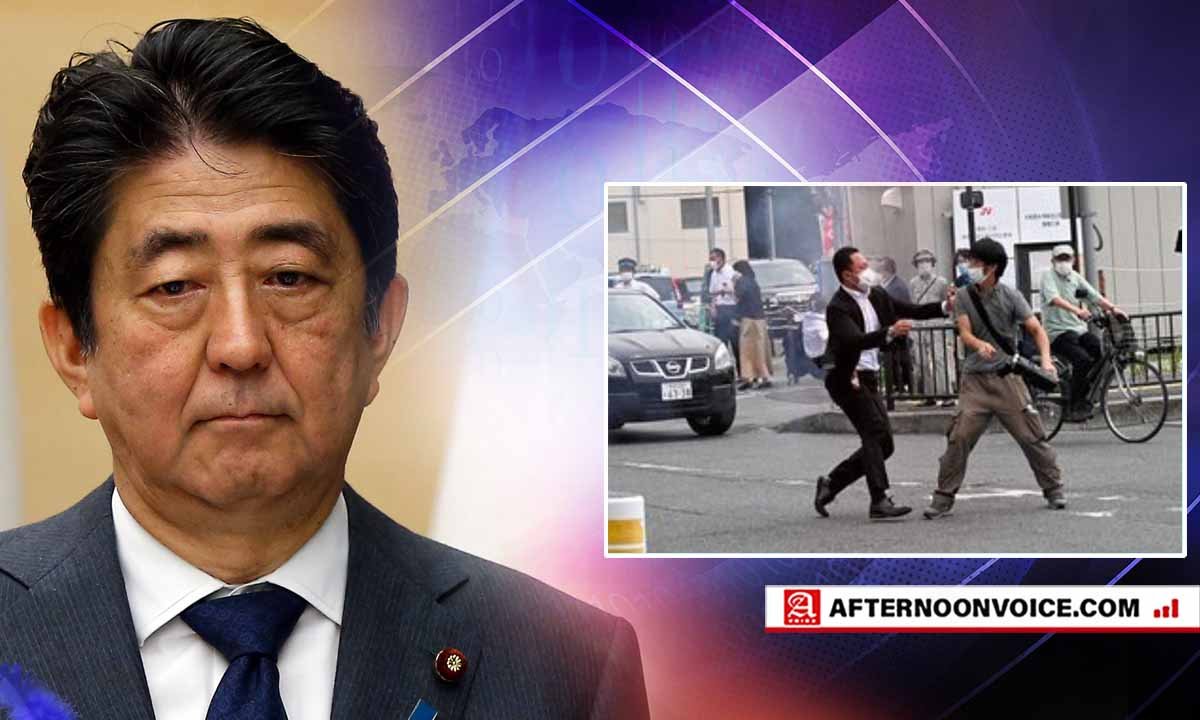
Japan’s NHK television says former Prime Minister Shinzo Abe has died after being shot during a campaign speech.

Abe was shot from behind minutes after he started his speech Friday in Nara in western Japan. He was airlifted to a hospital for emergency treatment but was not breathing and his heart had stopped. He was pronounced dead later at the hospital.

The 67-year-old Abe was Japan’s longest-serving leader before stepping down for health reasons in 2020.

Police arrested the suspected gunman at the scene of the attack, which shocked people in a country known as one of the world’s safest.

China wishes to penetrate Africa’s political landscape

china Africa
Representative Image

After offering loans to countries in Africa, China is now leveraging the “debt trap” to strategically penetrate the continent’s political landscape.

Chinese financiers have so far committed more than USD 153 billion to African public sector borrowers between 2000 and 2019 which is pushing the continent into debt, according to researchers.

China has recently emerged as a major lender in more than 32 African countries including Angola (USD 21.5 billion in 2017), Ethiopia (USD 13.7 billion), Kenya (USD 9.8 billion), Republic of Congo (USD 7.42 billion), Cameroon (USD 5.57 billion) and Zambia reaching USD 11.2 billion in 2019.

Notwithstanding, the debt Africa owes to China is persistently on the rise. Research historically has shown that soaring debt has the ability to compromise the sovereignty of African states, owing to the complexity of corruption and frequent political instability in the continent.

 An article by an online International Journal, IJSER, seeks to interrogate the impact of Chinese loans to Africa through a review of secondary data.

The article provides a different lens (negative impact) of Chinese loans in Africa in the 21st century.

During the wave of African independence post-the second world war, African economies incurred substantial debts from to the dictates of Britton wood institutions (International Monetary Fund and the World Bank) which they could not repay.

 The debt kept African countries at a vulnerable position. Hence, by mid-1990s, Africa was booted out of the global financial system due to unpaid loans.

There were various attempts to address the debt. Africa again, is presently confronted with another side of the same coin- “debt-trap”. This time from China.

The notion of the debt-trap was coined by graduate students who attempted to describe the nature of China’s loans to developing countries. It was later popularized in the context of “China debt-trap diplomacy” by scholars who have proven that China is deliberately offering loans to developing countries with high debt risks in order to put them in a position where they are subjected to the dictates of Beijing.

One scholar argued that even the “aid” that China offers to promote education in Africa has severe colonial implications. Thousands of scholarships that China offers to African students to study in various Chinese universities are aimed at shaping and cultivating Africa’s next generation of leaders to remain loyal to future Chinese policies toward Africa.

Another scholar highlights the fact that to understand the broader implications of China’s debt-trap diplomacy in Africa, one must weigh the risks and the benefits of Chinese loans across Africa. The peril of Chinese debt in Africa is evident.

Twitter states it removes 1 million bots each day

Twitter Image
Image for representative purpose

Twitter on Thursday stated every day a call takes place with executives and a briefing which aims to remove fake and spam accounts which are used to tussle with Elon Musk over “Spam Bots”. It removes 1 million spam accounts each in a call with executives.

As per the reports, Twitter has said “ It reviews “thousands of accounts” sampled at random, using both public and private data such as IP addresses, phone numbers, geolocation and how the account behaves when it is active, to determine whether an account is real”. So that it calculates how many are malicious spam.

Twitter has stated there are few private data on Twitter that isn’t available publicly and not in the data “firehose” that was given to Musk, including IP  addresses, phone numbers, and location. Twitter also states such private data helps avoid misidentifying real accounts.

Most companies and advertisers are facing issues of fake social media accounts for years. Most advertisers rely on social media for advertisements. There are Spam bots that are used to amplify messages and give out misleading information. Twitter has checked all this information after which they stated all the accounts are not “Malicious bots” some are “Good bots” which give news information, health and weather updates.

Boris Johnson’s government lacked focus and ideas in Downing Street

boris, boris johnson, pm, prime minister, uk pm
Image: Agency

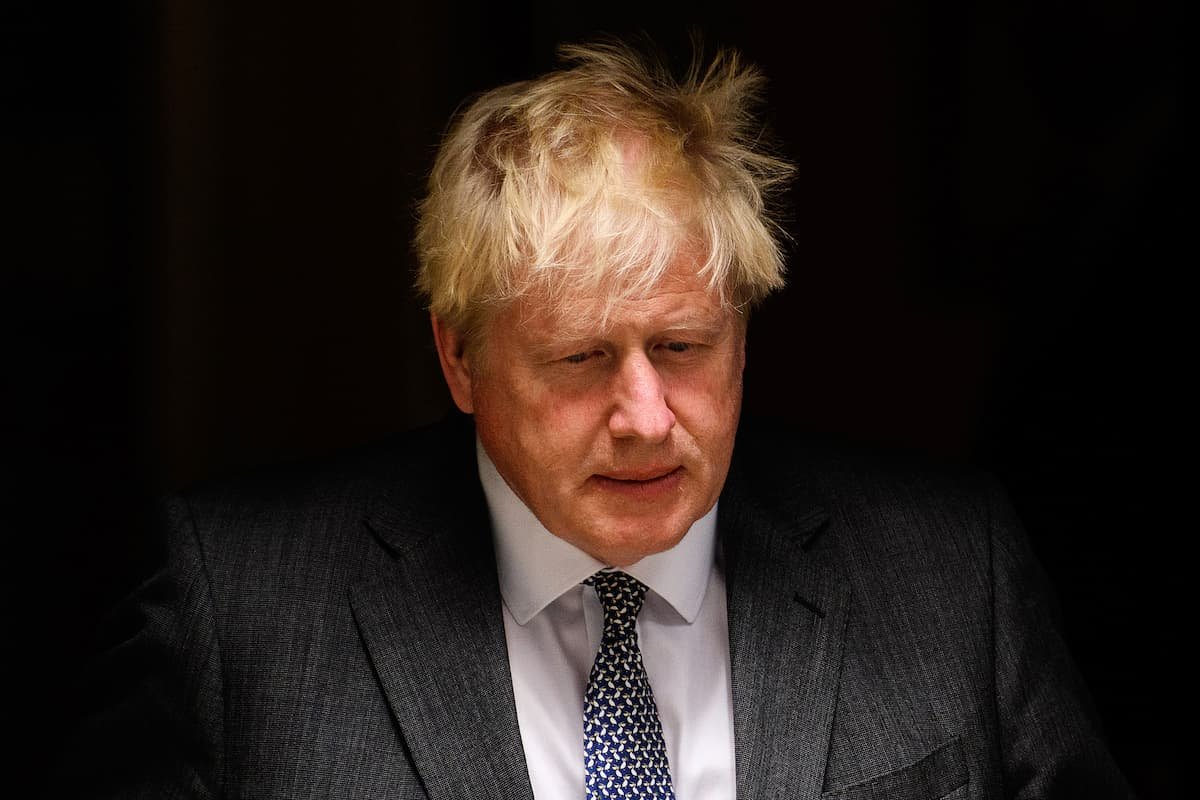
Boris Johnson’s glorious days of leading the UK ended with inflation rising in 2022, to the current rate of 9.1%. Many of the reasons were outside of Boris Johnson’s control. Russia’s invasion of Ukraine, for example, has led to rises in oil prices and the cost of food. And, while the government has taken some steps – for example, by cutting fuel duty by 5p per litre – it also went ahead with a tax rise in April. National Insurance went up by 1.25 pence in the pound. The government said the tax rise would pay for health and social care, and changes that kicked in this week softened the blow – but anyone earning more than £34,000 a year will still pay more. The UK was in the middle of the worst cost-of-living crisis for decades.

In October 2021, a House of Commons committee recommended a 30-day suspension for then-Conservative MP Owen Paterson. The committee said he broke lobbying rules, to try to benefit companies who paid him. But the Conservatives – led by the prime minister – voted to pause his suspension, and set up a new committee to look at how investigations were carried out. After an outcry, Mr Paterson ended up resigning. Mr Johnson later admitted he had “crashed the car” in his handling of the case.

Mr. Johnson’s premiership has been rocked by a chain of scandals in recent months after they found government officials to have held several parties in his Downing Street headquarters while the rest of the country was under strict Covid-19 lockdowns. He apologized to Buckingham Palace after staff held parties on the night before the funeral of Prince Philip, where Queen Elizabeth had to sit alone to comply with social-distancing requirements. Most recently, Johnson had to apologize for appointing as a senior parliamentary official a man whom he knew had a history of allegedly making unwanted sexual advances. “Them’s the breaks,” Johnson said as he announced his decision outside Downing Street. Less than three years ago, Boris Johnson led the Conservatives to their biggest election victory since 1987.

Now, the prime minister has lost the support of his MPs and is set to resign. The last British prime minister to resign was Theresa May, in 2019. Her departure started the leadership race that resulted in Mr Johnson becoming prime minister. He later secured a landslide election win. Mr Johnson will stay on in a caretaker capacity until a new leader is selected. British Prime Minister Boris Johnson said he would resign once a successor is chosen after senior members of his government turned against him and urged him to stand down following a series of scandals. It is a stunning reversal for a politician who has dominated British politics since the campaign to pull the UK out of the European Union, but one that leaves the ruling Conservative Party with a difficult choice—who should it pick to replace him?

Johnson decided to step down after senior cabinet ministers from his ruling Conservative Party, including Treasury Chief Rishi Sunak, and a long list of junior officials resigned, making it difficult if not impossible for him to run the government. He tried to hold on for a while, but as the number of departures mounted it became clear he would have to leave if the government was to get back on its feet. Many names have been mentioned, but there is no clear and obvious candidate. Mr. Sunak, the former Treasury chief and onetime hedge-fund manager, is seen as a front-runner but so far hasn’t officially thrown his hat into the ring.

Potential rivals include figures such as Ben Wallace, the defense minister, who has overseen the UK’s response to the war in Ukraine, and Foreign Secretary Liz Truss, though neither have the same name recognition as Johnson. Other candidates include lawmakers Penny Mordaunt and Jeremy Hunt. The man Johnson chose to succeed Sunak, Nadhim Zahawi, has also been touted in some quarters as a potential candidate. After less than 24 hours on the job, Zahawi on Wednesday issued an open letter calling on Johnson to step down. Whoever it is, choosing the next leader is lengthy. Successive rounds of voting by Conservative lawmakers would whittle the number of candidates to two, who would then be presented to the party’s broader membership and voted on.