Mumbai Horror: Women Teacher Gets Schoolboy Drunk, Molested Him Multiple Times 2
The English language teacher, who is married, took the minor to luxury hotels where she allegedly abused him, the official said.
The woman, who was taken into custody last week, was so obsessed with the minor that she tried to contact him even after he passed out of school this year, the police said.
According to the police official, the accused became attracted to her student during various meetings in connection with the school’s annual function in December 2023. She allegedly made her first sexual advance in January 2024.
The police said a friend of the accused encouraged the then Class 10 student to accept the illegal relationship, saying that affairs between older women and teenage boys had become quite common nowadays.
The friend, who is also booked, would say that the woman teacher and the boy “were made for each other”, the official said, citing the FIR.
Soon after the accused teacher started taking the teenager to expensive hotels to sexually assault him, the student developed acute anxiety. She then allegedly gave him some anti-anxiety pills, the official said.
The teacher would also often allegedly get the boy drunk before abusing him.
The boy’s family learnt about the exploitation after they noticed a change in his behaviour. However, they kept quiet, thinking he would finish school in a few months and the matter would end, the official said.
The boy cleared his Class 10 exam a few months ago and left the school, but slipped into depression, the official said.
His family decided to speak up when the accused again sent the boy a message, through their domestic staff, to meet her, the official said.
The woman teacher has been booked under the Protection of Children from Sexual Offences (POCSO) Act, Bharatiya Nyaya Sanhita and the Juvenile Justice Act, the official added.
Carnac Bridge Delay Sparks MNS, Sena UBT Fury; Heavy Cops Deployed Amid Protest Threat 4
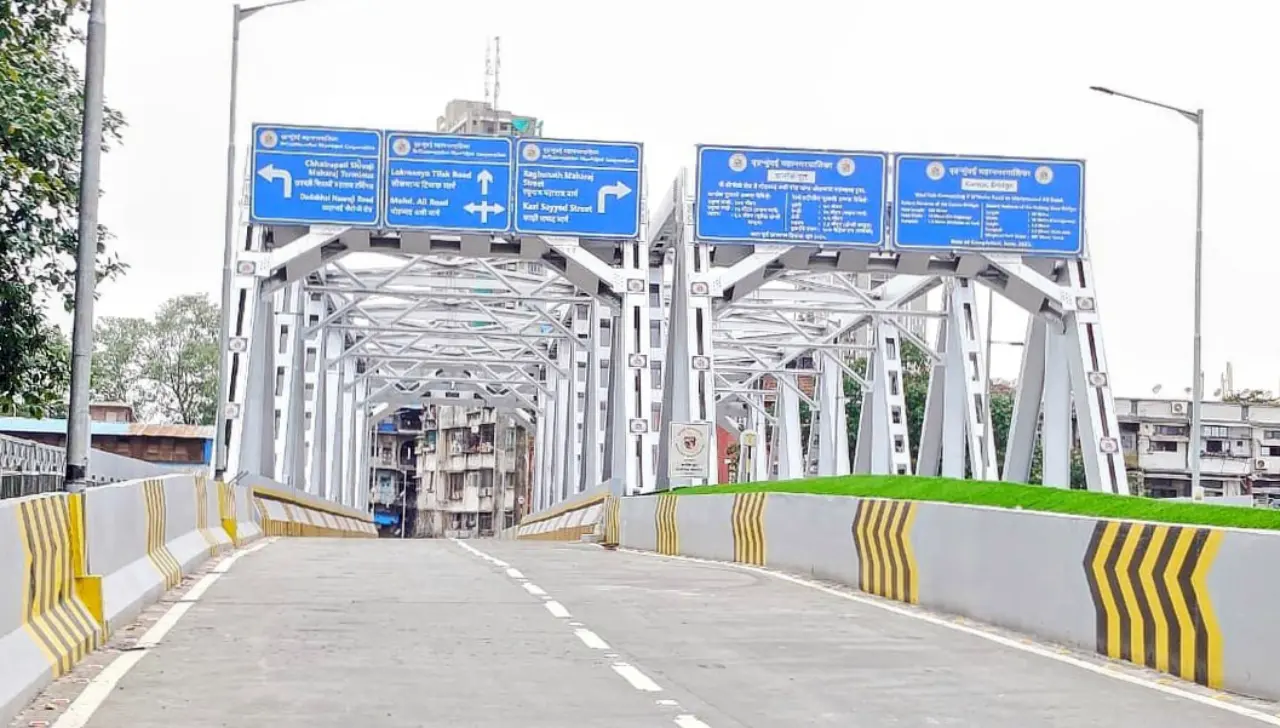
Heavy police security was deployed at South Mumbai’s newly rebuilt Carnac bridge on Tuesday, as tensions flared over unexplained delays in opening the bridge for traffic.
Congress MLA Amin Patel raised the issue in the state legislative assembly, questioning why citizens continue to suffer despite the bridge being structurally ready. The Free Press Journal had reported on July 1 that the bridge was completed weeks ago, but the Brihanmumbai Municipal Corporation (BMC) is awaiting a formal nod from Chief Minister Devendra Fadnavis to open it.
The delay has prompted Maharashtra Navnirman Sena (MNS) and Shiv Sena (UBT) leaders to announce protests if the bridge is not opened immediately. Huge police contingents were seen stationed at P D’Mello Road, near the bridge, as both parties threatened agitation. Assistant Commissioner of Police conducted a walk-through from P D’Mello Road to Masjid Bunder to assess security arrangements.
Locals have been forced to take lengthy detours since the closure of the British-era bridge, declared structurally unsafe after an audit. Reconstruction was completed by June 10, with load tests finished by June 15 and railway clearances received by June 24.
Frustrated citizens are questioning whether the BMC is stalling for a VIP inauguration, as the bridge remains barricaded despite all technical and administrative clearances.
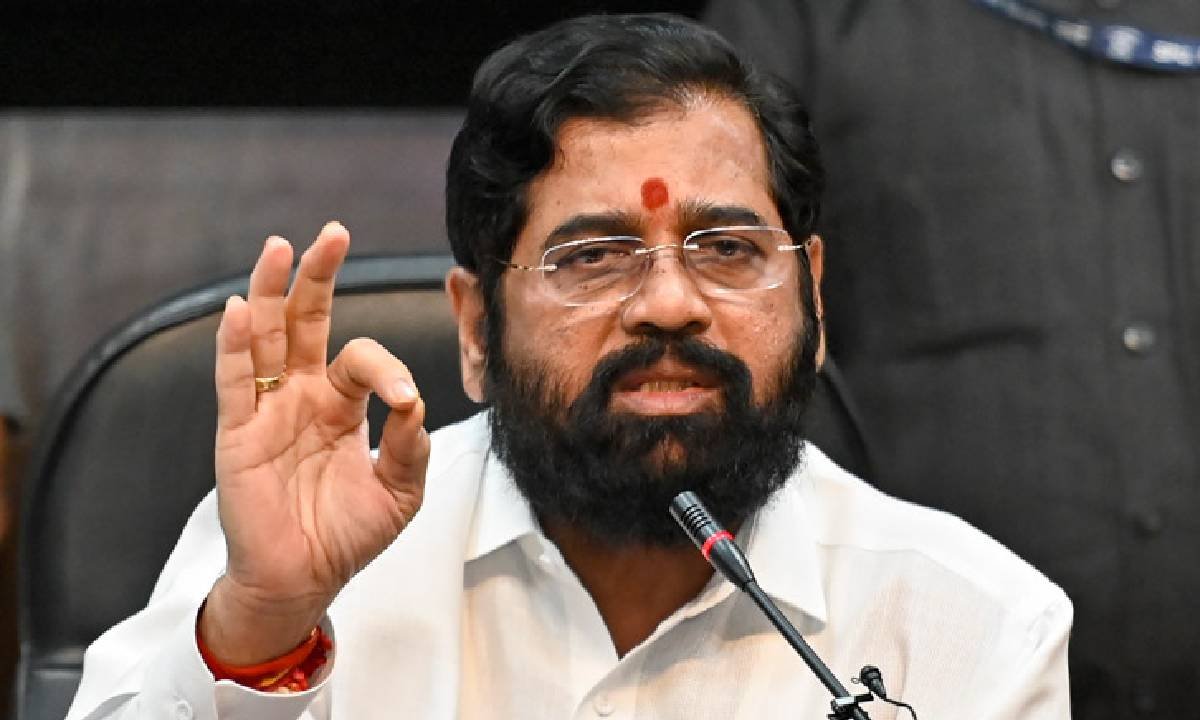
Maharashtra Deputy Chief Minister Eknath Shinde has assured the safe return of tourists from the state stranded in flood and landslide-hit Uttarakhand, saying active efforts are underway in coordination with local authorities.
Speaking to the media, Shinde said, “Our Tourism Minister has spoken with his Uttarakhand counterpart, and I personally discussed the situation with Uttarakhand officials and the Special Secretary of the Chief Minister’s Office. I also spoke directly to some of the stranded tourists—they are safe and receiving assistance. Our officers are on the way to support the rescue, and we will bring everyone back safely.”
Meanwhile, on July 1, restoration of the Yamunotri National Highway in Uttarkashi district continued at full pace after landslides and heavy rains caused severe damage. Seven heavy machines, including Poklane and JCBs, were working around the clock from both directions at Ojri to clear debris and reopen the route.
District Magistrate Prashant Arya, who reached the affected area on foot from Silai Band on Tuesday, is personally supervising relief efforts. He assured that restoring road access and ensuring the safety of pilgrims and residents are the administration’s top priorities.
Due to road washouts in multiple locations, a transhipment system has been set up to safely ferry Yamunotri pilgrims from Ojri to Silai Band, where they continue their journey on foot. Arya emphasized that deployed teams have been instructed to work with maximum sensitivity and caution.
Arya also told ANI, “Traffic has been disrupted due to road washouts at three locations in the Silai Band area. Work is underway on a war footing to restore smooth traffic movement.”
As rescue and repair operations intensify, authorities have pledged all necessary support to affected pilgrims and locals, with special attention given to those stranded en route to the sacred Yamunotri Dham.
The Dalai Lama's Defiant Legacy: Succession, Exile, and the Battle for Tibet’s Soul 7
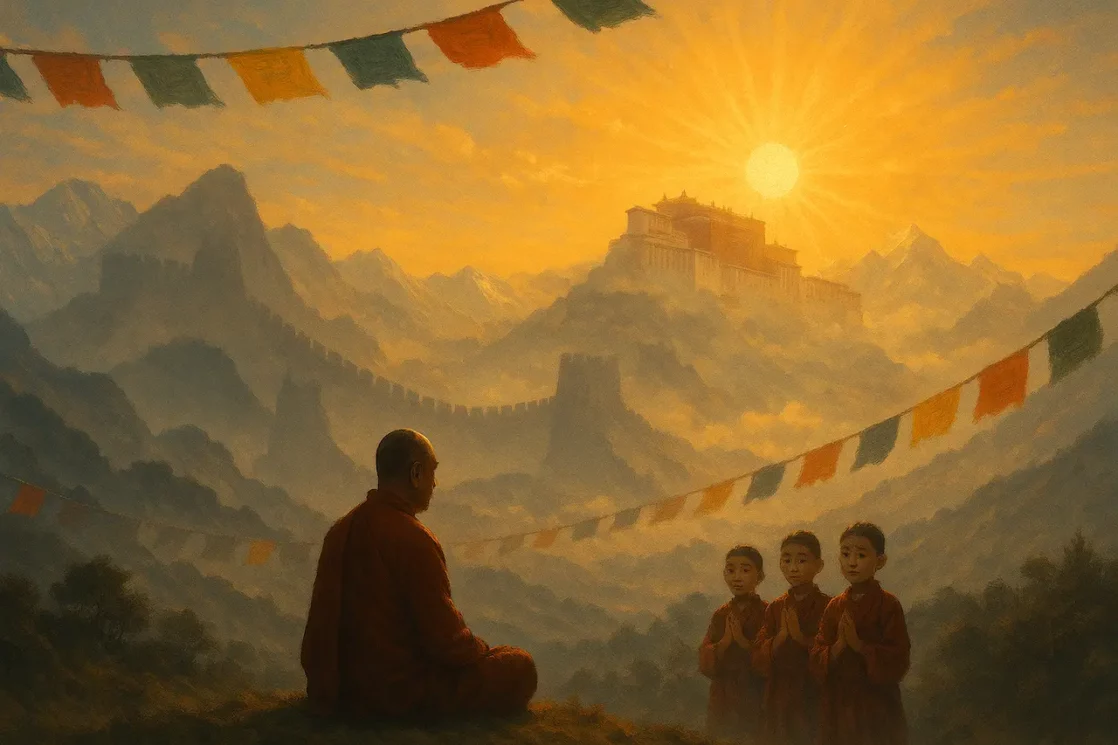
In a monumental and unprecedented declaration, the 14th Dalai Lama, Tenzin Gyatso, has confirmed that the centuries-old institution of the Dalai Lama will continue after his death — an assurance that not only brings hope to millions of Tibetan Buddhists but also directly challenges the Chinese government’s ongoing attempts to dominate and redefine Tibetan spiritual traditions. As he approaches his 90th birthday in July 2025, the Dalai Lama has made it unequivocally clear: his successor will be born outside China and the process of identifying the next Dalai Lama will strictly follow Tibetan Buddhist traditions, not Communist Party mandates.
This announcement has far-reaching geopolitical implications. For years, China has insisted that any reincarnation of the Dalai Lama must be approved by Beijing, a claim widely condemned by Tibetans and human rights advocates as blatant religious interference. The Dalai Lama’s move is seen as a strategic spiritual act to ensure that the Chinese state cannot fill a leadership vacuum with a state-approved figurehead. By declaring his intention in advance and affirming the legitimacy of traditional Tibetan methods of identifying his reincarnation, he is securing his legacy and resisting China’s attempts to erase Tibetan identity.
Born in 1935 in a remote village in what is now Qinghai province, China, Lhamo Thondup was recognized at age two as the reincarnation of the 13th Dalai Lama. Trained in Buddhist philosophy and leadership, he assumed political authority at just 15 when Chinese troops invaded Tibet in 1950. After a failed uprising in 1959, he fled to India, where Prime Minister Jawaharlal Nehru granted him asylum. He settled in McLeod Ganj, Dharamshala, where he built a government-in-exile and kept Tibetan identity alive through education, culture, and spiritual leadership.
Despite the exile, the Dalai Lama has maintained global prominence as a symbol of peace and nonviolence. He was awarded the Nobel Peace Prize in 1989 and has long advocated for a “Middle Way” approach — seeking autonomy for Tibet within China rather than full independence. His political evolution, from a ruler in exile to a moral and spiritual global leader, has been profound. He relinquished political duties to an elected parliament of Tibetan exiles in 2001, focusing solely on his spiritual mission.
The Potala Palace in Lhasa once served as the winter residence of successive Dalai Lamas. Now, the seat of Tibetan Buddhism sits in Dharamshala, where the Dalai Lama continues to teach and guide. His successor, he insists, could be a woman, could be born in India or Mongolia, and must be found by spiritual means — not political interference. In recent years, he has spoken out repeatedly against Beijing’s attempt to politicize the reincarnation process and warned the international community that any Chinese-appointed Dalai Lama should be considered illegitimate.
He has not been without controversy. In 2023, a video showing the Dalai Lama interacting playfully yet inappropriately with a child sparked backlash and forced a public apology. He explained his actions as part of his often teasing, lighthearted manner — but the moment served as a reminder of the complexities of leading as a spiritual figure in a media-saturated world.
Still, his influence remains immense. From advocating for the rights of refugees to speaking on global harmony, from criticizing both Chinese oppression and Western hypocrisy, to calling India a model of religious coexistence, the Dalai Lama continues to shape public consciousness. He has affirmed that Tibetans seek harmony, not separation, but also warned that the failure of the Middle Way approach could eventually push Tibetans toward demands for complete independence under international law.
With his 90th birthday drawing near, the 14th Dalai Lama has chosen to reaffirm faith in his people and their ancient traditions. By preemptively declaring a plan for his succession, he is denying Beijing the opportunity to manipulate Tibetan Buddhism and hijack its future. More than a spiritual statement, this is a political masterstroke — a final act of defiance from a man who has spent his life peacefully resisting one of the most powerful regimes on Earth.
As the world watches, the question now is not whether the institution of the Dalai Lama will continue — but where, how, and with what consequences. In that answer lies the future of a people, a religion, and a legacy that refuses to fade into silence.
Centre Debunks Siddaramaiah’s Claim: No Covid Vaccine Link to Sudden Heart Deaths, Says Govt 9
The Union Health Ministry on Wednesday firmly rejected claims made by Karnataka Chief Minister Siddaramaiah linking sudden heart-related deaths in Hassan district to Covid vaccination, citing extensive studies by ICMR and AIIMS that found no such connection.
Siddaramaiah had suggested that “hasty approval and distribution” of Covid vaccines could be responsible for over 20 sudden cardiac deaths reported in Hassan in the past month. He urged people experiencing chest pain or breathing difficulty to seek immediate medical attention.
Countering these remarks, the ministry stated that thorough investigations by agencies including the Indian Council of Medical Research (ICMR) and the National Centre for Disease Control (NCDC) have conclusively established no direct association between Covid-19 vaccines and sudden unexplained deaths.
“Studies affirm that COVID-19 vaccines in India are safe and effective, with extremely rare serious side effects,” the ministry noted. It added that sudden cardiac deaths are typically linked to genetics, lifestyle factors, pre-existing conditions, and post-Covid complications.
Two complementary studies were launched to investigate these deaths: one retrospective analysis by ICMR’s National Institute of Epidemiology covering 47 hospitals in 19 states, and a prospective study led by AIIMS Delhi, funded in collaboration with ICMR. Both found no evidence that Covid vaccines increased the risk of sudden deaths among young adults aged 18-45.
Early AIIMS findings confirmed heart attacks remain the primary cause of sudden deaths, while genetic mutations often contribute in unexplained cases. Importantly, the data showed no significant change in causes of sudden deaths compared with previous years.
The ministry warned that speculative statements undermining vaccine safety risk fueling public hesitancy, jeopardizing the massive gains made during the pandemic when vaccines saved millions of lives. It stressed the government’s continued commitment to evidence-based public health research.
Meanwhile, Siddaramaiah has formed a committee led by Dr. Ravindranath of Jayadeva Institute of Cardiovascular Sciences to investigate the series of heart attack deaths in Hassan district, with a report expected in 10 days.
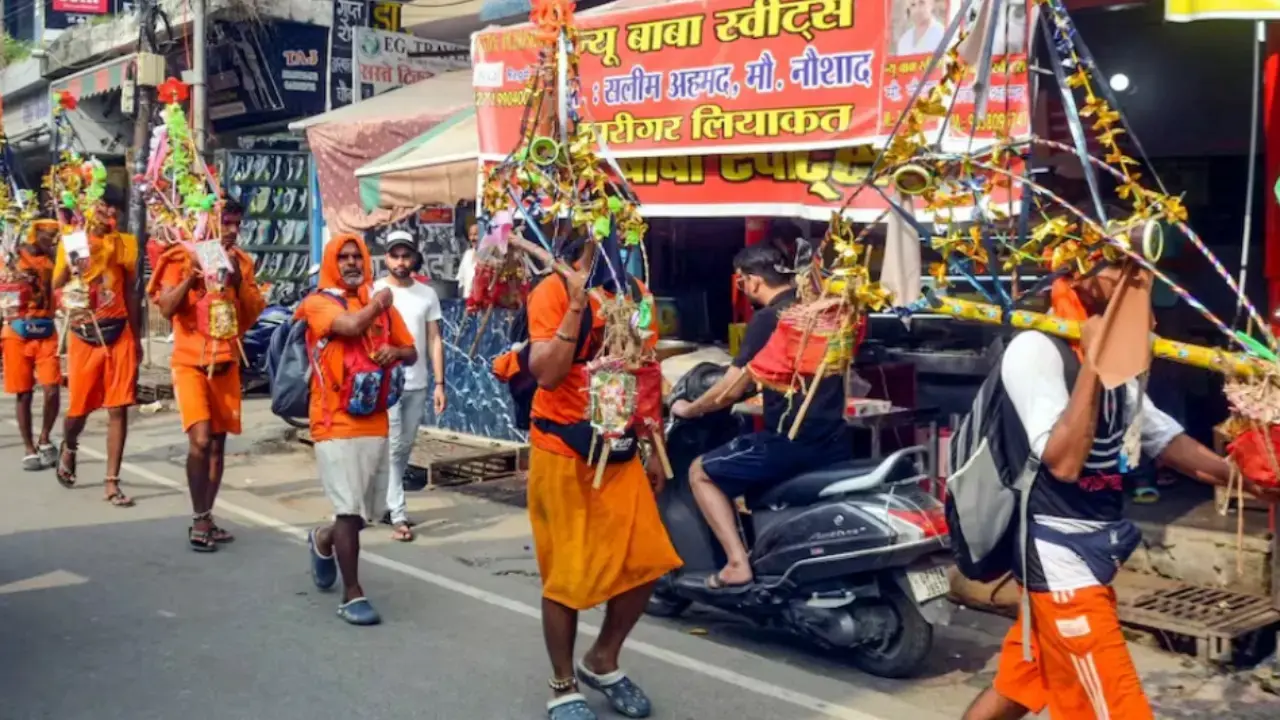
Uttarakhand Cracks Down: Eateries on Kanwar Route Must Show Food Licenses or Face ₹2 Lakh Fine 11
The Uttarakhand government has mandated that all eateries along the Kanwar Yatra route must prominently display their food licenses or registration certificates to ensure transparency and food safety for lakhs of devotees undertaking the annual pilgrimage.
Hotels, dhabas, food carts, and stalls must now keep a clean, visible copy of their licenses or registration certificates so that consumers can easily verify compliance, Health Secretary and Food Safety Commissioner R Rajesh Kumar announced. Even small traders and food cart operators must carry and display their registration documents.
Additionally, all establishments are required to install a ‘Food Safety Display Board’ in a clearly visible spot, informing customers who is responsible for the food’s quality. Officials warned that violators will face strict action under Section 55 of the Food Safety Act 2006, with fines reaching up to ₹2 lakh.
“There will be no compromise on the quality of food served to devotees at pandals and community kitchens,” Kumar stressed, adding that immediate legal action will be taken against adulterators or those tampering with food standards. “The health of pilgrims is our top priority.”
Special teams of food safety officers have already been deployed in Haridwar, Dehradun, Tehri, Pauri, and Uttarkashi districts to collect samples of milk, sweets, oil, spices, and beverages from pandals, which will be tested in labs. If any sample fails to meet safety standards, the concerned establishment will be shut down immediately, said Additional Commissioner of Food Safety Tajbar Singh Jaggi.
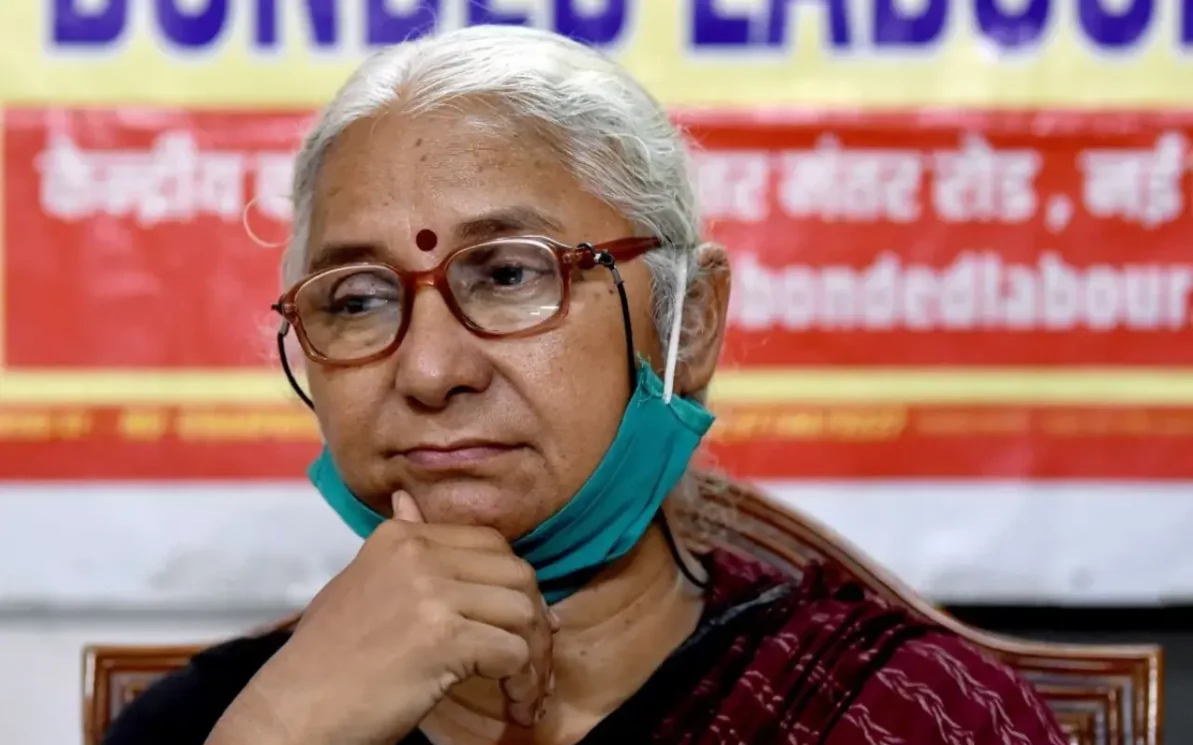
A heated confrontation erupted during a parliamentary committee meeting on Tuesday after BJP MPs staged a dramatic walkout over the decision to invite activist Medha Patkar, whom they labelled “anti-national.” The protest forced an early adjournment of the Standing Committee on Rural Development and Panchayati Raj due to lack of quorum.
Former Union minister and BJP MP Parshottam Rupala led the exodus, with several BJP lawmakers expressing outrage that Patkar — known for her leadership of the Narmada Bachao Andolan against the Sardar Sarovar Dam project — was invited to share her views on the 2013 land acquisition law. One furious BJP MP even questioned if the panel might as well invite Pakistan’s leaders next.
Committee chairman and Congress MP Saptagiri Sankar Ulaka defended the move to invite Patkar, calling it standard practice to consult civil society stakeholders on important legislation. “We wanted to hear diverse opinions, but they [BJP MPs] didn’t allow it,” Ulaka told PTI.
The controversy stems from Patkar’s longstanding opposition to projects like the Sardar Sarovar Dam — a scheme championed by then-Gujarat Chief Minister Narendra Modi — which BJP leaders claim undermined national development. Modi has repeatedly criticized attempts to stall the dam, citing delays since its foundation in the 1960s.
After BJP MPs exited the meeting, Ulaka declared it adjourned due to the absence of the required quorum of 10 members. Sources said the panel had also called officials from the Environment Ministry and other activists, including actor Prakash Raj, but BJP MPs objected specifically to Patkar’s presence.
Reacting to the abrupt end, Patkar confirmed she had been formally invited and had previously appeared before parliamentary committees without issue. “I have never seen anything like this. It is important to discuss the land acquisition law,” she said, expressing disappointment at the disruption.
BJP Picks Ravindra Chavan as Maharashtra Chief Ahead of Key Civic Polls 15
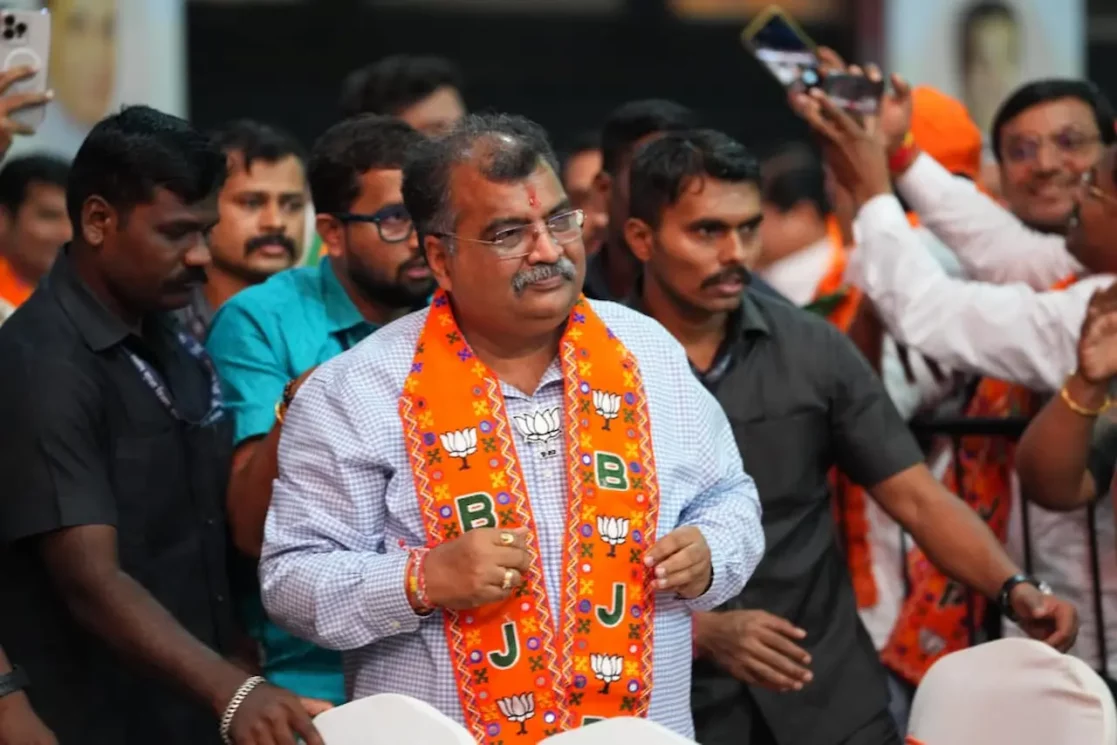
Former minister and four-time Dombivli MLA Ravindra Chavan was unanimously elected as the Maharashtra state president of the Bharatiya Janata Party (BJP) on Tuesday, replacing Revenue Minister Chandrashekhar Bawankule in a key leadership shift ahead of crucial municipal elections.
The announcement was made by Union Minister Kiren Rijiju, who is overseeing the BJP’s organisational polls in Maharashtra as the party’s central observer. Chavan’s appointment as the 12th state BJP president comes at a critical juncture, with local body elections expected later this year.
A close confidant of Chief Minister Devendra Fadnavis, Chavan had been serving as the working president of the state BJP since January. Despite his previous cabinet experience—including stints as Minister of State in the Fadnavis government (2016-2019) and as Public Works Minister under Eknath Shinde—Chavan was not inducted into the council of ministers when the Mahayuti alliance formed the government last December.
Rijiju praised Chavan’s long service in the party, noting his vital role in expanding the BJP’s footprint in Mumbai’s metropolitan region and the Konkan belt over the past decade. Chavan’s unanimous election followed the party’s internal process of district and mandal-level appointments, Chief Minister Fadnavis said, adding that the Mumbai BJP unit will soon elect a new president in consultation with state leaders.
Chavan’s political journey began in the early 2000s with the Bharatiya Janata Yuva Morcha (BJYM). He quickly climbed the ranks, becoming Kalyan district youth wing vice president in 2002, corporator in the Kalyan-Dombivli Municipal Corporation in 2007, and winning the Dombivli assembly seat in 2009. He has since secured four consecutive assembly victories, most recently in 2024.
Known for his organisational acumen, Chavan was instrumental in the BJP’s expansion into semi-urban areas like Karjat, Badlapur, and Matheran, and was credited for behind-the-scenes negotiations during the formation of the Eknath Shinde-Fadnavis government in 2022.
As state BJP president, Chavan’s experience in both organisational and legislative spheres is expected to play a decisive role in the party’s strategy for upcoming civic polls.
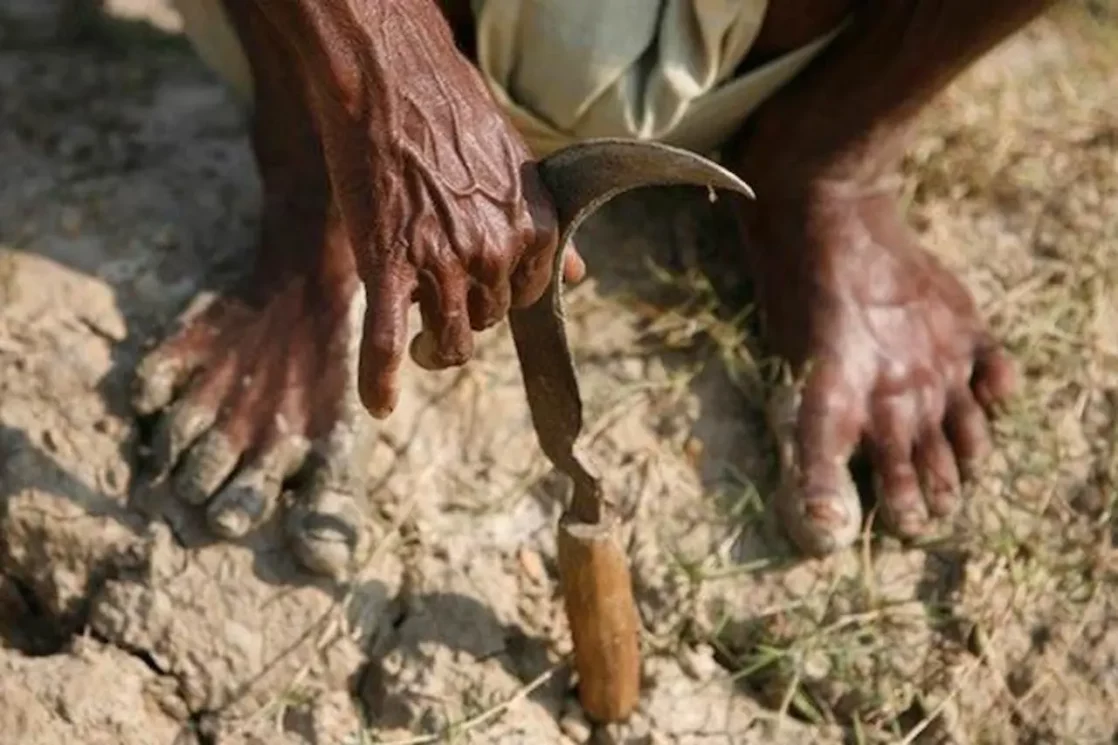
Maharashtra's Grim Toll: 767 Farmer Suicides in First Quarter of 2025 17
A total of 767 farmers died by suicide across Maharashtra between January and March 2025, Relief and Rehabilitation Minister Makarand Jadhav-Patil informed the state council on Tuesday, highlighting the ongoing agrarian crisis.
Of these 767 cases, 373 were deemed eligible for government compensation, while 200 were declared ineligible. Investigations remain pending in 194 cases. Jadhav-Patil said compensation has been paid in 327 of the 373 eligible cases, and efforts are underway to clear the remaining payouts, with divisional commissioners directed to expedite the process.
As per a 2006 state decision, heirs of farmers who die by suicide receive ₹1 lakh compensation; however, the minister clarified there is currently no proposal to increase this amount.
Region-wise data showed western Vidarbha districts—Yavatmal, Amravati, Akola, Buldhana, and Washim—reported the highest number of suicides with 257 cases in the first quarter alone. Of these, 76 were eligible for aid, 74 were ineligible, and 107 are still under inquiry, with payments completed in 71 cases so far.
In Hingoli district of Marathwada, 24 farmer suicides were recorded between January and May 2025. Thirteen of these cases qualified for aid and have been compensated, while five were ineligible and six are pending investigation.
To combat the rising number of farmer suicides, Jadhav-Patil outlined several ongoing initiatives, including compensation for crop damage from natural disasters, annual financial support of ₹12,000 through the Pradhan Mantri Kisan Samman Nidhi and Shetkari Mahasanman Fund, fair pricing mechanisms, expanded irrigation, and counseling centers. He added that widows of farmers who die by suicide receive benefits through various government schemes.
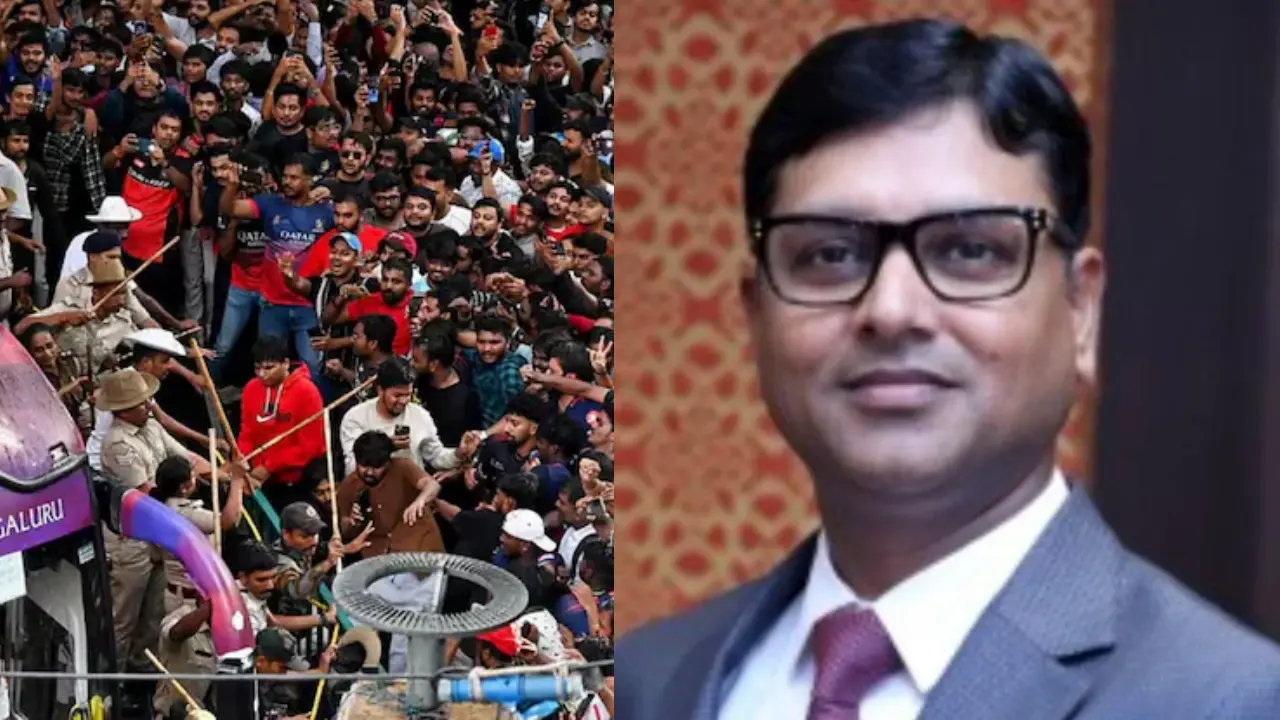
CAT Reverses Karnataka's Suspension of IPS Officer in Bengaluru Stampede Case 19
The Central Administrative Tribunal (CAT) has quashed the Karnataka government’s suspension order against senior IPS officer Vikash Kumar Vikash, who was suspended following the deadly stampede outside Bengaluru’s M Chinnaswamy Stadium on June 4, which claimed 11 lives.
Vikash had challenged the government’s June 5 suspension order before the CAT, which also named Bengaluru Police Commissioner B Dayananda and DCP Shekar H Tekkannavar. The Bengaluru bench, comprising Justice B K Shrivastava and administrative member Santhosh Mehra, reserved its verdict on June 24 and delivered the ruling on Tuesday, setting aside Vikash’s suspension.
Senior advocate Dhyan Chinappa, representing Vikash, said the tribunal annulled the suspension and affirmed that the officer is entitled to all benefits as per service rules. The CAT noted its findings could also extend to the cases of Dayananda and Tekkannavar, potentially paving the way for their reinstatement.
Following the tragedy, Chief Minister Siddaramaiah had suspended Dayananda, Vikash, Tekkannavar, Assistant Commissioner of Police C Balakrishna, and Circle Inspector A K Girish for alleged lapses in planning and crowd control. The IPS officers were suspended under the All India Services (Discipline & Appeal) Rules, 1969, while action against the ACP and PI proceeded under state police disciplinary rules.
According to the government, the police failed to formally reject RCB’s June 4 victory parade plan despite being informed on June 3, and did not prepare adequately for the expected crowd surge after RCB and the Cricket Association publicized the event. The lack of tickets or passes and insufficient crowd management led to chaos, fatalities, and severe criticism of the administration.