Ahead of RS polls, Shiv Sena corrals MLAs in Mumbai hotel to avoid poaching 2
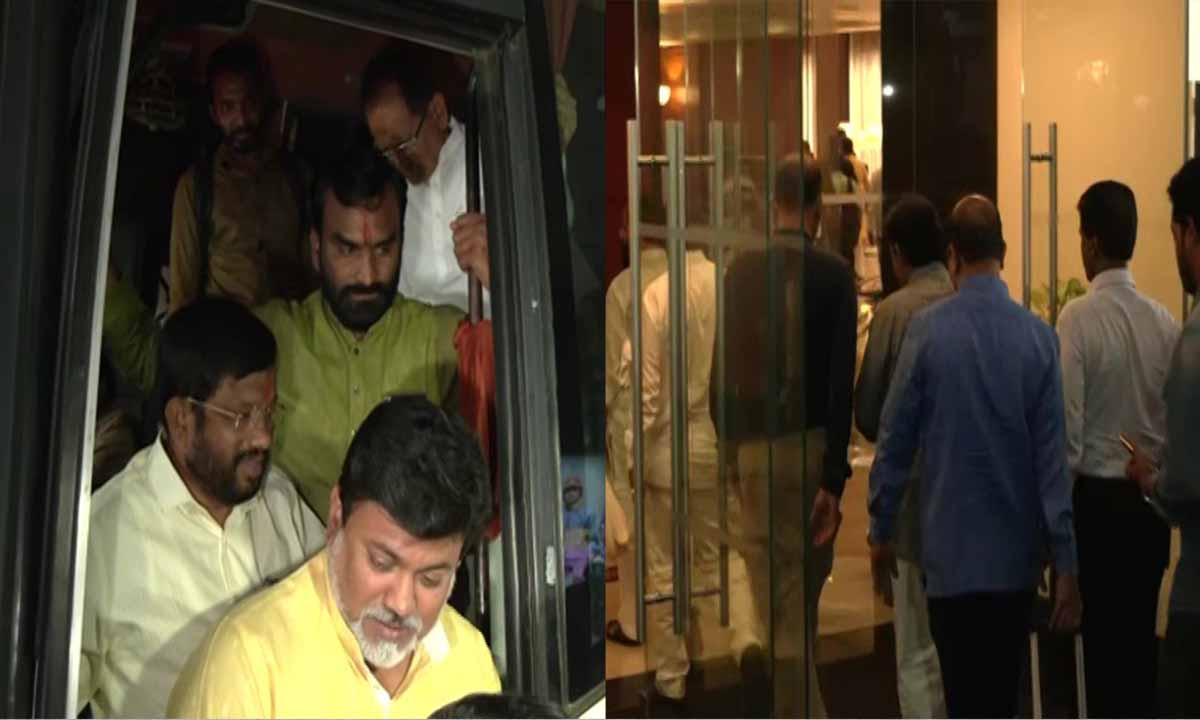
Ahead of the June 10 Rajya Sabha polls, the ruling Shiv Sena in Maharashtra has decided to shift its MLAs from a resort in suburban Malad to a five-star hotel in south Mumbai as part of a strategy to ward off poaching, a senior party leader said on Tuesday.
All legislators of the Sena have been summoned to Mumbai and they will stay together till the polls on June 10, he said.
“We were in ‘The Retreat’ (at Madh island in northwest Mumbai) and all our ministers too were present there. That was part of our strategy. We will be moving to hotel ‘The Trident’ (in south Mumbai) today,” Sena MLA and party spokesperson Sunil Prabhu said.
The Trident is at a stone’s throw from the Maharashtra Legislative Assembly where voting will take place for the six Rajya Sabha seats.
The Sena has 55 MLAs (one MLA had died due to a heart attack last month) in the 288-member House.
Chief Minister and Shiv Sena president Uddhav Thackeray on Monday met the MLAs of his party as well as others supporting it.
After more than two decades, the state will witness a contest in the Rajya Sabha polls as there are seven candidates in the fray for six seats.
The Sena has fielded two candidates — Sanjay Raut and Sanjay Pawar — while the BJP has nominated Union minister Piyush Goyal, Anil Bonde and Dhananjay Mahadik. The NCP (Praful Patel) and Congress (Imran Pratapgarhi) have fielded one candidate each.
The contest lies for the sixth seat between Pawar and Mahadik.
Given its strength in the Assembly, the BJP has enough votes to win two seats, while the Sena, NCP and Congress can win one seat each.
The Sena (55), NCP (52) and Congress (44) — all constituents of the Maha Vikas Aghadi– have enough votes together to ensure the victory for the second candidate of the Sena.
While two NCP MLAs- Anil Deshmukh and minister Nawab Malik- are currently in jail, one seat is lying vacant in the 288-member House.
Apart from the four main parties, the Assembly has 25 MLAs from smaller parties and Independents.
The Sena decided to corral its MLAs after accusing the opposition BJP of “horse-trading” and using Central agencies to pressure independent MLAs.
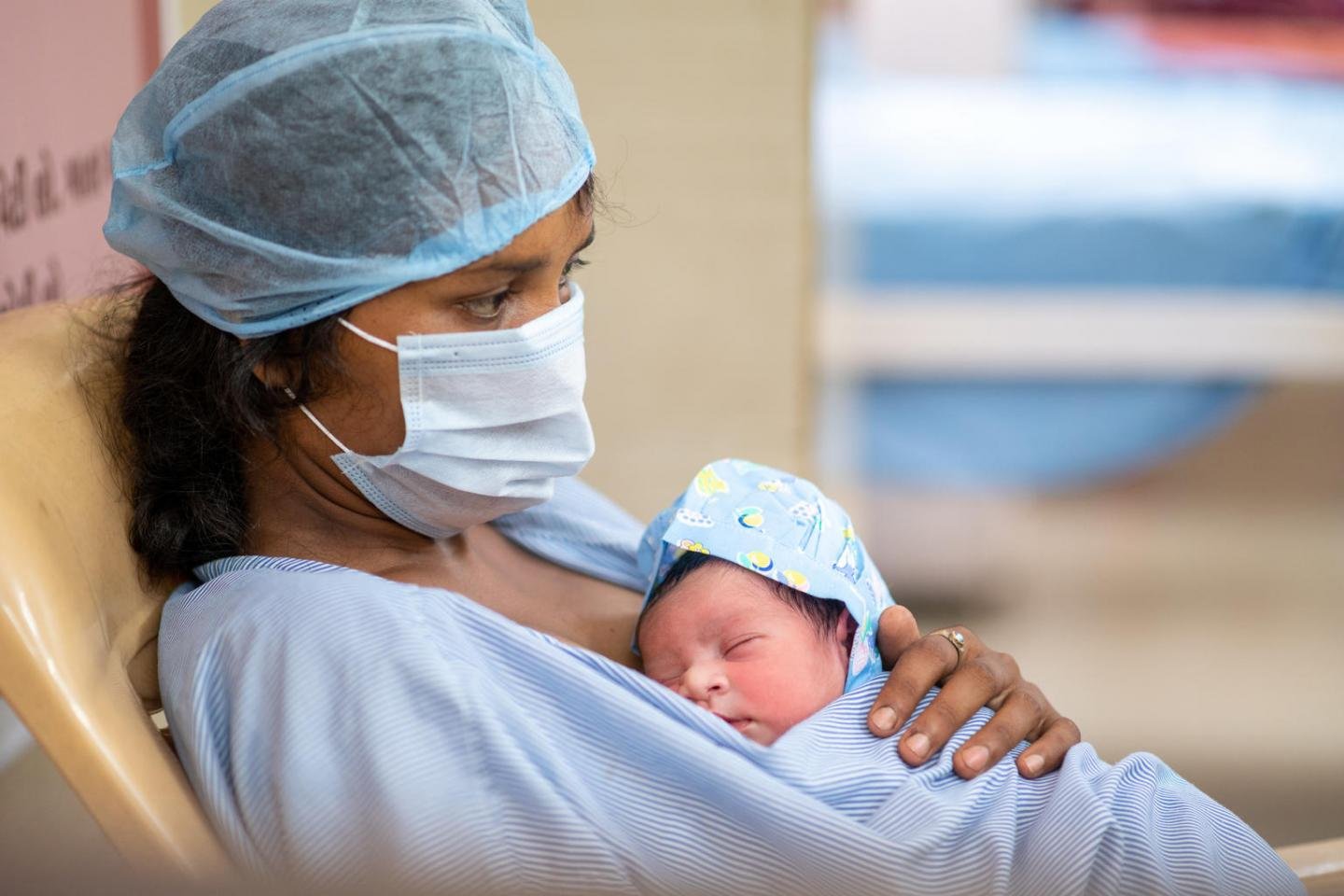
Babies born to mothers who suffered COVID-19 disease during pregnancy seem to exhibit differences in neurodevelopmental outcomes in 6 weeks, according to a preliminary analysis.
The analysis was presented at the 30th European Congress of Psychiatry.
Project Leader Dr Rosa Ayesa Arriola said: “Not all babies born to mothers infected with COVID show neurodevelopmental differences, but our data shows that their risk is increased in comparison to those not exposed to COVID in the womb. We need a bigger study to confirm the exact extent of the difference”.
Researchers found that babies born to mothers who had been infected show greater difficulties in relaxing and adapting their bodies when they are being held when compared to infants from non-infected mothers, especially when the infection took place in late pregnancy. Moreover, infants born from infected mothers tend to show greater difficulty in controlling head and shoulder movement. These alterations suggest a possible COVID-19 effect on motor function (movement control).The results come from an initial evaluation of the Spanish COGESTCOV-19 project, which followed the course of pregnancy and baby development in mothers infected with COVID-19. The researchers are presenting the data on pregnancy and post-natal assessment at 6 weeks after birth, but the project will continue to see if there are longer-term effects. The group will monitor infant language and motor development between 18 and 42 months old.
The initial evaluation compared babies born to 21 COVID-positive pregnant women and their babies, with 21 healthy controls attending the Marques de Valdecilla University Hospital in Santander, Spain. The mothers underwent a series of tests during and after pregnancy. These included hormonal and other biochemical tests (measuring such things as cortisol levels, immunological response, etc.) salivary tests, movement responses, and psychological questionnaires. All analyses were adjusted for infant age, sex, and other factors.
The post-natal tests included the Neonatal Behavioral Assessment Scale (NBAS), which measures the baby’s movement and behaviour.
Researcher Ms Agueda Castro Quintas (University of Barcelona, Network Centre for Biomedical Research in Mental Health), said: “We found that certain elements of the NBAS measurement were changed in 6-week-old infants who had been exposed to the SARS-COV-2 virus. Effectively they react slightly differently to being held, or cuddled”.
He added, “We have been especially sensitive in how we have conducted these tests. Each mother and baby were closely examined by clinicians with expert training in the field and in the tests. We need to note that these are the preliminary results, but this is part of a project following a larger sample of 100 mothers and their babies. They have also been monitored during pregnancy and after birth. We also plan to compare these mothers and babies with data from another similar project (the epi-project) which looks at the effect of stress and genetics on a child’s neurodevelopment”.
Agueda Castro Quintas continued: “This is an ongoing project, and we are at an early stage. We found that babies whose mothers had been exposed to COVID did show neurological effects at 6 weeks, but we don’t know if these effects will result in any longer-term issues, longer-term observation may help us understand this.
Co-researcher Nerea San Martin Gonzalez, added: “Of course, in babies who are so young there are several things we just can’t measure, such as language skills or cognition. We also need to be aware that this is a comparatively small sample, so we are repeating the work, and we will follow this up over a longer period. We need a bigger sample to determine the role of infection on offspring’s neurodevelopmental alterations and the contribution of other environmental factors In the meantime, we need to stress the importance of medical monitoring to facilitate a healthy pregnancy, discuss any concerns with your doctor wherever necessary”.
Commenting, Project Leader Dr Rosa Ayesa Arriola said: “This is the right moment to establish international collaborations that would permit us to assess long-term neurodevelopment in children born during the COVID-19 pandemic. Research in this field is vital in understanding and preventing possible neurological problems and mental health vulnerabilities in those children in the coming years”.
In an independent comment, Dr Livio Provenzi (University of Pavia, Italy) said: “There is a great need to study both direct and indirect effects of the COVID-19 pandemic on the health and well-being of parents and infants. Pregnancy is a period of life which shapes much of our subsequent development, and exposure to adversity during pregnancy can leave long-lasting biological footprints. These findings from Dr Rosa Ayesa Arriola’s group reinforce evidence of epigenetic alterations in infants born from mothers exposed to pandemic-related stress during pregnancy. It shows we need more large scale, international research to allow us to understand the developmental effects of this health emergency and to deliver better quality of care to parents and infants”. (ANI)
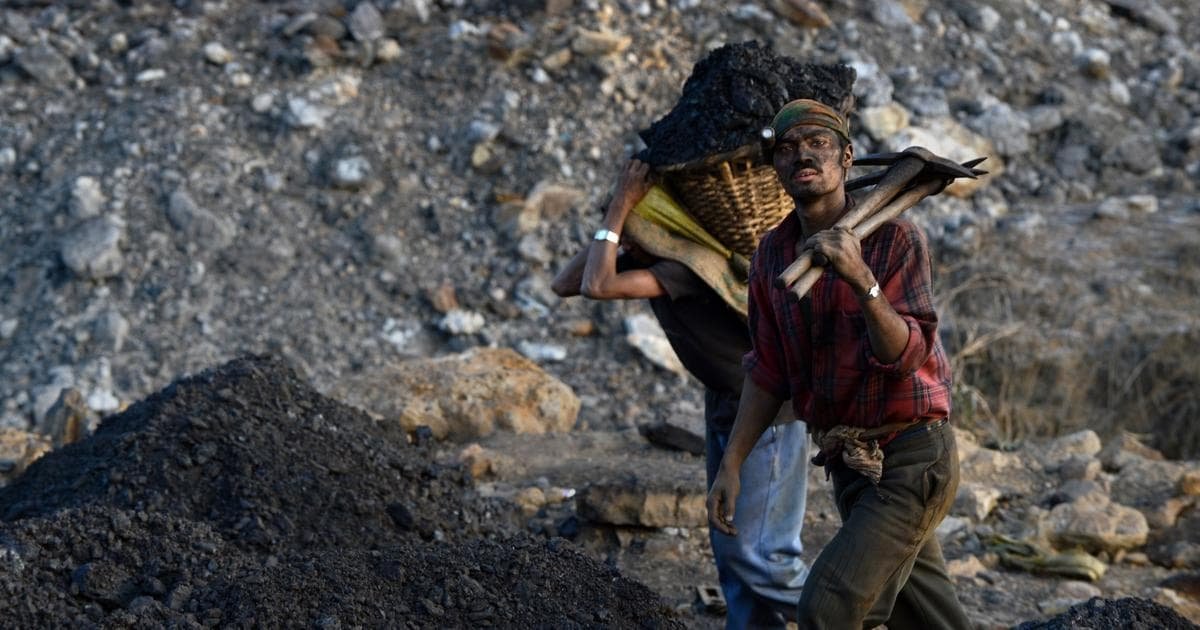
The government plans to monetise assets worth Rs 75,220 crore in the coal mining sector in the current financial year.
The monetisation of coal blocks is likely to generate a revenue of Rs 52,200 crore, followed by Rs 20,320 crore from projects on Mine Developer and Operator (MDO) model, Rs 2,000 crore from discontinued mines and Rs 700 crore from washeries, the coal ministry said in its monetisation plan for the 2022-23.
The monetisation figures are tentative.
The asset monetisation target of NITI Aayog for the coal ministry for FY23 is Rs 6,060 crore, the ministry said.
Against the NITI Aayog’s target of Rs 3,394 crore for 2021-22, the total monetisation of the coal ministry was Rs 40,090 crore, it said.
Of the said Rs 40,090 crore, Rs 28,986 crore came from coal blocks, Rs 9,592.64 crore from MDO model and Rs 1,512 crore from Coal Bed Methane (CBM) projects.
“…39 coal blocks are taken for monetisation having total value of Rs 28,986 crore. Monetisation value of 39 mines is based on calculation done by NITI Aayog,” the ministry said.
According to the National Monetisation Pipeline, 160 coal mining assets with an estimated worth of Rs 28,747 crore have been identified for monetisation during FY22-25.
These include 17 projects on MDO model, establishment of three washeries, one coal gasification plant, 35 identified first-mile connectivity projects for building coal silos/ mechanised loading, operationalisation of four discontinued/ abandoned projects and commercial auction of mines, it had said.
The total indicative value of assets considered for monetisation is estimated at Rs 28,747 crore over FY 2022-25, it had said. About 761 mineral blocks are expected to be put on auction during FY22-FY25, it had said.
Mumbai civic body gets over 200 suggestions, and objections after lottery draw for reservation of wards in polls 6
The Mumbai civic body has received 232 suggestions and objections after it drew a lottery for reservation of wards for the Scheduled Castes, Scheduled Tribes, and general category seats for women for the forthcoming city municipal elections, officials said on Tuesday.
Monday was the last day for citizens to submit their suggestions and objections on the matter.
According to the officials, many people in their suggestions/objections expressed the view that reservation of some civic wards for women was ”injustice” to male candidates. There were also demands for changing the reservation of some wards that are reserved for the general category of women in the lottery draw.
As per the lottery drawn last week without the Other Backward Class (OBC) quota on the directions of the State Election Commission (SEC), 118 of the total 236 seats in the Brihanmumbai Municipal Corporation (BMC) will be reserved for women. Eight of these seats are reserved for Scheduled Caste candidates, one seat for Scheduled Tribes candidates, and 109 for the general category.
Citizens were given time from June 1 and 6 for submitting suggestions and objections about the ward reservation. After compilation of all the suggestions and objections, the final ward reservations list will be published in the gazette on June 13, as per the lottery schedule earlier released by the SEC.
The schedule for elections to the BMC and other municipal corporations is yet to be announced.
According to civic officials, there is also a demand for reserving a civic ward for the general category (instead of the Scheduled Castes), where there are around 5,000 SC community members out of the population of 54,000. There is also a demand for changing the reservation of a ward, has over 7,000 SC community members and has been reserved for the general category in the lottery draw, to Scheduled Castes.
The officials also said that 94 of the 232 suggestions and objections about changing the reservation of wards are similar in nature and only the names and addresses of the senders are different.
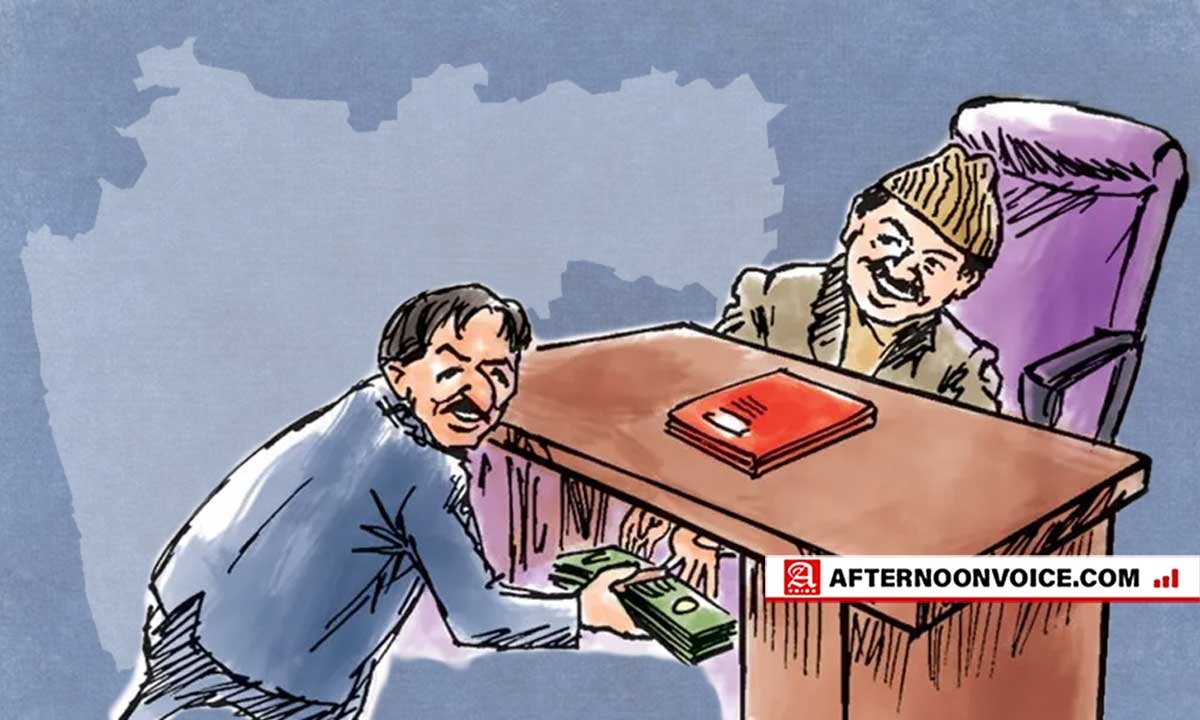
The revenue department topped Maharashtra's corruption chart 8
The ACB in the last six months has logged 314 offences, of which 72 are against revenue department officials (three against class one officers, 6 class two and 62 class three). Against the police department, the ACB has registered 67 offences, of which four are against class one officers, 11 class two and 64 class three.
Also, 19 BMC officials have been caught red-handed while accepting bribes. ACB has also trapped 20 ZP, 29 panchayat Samiti, six forest departments, seven PWD and 13 education department officials. Maharashtra’s corruption chart is rocked by the revenue department and Police at the second on the list—comprising 44 government departments—prepared by the Anti-Corruption Bureau (ACB).
The ACB’s 314 cases of corruption registered in the last six months include 306 traps and six disproportionate assets cases. The total amount involved in the traps is Rs 14. 3 crores. One of the cases is of a Mumbai Police constable, Suresh Bamne, and his wife, who are accused of allegedly amassing assets worth Rs 12. 7 crores, which was over 1,500% more than his known sources of income.
RTI activist Anil Galgali said, “There are so many vacancies in the revenue department today that only one officer can handle more than one job. There is no transparency in this department and work is not done on time unless a Bribe is given. Those who are willing to work in the revenue department get positions by paying money.”
“A nexus has been created as the officers have been working for so many years breaking the rules on a single post. Needless to say, who is responsible for this? Everyone wants money, so bribery is on the rise,” added Galgali.
Similarly, Nitin Patankar, from the BMC’s P North ward office, has been booked for amassing Rs 38.3 lakhs, which was about 45% more than his known sources of income. Two ACB traps involved comparatively huge amounts. One was of sub-inspector Bharat Munde of NM Joshi Marg police station: he was caught by the ACB accepting a bribe of Rs 7 lakh from a complainant to help him exclude his name in a rape case.
In March 2022 the ACB laid a trap and arrested deputy tehsildar of Bhiwandi division Vithal Gosavi, a tout Vijay Bhoir and a jeweller Laxman Singh Rajpurohit for accepting a bribe of Rs 6 lakh from a farmer whose land was acquired by the railways. ACB also seized 43 cheques valued at Rs 2. 3 crores from various banks. The cheques belonged to various farmers and were “advance bribes”. The ACB last week booked BJP MLA Narendra Mehta and his wife for allegedly amassing assets worth Rs 8. 25 crores.
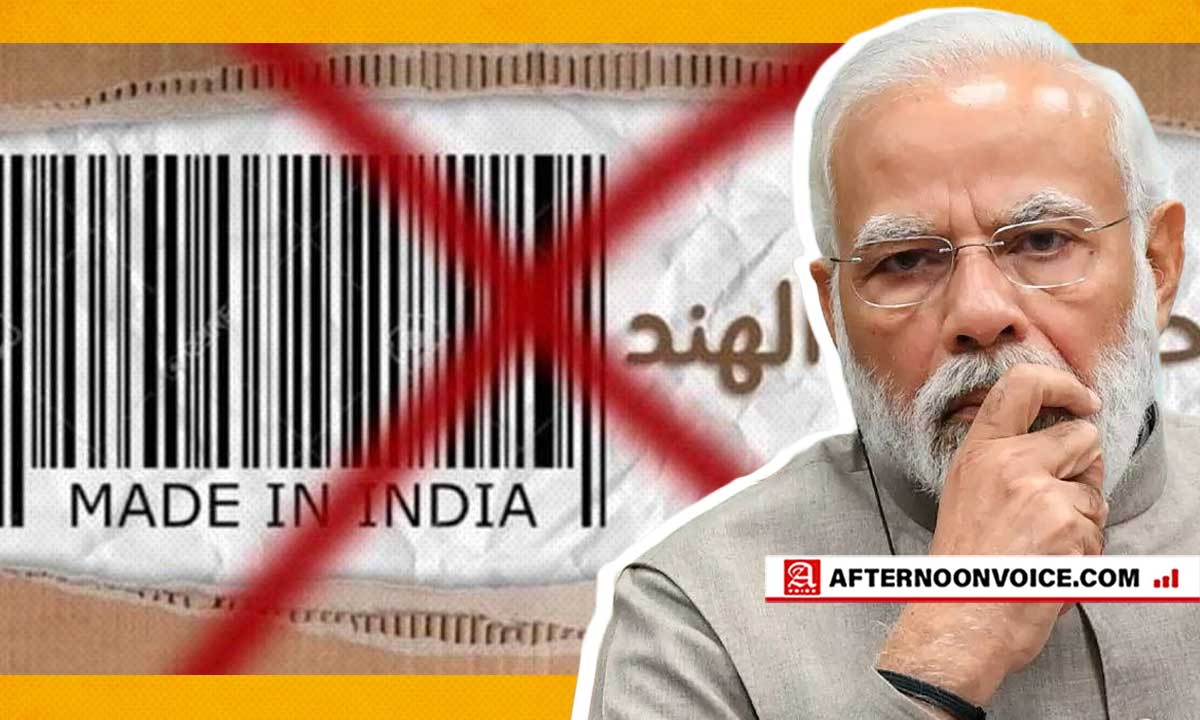
Boycott of Indian goods in the Gulf straightened up BJP and Modi? 10
The current Indian government follows the doctrine of pseudo-Hindutva philosophy in which they believe India belongs to Hindus and that they should declare India as a Hindu nation that is Hindu Rashtra. BJP leaders and its spokespersons openly humiliate Muslims in all TV debates. In spite of India being the most diverse country in the world, the Modi government is harsh on Muslims.
Above all, the communal media is clown based and absolutely paid; it divided India into Hindus and Muslims. It has dual standards. The Government doesn’t want people to focus too much on the bills they want to pass, and then they want the news channels to divert their attention. Perhaps the Hindu-Muslim debate is the best way to do that. And since in India most of the population comes from Hindu and Muslim communities, this is the best topic. And when a news channel wants to gain TRP, it shamelessly makes this its prime-time debate. Some even play it for weeks. Because of these Tv debates and BJP leader’s statements several communal riots incited in the past. This time, the Gyanvapi Mosque excavation and stupid prime-time debates have not gone well with Muslim countries around the globe.
The UAE, Saudi Arabia and Iraq were India’s third, fourth and fifth biggest trading partners in 2021-22. With a significant expatriate population, the region also sends India more than half of its inbound disbursements. Gulf countries were so far patiently watching the attacks on minority Muslims in India, but this time when their spokespersons attacked Prophet Mohammad. The Gulf countries came together by calling for a boycott of Indian goods in the Gulf. The Indian government cannot afford the anger of Gulf countries.
Top officials tried to manage the diplomatic fallout as nations, including Qatar, Saudi Arabia, Oman, the UAE and Iran demanded an apology from the government for allowing the derogatory remarks. India’s ruling party has been thrown into prompt damage control mode as the country’s diplomatic envoys faced the music over the weekend from Key West Asian trading partners over anti-Prophet remarks by a spokesperson during a TV debate. BJP thought they will walk away with any sorts of atrocities against minorities and their beliefs, but this time it boomeranged.
For several years, news channels are conducting debates over the Hindu-Muslim topic. They planned all this to make fun of a particular community. For a healthy discussion, there should be an equal number of speakers for and against the issue, but the panel of the debate on TV channels shows that the debate is done to tarnish the image of Islam. Despite all the screaming and quarrelling, there will be someone who will have an interesting perspective or insight to share. TV debates are for viewers to better understand what a particular party thinks of an issue. Usually, see party spokespersons speaking on behalf of their political masters. This time BJP spokespersons ranting about Prophet Mohammad cost them huge.
In 2021-22, India recorded a total trade of about $189 billion with the seven Gulf countries, accounting for 18.3% of its total combined value of imports and exports. Apart from trade, the significant expatriate population that India has in Arab nations lends critical significance to the region, and a backlash could have snowballed into a bigger or formal boycott if not addressed. In 2017, five Gulf countries alone accounted for 54% of the total remittance flow into India.
India’s trade with the Gulf Cooperation Council (GCC), which includes Kuwait, Qatar, Saudi Arabia, Bahrain, Oman and the UAE, stood around $90 billion in 2020-21. Millions of Indians live and work in GCC countries. Prime Minister Narendra Modi in recent years has strengthened economic ties with the energy-rich nations, the top source for the country’s fuel imports. The Organisation of Islamic Cooperation (OIC), which sees itself as the collective voice of the Muslim world, has also denounced the remarks. Hope here, after BJP issues some guidelines for their representatives and controls this nuisance of attacking Muslims by all means and also stops digging all mosques in search of Hindu gods.
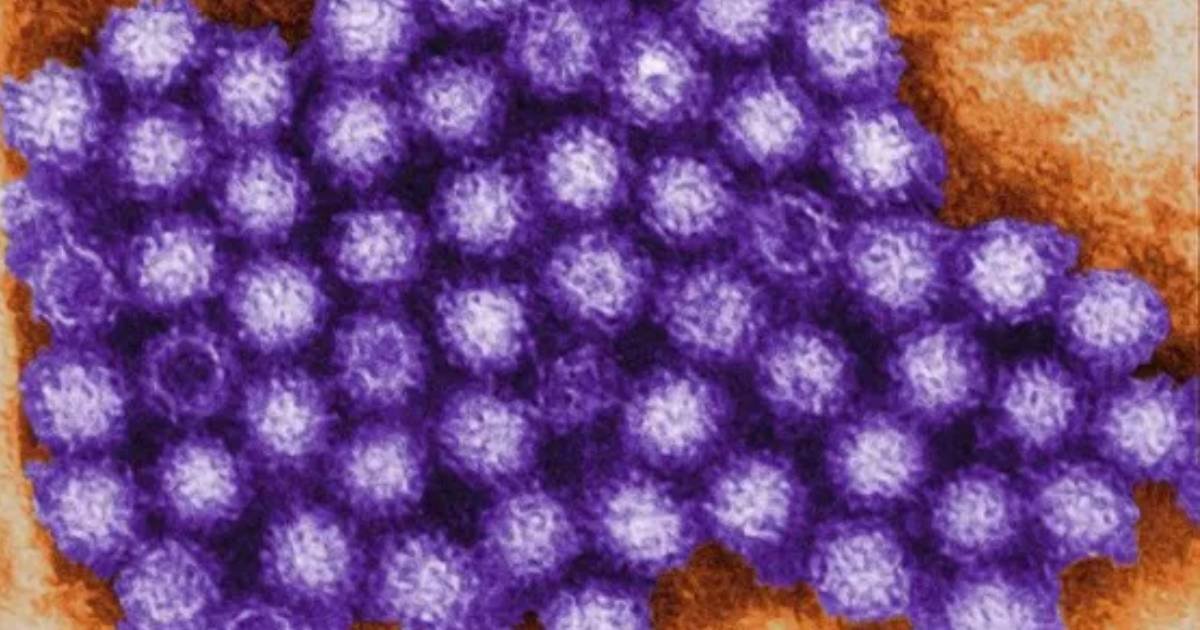
Kerala reported two confirmed cases of Norovirus among school-going children in Vizhinjam, Thiruvananthapuram, said official sources.
The SSO, Kerala, has been asked to submit a detailed report which will be submitted shortly, added the sources. An estimated 685 million cases of Norovirus are seen annually, including 200 million cases among children under five, as per the sources.
The first documented Norovirus outbreak was reported in the month of June in the Alappuzha district of Kerala in 2021. A total of around 950 cases of acute diarrheal diseases linked to Norovirus had been reported in 2021 from Alappuzha municipality and nearby panchayats.
The outbreak lasted for 1.5 months and was the first documented Norovirus outbreak in Kerala. Though the outbreak was rapidly spreading, the disease was self-limiting and over 92 per cent of the patients required OPD care.
The source of infection in Alappuzhua was found to be contaminated water. Norovirus is a viral illness that is the most common cause of acute gastroenteritis globally.
The symptoms of Norovirus include acute onset of diarrhoea and vomiting. Emerging evidence suggested that Norovirus infection is associated with intestinal inflammation, and malnutrition and may cause long-term morbidity.
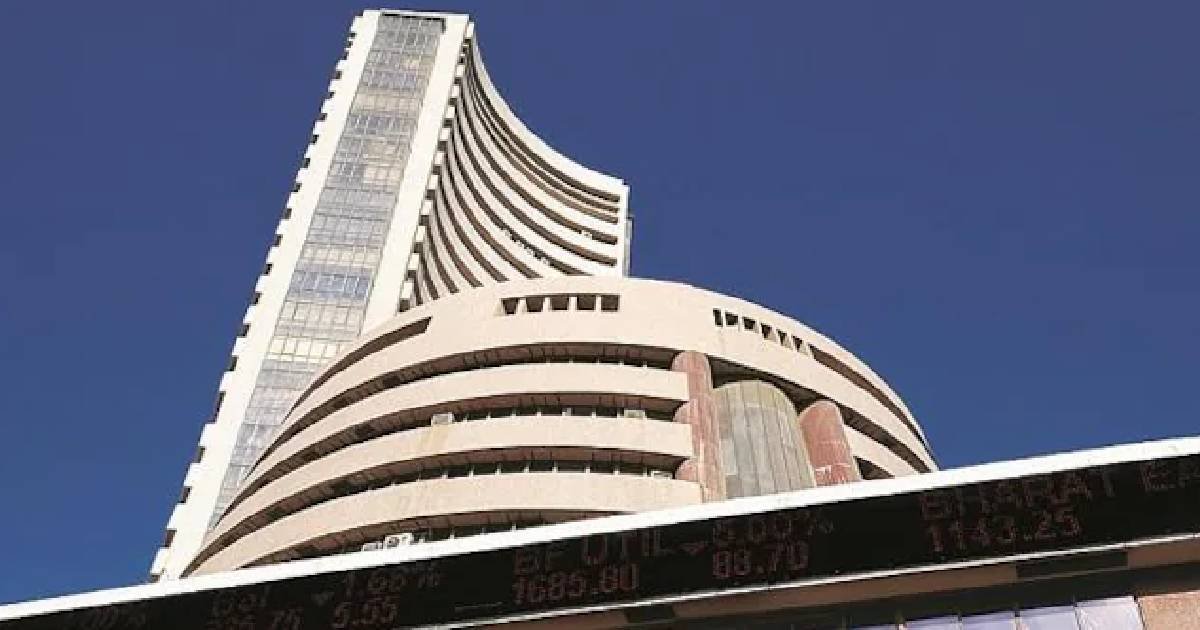
Indian stock markets’ key indices, Sensex and Nifty, opened with minor cuts on Monday amid subdued global sentiment.
The 30 stock S&P BSE Sensex was trading 184.97 points or 0.33 per cent down at 55,584.26 points at 10:00 am The broader Nifty 50 of the National Stock Exchange was trading 57.60 points or 0.35 per cent down at 16,526.70 points.
NTPC Limited rose 1.35 per cent to Rs 157.10. Mahindra & Mahindra rose 0.76 per cent to Rs 1,036.50.
Reliance Industries Limited, Axis Bank, and UltraTech Cement were among the major Sensex gainers. Bajaj Finserv Ltd, Asian Paints, Wipro, Tech Mahindra, and Hindustan Unilever were among the major Sensex losers.
None of the 30 scrips that are part of the Sensex closed in the positive.
Among the Nifty-50 shares, Tech Mahindra, Bharat Petroleum, Bajaj Finserv Ltd, Wipro and Britannia Industries were the top laggards.
Oil and Natural Gas Corporation was trading at 154.35, up by 1.81 points at 10:00 am, whereas Cipla was up by 1.30 points at 973.45.
Automaker MG Motor on Monday said it has launched a Metaverse platform MGverse to provide an immersive experience to its customers and stakeholders through multiple arenas.
With the initiative, the brand aims to bring the company’s customers, partners, and employees together to work, play, engage, collaborate, co-create, socialise and shop. It will enable users to transcend beyond the restrictions of screens and the boundaries of distance into a future where everyone can be present together to create new possibilities and experience new things.
”Digital technologies have advanced faster than any other innovation in human history. MGverse is a step forward where users can interact with visualised data, just like in the real world,” MG Motor India Chief Commercial Officer Gaurav Gupta noted.
The company is aiming to provide customers with immersive experiences at every touchpoint, he added.
”MGverse is our vision for creating our Metaverse, in which we and our partners will constantly explore, innovate, improvise, and develop new solutions to consistently enhance the customer experience in the future,” Gupta said.
The initiative will help the company further strengthen its relationship with the new generation, he added.
The automaker said it will provide five different experience centres as part of the initiative.
The platform will be accessible on mobile as well as other web browsers and the company also intends to make similar experiences available for VR (Virtual Reality) headsets, allowing a more realistic experience at home and in dealerships. The platform will be executed in phases, with the first phase being implemented during the coming festive season, the company said.
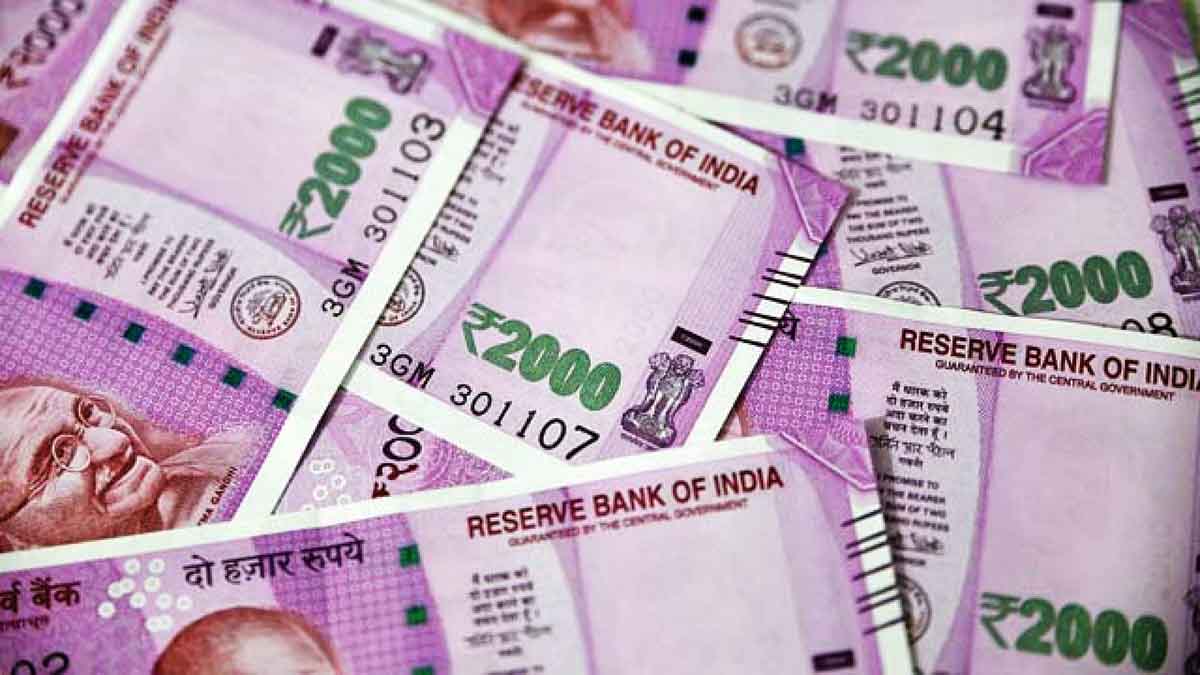
The Reserve Bank of India (RBI) on Monday clarified that it has no proposal to replace the father of the nation Mahatma Gandhi’s picture on currency notes. Referring to media reports that claimed that the Finance Ministry and the Reserve Bank of India were considering a proposal to also use images of famous personalities like Rabindranath Tagore and APJ Abdul Kalam on banknotes, the RBI clarified that there is no such proposal.
“There are reports in certain sections of the media that the Reserve Bank of India is considering changes to the existing currency and banknotes by replacing the face of Mahatma Gandhi with that of others. It may be noted that there is no such proposal in the Reserve Bank,” Yogesh Dayal, Chief General Manager, said in a statement.
The RBI’s statement comes a day after reports appeared in several publications claiming that the central bank and the Finance Ministry were considering a proposal to use the image of some other famous personalities alongside Mahatma Gandhi, the father of the nation. The reports had claimed that new series of banknotes of some denominations would be released with watermark images of Rabindranath Tagore and the late former president of India APJ Abdul Kalam.