Home Blog Page 72

MMRDA Scraps Rs 13,000 Cr Ghodbunder–Bhayandar Tunnel Project Tender Amid L&T Row, Eyes Fresh Bids with Lower Costs

mmrda, borivali, thane, ghodbunder, borivali-thane tunnel, twin tunnel, supreme court, tender
MMRDA Scraps Rs 13,000 Cr Ghodbunder–Bhayandar Tunnel Project Tender Amid L&T Row, Eyes Fresh Bids with Lower Costs 2

In a bold move aimed at bolstering transparency and public trust, the Mumbai Metropolitan Region Development Authority (MMRDA) has decided to scrap and re-tender the ambitious ₹13,000 crore Ghodbunder–Bhayandar twin tunnel and elevated road project, despite securing legal victories in the High Court and Supreme Court. The decision, taken “purely in public interest,” signals a commitment to ensuring cost-efficiency and responsible governance, MMRDA said in an official statement on May 30.

The legal dispute began when infrastructure giant Larsen & Toubro (L&T) filed petitions challenging the original tendering process. While both the Bombay High Court and Supreme Court upheld MMRDA’s procedures as legally and technically sound, L&T argued that its financial bid—never opened—was ₹3,000 crore lower than its competitors’. However, the firm had failed to submit a key affidavit certifying that no bridge built by it had collapsed within two years, leading to its disqualification.

Even as the Supreme Court, led by Justice B.R. Gavai, upheld the High Court’s decision, MMRDA’s legal team—Senior Counsel Mukul Rohatgi and Solicitor General Tushar Mehta—voluntarily proposed a re-tender in court, stating it would be done in the spirit of transparency and fairness.

The Authority is also mulling a downward revision of the base cost by ₹3,000 crore to enhance financial prudence. The twin project includes a 5-km tunnel with a 14.6-metre diameter connecting Gaimukh in Mira-Bhayandar to the Fountain Hotel junction at Shilphata in Thane, and a 9.8-km elevated creek road bridge linking Bhayandar to Ghodbunder Road. Combined, these projects aim to drastically reduce traffic congestion and improve East-West connectivity in the Mumbai Metropolitan Region.

Megha Engineering and Infrastructure Ltd (MEIL) had earlier emerged as the lowest bidder. With the fresh tendering process now on the horizon, the race to execute one of Mumbai’s most transformative infrastructure projects has been reset.
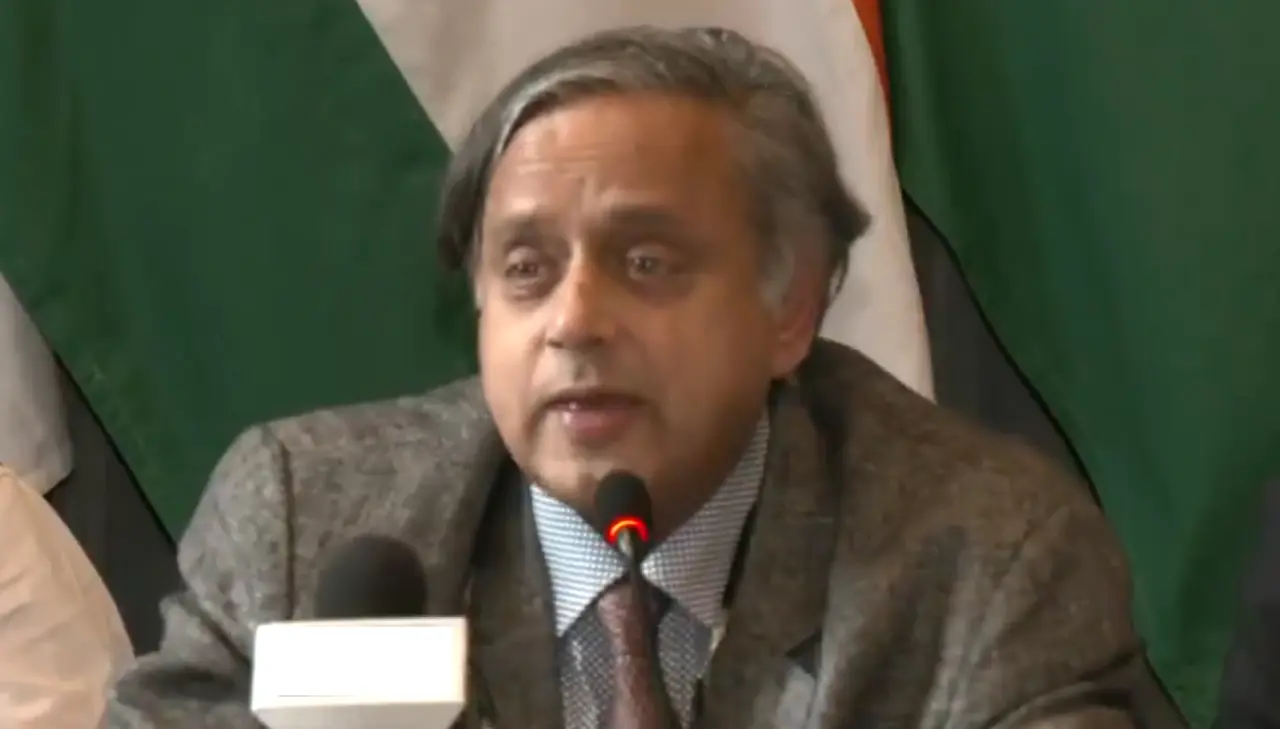
‘Outrage Must Not Go Unpunished’: Tharoor Slams Pakistan, Criticizes Colombia’s Sympathy After Terror Strike

shashi tharoor, colombia, tharoor, operation sindoor
'Outrage Must Not Go Unpunished': Tharoor Slams Pakistan, Criticizes Colombia’s Sympathy After Terror Strike 4

Congress MP Shashi Tharoor, leading a multiparty Indian delegation in Colombia, strongly defended India’s retaliatory action under Operation Sindoor following the deadly terrorist attack in Pahalgam on April 22. Speaking to the media in Bogotá, Tharoor said India had no choice but to strike back, emphasizing that “this kind of outrage could not go unpunished.”

He criticized the international community for offering only condemnation without action and particularly slammed Pakistan for its complete inaction, stating that no arrests or prosecutions followed the attack. Tharoor revealed evidence of Pakistan’s complicity, including photos of uniformed military officials attending the funeral of a known terrorist on the sanctions list.

Calling out Colombia’s official reaction, Tharoor expressed disappointment that the country extended condolences over Pakistani casualties from India’s retaliatory strike rather than standing with the victims of the terror attack.

“There can be no equivalence between those who dispatch terrorists and those who resist them,” he declared, clarifying that India’s response was a legitimate act of self-defence. He highlighted that the attack had been claimed by The Resistance Front, a Lashkar-e-Taiba offshoot based in Muridke, Pakistan.

The Indian delegation, including MPs from Congress, BJP, Shiv Sena, and other parties, aims to clarify India’s position and counter any misconceptions abroad regarding its anti-terror operations.

Ashadhi Wari 2025: Maharashtra Govt Offers Insurance, Tents, and Toll Relief for Warkaris

insurance, warkaris, wari, maharashtra govt, maharashtra
Ashadhi Wari 2025: Maharashtra Govt Offers Insurance, Tents, and Toll Relief for Warkaris 6

The Maharashtra government has unveiled a robust support plan for the 2025 Ashadhi Wari pilgrimage, aimed at safeguarding and easing the journey for thousands of Warkaris heading to Pandharpur. Chief Minister Devendra Fadnavis has directed authorities to expedite repairs on rain-damaged routes to ensure safe passage for devotees.

In a significant move, group insurance coverage will be provided to pilgrims, along with enhanced medical assistance and improved infrastructure at Palkhi halts. Waterproof tents, consistent water supply, and electricity connections will be arranged at rest stops. Continuing past traditions, toll concessions will also be offered to vehicles transporting Warkaris.

These efforts underscore the government’s commitment to honoring the spiritual and cultural significance of the Ashadhi Wari by providing a safer, more comfortable pilgrimage experience.

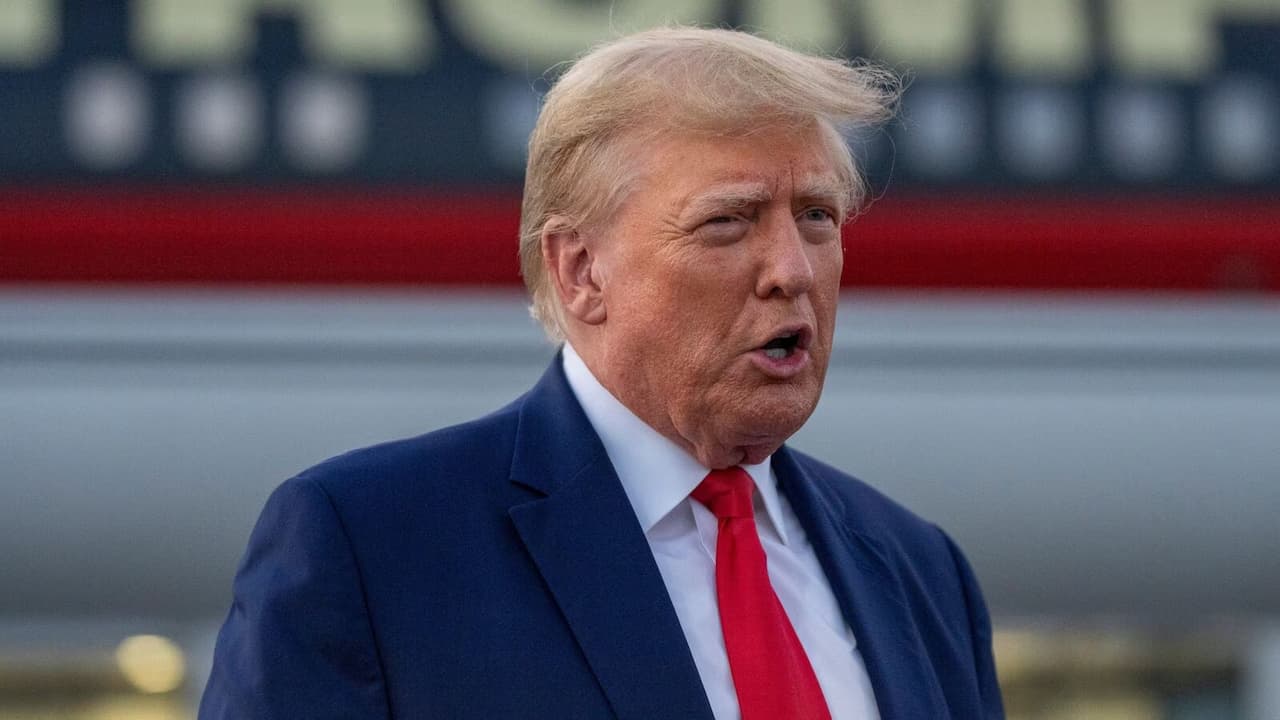
Trump’s Tariff Tactics: 15% Duties Planned Under Rare Trade Law as Court Blocks Emergency Powers

us supreme court. supreme court, us, donald trump, trump
Trump's Tariff Tactics: 15% Duties Planned Under Rare Trade Law as Court Blocks Emergency Powers 8

The Trump administration is exploring a new legal path to impose tariffs, following a court ruling that struck down its previous use of emergency powers. Under the revised strategy, the administration is considering invoking the Trade Act of 1974, specifically Section 122—a provision never used before—to impose a 15% tariff for a temporary period of 150 days. This provision allows the president to act swiftly to address urgent trade imbalances.

Once the 150-day window expires, the plan would transition to Section 301 of the same act, a longer-term and more legally resilient framework targeting unfair trade practices by foreign nations. While no official announcement has been made, White House Press Secretary Karoline Leavitt confirmed that several legal options are under review, though she declined to elaborate.

Top Trump adviser Peter Navarro endorsed the approach and hinted that even older laws such as the Smoot-Hawley Tariff Act of 1930 or national security-linked trade powers might be considered. Legal experts suggest that this revised plan is significantly more durable than the earlier tariffs, which were grounded in the International Emergency Economic Powers Act (IEEPA). A federal court ruled on May 28 that IEEPA cannot be used for broad tariff powers without Congressional approval.

Despite the ruling, a federal appeals court allowed the existing tariffs to remain in effect while the legal challenge continues. This temporary reprieve gives the Trump administration time to implement its fallback strategy.

Sources say the new approach is designed to maintain U.S. leverage in international trade negotiations, particularly with the European Union. Some analysts believe it could even help facilitate a stronger trade agreement in the long run, as the administration pivots to firmer legal ground.

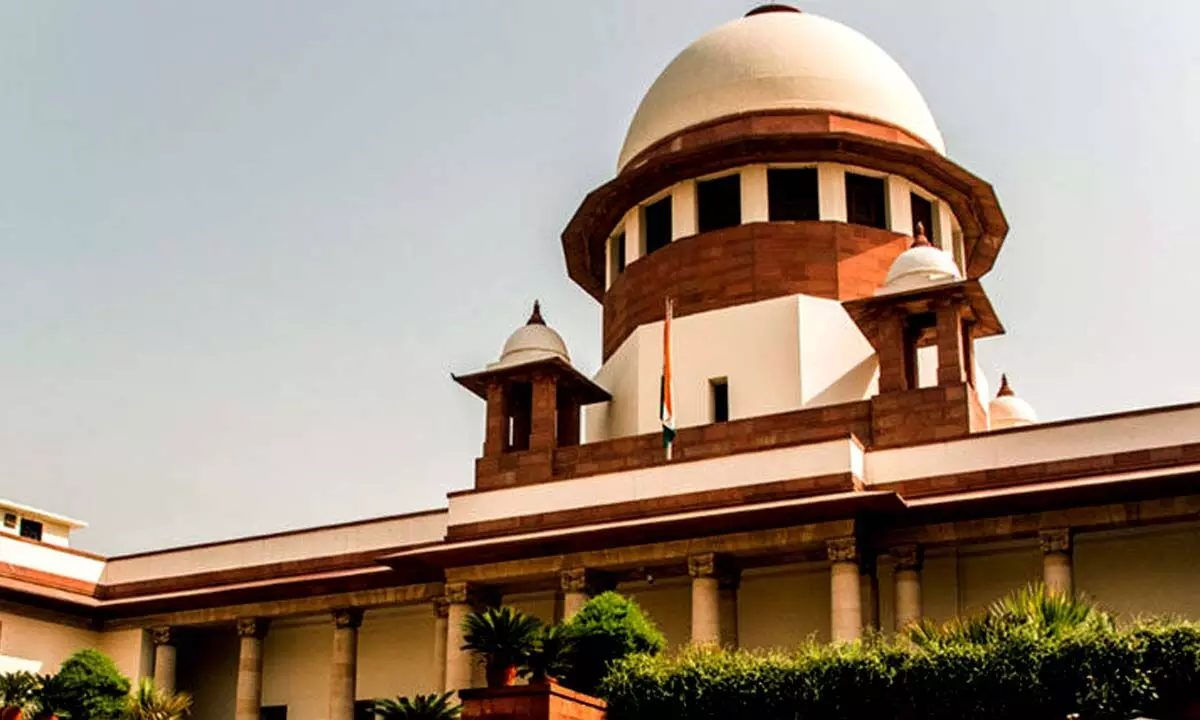
‘Trap the Next One’: SC Slams False Rape Allegation, Quashes FIR as ‘Bundle of Lies’

supreme court, sc, supreme court of india, fir, police, courts
'Trap the Next One': SC Slams False Rape Allegation, Quashes FIR as 'Bundle of Lies' 10

The Supreme Court on Thursday dismissed an FIR filed against a man accused of raping a woman under the pretext of marriage and violating the SC/ST Act, calling the complaint a “bundle of lies” and a clear abuse of the legal process. A bench comprising Justices Vikram Nath and Sandeep Mehta observed that the accusations were filled with contradictions, manipulation, and lacked any credible evidence.

In its scathing order, the apex court noted that the woman, a 30-year-old highly educated individual, had initially alleged only a single incident in her 2021 FIR. However, in a subsequent 2022 FIR, she referenced 4-5 earlier incidents—some predating the initial complaint—raising serious doubts about the credibility of her narrative. The court found it “inherently improbable” that such critical details would be omitted from the first FIR if they had truly occurred.

The man had approached the Supreme Court after the Telangana High Court refused to quash the FIR. During the proceedings, the apex court also discovered that the complainant had filed a similar complaint against an assistant professor at Osmania University, further undermining her credibility.

Most damning were the WhatsApp chats retrieved from the complainant’s phone. In them, she admitted to being manipulative, spoke of “trapping” a green card holder, and even confessed to using the accused. She mentioned her strategy of irritating her victims until they dumped her, allowing her to move on to the “next one.” These revelations, the court said, reflected a vindictive and obsessive behavioural pattern.

The bench further held that the accused was justified in backing out of the proposed marriage after learning about the woman’s aggressive and erratic behaviour. Even if he did retract a promise to marry, the court ruled it did not constitute rape or a violation under the SC/ST Act, as no evidence supported the claim that sexual relations occurred under a false promise of marriage.

Calling the case a “gross abuse of the process of court,” the top court quashed the FIR in its entirety, making a strong statement against the misuse of serious legal provisions for personal vendettas.

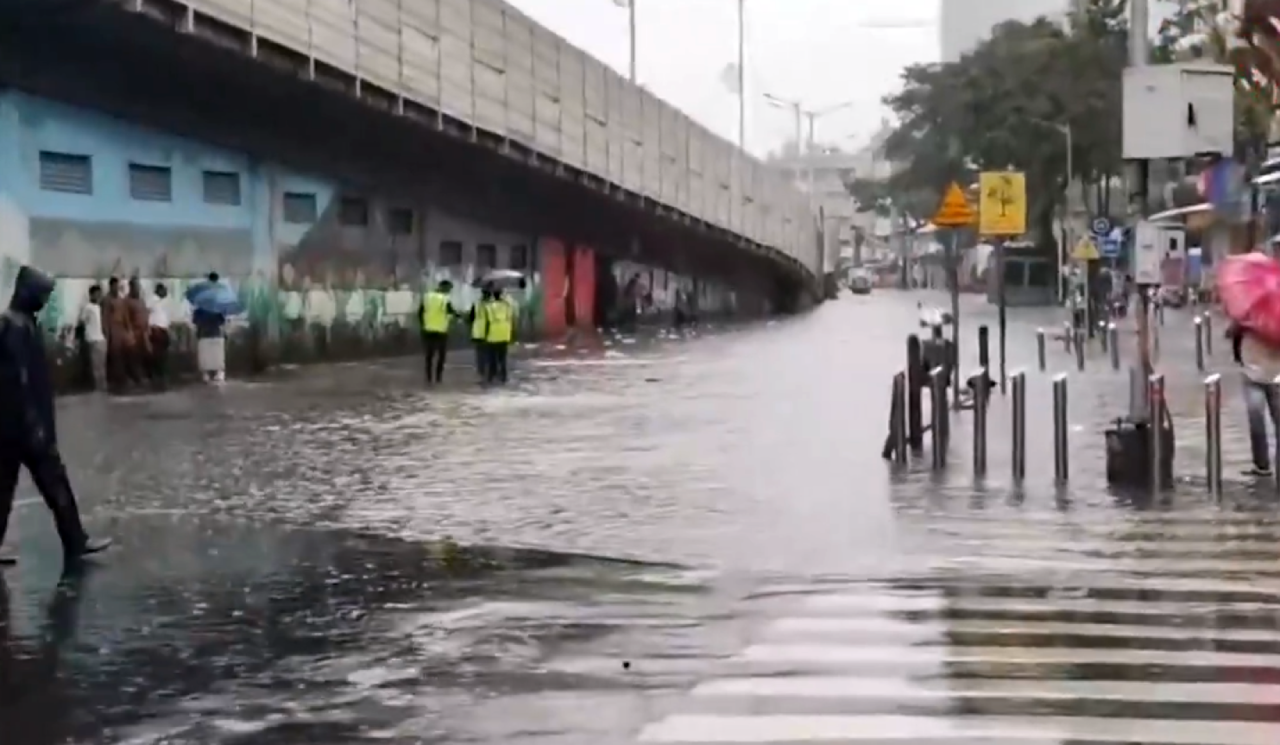
Mumbai Drowns in Chaos: Trains Hit, Roads Submerged as Torrential Rains Paralyse City

mumbai waterlogging, mumbai, mumbai rains, rain, submerged
Mumbai Drowns in Chaos: Trains Hit, Roads Submerged as Torrential Rains Paralyse City 12

Mumbai witnessed severe disruption on Monday morning as heavy rains lashed the city, forcing Central Railway to suspend suburban train services between Vadala Road and Chhatrapati Shivaji Maharaj Terminus on the Harbour line from 10:25 am. Several low-lying areas experienced intense waterlogging, paralysing vehicular movement and leaving thousands of commuters stranded during rush hour.

According to the Brihanmumbai Municipal Corporation (BMC), Nariman Point Fire Station recorded the highest rainfall at 104 mm between 9 and 10 am, followed by A Ward Office (86 mm), Colaba pumping station (83 mm), and the Municipal Head Office (80 mm). Suburban regions reported relatively less precipitation.

Train services on the Harbour line were suspended due to waterlogged tracks at Masjid station, while some technical issues such as signal and track point failures hit the fast corridor of the main line. Chief Public Relations Officer of Central Railway, Swapnil Nila, said that operations in the CSMT yard were severely disrupted due to flooding, impacting train movements on multiple platforms.

Several Central Railway stations including Masjid, Byculla, Dadar, Matunga, and Badlapur saw inundated tracks, leading to delays and commuter frustration. Though Western Railway reported normal operations, passengers complained of minor delays.

Major roads in Mumbai turned into water canals, with King’s Circle, Mantralaya, Dadar TT East, Kalachowki, Wadala, Hindmata, Kemps Corner, Churchgate, and Chinchpokli among the worst-affected. The civic-run KEM Hospital in Parel was also hit by waterlogging. The Brihanmumbai Electric Supply and Transport (BEST) diverted buses on over a dozen routes due to flooding in several areas.

The India Meteorological Department (IMD) had earlier issued a warning predicting thunderstorms with lightning, intense rainfall, and gusty winds reaching 50-60 kmph. The downpour’s intensity decreased after 10 am but the skies remained cloud-covered throughout the day.

Civic officials noted a high tide of 4.75 metres was expected at 11:24 am, with another at 4.17 metres due around 11:09 am. Low tides of 1.63 metres and 0.04 metres were forecast for the evening and early Tuesday, respectively. The IMD has predicted light to moderate rain in Mumbai for the next 24 hours, keeping the city on alert for further disruption.

Just 3 Nights of Poor Sleep Can Damage Your Heart, Warn Scientists in Alarming Study

poor sleep, sleep problem, heart, heart isssues
Just 3 Nights of Poor Sleep Can Damage Your Heart, Warn Scientists in Alarming Study 14

In a striking new study, scientists from Uppsala University in Sweden have found that just three consecutive nights of poor sleep — as little as four hours per night — can trigger biological changes in the body that significantly increase the risk of heart disease. The findings shine a new spotlight on how quickly the body responds to sleep deprivation, even in healthy young adults.

The researchers monitored 16 young men under controlled lab conditions, ensuring uniformity in meals, activity, and light exposure. Each participant experienced two routines: three nights of normal sleep (8.5 hours) and three nights of restricted sleep (4.25 hours). After each phase, blood samples were taken before and after a brief high-intensity cycling session.

Their analysis of nearly 90 blood proteins revealed that sleep restriction caused a measurable rise in inflammatory markers known to damage blood vessels and increase the risk of coronary artery disease, heart failure, and atrial fibrillation. These molecules are typically elevated when the body is under stress or fighting illness, but their persistent presence can lead to long-term cardiovascular harm.

Normally, exercise boosts beneficial proteins such as interleukin-6 and BDNF (brain-derived neurotrophic factor), which support heart and brain health. However, those responses were significantly blunted after nights of poor sleep, further highlighting the detrimental impact of sleep loss.

Even more concerning, these effects were observed in young, otherwise healthy adults, underscoring that sleep debt doesn’t need to be long-term to be dangerous. With around 25% of adults working in shifts that disrupt sleep cycles, the implications are far-reaching.

The study also revealed that the timing of blood sampling played a role—protein levels shifted between morning and evening, with greater variation during sleep restriction. This suggests that sleep affects not only the presence of inflammatory markers but also the timing of their expression.

While society often glorifies sacrificing sleep for productivity or entertainment, this research is a sobering reminder that the body silently tallies the cost—through chemical shifts that may go unnoticed until they manifest as serious disease.

“Fadnavis Pushed for My Induction—Even in December”: Chhagan Bhujbal Reveals BJP’s Internal Tug-of-War

chhagan bhujbal, ncp, nationalist congress party, uddhav thackeray, shiv sena, shiv sena (ubt), obc, caste census
"Fadnavis Pushed for My Induction—Even in December": Chhagan Bhujbal Reveals BJP's Internal Tug-of-War 16

Senior NCP leader Chhagan Bhujbal has stirred political chatter with his revelation that Maharashtra Chief Minister Devendra Fadnavis was keen on inducting him into the cabinet during its first expansion in December 2024. Bhujbal, who was finally sworn in on May 20 this year, confirmed that both Prime Minister Narendra Modi and Union Home Minister Amit Shah were supportive of his induction at the time, but it didn’t materialize then due to internal dynamics.

Speaking to reporters at Nagpur airport, Bhujbal (77), a veteran OBC face in Maharashtra politics, said his return to the Mahayuti 2.0 government—after being sidelined post the BJP-led coalition’s landslide 2024 Assembly victory—was backed strongly by Fadnavis. “It’s true. Even during the first cabinet expansion, Fadnavis saheb had insisted on including me. PM Modi and Amit Shah also tried, but it didn’t happen then,” Bhujbal said.

The NCP stalwart dismissed speculations about BJP control over his appointment, clarifying, “I’m not a BJP minister, I’m an NCP minister. The NCP decides who becomes a minister, the CM only gives suggestions.”

His remarks come amid reported internal resistance within the NCP over his re-entry into the cabinet, especially with ongoing tensions over the OBC versus Maratha quota debate. Bhujbal, known for his firm opposition to including Marathas under the OBC reservation bracket, also reacted to activist Manoj Jarange’s announcement of a fresh protest in August. Without elaborating, he simply said, “We are also ready.”

Asked about who would be appointed guardian minister of Nashik—his stronghold—Bhujbal refrained from comment, signaling he wasn’t looking to escalate turf battles within the coalition. A multiple-term MLA from Yeola in Nashik district, Bhujbal’s cabinet role reasserts his political relevance in Maharashtra’s shifting alliance equations.

“Why Are Students Dying Only in Kota?”: Supreme Court Slams Rajasthan Govt Over Suicide Surge

supreme court, sc, supreme court of india, fir, police, courts
"Why Are Students Dying Only in Kota?": Supreme Court Slams Rajasthan Govt Over Suicide Surge 18

The Supreme Court on Friday strongly criticized the Rajasthan government over the alarming rise in student suicides in Kota, asking pointedly, “Why are these children dying by suicide—and why only in Kota?” A bench of Justices J B Pardiwala and R Mahadevan, hearing multiple cases including the deaths of a 22-year-old IIT Kharagpur student and a NEET aspirant in Kota, said the situation was “serious” and questioned the state’s apparent indifference.

The court was informed that 14 student suicides had already been reported from Kota in 2024 alone. When asked what the government was doing, the state’s counsel claimed a special investigation team (SIT) had been constituted to look into the cases. However, the bench was far from convinced, criticizing delays in registering FIRs and calling out a lack of urgency in responding to these deaths.

In the IIT Kharagpur case, the court noted a disturbing four-day delay in lodging the FIR, which was filed only on May 8 despite the suicide occurring on May 4. “Don’t take these things lightly. These are very serious,” Justice Pardiwala remarked, warning that the court could have initiated contempt proceedings against the police officer in charge.

Similarly, in the NEET aspirant’s case from Kota, the bench expressed dissatisfaction over the non-filing of an FIR and reminded the Rajasthan government that they were in contempt of the Supreme Court’s March 24 verdict. That ruling had called for the formation of a national task force to address the growing mental health crisis among students and directed police to file FIRs promptly in all such cases.

Despite claims from the state that an investigation is ongoing and the SIT is aware of the issue, the court found this insufficient. It emphasized that even though the NEET aspirant had been living with her parents and not in her institute’s accommodation, the police were still duty-bound to act immediately.

Summoning the police officer concerned in the Kota case to appear before the bench on July 14, the court made it clear: the authorities must explain their inaction, and investigations must move forward “in the right direction and expeditiously.”

‘Maa, I Am Not a Thief, I Love Kurkure’: 12-Year-Old’s Heart-Wrenching Suicide Note Shocks Bengal

krishnendu das, suicide, children, child
'Maa, I Am Not a Thief, I Love Kurkure': 12-Year-Old's Heart-Wrenching Suicide Note Shocks Bengal 20

A heart-wrenching tragedy has emerged from West Bengal’s Paschim Medinipur district, where a 12-year-old boy allegedly died by suicide after being publicly humiliated over a packet of chips. Krishnendu Das, a class 7 student from Panskura, reportedly consumed pesticide after being accused of stealing a Kurkure packet and forced to do sit-ups in public by a local shopkeeper, who is also a civic volunteer.

According to the boy’s mother, Krishnendu had called out to the shopkeeper, Subhankar Dikshit, multiple times, saying, “Uncle, I will buy chips,” but received no response. Finding no one at the counter, he allegedly picked up a packet lying near the shop and left, intending to pay later. Soon after, the shopkeeper returned, confronted the boy, slapped him, and made him do sit-ups publicly, accusing him of theft.

The police said the mother was also summoned, and she too scolded and slapped Krishnendu at the scene. Despite his repeated pleas that he had not stolen but intended to pay, the boy was branded a liar.

Back home, Krishnendu locked himself in his room. Moments later, his mother and neighbours broke in to find him unconscious, frothing at the mouth with a half-empty bottle of pesticide beside him. He was rushed to Tamluk Hospital’s ICU but could not be saved.

A chilling suicide note, scribbled in Bengali, was found beside his body. It read: “Maa, I am not a thief. I did not steal. Uncle was not around as I waited. While returning, I saw a Kurkure packet lying on the road and picked it up. I love Kurkure. These are my final words before leaving. Please excuse me for this act.”

The shopkeeper, who initially denied any wrongdoing, has since gone missing as a crowd gathered in protest outside his shuttered shop. Police have launched an investigation into the incident, which has sparked outrage and raised disturbing questions about how society treats its children.