


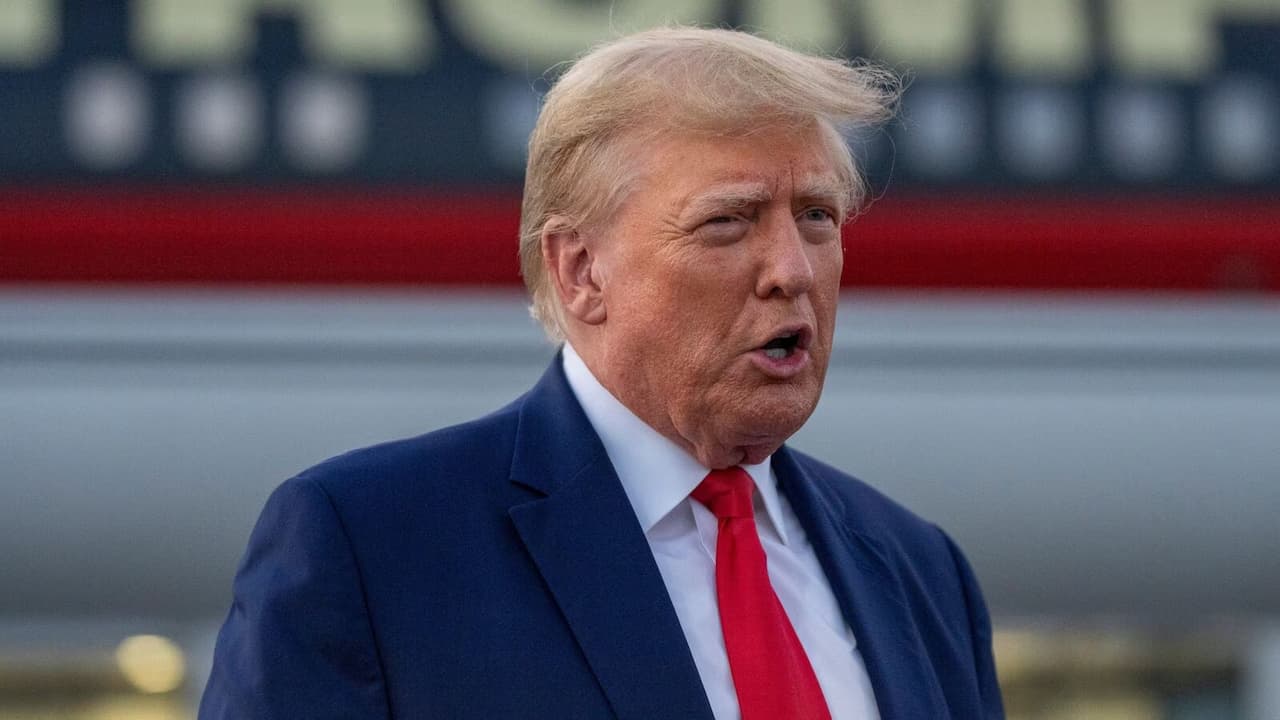
The Trump administration is exploring a new legal path to impose tariffs, following a court ruling that struck down its previous use of emergency powers. Under the revised strategy, the administration is considering invoking the Trade Act of 1974, specifically Section 122—a provision never used before—to impose a 15% tariff for a temporary period of 150 days. This provision allows the president to act swiftly to address urgent trade imbalances.
Once the 150-day window expires, the plan would transition to Section 301 of the same act, a longer-term and more legally resilient framework targeting unfair trade practices by foreign nations. While no official announcement has been made, White House Press Secretary Karoline Leavitt confirmed that several legal options are under review, though she declined to elaborate.
Top Trump adviser Peter Navarro endorsed the approach and hinted that even older laws such as the Smoot-Hawley Tariff Act of 1930 or national security-linked trade powers might be considered. Legal experts suggest that this revised plan is significantly more durable than the earlier tariffs, which were grounded in the International Emergency Economic Powers Act (IEEPA). A federal court ruled on May 28 that IEEPA cannot be used for broad tariff powers without Congressional approval.
Despite the ruling, a federal appeals court allowed the existing tariffs to remain in effect while the legal challenge continues. This temporary reprieve gives the Trump administration time to implement its fallback strategy.
Sources say the new approach is designed to maintain U.S. leverage in international trade negotiations, particularly with the European Union. Some analysts believe it could even help facilitate a stronger trade agreement in the long run, as the administration pivots to firmer legal ground.
