SC Cancels Relief to Kuldeep Sengar, Orders Fresh Hearing on Life Sentence in Unnao Rape Case 2
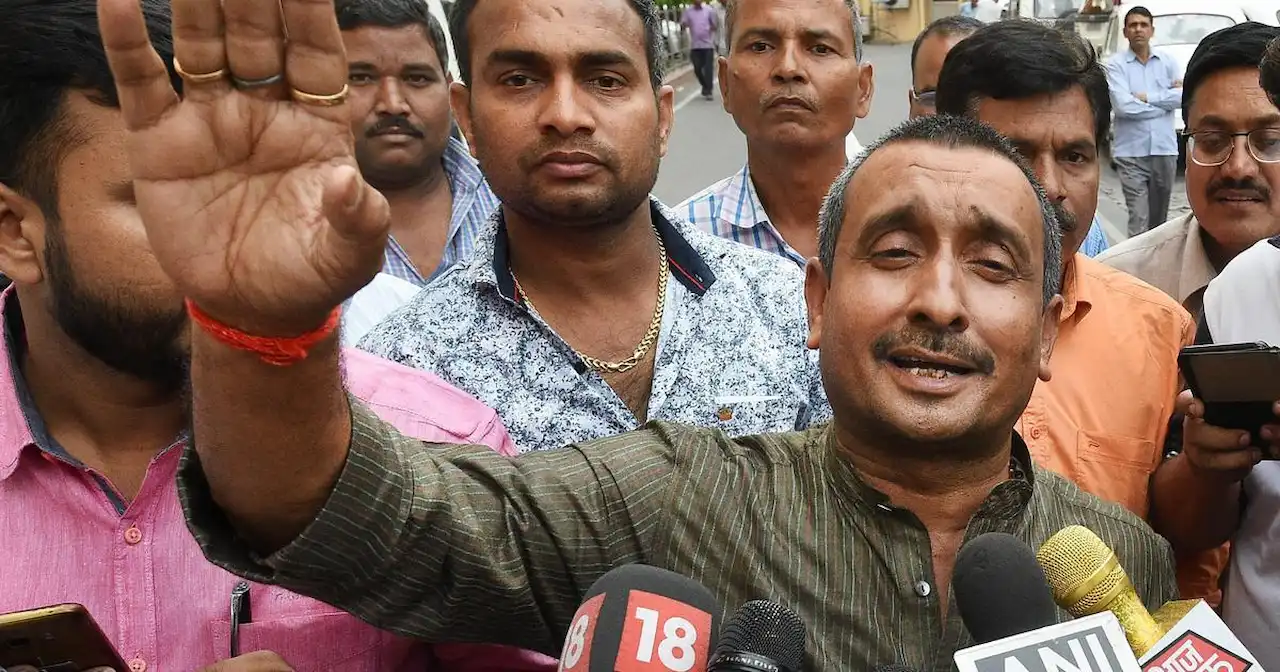
The Supreme Court on Friday set aside a Delhi High Court order that had suspended the life sentence of former BJP MLA Kuldeep Singh Sengar in the 2017 Unnao rape case and directed the High Court to hear the matter afresh.
A bench comprising Chief Justice of India Surya Kant and Justice Joymalya Bagchi also instructed the High Court to make efforts to decide Sengar’s main appeal against his conviction and life imprisonment within two months.
The apex court further observed that if the High Court is unable to dispose of the main appeal within the stipulated period, it should decide Sengar’s plea seeking suspension of sentence before the commencement of the court’s summer vacation.
The bench clarified that it was not expressing any opinion on the merits of the case and said the High Court was free to hear and decide the matter independently.
The Chief Justice also asked the High Court to examine legal questions, including whether an elected MLA can be treated as a public servant under provisions of the Protection of Children from Sexual Offences (POCSO) Act.
Earlier, the Supreme Court had stayed the Delhi High Court’s order granting relief to Sengar following widespread public criticism and protests. On December 29 last year, the top court had ordered that he should remain in custody and not be released.
In its December 23, 2025 order, the Delhi High Court had observed that Sengar was convicted under Section 5(C) of the POCSO Act, which deals with aggravated penetrative sexual assault by a public servant. However, it had questioned whether an elected representative falls within the legal definition of a “public servant” under Section 21 of the Indian Penal Code.
The High Court had suspended Sengar’s life sentence during the pendency of his appeal, noting that he had already spent over seven years in prison.
The order had triggered widespread criticism from activists, members of the victim’s family and several sections of society, leading to legal challenges and renewed public debate over the case.
Opposition Mounts Pressure on Dharmendra Pradhan After NEET-UG Cancellation 4
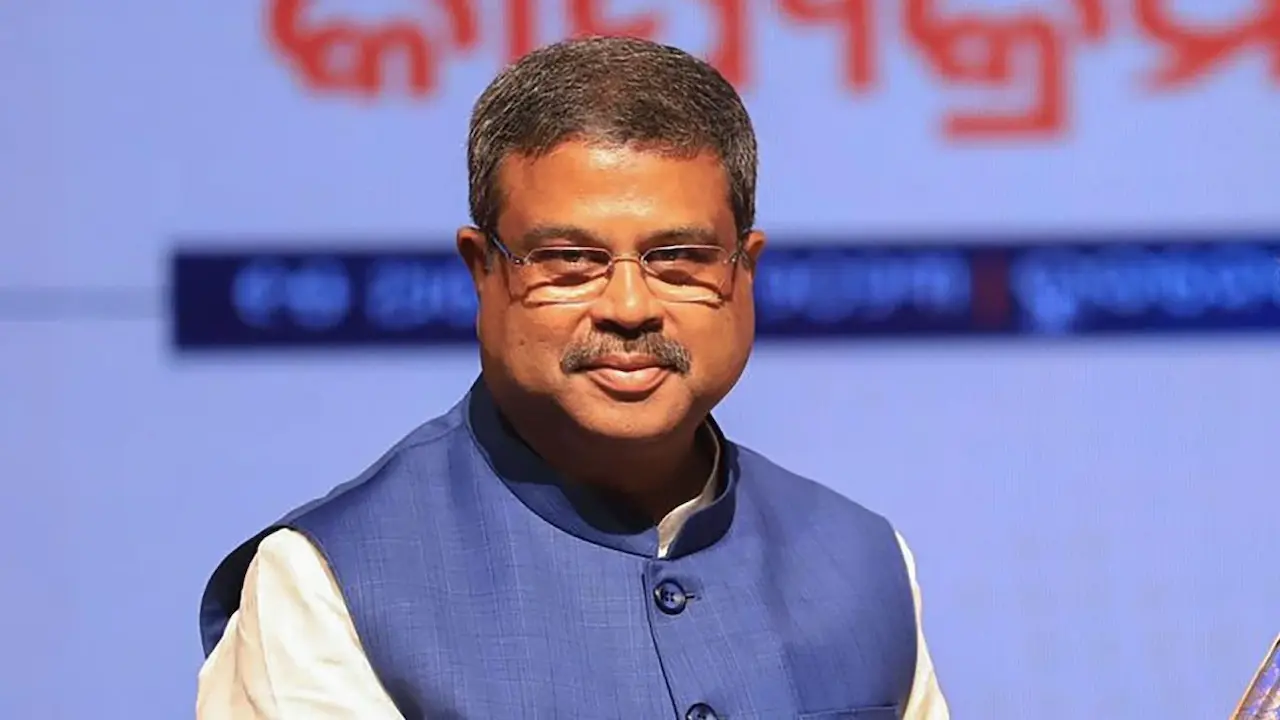
The opposition parties in Odisha, including the Biju Janata Dal and the Indian National Congress, on Wednesday demanded the resignation of Union Education Minister Dharmendra Pradhan following the cancellation of the NEET-UG examination.
The parties alleged that the cancellation of one of the country’s most important medical entrance examinations exposed serious lapses in the conduct and management of competitive exams under the Centre’s watch.
BJD leaders accused the BJP-led Union government of failing to ensure transparency and credibility in the examination process, claiming that lakhs of students and their families were left anxious and uncertain due to the controversy surrounding NEET-UG.
Congress leaders also launched a sharp attack on the Centre, alleging that repeated irregularities in national-level examinations had shattered the confidence of students and parents across the country.
The opposition parties said accountability must be fixed for the alleged lapses and demanded that Dharmendra Pradhan step down, taking moral responsibility for the cancellation of the examination.
The NEET-UG exam was cancelled amid allegations of paper leaks and irregularities, triggering nationwide outrage among students and political parties. The controversy has intensified the political battle between the opposition and the BJP, especially in Odisha, where Pradhan remains one of the BJP’s most prominent faces.
Meanwhile, BJP leaders defended the Union government, stating that corrective steps were being taken to ensure fairness and transparency in future examinations.
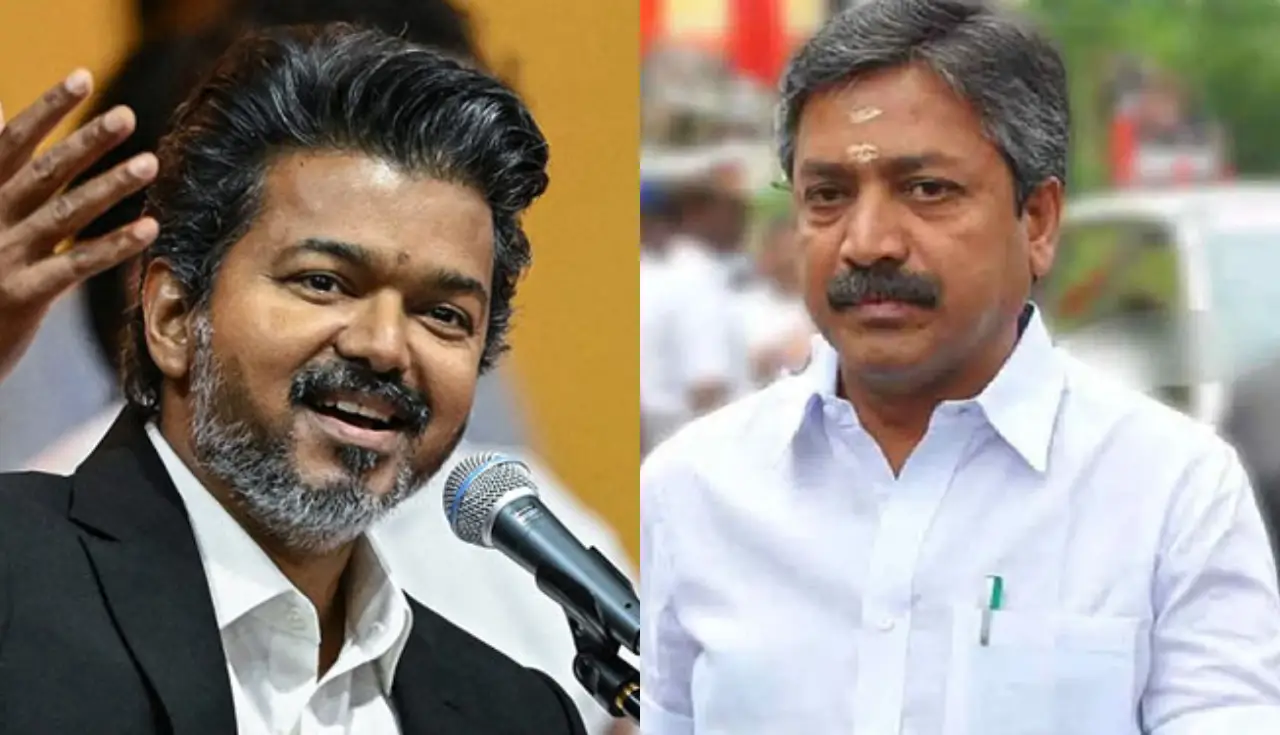
Vijay-Led TVK Govt Wins Trust Vote in Tamil Nadu as DMK Walks Out, AIADMK Split Widens 6
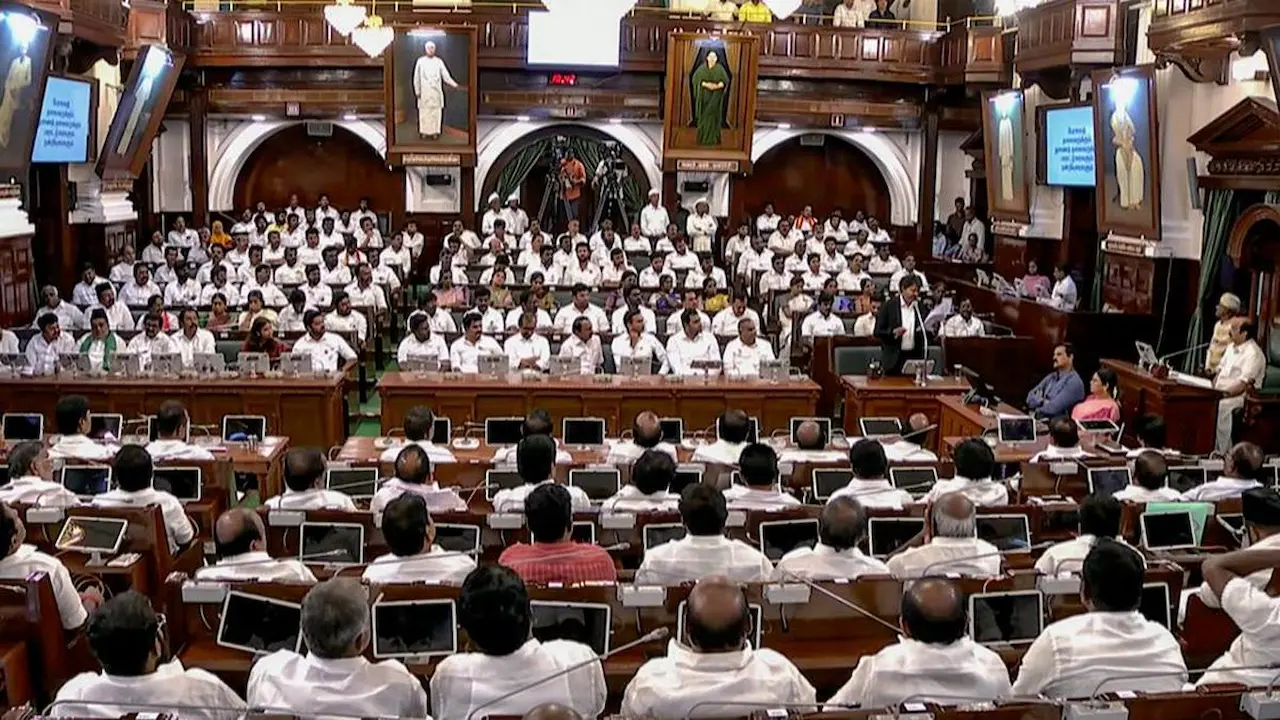
The four-day-old Tamil Nadu government led by C Joseph Vijay on Wednesday comfortably won the trust vote in the Assembly by a margin of 144:22, overcoming questions over its stability amid a walkout by the principal opposition Dravida Munnetra Kazhagam and visible divisions within the All India Anna Dravida Munnetra Kazhagam.
In the 234-member House, the simple majority mark stands at 118.
While AIADMK MLAs loyal to party chief Edappadi K Palaniswami voted against the government, a rebel faction led by senior leaders S P Velumani and C Ve Shanmugam backed the TVK administration.
The BJP’s lone MLA remained neutral, while NDA ally PMK, which has four MLAs, abstained from voting.
The trust vote victory comes as a major boost for the fledgling Tamilaga Vettri Kazhagam government, which had faced scrutiny over its numbers in the Assembly. The win is expected to provide political stability to the new administration, even as portfolios are yet to be allocated to ministers, including the chief minister.
As per Assembly norms, another floor test is unlikely to be held within the next six months.
The Vijay-led government secured support from the Congress, VCK, Left parties, AMMK and the rebel AIADMK faction. Soon after the House convened at 9.30 am, Vijay moved the confidence motion, following which members from various parties participated in the discussion.
Speaker JCD Prabhakar later announced the results after division-wise voting, stating that 144 MLAs voted in favour of the motion, while 22 opposed it and five maintained a neutral stand.
The DMK, which has 59 MLAs in the Assembly, staged a walkout before the voting process began.
Independent MLA S Kamaraj, who was expelled from the TTV Dhinakaran-led AMMK, also voted in favour of the government.
Replying to the debate on the confidence motion, Vijay said his government would remain secular and continue welfare schemes introduced by previous governments.
“Our government functions with horse-speed, but it does not engage in horse-trading,” the chief minister remarked during his speech.
The floor test was conducted in line with directions issued by Governor R V Arlekar, who had asked the government to prove its majority on or before May 13.
The ruling TVK effectively had a strength of 107 MLAs, including the Speaker who did not vote. In addition, the party’s Tirupattur MLA R Seenivasa Sethupathy was barred from participating in the trust vote following a High Court order linked to a recount plea filed by a defeated DMK candidate.
The Congress’ five MLAs had already extended support to the government, while CPI, CPI(M), VCK and IUML — with two MLAs each — had also announced outside support earlier.
The backing of nearly 30 rebel AIADMK MLAs further strengthened the government’s position, despite warnings from the Palaniswami camp that anti-defection laws could be invoked against those voting against the party line.
Prateek Yadav, Mulayam Singh Yadav's Son and Akhilesh's Stepbrother, Dies at 38 8
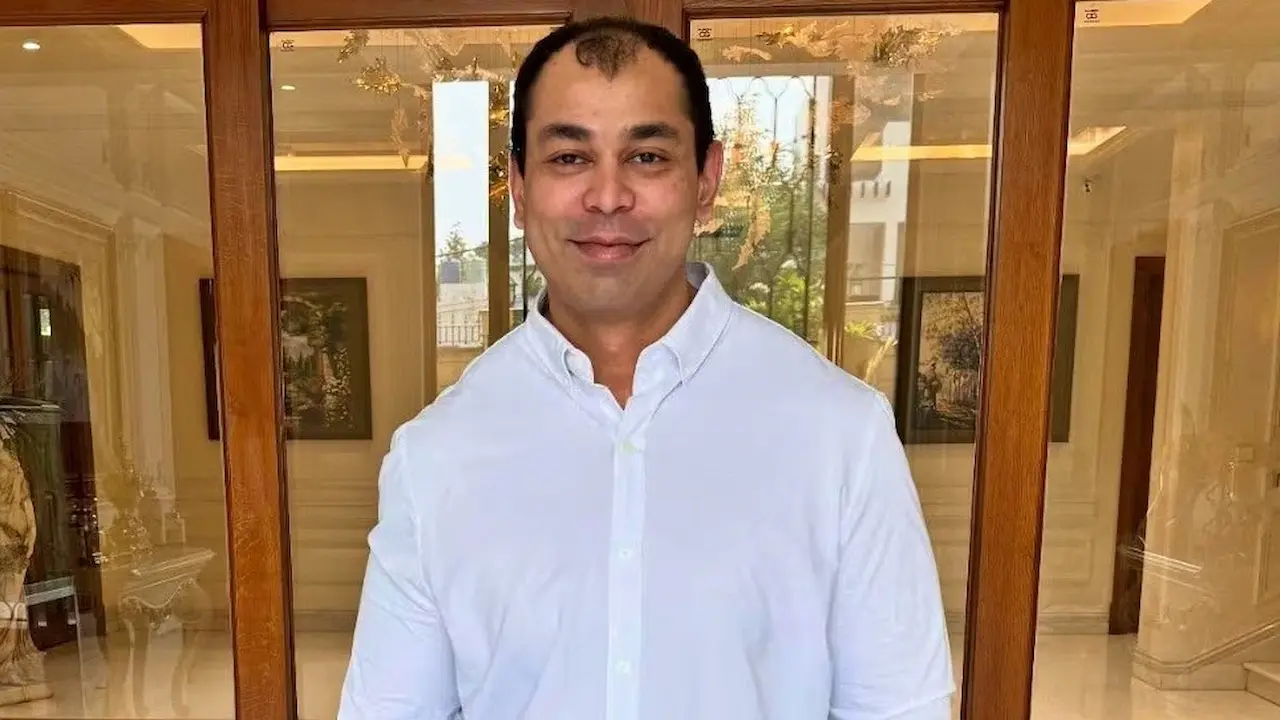
Prateek Yadav, the younger son of late Samajwadi Party founder Mulayam Singh Yadav and stepbrother of Akhilesh Yadav, died in Lucknow on Wednesday after suddenly falling ill, sources said. He was 38.
According to sources, Prateek was rushed to a civil hospital in the early hours after his health deteriorated suddenly. However, doctors declared him dead on arrival.
Despite belonging to one of Uttar Pradesh’s most influential political families, Prateek had largely stayed away from active politics and was known more as a fitness enthusiast and businessman. He was also recognised for his love for animals and support for animal shelters.
His wife, Aparna Bisht Yadav, joined the BJP and currently serves as vice chairperson of the Uttar Pradesh State Women Commission.
The Samajwadi Party expressed grief over his demise in a post on X, stating, “The demise of Shri Prateek Yadav Ji is extremely heartbreaking. May God grant peace to the departed soul. Humble tribute.”
Prateek was the son of Mulayam Singh Yadav and his second wife, Sadhna Gupta.
Speaking briefly to PTI, Prateek’s brother-in-law Aman Bisht said, “I am at the hospital right now. This is not the time.”
People present at the hospital said Prateek was brought there around 5.10 am and was officially declared dead around 6 am. A post-mortem examination is expected to be conducted by a panel of doctors.
Earlier this year, Prateek had made headlines after publicly accusing Aparna Yadav of damaging his family ties and announcing plans to seek a divorce. In a lengthy Instagram post on January 19, he described her as “self-centred” and “driven by fame and influence”.
However, the couple later reconciled. On January 28, Prateek posted a video on Instagram confirming that the dispute had been resolved mutually after discussions. He later shared another video featuring Aparna Yadav.
AIADMK Faces Split as Rebel MLAs Back Vijay's TVK Ahead of Trust Vote 10
The opposition All India Anna Dravida Munnetra Kazhagam appeared headed for a major split on Tuesday after a group of rebel MLAs revolted against party chief Edappadi K Palaniswami and announced support for the Vijay-led government ahead of the crucial floor test scheduled for Wednesday.
Around 30 MLAs, led by senior AIADMK leaders S P Velumani and C Ve Shanmugam, are believed to be part of the rebel camp questioning Palaniswami’s leadership following the party’s poor performance in the April 23 Assembly elections, where it won only 47 of the 164 seats it contested.
Speaking to reporters, Shanmugam said the rebel MLAs would meet C Joseph Vijay and hand over a letter extending support to the TVK government. He alleged that Palaniswami was attempting to form a government with the support of archrival Dravida Munnetra Kazhagam.
Shanmugam said the AIADMK was founded to oppose and “uproot” the DMK, and claimed that party members strongly opposed any proposal to seek support from the M K Stalin-led party.
“The party needs a new life now. Amma rule should return, and therefore we should support TVK,” he said, invoking the legacy of former chief minister J Jayalalithaa.
The AIADMK leadership, however, dismissed the allegations as rumours and accused the dissident leaders of spreading falsehoods after failing to deliver victories in their own districts.
In a post on X, the party alleged that Velumani, Shanmugam and former minister C Vijayabaskar were themselves lobbying for ministerial positions in the TVK government. It also asserted that alliance decisions could not be taken by a small group of MLAs and maintained that party cadre continued to stand firmly behind Palaniswami.
The political turmoil has revived memories of the internal power struggles that rocked the AIADMK after the deaths of party founder M G Ramachandran in 1987 and Jayalalithaa in 2016.
The DMK also rejected claims of post-poll alliance discussions with the AIADMK. DMK organising secretary R S Bharati accused Shanmugam of attempting to engineer a split within his own party through baseless allegations.
Bharati said Stalin had already made it clear that the DMK would function as the opposition and dismissed reports of any understanding between the two Dravidian rivals as speculation.
Meanwhile, senior AIADMK leaders urged Palaniswami to convene a general council meeting to review the reasons behind the party’s electoral setback and chalk out a roadmap for revival.
The AIADMK’s official social media handle defended Palaniswami, stating that the over 1.34 crore votes received by the party reflected support for the AIADMK, its alliance, the “Two Leaves” symbol and “the people’s chief minister Edappadiar”.
Adding another twist to the unfolding political drama, Thol Thirumavalavan claimed that both the DMK and AIADMK had approached him to become chief minister as part of a possible alliance aimed at keeping TVK out of power.
“I received information that they had decided to make me chief minister. But after consulting senior party leaders, we rejected it,” Thirumavalavan told reporters.
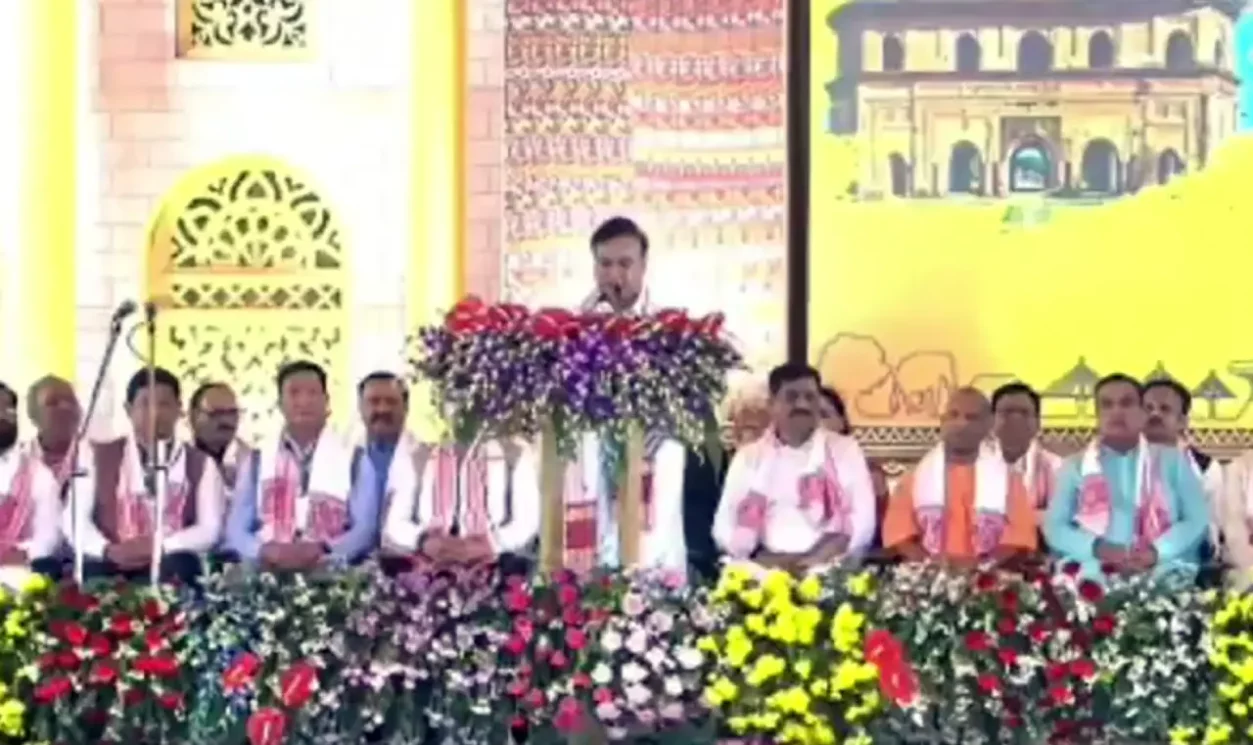
Himanta Biswa Sarma's Second Term as Assam CM Signals BJP's Expanding Grip in Northeast 12
The swearing-in of Himanta Biswa Sarma as Assam chief minister for a second consecutive term marks not only continuity in leadership but also the BJP’s deepening political influence across the northeast.
Widely credited with expanding the BJP’s footprint in the region, Sarma played a central role in the party’s emphatic victory in Assam, where the BJP secured 82 seats in the 126-member Assembly despite sustained attacks from the Congress and controversies surrounding his tenure.
The 57-year-old leader vowed to accelerate Assam’s development journey, declaring that his first term was “just a trailer” and that “the movie will unfold in the second term”.
During his first tenure, Sarma focused heavily on infrastructure, welfare schemes and policies aimed at safeguarding the land rights of indigenous communities. However, his government also drew criticism over controversial measures targeting Bengali-speaking Muslims of Bangladeshi origin.
Eviction drives on alleged encroached land, action against child marriage, moves against polygamy, enforcement of the Cattle Protection Act and the closure of government-run madrasas triggered sharp criticism from opposition parties, which accused his administration of increasing social polarisation.
Despite repeated allegations of corruption and attacks over the business dealings of his wife by Congress leaders, Sarma remained politically resilient and continued to emerge as the BJP’s most influential face in the northeast.
A major controversy erupted after Congress leader Pawan Khera made allegations involving Sarma’s wife, triggering a bitter political exchange that even found mention in a Supreme Court order granting relief to Khera.
Political observers describe Sarma as one of the BJP’s most effective strategists in the northeast. As convenor of the North East Democratic Alliance (NEDA), he played a key role in bringing all eight northeastern states under the NDA’s influence either through BJP governments or alliance partners.
Sarma’s political journey began during the Assam Agitation of the 1980s, when he worked with leaders of the All Assam Students’ Union (AASU). After entering mainstream politics, he rose rapidly within the Congress under the mentorship of former chief ministers Hiteswar Saikia and Tarun Gogoi.
He became a minister in the Gogoi government in 2001 and earned a reputation for administrative efficiency and political management. However, differences with the Congress leadership, particularly with Gogoi’s son Gaurav Gogoi, led to his exit from the party in 2015.
The BJP quickly absorbed Sarma into its ranks and leveraged his influence to strengthen its position in Assam and across the northeast. Alongside Sarbananda Sonowal, he helped the BJP form its first government in Assam in 2016 before taking over as chief minister in 2021.
Born in Jorhat to noted Assamese poet and novelist Kailash Nath Sarma and literary activist Mrinalini Devi, Sarma holds a master’s degree and PhD in political science. He also earned an LL.B degree and practised law at the Gauhati High Court before entering electoral politics.
With a second consecutive term now secured, Sarma’s growing stature within the BJP appears set to shape not only Assam’s politics but also the party’s future strategy in the northeast.
From Election Extravagance to Economic Fear: Why Is the Common Indian Always Asked to Sacrifice? 14
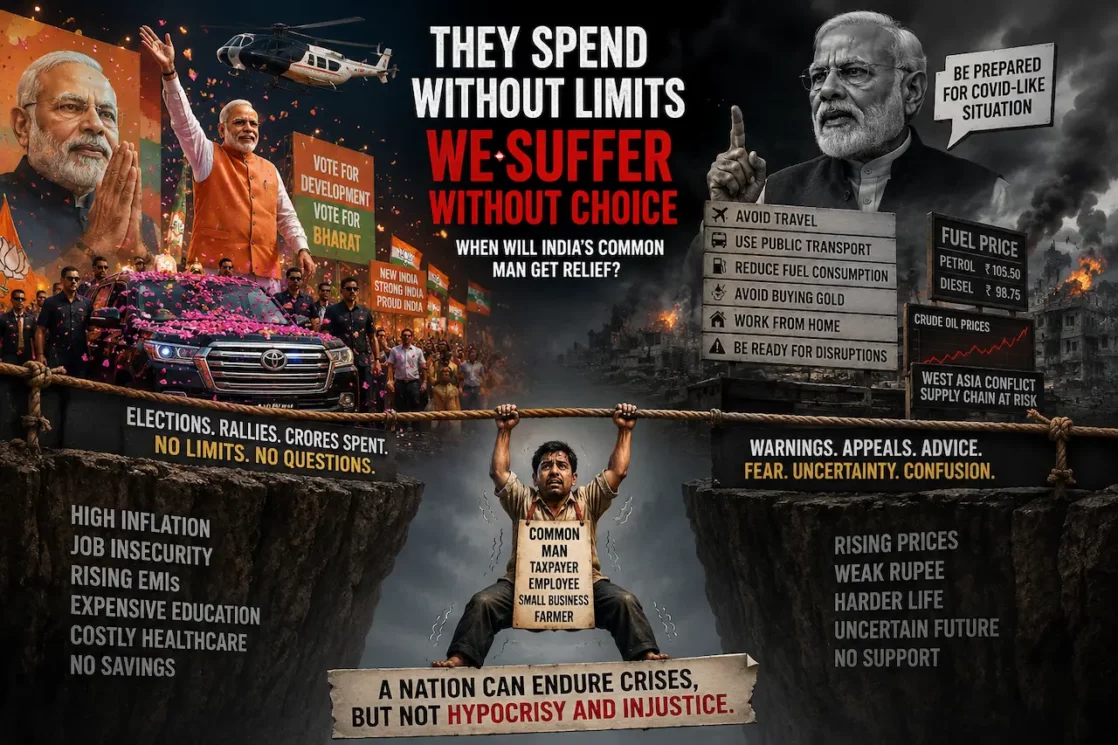
The government’s recent messaging asking citizens to prepare for “Covid-like” economic disruptions has triggered understandable anxiety across the country, and rightly so. When the Prime Minister of India publicly advises people to reduce fuel consumption, avoid unnecessary travel, postpone gold purchases, revive work-from-home culture, and prepare for uncertainty caused by the escalating West Asia conflict, it is not treated as a casual advisory. Such statements carry enormous psychological, economic, and political consequences. Markets react instantly. Households panic. Businesses slow spending. Investors become cautious. The memory of the Covid lockdowns is still fresh in the minds of millions of Indians who suffered unemployment, isolation, migration crises, bankruptcies, and emotional trauma. Therefore, the government cannot afford ambiguity, contradiction, or selective alarmism while communicating with the nation.
What makes the situation deeply troubling is the timing and contrast in political behaviour. For months before the elections, the country witnessed one of the most expensive and aggressive political campaigns in modern Indian history. Every major state election became a spectacle of enormous financial power. Massive rallies were organized daily. Chartered aircraft moved leaders across states non-stop. High-voltage advertising campaigns dominated television, newspapers, digital platforms, and public spaces. Giant stages were erected, endless roadshows were conducted, and enormous state machinery was deployed. Political parties, especially the ruling establishment, spent money on a scale unimaginable to the average citizen struggling with inflation and rising costs of living.
At that time, there was complete silence about conserving national resources. There was no public appeal to reduce travel. No warning about fuel consumption. No concern about foreign exchange reserves. No advice to postpone luxury spending. No speeches about economic discipline or austerity. The government projected confidence, strength, and abundance during elections because political optics demanded it. But the moment the elections concluded, the narrative abruptly shifted from celebration to caution. Suddenly the public was told that difficult times could be approaching. Citizens were urged to prepare for disruptions similar to the Covid era because of geopolitical instability and energy insecurity.
This contradiction is precisely what is unsettling ordinary Indians.
People are asking a simple question: if the economic situation was serious enough to warrant nationwide caution, why was the country simultaneously witnessing massive political extravagance? Why is austerity expected only from the common citizen after elections are over? Why are ordinary taxpayers repeatedly asked to tighten their belts while political establishments continue functioning with limitless resources?
The concern becomes even more serious because the government’s warnings are not entirely baseless. The West Asia conflict indeed poses major risks for India. India imports nearly 85–90 percent of its crude oil requirements. Any instability around the Strait of Hormuz directly threatens India’s energy security. Rising crude oil prices increase transportation costs, food prices, manufacturing expenses, and inflation across sectors. Aviation turbine fuel becomes expensive, affecting airlines and travel industries. A weakening rupee increases the burden on imports and foreign debt. Supply chain disruptions can create shortages and uncertainty in essential commodities.
These are genuine economic concerns. But genuine concerns require mature governance and transparent communication, not fear-inducing public messaging without clarity.
When the Prime Minister invokes Covid-era behavioral patterns such as work-from-home arrangements, restricted travel, virtual meetings, reduced spending, and conservation habits, people naturally interpret it as a signal of an approaching crisis. The word “lockdown” may not have been explicitly used, but the psychological association is unavoidable. India remembers the catastrophic human consequences of sudden restrictions during the pandemic. Migrant workers walking hundreds of kilometres, small businesses collapsing overnight, families losing livelihoods, mental health crises, educational disruption, and millions pushed into financial insecurity are not distant memories. Therefore, any comparison to the Covid period immediately creates panic and speculation.
The government cannot escape responsibility for the confusion by later claiming that the public “misunderstood” the message. Leadership communication is not a private conversation; it shapes public behaviour. Markets move based on signals from the highest offices. Investors react to tone as much as policy. Citizens begin hoarding, postponing purchases, cancelling travel, and cutting expenses out of fear. Even rumors become economically damaging when uncertainty is amplified by vague official warnings.
The reaction in financial markets after the Prime Minister’s appeal regarding gold purchases is a perfect example. Jewellery company stocks witnessed sharp declines because investors feared that consumer demand would weaken. India’s gold market is deeply connected to cultural practices, weddings, savings behavior, and household security. Telling citizens to avoid buying gold for a year may sound economically logical from a foreign exchange perspective, but such appeals also send a message that the government expects prolonged economic stress. Markets understand this instantly.
Similarly, the suggestion to reduce unnecessary foreign travel and revive work-from-home practices signals anticipated pressure in aviation, fuel pricing, and discretionary spending sectors. Airlines already operate under thin margins, and any surge in crude oil prices creates severe financial pressure because aviation fuel constitutes a large share of operational costs. A weakening rupee further worsens the situation since aircraft leasing, maintenance, and insurance are dollar-dependent. When the government publicly advises reduced travel, the market interprets it as preparation for economic slowdown.
The deeper frustration among ordinary Indians, however, lies in the unequal distribution of sacrifice. During every major crisis, it is the common citizen who bears the heaviest burden. During prosperity, political establishments celebrate achievements and claim credit. During hardship, citizens are asked to endure pain in the name of national interest. The wealthy protect themselves through assets and influence. Large corporations receive policy cushions and financial restructuring. Political campaigns continue uninterrupted. But the middle class, small traders, salaried employees, farmers, migrant workers, and daily wage earners are repeatedly expected to “adjust.”
This pattern has become painfully visible.
The average Indian today is already financially stretched. Inflation has eroded purchasing power. Fuel prices remain high. Household savings are shrinking. Education and healthcare costs continue rising. Employment insecurity persists across sectors. Young people entering the workforce face uncertainty despite qualifications. Small businesses are still recovering from the economic shocks of the pandemic years. Under such conditions, repeated warnings about future disruptions create psychological exhaustion and public distrust.
What the nation needs right now is not panic-driven economic messaging but consistent and credible leadership. If the government genuinely believes India is heading toward severe economic stress because of global instability, then it must lead by example. The first step should be cutting wasteful political expenditure and excessive publicity campaigns funded directly or indirectly by public resources. Extravagant political rallies, oversized promotional events, and image-building exercises must give way to visible fiscal discipline. Citizens are more likely to cooperate with sacrifice when they see those in power practicing it themselves.
Secondly, the government must communicate clearly and responsibly. Vague comparisons to the Covid era without precise explanations create unnecessary fear. Citizens deserve facts, not dramatic caution signals designed to emotionally condition the public. Explain the exact risks. Present economic data transparently. Outline concrete contingency plans. Reassure vulnerable sectors. Inform businesses about preparedness measures. Provide confidence rather than uncertainty.
Thirdly, there must be protection mechanisms for ordinary people if global disruptions worsen. Fuel price shocks cannot become another excuse for uncontrolled inflation while wages remain stagnant. Small businesses and vulnerable workers cannot again become collateral damage in geopolitical crises beyond their control. Economic resilience must include social resilience, not merely macroeconomic statistics.
India is strong enough to face global challenges, but resilience cannot be built on selective austerity and political hypocrisy. A government that spends extravagantly during elections and then suddenly lectures citizens about restraint risks appearing disconnected from the realities of ordinary life. Leadership demands consistency. If sacrifice is necessary, it must begin at the top.
The nation does not need fear campaigns disguised as preparedness. It does not need symbolic appeals while structural waste continues unchecked. It does not need contradictory messaging that celebrates excess one month and warns of scarcity the next.
India needs honest governance, disciplined leadership, transparent communication, and economic planning rooted in fairness. Most importantly, the common citizen deserves respect—not repeated treatment as the emergency shock absorber for every political and economic crisis that emerges.
Gautam Adani Calls for India to Build and Own AI Infrastructure on Home Soil 16
Billionaire industrialist Gautam Adani on Monday called on India to build sovereign capabilities across the artificial intelligence value chain, asserting that energy security and digital infrastructure would define geopolitical power in the coming decades.
Addressing the Confederation of Indian Industry’s (CII) Annual Business Summit 2026, the Adani Group chairman said the foundations of globalisation were being reshaped amid growing geopolitical tensions and technological competition.
“The world that is emerging is not flat. It is fractured and contested,” Adani said, adding that semiconductors had become instruments of statecraft, while data and cloud infrastructure were increasingly being treated as strategic national assets.
Highlighting the importance of technological sovereignty, Adani said countries that control energy and computing power would dominate the future global order.
“The country that controls its energy will power its industrial future. The country that controls its compute will power its intelligence future. And the country that controls both will shape the century ahead,” he said.
Calling artificial intelligence a strategic infrastructure challenge rather than merely a software revolution, Adani said India must develop and own its AI ecosystem domestically.
“India must not rent the infrastructure of its intelligence future. India must build it, power it and own it on its own soil,” he said.
Adani said India’s growing domestic demand in sectors such as manufacturing, logistics, mobility and digital services gives it a unique advantage in building large-scale AI and energy infrastructure.
He noted that India had already crossed 500 gigawatts of installed power capacity and projected that the country’s AI-driven data centre capacity could rise from 5 GW by 2030 to nearly 75 GW by 2047.
The Adani Group chairman stressed that AI infrastructure includes energy, cooling systems, chips, networks, data and talent, and warned that India must prepare immediately for a sharp rise in computing demand.
Rejecting concerns that artificial intelligence would primarily eliminate jobs, Adani argued that India should harness AI to boost productivity, empower entrepreneurs and create new employment opportunities.
“The real measure of AI will not be how many jobs it replaces. The real measure will be how many Indians it empowers,” he said.
Adani also reiterated the group’s previously announced USD 100 billion investment commitment towards energy transition and digital infrastructure, including the 30-GW renewable energy project at Khavda in Gujarat, which he described as the world’s largest single-site renewable energy plant.
He further announced continued expansion of the group’s data infrastructure business through partnerships with companies such as Google, Microsoft, Flipkart and Uber, including plans for a gigawatt-scale data centre campus in Visakhapatnam.
Drawing parallels with India’s digital payments revolution through UPI, Adani said artificial intelligence could unlock even greater economic transformation if supported by sovereign infrastructure and innovation.
“The future does not arrive. It is built,” he said.
WFI Bars Vinesh Phogat From Domestic Events Till June 2026, Issues Show-Cause Notice 18
The Wrestling Federation of India (WFI) has issued a detailed show-cause notice to wrestler Vinesh Phogat, accusing her of indiscipline and violations of anti-doping regulations, while declaring her ineligible to participate in domestic competitions until June 26, 2026.
The federation stated that the two-time World Championships medallist failed to comply with the mandatory six-month notice period required under United World Wrestling (UWW) Anti-Doping Rules for athletes returning from retirement. As a result, Vinesh will be unable to compete in the National Open Ranking Tournament in Gonda, which began on Sunday and was expected to mark her return to the mat.
In the 15-page notice, the WFI alleged that Vinesh’s conduct had caused “lasting damage to the reputation of Indian wrestling” during the 2024 Paris Olympics and violated provisions of the WFI Constitution, UWW International Wrestling Rules and anti-doping regulations.
The federation sought her explanation on multiple charges, including her disqualification from the Paris Olympics after failing to make weight, alleged whereabouts failures under anti-doping rules, and competing in two weight categories during the March 2024 selection trials held under the IOA-appointed ad-hoc committee.
According to the notice, the International Testing Agency (ITA), acting on behalf of UWW, informed WFI on May 4, 2026 about a “missed test” linked to an unsuccessful doping control attempt on December 18, 2025. The federation also referred to an earlier whereabouts failure notice issued by NADA in September 2024 after officials allegedly failed to locate her at her declared residence in Sonipat for an out-of-competition test.
WFI said that under Article 5.7 of the UWW Anti-Doping Rules, athletes returning from retirement must notify UWW at least six months in advance and remain available for testing during that period. The federation claimed Vinesh had not fulfilled these conditions.
The notice further highlighted the controversy surrounding her disqualification from the Paris Olympics. Vinesh had reached the women’s 50kg final after defeating Japanese wrestling star Yui Susaki, but was disqualified before the gold medal bout after being found 100 grams overweight during the second weigh-in. The WFI said the incident cost India a “certain Olympic medal” and led to widespread negative publicity.
The federation also questioned her participation in both the 50kg and 53kg categories during the March 2024 selection trials in Patiala, alleging it violated UWW rules permitting wrestlers to compete in only one weight category. Complaints received by WFI reportedly alleged that the trials were delayed after Vinesh demanded written assurance for another trial in the 53kg category before the Paris Olympics.
The WFI has asked Vinesh to explain why disciplinary action should not be initiated against her under provisions related to indiscipline, unsportsmanlike conduct and actions prejudicial to the interests of the federation and the sport. She has been given 14 days to respond to the notice.
Consensual Relationship on Promise of Marriage Not Rape: Thane Court Acquits Man 20
A sessions court in Maharashtra’s Thane district has acquitted a 33-year-old man accused of rape and cheating, observing that a consensual relationship spanning over two years on the promise of marriage cannot automatically be treated as rape.
Additional Sessions Judge Ruby U. Malvankar acquitted Shahbaz Mohammad Salim Khan, a resident of Mumbra, of charges under the Indian Penal Code related to rape and cheating. A copy of the May 2 order was made available on Sunday.
According to the prosecution, the accused befriended the complainant, a divorcee with two daughters, while both were employed at a mall in Thane. It was alleged that Khan established physical relations with her between 2016 and 2018 after promising to marry her, but later backed out and allegedly threatened her.
While acquitting the accused, the court underlined the consensual nature of the relationship and noted the absence of evidence suggesting dishonest intentions from the beginning.
“A relationship spanning two years is a substantial period, and throughout this time, she never lodged a complaint nor indicated that she felt cheated. This suggests she was an equal participant in the sexual relationship,” the court observed.
The court further stated that there was nothing on record to show that the accused had any mala fide intention to deceive or exploit the complainant at the inception of the relationship.
The judge also noted that the complainant’s allegations regarding criminal intimidation and intentional insult were vague and lacked certainty and conviction.
Holding that the prosecution failed to establish the charges beyond reasonable doubt, the court ordered the discharge of the accused’s bail bonds and acquitted him of all charges.