Home Blog

When Politics Becomes a Circus: Noise, Narratives, and the Truth Behind the Madhu Kishwar Controversy

madhu kishwar, controversy, kishwar, pm modi, narendra modi
When Politics Becomes a Circus: Noise, Narratives, and the Truth Behind the Madhu Kishwar Controversy 2

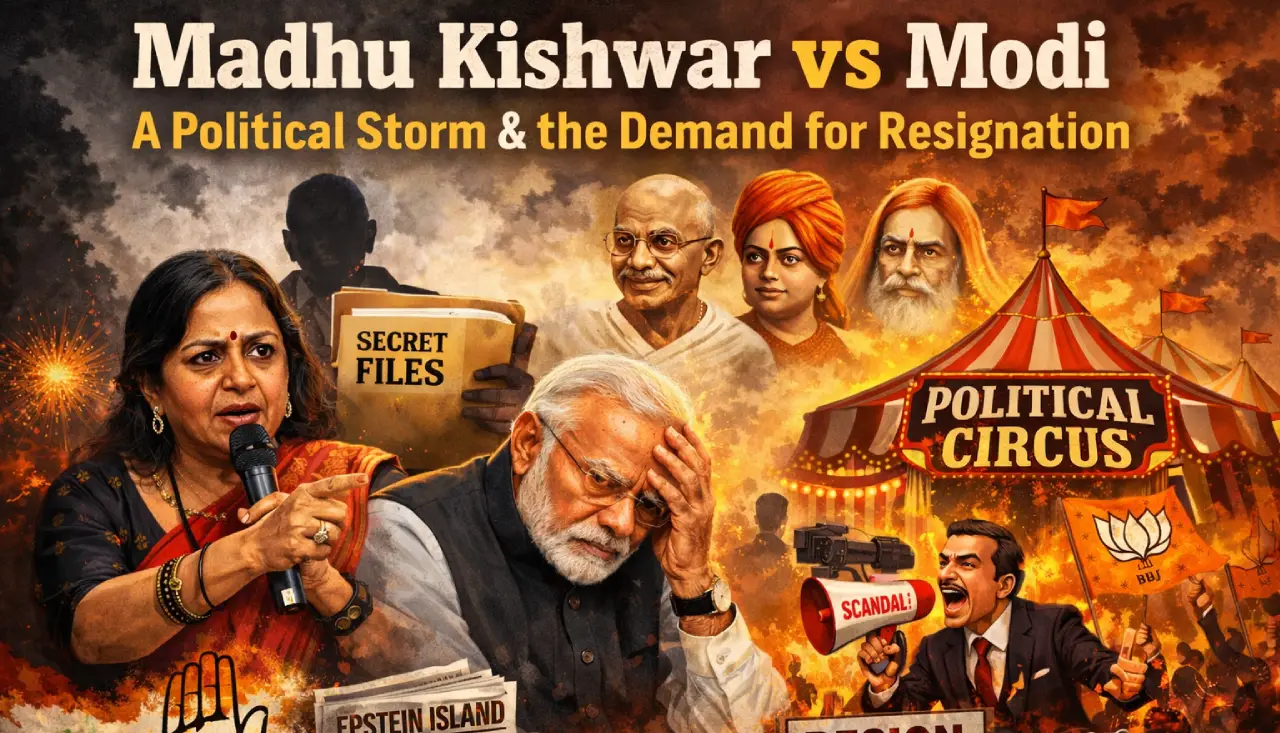
Let’s get one thing straight—politics is not a poetry contest where the loudest voice wins. It’s a battlefield of narratives, and right now, what we’re witnessing is less of a debate and more of a full-blown circus.

To understand the current controversy, you first need to know who Madhu Kishwar is. She is not a random commentator or a fringe voice. Kishwar has long been part of India’s intellectual ecosystem—an academic, a public thinker, and someone who once positioned herself close to nationalist discourse. In fact, she was among those who openly supported Narendra Modi during his rise, especially around 2014. That’s precisely why her recent statements are drawing attention—because criticism from within always carries more weight than attacks from outside.

Now, what exactly is happening? Kishwar has suggested that Modi may have been pressured or influenced through sensitive files, allegedly shown by a senior bureaucrat from the previous regime. Whether this claim is true or speculative, it has ignited a storm. But here’s where the real game begins.

The Indian National Congress, which has struggled to directly counter Modi politically, has found unexpected comfort in this situation. Ironically, even if the allegations trace back to individuals or systems from their own time in power, the mere possibility that it dents Modi’s image is enough reason for celebration. That’s modern politics in a nutshell—if mud is flying, it doesn’t matter who threw it, as long as it sticks to the opponent.

But let’s not get carried away by noise. The claim about “blackmail” through files is serious. It leads us to only two logical possibilities. Either it is true—in which case it reflects a deeply troubling institutional failure where even the highest office can be compromised—or it is unverified narrative-building, a political strike designed to weaken perception without concrete proof. There is no comfortable middle ground here.

This naturally raises the question—should Modi resign “with dignity”? That sounds noble, but politics doesn’t run on poetic morality. Resignation is not a gesture of sensitivity; it is a consequence of proven accountability. If there is credible evidence that a sitting Prime Minister has been compromised, then stepping down becomes necessary to protect institutional integrity. But if accusations are floating without substantiation, then resignation becomes surrender—and in politics, surrender is not admired, it is exploited.

This is exactly where the Bharatiya Janata Party must step up. Silence, in such moments, is not strategic—it is dangerous. If Modi is innocent, the party must respond with clarity, not ambiguity. Facts must be placed on the table. Allegations must be challenged directly. And if necessary, legal recourse should be taken against those spreading unverified claims. Because in today’s environment, silence is quickly interpreted as weakness, if not admission.

What makes this entire episode even more disturbing is the descent into personal territory. When political discourse shifts from policies to private lives, from governance to gossip, it signals intellectual bankruptcy. The moment conversations begin revolving around bedrooms instead of boardrooms, you know the debate has collapsed.

There is also a strange tendency to drag historical and spiritual figures into contemporary politics. Names like Mahatma Gandhi, Swami Vivekananda, and Adi Shankaracharya are invoked as benchmarks. This is not just misplaced—it is fundamentally flawed. These figures belong to a different plane of thought and legacy. Trying to measure modern politicians against them is like comparing a candle to the sun. It neither elevates the politician nor does justice to the legacy of those icons.

The same applies to the debate around personal life—whether a leader is married, unmarried, or follows any particular lifestyle. History is full of great figures across the spectrum—kings with multiple wives, ascetics who renounced everything, and leaders who lived ordinary family lives. None of that defines their capability to lead. Governance is judged by decisions, outcomes, and accountability—not by personal choices that have no bearing on public duty.

And then comes the larger distraction—the obsession with global scandals like the Epstein case being loosely dragged into Indian political conversations. If crimes of that magnitude exist anywhere, they are not political talking points—they are matters of justice that demand serious, impartial investigation. But what we often see instead is selective outrage, where one side weaponizes it against the other, and the truth gets buried under layers of agenda.

At its core, this entire episode is not about Madhu Kishwar, nor is it about Subramanian Swamy or any individual critic. It is about how narratives are manufactured, amplified, and consumed. One narrative tries to project Modi as strong and uncompromising. The other attempts to paint him as pressured or compromised. And in the end, the version that the public believes becomes the dominant reality—regardless of the actual truth.

That is the real battlefield today—not policy, not ideology, but perception.

The harsh truth is this: if every day brings a new allegation, a new controversy, a new spectacle, then democracy risks turning into a 24/7 drama show. Serious issues get sidelined, and the public is left reacting to noise instead of engaging with substance.

If there are genuine allegations, they must be investigated thoroughly and transparently. If someone is guilty, they must face consequences—no matter how powerful they are. But if claims are being thrown around without evidence, then they deserve to be called out for what they are—reckless attempts to destabilize through insinuation.

Because when everything becomes a scandal, nothing remains serious.

And that is how a democracy slowly turns into a circus—loud, chaotic, and dangerously distracting.
From Bihar’s Hinterland to Healthcare Supply Networks: Suraj Kumar’s Quiet Rise Built on Systems

suraj kumar, healthcare, bihar, system
From Bihar's Hinterland to Healthcare Supply Networks: Suraj Kumar's Quiet Rise Built on Systems 4

In a sector where reliability can directly impact outcomes, Suraj Kumar’s journey into India’s healthcare supply chain stands out for its grounded, process-driven approach. At a time when entrepreneurship is often associated with rapid scale and visibility, his trajectory reflects a slower, more deliberate model—one built on consistency rather than noise.

Raised in Dhamaul village in Bihar’s Nawada district, Kumar’s early life was shaped by modest means but steady ambition. After completing his engineering education at Centurion University of Technology and Management, he spent a brief period in the corporate sector. The experience offered insight into structured operations, but he chose to step away from a conventional path to pursue entrepreneurship—an uncertain route, particularly for first-generation founders.

He went on to establish Osmdudes Pvt Ltd and Bombaim Essentials Pvt Ltd, focusing on the supply of surgical and healthcare products. In an industry where even minor lapses can carry serious consequences, the companies have grown by emphasizing disciplined sourcing, stringent quality checks, and dependable logistics. Rather than scaling aggressively, the focus has remained on building systems that can sustain trust over time.

Today, supported by a team of over two dozen professionals, the business serves clients across India and has begun exploring select international markets. The expansion, while measured, suggests a strategy anchored in operational strength rather than short-term visibility.

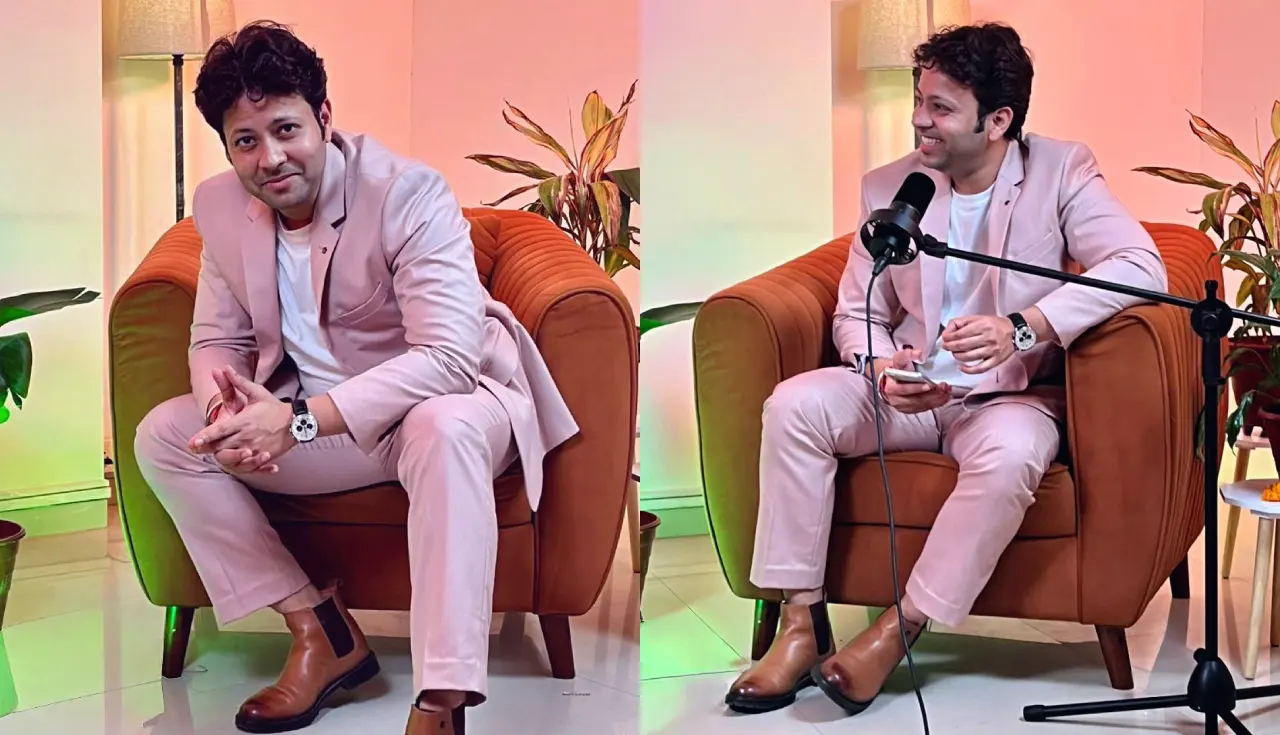
Parallel to his core business, Kumar has also ventured into digital content through podcast platforms, hosting conversations with professionals across industries—from entertainment and politics to healthcare and administration. With over 60 episodes recorded, the initiative reflects a growing trend among entrepreneurs to build influence through dialogue and knowledge-sharing, extending their reach beyond traditional business boundaries.

His journey underscores a broader shift in India’s entrepreneurial landscape: success in critical sectors is increasingly defined not by how fast one grows, but by how reliably one delivers. In that sense, Kumar’s path serves as a reminder that enduring businesses are rarely built on momentum alone—they are built on discipline, systems, and the patience to get the fundamentals right.

Sunetra Pawar to File Baramati Bypoll Nomination on April 6, Top Leaders to Attend

sunetra pawar, ncp, baramati bypolls, baramati
Sunetra Pawar to File Baramati Bypoll Nomination on April 6, Top Leaders to Attend 6

Maharashtra Deputy Chief Minister and NCP president Sunetra Pawar will file her nomination on April 6 for the Baramati Assembly by-election in Pune district, party sources said on Friday.

The bypoll, scheduled for April 23, was necessitated following the death of her husband and former Deputy Chief Minister Ajit Pawar in a plane crash on January 28. Sunetra Pawar, currently a Rajya Sabha member, is set to contest from the family stronghold.

According to party sources, Chief Minister Devendra Fadnavis and Deputy Chief Minister Eknath Shinde are expected to be present during the filing of her nomination papers, which will take place after a public meeting in Baramati.

Ajit Pawar, an eight-time MLA from Baramati, had maintained a strong political hold over the constituency. He secured a record victory margin of 1.65 lakh votes in the 2019 Assembly elections and retained the seat in 2024 with a margin exceeding one lakh votes.

While the Sharad Pawar-led NCP (SP) has announced that it will not contest the bypoll, its ally Congress has indicated that it may field a candidate, ensuring a contest in the constituency.

Sunetra Pawar assumed office as Deputy Chief Minister on January 31 and was unanimously elected as NCP president on February 26.

Alongside Baramati, the Rahuri Assembly seat in Ahilyanagar district will also go to polls on April 23 following the death of BJP MLA Shivaji Kardile.

Bhagwant Mann Targets Raghav Chadha, Calls Silence in Parliament ‘Against Party Line’

bhagwant mann, aap, raghav chadha, rajya sabha
Bhagwant Mann Targets Raghav Chadha, Calls Silence in Parliament 'Against Party Line' 8

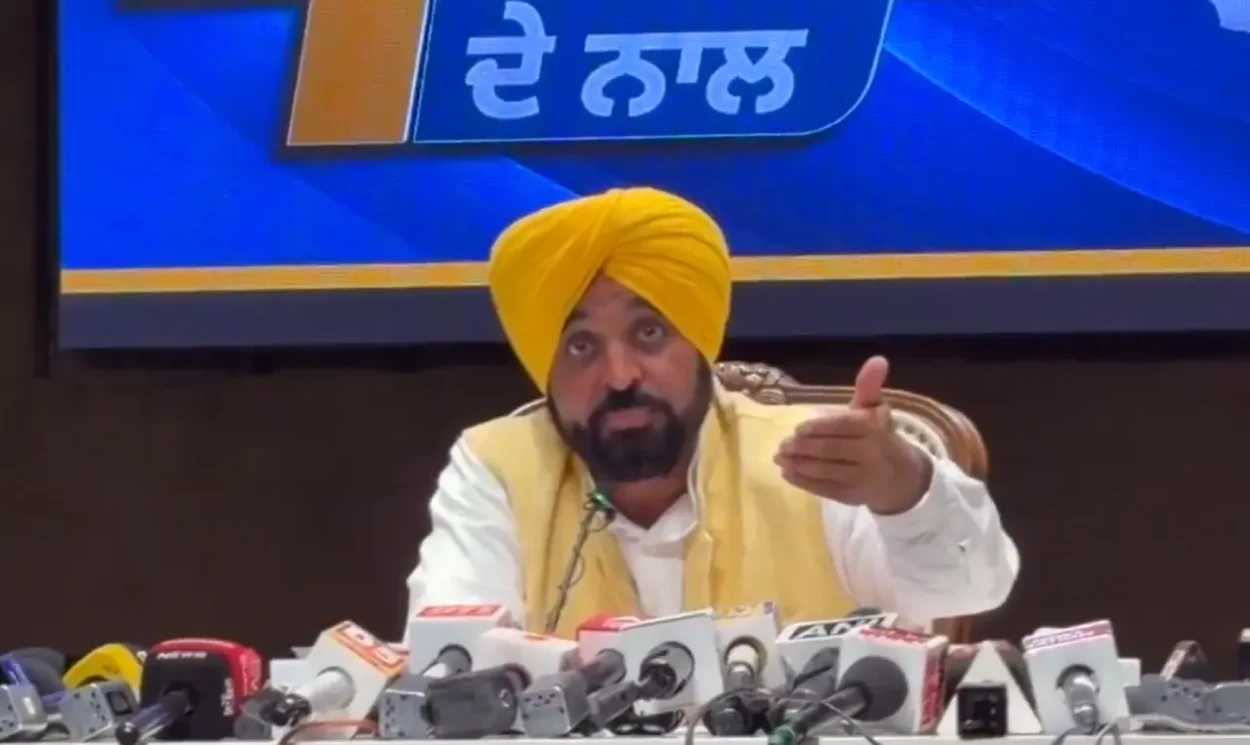
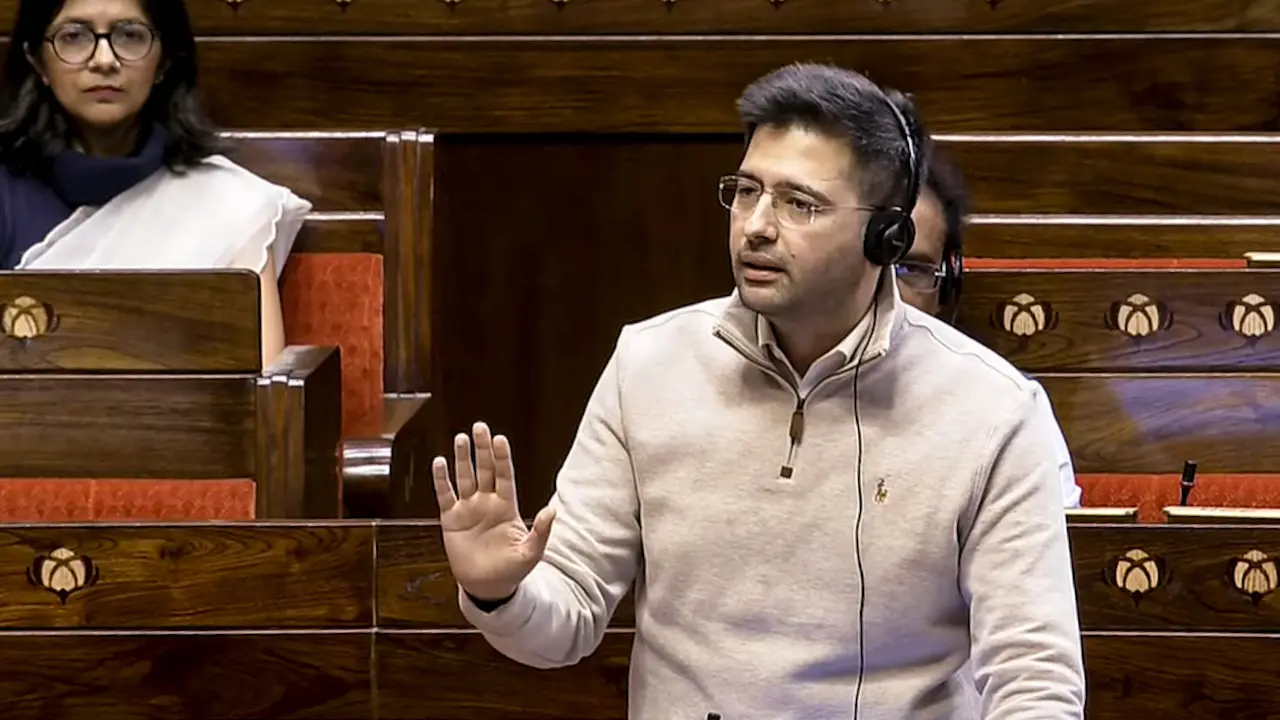
Punjab Chief Minister Bhagwant Mann on Friday launched a sharp attack on AAP MP Raghav Chadha, questioning his silence on key issues in Parliament and suggesting that he may be “compromised” for going against the party line.

Responding to queries at a press conference, Mann said that failing to speak on important matters—such as alleged voter list issues in West Bengal, arrests of AAP leaders in Gujarat, or participating in collective actions like walkouts—amounts to violating the party whip.

His remarks came a day after Chadha said he had been “silenced, not defeated,” following his removal as AAP’s deputy leader in the Rajya Sabha. The party has since accused Chadha of avoiding confrontation with the Centre and focusing on less critical issues.

Backing Mann’s criticism, AAP national media in-charge Anurag Dhanda questioned whether a leader who “fears” Prime Minister Narendra Modi can effectively represent public interests.

Mann said it is routine for parties to reshuffle leadership roles in Parliament and cited past examples within AAP to underline that such decisions are part of organisational functioning. However, he stressed that any deviation from the party’s collective decisions would invite action.

“If someone does not follow the party line or disobeys the whip, then action will be taken,” he said, adding that raising trivial issues instead of key policy concerns raises questions about intent.

The Punjab chief minister also highlighted that AAP would strongly raise the issue of alleged arrests of its volunteers in Gujarat with the state government, calling them “false cases”.

On other issues, Mann responded to a recent blast outside the BJP office in Chandigarh by saying that blame is often directed at him unfairly for incidents in the city.

He also touched upon governance, presenting what he described as a “report card” of his government’s four-year tenure. Mann said over 65,000 government jobs have been provided, including significant recruitment in education, police, power, and health sectors, all on a merit basis.

He added that more than seven lakh jobs have been generated in the private sector during this period and announced plans to increase the strength of the Punjab Police to 1.25 lakh by creating 10,000 additional posts.

Taking a swipe at political opponents, Mann said earlier predictions that his government would not last have proven wrong, asserting that the AAP remains committed to strengthening its governance and aiming to make Punjab a leading state across sectors.

Mamata Banerjee Blames AIMIM, ISF for Malda Gherao; Alleges BJP-Congress Role

mamata banerjee, malda incident, malda, tmc, west bengal, bengal
Mamata Banerjee Blames AIMIM, ISF for Malda Gherao; Alleges BJP-Congress Role 10

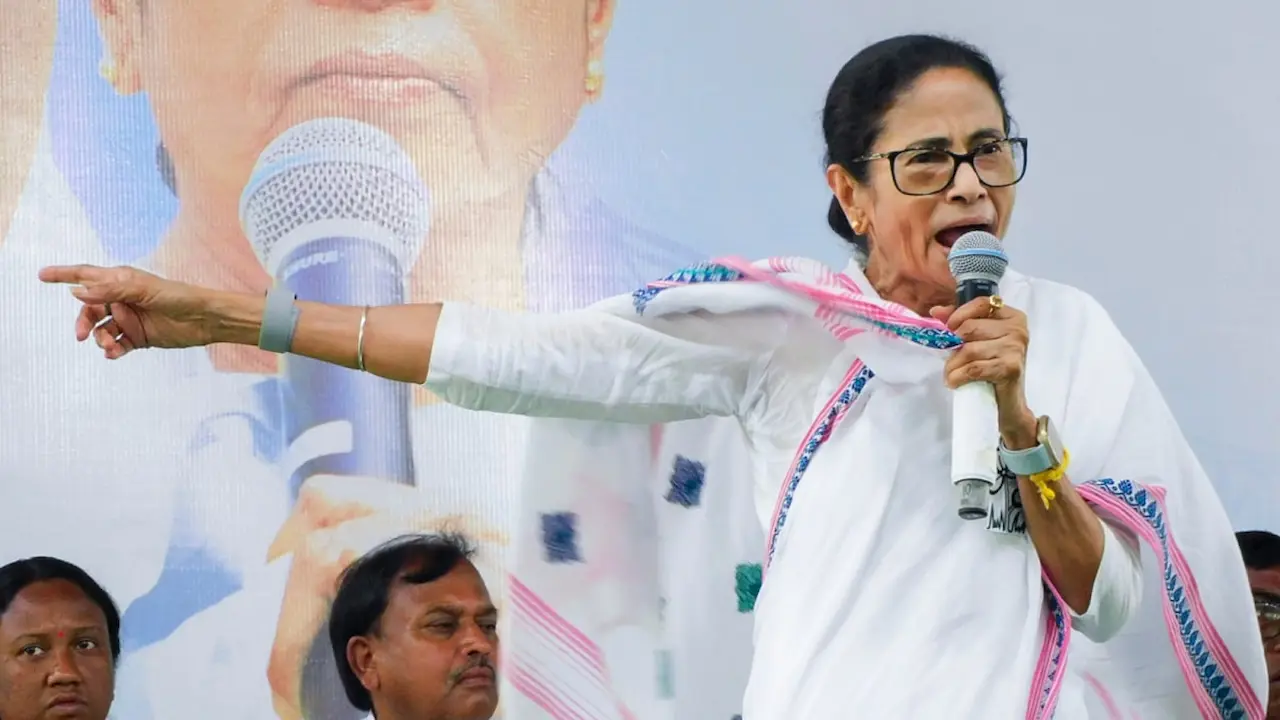
West Bengal Chief Minister Mamata Banerjee on Friday blamed AIMIM and the Indian Secular Front (ISF) for the gherao of judicial officers in Malda district, while alleging that the Congress and the BJP instigated the incident.

Addressing an election rally in Dakshin Dinajpur’s Harirampur, Banerjee said the alleged mastermind behind the gherao in Mothabari has been arrested by the state’s Criminal Investigation Department (CID). She added that the CID remains under the state government’s control and not the Election Commission.

Banerjee claimed that the accused, identified as advocate Mofakkarul Islam, was apprehended at Bagdogra airport while attempting to flee. She alleged that the BJP had “brought him from AIMIM” and accused the ISF, Congress, and BJP of collectively fuelling the unrest.

The chief minister described the incident, in which judicial officers were gheraoed for several hours earlier this week, as a politically engineered act of violence.

She also raised concerns over electoral processes, questioning why Assembly elections could not be conducted using the same voter lists as the 2024 general elections. Referring to allegations of voter irregularities, Banerjee said that if such claims were valid, then those who had previously benefited from those votes should also be held accountable.

Further escalating her attack, Banerjee alleged that money was being transported using CRPF vehicles during the election period and claimed to have evidence of such movements, which she said would be revealed at an appropriate time.

She also took a swipe at Union Home Minister Amit Shah, stating that his decision to stay in West Bengal during the elections would not benefit the BJP and could instead reduce its vote share.

The remarks come amid heightened political tensions in the state as campaigning intensifies ahead of the Assembly polls.

Iran Plans Strait of Hormuz ‘Monitoring’ Proposal with Oman Amid Rising Tensions

Strait of Hormuz, iran, oman, proposal, war
Iran Plans Strait of Hormuz 'Monitoring' Proposal with Oman Amid Rising Tensions 12

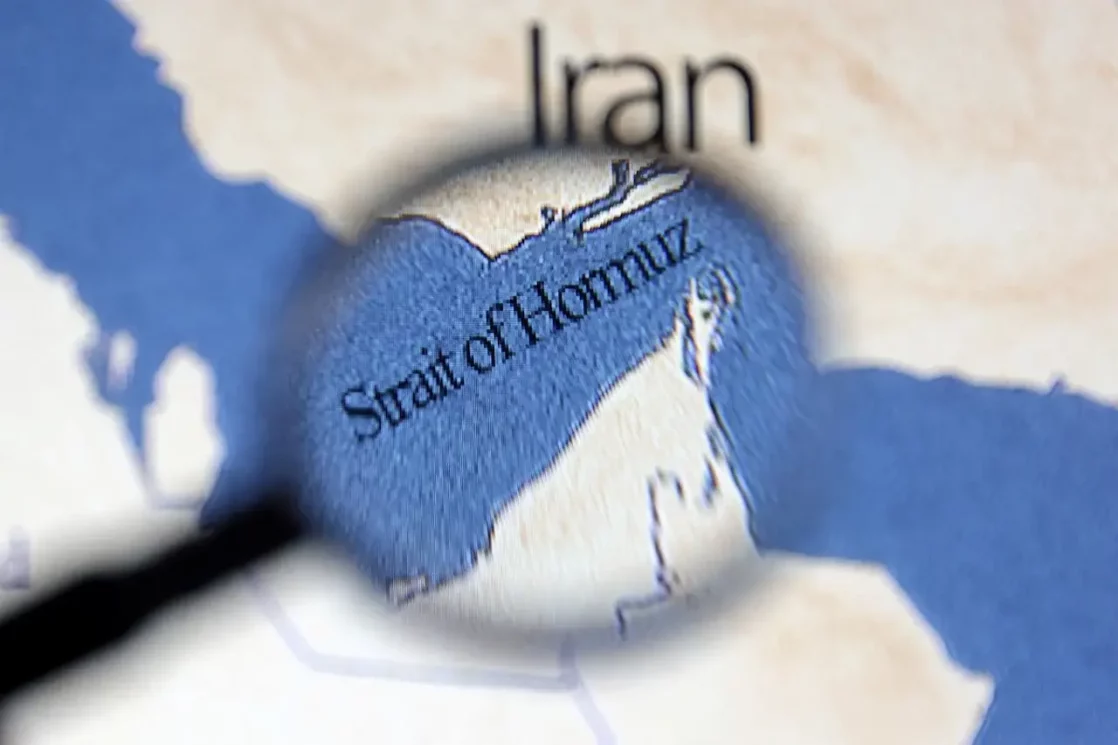
Iran on Thursday said it is drafting a proposal with Oman to “monitor” the Strait of Hormuz, a critical global shipping route, amid ongoing regional tensions.

The announcement was made by Iranian diplomat Kazem Gharibabadi, who told state-run IRNA that the proposal is intended to “facilitate safe passage and provide better services” to vessels navigating the narrow waterway.

The Strait of Hormuz, which lies between Iran and Oman, is one of the world’s most vital oil transit chokepoints and is considered an international passage where ships are expected to move freely. However, recent tensions, including alleged attacks on shipping and reports of hefty demands for safe passage, have raised concerns over disruptions in the region.

Details of the proposed mechanism remain unclear, and Oman has not yet officially responded to Iran’s claims.

Gharibabadi suggested that the current security situation has impacted maritime navigation, linking disruptions to what he described as acts of aggression in the region. “When we face aggression, navigation encounters serious problems. We are in a wartime situation and cannot expect pre-war norms to apply,” he said.

The development has drawn attention globally, as any changes to the functioning of the Strait of Hormuz could have significant implications for international trade and energy supplies.

MP High Court Orders Contempt Case Against BJP MLA Sanjay Pathak Over Judge Contact

sanjay pathak, mla, mp high court, high court
MP High Court Orders Contempt Case Against BJP MLA Sanjay Pathak Over Judge Contact 14

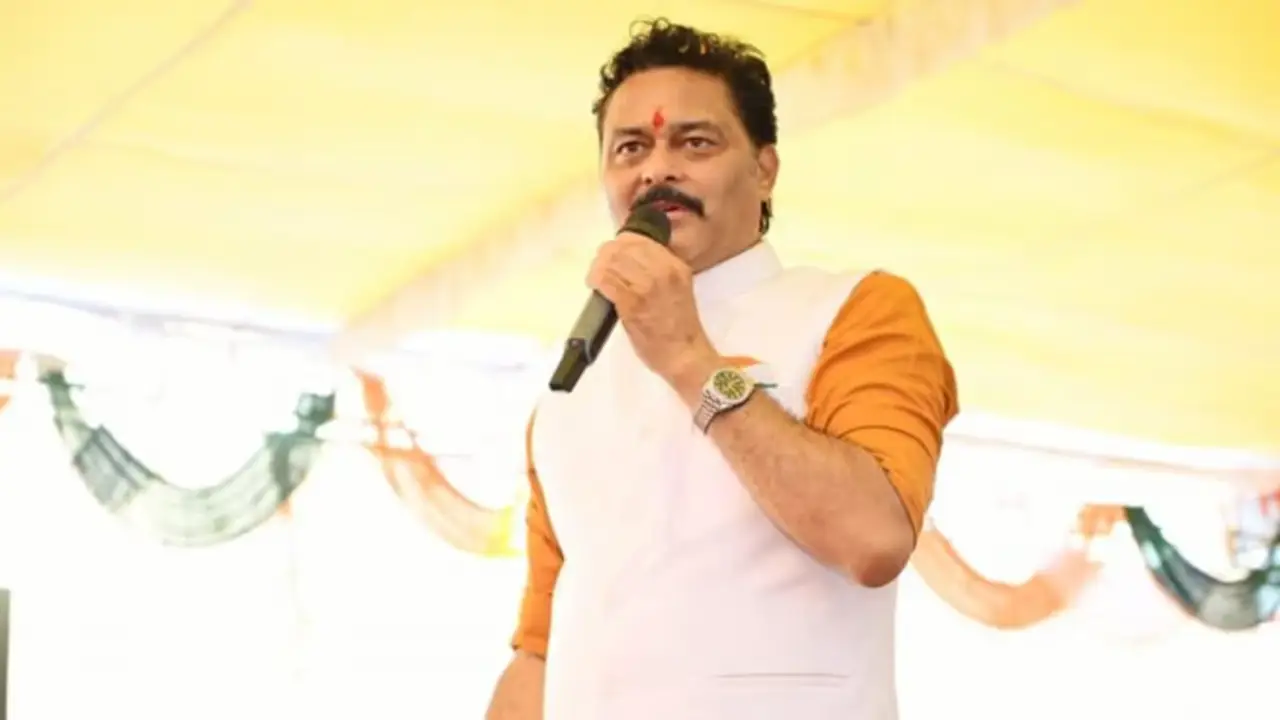
The Madhya Pradesh High Court on Thursday ordered the registration of a criminal contempt case against BJP MLA and mining businessman Sanjay Pathak for allegedly attempting to contact a sitting judge in connection with an illegal mining case.

A division bench comprising Chief Justice Sanjeev Sachdeva and Justice Vinay Saraf issued the direction while disposing of a related petition and rejecting Pathak’s objections.

The court took suo motu cognisance of the matter after it emerged that Pathak had allegedly tried to reach out to Justice Vishal Mishra over the phone regarding the case.

The issue came to light in September last year when Justice Mishra recused himself from hearing a petition related to alleged illegal mining. At the time, the judge had disclosed that Pathak had attempted to contact him to discuss the matter, prompting him to step aside from the proceedings.

The original petition was filed by Katni resident Ashutosh Dixit, who alleged that three companies linked to Pathak were involved in illegal and excessive mining activities in the Sihora area of Jabalpur district, including operations on forest land.

Dixit’s counsel argued that the attempt to contact the judge amounted to interference with judicial proceedings. Following the disclosure, Justice Mishra had directed that the matter be placed before the Chief Justice at the administrative level.

The petitioner had earlier approached authorities with complaints but alleged that no concrete action was taken, leading him to seek judicial intervention.

With the High Court now directing contempt proceedings, the case is expected to move forward under criminal contempt provisions.

Parth Pawar Dismisses Allegations Against Praful Patel and Sunil Tatkare as ‘Baseless’

parth pawar, ncp, leader, pawar, sunil tatkare, praful patel
Parth Pawar Dismisses Allegations Against Praful Patel and Sunil Tatkare as 'Baseless' 16

Amid mounting political speculation, NCP leader Parth Pawar on Thursday dismissed allegations against senior party figures Praful Patel and Sunil Tatkare, calling them “baseless and speculative”.

In a statement, Parth Pawar said the reports suggesting that Patel and Tatkare attempted to take control of the party following the death of former Maharashtra Deputy Chief Minister Ajit Pawar were “nothing but fiction”. He alleged that efforts were being made to drag the two leaders into “manufactured controversies”.

Highlighting their long-standing contributions, Parth Pawar said both Patel and Tatkare have demonstrated decades of commitment and leadership within the party, adding that such unfounded allegations were deeply unfortunate.

The clarification comes amid reports of internal tensions within the party, including speculation that Deputy Chief Minister Sunetra Pawar was unhappy with the two leaders.

Earlier, NCP (SP) leader Rohit Pawar had claimed that Sunetra Pawar wrote to the Election Commission of India on March 10, informing it of her appointment as party president and requesting that any previous communications sent after Ajit Pawar’s death on January 28 be disregarded.

According to Rohit Pawar, Patel and Tatkare had written to the poll body on February 16, stating that amendments had been made to the party constitution, granting powers to Praful Patel as working president. He alleged that this move was aimed at taking control of the party.

Adding to the speculation, a letter purportedly written by Sunetra Pawar has surfaced on social media, in which Patel and Tatkare are mentioned without official designations, raising questions about their roles within the organisation.

NCP spokespersons have not issued an official response regarding the developments.

Meanwhile, Sunetra Pawar visited Delhi on Thursday to attend the final day of the Budget session of Parliament. Notably, neither Patel nor Tatkare accompanied her, further fuelling political speculation.

AAP Seeks Removal of Raghav Chadha as Rajya Sabha Deputy Leader, Proposes Ashok Mittal

raghav chadha, aap, mp, member of parliament, deputy leader
AAP Seeks Removal of Raghav Chadha as Rajya Sabha Deputy Leader, Proposes Ashok Mittal 18

The Aam Aadmi Party (AAP) has moved to replace Rajya Sabha MP Raghav Chadha as its deputy leader in the Upper House, proposing Punjab MP Ashok Mittal for the role, sources said on Thursday.

According to sources, the party has written to the Rajya Sabha secretariat requesting Chadha’s removal from the post and indicating that he should no longer be allotted speaking time under AAP’s quota in the House.

The development comes amid Chadha’s prolonged absence from several party activities and his silence on key political developments involving the AAP. Once considered a close aide of party chief Arvind Kejriwal and a prominent face of the party, Chadha had played a significant role in AAP’s organisational and political strategy, particularly in Punjab and Delhi.

However, in recent months, his visibility within the party has reportedly declined. Chadha was abroad for medical treatment during the arrest of Kejriwal in the Delhi excise policy case in March 2024 and remained away during his incarceration, meeting him only after his release in September that year.

He also remained silent following a Delhi court’s decision last month granting relief to Kejriwal, former deputy chief minister Manish Sisodia, and others in the same case. Chadha did not attend the subsequent press conference or rally held at Jantar Mantar.

Party insiders suggest that Chadha has been gradually sidelined from organisational matters and political campaigns, though he continues to raise public issues such as high airfares and concerns of gig workers both inside and outside Parliament.

Responding to the development, Ashok Mittal said he had been entrusted with the responsibility by the party’s national leadership and would work diligently to represent both the party’s position and national interests in the Rajya Sabha.

Mittal downplayed the move, calling it a routine organisational change. He noted that leadership roles within the party have evolved over time, with N.D. Gupta previously holding the position before Chadha.

The AAP currently has 10 members in the Rajya Sabha, including seven from Punjab and three from Delhi.

Jharkhand Horror: 13-Year-Old Killed in Ritual Sacrifice, Mother Among 3 Arrested

tantrik, jharkhand, women, Hazaribagh
Jharkhand Horror: 13-Year-Old Killed in Ritual Sacrifice, Mother Among 3 Arrested 20

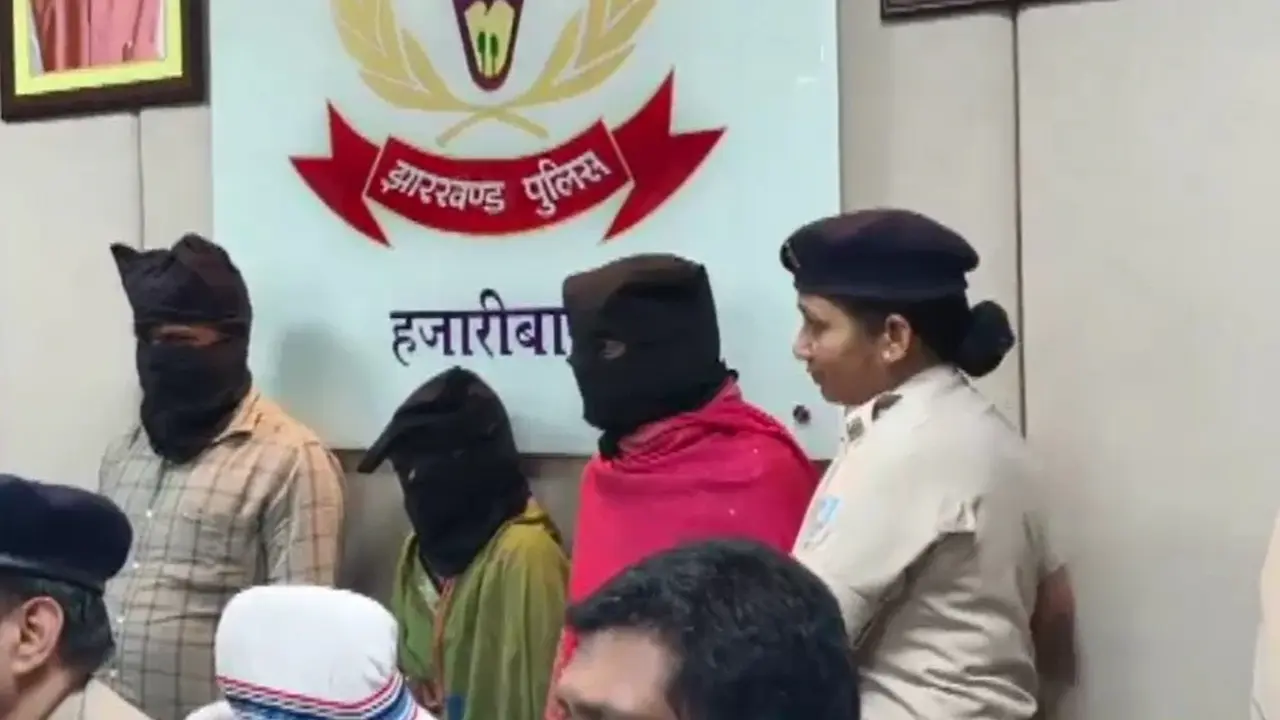
A chilling case of alleged human sacrifice has emerged from Jharkhand’s Hazaribagh district, where a 13-year-old girl was killed in a ritualistic act, with her mother among three people arrested, police said.

The accused include the girl’s 35-year-old mother Reshmi Devi, 55-year-old occult practitioner Shanti Devi, and 40-year-old Bhim Ram, all residents of Kusumbha village. The arrests were announced by Hazaribagh Superintendent of Police Anjani Anjan and DIG Anjani Jha during a late-night press briefing on Wednesday.

According to police, the victim’s mother had been consulting a local tantrik for treatment of her younger son, who reportedly suffers from mental and physical ailments. Investigators said the occult practitioner allegedly advised that sacrificing a virgin girl would cure the boy.

The crime took place on March 24, coinciding with Ashtami celebrations, when the village was engaged in festivities and a Ram Navami procession. Police said the girl was strangled at the house of the occult practitioner, allegedly by her mother and Bhim Ram.

Officials further alleged that the accused carried out brutal acts as part of the ritual and later buried the body in a garden. The accused initially attempted to mislead investigators by claiming the girl had been raped, but post-mortem and forensic reports ruled out sexual assault.

Police also stated that Bhim Ram has been previously accused in other murder cases, including the killing of his sister-in-law.

The incident has sparked outrage, with the Jharkhand High Court taking suo motu cognisance of the case earlier this week and issuing notices to the state administration and the Director General of Police. The bench acted based on media reports of the crime.

Initially, the victim’s mother had claimed that her daughter was abducted, and her body was discovered in a field on March 25. The case triggered protests, with the opposition BJP calling for a 12-hour bandh in Hazaribagh.

The investigation is ongoing as authorities probe the full extent of the crime and the involvement of the accused.