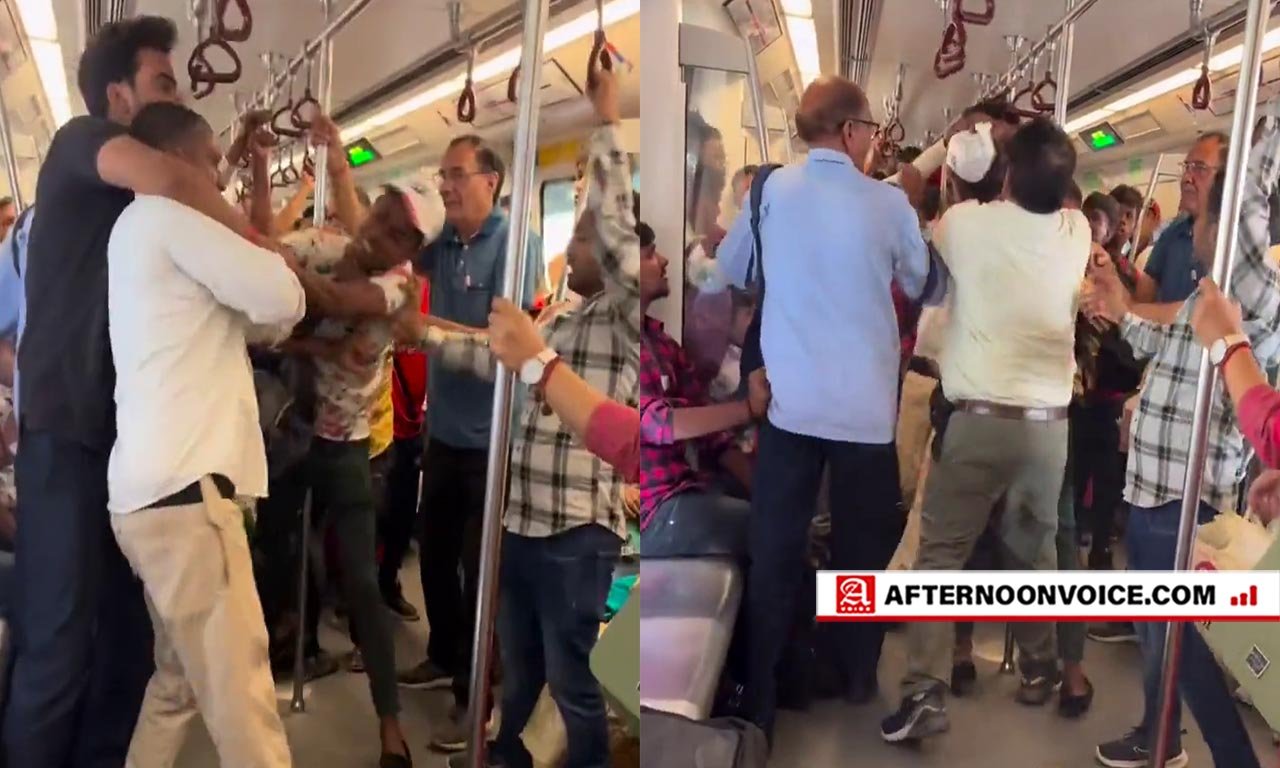
A viral video shows a chaotic scene in the Delhi metro, passengers band together to protect an elderly man 2
The ongoing saga in the Delhi metro and passenger antics appear to have no end in sight, with incidents becoming increasingly diverse over time.
The internet is flooded with content that raises questions about the role of the metro in the lives of Delhi residents, ranging from couples engaging in unusual displays of affection to individuals showcasing their dance skills.
Adding to this trend, a recent video went viral on social media, exemplifying what many refer to as ‘typical Delhi metro behavior.’
The video, shared by X user “Ghar Ke Kalesh,” depicted two men engaged in a heated argument over limited standing space.
Kalesh inside Delhi metro over Push and shove (Uncle dusre bande ke Legs pe Chhad gaye) pic.twitter.com/WlbDW0oK3N
While the exact date and cause of the altercation were not confirmed, the video suggested that it began when one of the men inadvertently stepped on another.
In this unconfirmed video, one man is seen confronting an elderly passenger and even throwing punches.
Other commuters quickly stepped in to protect the senior citizen, pushing the aggressor away and standing firm in defense of the elderly passenger.
As the video played, fellow passengers rallied in support of the elderly man and took action to address the younger aggressor’s actions.
Will appear before Lok Sabha Ethics Committee after Nov 5, says TMC MP Mahua Moitra 4
Senior TMC leader and MP Mahua Moitra on Friday said she won’t appear before the Lok Sabha Ethics Committee on October 31 in relation to the cash-for-query allegations levelled against her by BJP MP Nishikant Dubey and instead would appear before it after November 5.
On Thursday, Dubey told the Ethics Committee that it was an “open and shut” case and Moitra should be disqualified.
“Chairman, Ethics Comm announced my 31/10 summons on live TV way before official letter emailed to me at 19:20 hrs. All complaints & suo moto affidavits also released to media. I look forward to deposing immediately after my pre- scheduled constituency programmes end on Nov 4,” she posted on X.
Moitra also posted the letter she had sent to the chairperson of the committee, where she said that she will be busy with post-Vijay Dashami gatherings till November 4 in her constituency in West Bengal’s Nadia district and requested to give her a date and time after November 5.
Dubey and advocate Jai Anant Dehadrai gave “oral evidence” to the panel against the Trinamool Congress MP on Thursday, after which its chairperson Vinod Kumar Sonkar said the committee will also seek assistance from the ministries of home affairs and IT in probing the allegations.
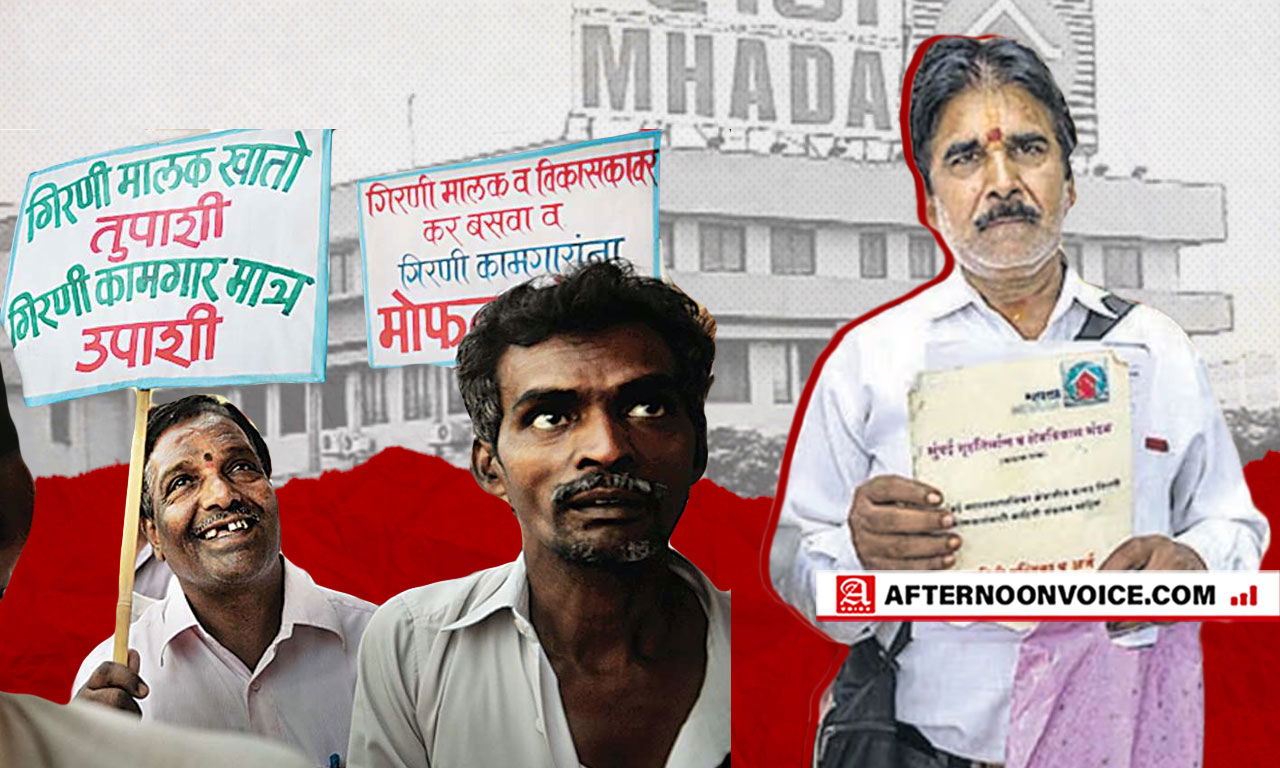
Mumbai millworkers, and their misery is never to end? 6
Millworkers misery is not new to the city; once mills and mill workers were the pride of Mumbai. But gradually, many mills got shut down, and generation after generation, the mill workers’ families still struggled for justice. In the recent past, thousands of former mill workers in Mumbai are still waiting for the houses they were promised in 2016. Delays in paperwork, changes in government, and the use of these ready homes as quarantine centers due to COVID-19 have all contributed to the postponement. The houses, which were supposed to be handed over on Dussehra, are now expected to be completed by November. However, many workers are unsure and worried about the extended wait and the worsened condition of the houses.
In 2016, the Maharashtra Housing and Area Development Authority (MHADA) held a lottery for subsidized housing for former mill workers and their families. Each was promised two flats of one-room kitchen measuring 160 square feet in Kongaon, Panvel, for Rs 6 lakh. The land belonged to the Mumbai Metropolitan Region Development Authority (MMRDA), where the agency built the houses. Many paid up in 2019 after dipping into their savings or taking out loans. Many of them sold their assets and are now literally bankrupt. The ready homes were repurposed by the Panvel Municipal Corporation as quarantine centers for affected patients. Post-pandemic, the buildings were left in awful condition, with broken doors and sinks stolen. The houses could be handed over in such a state. The conditions of these new houses have deteriorated. MHADA then floated a tender for repairs, adding an expense of over Rs 52 crore. The government literally ignored the urgent requirements of the people.
The mills of Mumbai have an interesting history; when the British and Portuguese decided to begin trade in India, they decided to make Mumbai their foundation. It began around the late 1840s, when mills began to plant themselves around a location that is now the central part of Mumbai. The mills were set up towards central and south Mumbai when the islands still existed and the land had not been reclaimed. A significant rise in port activity led businessmen, mostly from the Parsi community, to invest in the rising trade in Mumbai. Mills were then built with large hall spaces in order to function with at least one thousand workers in them.
The first mill in Bombay was projected in 1851 by C Nanabhai Davar and commenced work in 1854 under the name of Bombay Spinning and Weaving Company. The initial mills began around Tardeo and Byculla and later began moving northward. The mills were once located in the central part of Bombay, in a vast area known as Girangaon—the village of the mills—that encompasses the localities of Byculla, Chinchpokly, Lalbaug, Poybawadi, Parel, Lower Parel, Worli, Deleslie Road, and Jacob Circle to Dadar. The walls of these once-gargantuan structures remain in despair today in the company of junkies, and perhaps we occasionally witness couples whose stories fade away with time. Ironically, the Shiv Sena earned its spurs as a party when it took up the cause of mill workers in the 1960s. Today, Shiv Sena unions have lost most of their ground in the area as they failed to protect the workers’ interests. In the recent past, Shiv Sena has also lost its existence as it used to.
The first textile mill, Bombay Spinning Mill, was set up in 1854 in response to Britain’s need for cotton textiles. At that time, cotton was imported from the United States but when the Civil War broke out in that country, supplies stopped. This enabled the Indian textile industry to flourish. In 1961, the mills employed more than 2.5 lakh people. But a decline in imports owing to stiff competition from other countries started to lead the mills to ruin. By the 1980s, the majority of the mills had closed after a prolonged strike. Gradually, there were 58 mills, employing a mere 20,000 people. Of these, 32 are privately owned, 25 are owned by the NTC and one is owned by the state government. Twenty-nine private mills, declared sick by the Board for Industrial and Financial Reconstruction (BIFR), have shut down. The few mills operated by the NTC have incurred massive losses.
The Mills issue has remained mired in controversy for years. For instance, activists say many private mills do not have the right to sell their property as they were given the land on lease for industrial purposes. Then there is the issue of compensation for workers. Over the years, several plans to restructure and make optimum use of the mill area were proposed. They remain on paper. Now that the mill lands have vanished, a whole chapter of Mumbai’s history is lost. But a government keen on redevelopment does not want a millstone around its neck in the form of the obligation to preserve the past.
The strike led by Dr Datta Samant involved 247,189 Mumbai mill workers and brought the city to a standstill. The 1982–83 strike was the last industrial action by the Mumbai mill workers when the city witnessed an industry-wide strike, bringing the workforce to the center of politics. While the present-day public memory of the strike has receded, it is important to remember the event that fundamentally transformed the city of Mumbai.
The conflict between the mill workers and the owners began over the issue of bonuses. However, as the conflict gained momentum, other demands were added, such as providing for an ad hoc increase in the wage per month from Rs 120 to Rs 195 per month, depending on the years of service. Secondly, to make the badly (make a shift) workers permanent who had worked for an aggregate period of 240 days. Thirdly, payment of House Rent Allowance (Rs 52 per month), Leave Travel Allowance (Rs 42 per month), and Educational Allowance (Rs 30 per month). Substantial improvement in leave facilities such as privilege leave, casual leave, sick leave, and paid holidays was also one of the demands.
Finally, the strikers demanded non-recognition of Rashtriya Mill Mazdoor Sangh (RMMS) as the representative union and the sole bargaining agent for workers. These demands shocked the employers. The mill owners were able to put down the strike by colluding with the state machinery and the RMMS, the officially recognized trade union, which had held a monopoly on speaking up for the workers. After this, about 91,251 mill workers were laid off.
The catastrophic outcome of the strike also had national-level implications, as Mumbai’s mill workers held the vanguard position of the country’s labor movement. The failure of the 1982–83 strike crucially led to the reversal of the entitlements that the mill workers had obtained through various struggles and fundamentally altered workers’ claims over the city’s social fabric. Following the strike, the workers lost the fighting spirit that they had demonstrated historically. Most importantly, the failure of the strike resulted in the gradual dismantling of the various social, political, and cultural institutions that contributed to the rhythms of Girangaon.
The failure of the strike was not merely a loss of that industrial action; it had ramifications for future strikes by the working classes. Since the late 1980s, protests by the working classes in Mumbai have become increasingly weaker in staking their claims. The disastrous outcome of the 1982–83 strike, thus, not only resulted in working classes losing their rights and privileges earned through various decades of struggles but it also heralded the unmaking of kaamgarachi or shramikanchi (laborers) in Mumbai.
Qatar Court gives verdict of death penalty for 8 Indians detained in Qatar: MEA 8
The Court of First instance of Qatar has passed a verdict of death penalty for the eight former naval officers who were detained in Doha, the Ministry of External Affairs said.
The MEA said it is “deeply shocked” by the verdict and now awaits the detailed judgment.
“We have initial information that the Court of First Instance of Qatar has today passed a judgment in the case involving eight Indian employees of Al Dahra Company,” the MEA said in an official press release.
“We are deeply shocked by the verdict of death penalty and are awaiting the detailed judgment. We are in touch with the family members and the legal team, and we are exploring all legal options,” it added.
This matter is very important to us, the MEA said, adding that they have been keeping a close eye on it.
“We attach high importance to this case and have been following it closely. We will continue to extend consular and legal assistance. We will also take up the verdict with Qatari authorities,” the MEA release said.
“Due to the confidential nature of the proceedings in this case, it would not be appropriate to make any further comment at this juncture,” it added.
The eight Indian nationals have been imprisoned in Qatar since October 2022 and were accused of allegedly spying on a submarine programme.
New Delhi had been granted consular access to the eight Indians and had been working to secure their release. The Indian nationals had their first trial in late March.
Meetu Bhargava, who is the sister of one of the officers detained and lives in Gwalior, sought help from the Indian government to bring her brother back.
In a post on X on June 8, she appealed to Prime Minister Narendra Modi to intervene.
“These Ex Navy officers are the pride of the nation & again I request our Hon’ble Prime Minister with folded hands that it is high time that they all are brought back to India immediately without any further delay pl. @narendramodi @AmitShah @rajnathsingh @MOS_MEA” she posted on X.
Increased screen time among kids may signal autism, ADHD risk 10
Children with a genetic predisposition to autism spectrum disorder (ASD) were more likely to use screens for longer periods, according to a study.
While long periods of screen time in childhood have been suggested to be a cause of ASD/attention deficit hyperactivity disorder (ADHD), the results of this study suggest that some people may have a genetic disposition to use screens because of ASD.
The findings, published in the journal Psychiatry Research, showed that children with a higher genetic susceptibility to ASD used devices with screens longer (3 hours a day or 4+ hours a day) from early childhood.
They also found that kids with a high genetic risk of attention deficit hyperactivity disorder (ADHD) gradually increased their screen time as they grew older, even if their initial screen use time was short.
“Overall, those with a genetic risk of ASD were 1.5 times more likely to be in the group with about three hours of screen time per day, and 2.1 times more likely to be in the group with more than four hours of screen time,” said lead researcher Nagahide Takahashi of Nagoya University in Japan.
“Screen time may be an early sign of ASD, rather than a cause, as children with ASD are often more attracted to objects than people. Physicians should know that it is not fair to conclude that prolonged screen time is a risk factor for the development of ASD,” Takahashi said.
Researchers examined 6.5 million polymorphisms — referring to the presence of two or more variant forms of a specific DNA sequence that can occur among different individuals or populations — in 437 children’s DNA to determine genetic susceptibility to ASD and ADHD.
Next, they calculated a genetic risk index that considers the number and size of the effects of changes in genes associated with ASD/ADHD. This is known as a “polygenic risk score”.
The researchers then compared it with the amount of time spent using screens devices among a sample of children aged 18, 32, and 40 months.
Takahashi also warned against overexposing children with ADHD to device screens.
“Our results suggest that children at risk of ADHD are at risk of having too much screen time, especially since gaming addiction is common. As screen time tends to be longer for children who are particularly susceptible to ADHD, parents and caregivers should be cautious about it and make a commitment before it becomes a problem,” he noted.
These results may also help parents devise better child-rearing strategies. “Parents of children with neurodevelopmental disorders may feel guilty or be criticised by others for allowing their children screen time,” Takahashi said.
“However, we would recommend offering help to caregivers including offering alternative behavioural management strategies.”
Lured with Rs 11 crore PF payout, elderly Mumbai couple loses over Rs 4 crore to cyber fraudster 12
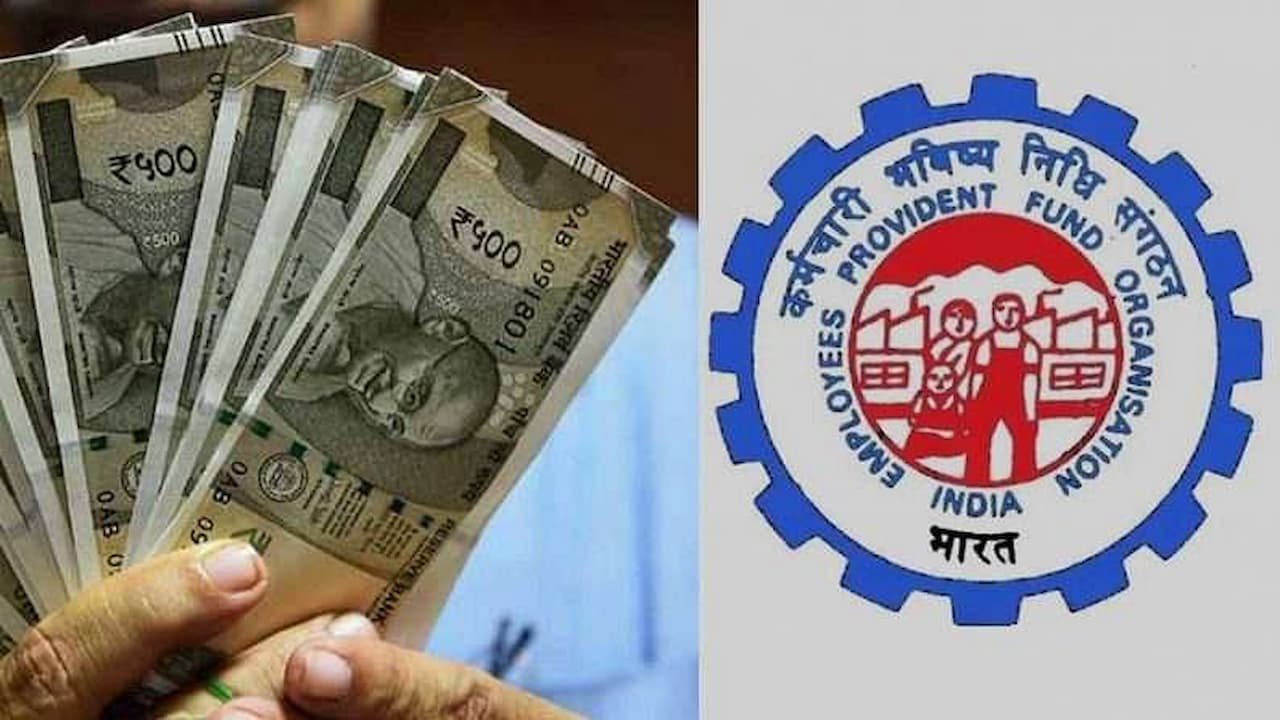
An elderly man from south Mumbai was allegedly duped to the tune of Rs 4.35 crore by a cyber fraudster, who told him that he was entitled to get a Provident Fund corpus of Rs 11 crore, police said on Thursday.
The incident came to light after the 71-year-old man’s wife approached the Cuffe Parade police station and lodged a complaint, an official said. ”In her complaint, she said she received a call from a woman in May this year. The caller claimed that she was speaking from the Employees’ Provident Fund Organization (EPFO). In order to win the victim’s trust, the caller provided all relevant information about the complainant’s husband to her,” he said.
The caller also told the complainant that her husband’s company had deposited Rs 4 lakh in his EPF account for a period of 20 years and he is now entitled to get the maturity amount of Rs 11 crore. The complainant’s husband earlier worked for a prominent Information Technology (IT) services and consulting company. After his retirement, the couple had withdrawn invested funds post-maturity, the official said.
The caller then asked the woman to deposit the money required towards the payment of TDS, GST, and income tax. Believing her, the woman transferred money into the bank accounts as per her instructions from time to time, he said.
”This way, the accused woman duped the couple to the tune of Rs 4.35 crore. The victim was asked to transfer money on several occasions between May and September under various pretexts. But when the caller kept demanding more money, the couple told her that they did not have any more funds,” he said. The caller woman then started threatening that she would inform the I-T department, he said.
After they realized they had been duped, the couple approached the police and lodged a complaint on Tuesday, he said. Based on the complaint, a first information report (FIR) under Indian Penal Code (IPC) sections 384 (extortion), 419 (cheating by personation), 420 (cheating and dishonestly inducing delivery of property), and 34 (acts done by several persons in furtherance of common intention) and various sections of the I-T Act, including identity theft, was filed. A probe into the case is underway, he said.
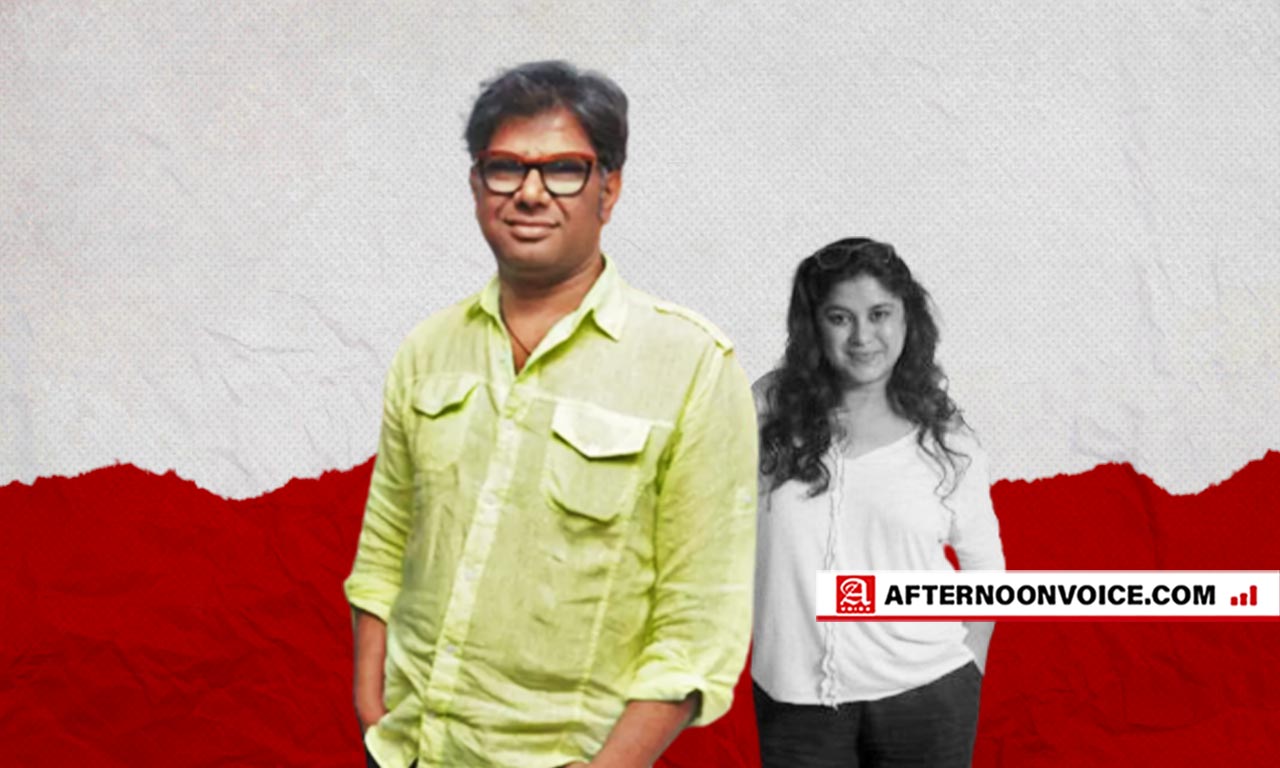
Chintan Upadhyay a celebrated artist caged in Hema Upadhyay's murder 14
A woman born in Baroda, Hema, met her future husband and fellow artist, Chintan Upadhyay, in 1992. They both fell in love due to their common interests and professional convenience. Chintan and Hema got married in 1998 and settled in Mumbai. Initially, they had a beautiful life; they worked together on many exhibitions.
Later on, things were not normal between them. Professional egos and compatibility issues took their personal lives toll. Chintan Upadhyay’s personal diary, filled with grievances about the breakdown of their marriage, played a crucial role in the case. Entries in the diary reflected his thoughts on the divorce and his puzzlement about why Hema, who seemed indifferent to him, wanted revenge. Hema’s career was at its peak when she had her first solo exhibition, titled Sweet Sweat Memories, at Gallery Chemould, now Chemould Prescott Road (Mumbai), in 2001. The exhibition consisted of mixed media on paper. In these works, she has incorporated her own photographs to communicate her ideas of migration, having moved to Bombay in 1998. Hema’s paintings were usually characterized by the inclusion of small-collaged photographic self-portraits.
In 2013, Hema filed a harassment case against Chintan for drawing obscene sketches of her on the walls of their apartment. Haresh Bhambani was her lawyer for this case. She lost when the case ruled the bedroom as Chintan’s personal space. Their divorce was completed in 2014, after which Chintan moved to Delhi and Hema lived in their flat on the Juhu-Tara Road. Bhambani then took on the role of Hema’s lawyer in the alimony proceedings. Hema wanted Rs 200,000 per month. The court brought it down to Rs 40,000 per month. On the day of their murders, Chintan had paid Bhambani Rs 200,000 in a lump sum as alimony. Chintan Upadhyay then ordered the killing of his wife and her lawyer, owing to a long, messy, ugly, and expensive legal and personal battle with her during their marriage and after the divorce. Hema’s body had been found along with that of her lawyer, Harish Bhambhani, wrapped in plastic and put in boxes in a drain in the northern Mumbai suburb of Kandivali on December 12, 2015.
Vidyadhar, after killing Hema and Bhambhani, took a train to Varanasi from Dadar around 9.30 PM on December 11, along with the arrested accused, Shivkumar Rajbhar. After reaching Itarsi, Madhya Pradesh, Vidyadhar tells Shivkumar that he wants to surrender to the police and gets off the train. His phone was last traceable on December 13, 2015. Then, on February 2, 2016, his phone was traced when he called a cousin in Surat from Chennai. The police rushed to Chennai, but he was nowhere to be found. Eight days later, on February 10, his phone was traced to Guwahati, Assam, after which the trail went cold. On September 13, 2016, the police even set up an elaborate trap, complete with personnel in plainclothes. It was Vidyadhar’s daughter’s first birthday, and the police made an educated guess that he would show up, especially since his family had sold off a room in their house for Rs 35 lakh.
Vidyadhar Rajbhar, owner of Vanshraj Arts, who would do art fabrication work for Hema, is accused of having planned the murders and strangled Hema. Hema used to store her artwork at his warehouse. The reason for Hema and Bhambhani’s visit to the Kandivali warehouse on the night of their murder was a fabricator she shared with Chintan. Vidyadhar had promised to show them compromising video clips involving Chintan, leading them to the location where they were killed. Vidyadhar was close to Chintan Upadhyay’s family. In fact, his father named him after Chintan’s father. Chintan also footed Vidyadhar’s father’s medical expenses up to Rs 5 lakh. With the help of Vijay Rajbhar, a tempo driver who dumped the bodies in the drain, the third accused, Pradeep Rajbhar, killed Haresh Bhambani, a lawyer for Hema. He also lured Hema with “evidence” of her estranged husband Chintan sleeping with girls and offered her a proposition to buy these clips for two lakh rupees. The fourth accused, Shivkumar Rajbhar, helped Vijay kill Haresh Bhambani. The fifth accused, Azad Rajbhar, who is a cousin of Vidyadhar, came down to Mumbai from UP in 2015 on his invitation to work with him at his workshop in 2015. He is being tried as a minor on account of being 16 when the murders took place.
On December 11, 2015, the bodies of Hema and her lawyer, Harish Bhambhani, were found dumped in a nullah in Kandivali. The trial court found Chintan guilty of abetting and conspiring to murder Hema, while it found three others, Pradeep, Vijay, and Shivkumar, guilty of murdering Hema and Bhambhani. Chintan, who spent six years in jail since his arrest in 2015, was granted bail by the Supreme Court in 2021. After he was convicted, he was arrested and sent to jail again.
Chintan Upadhyay was a celebrated artist and a recipient of the Charles Wallace Foundation Award. He began as a painter and later began creating sculptures and installations, the surfaces of which he painted. His best-known sculpture project is believed to be the Pet Shop project, which is an ongoing production of a “model baby” for every season. For these works, Upadhyay collaborated with artist Manish Sharma, a Rajasthani miniatures painter, who covered the babies with his interpretations of Indian miniatures. Chintan Upadhyay and controversy went hand in hand. While his contentious works often made headlines, one of the most prominent controversies was when the artist sat in the buff and asked people to smear him with saffron, thus reclaiming the color in a ritualistic manner at the height of the Gujarat riots. The artist courted another controversy when he impersonated a pregnant woman and dressed up in a house dress.
The conviction of artist Chintan Upadhyay for conspiracy in the murder of his estranged wife, Hema Upadhyay, marks a significant development in this high-profile case. While the main accused, Vidyadhar Rajbhar, remains at large, Chintan’s conviction is based on a combination of evidence, including his personal diary and the discovery of the bodies. The case has shed light on the complexities of personal and professional relationships within the art world and the tragic consequences that can result from such conflicts.
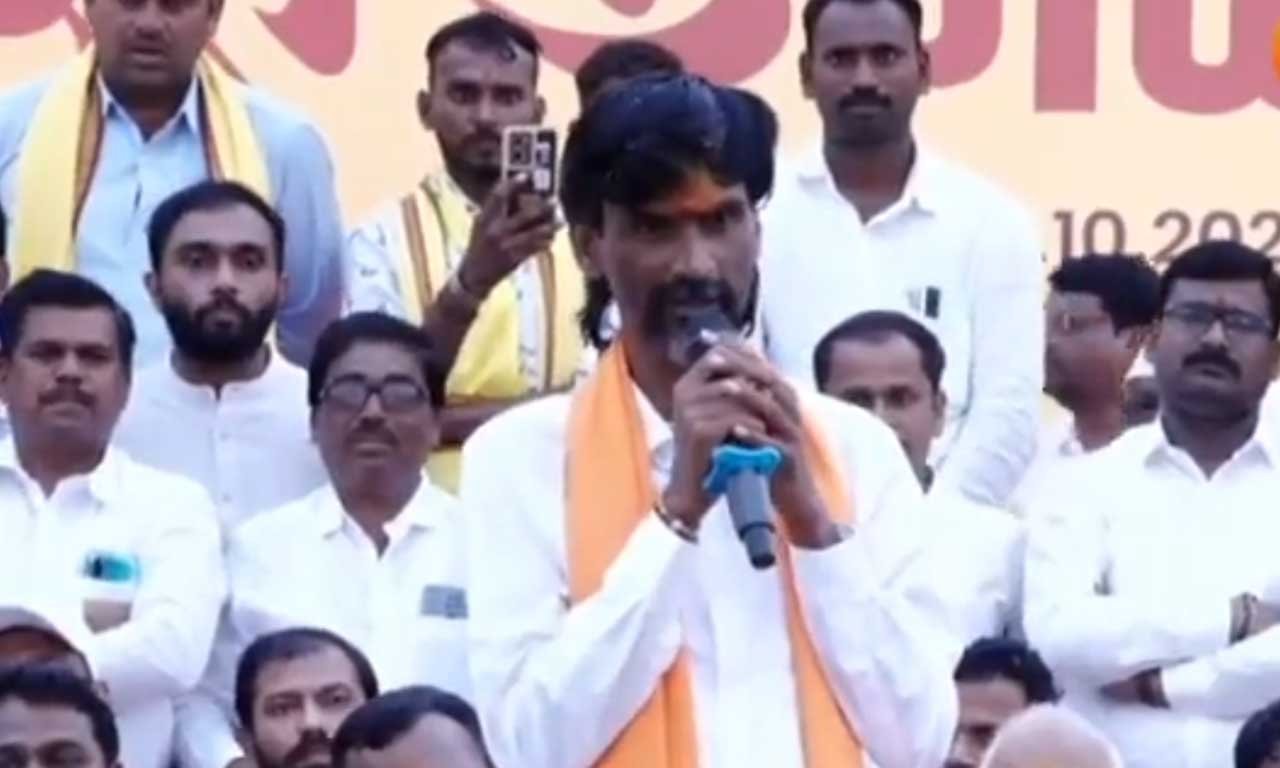
Maratha quota: Jarange-Patil begins another hunger strike, says 'Maha govt is not serious about our plea for reservation' 16
Tightening the screws, Maratha leader Manoj Jarange-Patil has accused the government of not being serious on the issue of reservations for his community and launched a “tough” hunger strike on Wednesday.
Jarange-Patil, flanked by scores of his supporters in his native Antaravali-Sarati village, has decided to abstain from all food, water, and medication till the government concedes the demand for Maratha quotas.
“The state government wanted 30 days; we gave them 40 days… Today’s the 41st day since the ultimatum, but nothing has been done. The government is not serious about our plea for quotas,” declared Jarange-Patil.
He told mediapersons that the Marathas are coming within the ambit of quotas, yet they are denied reservations despite a series of agitations, processions, and promises.
Jarange-Patil expressed hope that the government will announce the quotas in a day or so, particularly after Chief Minister Eknath Shinde on Tuesday night bowed and vowed before a portrait of Chhatrapati Shivaji Maharaj in Mumbai to give Maratha reservations and fight till the last drop of blood in his body for justice to the community.
The Marathas have been on a warpath since August 29, when Jarange-Patil launched his first indefinite hunger strike, which he called off after 17 days, then went on a tour of several key districts and addressed a series of mammoth rallies in the community.
Earlier, he had warned that by October 24, “either my funeral procession will be taken out or the Marathas’ victory march”, and reiterated that the community, which is now fully united, will not back off even an inch on the issue.
The state has witnessed several suicides by pro-reservation activists and around five dozen villages in some districts have banned the entry of politicians from all parties as a protest.
Jarange-Patil’s agitation has secured the response of almost the entire political spectrum in the state including the ruling Shiv Sena-Bharatiya Janata Party-Nationalist Congress Party (AP), the Opposition Congress-Shiv Sena (UBT)-NCP (SP) and other Maratha groups.
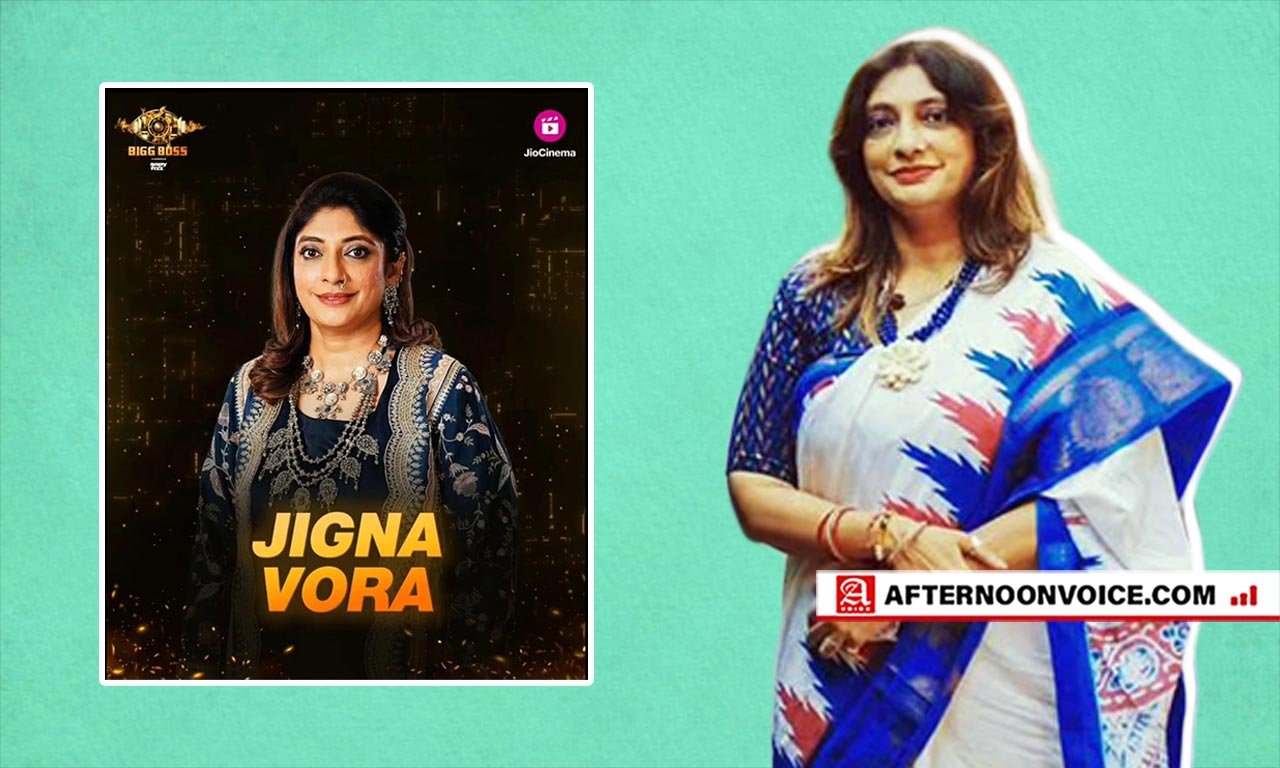
Jigna Vora, a journalist from Mumbai, got her voice back through TV shows? 18
Two decades ago, there was a female daredevil journalist who wanted to say no to the hierarchy of the press room. She was writing many crime stories independently to create her own stand and name in the media. But one fine morning, her fate challenged her and she had no clue which hell she was landing in. Jigna Vora began her reporting career in 2006 with the Free Press Journal (FPJ). She reported on underworld don Abu Salem and former encounter specialist Daya Nayak. After her stint with the FPJ, she worked with the Mumbai Mirror and Mid-Day until 2008.
Vora is from Mumbai and got married to a businessman in Gujarat at an early age. Soon after her marriage, she had to go through a lot of domestic violence. Her husband had to beat her, and her in-laws used to abuse her. From this marriage, she had a son. After her son’s birth, her life became more miserable. Jigna finally returned to her parents’ home in Mumbai and filed for divorce. It was during those numerous court visits that Vora became fascinated with court proceedings and the people she met there. With help from a childhood friend, she got a job at the Free Press Journal to support her son and her parents. Vora’s role as a reporter gave her a new sense of empowerment. The divorce came through three years ago.
By now, Jigna was an independent woman. She was flamboyant and loud. Her transformation from a submissive housewife to a confident reporter surprised her close friends. She eventually graduated to doing stories related to the underworld. After her short stint with Mid-Day, Vora went on to join the Indian Express and later the Asian Age. After Dey’s murder, she was seen at the Mid-Day office trying to get his job. She wanted to be made Head of Investigations, a post held by Dey. But the management refused. They said they had not heard of her stories. She was furious at the refusal. Vora’s crime reports were mediocre and not as sensational as those of Dey.
Who knew Jigna would be linked to Dey’s murder? Day was returning to his home on his motorcycle from Ghatkopar when four unidentified men on motorcycles opened fire on him at Hiranandani Gardens, Powai. He was reported dead on arrival at the Hiranandani Hospital, with nine exit wounds on his body. Mumbai Police speculated the murder was a professional job and may be related to his reporting on the oil mafia. The oil mafia, which pilfers oil being transported and also dilutes it before sale, has been under pressure since the killing of Yashwant Sonawane in January 2011. Dey had also reported that Chhota Rajan was the mastermind behind a shooting involving Dawood Ibrahim’s brother, Iqbal Kaskar, in Mumbai. The murder was widely denounced by the press and the local government.
On June 27, 2011, after sixteen days of investigations, the Crime Branch declared they had cracked the case. Police officials caught seven people from different locations in India. Of which three were detained from Chembur, in Mumbai; one from Solapur; and the remaining two from Rameshwaram, in Tamil Nadu. All the suspects resided in different parts of Mumbai except Satish Kalia, who settled down in Trivandrum after the birth of his daughter and cases against him were cleared. After the shootout, they fled to evade arrest. All seven suspects—Rohit Thangappan Joseph, alias Satish Kalia, Arun Dake, Anil Waghmode, Babloo, Sachin Gaikwad, Mangesh Agawane, and Chhottu—are history-sheeters. The suspects were allegedly from Chhota Rajan’s gang.
On February 21, 2012, the Mumbai Crime Branch chargesheeted journalist Jigna Vora (Deputy Chief of the Bureau of Asian Age) under the stringent provisions of the Maharashtra Control of Organised Crime Act (MCOCA) and various other penal offenses for her alleged role in the sensational murder. Jigna Vora had been under the Mumbai police’s radar since July 4, 2011, after the police intercepted a conversation between Manoj, the brother of Vinod Asrani, who has also been arrested and the gangster Chhota Rajan. The police alleged that Vora had supplied the address and license plate number of Dey’s motorcycle to Chhota Rajan. Police claimed Vora’s professional rivalry was the reason for Dey’s murder.
On July 27, 2012, Jigna Vora was granted bail by a special court, reasoning that she has a child to look after, is a single parent and has no previous criminal record. The 2023 TV series Scoop deals with the story of Jigna Vora, focusing on the events leading to and after Dey’s murder, her subsequent arrest, and the courtroom proceedings. Jigna Vora was acquitted in 2018 by a trial court and her acquittal was upheld by the Bombay High Court. The court concluded that the Central Bureau of Investigation (CBI) had failed to provide any direct evidence linking Vora to the 2011 killing of Dey. She is currently a contestant on the Indian reality TV show Bigg Boss Season 17, which started in October 2023. After a series called “Scoop” on Netflix and Bigg Boss, the voiceless Jigna got her voice to tell people what all she had to go through. Jigna’s life is always a roller-coaster ride, and she hopes she will bounce back forever.
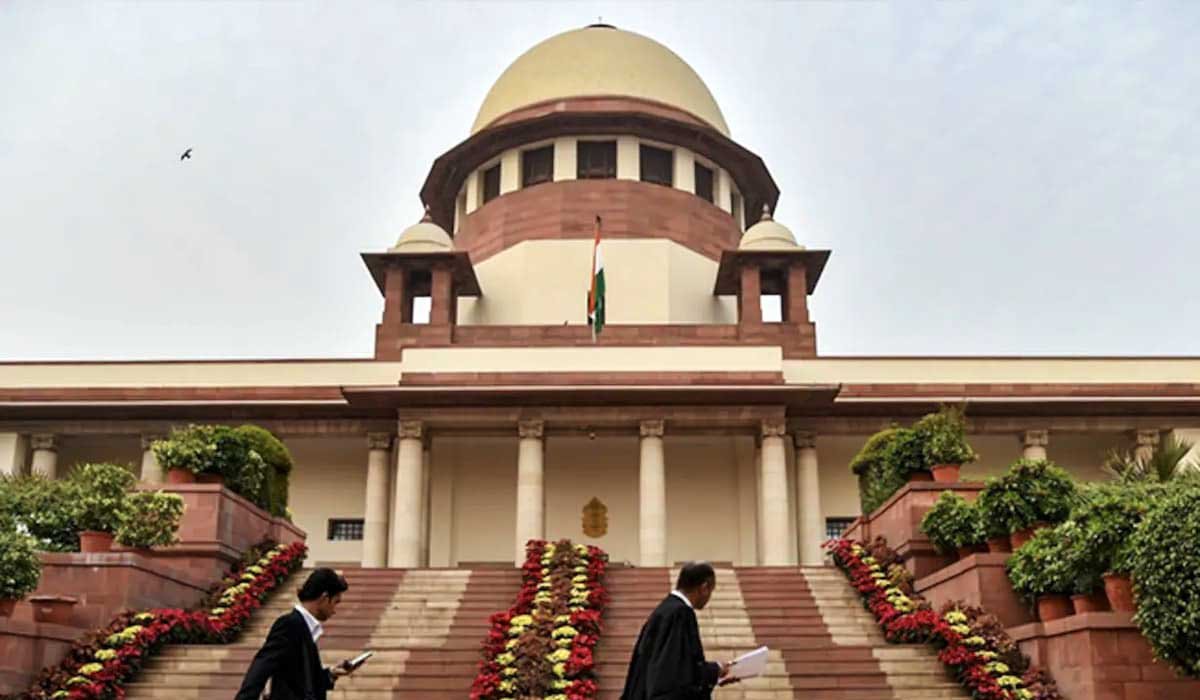
Urgent need to take pro-active steps to clear huge backlog of cases, curtail delaying methods: SC 20
There is an urgent need to take proactive steps to not only clear the huge backlog of cases at all levels but for introspection by all stakeholders to meet the aspirations of litigants who seek speedy justice and curtail methods adopted to delay proceedings, the Supreme Court has said while issuing a slew of directions.
A bench of justices S Ravindra Bhat (since retired) and Aravind Kumar, in the order delivered on Friday, gave directions to all courts at district and taluka levels on matters like the execution of summons, filing of written statements, completion of pleadings, recording of admissions and denials, framing of issues, and fixing of trial for swift disposal of cases.
It also directed the setting of committees by the chief justices of the respective states to constantly monitor old cases pending for more than five years.
The court said millions of consumers of justice file their cases expecting speedy justice so there is an onerous responsibility on all stakeholders to ensure that the people’s faith in this system is not eroded on account of delayed justice.
“There is an urgent need to take pro-active steps to not only clear the huge backlog of cases at all levels but there should be introspection by all the stakeholders to gear up to meet the aspirations of the litigant public, who would only seek speedy justice and to curtail the methods adopted to delay the proceedings that may suit certain sections or classes of the litigant public.
“It is imperative to note that about six per cent of the population in India is affected by litigation, in such a scenario, the courts would play an important role in the life of a nation governed by the rule of law.
Peace and tranquility in society and harmonious relationships between the citizens are achieved on account of the effective administration of justice and its delivery system, even the economic growth of a country is dependent on the “robust justice delivery system which we have in our country”, the bench said in its detailed order.
The top court said that when efficiency has become the hallmark of modern civilization and in all spheres of life, there is an urgent need to hasten the pace of delivery of justice by reducing the time period.
The apex court directed all courts at district and taluka levels to ensure proper execution of the summons in a time-bound manner as prescribed under Order V Rule (2) of the Code of Civil Procedure (CPC).
It said the same shall be monitored by principal district judges and after collating the statistics, they shall forward the same to be placed before the committee constituted by the High Court for its consideration and monitoring.
“All courts at the district and taluka levels shall ensure that a written statement is filed within the prescribed limit, namely as prescribed under Order VIII Rule 1 and preferably within 30 days and to assign reasons in writing as to why the time limit is being extended beyond 30 days as indicated under proviso to sub-Rule (1) of Order VIII of the CPC.
“All courts at Districts and Talukas shall ensure after the pleadings are complete, the parties should be called upon to appear on the day fixed and record the admissions and denials and the court shall direct the parties to the suit to opt for either mode of the settlement outside the court,” the bench said.
In the event of the party’s failure to opt for ADR, namely resolution of the dispute as prescribed under Section 89(1), the court should frame the issues for its determination within one week, preferably in the open court, it said.
“Fixing of the date of trial shall be in consultation with the learned advocates appearing for the parties to enable them to adjust their calendar. Once the date of the trial is fixed, the trial should proceed accordingly, to the extent possible, on a day-to-day basis.
“Trial judges of District and Taluka Courts shall as far as possible maintain the diary for ensuring that only such number of cases as can be handled on any given day for trial and complete the recording of evidence so as to avoid overcrowding of the cases and as a sequence of it would result in adjournment being sought and thereby preventing any inconvenience being caused to the stakeholders,” the bench said.
The top court said the counsel representing the parties may be informed about the provisions of Order XI and Order XII so as to narrow down the scope of dispute and it would be also the onerous responsibility of the Bar Associations and Bar Councils to have periodical refresher courses and preferably by virtual mode.
“The trial courts shall scrupulously, meticulously and without fail comply with the provisions of Rule 1 of Order XVII and once the trial has commenced it shall proceed from day to day as contemplated under the proviso to Rule 2.
“The courts shall give meaningful effect to the provisions for payment of cost for ensuring that no adjournment is sought for procrastination of the litigation and the opposite party is suitably compensated in the event of such adjournment is being granted,” the bench said.
After the trial, the oral arguments shall be heard immediately and continuously and judgment be pronounced within the period stipulated, it said.
“The statistics relating to the cases pending in each court beyond five years shall be forwarded by every presiding officer to the Principal District Judge once a month who (Principal District Judge/District Judge) shall collate the same and forward it to the review committee constituted by the respective High Courts for enabling it to take further steps.
“The Committee so constituted by the Hon’ble Chief Justice of the respective States shall meet at least once in two months and direct such corrective measures to be taken by the concerned court as deemed fit and shall also monitor the old cases (preferably which are pending for more than 05 years) constantly,” it said.
The verdict came on a plea of Yashpal Jain, who had moved the top court assailing a 2019 order of the Uttarakhand High Court in a civil dispute. The case, which began 43 years ago in a local court there, is still continuing.
The bench set aside the high court’s order and asked the lower court to decide the plea of Jain in six months.