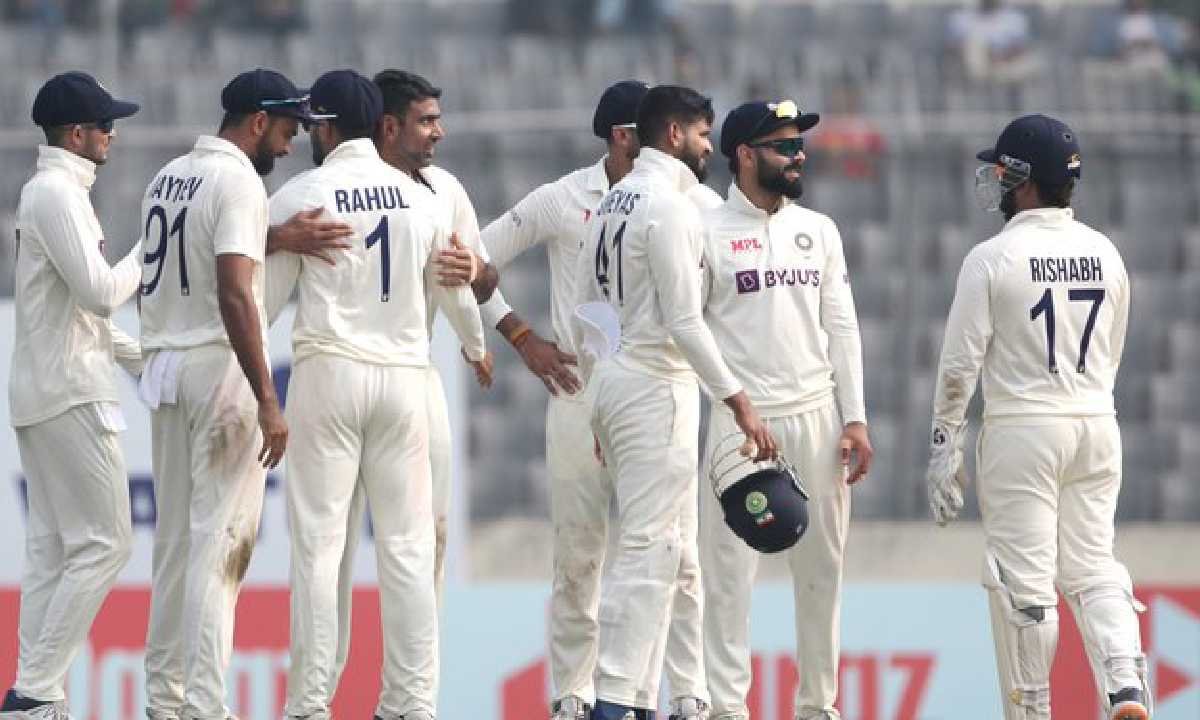
India defeated Bangladesh by three wickets in the second and final Test to clinch the series 2-0 here on Sunday. Chasing 145, India resumed at 45 for four but lost three wickets early before Shreyas Iyer (29 not out) and Ravichandran Ashwin (42 not out) held fort to guide the visitors home in 47 overs.
Mehidy Hasan Miraz (5/63) was the top performer with the ball for Bangladesh. Earlier, India dismissed Bangladesh for 231 in their second innings to set themselves a target of 145.
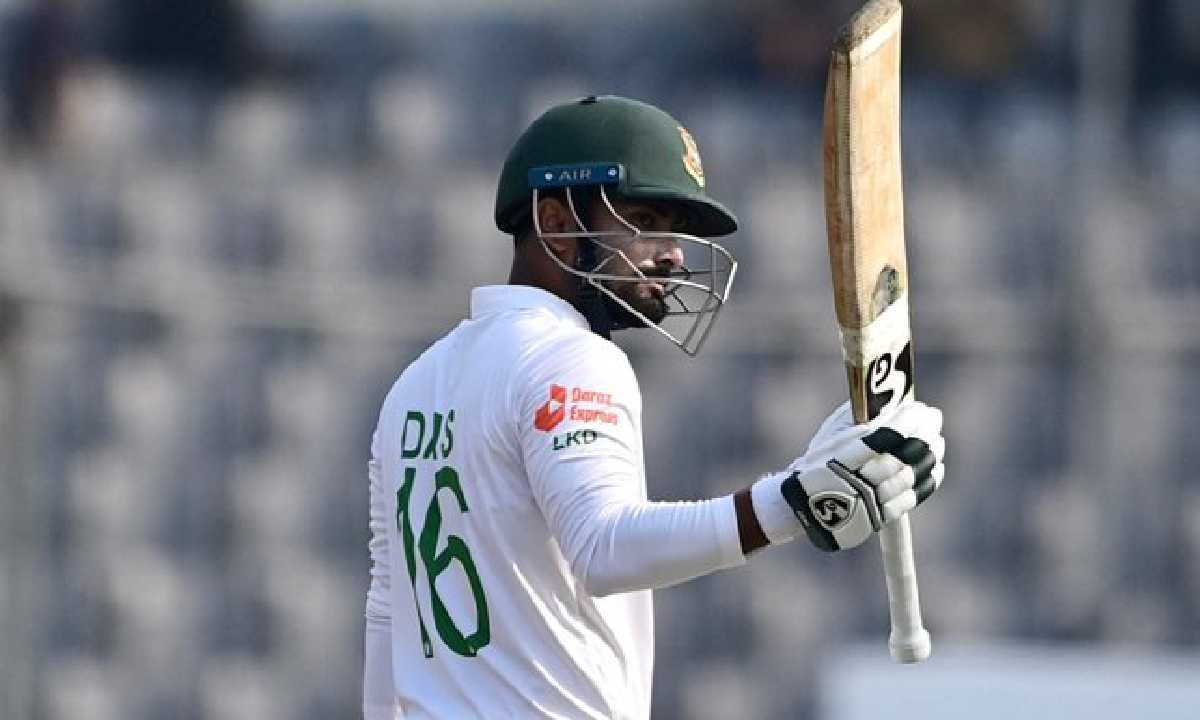
Litton Das (73) led Bangladesh’s fightback on the third day with seven fours in his 98-ball innings.
For India, Umesh Yadav (1/32) removed the dangerous Zakir Hasan (51) just after the southpaw struck a fifty, while Axar (3/58) claimed the scalps of Mehidy (0) and Nurul Hasan (31) in the second session.
India won the first Test by 188 runs. Brief Scores: Bangladesh: 227 & 231 all out in 70.2 overs (Litton Das 73, Zakir Hasan 51; Axar Patel 3/68). India: 314 and 145 for 7 in 47 overs (Ravichandran Ashwin 42 not out, Axar Patel 26, Shreyas Iyer 29 not out; Mehidy Hasan Miraz 5/63).
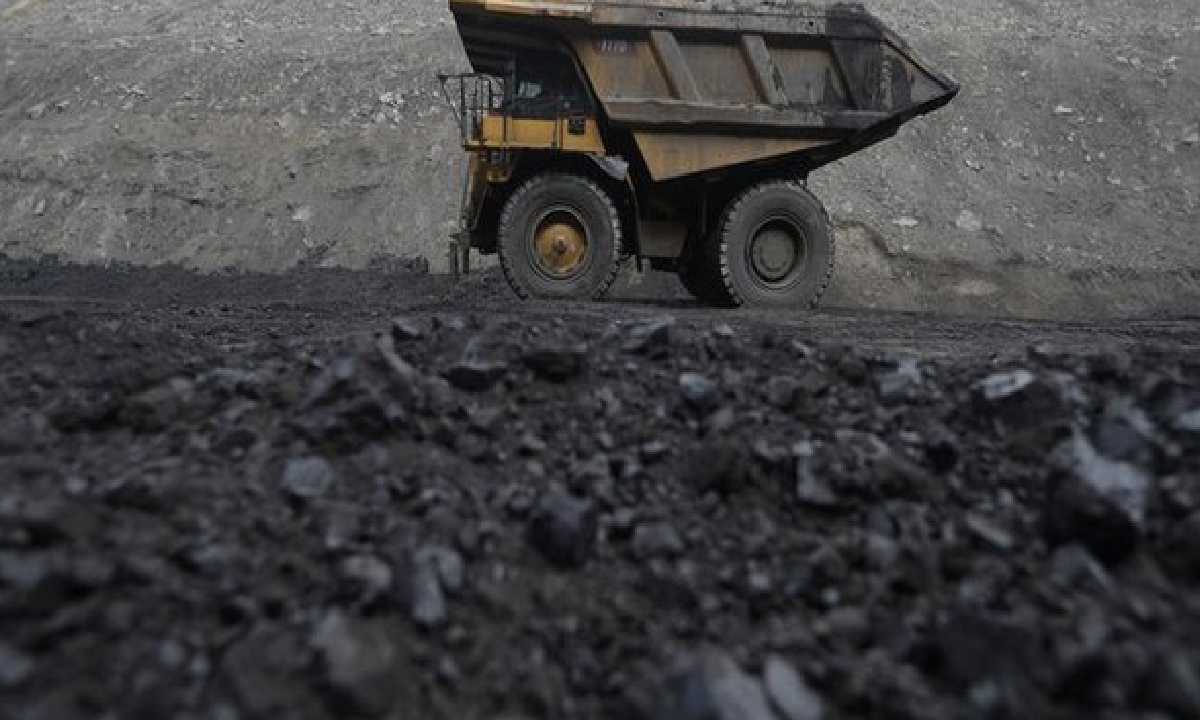
The demand for coal in India will continue and is likely to peak between 2030-2035, Union Minister of Coal, Mines, and Parliamentary Affairs Pralhad Joshi informed Parliament during the recent sessions.
Coal is the major source of energy in India. In 2022-23 (April-October), the coal consumption in coal-based power plants increased to 447.6 million tonnes (MT) as compared to 398.2 million tonnes during the same period of last year with a growth of 12 per cent, the minister said in a written reply.
“Being an affordable source of energy with substantial reserve, coal is going to stay as major source of energy in the foreseeable future. The country will require base load capacity of coal-based generation for stability and also for energy security,” Joshi said.
The Ministry of New and Renewable Energy plans to achieve about 50 per cent cumulative electric power installed capacity from non-fossil fuel-based energy resources by 2030.
So far, a total of 172.72 GW of capacity from non-fossil fuel sources has been installed in the country as of October, which includes119.09 GW RE (includes Solar 61.63 GW, Wind 41.84 GW, SHP 4.92 GW and Bio-Power 10.70 GW), 46.85 GW Large Hydro and 6.78 GW Nuclear Power capacity.
Police on Sunday arrested a 27-year-old co-actor of television and film actress Tunisha Sharma on the charge of abetting her suicide in Maharashtra’s Palghar district, an official said.
The 21-year-old actress allegedly committed suicide on the set of a serial in the Vasai area here on Saturday, he said.
Based on a complaint filed by Sharma’s mother, the Valiv police here registered a case against the deceased’s co-actor, Sheezan M Khan, under Indian Penal Code Section 306 (abetment of suicide) and arrested him, the station house office of Valiv police station said.
Sharma had acted in the TV show ‘Bharat Ka Veer Putra – Maharana Pratap’ and films like ‘Fitoor’ and ‘Baar Baar Dekho’.
The incident on Saturday took place on the set where the shooting of the serial ‘Ali Baba: Dastaan-E-Kabul’ was in progress. Sharma had gone to the washroom on the set and did not return for a long time.
When the door was broken down, she was found hanging inside, the official said. Her mother in her complaint claimed Sharma and Khan were in love and blamed the latter for her daughter’s extreme step, the police said.
No suicide note was found at the spot, the official said, adding the body was sent for post-mortem and further probe was on into the case.
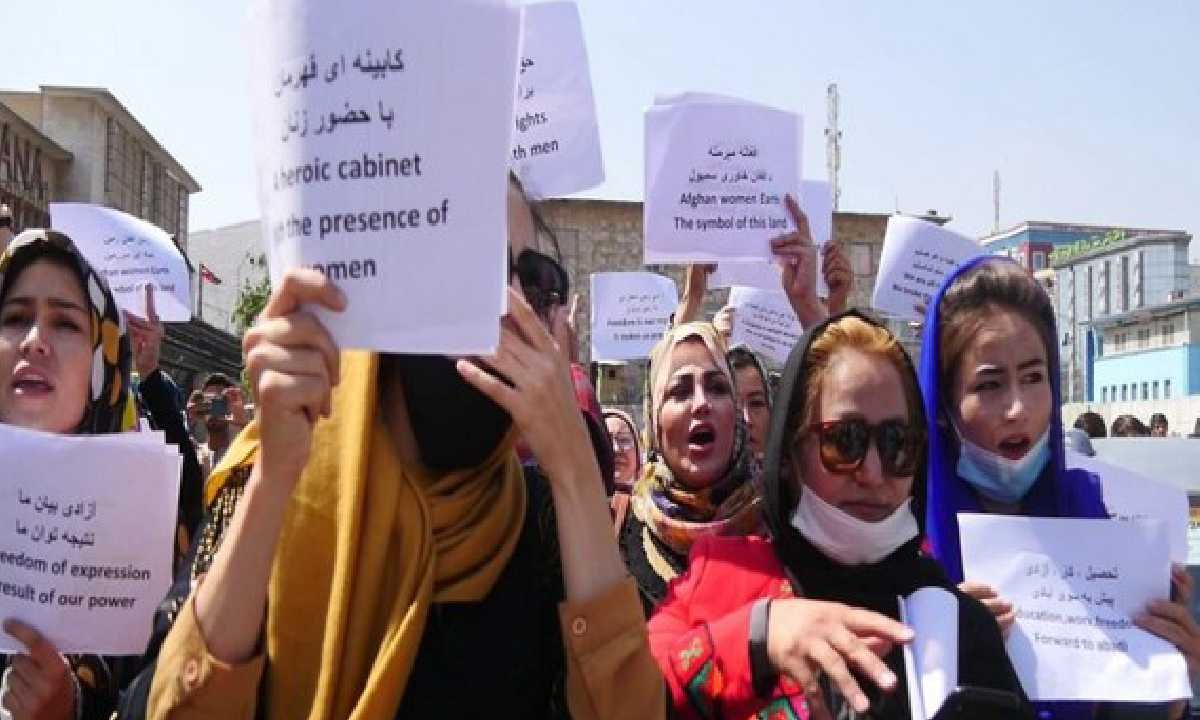
Women across Afghanistan cities have taken to the streets raising slogans against a Taliban ban on their higher education.
The protesters in the capital Kabul besides in Nangarhar, Takhar, and Herat have braved water cannons in biting cold conditions, media reports showed.
The protests are expected to surge amid the latest crackdown ordering all local and foreign non-governmental organisations (NGOs) to stop their female employees from attending work, TOLOnews reported on Saturday.
There has been worldwide condemnation of the bans. “Dozens of women staged a protest in Western Herat province on Saturday against the Taliban’s order that banned female students from pursuing higher education,” Khaama Press reported.
According to the videos circulating on social media, a group of women took to the street and marched around the province, chanting slogans including: “Education is our right, “education for all or none”.
This came after the Taliban on Tuesday announced that women were banned from attending university in the country as they had not been wearing appropriate Islamic attire at colleges and been interacting with their male counterparts.
Meanwhile, in the Takhar province, a group of female university students protested, condemning the Taliban’s latest act of banning women’s right to education. The protestors chanted, “education is our right,” according to Khaama Press.
Protests were also seen in other parts of the country like the capital Kabul, Nangarhar, Takhar, and Herat indicating women’s final chance to demand their inherent right to access education.
The number of university lecturers resigning from their positions in solidarity with the women’s demands has been rising steadily. Following the protest in the capital Kabul earlier this week, the authorities of the interim regime arrested five women taking part in a protest. They also arrest three journalists.
Detaining protesters and journalists is not something new, reported Khaama Press.
Moreover, in the latest crackdown on women’s freedoms, the Taliban regime has ordered all local and foreign non-governmental organisations (NGOs) to stop female employees from coming to work in the country, TOLOnews reported on Saturday.
The Taliban-led Ministry of Economy ordered all national and international non-government organizations to suspend the jobs of female employees until further announcement, Afghan news agency TOLOnews reported.
After the new announcement, the European Union condemned the Taliban’s ban on women working for NGOs and said that it was assessing the impact of its aid in Afghanistan, reported Al Jazeera.
“The European Union strongly condemns the Taliban’s recent decision to ban women from working in national and international NGOs,” said a spokesperson for EU foreign policy chief Josep Borrell to the French news agency.
The suspension of female employees from coming to NGOs has triggered global reactions and criticisms. Ramiz Alakbarov, the UN deputy special representative for Afghanistan and humanitarian coordinator said he was “deeply concerned” by reports of the letter, which was a “clear breach of humanitarian principles”.
The Charge D’affaires for Norway, which funds aid in Afghanistan and hosted talks between Taliban and civil society members in January, condemned the move.
“The ban on female employees in NGOs must be reversed immediately,” Paul Klouman Bekken tweeted. “In addition to being a blow to women’s rights, this move will exacerbate the humanitarian crisis and hurt the most vulnerable Afghans.
“Since 15 August 2021, the de facto authorities have barred girls from attending secondary school, restricted women and girls’ freedom of movement, excluded women from most areas of the workforce and banned women from using parks, gyms and public bath houses.
These restrictions culminate with the confinement of Afghan women and girls to the four walls of their homes.
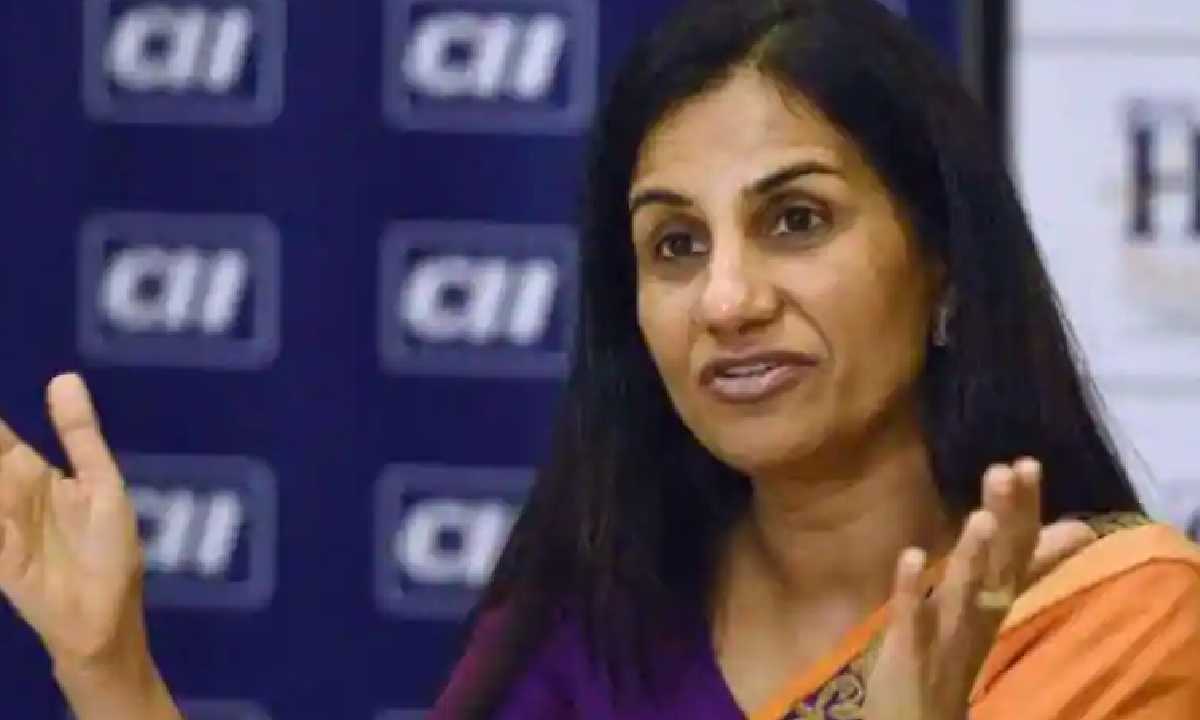
Chanda Kochhar, who was arrested for a cash-for-loan scam on Friday, was once a powerful banker and instrumental in making ICICI Bank the country’s biggest private-sector lender.
Kochhar, a regular feature on Forbes’s top global honcho’s lists, was arrested by the Central Bureau of Investigation (CBI) along with her husband Deepak Kochhar in connection with alleged cheating and irregularities in loans sanctioned by ICICI Bank to Videocon Group companies.
Kochhar was called to the agency headquarters and arrested after a brief questioning session.
Her chapter at ICICI Bank ended abruptly in 2018 when the board of directors approved a request from Kochhar to seek early retirement following allegations of corruption and quid pro quo while extending loans to the now-bankrupt Videocon Industries.
Kochhar, who rose to occupy the corner office at the largest private sector lender, was mired in allegations of conflicts of interest, lack of disclosures and quid pro-quo while extending loans to Videocon.
She, in fact, was the first woman to head a large lender in the country.
Kochhar, a favourite of the then group chairman K V Kamath, joined ICICI, an infrastructure lender in its earlier avatar, as a management trainee in 1984. She rose to play an important part in its transformation into a retail-focused lender when it turned into a commercial bank in the early 1990s.
In 2009, she was chosen to succeed the larger-than-life Kamath as the managing director and chief executive despite a strong leadership bench.
Her elevation also led to the exit of Shikha Sharma (former Axis Bank chief), who was senior to her in ranking in the group. Before her elevation to the corner office, she was a key member of the bank’s management, and oversaw the retail business and was also chief financial officer.
While Kamath faced many bank runs during his tenure, Kochhar’s firm control on the institution led to a complete stoppage of such negative press.
There was just one bank run incident during her tenure. When an RBI review in 2015 found high amount of under-reported dud assets with the bank, she announced a new strategy of concentrating only on well-rated borrowers.
She also championed many social causes but it was her inspiring rise to the top that was most admired. Yet, she perplexed many with her contrarian views like girls lack quantitative analytical skills, leading to limited number of women in B-schools.
Over the years, her leadership of the bank became a hyphenated relationship, wherein she came to define ICICI Bank, till the announcement of her formal exit six months after allegations of impropriety first cropped up, though she had been on an indefinite leave after the board was forced to launch an external probe into the entire issue.
The reasons for her ouster pertain to a loan to Videocon and the business dalliances between its promoter Venugopal Dhoot and her husband Deepak Kochhar.
Dhoot had invested in and subsequently exited a power company promoted by Deepak and Chanda Kochhar did not recuse herself or disclose this when a loan was granted by ICICI Bank to Videocon as part of a consortium.
Initially, she enjoyed the full backing of the board but lost support as the list of allegations kept growing, with more names such as an Essar group shell company of the Ruias emerging among those with which the Kochhar family had links.
However, the gains from the Ruia ties were only a fraction of Videocon’s loan of Rs 3,250 crore in FY11, which soon turned dud. These allegations led to probes by multiple agencies, including the CBI, ED and SFIO.
Finally, it was a complaint by a whistleblower, who is yet to be named, which proved to be her undoing.
After exonerating her initially in the face of Videocon allegations, the bank launched an independent probe by retired judge B N Srikrishna and Kochhar went on indefinite leave pending the enquiry.
This led to Sandeep Bakhshi being made the chief operating officer to oversee the day-to-day operations. Kochhar had six months to go before her current term expired in March 2019.
Regulations allow private sector bank chiefs to continue till the age of 70. Her offer to resign was accepted with immediate effect.
In the past few months, shareholders have sought clarity on the issue at annual meetings and also raised concerns over the bank’s move to appoint her as the chairman of the group’s securities arm.
Kochhar, who maintained a huge public profile, had been away from public glare since her forced leave.
From a performance perspective, when she took over ICICI Bank, it was the second largest in the system and the largest among its private sector peers.
But at the end of her career, it slipped to a distant third spot in the sector and the second largest private sector lender after HDFC Bank.
Mathura local court on Saturday passed an order in the Krishna Janmabhoomi-Shahi Idgah case to survey the disputed site.
The Court of Senior Division, while hearing the petition of Hindu Sena, issued an order to survey the disputed site.
Issuing notices to all the parties, saying they have been asked to comply with the court’s order.
The survey report is to be presented in court on January 20.
Notably, the order is on the same lines as a Varanasi court that ordered videographic survey of the Gyanvapi Masjid.
The court ordered a survey by ‘Amin’ on the claim of the Hindu Sena in Mathura’s Sri Krishna Janmasthan-Shahi Idgah Mosque dispute case.
On December 8, national president of Hindu Sena Vishnu Gupta and vice president Surjit Singh Yadav, residents of Delhi, had claimed in the court that the Idgah was constructed by the Mughal Emperor Aurangzeb by demolishing the temple on 13.37 acres of land of Lord Krishna’s birthplace.
The petition also challenged the agreement made in the year 1968 between Shri Krishna Janmasthan Seva Sangh vs Shahi Masjid Idgah. The court of Civil Judge Senior Division III Sonika Verma served a notice to all the defendants. I
t may be noted that the Shahi Idgah mosque in Mathura comes under the purview of the Places of Worship Act, of 1991.
Here’s what the law says, “An Act to prohibit conversion of any place of worship and to provide for the maintenance of the religious character of any place of worship as it existed on the 15th day of August 1947, and for matters connected therewith or incidental thereto.”
Litton Das, India, Bangladesh, 2 test series | Image: Twitter/@ICC
India bowlers put up a brilliant performance against Bangladesh to cause trouble, however, Litton Das handled the charge fiercely as the hosts extended their lead to 108 runs on Day three of the ongoing second Test against India here at the Shere Bangla National Stadium, Dhaka on Saturday and remained unbeaten on 58 while Taskin Ahmed scored 15 heading into stumps, while Bangladesh’s core read 195/7.
At the time of lunch, Bangladesh were tottering at 71 for four after Indian bowlers struck again and again and destroyed the host’s top order, taking an upper hand in the match.
Bangladesh resumed their innings at 71/4, Zakir Hasan and Litton Das handled the charge as they slammed Indian bowlers all around the ground while gathering singles at regular intervals.
In the 41st over of the game, Zakir Hasan brought up his half-century in 129 balls as he slammed a beautiful front foot straight drive past the bowler for three runs.
However, Hasan’s half-century stint at the crease was cut short as he was dismissed by Umesh Yadav after scoring 51 runs off 135 deliveries.
Mehidy Hasan Miraz then came out to bat but the latter could not do much as he was sent packing by Axar without opening his run tally. The right-handed batter Nurul Hasan then came out to bat.
Litton played with aggression slamming Indian bowlers for boundaries while Hasan played a supporting role taking singles at regular intervals.
In the 54th over of the game, Nurul Hasan’s stint at the crease was cut short as Axar delivered a stunning delivery to dismiss the batter.
Hasan was removed after playing a knock of 31 off 29 deliveries with two fours and one six, leaving Bangladesh tottering at 159/7.
New batter Taskin Ahmed then came out to join hands with Litton. Well set dangerous batter Litton brought up his fierce fifty in 74 balls as Virat Kohli put down another catch at first slip.
Litton slammed Ravichandran Ashwin for 10 runs with the help of one stunning four and singles at regular intervals.
Earlier, Indian bowlers’ disciplined performance in the first session against Bangladesh jostled the hosts as they lost four batters for 71 runs on the third day of the second test here at the Shere Bangla National Stadium, Dhaka.
Jaydev Unadkat, Ravichandran Ashwin, Mohammed Siraj and Axar Patel took a wicket each to dismantle the hosts in the first session of the third day of the second test.
Zakir Hasan (37*) and Litton Das, still to open his account took the hosts to 71/4 at lunch.
Resuming the inning at 7/0, Bangladesh lost their first wicket in the second over of the day to Ashwin as he found Shanto (5) plumb in front of the wicket after surviving a close call on the previous delivery.
Siraj and Ashwin bowled in tandem and looked threatening as they made the opposition batters play defensively.
Mominul Haque struck Siraj for a boundary but the pacer had the last laugh as he dismissed the first inning’s top-scorer for 5 runs.
The batters were made to sweat for runs as the Indian bowlers bowled in the right areas and kept a lid on the scoring rate. Unadkat paired up with Umesh Yadav to make the Bangladesh batting lineup look fragile.
The Saurashtra bowler got rid of Shakib Al Hasan in his first over of the day, reducing Bangladesh to 51/3.
Shakib tried to be positive and play his shots but the left-arm pacer outdid the skipper, making him chip the ball in covers for a soft dismissal.
Experienced batter Mushfiqur Rahim looked solid and it seemed Bangladesh would o into lunch with three wickets down but Axar Patel found him right in front of the wicket to dismiss the right-hander for 9 runs.
Zakir Hasan who made his debut for Bangladesh in the first test was the only batter who showed resilience against a disciplined Indian bowling attack.
He anchored one end and made sure that the hosts did not suffer a collapse.
Litton Das and Zakir remained unbeaten for the hosts as the umpires called lunch on the third day of the second test. Earlier, wicket-keeper batter Rishabh Pant and Shreyas Iyer’s knock guided India to 314 all out giving them an 87-run lead in the first innings of the second test here at the Shere Bangla National Stadium, Dhaka.
Resuming the post-tea session at 226/4, India went on to go past the Bangladesh team’s total of 227 runs to take the first-innings lead.
Brief Scores: Bangladesh 227/10 and 195/7 (Litton Das 58*, Zakir Hasan 51; Axar Patel 3-58) vs India 314/10 (Rishabh Pant 93, Shreyas Iyer 87; Taijul Islam 4-74, Shakib Al Hasan 4/79).
Tibet, Monastery, Arunachal Pradesh, Dalai Lama | Image: PTI
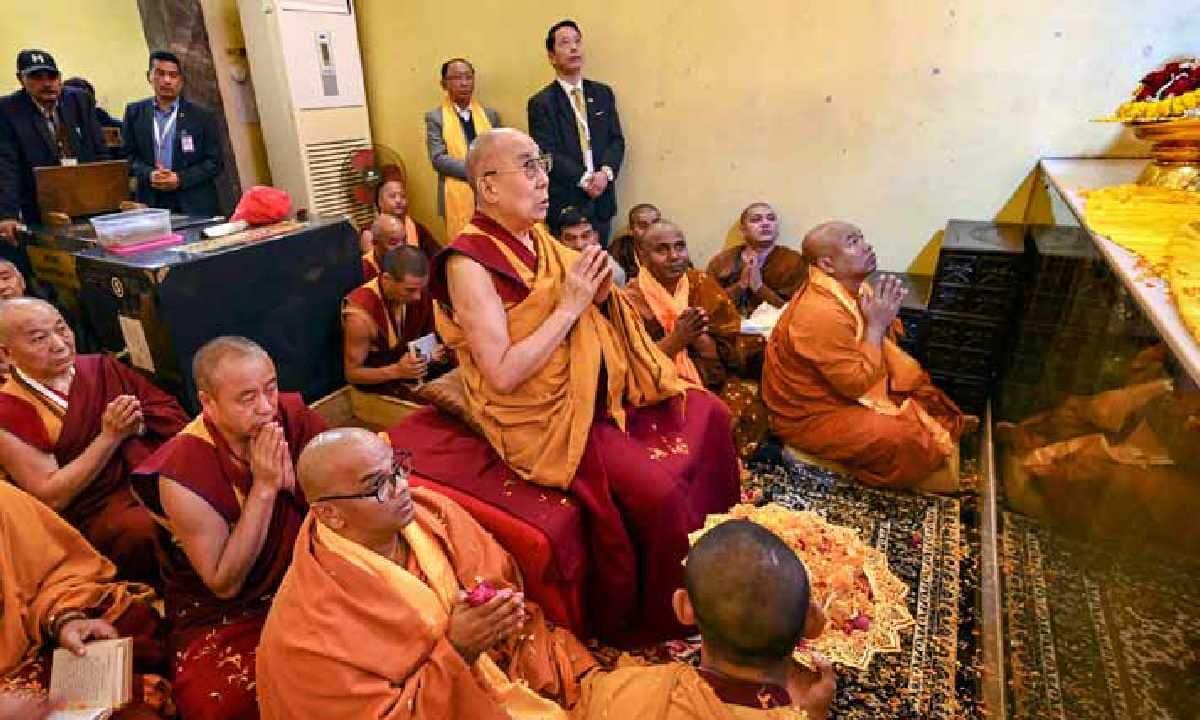
The attack on Arunachal Pradesh’s Tawang was not just about China’s geopolitics but was more about Tibetan Buddhism and spirituality as the next Dalai Lama could be reincarnated in the district which will ruin the chance for China to select the next incarnation, Vas Shenoy writes in The Times of Israel.
On December 9, People’s Liberation Army troops contacted the LAC in Tawang Sector, contested by Indian troops in a firm and resolute manner. This face-off led to minor injuries to a few personnel from both sides.
It seems that the clash was just limited to geopolitics but it was more than that.
Tawang, which lies in the border state of Arunachal Pradesh, is home to Tawang Galdan Namgye Lhatse monastery, the oldest and second-largest monastery of Tibetan Buddhism outside of China’s control.
Established in 1681, Tawang Galdan Namgye Lhatse monastery can be a part of the mysterious puzzle to the future of Tibet, its spirituality and politics all of which are currently embodied by the 14th Dalai Lama, according to the author.
The current Dalai Lama, 87, is reportedly not in the best of health. His succession could be hugely contested, and China will try and nominate a new Dalai Lama, to control Tibetan Buddhism.
However, the Dalai Lama could also reincarnate in Tawang, home to several thousand ethnic Tibetan families who have lived around the monastery for generations.
Having control of the mountains around Tawang would help the Chinese army to make a further push to capture the monastery eventually, according to the author.
After the 14th Dalai Lama, the Tibetans have to search for the next successor and that will largely dictate the amount of force China needs to employ to retain its absolute control of Tibet, as per the author.
With unexpectedly rising discontent in China, Tibet, and Xinjiang against the supreme leader Xi Jinping whom the CCP has reelected for an unprecedented third term, the CCP is nervous about the current Dalai Lama’s visits to a disputed area in Ladakh by Indian military helicopter, according to the author.
While the current Dalai Lama lives, the status quo in Tibet will remain, a young dynamic Dalai Lama from Tawang might disturb the equilibrium that Xi Jinping has endeavoured to maintain in Tibet, taking with it other provinces like Xin Jiang and strengthening the revolt in Hong Kong as well as Taiwan’s independence, reported The Times of Israel.
On Friday, Six people have been booked in a gang rape case of a 15-year-old minor Girl. The incident was reported in Lower Parel, Mumbai where six people were booked including 3 minors in gang rape case
Police sent the 3 minor accused to juvenile home and 3 others to the police custody till 30 December.
as per reports, the victim is friend of one of the accused. After the victims statement on the Police station, the accused was arrested.
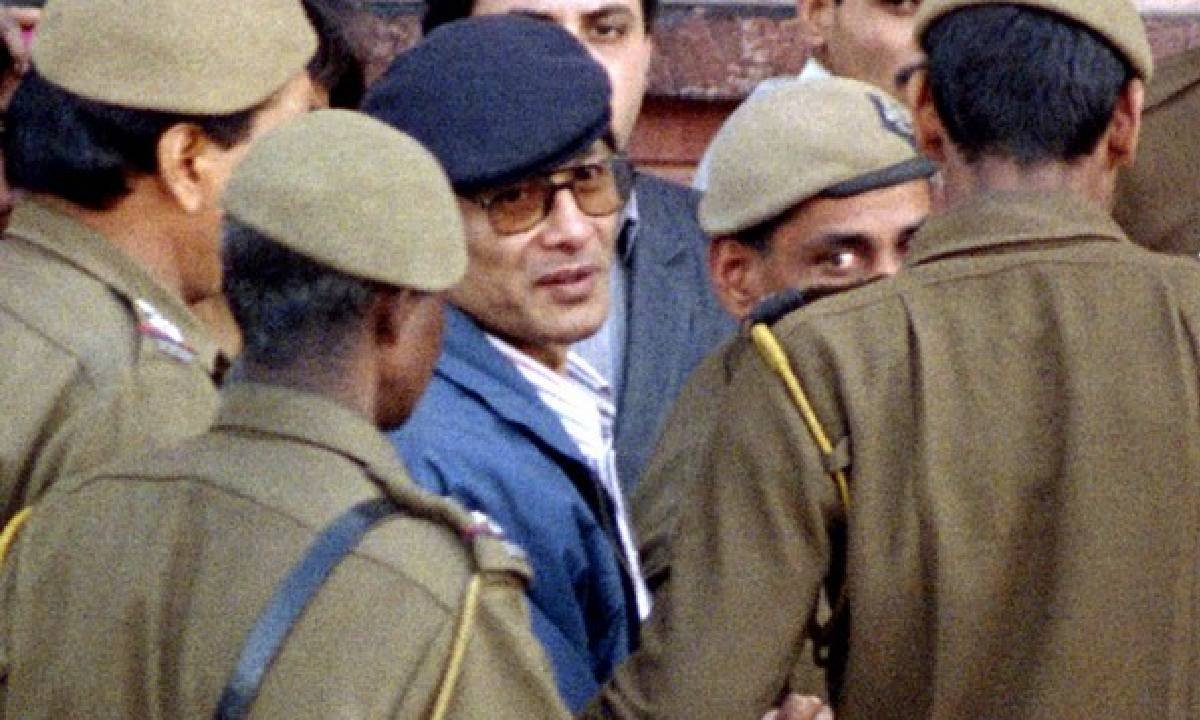
French ‘serial killer’ Charles Sobhraj, responsible for multiple murders in the 1970s across Asia, left for France on Friday after being freed from a 20-year spell in a Nepali prison, reported France24.
On Wednesday, the Supreme Court in the Himalayan nation ordered the release of Sobhraj on the grounds of old age and deteriorating health conditions.
Since 2003, he was serving his sentence in a Nepal jail on the charge of murdering two American tourists. The court concluded that the 78-year-old will be set free as he had already completed 95 per cent of his jail term.
In the verdict delivered on Wednesday evening, Supreme Court said, “The regulation on prison management envisions a waiver of up to 75 per cent of the jail term of the prisoners over 65 years of age and with good conduct.”
Sobhraj’s lawyers had long been demanding the court’s intervention for clemency. In different petitions, they had demanded a waiver of his jail sentence, citing provisions of Clause 12 (1) of the Senior Citizens Act 2063. The court has now ordered the government to make arrangements for repatriating Sobhraj to his home country within 15 days.
“Kept in prison here at Central Jail for a long time, the French national Charles Sobhraj has been ordered to be released by the Supreme Court on 21st December. We checked the records of Kathmandu and Bhaktapur District Court and have requested clearance from them over the cases registered against him. We are now preparing to release him from prison and then we will hand him over to the Department of Immigration. We will take him to the department after they finish their preparations,” Ishwori Prasad Pandey, the Jailer at Central Jail in Kathmandu told reporters before Sobhraj underwent medical checkups.
The notorious criminal has also appealed to Nepal authorities to let him stay in a hotel and undergo open heart surgery at the Gangalal Heart Hospital in Kathmandu. But the authorities are yet to decide on it.
“I talked to Charles and told him that the media are waiting outside and want to talk. The jail authorities were also willing to let him talk but he (Charles) refused to speak to the media. Also, the talk about his treatment at Gangalal Hospital and his desire to stay at the hotel till the time of deportation is also under consideration and talks are underway with the Home Ministry and Department of Prison Management whose decision also would come tomorrow. All these things would be decided tomorrow (Friday).
The notorious criminal with police cases in different countries was convicted of killing the American citizen Connie Jo Boronzich, 29, and his Canadian girlfriend Laurent Carriere, 26, in 1975.
Arrested on September 19, 2003, Sobhraj’s lifetime imprisonment would end on September 18 next year. The French citizen with Vietnamese and Indian parentage committed a string of murders throughout Asia in the 1970s. Sobhraj, who has been implicated in more than 20 killings, served 21 years in India for poisoning a French tourist and killing an Israeli national.
Sobhraj was also awarded a 20-year jail term in 2014 after being found guilty of a second murder, of a Canadian tourist Laurent Carriere, who was killed in 1975. The French serial killer was arrested in 2004 after he was first spotted in a Kathmandu casino.